
Author Interviews
06 Nov Rosacea May Be a Cutaneous Manifestation of Migraine
MedicalResearch.com Interview with: [caption id="attachment_21019" align="alignleft" width="200"] Dr. Alexander Egeberg[/caption]
Alexander Egeberg, MD PhD
Gentofte Hospital
Department of Dermatology and Allergy
Hellerup Denmark
MedicalResearch.com: What is the background for this study? What are the main findings?
Response: Patients with rosacea frequently report symptoms of migraine, and this link has been discussed for many years. However, very little research has actually been performed in this area, and the prevalence varies greatly between studies. We examined the prevalence of migraine in patients with rosacea, nationwide, as well as the risk of new-onset migraine in patients with manifest rosacea. We found a markedly increased prevalence of migraine among patients with rosacea. The risk of new-onset migraine was also higher among patients with rosacea, but only among women. Perhaps most notably was the observation that risk of new-onset migraine was highest among patients older than 50 years. This was surprising, since new-onset migraine in older individuals is often considered a "red flag".
Dr. Alexander Egeberg[/caption]
Alexander Egeberg, MD PhD
Gentofte Hospital
Department of Dermatology and Allergy
Hellerup Denmark
MedicalResearch.com: What is the background for this study? What are the main findings?
Response: Patients with rosacea frequently report symptoms of migraine, and this link has been discussed for many years. However, very little research has actually been performed in this area, and the prevalence varies greatly between studies. We examined the prevalence of migraine in patients with rosacea, nationwide, as well as the risk of new-onset migraine in patients with manifest rosacea. We found a markedly increased prevalence of migraine among patients with rosacea. The risk of new-onset migraine was also higher among patients with rosacea, but only among women. Perhaps most notably was the observation that risk of new-onset migraine was highest among patients older than 50 years. This was surprising, since new-onset migraine in older individuals is often considered a "red flag".
04 Nov Tailored Weight Watchers Program Improved Weight Loss and Blood Sugar in Type II Diabetes
MedicalResearch.com Interview with: [caption id="attachment_29416" align="alignleft" width="144"] Dr. Patrick M. O'Neil[/caption]
Patrick M. O'Neil, Ph.D.
Director, Weight Management Center
Professor, Department of Psychiatry and Behavioral Sciences
Medical University of South Carolina
Charleston, SC 29425
MedicalResearch.com: What is already known about the subject?
• Even modest weight loss (2-5%) from clinical interventions improves glycemic control in type 2 diabetes.
• Commercial weight loss programs, comparatively more affordable and accessible than clinic-based modalities, can produce weight losses in this range, although they typically do not offer diabetes-specific counseling.
• Data are sparse on such programs’ effects on glycemic control for adults with T2DM.
Dr. Patrick M. O'Neil[/caption]
Patrick M. O'Neil, Ph.D.
Director, Weight Management Center
Professor, Department of Psychiatry and Behavioral Sciences
Medical University of South Carolina
Charleston, SC 29425
MedicalResearch.com: What is already known about the subject?
• Even modest weight loss (2-5%) from clinical interventions improves glycemic control in type 2 diabetes.
• Commercial weight loss programs, comparatively more affordable and accessible than clinic-based modalities, can produce weight losses in this range, although they typically do not offer diabetes-specific counseling.
• Data are sparse on such programs’ effects on glycemic control for adults with T2DM.
04 Nov Fewer Births To Preteen Mothers Means Lower Preterm Birth Rates
MedicalResearch.com Interview with: Cynthia Ferre MA PhD Division of Reproductive Health National Center for Chronic Disease Prevention and Health Promotion CDC MedicalResearch.com: What is the background for this study? Response: Reductions in births to teens and preterm birth rates are two recent public health successes in the United States. To date, however, we haven’t had data to indicate whether these two declines are associated. So, we used age-specific data on trends in births overall and in preterm births to determine the effects of changes in maternal age on preterm birth.04 Nov JAK Inhibitor Tofacitinib Regrows Hair In Patients With Severe Alopecia Areata
MedicalResearch.com Interview with: [caption id="attachment_29402" align="alignleft" width="133"] Dr. Brett King[/caption]
Brett A. King, MD, PhD
Assistant Professor Department of Dermatology
School of Medicine
Yale University
New Haven, CT 06520
MedicalResearch.com: What is the background for this study? What are the main findings?
Response: Recent advances in the understanding of the pathogenesis of alopecia areata (AA) have yielded Janus kinase (JAK) inhibitors as a promising therapy. Short-term treatment with the JAK inhibitor, tofacitinib, has shown efficacy for severe AA, alopecia totalis (AT), and alopecia universalis (AU), but long-term data are lacking.
In this retrospective series of patients aged 18 years or older treated with tofacitinib, of 65 potential responders to therapy, defined as those with AT or AU with duration of current episode of disease of 10 years or less or AA, 77% achieved at least some hair regrowth, with 58% of patients achieving greater than 50% change in SALT score and 20% of patients achieving complete scalp hair regrowth over 4 to 18 months of treatment. Tofacitinib was well tolerated, and there were no serious adverse events.
Dr. Brett King[/caption]
Brett A. King, MD, PhD
Assistant Professor Department of Dermatology
School of Medicine
Yale University
New Haven, CT 06520
MedicalResearch.com: What is the background for this study? What are the main findings?
Response: Recent advances in the understanding of the pathogenesis of alopecia areata (AA) have yielded Janus kinase (JAK) inhibitors as a promising therapy. Short-term treatment with the JAK inhibitor, tofacitinib, has shown efficacy for severe AA, alopecia totalis (AT), and alopecia universalis (AU), but long-term data are lacking.
In this retrospective series of patients aged 18 years or older treated with tofacitinib, of 65 potential responders to therapy, defined as those with AT or AU with duration of current episode of disease of 10 years or less or AA, 77% achieved at least some hair regrowth, with 58% of patients achieving greater than 50% change in SALT score and 20% of patients achieving complete scalp hair regrowth over 4 to 18 months of treatment. Tofacitinib was well tolerated, and there were no serious adverse events.
04 Nov Antiemetic Drugs Can Be Overprescribed To Chemotherapy Patients
MedicalResearch.com Interview with: Ayako Okuyama, RN, PHN, MW, PhD Center for Cancer Control and Information Services National Cancer Center, Japan MedicalResearch.com: What is the background for this study? What are the main findings? Response: Chemotherapy-induced nausea and vomiting (CINV) is a major concern for chemotherapy patients. Despite widespread concern, not all chemotherapeutic drugs cause severe CINV. Our study illustrated that the potential for overuse of prophylactic antiemetics for chemotherapy with minimal and low emetic risks according to the antiemetic guidelines.04 Nov Tamsulosin (Flomax) Improves Passage of Some Kidney Stones
MedicalResearch.com Interview with: Ralph Wang, MD, MAS Associate Clinical Professor, Department of Emergency Medicine University of California, San Francisco MedicalResearch.com: What is the background for this study? Response: Medical expulsive therapy, most notably tamsulosin, has been studied extensively to improve stone passage in patients diagnosed with ureteral stone. Prior trials and meta-analyses have identified a benefit. In fact, tamsulosin is recommended by the American Urologic Association for patients diagnosed with ureteral stones < 10mm that do not require intervention. However, recent well-conducted multi-center randomized trials have not found any improvement in stone passage. Thus we conducted a systematic review and meta-analysis of all double blinded, placebo controlled randomized trials of tamsulosin to determine whether it improves stone passage.04 Nov How Does Consciousness Emerge From Brain’s Neural Network?
MedicalResearch.com Interview with: [caption id="attachment_29409" align="alignleft" width="200"]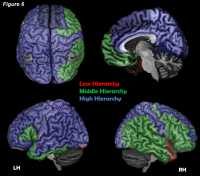 Researchers suggest that there are unique areas in the brain’s neuronal network that can serve as the conscious complex of the brain, enabling conscious activity. Credit: Nir Lahav, Eti Ben Simon[/caption]
Nir Lahav
Physics Department
Bar-Ilan University in Israel
MedicalResearch.com: What is the background for this study?
Response: Our brain is a very complex network, with approximately 100 billion neurons and 100 trillion synapses between the neurons. The question is how can we cope with this enormous complexity?
Ultimately, scientists seek to understand how a global phenomenon such as consciousness can emerge from our neuronal network.
We used network theory in order to cope with this complexity and to determine how the structure of the human cortical network can support complex data integration and conscious activity.
Previous studies have shown that the human cortex is a network with small world properties, which means that it has many local structures and some shortcuts from global structures which connect faraway areas (similar to the difference between local buses and cross-country trains). The cortex also has many hubs, which are nodes that have a high number of links (like central stations), that are also strongly interconnected between themselves, making it easy to travel between the brain's information highways.But in order to examine how the structure of the network can support global emerging phenomena, like consciousness, we need to look not only in the different nodes. We need to check global areas with lots of nodes. That's why we applied a network analysis called k-shell decomposition. This analysis takes into account the connectivity profile of each node making it easy to uncover different neighborhoods of connections in the cortical network, we called shells. The most connected neighborhood in the network is termed the network's nucleus. until today scientists were only interested in the network's nucleus, but we found that these different shells can hold important information about how the brain integrates information from the local levels of each node to the entire global network. For the first time we can build a comprehensive topological model of our cortex.
Researchers suggest that there are unique areas in the brain’s neuronal network that can serve as the conscious complex of the brain, enabling conscious activity. Credit: Nir Lahav, Eti Ben Simon[/caption]
Nir Lahav
Physics Department
Bar-Ilan University in Israel
MedicalResearch.com: What is the background for this study?
Response: Our brain is a very complex network, with approximately 100 billion neurons and 100 trillion synapses between the neurons. The question is how can we cope with this enormous complexity?
Ultimately, scientists seek to understand how a global phenomenon such as consciousness can emerge from our neuronal network.
We used network theory in order to cope with this complexity and to determine how the structure of the human cortical network can support complex data integration and conscious activity.
Previous studies have shown that the human cortex is a network with small world properties, which means that it has many local structures and some shortcuts from global structures which connect faraway areas (similar to the difference between local buses and cross-country trains). The cortex also has many hubs, which are nodes that have a high number of links (like central stations), that are also strongly interconnected between themselves, making it easy to travel between the brain's information highways.But in order to examine how the structure of the network can support global emerging phenomena, like consciousness, we need to look not only in the different nodes. We need to check global areas with lots of nodes. That's why we applied a network analysis called k-shell decomposition. This analysis takes into account the connectivity profile of each node making it easy to uncover different neighborhoods of connections in the cortical network, we called shells. The most connected neighborhood in the network is termed the network's nucleus. until today scientists were only interested in the network's nucleus, but we found that these different shells can hold important information about how the brain integrates information from the local levels of each node to the entire global network. For the first time we can build a comprehensive topological model of our cortex.
04 Nov Electronic Records Can Provide Real World Evidence On Treatments of Type 2 Diabetes
MedicalResearch.com Interview with: [caption id="attachment_29420" align="alignleft" width="200"] Dr. Lee Kallenbach[/caption]
Lee Kallenbach, PhD, MPH
Principal Investigator
Practice Fusion
MedicalResearch.com: What is the background for this study?
Response: Clinical inertia, or the tendency for patients and providers to continue using the same course of treatment even when clinical markers may suggest that treatment intensification is necessary, is an ongoing factor that can contribute to inadequate diabetes care. This is especially true when the treatment intensification may involve a switch from an oral medication to an injectable medication. It is less challenging for a patient to take a pill than it is to give themselves a shot.
Even with all the new diabetes treatments available, clinical inertia is still common among patients with uncontrolled type 2 diabetes (T2D). To further understand the extent of clinical inertia among patients with T2D, the study assessed treatment intensification patterns and associated demographic and clinical characteristics for patients with uncontrolled T2D who were already taking two or more oral anti-diabetes medications.
The study consisted of a retrospective observational analysis leveraging data from Practice Fusion’s de-identified clinical database, which includes more than 38 million records, representing 6.7 percent of all practices across the United States.1 Using a cohort of 25,365 de-identified records, we studied the care given by providers in independent practices to patients in need of intensifying their antidiabetic therapy for managing T2D. To our knowledge, this is one of the largest real world evidence (RWE) studies of T2D that has leveraged a de-identified clinical database from an electronic health record (EHR) platform.
Dr. Lee Kallenbach[/caption]
Lee Kallenbach, PhD, MPH
Principal Investigator
Practice Fusion
MedicalResearch.com: What is the background for this study?
Response: Clinical inertia, or the tendency for patients and providers to continue using the same course of treatment even when clinical markers may suggest that treatment intensification is necessary, is an ongoing factor that can contribute to inadequate diabetes care. This is especially true when the treatment intensification may involve a switch from an oral medication to an injectable medication. It is less challenging for a patient to take a pill than it is to give themselves a shot.
Even with all the new diabetes treatments available, clinical inertia is still common among patients with uncontrolled type 2 diabetes (T2D). To further understand the extent of clinical inertia among patients with T2D, the study assessed treatment intensification patterns and associated demographic and clinical characteristics for patients with uncontrolled T2D who were already taking two or more oral anti-diabetes medications.
The study consisted of a retrospective observational analysis leveraging data from Practice Fusion’s de-identified clinical database, which includes more than 38 million records, representing 6.7 percent of all practices across the United States.1 Using a cohort of 25,365 de-identified records, we studied the care given by providers in independent practices to patients in need of intensifying their antidiabetic therapy for managing T2D. To our knowledge, this is one of the largest real world evidence (RWE) studies of T2D that has leveraged a de-identified clinical database from an electronic health record (EHR) platform.
04 Nov Drug Positivity in U.S. Workforce Rises to Highest Level in a Decade
MedicalResearch.com Interview with: [caption id="attachment_29381" align="alignleft" width="200"] Dr. Barry Sample[/caption]
Dr. Barry Sample PhD
Senior director, science and technology
Quest Diagnostics Employer Solutions
A business of Quest Diagnostics
MedicalResearch.com: What is the background for this study of drug testing of the U.S. workforce?
Response: As a leader in the drug testing industry, our primary goal at Quest Diagnostics Employer Solutions is to help employers maintain drug-free workplaces and combat the impacts of substance abuse such as higher absenteeism, increased risk of injury and lower productivity and performance.
One way we support these efforts is to offer analysis and information from resources like the Quest Diagnostics Drug Testing Index™, which we publish as a public service for government, media, and industry. We’ve published the Drug Testing Index since 1988, which is also the year that Congress passed the Drug-Free Workplace Act.
The Drug Testing Index examines positivity rates – the proportion of positive drug test results – among three major testing populations: federally-mandated, safety-sensitive workers; the general (private sector) U.S. workforce; and the combined U.S. workforce. Thresholds for positivity are determined by cutoff levels as established by the administrating authority; these cutoff levels determine the threshold for positivity for a specific substance. Should a metabolite appear at or above the level of the cutoff, a test is determined to be positive.
Over the last few decades, testing policies have evolved to serve a dual purpose of protecting the health, safety, and welfare of both employees and the general public. That’s especially important in certain industries, such as transportation, where an impaired driver, pilot, or operator can create substantial public risk. The positivity rate in 1998, the year of the first Drug Testing Index, was 13.6 percent. Over the last 25 years, as we have tracked the overall positivity rate, we have noted other significant trends in the American workforce based on workplace drug tests. For example, our 2003 analysis revealed that amphetamine positivity had grown by 70 percent over the previous five years. The 2011 Drug Testing Index found that hydrocodone and oxycodone led U.S. general workforce positives. In both 2010 and 2011, the overall drug positivity rate was 3.5 percent, the lowest rate since we began publishing the Drug Testing Index. This year, we found positivity is at a ten-year high.
What that tells us is that trends come and go, and that we cannot rely on assumptions about drug use.
Dr. Barry Sample[/caption]
Dr. Barry Sample PhD
Senior director, science and technology
Quest Diagnostics Employer Solutions
A business of Quest Diagnostics
MedicalResearch.com: What is the background for this study of drug testing of the U.S. workforce?
Response: As a leader in the drug testing industry, our primary goal at Quest Diagnostics Employer Solutions is to help employers maintain drug-free workplaces and combat the impacts of substance abuse such as higher absenteeism, increased risk of injury and lower productivity and performance.
One way we support these efforts is to offer analysis and information from resources like the Quest Diagnostics Drug Testing Index™, which we publish as a public service for government, media, and industry. We’ve published the Drug Testing Index since 1988, which is also the year that Congress passed the Drug-Free Workplace Act.
The Drug Testing Index examines positivity rates – the proportion of positive drug test results – among three major testing populations: federally-mandated, safety-sensitive workers; the general (private sector) U.S. workforce; and the combined U.S. workforce. Thresholds for positivity are determined by cutoff levels as established by the administrating authority; these cutoff levels determine the threshold for positivity for a specific substance. Should a metabolite appear at or above the level of the cutoff, a test is determined to be positive.
Over the last few decades, testing policies have evolved to serve a dual purpose of protecting the health, safety, and welfare of both employees and the general public. That’s especially important in certain industries, such as transportation, where an impaired driver, pilot, or operator can create substantial public risk. The positivity rate in 1998, the year of the first Drug Testing Index, was 13.6 percent. Over the last 25 years, as we have tracked the overall positivity rate, we have noted other significant trends in the American workforce based on workplace drug tests. For example, our 2003 analysis revealed that amphetamine positivity had grown by 70 percent over the previous five years. The 2011 Drug Testing Index found that hydrocodone and oxycodone led U.S. general workforce positives. In both 2010 and 2011, the overall drug positivity rate was 3.5 percent, the lowest rate since we began publishing the Drug Testing Index. This year, we found positivity is at a ten-year high.
What that tells us is that trends come and go, and that we cannot rely on assumptions about drug use.
04 Nov Thinking About Death Motivates Athletes To Do Better
MedicalResearch.com Interview with: [caption id="attachment_29377" align="alignleft" width="200"] Colin Zestcott[/caption]
Colin Zestcott PhD Graduate Student
University of Arizona
MedicalResearch.com: What is the background for this study? What are the main findings?
Response: We are very interested in terror management theory, which was developed by Jeff Greenberg (one of the co-Authors of the paper) and his colleagues in the late 80's. The theory is a very broad motivational theory that may help explain why people do the things they do in many different contexts. The theory explains why people need self esteem and why they care so much about their cultural worldviews.
Athletes use many different motivational techniques to improve their performance in sport. Our idea was to apply an experimental social psychology theory--Terror Management Theory (TMT)--as one novel way to improve performance in basketball. According to Terror Management Theory (TMT; Greenberg, Pyszczynski & Solomon, 1986) self-esteem and cultural worldviews help human beings avoid worrying about their inevitable mortality, by convincing them that they are more than just material creatures that are destined to die and decay; that they have meaning, purpose and value, and that they may somehow continue to exist after they die, either literally, as in religious beliefs in the afterlife, or symbolically, through their achievements, relationship and identification with groups. According to TMT self-esteem is defined as the feeling that one is a valuable member of a meaningful universe.
Colin Zestcott[/caption]
Colin Zestcott PhD Graduate Student
University of Arizona
MedicalResearch.com: What is the background for this study? What are the main findings?
Response: We are very interested in terror management theory, which was developed by Jeff Greenberg (one of the co-Authors of the paper) and his colleagues in the late 80's. The theory is a very broad motivational theory that may help explain why people do the things they do in many different contexts. The theory explains why people need self esteem and why they care so much about their cultural worldviews.
Athletes use many different motivational techniques to improve their performance in sport. Our idea was to apply an experimental social psychology theory--Terror Management Theory (TMT)--as one novel way to improve performance in basketball. According to Terror Management Theory (TMT; Greenberg, Pyszczynski & Solomon, 1986) self-esteem and cultural worldviews help human beings avoid worrying about their inevitable mortality, by convincing them that they are more than just material creatures that are destined to die and decay; that they have meaning, purpose and value, and that they may somehow continue to exist after they die, either literally, as in religious beliefs in the afterlife, or symbolically, through their achievements, relationship and identification with groups. According to TMT self-esteem is defined as the feeling that one is a valuable member of a meaningful universe.
03 Nov Fetal Structural Defects Detected Later in Pregnancy Than Chromosomal Abnormalities
MedicalResearch.com Interview with: Sarah Horvath, MD Paula M. Castaño, MD, MPH Anne R. Davis, MD, MPH Columbia University Medical Center MedicalResearch.com: What is the background for this study? What are the main findings? Response: Approximately 3% of pregnant women in the United States will receive a prenatal diagnosis of fetal aneuploidy (such as trisomy 21) or fetal structural abnormality (such as cardiac or CNS malformations). Many of these women will undergo abortion. Advances in screening over the past few decades have allowed earlier diagnosis of aneuploidy, but most structural abnormalities cannot be diagnosed until the anatomy ultrasound at 18-20 weeks gestational age because of fixed patterns of fetal development. Our analysis examines gestational age at time of abortion for these two types of fetal diagnosis from 2004-2014. Our main finding was that median gestational age at time of abortion for fetal aneuploidy decreased from 19 weeks to 14 weeks. However, over the same 11 year period, median gestational age at time of abortion for fetal structural abnormalities remained unchanged and at or above 20 weeks gestation.03 Nov 5ARIs Found Not Linked To Increased Prostate Cancer Mortality
MedicalResearch.com Interview with: [caption id="attachment_29357" align="alignleft" width="150"] Dr. Lauren P. Wallner[/caption]
Lauren P. Wallner, PhD, MPH
Assistant Professor, Departments of Medicine and Epidemiology, University of Michigan
Adjunct Investigator
Kaiser Permanente Southern California
North Campus Research Complex
Ann Arbor, MI
MedicalResearch.com: What is the background for this study? What are the main findings?
Response: 5 alpha-reductase inhibitors (5ARIs) are often used for the management of lower urinary tract symptoms in men. Two prior clinical trials found 5ARIs also reduced the risk of prostate cancer, but there was an increase in more aggressive (Gleason 7-10) cancers among the men who were diagnosed. Thus, concerns over whether 5ARIs may increase the risk of prostate cancer death have limited their use in the prevention of prostate cancer, which remains controversial. To address the safety of 5ARIs for the primary prevention of prostate cancer, we conducted a large population-based study of over 200,000 men in community practice settings of over a 19 year observation period to assess whether 5ARI use (as compared to alpha-blocker use) was associated with prostate cancer mortality.
Our results suggest that 5ARI use was not associated with an increased risk of prostate cancer mortality when compared to alpha-blocker use.
Dr. Lauren P. Wallner[/caption]
Lauren P. Wallner, PhD, MPH
Assistant Professor, Departments of Medicine and Epidemiology, University of Michigan
Adjunct Investigator
Kaiser Permanente Southern California
North Campus Research Complex
Ann Arbor, MI
MedicalResearch.com: What is the background for this study? What are the main findings?
Response: 5 alpha-reductase inhibitors (5ARIs) are often used for the management of lower urinary tract symptoms in men. Two prior clinical trials found 5ARIs also reduced the risk of prostate cancer, but there was an increase in more aggressive (Gleason 7-10) cancers among the men who were diagnosed. Thus, concerns over whether 5ARIs may increase the risk of prostate cancer death have limited their use in the prevention of prostate cancer, which remains controversial. To address the safety of 5ARIs for the primary prevention of prostate cancer, we conducted a large population-based study of over 200,000 men in community practice settings of over a 19 year observation period to assess whether 5ARI use (as compared to alpha-blocker use) was associated with prostate cancer mortality.
Our results suggest that 5ARI use was not associated with an increased risk of prostate cancer mortality when compared to alpha-blocker use.
03 Nov Early Weight Loss Response To Liraglutide 3.0 mg Predicts Continued Success
MedicalResearch.com Interview with: [caption id="attachment_29373" align="alignleft" width="200"] Dr Todd Hobbs[/caption]
Dr Todd Hobbs MD
Chief medical officer (CMO)
Novo Nordisk in North America
MedicalResearch.com: What is the background for this study?
Response: There is little data that describes weight loss and other outcomes separately in early weight loss responders and early weight loss non-responders. Early weight loss, whether through lifestyle or pharmacotherapy, can be a good predictor of long-term weight loss. Consequently, all recently-approved weight loss medication labels include ‘stopping rules’ for discontinuing medication if a threshold weight loss is not achieved by a specified milestone. Bottom line, it’s important patients don’t continue on a therapy that isn’t working for them. This makes this form of research important from a clinical standpoint but also in the larger obesity treatment paradigm - including payers and how pharmaceutical treatments are labeled.
Dr Todd Hobbs[/caption]
Dr Todd Hobbs MD
Chief medical officer (CMO)
Novo Nordisk in North America
MedicalResearch.com: What is the background for this study?
Response: There is little data that describes weight loss and other outcomes separately in early weight loss responders and early weight loss non-responders. Early weight loss, whether through lifestyle or pharmacotherapy, can be a good predictor of long-term weight loss. Consequently, all recently-approved weight loss medication labels include ‘stopping rules’ for discontinuing medication if a threshold weight loss is not achieved by a specified milestone. Bottom line, it’s important patients don’t continue on a therapy that isn’t working for them. This makes this form of research important from a clinical standpoint but also in the larger obesity treatment paradigm - including payers and how pharmaceutical treatments are labeled.
03 Nov Family-Centered Advanced Care Planning for Adolescents With HIV
MedicalResearch.com Interview with: [caption id="attachment_29351" align="alignleft" width="176"] Dr. Maureen E. Lyon[/caption]
Maureen E. Lyon PhD
Division of Adolescent and Young Adult Medicine,
Center for Translational Science/Children’s Research Institute, Children’s National
The George Washington University School of Medicine and Health Sciences
Washington, District of Columbia
MedicalResearch.com: What is the background for this study?
Response: Despite policy recommendations to include adolescents with chronic and life-limiting conditions in decision-making about their own end-of-life care, barriers continue in clinical practice, including fear of distressing vulnerable adolescents and providers’ beliefs that these conversations are potentially harmful.
Dr. Maureen E. Lyon[/caption]
Maureen E. Lyon PhD
Division of Adolescent and Young Adult Medicine,
Center for Translational Science/Children’s Research Institute, Children’s National
The George Washington University School of Medicine and Health Sciences
Washington, District of Columbia
MedicalResearch.com: What is the background for this study?
Response: Despite policy recommendations to include adolescents with chronic and life-limiting conditions in decision-making about their own end-of-life care, barriers continue in clinical practice, including fear of distressing vulnerable adolescents and providers’ beliefs that these conversations are potentially harmful.
03 Nov Mite Allergy Develops in Childhood “Like An Avalanche”
MedicalResearch.com Interview with: [caption id="attachment_29363" align="alignleft" width="200"] Dr. Daniela Posa[/caption]
Dr. Daniela Posa, MD
Department of Paediatric Pneumology & Immunology
Charité–Universitätsmedizin Berlin
Berlin, Germany
MedicalResearch.com: What is the background for this study?
Response: Allergy to house dust mites contributes to chronic rhinitis and asthma in hundreds million children and adults worldwide, causing tremendous health and economic burden in high- and middle-income countries. The disease is caused by antibodies called immunoglobulin E (IgE), it starts in childhood and can be controlled with drugs and allergen avoidance. However, there is no cure, hence primary and secondary prevention of mite allergy is a global research priority. We wanted to discover how allergy to mites starts and evolves and why some children develop more severe sensitization and symptoms than others.
Dr. Daniela Posa[/caption]
Dr. Daniela Posa, MD
Department of Paediatric Pneumology & Immunology
Charité–Universitätsmedizin Berlin
Berlin, Germany
MedicalResearch.com: What is the background for this study?
Response: Allergy to house dust mites contributes to chronic rhinitis and asthma in hundreds million children and adults worldwide, causing tremendous health and economic burden in high- and middle-income countries. The disease is caused by antibodies called immunoglobulin E (IgE), it starts in childhood and can be controlled with drugs and allergen avoidance. However, there is no cure, hence primary and secondary prevention of mite allergy is a global research priority. We wanted to discover how allergy to mites starts and evolves and why some children develop more severe sensitization and symptoms than others.
02 Nov Minorities Much Less Likely To Have Advance Care Health Planning
MedicalResearch.com Interview with: [caption id="attachment_29236" align="alignleft" width="150"] Dr. Krista Lyn Harrison[/caption]
Krista Lyn Harrison, PhD
Division of Geriatrics School of Medicine
University of California
San Francisco VA Medical Center
San Francisco, CA 94121
MedicalResearch.com: What is the background for this study?
Response: Advance care planning (ACP) is the process of discussing plans and preferences for end-of-life care. It may include completion of advanced directives or a living will and designation of a surrogate decision-maker in a durable power of attorney for health care. There is a growing awareness of the benefits of such discussions for both elders and their families. In absence of these discussions, loved ones are left to guess what the affected individual wanted or may even get mired in unexpected legal issues. But until recently, it was unknown if all races/ethnicities, education levels, and incomes have benefited from efforts to improve engagement in advance care planning, and if these discussions are greater among those in worse health and with a poorer prognosis.
Dr. Krista Lyn Harrison[/caption]
Krista Lyn Harrison, PhD
Division of Geriatrics School of Medicine
University of California
San Francisco VA Medical Center
San Francisco, CA 94121
MedicalResearch.com: What is the background for this study?
Response: Advance care planning (ACP) is the process of discussing plans and preferences for end-of-life care. It may include completion of advanced directives or a living will and designation of a surrogate decision-maker in a durable power of attorney for health care. There is a growing awareness of the benefits of such discussions for both elders and their families. In absence of these discussions, loved ones are left to guess what the affected individual wanted or may even get mired in unexpected legal issues. But until recently, it was unknown if all races/ethnicities, education levels, and incomes have benefited from efforts to improve engagement in advance care planning, and if these discussions are greater among those in worse health and with a poorer prognosis.
02 Nov Ibalizumab Decreased Viral Load In Patients With Resistant HIV
MedicalResearch.com Interview with: [caption id="attachment_29241" align="alignleft" width="168"] Dr. Jacob Lalezari[/caption]
Jacob Lalezari, MD
Quest Clinical Research
San Francisco, CA
MedicalResearch.com: What is the background for this study? What are the main findings?
Dr. Jacob Lalezari[/caption]
Jacob Lalezari, MD
Quest Clinical Research
San Francisco, CA
MedicalResearch.com: What is the background for this study? What are the main findings?
- Tremendous strides have been made since HIV-1 was first discovered 35 years ago. However, while many HIV patients can control the infection with currently-approved therapies, there is an urgent need for new treatments that can address viruses that are resistant to multiple antiretroviral treatment classes. With people starting treatments earlier and staying on them longer, some patients also face long-term safety and tolerability issues associated with current therapies.
- Thousands of people are infected with HIV-1 with resistance to three classes of antiretroviral therapy (ART), and are in dire need of treatment. There are limited or no treatment options available for these patients.
- As multi-drug resistant (MDR) HIV can be transmitted, it is imperative that it be controlled in order to prevent it from becoming a larger problem. It is important to not only focus on the patient being treated but also consider those they could infect.
- Ibalizumab is the first biologic long-acting investigational ART to show efficacy in patients in just seven days. The Phase III TMB-301 results showed that patients with MDR HIV-1 and with limited treatment options experienced a significant decrease in viral load after receiving a loading dose of ibalizumab (2,000 mg intravenously) in addition to their failing ART therapies.
- A total of 40 patients were enrolled in the study.
- Seven days after the loading dose, 83% of patients achieved a ≥ 0.5 log10 decrease from baseline compared with 3% during the seven-day control period.
- These results were statistically significant (p<0.0001). Moreover, during that same period, 60% achieved a decrease of ≥1.0 log10.
- The average viral load decrease for the total population was 1.1 log10
- There were no treatment-related serious adverse events or discontinuations reported during the initial seven-day treatment period.
02 Nov No Congenital Defects Found With TDAP Vaccine During Pregnancy
MedicalResearch.com Interview with: [caption id="attachment_29371" align="alignleft" width="130"] Dr. Malini B. DeSilva[/caption]
Malini B. DeSilva, MD, MPH
Clinician Investigator
HealthPartners Institute
MedicalResearch.com: What is the background for this study? What are the main findings?
Response: This is a retrospective study of more than 324,000 live births at seven Vaccine Safety Datalink sites between 2007 and 2013 which showed that the Tdap vaccine in pregnant mothers was not associated with increased risk for microcephaly or other major birth defects in their offspring.
Dr. Malini B. DeSilva[/caption]
Malini B. DeSilva, MD, MPH
Clinician Investigator
HealthPartners Institute
MedicalResearch.com: What is the background for this study? What are the main findings?
Response: This is a retrospective study of more than 324,000 live births at seven Vaccine Safety Datalink sites between 2007 and 2013 which showed that the Tdap vaccine in pregnant mothers was not associated with increased risk for microcephaly or other major birth defects in their offspring.
02 Nov Laser-Assisted Technology Allows Easier Removal of IVC Filters
MedicalResearch.com Interview with: [caption id="attachment_29338" align="alignleft" width="200"] Dr. William T. Kuo[/caption]
William T. Kuo, MD, FSIR, FCCP, FSVM
Director, Stanford IVC Filter Clinic
Director, IR Fellowship Program
Founding Director, IR-DR Residency Program
Associate Professor, Interventional Radiology
Stanford University Medical Center
Stanford, CA
MedicalResearch.com: What is the background for this study? What are the main findings?
Response: In the USA, over 250,000 IVC filters are now implanted each year, and rising filter use has led to an increase in filter-related morbidity and recognition of the potential complications from indwelling IVC filters. Consequently, the FDA has issued two safety communications alerting all physicians caring for patients with IVC filters to consider removing the filter as soon as protection from pulmonary embolism is no longer needed:
http://www.fda.gov/MedicalDevices/Safety/AlertsandNotices/ucm221676.htm
http://www.fda.gov/MedicalDevices/Safety/AlertsandNotices/ucm396377.htm?so urce=govdelivery&utm_medium=email&utm_source=govdelivery
Despite heightened awareness, up to 40-60% of IVC filters cannot be easily removed using standard methods alone, after the filter becomes firmly embedded. Additionally, many patients have undergone prior placement of a permanent-type filter not even designed for retrieval, leaving them with few options for safe device removal. Although all of these patients can develop filter-related morbidity especially after chronic implantation, there is currently no routine option for removing embedded IVC filters refractory to standard retrieval methods. Our 5-year first-in-human study of a novel procedure—laser-assisted filter removal— demonstrates the safety and efficacy of this technique to treat such patients. In a cohort refractory to standard retrieval methods and high force, endovascular laser-assisted retrieval was overall safe and successful in removing a variety of filter types including permanent filters, regardless of dwell time and without the need for open surgery.
Dr. William T. Kuo[/caption]
William T. Kuo, MD, FSIR, FCCP, FSVM
Director, Stanford IVC Filter Clinic
Director, IR Fellowship Program
Founding Director, IR-DR Residency Program
Associate Professor, Interventional Radiology
Stanford University Medical Center
Stanford, CA
MedicalResearch.com: What is the background for this study? What are the main findings?
Response: In the USA, over 250,000 IVC filters are now implanted each year, and rising filter use has led to an increase in filter-related morbidity and recognition of the potential complications from indwelling IVC filters. Consequently, the FDA has issued two safety communications alerting all physicians caring for patients with IVC filters to consider removing the filter as soon as protection from pulmonary embolism is no longer needed:
http://www.fda.gov/MedicalDevices/Safety/AlertsandNotices/ucm221676.htm
http://www.fda.gov/MedicalDevices/Safety/AlertsandNotices/ucm396377.htm?so urce=govdelivery&utm_medium=email&utm_source=govdelivery
Despite heightened awareness, up to 40-60% of IVC filters cannot be easily removed using standard methods alone, after the filter becomes firmly embedded. Additionally, many patients have undergone prior placement of a permanent-type filter not even designed for retrieval, leaving them with few options for safe device removal. Although all of these patients can develop filter-related morbidity especially after chronic implantation, there is currently no routine option for removing embedded IVC filters refractory to standard retrieval methods. Our 5-year first-in-human study of a novel procedure—laser-assisted filter removal— demonstrates the safety and efficacy of this technique to treat such patients. In a cohort refractory to standard retrieval methods and high force, endovascular laser-assisted retrieval was overall safe and successful in removing a variety of filter types including permanent filters, regardless of dwell time and without the need for open surgery.
01 Nov Childhood Trauma Associated With Greater Risk of Adult Drug Abuse
MedicalResearch.com Interview with: [caption id="attachment_29330" align="alignleft" width="144"] Dr. Kelly Quinn[/caption] Kelly Quinn, PhD, MPH Assistant Professor Department of Population Health NYU Langone Medical Center New York, NY 10016-6481 MedicalResearch.com: What is the background for this study? What are the main findings? Response: The prescription pain reliever misuse epidemic in the United States has contributed to a dramatic increase...
01 Nov Preterm Birth Increases in the U.S. for the First Time in Eight Years
MedicalResearch.com Interview with: [caption id="attachment_29326" align="alignleft" width="155"] Dr. Jennifer Howse[/caption]
Jennifer Howse, Ph.D.
President of the March of Dimes Foundation
MedicalResearch.com: What is the background for this study? What are the main findings?
Response: The March of Dimes Premature Birth Report Card was created in 2007 to raise awareness of the unfair burden of preterm birth in certain communities and geographic areas in the United States. We also want to monitor progress, or lack of it, towards our goal to lower the national preterm birth rate to 8.1 percent by 2020 and to 5.5 percent by 2030. This year’s Report Card finds that, for the first time in eight years, the nation’s preterm birth rate did not decline – it worsened from 9.57 percent of all live births in 2014 to 9.63 percent in 2015, earning the nation a “C” grade. Seven states -- Arkansas, Connecticut, Idaho, Nebraska, New Mexico, Utah, and Wisconsin – received worse grades this year than last year on the Report Card. The March of Dimes strives for a world where every baby has a fair chance for a full-term pregnancy and a healthy birth, yet this is not the reality for many mothers and babies. The 2016 Report Card shows that babies in this country have different chances of surviving and thriving simply based on the circumstances of their birth.
Dr. Jennifer Howse[/caption]
Jennifer Howse, Ph.D.
President of the March of Dimes Foundation
MedicalResearch.com: What is the background for this study? What are the main findings?
Response: The March of Dimes Premature Birth Report Card was created in 2007 to raise awareness of the unfair burden of preterm birth in certain communities and geographic areas in the United States. We also want to monitor progress, or lack of it, towards our goal to lower the national preterm birth rate to 8.1 percent by 2020 and to 5.5 percent by 2030. This year’s Report Card finds that, for the first time in eight years, the nation’s preterm birth rate did not decline – it worsened from 9.57 percent of all live births in 2014 to 9.63 percent in 2015, earning the nation a “C” grade. Seven states -- Arkansas, Connecticut, Idaho, Nebraska, New Mexico, Utah, and Wisconsin – received worse grades this year than last year on the Report Card. The March of Dimes strives for a world where every baby has a fair chance for a full-term pregnancy and a healthy birth, yet this is not the reality for many mothers and babies. The 2016 Report Card shows that babies in this country have different chances of surviving and thriving simply based on the circumstances of their birth.
01 Nov Specific Genetic Mutations Present in Many Children With ADHD
MedicalResearch.com Interview with: Dr. Josephine Elia, M.D. Neuroscience Center Department of Child and Adolescent Psychiatry Nemours/Alfred I. DuPont Hospital for Children MedicalResearch.com: What is the background for this study? What are the main findings? Response: Glutamate neurotransmission may play an important role in ADHD and other neuropsychiatric disorders. The purpose of this study is to determine the frequency of genetic mutations involving specific genes (GRM network genes) which influence glutamatergic neurotransmission. A total of 23 study sites across the USA enrolled 1,013 children, aged 6-17 years who had been previously diagnosed with ADHD. Saliva samples were submitted to The Center for Applied Genomics (CAG) at CHOP for analysis of mutations of interest. Information on medical history, including other neuropsychiatric diagnoses and family history as well as areas of academic and social concern were also collected. Overall, the mutation frequency was 22%, with a higher prevalence of 25% observed in patients aged 6-12. When compared to mutation negative ADHD patients, the patients with the mutations of interest were more likely to have concerns about anger control and disruptive behaviors.01 Nov Prescription of Psychotropic Medications Reduced Violent Reoffending After Prison Release
Posted at 20:04h
in Accidents & Violence, Author Interviews, JAMA, Karolinski Institute, Mental Health Research
MedicalResearch.com Interview with:
Zheng Chang PhD
Dept. of Medical Epidemiology and Biostatistics
Karolinska Institutet and
Seena Fazel MD
Department of Psychiatry Warneford Hospital
University of Oxford, Oxford, England
MedicalResearch.com: What is the background for this study? What are the main findings?
Response: There were more than 10 million prisoners worldwide in 2015, with approximately 2.2 million in the United States alone. Despite reported decreases in violence in many countries, reoffending rates remain high. From 2005 through 2010, more than one-third of released prisoners in the United States and the United Kingdom were reconvicted of a new crime within 2 years. Most programs to reduce reoffending focus on psychosocial interventions, but their effect sizes are weak to moderate. As psychiatric and substance use disorders, which increase reoffending rates, are overrepresented among jail and prison populations.
This study investigated the main psychotropic medication classes prescribed to prisoners using longitudinal Swedish population registers and examined the association between prescription of psychotropic medication and risk of violent reoffending. We found that three classes of psychotropic medications were associated with substantial reductions in violent reoffending: antipsychotics, a 42% reduction; psychostimulants, 38%; and drugs used in addictive disorders, a 52% reduction. The magnitudes of these associations were as strong as and possibly stronger than those for widely disseminated psychological programs in prison.
01 Nov Study Recommends Children Avoid Mobile Screens Before Bedtime
MedicalResearch.com Interview with: [caption id="attachment_29335" align="alignleft" width="200"] Dr. Ben Carter[/caption]
Dr Ben Carter PhD
Senior Lecturer in Medical Statistics
Statistics Editor for the Cochrane Skin Group
(Honorary Associate Professor, Nottingham University)
Institute of Primary Care and Public Health
Cardiff University
MedicalResearch.com: What is the background for this study? What are the main findings?
Response: This study leads from the growing use of mobile and media device use in children. We report the impact of devices leads to poorer sleep outcomes.
MedicalResearch.com: What should readers take away from your report?
Response: Using or even merely access to your mobile and media device should be restricted 90 minutes prior to bedtime.
Dr. Ben Carter[/caption]
Dr Ben Carter PhD
Senior Lecturer in Medical Statistics
Statistics Editor for the Cochrane Skin Group
(Honorary Associate Professor, Nottingham University)
Institute of Primary Care and Public Health
Cardiff University
MedicalResearch.com: What is the background for this study? What are the main findings?
Response: This study leads from the growing use of mobile and media device use in children. We report the impact of devices leads to poorer sleep outcomes.
MedicalResearch.com: What should readers take away from your report?
Response: Using or even merely access to your mobile and media device should be restricted 90 minutes prior to bedtime.
01 Nov Epidemic of Wound Botulism From Black Tar Heroin
MedicalResearch.com Interview with: Guy Soo Hoo, MD West Los Angeles VA Medical Center Los Angeles, CA MedicalResearch.com: What is the background for this study? What are the main findings? Response: Wound botulism occurs as a result of infection by material contaminated with C. botulinum. While typically associated with trauma and crush injury, it is also an infection associated with injection drug users especially with “skin popping”. Black tar heroin is an especially common vehicle for the development of wound botulism. Black tar heroin is the predominant form of heroin used in the western United States and there has been an epidemic of wound botulism cases associated with black tar heroin users especially in California. In fact, the vast majority of wound botulism cases in California occurs in injection drug users, specifically those who inject the drug subcutaneously or intramuscularly. The typical presentation in wound botulism in an acute neurologic illness with cranial nerve palsies, flaccid descending paralysis. Respiratory failure requiring mechanical ventilation may occur and may require an extended period of ventilator support for recovery. A high index of suspicion as well as general supportive care is needed for optimal treatment and recovery. Optimal treatment includes wound debridement, early administration of botulinum antitoxin and penicillin therapy. This case is unique in that the initial presentation was bilateral vocal cord paralysis and cranial nerve function was initially intact. The patient subsequently developed a flaccid paralysis that included cranial nerve palsies, functional quadriplegia and respiratory failure. He recovered to be discharged to a rehabilitation facility about six weeks after his initial presentation.01 Nov High Intensity Statins Linked To Lower Risk of Rheumatoid Arthritis
MedicalResearch.com Interview with: [caption id="attachment_29310" align="alignleft" width="124"] Dr. Marie Hudson[/caption]
Marie Hudson, MD MPH FRCPC
Jewish General Hospital and Lady David Research Institute
Montreal, QC
MedicalResearch.com: What is the background for this study? What are the main findings?
Response: Statins are widely used to treat hypercholesterolemia. In addition to their effect on cholesterol levels, statins also attenuate inflammation and have immunomodulatory properties. Whether this translates into meaningful differences in health outcomes, though, remains uncertain. We therefore undertook this study to determine whether people exposed to high doses of statins were at a lower risk of developing rheumatoid arthritis compared to those at lower doses. We studied a large population-based cohort of over half a million people exposed to statins for the first time and followed them on average for 3 years.
We found that those exposed to the highest intensity statin quintile had a 33% lower risk of developing rheumatoid arthritis compared to those in the lowest intensity quintile (adjusted HR 0.77; 95% CI: 0.63-0.95). We conducted several additional secondary analyses that all pointed in the same direction and suggested that statins reduce the risk of rheumatoid arthritis.
Dr. Marie Hudson[/caption]
Marie Hudson, MD MPH FRCPC
Jewish General Hospital and Lady David Research Institute
Montreal, QC
MedicalResearch.com: What is the background for this study? What are the main findings?
Response: Statins are widely used to treat hypercholesterolemia. In addition to their effect on cholesterol levels, statins also attenuate inflammation and have immunomodulatory properties. Whether this translates into meaningful differences in health outcomes, though, remains uncertain. We therefore undertook this study to determine whether people exposed to high doses of statins were at a lower risk of developing rheumatoid arthritis compared to those at lower doses. We studied a large population-based cohort of over half a million people exposed to statins for the first time and followed them on average for 3 years.
We found that those exposed to the highest intensity statin quintile had a 33% lower risk of developing rheumatoid arthritis compared to those in the lowest intensity quintile (adjusted HR 0.77; 95% CI: 0.63-0.95). We conducted several additional secondary analyses that all pointed in the same direction and suggested that statins reduce the risk of rheumatoid arthritis.
31 Oct High Fitness Level Can Reduce Cardiovascular Risk of Prolonged Daily Sitting
MedicalResearch.com Interview with: [caption id="attachment_29297" align="alignleft" width="157"] Dr. Ulrik Wisløff[/caption]
Ulrik Wisløff, PhD
Professor, Head of K.G. Jebsen Center for Exercise in Medicine
Department of Circulation and Medical Imaging
Norwegian University of Science and Technology
Norway
MedicalResearch.com: What is the background for this study? What are the main findings?
Response: Prolonged time spent sedentary on a daily basis is detrimental for general health and is associated with increased risk of developing and dying from lifestyle related diseases such as cardiovascular disease – even in those following todays advice for physical activity given by health authorities worldwide. Number of hours spent inactive tend to increase with increased age. A person’s fitness level is regarded the best predictor of future health. We tested, in older adults (aged 70-77 years old) whether meeting physical activity recommendations and/or having high age-specific fitness level attenuated the adverse effect of prolonged sedentary time on cardiovascular risk factor clustering.
Main finding was that high age-specific fitness level fully attenuated the adverse effect of prolonged sedentary time on clustering of cardiovascular risk factors, independent of meeting the physical activity recommendation in older adults.
Dr. Ulrik Wisløff[/caption]
Ulrik Wisløff, PhD
Professor, Head of K.G. Jebsen Center for Exercise in Medicine
Department of Circulation and Medical Imaging
Norwegian University of Science and Technology
Norway
MedicalResearch.com: What is the background for this study? What are the main findings?
Response: Prolonged time spent sedentary on a daily basis is detrimental for general health and is associated with increased risk of developing and dying from lifestyle related diseases such as cardiovascular disease – even in those following todays advice for physical activity given by health authorities worldwide. Number of hours spent inactive tend to increase with increased age. A person’s fitness level is regarded the best predictor of future health. We tested, in older adults (aged 70-77 years old) whether meeting physical activity recommendations and/or having high age-specific fitness level attenuated the adverse effect of prolonged sedentary time on cardiovascular risk factor clustering.
Main finding was that high age-specific fitness level fully attenuated the adverse effect of prolonged sedentary time on clustering of cardiovascular risk factors, independent of meeting the physical activity recommendation in older adults.
31 Oct EHRs Can Help Identify Patients Who May Benefit From HIV PrEP Medications
MedicalResearch.com Interview with: [caption id="attachment_29293" align="alignleft" width="120"] Dr. Douglas Krakower[/caption]
Douglas Krakower, MD
Infectious Disease Division
Beth Israel Deaconess Medical Center
Boston, MA,
MedicalResearch.com: What is the background for this study? What are the main findings?
Response: There are 45,000 new HIV infections in the US annually, so effective HIV prevention strategies are needed. HIV pre-exposure prophylaxis (PrEP), whereby a person who is HIV-uninfected uses an HIV treatment medication on a daily basis to protect themselves from becoming infected with HIV, is over 90% effective when taken with high adherence. The Centers for Disease Control and Prevention estimates that there are 1.2 million Americans who are likely to benefit from using PrEP. However, only 80,000 persons have been prescribed PrEP. One of the barriers to implementing PrEP is that clinicians face challenges with identifying persons who are most likely to benefit from PrEP, given infrequent sexual health history assessments during routine clinical care. We thus sought to develop an automated algorithm that uses structured data from electronic health records (EHRs) to identify patients who are most likely to benefit from using PrEP. Our methods included extracting potentially relevant EHR data for patients with incident HIV and without HIV from nearly a decade of EHR data from a large ambulatory practice in Massachusetts. We then used machine learning algorithms to predict HIV infection in those with incident HIV and those without HIV. We found that some algorithms could offer clinically useful predictive power to identify persons who were more likely to become infected with HIV as compared to controls. When we applied these algorithms to the general population and identified a subset of about 1% of the population with risk scores above an inflection point in the total distribution of risk scores; these persons may be appropriate for HIV testing and/or discussions about PrEP.
Dr. Douglas Krakower[/caption]
Douglas Krakower, MD
Infectious Disease Division
Beth Israel Deaconess Medical Center
Boston, MA,
MedicalResearch.com: What is the background for this study? What are the main findings?
Response: There are 45,000 new HIV infections in the US annually, so effective HIV prevention strategies are needed. HIV pre-exposure prophylaxis (PrEP), whereby a person who is HIV-uninfected uses an HIV treatment medication on a daily basis to protect themselves from becoming infected with HIV, is over 90% effective when taken with high adherence. The Centers for Disease Control and Prevention estimates that there are 1.2 million Americans who are likely to benefit from using PrEP. However, only 80,000 persons have been prescribed PrEP. One of the barriers to implementing PrEP is that clinicians face challenges with identifying persons who are most likely to benefit from PrEP, given infrequent sexual health history assessments during routine clinical care. We thus sought to develop an automated algorithm that uses structured data from electronic health records (EHRs) to identify patients who are most likely to benefit from using PrEP. Our methods included extracting potentially relevant EHR data for patients with incident HIV and without HIV from nearly a decade of EHR data from a large ambulatory practice in Massachusetts. We then used machine learning algorithms to predict HIV infection in those with incident HIV and those without HIV. We found that some algorithms could offer clinically useful predictive power to identify persons who were more likely to become infected with HIV as compared to controls. When we applied these algorithms to the general population and identified a subset of about 1% of the population with risk scores above an inflection point in the total distribution of risk scores; these persons may be appropriate for HIV testing and/or discussions about PrEP.
31 Oct Researchers Search for Probiotic Factors To Reduce Risk of Calcium Oxalate Kidney Stones
MedicalResearch.com Interview with: [caption id="attachment_29289" align="alignleft" width="175"] Dr. Hatim A. Hassan[/caption]
Dr. Hatim A. Hassan MD PhD
Section of Nephrology, Department of Medicine
The University of Chicago
Chicago, IL 60637
MedicalResearch.com: What is the background for this study?
Response: Nephrolithiasis is the second most prevalent kidney disease in USA after hypertension, with a rising prevalence and complications including advanced chronic kidney disease (CKD) and end stage renal disease (ESRD). It remains a major source of patient discomfort and disability, lost working days, and health-care expenditure, with an annual economic cost approaching $10 billion. Hyperoxaluria is a major risk factor for kidney stones (KS), and 70-80% of KS are composed of calcium oxalate. Urinary oxalate is an important determinant of supersaturation, and the risk for stone formation is affected by small increases in urine oxalate. Oxalate is a metabolic end product that cannot be further metabolized and is highly toxic. The mammalian intestine plays a crucial role in oxalate homeostasis, by regulating the amount of absorbed dietary oxalate and providing an avenue for enteric oxalate excretion. Anion exchanger SLC26A6 (A6)-mediated intestinal oxalate secretion plays a critical role in preventing hyperoxaluria and calcium oxalate kidney stones (COKS). Inflammatory bowel disease patients have a significantly increased risk of kidney stones due to the associated enteric hyperoxaluria. Obesity is a risk factor for KS and obese stone formers often have mild to moderate hyperoxaluria. Hyperoxaluria is also emerging as a major complication (developing in > 50% of patients) of bariatric surgery for obesity. With the rising prevalence of obesity and increased utilization of bariatric surgery, it is expected that the incidence of hyperoxaluria and related COKS (including the associated cost burden) will continue to increase at a significant rate. Primary hyperoxaluria (PH) is an inherited disease in which there is endogenous oxalate overproduction, which leads to recurrent KS and/or progressive nephrocalcinosis, ESRD, as well as significant hyperoxalemia, systemic oxalosis and premature death. Systemic deposition of calcium oxalate (oxalosis) leads to bone disease, cardiac arrhythmias, cardiomyopathy, skin ulcers, erythropoietin refractory anemia, and digital gangrene. The only treatment known to fully correct the underlying metabolic defect is liver transplantation or combined kidney-liver transplantation once ESRD develops. In addition, significant hyperoxalemia is also seen in ESRD. Cardiovascular diseases are the leading cause of morbidity and mortality in ESRD patients, and a recent report raised the possibility that the ESRD-associated hyperoxalemia might contribute to this increased risk. Lowering serum oxalate might improve cardiovascular outcomes in ESRD patients if these findings are confirmed.
Unfortunately, there is currently no specific therapy that effectively lowers urine and/or plasma oxalate level(s), and the risk of recurrent COKS, nephrocalcinosis, oxalate nephropathy, ESRD, & systemic oxalosis remains substantial in the absence of treatment.
Dr. Hatim A. Hassan[/caption]
Dr. Hatim A. Hassan MD PhD
Section of Nephrology, Department of Medicine
The University of Chicago
Chicago, IL 60637
MedicalResearch.com: What is the background for this study?
Response: Nephrolithiasis is the second most prevalent kidney disease in USA after hypertension, with a rising prevalence and complications including advanced chronic kidney disease (CKD) and end stage renal disease (ESRD). It remains a major source of patient discomfort and disability, lost working days, and health-care expenditure, with an annual economic cost approaching $10 billion. Hyperoxaluria is a major risk factor for kidney stones (KS), and 70-80% of KS are composed of calcium oxalate. Urinary oxalate is an important determinant of supersaturation, and the risk for stone formation is affected by small increases in urine oxalate. Oxalate is a metabolic end product that cannot be further metabolized and is highly toxic. The mammalian intestine plays a crucial role in oxalate homeostasis, by regulating the amount of absorbed dietary oxalate and providing an avenue for enteric oxalate excretion. Anion exchanger SLC26A6 (A6)-mediated intestinal oxalate secretion plays a critical role in preventing hyperoxaluria and calcium oxalate kidney stones (COKS). Inflammatory bowel disease patients have a significantly increased risk of kidney stones due to the associated enteric hyperoxaluria. Obesity is a risk factor for KS and obese stone formers often have mild to moderate hyperoxaluria. Hyperoxaluria is also emerging as a major complication (developing in > 50% of patients) of bariatric surgery for obesity. With the rising prevalence of obesity and increased utilization of bariatric surgery, it is expected that the incidence of hyperoxaluria and related COKS (including the associated cost burden) will continue to increase at a significant rate. Primary hyperoxaluria (PH) is an inherited disease in which there is endogenous oxalate overproduction, which leads to recurrent KS and/or progressive nephrocalcinosis, ESRD, as well as significant hyperoxalemia, systemic oxalosis and premature death. Systemic deposition of calcium oxalate (oxalosis) leads to bone disease, cardiac arrhythmias, cardiomyopathy, skin ulcers, erythropoietin refractory anemia, and digital gangrene. The only treatment known to fully correct the underlying metabolic defect is liver transplantation or combined kidney-liver transplantation once ESRD develops. In addition, significant hyperoxalemia is also seen in ESRD. Cardiovascular diseases are the leading cause of morbidity and mortality in ESRD patients, and a recent report raised the possibility that the ESRD-associated hyperoxalemia might contribute to this increased risk. Lowering serum oxalate might improve cardiovascular outcomes in ESRD patients if these findings are confirmed.
Unfortunately, there is currently no specific therapy that effectively lowers urine and/or plasma oxalate level(s), and the risk of recurrent COKS, nephrocalcinosis, oxalate nephropathy, ESRD, & systemic oxalosis remains substantial in the absence of treatment.