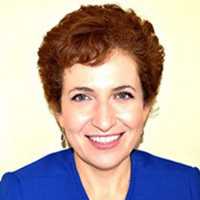
Dr. Ferric C. Fang[/caption]
Ferric C. Fang, M.D.
Professor of Laboratory Medicine and Microbiology
Adjunct Professor of Medicine (Infectious Diseases)
Director, Harborview Medical Center Clinical Microbiology Laboratory
University of Washington School of Medicine
Seattle, WA
MedicalResearch.com: What is the background for this study? What are the main findings?
Response: The Fang lab has a longstanding interest in the interaction between nitric oxide (NO·) and pathogenic bacteria. NO· is an important mediator of the host innate immune response that restricts the growth of invading bacterial pathogens. One of the known actions of NO· is the reversible inhibition of aerobic respiration that results from NO· binding to the heme centers of terminal oxidases.
Like mammalian hosts, many bacteria also possess the ability to enzymatically synthesize NO·. Our latest research investigated the physiological role of the Staphylococcus aureus nitric oxide synthase (saNOS). We discovered that endogenously produced NO· is able to target bacterial terminal oxidases under microaerobic conditions, allowing the bacteria to transition to nitrate respiration when oxygen concentrations are limited and helping to maintain the membrane potential. This process was found to be essential for S. aureus nasal colonization in a mouse model. Thus, a conserved mechanism is involved in both the antimicrobial actions of NO· and the physiological role of NO· in regulating bacterial electron transfer reactions. Interestingly, NO·-heme interactions have been shown to control mitochondrial respiration during hypoxia in mammalian cells.
Prof. Dr. Gunther Meinlschmidt, Psych
University of Basel, Department of Psychology, Division of Clinical Psychology and Epidemiology
Faculty of Medicine
Switzerland
MedicalResearch.com: What is the background for this study?
Response: Physical diseases and mental disorders affect a person’s quality of life. Further, they present a huge challenge for the healthcare system. It has been reported that physical and mental disorders systematically co-occur already early in life. What we wanted to know is whether there are certain temporal patterns between mental disorders and physical diseases during childhood and adolescence. A better understanding of such patterns may help to reveal processes that could be relevant both to the origins of physical diseases and mental disorders and to their treatment.
Dr. Malvina Eydelman[/caption]
Malvina Eydelman, M.D.
Division Director; Division of Ophthalmic and Ear, Nose and Throat Devices
Office of Device Evaluation
Center for Devices and Radiological Health
FDA.
MedicalResearch.com: What is the background for this study?
Response: In October 2009, the FDA, the National Eye Institute (NEI), and the Department of Defense (DoD) launched the LASIK Quality of Life Collaboration Project (LQOLCP) to help better understand the potential risk of severe problems that can result from LASIK. The project aimed to develop a tool to determine the percent of patients who develop difficulties performing their usual activities following LASIK, and to identify predictors for those patients.
At the time we developed our project, there was a limited amount of valid scientific data on certain patient-reported outcomes (PROs) related to LASIK. A PRO is a report of a condition experienced and reported by the patient, not the health care provider.
Most LASIK studies used tools, such as questionnaires, to assess visual symptoms, but only after the surgery. The Patient-Reported Outcomes with LASIK (PROWL) studies in the LQOLCP assessed visual symptoms both before and after their LASIK surgery to identify changes over time. The studies also measured the impact symptoms directly had on performing usual activities, which had not previously been done.

Dr. Charles Pollack[/caption]
Dr. Charles Pollack MD
Professor of Emergency Medicine
Sidney Kimmel Medical College at
Thomas Jefferson University, Philadelphia.
MedicalResearch.com: What is the background for this study? What are the main findings?
Response: RE-VERSE AD™ is a multinational, open-label cohort Phase III trial studying the safety and efficacy of idarucizumab (PRAXBIND) to reverse the anticoagulant effects of dabigatran (PRADAXA) in patients with life-threatening or uncontrolled bleeding, or those who require emergency procedures.
It is the largest patient study investigating a reversal agent for a novel oral anticoagulant (NOAC) in real world emergency settings. At the American Heart Association’s Scientific Sessions 2016, we presented updated results from 494 patients participating in the ongoing study, showing that administration of 5g of idarucizumab immediately reversed the anticoagulant effect of dabigatran.
Emily Mitchell,[/caption]
Emily Mitchell, Ph.D., Statistician
Agency for Healthcare Research and Quality
MedicalResearch.com: What is the background for this study?
Response: The data for this study come from the Household Component of the Medical Expenditure Panel Survey (MEPS-HC), a nationally representative survey that is conducted annually by the Agency for Healthcare Research and Quality (AHRQ). The survey collects detailed information on health care utilization and expenditures, health insurance, and health status, as well as a wide variety of social, demographic, and economic characteristics for the U.S. civilian non-institutionalized population.
Dr. Rogelio Saenz[/caption]
Rogelio Saenz PhD
Dean, College of Public Policy
University of Texas at San Antonio
Senior Fellow
MedicalResearch.com: What is the background for this study? What are the main findings?
Response: My colleague, Kenneth M. Johnson, and I conducted research based on mortality and birth data from the Center for Disease Control. These data allow us to assess natural decrease, i.e., greater number of deaths compared to births. We find that 17 states had more white deaths than white births in 2014, the most historically, compared to only four in 2004. We find that the 17 states with white natural decrease tend to have relatively high percentages of their populations being elderly (65 and older), low proportions of women being in childbearing ages (15-44), and relatively low fertility rates.
Prof. Henrik Verder[/caption]
Prof. Henrik Verder
Department of Pediatrics
Holbaek University Hospital
Denmark
MedicalResearch.com: What is the background for this study? What are the main findings?
Response: Respiratory Distress Syndrome (RDS) is a major cause of mortality and morbidity in premature infants. It can be effectively treated with surfactant, a therapy which reduces the effort needed to expand the lungs during inspiration and allow gas exchange to take place. Early surfactant treatment can help prevent the onset and impact of RDS, however, prophylactic treatment has been shown to be harmful and only necessary in half of all pre-term infants. This study provided data validating the efficacy of a lung maturity test (LMT) in identifying infants at risk of respiratory distress syndrome (RDS) who could benefit from early surfactant treatment.
Dr. Amol Narang[/caption]
Dr. Amol K. Narang, MD
Instructor of Radiation Oncology and Molecular Radiation Sciences
Johns Hopkins Sidney Kimmel Comprehensive Cancer Center
MedicalResearch.com: What is the background for this study?
Response: We know that cancer care is becoming increasingly expensive in the U.S., but the financial impact on patients in the form of out-of-pocket expenses is not well understood, in part because of the lack of data sources that track this information. As such, we used the Health and Retirement study, a national panel study that closely tracks the out-of-pocket medical expenditures of older Americans, to understand the level of financial strain that Medicare patients experience after a new diagnosis of cancer. We further investigated what factors were associated with high financial strain and what type of health services were driving high costs in this population.
Dr. Elizabeth Bryda[/caption]
Elizabeth Bryda, PhD
Professor, Director, Rat Resource and Research Center
Veterinary Pathobiology
University of Missouri
Columbia, Missouri
MedicalResearch.com: What is the background for this study? What are the main findings?
Response: A number of groups have demonstrated the ability of probiotics to benefit digestive health and there is a growing body of evidence to suggest an association between mental health and “gut health”. We were interested to see if probiotic bacteria could decrease anxiety- or stress-related behavior in a controlled setting using zebrafish as our model organism of choice for these studies.
We were able to show that Lactobacillus plantarum decreased overall anxiety-related behavior and protected against stress-induced dysbiosis (microbial imbalance). The fact that administration of probiotic bacteria also protected other resident gut bacteria from the dramatic changes seen in “stressed” fish not receiving the probiotic was unexpected and suggested that these bacteria may be working at the level of the GI tract and the central nervous system.
Dr. Jeffrey S. Anderson[/caption]
Jeffrey S. Anderson, MD, PhD
Director the fMRI Neurosurgical Mapping Service
Principal Investigator for the Utah Functional Neuroimaging Laboratory
University of Utah
MedicalResearch.com: What is your study about?
Response: Billions of people find meaning in life and make choices based on religious and spiritual experiences. These experiences range from epiphanies that change the lives of celebrated mystics to subtle feelings of peace and joy in the lives of neighbors, friends, or family members that are interpreted as spiritual, divine, or transcendent.
Astonishingly, with all we understand about the brain, we still know very little about how the brain participates in these experiences. We set out to answer what brain networks are involved in representing spiritual feelings in one group of people, devout Mormons.
Dr. Lee M. Ritterband[/caption]
Lee M. Ritterband, Ph.D.
Professor, Department of Psychiatry and Neurobehavioral Sciences
Director, Center for Behavioral Health and Technology
University of Virginia School of Medicine
Ivy Foundational Translational Research Building
Charlottesville, VA 22903
MedicalResearch.com: What is the background for this study?
Response: Cognitive behavioral therapy for insomnia, a non-pharmacological intervention, is the first line recommendation for adults with chronic insomnia (see recommendations made earlier this year from the American College of Physicians). Access to CBT-I, however, is limited by numerous barriers, including a limited supply of behavioral medicine providers. One way to help improve access to this effective treatment is to develop and evaluate additional delivery methods of CBT-I, including Internet-delivered CBT-I.
This study was designed to evaluate the efficacy of an Internet-delivered CBT-I program (SHUTi: Sleep Healthy Using The Internet) over the short-term (9-weeks) and long-term (1-year).
Humanoid Robot Helps Understand How Toddlers Link Words to Objects[/caption]
Dr Katie (Katherine) Twomey
ESRC Future Research Leaders Fellow, Lancaster University
Senior Research Associate, ESRC International Centre for Language and Communicative Development (LuCiD)
MedicalResearch.com: What is the background for this study? What are the main findings?
Response: Although we know that toddlers can quickly work out what new words mean, it's not yet clear exactly how they do it. For example, when they see a new object alongside their favorite toy truck and hear a new word "block", we know that they will link "block" to the new object. They could do this by thinking in detail about what they already know, for example "if my toy is called "truck", then "block" must be the name of the new object". Equally, however, they could quickly link the new word to the new object without thinking about it in-depth.
We tested this second possibility using iCub, a humanoid robot which learns by making quick associations between what it sees and what it hears, without the ability to think in detail about what it already knows. We replicated two studies of toddlers' early word learning with iCub and found that even though it can only learn through making simple links between words and objects, it behaved exactly as children did in the original experiments.
Dr. Sudarshan Anand[/caption]
Sudarshan Anand, PhD
Department of Cell, Developmental and Cancer Biology
Department of Radiation Medicine
Oregon Health and Science University
Portland, Oregon
MedicalResearch.com: What is the background for this study? What are the main findings?
Response: Almost half of all cancer patients receive radiation therapy during the course of their disease.
While the impact of radiation on the cancer cells has been well studied in experimental models, its effects on the accessory cells that are present in the tumor are not well known. One of the major interests of our lab is studying these accessory cells of the tumor aka “the tumor microenvironment”. These group of cells consists of blood vessel cells, fibroblasts and immune cells that are normal cells that have been recruited by the tumor and generally support tumor growth.
The goal of this study was to understand the impact of radiation (and broadly DNA damaging agents) on the blood vessel cells in the tumor. We focused on a specific type of molecule called microRNAs (miRs) in these cells. miRs are small RNA molecules that bind to dozens of messenger RNAs and the production of proteins.
We discovered a group of microRNAs that was induced in blood vessel cells by radiation, a chemotherapy agent cisplatin and peroxide an agent that mimics oxidative stress that is often present in cancers. We found that the top candidate on this list was a microRNA that mimicked radiation by inducing DNA damage and eventually killing the blood vessel cells. Administering this microRNA, either within a tumor or using a specific nanoparticle that delivers cargo to the tumor blood vessels, decreased tumor growth in mouse models of breast cancer, brain cancer and colorectal cancer. We found that the efficacy of this agent was a result of its ability to suppress a protein TREX1, that is often mutated in human lupus.
In other words, this microRNA was able to create some of the immune and inflammatory features of lupus within a tumor and induce proteins that triggered cell death on tumor cells. Overall, our work illustrates how the tumor accessory cells respond to radiation and highlights the cross-talk between different accessory cells and the tumor cells.
Dr. Warren Leonard[/caption]
Warren Leonard, M.D.
NIH Distinguished Investigator
Laboratory of Molecular Immunology
NHLBI, NIH
MedicalResearch.com: What is the background for this study?
Response: TSLP is a cytokine that has been well studied in the context of T cell helper type 2 (TH2) responses and the promotion of atopic diseases. TSLP is naturally expressed at barrier surfaces, such as the skin; however, its role in skin infections was not previously explored.
In our study, we investigated whether TSLP plays a role in host defense to Staphylococcus aureus skin infections, using the most common strain of methicillin-resistant S. aureus (MRSA) present in the United States.
Dr. Kenji Tanimura[/caption]
Dr. Kenji Tanimura M.D., Ph.D.
Assistant professor
Division of Obstetrics and Gynecology
Graduate School of Medicine and
Hideto Yamada M.D., Ph.D.
Professor and Chairman Department of Obstetrics and Gynecology
Kobe University Graduate School of Medicine
MedicalResearch.com: What is the background for this study?
Response: Congenital cytomegalovirus (CMV) infection can cause long-term neurological sequelae, such as hearing difficulties and mental retardations, in affected children. Some investigators reported that early diagnosis and antiviral therapy can improve neurological outcomes in symptomatic congenital infected infants. However, universal screening of newborns for congenital CMV infection is not yet available. Therefore, the development of non-invasive methods for prenatal detection of mothers and newborns at high risk for congenital CMV infection has been desired.
We aimed to determine maternal clinical, laboratory, and ultrasound findings that effectively predict the occurrence of congenital CMV infection in high-risk pregnant women, who were positive for CMV IgM.
We performed maternal blood screening for CMV IgG and IgM, and 300 IgM-positive pregnant women, including 22 with congenital CMV infection, received series of examinations. We evaluated maternal clinical and laboratory findings, including serum CMV IgM and IgG, IgG avidity index, antigenemia testing, and CMV-DNA PCR for the maternal serum, urine, and uterine cervical secretion, and prenatal ultrasound findings.
Dr. Jennifer F. Kawwass[/caption]
MedicalResearch.com Interview with:
Jennifer F. Kawwass, MD, FACOG
Assistant Professor, Emory Reproductive Center
Director of Third Party Reproduction, Emory Reproductive Center
MedicalResearch.com: What is the background for this study?
Response: With the increasing use of assisted reproductive technology (ART), the number of cryopreserved embryos in storage has increased, as residual viable embryos from an in vitro fertilization (IVF) cycle may be frozen for future use. Each embryo maintains attributes reflective of the age of the female at time of the original oocyte retrieval. Embryo donation, a form of third-party reproduction, involves donation without compensation of previously formed embryos to another couple for implantation.
Limited published data exist detailing outcomes of donor embryo cycles. Patients and clinicians would benefit from information specific to donor embryo cycles to inform fertility treatment options, counselling, and clinical decision-making. We sought to quantify trends in donor embryo cycles in the United States, to characterize donor embryo recipients, and to report transfer, pregnancy, and birth outcomes of donor embryo transfers.
Dr. Daniel E. Hall[/caption]
Daniel E. Hall, MD, MDiv, MHSc, FACS
Associate Professor of Surgery
University of Pittsburgh Staff Surgeon
VA Pittsburgh Healthcare System Core Investigator
VA Center for Health Equity Research and Promotion.
PIttsburgh, PA
MedicalResearch.com: What is the background for this study? What are the main findings?
Response: A growing body of research demonstrates that frailty is a more powerful predictor of postoperative outcomes than risk-prediction models based on age or comorbidity alone. However, it has not been clear if surgeons could intervene on frailty to improve outcomes.
This study reports what we believe to be the first ever demonstration that it is not only feasible to screen an entire health system for frailty, but that it is possible to act on that information to improve outcomes. Every patient evaluated for elective surgery was screened for frailty with a brief tool that takes 1-2 minutes to complete. Those identified as potentially frail and thus at greater risk for poor surgical outcomes received an ad-hoc administrative review aimed at optimizing perioperative care. After implementing the frailty screening initiative, we observed a 3-fold increase in long-term survival at 6 and 12 months—even after controlling for age, frailty, and predicted mortality.
Dr. Daniel M. Merfeld[/caption]
Daniel M. Merfeld, Ph.D.
Professor of Otolaryngology
Harvard Medical School
Massachusetts Eye and Ear
Director, Jenks Vestibular Physiology Laboratory
Senior Scientist
MedicalResearch.com: What is the background for this study?
Response: Nearly half of the population will see a clinician at some point in their lives with symptoms related to the vestibular system (e.g., dizziness, vertigo, imbalance and blurred vision). The vestibular system, made up of tiny fluid-filled membranes in the inner ear, is responsible for receiving information about motion, balance and spatial orientation. With the goal of determining whether age affected the function of the vestibular system, our research team administered balance and motion tests to 105 healthy people ranging from 18 to 80 years old and measured their vestibular thresholds (“threshold” refers to the smallest possible motion administered that the subject is able to perceive correctly).