


 Prof. Woloshin[/caption]
Steven Woloshin, MD, MS
Professor of Medicine and Community and Family Medicine
Professor, The Dartmouth Institute for Health Policy and Clinical Practice
MedicalResearch.com: What is the background for this study?
Response: Industry spends more on detailing visits and free samples than any other form of prescription drug marketing. There is good evidence that these activities can lead to more use of expensive new drugs over equally effective cheaper options. Given these concerns there have been efforts by some hospitalls and practices to restrict these forms of marketing.
We asked physicians in group practices delivering primary care about how often pharmaceutical reps visit their practice and whether they have a free sample closet.
Prof. Woloshin[/caption]
Steven Woloshin, MD, MS
Professor of Medicine and Community and Family Medicine
Professor, The Dartmouth Institute for Health Policy and Clinical Practice
MedicalResearch.com: What is the background for this study?
Response: Industry spends more on detailing visits and free samples than any other form of prescription drug marketing. There is good evidence that these activities can lead to more use of expensive new drugs over equally effective cheaper options. Given these concerns there have been efforts by some hospitalls and practices to restrict these forms of marketing.
We asked physicians in group practices delivering primary care about how often pharmaceutical reps visit their practice and whether they have a free sample closet.
 Dr. Piper[/caption]
Brian Piper PhD
Department of Medical Education
Geisinger Commonwealth School of Medicine
Center for Pharmacy Innovation & Outcomes
Geisinger Precision Health Center
MedicalResearch.com: What is the background for this study?
Response: Disclosure of funding sources is standard practice for journal articles and clinical practice guidelines in order to alert readers to potential conflicts of interest (CoI). However, CoI disclosure is uncommon for textbooks. A new edition of Goodman and Gilman’s Pharmacological Basis of Therapeutics (GG-PBT) was recently published. This is affectionately known as “the blue bible of pharmacology” because it is widely used in the training of doctors, pharmacists, dentists, scientists, and nurses. This provided an opportunity to extend upon past research2,3 and determine whether the authors and editors had undisclosed CoIs.
Dr. Piper[/caption]
Brian Piper PhD
Department of Medical Education
Geisinger Commonwealth School of Medicine
Center for Pharmacy Innovation & Outcomes
Geisinger Precision Health Center
MedicalResearch.com: What is the background for this study?
Response: Disclosure of funding sources is standard practice for journal articles and clinical practice guidelines in order to alert readers to potential conflicts of interest (CoI). However, CoI disclosure is uncommon for textbooks. A new edition of Goodman and Gilman’s Pharmacological Basis of Therapeutics (GG-PBT) was recently published. This is affectionately known as “the blue bible of pharmacology” because it is widely used in the training of doctors, pharmacists, dentists, scientists, and nurses. This provided an opportunity to extend upon past research2,3 and determine whether the authors and editors had undisclosed CoIs.
 Dr. Douglas[/caption]
Raymond S Douglas MD PhD
Professor of Surgery, Division of Ophthalmology
Director of the Orbital and Thyroid Eye Disease Program
Cedars Sinai Medical Center
MedicalResearch.com: What is the background for this study?
Response: Thyroid eye disease (TED) is a debilitating disease that affects all aspects of a patients life. It is often associated with Graves' disease and thyroid abnormalities. TED causes profound bulging of the eyes impairing vision, causing eye pain and facial disfigurement.
Dr. Douglas[/caption]
Raymond S Douglas MD PhD
Professor of Surgery, Division of Ophthalmology
Director of the Orbital and Thyroid Eye Disease Program
Cedars Sinai Medical Center
MedicalResearch.com: What is the background for this study?
Response: Thyroid eye disease (TED) is a debilitating disease that affects all aspects of a patients life. It is often associated with Graves' disease and thyroid abnormalities. TED causes profound bulging of the eyes impairing vision, causing eye pain and facial disfigurement.
 Dr. Schlaff[/caption]
William D Schlaff MD
Chair, Department of Obstetrics & Gynecology
Jefferson University
MedicalResearch.com: What is the background for this study?
Response: Symptomatic uterine fibroids are the most common indication for hysterectomy in the US. Heavy bleeding is the most common and troublesome symptom. The primary treatment for this problem is surgery—either hysterectomy or (less commonly) myomectomy. Medical treatment which reduces the bleeding related to fibroids without surgery is a valuable treatment for many women. Existing medications include, most commonly GnRH agonists. These are injectable medications that are given every 1 or 3 months (depending on the formulation) and have been shown to reduce bleeding related to fibroids. They work by initially stimulating the ovaries to increase estrogen levels for 10-14 days before suppressing estrogen and thereby reducing bleeding. Even though the medication is given every 1 or 3 months, the effect of the medication can last quite a bit longer; in cases of adverse response, the medication cannot be immediately stopped. The medication reported in this trial, Elagolix, is a GnRH antagonist given by mouth twice daily and resulting in suppression of estrogen secretion within a matter of hours. The effect of this medication wears off much more rapidly than the depot formulations described and can be stopped in the uncommon cases of adverse side effects.
Dr. Schlaff[/caption]
William D Schlaff MD
Chair, Department of Obstetrics & Gynecology
Jefferson University
MedicalResearch.com: What is the background for this study?
Response: Symptomatic uterine fibroids are the most common indication for hysterectomy in the US. Heavy bleeding is the most common and troublesome symptom. The primary treatment for this problem is surgery—either hysterectomy or (less commonly) myomectomy. Medical treatment which reduces the bleeding related to fibroids without surgery is a valuable treatment for many women. Existing medications include, most commonly GnRH agonists. These are injectable medications that are given every 1 or 3 months (depending on the formulation) and have been shown to reduce bleeding related to fibroids. They work by initially stimulating the ovaries to increase estrogen levels for 10-14 days before suppressing estrogen and thereby reducing bleeding. Even though the medication is given every 1 or 3 months, the effect of the medication can last quite a bit longer; in cases of adverse response, the medication cannot be immediately stopped. The medication reported in this trial, Elagolix, is a GnRH antagonist given by mouth twice daily and resulting in suppression of estrogen secretion within a matter of hours. The effect of this medication wears off much more rapidly than the depot formulations described and can be stopped in the uncommon cases of adverse side effects.
 Dr. Marcotte[/caption]
Leah Marcotte, MD
Clinical Assistant Professor, Medicine
University of Washington
Dr. Marcotte[/caption]
Leah Marcotte, MD
Clinical Assistant Professor, Medicine
University of Washington
 Dr. Liao[/caption]
Joshua M. Liao, MD, MSc, FACP
Assistant Professor, Department of Medicine
Director, UW Medicine Value and Systems Science Lab
Medical Director of Payment Strategy, UW Medicine
University of Washington
Dr. Liao[/caption]
Joshua M. Liao, MD, MSc, FACP
Assistant Professor, Department of Medicine
Director, UW Medicine Value and Systems Science Lab
Medical Director of Payment Strategy, UW Medicine
University of Washington
 Dr. Shan[/caption]
Zhilei Shan PhD
Postdoctoral fellow on Nutritional Epidemiology
Harvard T.H. Chan School of Public Health
MedicalResearch.com: What is the background for this study?
Response: Long-standing controversies have focused on the health consequences of dietary fat and carbohydrate. Previous evidence has shown that different types of carbohydrates and fats have varying effects on disease risk and health. For example, carbohydrates from refined grains and added sugars may contribute to insulin resistance and other metabolic problems while carbohydrates from whole grains and whole fruits appear to be beneficial. Likewise, replacing saturated fat with unsaturated fat was associated with lower risk of heart disease and mortality.
Therefore, it is crucial to incorporate quality and types of carbohydrate and fat when investigating the associations of low-fat and low-carbohydrate diets with mortality.
Dr. Shan[/caption]
Zhilei Shan PhD
Postdoctoral fellow on Nutritional Epidemiology
Harvard T.H. Chan School of Public Health
MedicalResearch.com: What is the background for this study?
Response: Long-standing controversies have focused on the health consequences of dietary fat and carbohydrate. Previous evidence has shown that different types of carbohydrates and fats have varying effects on disease risk and health. For example, carbohydrates from refined grains and added sugars may contribute to insulin resistance and other metabolic problems while carbohydrates from whole grains and whole fruits appear to be beneficial. Likewise, replacing saturated fat with unsaturated fat was associated with lower risk of heart disease and mortality.
Therefore, it is crucial to incorporate quality and types of carbohydrate and fat when investigating the associations of low-fat and low-carbohydrate diets with mortality.

 Dr. Winterdahl[/caption]
Michael Winterdahl PhD
Associate Professor in Neuroimaging,
Department of Nuclear Medicine and PET Center
Aarhus University, Denmark
MedicalResearch.com: What is the background for this study?
Response: Opioids and dopamine mediate the rewarding effects of drugs. We aimed to determine whether the intake of palatable food could lead to changes in the brain similar to those triggered by addictive substances, so we studied the effects of repeated intermittent access to sugar on opioid and dopamine receptors in porcine brain using neuroimaging.
Dr. Winterdahl[/caption]
Michael Winterdahl PhD
Associate Professor in Neuroimaging,
Department of Nuclear Medicine and PET Center
Aarhus University, Denmark
MedicalResearch.com: What is the background for this study?
Response: Opioids and dopamine mediate the rewarding effects of drugs. We aimed to determine whether the intake of palatable food could lead to changes in the brain similar to those triggered by addictive substances, so we studied the effects of repeated intermittent access to sugar on opioid and dopamine receptors in porcine brain using neuroimaging.
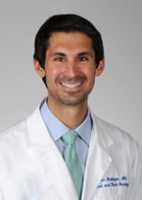 Dr. Graboyes[/caption]
Evan M. Graboyes, MD
Surveillance and Health Services Research
American Cancer Society, Atlanta, Georgia
Department of Otolaryngology–Head & Neck Surgery
Medical University of South Carolina, Charleston
MedicalResearch.com: What is the background for this study?
Response: Prior studies have shown that Medication Expansions under the Patient Protection and Affordable Care Act (ACA) are associated with a decrease in uninsured individuals and increases in the percentage of nonelderly patients diagnosed with localized (stage I-II) cancer, primarily for cancers for which effective screening tests exist.
Because no screening test exists for head and neck squamous cell carcinoma (HNSCC), access to care for physical examination and tissue-based biopsy- and thus health insurance coverage- are critical for the timely recognition of symptoms, early disease stage at diagnosis, and treatment initiation.
However, the downstream association of changes in health insurance coverage following Medicaid expansion under the ACA with stage at diagnosis and time to treatment initiation, key metrics for access to care for HNSCC, remain unknown.
Dr. Graboyes[/caption]
Evan M. Graboyes, MD
Surveillance and Health Services Research
American Cancer Society, Atlanta, Georgia
Department of Otolaryngology–Head & Neck Surgery
Medical University of South Carolina, Charleston
MedicalResearch.com: What is the background for this study?
Response: Prior studies have shown that Medication Expansions under the Patient Protection and Affordable Care Act (ACA) are associated with a decrease in uninsured individuals and increases in the percentage of nonelderly patients diagnosed with localized (stage I-II) cancer, primarily for cancers for which effective screening tests exist.
Because no screening test exists for head and neck squamous cell carcinoma (HNSCC), access to care for physical examination and tissue-based biopsy- and thus health insurance coverage- are critical for the timely recognition of symptoms, early disease stage at diagnosis, and treatment initiation.
However, the downstream association of changes in health insurance coverage following Medicaid expansion under the ACA with stage at diagnosis and time to treatment initiation, key metrics for access to care for HNSCC, remain unknown.
 Dr. Maldonado Lopez[/caption]
Rafael Maldonado Lopez MD PhD
Full professor
Departament de Ciències Experimentals i de la Salut
Universitat Pompeu Fabra
Barcelona
MedicalResearch.com: What is the background for this study?
Response: Endometriosis is a common, chronic and painful disease caused when the endometrium grows outside of the uterine cavity. These growths mainly affect organs in the pelvis causing pain and infertility, symptoms that are often accompanied with anxiety, depression, loss of working ability, and a substantial impact on quality of life. Current treatments include hormonal therapy and surgery, but the effectiveness of these treatments is rather limited, often have important unwanted side effects, and patients usually rely on self-management strategies. Therefore, there is an urgent need for researching new possible therapeutic approaches.
Dr. Maldonado Lopez[/caption]
Rafael Maldonado Lopez MD PhD
Full professor
Departament de Ciències Experimentals i de la Salut
Universitat Pompeu Fabra
Barcelona
MedicalResearch.com: What is the background for this study?
Response: Endometriosis is a common, chronic and painful disease caused when the endometrium grows outside of the uterine cavity. These growths mainly affect organs in the pelvis causing pain and infertility, symptoms that are often accompanied with anxiety, depression, loss of working ability, and a substantial impact on quality of life. Current treatments include hormonal therapy and surgery, but the effectiveness of these treatments is rather limited, often have important unwanted side effects, and patients usually rely on self-management strategies. Therefore, there is an urgent need for researching new possible therapeutic approaches.
 Dr. Paul Young[/caption]
Dr. Paul Young MBChB, BSc (Hons), FCICM
Medical Director of the Wakefield Hospital ICU
Head of the Intensive Care Research Unit
Wellington Hospital
MedicalResearch.com: What is the background for this study?
Response: Proton pump inhibitors (PPIs) are among the most widely prescribed drugs in the intensive care unit (ICU) in the world. Many, if not most, prescriptions of PPIs in the ICU are for stress ulcer prophylaxis. Although PPIs are used most widely for this indication, histamine-2 receptor blockers (H2RBs) are used in preference to PPIs in some ICUs. This practice variation, which appears to be largely dependent on clinician preference rather than based on patient-specific factors, has continued for decades. The PPIs vs. H2RBs for Ulcer Prophylaxis Therapy in the Intensive Care Unit (PEPTIC) trial results raise the possibility that PPIs, the most commonly used medicines for stress ulcer prophylaxis, may be responsible for a clinically important increase in the risk of death that, in global health terms could equate to many tens of 1000s of deaths per year.
Dr. Paul Young[/caption]
Dr. Paul Young MBChB, BSc (Hons), FCICM
Medical Director of the Wakefield Hospital ICU
Head of the Intensive Care Research Unit
Wellington Hospital
MedicalResearch.com: What is the background for this study?
Response: Proton pump inhibitors (PPIs) are among the most widely prescribed drugs in the intensive care unit (ICU) in the world. Many, if not most, prescriptions of PPIs in the ICU are for stress ulcer prophylaxis. Although PPIs are used most widely for this indication, histamine-2 receptor blockers (H2RBs) are used in preference to PPIs in some ICUs. This practice variation, which appears to be largely dependent on clinician preference rather than based on patient-specific factors, has continued for decades. The PPIs vs. H2RBs for Ulcer Prophylaxis Therapy in the Intensive Care Unit (PEPTIC) trial results raise the possibility that PPIs, the most commonly used medicines for stress ulcer prophylaxis, may be responsible for a clinically important increase in the risk of death that, in global health terms could equate to many tens of 1000s of deaths per year.
 Dr. Herrera-Escobar[/caption]
Juan P. Herrera-Escobar, MD, MPH
Research Director, Long-term Outcomes in Trauma
Center for Surgery and Public Health, Brigham and Women's Hospital
Instructor in Surgery, Harvard Medical School
MedicalResearch.com: What is the background for this study?
Response: Firearm injuries are a pressing public health problem in the United States. Until now, most of the research on this problematic has focused on mortality, which of course is critical, but is only one piece of the story. For every person who dies from a firearm injury, three survive every year. As trauma systems continue to improve and save more lives every year, our attention should start shifting to the impact that firearm injuries have on survivors.
Dr. Herrera-Escobar[/caption]
Juan P. Herrera-Escobar, MD, MPH
Research Director, Long-term Outcomes in Trauma
Center for Surgery and Public Health, Brigham and Women's Hospital
Instructor in Surgery, Harvard Medical School
MedicalResearch.com: What is the background for this study?
Response: Firearm injuries are a pressing public health problem in the United States. Until now, most of the research on this problematic has focused on mortality, which of course is critical, but is only one piece of the story. For every person who dies from a firearm injury, three survive every year. As trauma systems continue to improve and save more lives every year, our attention should start shifting to the impact that firearm injuries have on survivors.
 Dr. Howell[/caption]
Elizabeth A. Howell, MD, MPP
Director of The Blavatnik Family Women’s Health Research Institute
Mount Sinai Health System Vice Chair for Research
Professor in the Department of Obstetrics, Gynecology, and Reproductive Science
Associate Dean for Academic Development
Professor Department of Population Health Science and Policy
Icahn Mount Sinai, New York
MedicalResearch.com: What is the background for this study?
Response: Previous research has demonstrated racial and ethnic disparities in severe maternal morbidity rates in hospitals and that between-hospital differences -- i.e., Black and Latina mothers receiving care at hospitals with worse outcomes -- explain a sizable portion of these disparities. However, less attention has been paid to within-hospital disparities -- whether Black and Latina mothers have worse outcomes than White mothers who deliver in the SAME hospital.
In this paper, we set out to measure within-hospital racial and ethnic disparities and to evaluate the potential contribution of insurance type to these disparities.
Our study question was based on the observation that women with Medicaid can follow different care pathways than women with private insurance. Pregnant women insured by Medicaid are often seen by resident physicians with attending coverage that may differ from attending physicians caring for commercially insured women. In addition, Medicaid reimbursement for delivery hospitalization is far less than that for commercially insured.
Dr. Howell[/caption]
Elizabeth A. Howell, MD, MPP
Director of The Blavatnik Family Women’s Health Research Institute
Mount Sinai Health System Vice Chair for Research
Professor in the Department of Obstetrics, Gynecology, and Reproductive Science
Associate Dean for Academic Development
Professor Department of Population Health Science and Policy
Icahn Mount Sinai, New York
MedicalResearch.com: What is the background for this study?
Response: Previous research has demonstrated racial and ethnic disparities in severe maternal morbidity rates in hospitals and that between-hospital differences -- i.e., Black and Latina mothers receiving care at hospitals with worse outcomes -- explain a sizable portion of these disparities. However, less attention has been paid to within-hospital disparities -- whether Black and Latina mothers have worse outcomes than White mothers who deliver in the SAME hospital.
In this paper, we set out to measure within-hospital racial and ethnic disparities and to evaluate the potential contribution of insurance type to these disparities.
Our study question was based on the observation that women with Medicaid can follow different care pathways than women with private insurance. Pregnant women insured by Medicaid are often seen by resident physicians with attending coverage that may differ from attending physicians caring for commercially insured women. In addition, Medicaid reimbursement for delivery hospitalization is far less than that for commercially insured.
 Dr. Courcoulas[/caption]
Anita P. Courcoulas MD, MPH, FACS
Anthony M. Harrison MD Chair and
Professor of Surgery
Chief, MIS Bariatric & General Surgery
University of Pittsburgh Medical Center
MedicalResearch.com: What is the background for this study?
Response: Fewer published studies in bariatric surgery address long term adverse outcomes or problems that can occur after different operations. In addition, a lack of standardized reporting of potential adverse events limits the understanding of these issues.
This paper results from one of the largest studies of bariatric surgery ever undertaken and includes both gastric bypass and gastric sleeve, the 2 most common operations performed in the U.S. and worldwide at the current time. This study leverages large data sets from the electronic health record linked to insurance claims and death indices. This is real-world data coming from a population-based cohort of 33,560 adults at 10 sites in 4 clinical data research networks throughout the U.S., so it may be different from data that accrues from a longitudinal observational study or randomized trial. Patients and other important stakeholders in bariatric surgery were critical to the design, conduct, and dissemination of results from this study.
Dr. Courcoulas[/caption]
Anita P. Courcoulas MD, MPH, FACS
Anthony M. Harrison MD Chair and
Professor of Surgery
Chief, MIS Bariatric & General Surgery
University of Pittsburgh Medical Center
MedicalResearch.com: What is the background for this study?
Response: Fewer published studies in bariatric surgery address long term adverse outcomes or problems that can occur after different operations. In addition, a lack of standardized reporting of potential adverse events limits the understanding of these issues.
This paper results from one of the largest studies of bariatric surgery ever undertaken and includes both gastric bypass and gastric sleeve, the 2 most common operations performed in the U.S. and worldwide at the current time. This study leverages large data sets from the electronic health record linked to insurance claims and death indices. This is real-world data coming from a population-based cohort of 33,560 adults at 10 sites in 4 clinical data research networks throughout the U.S., so it may be different from data that accrues from a longitudinal observational study or randomized trial. Patients and other important stakeholders in bariatric surgery were critical to the design, conduct, and dissemination of results from this study.


 Dr. Diaz[/caption]
Lucia Diaz, M.D., is chief of pediatric dermatology, dermatology residency associate program director and assistant professor of medicine and pediatrics at Dell Medical School. She is also co-director of the dermatology-rheumatology combined clinic at Dell Children’s Medical Center.
[caption id="attachment_52796" align="alignleft" width="150"]
Dr. Diaz[/caption]
Lucia Diaz, M.D., is chief of pediatric dermatology, dermatology residency associate program director and assistant professor of medicine and pediatrics at Dell Medical School. She is also co-director of the dermatology-rheumatology combined clinic at Dell Children’s Medical Center.
[caption id="attachment_52796" align="alignleft" width="150"] Dr. Jaquez[/caption]
Sasha Jaquez, Ph.D. is a pediatric psychologist at Dell Children's Medical School/Dell Children's Medical Center and specializes in seeing children with chronic medical illness, including skin disorders.
[caption id="attachment_52791" align="alignleft" width="294"] DermNet-NZ Image Trichotillomania[/caption]
MedicalResearch.com: What is the background for this study?
Response: Trichotillomania (TTM) can be an extremely disabling chronic condition that impacts the psychosocial development of children.
It is classified by the Diagnostic and Statistical Manual of Mental Disorders (DSM-5) as an obsessive-compulsive disorder, where a person recurrently pulls out hair from any region of their body resulting in hair loss. Recognizing this disorder and being informed of treatment options allows medical providers to correctly diagnose and intervene early in the disease course. We reviewed the psychosocial impacts of pediatric trichotillomania and the current evidence-based interventions used in the population.
Dr. Jaquez[/caption]
Sasha Jaquez, Ph.D. is a pediatric psychologist at Dell Children's Medical School/Dell Children's Medical Center and specializes in seeing children with chronic medical illness, including skin disorders.
[caption id="attachment_52791" align="alignleft" width="294"] DermNet-NZ Image Trichotillomania[/caption]
MedicalResearch.com: What is the background for this study?
Response: Trichotillomania (TTM) can be an extremely disabling chronic condition that impacts the psychosocial development of children.
It is classified by the Diagnostic and Statistical Manual of Mental Disorders (DSM-5) as an obsessive-compulsive disorder, where a person recurrently pulls out hair from any region of their body resulting in hair loss. Recognizing this disorder and being informed of treatment options allows medical providers to correctly diagnose and intervene early in the disease course. We reviewed the psychosocial impacts of pediatric trichotillomania and the current evidence-based interventions used in the population.
 Dr. Tung[/caption]
Elizabeth Tung MD MS
Section of General Internal Medicine
Instructor of Medicine
University of Chicago
MedicalResearch.com: What is the background for this study?
Response: Medicare provides hospital ratings for all Medicare-certified hospitals in the U.S. based on quality metrics, including mortality, patient experience, hospital readmissions, and others. While ratings are important for comparing hospitals, there's been some concern that some of these quality metrics are outside a hospital's control, especially for hospitals taking care of vulnerable or socially complex patient populations. Take "timeliness of care" as a quality metric, for instance--this measure includes emergency room wait times. But in places that are medically underserved and have very few emergency rooms, these wait times will inevitably be much higher. What this means is that hospitals taking care of medically underserved populations end up getting lower quality ratings, even though they're addressing health disparities by filling an access gap.
Dr. Tung[/caption]
Elizabeth Tung MD MS
Section of General Internal Medicine
Instructor of Medicine
University of Chicago
MedicalResearch.com: What is the background for this study?
Response: Medicare provides hospital ratings for all Medicare-certified hospitals in the U.S. based on quality metrics, including mortality, patient experience, hospital readmissions, and others. While ratings are important for comparing hospitals, there's been some concern that some of these quality metrics are outside a hospital's control, especially for hospitals taking care of vulnerable or socially complex patient populations. Take "timeliness of care" as a quality metric, for instance--this measure includes emergency room wait times. But in places that are medically underserved and have very few emergency rooms, these wait times will inevitably be much higher. What this means is that hospitals taking care of medically underserved populations end up getting lower quality ratings, even though they're addressing health disparities by filling an access gap.
 Dr. Bojesen[/caption]
Stig E Bojesen
Professor, chief physician, dr.med.sci.
Dept of Clinical Biochemistry, Herlev Gentofte Hospital
Copenhagen University Hospital
Department of Clinical Medicine
University of Copenhagen
MedicalResearch.com: What is the background for this study?
Response: Before this study, we did not know the value of an incidental finding of lymphopenia of an otherwise healthy individual from the general population. This is curious since lymphocyte count is a very simple measurement done almost every time you have a blood test done.
Dr. Bojesen[/caption]
Stig E Bojesen
Professor, chief physician, dr.med.sci.
Dept of Clinical Biochemistry, Herlev Gentofte Hospital
Copenhagen University Hospital
Department of Clinical Medicine
University of Copenhagen
MedicalResearch.com: What is the background for this study?
Response: Before this study, we did not know the value of an incidental finding of lymphopenia of an otherwise healthy individual from the general population. This is curious since lymphocyte count is a very simple measurement done almost every time you have a blood test done.
 Simon Borghs[/caption]
Simon Borghs MSc
RWE Strategy Lead of Neurology
UCB: Union Chimique Belge
MedicalResearch.com: What is the background for this study?
Response: Epilepsy is an episodic disease and so is associated with a more or less unpredictable occurrence of health care encounters. These encounters are costly and so reducing them, or their unpredictability, could be cost saving.
The objective was to assess one half of this equation, that is the actual cost of those encounters to insurers. This could prompt insurers to consider addressing possible interventions in epilepsy to reduce the number of encounters
Simon Borghs[/caption]
Simon Borghs MSc
RWE Strategy Lead of Neurology
UCB: Union Chimique Belge
MedicalResearch.com: What is the background for this study?
Response: Epilepsy is an episodic disease and so is associated with a more or less unpredictable occurrence of health care encounters. These encounters are costly and so reducing them, or their unpredictability, could be cost saving.
The objective was to assess one half of this equation, that is the actual cost of those encounters to insurers. This could prompt insurers to consider addressing possible interventions in epilepsy to reduce the number of encounters

 Dr. Ko[/caption]
Naomi Y Ko, MD
Director, Inpatient Medical Operations
Assistant Professor of Medicine, Department of Medicine
Boston University School of Medicine
MedicalResearch.com: What is the background for this study? What are the main findings?
Response: The background for this study is to help understand the association between risk of more advanced cancer in racial minorities and insurance.
Dr. Ko[/caption]
Naomi Y Ko, MD
Director, Inpatient Medical Operations
Assistant Professor of Medicine, Department of Medicine
Boston University School of Medicine
MedicalResearch.com: What is the background for this study? What are the main findings?
Response: The background for this study is to help understand the association between risk of more advanced cancer in racial minorities and insurance.
 Dr. Cengel[/caption]
Keith A. Cengel, M.D., Ph.D.
Associate Professor of Radiation Oncology
Hospital of the University of Pennsylvania
MedicalResearch.com: What is the background for this study?
Response: FLASH radiotherapy involves delivering the treatment dose at a rate that is 1000s of times faster than standard radiotherapy. Scientists have studied the differential biological effects of various dose rates for dose rates for the past ~80 years, but the unique effects of FLASH dose rates have only been appreciated in the last few years.
While the mechanism(s) and applications of FLASH radiotherapy remain an area of active investigation, t is clear so far that FLASH dose rates can provide similar levels of tumor control with less toxicity to normal tissues when compared to the same dose of radiotherapy delivered at a standard dose rate.
Dr. Cengel[/caption]
Keith A. Cengel, M.D., Ph.D.
Associate Professor of Radiation Oncology
Hospital of the University of Pennsylvania
MedicalResearch.com: What is the background for this study?
Response: FLASH radiotherapy involves delivering the treatment dose at a rate that is 1000s of times faster than standard radiotherapy. Scientists have studied the differential biological effects of various dose rates for dose rates for the past ~80 years, but the unique effects of FLASH dose rates have only been appreciated in the last few years.
While the mechanism(s) and applications of FLASH radiotherapy remain an area of active investigation, t is clear so far that FLASH dose rates can provide similar levels of tumor control with less toxicity to normal tissues when compared to the same dose of radiotherapy delivered at a standard dose rate.
 Olujimi A. Ajijola, MD, PhD[/caption]
Olujimi A. Ajijola, MD, PhD
Neurocardiology Research Center of Excellence
Cardiac Arrhythmia Center
University of California, Los Angeles
MedicalResearch.com: What is the background for this study?
Response: It hadn’t been understood why some people with basic heart failure might live longer than others despite receiving the same medications and medical device therapy. Through this research we set out to determine whether a biomarker of the nervous system could help explain the difference. This study revealed a biomarker that can specifically predict which patients with “stable” heart failure have a higher risk of dying within one to three years.
Olujimi A. Ajijola, MD, PhD[/caption]
Olujimi A. Ajijola, MD, PhD
Neurocardiology Research Center of Excellence
Cardiac Arrhythmia Center
University of California, Los Angeles
MedicalResearch.com: What is the background for this study?
Response: It hadn’t been understood why some people with basic heart failure might live longer than others despite receiving the same medications and medical device therapy. Through this research we set out to determine whether a biomarker of the nervous system could help explain the difference. This study revealed a biomarker that can specifically predict which patients with “stable” heart failure have a higher risk of dying within one to three years.

 Dr. Breyer[/caption]
Benjamin N. Breyer MD, MAS, FACS
Associate Professor
Departments of Urology and Epidemiology and Biostatistics
University of California, San Francisco
Vice-Chair of Urology
Chief of Urology, Zuckerberg San Francisco General Hospital and Trauma Center
Director, UCSF Male Genitourinary Reconstruction and Trauma Surgery Fellowship
MedicalResearch.com: What is the background for this study?
Response: There has been a large increase in upright scooter usage among adults as a mode of transportation. It's convenient for commuters and may encourage greater use of public transit leading to less car traffic in cities.
Dr. Breyer[/caption]
Benjamin N. Breyer MD, MAS, FACS
Associate Professor
Departments of Urology and Epidemiology and Biostatistics
University of California, San Francisco
Vice-Chair of Urology
Chief of Urology, Zuckerberg San Francisco General Hospital and Trauma Center
Director, UCSF Male Genitourinary Reconstruction and Trauma Surgery Fellowship
MedicalResearch.com: What is the background for this study?
Response: There has been a large increase in upright scooter usage among adults as a mode of transportation. It's convenient for commuters and may encourage greater use of public transit leading to less car traffic in cities.
 Dr. Beisteiner[/caption]
Dr.med.univ. Roland Beisteiner
Department of Neurology
Laboratory for Functional Brain Diagnostics and Therapy
High Field MR Center, Medical University of Vienna
Vienna, Austria
MedicalResearch.com: What is the background for this study? What are the main findings?
Response: The background is the development of a new brain therapy which allows to support brain regeneration by activation of neurons with pulsed ultrasound.
Main findings are that Alzheimer's patients improve their memory up to 3 months.
Dr. Beisteiner[/caption]
Dr.med.univ. Roland Beisteiner
Department of Neurology
Laboratory for Functional Brain Diagnostics and Therapy
High Field MR Center, Medical University of Vienna
Vienna, Austria
MedicalResearch.com: What is the background for this study? What are the main findings?
Response: The background is the development of a new brain therapy which allows to support brain regeneration by activation of neurons with pulsed ultrasound.
Main findings are that Alzheimer's patients improve their memory up to 3 months.
 Dr. Guiahi[/caption]
Maryam Guiahi MD, MSc
Associate Professor of Obstetrics and Gynecology
University of Colorado
Denver School of Medicine
MedicalResearch.com: What is the background for this study?
Response: The composition of the U.S health care system is shifting; between 2001 to 2016 the number of Catholic-owned or affiliated health facilities grew by 22% in contrast to the overall number of acute care hospitals that decreased by 6% and the number of other nonprofit religious hospitals that decreased by 38%.
This is relevant as Catholic health care systems enforce religious directives that restrict many aspects of reproductive care and certain aspects of end-of-life care. Yet little is known about the extent to which U.S. patients consider religious affiliation when selecting a health care facility.
Dr. Guiahi[/caption]
Maryam Guiahi MD, MSc
Associate Professor of Obstetrics and Gynecology
University of Colorado
Denver School of Medicine
MedicalResearch.com: What is the background for this study?
Response: The composition of the U.S health care system is shifting; between 2001 to 2016 the number of Catholic-owned or affiliated health facilities grew by 22% in contrast to the overall number of acute care hospitals that decreased by 6% and the number of other nonprofit religious hospitals that decreased by 38%.
This is relevant as Catholic health care systems enforce religious directives that restrict many aspects of reproductive care and certain aspects of end-of-life care. Yet little is known about the extent to which U.S. patients consider religious affiliation when selecting a health care facility.
 Dr. Tardif[/caption]
Jean-Claude Tardif CM, MD, FRCPC, FCCS, FACC, FAHA, FESC, FCAHS
Director, Montrel Heart Institute Research Center
Professor of medicine
Canada Research Chair in translational and personalized medicine
University of Montreal endowed research chair in atherosclerosis
Montreal Heart Institute
MedicalResearch.com: What is the background for this study?
Response: Inflammation appears to play an important role in atherosclerosis. Inhibition of interleukin-1ß by canakinumab reduced the rate of cardiovascular events by 15% CANTOS. In contrast, methotrexate did not affect cardiovascular outcomes or plasma markers of inflammation in CIRT. Colchicine is an inexpensive, orally administered, potent anti-inflammatory medication that has been used for centuries. Colchicine is currently indicated for the management of patients with gout, familial Mediterranean fever and pericarditis. In the LODOCO study, patients with stable coronary disease treated with colchicine 0.5 mg once daily experienced fewer cardiovascular events as compared with those not receiving colchicine. However, that study enrolled only 532 patients and was not placebo-controlled. Because acute coronary syndromes are associated with higher risks of recurrent events and exacerbated inflammation, we conducted the COLchicine Cardiovascular Outcomes Trial (COLCOT) in patients with a recent myocardial infarction to evaluate the effects of colchicine on cardiovascular outcomes and its long-term safety and tolerability.
Dr. Tardif[/caption]
Jean-Claude Tardif CM, MD, FRCPC, FCCS, FACC, FAHA, FESC, FCAHS
Director, Montrel Heart Institute Research Center
Professor of medicine
Canada Research Chair in translational and personalized medicine
University of Montreal endowed research chair in atherosclerosis
Montreal Heart Institute
MedicalResearch.com: What is the background for this study?
Response: Inflammation appears to play an important role in atherosclerosis. Inhibition of interleukin-1ß by canakinumab reduced the rate of cardiovascular events by 15% CANTOS. In contrast, methotrexate did not affect cardiovascular outcomes or plasma markers of inflammation in CIRT. Colchicine is an inexpensive, orally administered, potent anti-inflammatory medication that has been used for centuries. Colchicine is currently indicated for the management of patients with gout, familial Mediterranean fever and pericarditis. In the LODOCO study, patients with stable coronary disease treated with colchicine 0.5 mg once daily experienced fewer cardiovascular events as compared with those not receiving colchicine. However, that study enrolled only 532 patients and was not placebo-controlled. Because acute coronary syndromes are associated with higher risks of recurrent events and exacerbated inflammation, we conducted the COLchicine Cardiovascular Outcomes Trial (COLCOT) in patients with a recent myocardial infarction to evaluate the effects of colchicine on cardiovascular outcomes and its long-term safety and tolerability.
 Dr. Wells[/caption]
Konstans Wells, PhD
Lecturer in Biosciences
Swansea University
MedicalResearch.com: What is the background for this study?
Response: Cross‐species transmission of harmful viruses between animals and humans is a major source of infectious diseases and a considerable global public health burden. We assessed patterns of virus sharing among a large diversity of mammals, including humans and domestic species.
Dr. Wells[/caption]
Konstans Wells, PhD
Lecturer in Biosciences
Swansea University
MedicalResearch.com: What is the background for this study?
Response: Cross‐species transmission of harmful viruses between animals and humans is a major source of infectious diseases and a considerable global public health burden. We assessed patterns of virus sharing among a large diversity of mammals, including humans and domestic species.
 Dr. Baron[/caption]
Sarah W. Baron, M.D
Assistant Professor
Division of Hospital Medicine
Department of Medicine, Montefiore Medical Center
Bronx, New York
MedicalResearch.com: What is the background for this study?
Response: We know that C. difficile can be a deadly and highly infectious disease but that it has been difficult to control. We also know that some people carry C. difficile in their body without symptoms but can still spread the organism or become sick with it themselves at some point in the future.
This study attempted to answer two main questions:
1. First, how many patients coming into a large, urban academic medical center carried the organism C. difficile without any symptoms and
2. How many of those carriers without symptoms then went on to have the symptoms of C. difficile within 6 months?
Dr. Baron[/caption]
Sarah W. Baron, M.D
Assistant Professor
Division of Hospital Medicine
Department of Medicine, Montefiore Medical Center
Bronx, New York
MedicalResearch.com: What is the background for this study?
Response: We know that C. difficile can be a deadly and highly infectious disease but that it has been difficult to control. We also know that some people carry C. difficile in their body without symptoms but can still spread the organism or become sick with it themselves at some point in the future.
This study attempted to answer two main questions:
1. First, how many patients coming into a large, urban academic medical center carried the organism C. difficile without any symptoms and
2. How many of those carriers without symptoms then went on to have the symptoms of C. difficile within 6 months?