MedicalResearch.com Interview with:
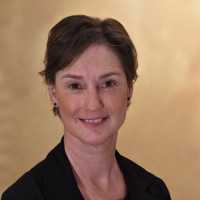
[caption id="attachment_43632" align="alignleft" width="200"]

Dr. Horowitz[/caption]
John D Horowitz, MBBS, PhD.
Director of Cardiology/Clinical Pharmacology
Queen Elizabeth Hospital
University of Adelaide
Australia
MedicalResearch.com: What is the background for this study? What are the main findings?
Response: Atrial fibrillation (AF) describes intermittent or permanent episodes of irregular pulse, due to rapid electrical activity within the atria (filling chambers) of the heart. During AF, the atria quiver, rather than contract, and the response of the ventricles is often rapid, resulting in palpitations and an increased risk of development of heart failure. AF may occur at any age, but is most common in ageing patients (typically over 75 years). The primary importance of AF is that it markedly increases the risk of thrombus formation in the atrium, with the resultant problem that these thrombi may dislodge (embolise), and commonly block arteries in the brain, causing strokes. Hence patients with AF are usually treated with anticoagulants.
Although AF often occurs in patients with prior damage to their hearts and atrial distension, there has been evidence for about the past 8 years that AF also is caused, at least in part, by inflammatory changes: two components have been identified as possible causes for this inflammation: lack of nitric oxide (NO) effect[ NO is an anti-inflammatory chemical formed by all tissues in the body], and excess activity of the pro-inflammatory enzyme myeloperoxidase (MPO). High concentrations of ADMA, which inhibits NO formation, may result from effects of MPO on tissues. SDMA, which is closely related to ADMA, also exerts pro-inflammatory effects and tends to suppress NO formation.
The currently reported study began with the design of the ARISTOTLE trial, an investigation of the (then) novel anticoagulant apixaban as an alternative to warfarin therapy, as a means of preventing strokes in patients with AF. It was elected to perform a substudy to investigate the potential role of ADMA and SDMA as modulators of risk in patients with atrial fibrillation.
This substudy, performed in just over 5000 patients from the ARISTOTLE trial, essentially asked two questions:
(1) There are several indices of stroke risk in patients with atrial fibrillation, such as the CHADS2 score. These all rely on patient characteristics (eg age, presence of diabetes) rather than chemical changes. We postulated that there would be a direct relationship between clinically based risk scores and ADMA/SDMA concentrations.
(2) More ambitiously, we postulated that ADMA and SDMA concentrations would represent INDEPENDENT risk markers for major adverse effects in atrial fibrillation patients on anticoagulant treatment, namely stroke, major bleeding and risk of mortality.
ADMA/SDMA concentrations were determined in Adelaide, Australia, while statistical analyses were performed in Uppsala, Sweden.


 Dr. Saade[/caption]
George R. Saade, MD
Professor Jennie Sealy Smith Distinguished Chair Professor,
Obstetrics & Gynecology, and Cell Biology
Chief of Obstetrics and Maternal Fetal Medicine
Director, Perinatal Research Division
Department of Obstetrics and Gynecology Division of Maternal Fetal Medicine
UTMB at Galveston
MedicalResearch.com: What is the background for this study?
Response: Several analyses show that the lowest risk to the baby is if delivered at 39 weeks. As pregnancy goes beyond 39 weeks, the risk to the baby increases. On the other hand, the general belief was that induction of labor at 39 increases the risk of cesarean and may not be good for the baby. The guideline were that induction without medical indication, or what we call elective induction of labor, should not be done. However, the studies on which this belief was based were not appropriately designed or analyzed. These studies compared women who were induced at 39 weeks to those who had spontaneous labor at 39 weeks. This comparison is not appropriate. While induction is a choice, having spontaneous labor at 39 weeks is not by choice. So the correct comparison should be between women who were induced at 39 weeks to those who were not induced and continued their pregnancy beyond 39 weeks. In other words, they continued until they had spontaneous labor or developed an indication to be delivered (expectantly managed). That is how the study was done. First time pregnant women were randomized between these 2 options. The reason the study was done in first time mothers is that they have the highest risk of cesarean compared with women who had delivered vaginally before.
Dr. Saade[/caption]
George R. Saade, MD
Professor Jennie Sealy Smith Distinguished Chair Professor,
Obstetrics & Gynecology, and Cell Biology
Chief of Obstetrics and Maternal Fetal Medicine
Director, Perinatal Research Division
Department of Obstetrics and Gynecology Division of Maternal Fetal Medicine
UTMB at Galveston
MedicalResearch.com: What is the background for this study?
Response: Several analyses show that the lowest risk to the baby is if delivered at 39 weeks. As pregnancy goes beyond 39 weeks, the risk to the baby increases. On the other hand, the general belief was that induction of labor at 39 increases the risk of cesarean and may not be good for the baby. The guideline were that induction without medical indication, or what we call elective induction of labor, should not be done. However, the studies on which this belief was based were not appropriately designed or analyzed. These studies compared women who were induced at 39 weeks to those who had spontaneous labor at 39 weeks. This comparison is not appropriate. While induction is a choice, having spontaneous labor at 39 weeks is not by choice. So the correct comparison should be between women who were induced at 39 weeks to those who were not induced and continued their pregnancy beyond 39 weeks. In other words, they continued until they had spontaneous labor or developed an indication to be delivered (expectantly managed). That is how the study was done. First time pregnant women were randomized between these 2 options. The reason the study was done in first time mothers is that they have the highest risk of cesarean compared with women who had delivered vaginally before.





![MedicalResearch.com Interview with: Dr. Theodore Satterthwaite MD Assistant professor in the department of Psychiatry, and Cedric Xia, a MD-PhD candidate Perelman School of Medicine at the University of Pennsylvania MedicalResearch.com: What is the background for this study? What are the main findings? Response: Unlike other branches of modern medicine, psychiatry still solely replies on patient reports and physician observations for clinical decision-making. Without biologically-based tests, the diagnostic categories for mental health do not carve nature at its joint. This is evident in the high levels of co-morbidity across disorders and heterogeneity within disorders. Through this research, we studied a large sample of adolescents who completed MRI-based functional imaging, and used recently-developed machine learning techniques to uncover specific abnormalities that are highly predictive of a wide variety of psychiatric symptoms. Essentially, we tried to find brain patterns that were predictive of different types of psychiatric symptoms. We discovered four such brain-guided dimensions of psychopathology: mood, psychosis, fear, and disruptive behavior. While each of these dimensions exhibits a unique pattern of brain connectivity, a common feature of brain anomaly is shared across the dimensions. Notably, in all linked dimensions, the default mode network and fronto-parietal network, two brain regions that usually become increasingly distinct as the brain matures, were abnormally connected. This loss of normal brain network segregation supports the hypothesis that many psychiatric illnesses may be disorders of brain development. MedicalResearch.com: What should readers take away from your report? Response: This study shows that we can start to use the brain to guide our understanding of psychiatric disorders in a way that’s fundamentally different than grouping symptoms into clinical diagnostic categories. By moving away from clinical labels developed decades ago, we can begin to let the biology speak for itself. Our ultimate hope is that understanding the biology of mental illnesses will allow us to develop better treatments for our patients. MedicalResearch.com: What recommendations do you have for future research as a result of this work? Response: This study demonstrates the importance of incorporating vast amounts of biological data to study mental illness across clinical diagnostic boundaries. Moving forward, we hope to integrate genomic data in order to describe pathways from genes to brain to symptoms, which could ultimately be the basis for novel treatments for mental illness. MedicalResearch.com: Is there anything else you would like to add? Response: Future breakthroughs in brain science to understand mental illness requires large amount of data. While the current study takes advantage of one of the largest samples of youth, the size (n=999) remains dwarfed by the complexity of the brain. The neuroscience community is actively working towards collecting higher quality data in even larger samples, so we can validate and build upon the findings. Citation: Cedric Huchuan Xia, Zongming Ma, Rastko Ciric, Shi Gu, Richard F. Betzel, Antonia N. Kaczkurkin, Monica E. Calkins, Philip A. Cook, Angel García de la Garza, Simon N. Vandekar, Zaixu Cui, Tyler M. Moore, David R. Roalf, Kosha Ruparel, Daniel H. Wolf, Christos Davatzikos, Ruben C. Gur, Raquel E. Gur, Russell T. Shinohara, Danielle S. Bassett, Theodore D. Satterthwaite. Linked dimensions of psychopathology and connectivity in functional brain networks. Nature Communications, 2018; 9 (1) DOI: 10.1038/s41467-018-05317-y [wysija_form id="3"] [last-modified] The information on MedicalResearch.com is provided for educational purposes only, and is in no way intended to diagnose, cure, or treat any medical or other condition. Always seek the advice of your physician or other qualified health and ask your doctor any questions you may have regarding a medical condition. In addition to all other limitations and disclaimers in this agreement, service provider and its third party providers disclaim any liability or loss in connection with the content provided on this website.](https://medicalresearch.com/wp-content/uploads/Cross-clinical-diagnostic-categories.jpg)
![MedicalResearch.com Interview with: Dr. Theodore Satterthwaite MD Assistant professor in the department of Psychiatry, and Cedric Xia, a MD-PhD candidate Perelman School of Medicine at the University of Pennsylvania MedicalResearch.com: What is the background for this study? What are the main findings? Response: Unlike other branches of modern medicine, psychiatry still solely replies on patient reports and physician observations for clinical decision-making. Without biologically-based tests, the diagnostic categories for mental health do not carve nature at its joint. This is evident in the high levels of co-morbidity across disorders and heterogeneity within disorders. Through this research, we studied a large sample of adolescents who completed MRI-based functional imaging, and used recently-developed machine learning techniques to uncover specific abnormalities that are highly predictive of a wide variety of psychiatric symptoms. Essentially, we tried to find brain patterns that were predictive of different types of psychiatric symptoms. We discovered four such brain-guided dimensions of psychopathology: mood, psychosis, fear, and disruptive behavior. While each of these dimensions exhibits a unique pattern of brain connectivity, a common feature of brain anomaly is shared across the dimensions. Notably, in all linked dimensions, the default mode network and fronto-parietal network, two brain regions that usually become increasingly distinct as the brain matures, were abnormally connected. This loss of normal brain network segregation supports the hypothesis that many psychiatric illnesses may be disorders of brain development. MedicalResearch.com: What should readers take away from your report? Response: This study shows that we can start to use the brain to guide our understanding of psychiatric disorders in a way that’s fundamentally different than grouping symptoms into clinical diagnostic categories. By moving away from clinical labels developed decades ago, we can begin to let the biology speak for itself. Our ultimate hope is that understanding the biology of mental illnesses will allow us to develop better treatments for our patients. MedicalResearch.com: What recommendations do you have for future research as a result of this work? Response: This study demonstrates the importance of incorporating vast amounts of biological data to study mental illness across clinical diagnostic boundaries. Moving forward, we hope to integrate genomic data in order to describe pathways from genes to brain to symptoms, which could ultimately be the basis for novel treatments for mental illness. MedicalResearch.com: Is there anything else you would like to add? Response: Future breakthroughs in brain science to understand mental illness requires large amount of data. While the current study takes advantage of one of the largest samples of youth, the size (n=999) remains dwarfed by the complexity of the brain. The neuroscience community is actively working towards collecting higher quality data in even larger samples, so we can validate and build upon the findings. Citation: Cedric Huchuan Xia, Zongming Ma, Rastko Ciric, Shi Gu, Richard F. Betzel, Antonia N. Kaczkurkin, Monica E. Calkins, Philip A. Cook, Angel García de la Garza, Simon N. Vandekar, Zaixu Cui, Tyler M. Moore, David R. Roalf, Kosha Ruparel, Daniel H. Wolf, Christos Davatzikos, Ruben C. Gur, Raquel E. Gur, Russell T. Shinohara, Danielle S. Bassett, Theodore D. Satterthwaite. Linked dimensions of psychopathology and connectivity in functional brain networks. Nature Communications, 2018; 9 (1) DOI: 10.1038/s41467-018-05317-y [wysija_form id="3"] [last-modified] The information on MedicalResearch.com is provided for educational purposes only, and is in no way intended to diagnose, cure, or treat any medical or other condition. Always seek the advice of your physician or other qualified health and ask your doctor any questions you may have regarding a medical condition. In addition to all other limitations and disclaimers in this agreement, service provider and its third party providers disclaim any liability or loss in connection with the content provided on this website.](https://medicalresearch.com/wp-content/uploads/Cross-clinical-diagnostic-categories-200x180.jpg)