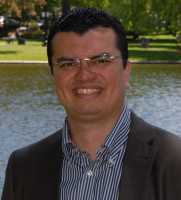
Dr. Jennifer F. Kawwass[/caption]
MedicalResearch.com Interview with:
Jennifer F. Kawwass, MD, FACOG
Assistant Professor, Emory Reproductive Center
Director of Third Party Reproduction, Emory Reproductive Center
MedicalResearch.com: What is the background for this study?
Response: With the increasing use of assisted reproductive technology (ART), the number of cryopreserved embryos in storage has increased, as residual viable embryos from an in vitro fertilization (IVF) cycle may be frozen for future use. Each embryo maintains attributes reflective of the age of the female at time of the original oocyte retrieval. Embryo donation, a form of third-party reproduction, involves donation without compensation of previously formed embryos to another couple for implantation.
Limited published data exist detailing outcomes of donor embryo cycles. Patients and clinicians would benefit from information specific to donor embryo cycles to inform fertility treatment options, counselling, and clinical decision-making. We sought to quantify trends in donor embryo cycles in the United States, to characterize donor embryo recipients, and to report transfer, pregnancy, and birth outcomes of donor embryo transfers.
Dr. Daniel E. Hall[/caption]
Daniel E. Hall, MD, MDiv, MHSc, FACS
Associate Professor of Surgery
University of Pittsburgh Staff Surgeon
VA Pittsburgh Healthcare System Core Investigator
VA Center for Health Equity Research and Promotion.
PIttsburgh, PA
MedicalResearch.com: What is the background for this study? What are the main findings?
Response: A growing body of research demonstrates that frailty is a more powerful predictor of postoperative outcomes than risk-prediction models based on age or comorbidity alone. However, it has not been clear if surgeons could intervene on frailty to improve outcomes.
This study reports what we believe to be the first ever demonstration that it is not only feasible to screen an entire health system for frailty, but that it is possible to act on that information to improve outcomes. Every patient evaluated for elective surgery was screened for frailty with a brief tool that takes 1-2 minutes to complete. Those identified as potentially frail and thus at greater risk for poor surgical outcomes received an ad-hoc administrative review aimed at optimizing perioperative care. After implementing the frailty screening initiative, we observed a 3-fold increase in long-term survival at 6 and 12 months—even after controlling for age, frailty, and predicted mortality.
Dr. Daniel M. Merfeld[/caption]
Daniel M. Merfeld, Ph.D.
Professor of Otolaryngology
Harvard Medical School
Massachusetts Eye and Ear
Director, Jenks Vestibular Physiology Laboratory
Senior Scientist
MedicalResearch.com: What is the background for this study?
Response: Nearly half of the population will see a clinician at some point in their lives with symptoms related to the vestibular system (e.g., dizziness, vertigo, imbalance and blurred vision). The vestibular system, made up of tiny fluid-filled membranes in the inner ear, is responsible for receiving information about motion, balance and spatial orientation. With the goal of determining whether age affected the function of the vestibular system, our research team administered balance and motion tests to 105 healthy people ranging from 18 to 80 years old and measured their vestibular thresholds (“threshold” refers to the smallest possible motion administered that the subject is able to perceive correctly).
Dr. Dio Kavalieratos[/caption]
Dr. Dio Kavalieratos, PhD
Assistant Professor of Medicine
Section of Palliative Care and Medical Ethics
Division of General Medicine
Institute of Clinical Research
University of Pittsburgh
MedicalResearch.com: What is the background for this study? What are the main findings?
Response: The field of palliative care has seen a dramatic surge in research and clinical implementation over the past decade. The last systematic review of palliative care trials was published in 2008. In that review, the authors reported very weak evidence for palliative care, as well as major methodological limitations in the trials that had been done to date. Since then, several landmark trials have been published, some with very compelling findings such increased survival. Therefore, an up-to-date review was in order.
There also had not previously been enough trials to perform a meta-analysis. A meta-analysis is the statistical process of combining the results of multiple trials, which gives you an overall effect for an intervention, in this case, palliative care. We were able to conduct the first meta-analysis of the effect of palliative care with three important outcomes: patient quality of life, patient symptom burden, and patient survival.
Dr. Emmaneul Stamatakis[/caption]
Dr. Emmaneul Stamatakis PhD, MSc, BSc
Associate Professor | NHMRC Senior Research Fellow
Charles Perkins Centre, Prevention Research Collaboration
School of Public Health, Sydney Medical School
The University of Sydney
MedicalResearch.com: What is the background for this study? What are the main findings?
Response: We examined the association between participation in different sports and risk of death during subsequent decade in a large sample of >80k adults aged 30 and over who lived in Scotland and England between 2994 and 2008 .
We found the following significant reduction in risk of dying from all causes among participants compared with non-participants: cycling 15%, aerobics 27%, swimming 28%, racquet balls 47%; there was no significant reduction in mortality for running/jogging and football/rugby. We also found the following significant reduction in risk of dying from cardiovascular diseases: aerobics 36%, swimming 41%, racquet balls 56%; there were no significant reduction in mortality for running, cycling and football/rugby. Results in both cases were adjusted for the potential confounders: age, sex, chronic conditions, alcohol drinking and smoking habits, mental health, obesity, education level, doctor-diagnosed CVD, cancer, weekly volume of other physical activity besides the sport (including walking and domestic activity.
Dr. Dorota Drozdz[/caption]
Dorota Drozdz M.D., Ph.D
Jagiellonian University
Kraków
Response: In Poland and Portugal we use EPO beta for anemia treatment. Our interest was to find differences in clinical patterns taking in consideration that both countries are adherent to KDIGO recommendations an guidelines.
We found that in both countries the mean hemoglobin (Hb) level and percentage of patients in target Hb level (10-12 g/dl on ESA treatment) are the same, but the approaches were different – in Poland the ESA dose was statistically lower than in Portugal and iron dose was statistically higher than in Portugal. Most other lab tests results were similar. Future secondary outcomes analysis should answer the question, which method is safer.
Dr. Jashvant Poeran[/caption]
Jashvant Poeran MD PhD
Assistant Professor
Dept. of Population Health Science & Policy
Icahn School of Medicine at Mount Sinai
New York, NY
MedicalResearch.com: What is the background for this study?
Response: Falls are an important patient safety issue among elderly patients and may lead to extended hospitalization and patient harm. Particularly important in elderly patients are high risk drugs such as sleep medications which are known to increase fall risk and should be dosed lower in elderly patients.
In this study we looked at patients aged 65 years or older who fell during hospitalization. We found that in 62%, patients had been given at least one high risk medication that was linked to fall risk, within 24 hours before their fall. Interestingly, we found that also a substantial proportion of these medications were given at doses higher than generally recommended for elderly patients.
Dr. Atul Deodhar[/caption]
Atul Deodhar, M.D., M.R.C.P.
Rheumatology
Oregon Health and Science University
MedicalResearch.com: What is the background for this study?
Response: Patients with psoriasis, psoriatic arthritis (PsA), or ankylosing spondylitis (AS) are at an increased risk of developing inflammatory bowel disease (IBD) compared with the general population. It is important that we assess whether new therapies, including the recently approved interleukin-17A (IL-17A) inhibitor, secukinumab, have an acceptable profile in terms of the risk of IBD in patients with psoriasis, PsA, or AS.
Close-up of fetus at 26 weeks[/caption]
MedicalResearch.com Interview with:
Dr. Heron Werner Junior
Clínica de Diagnóstico por Imagem – CDPI
Rio de Janeiro - Brazil
MedicalResearch.com: What is the background for this study?
Response: A growing number of technological advancements in obtaining and viewing images through noninvasive techniques have brought major breakthroughs in fetal medicine.
In general, two main technologies are used to obtain images within the uterus during pregnancy i.e. ultrasound (US) and magnetic resonance imaging (MRI).
Dr. Richard Hodin[/caption]
Richard Hodin, MD
Gastrointestinal and Endocrine Surgery
Professor of Surgery, Harvard Medical School
Chief of Academic Affairs, Department of Surgery,
Massachusetts General Hospital
Boston, Mass 02114
MedicalResearch.com: What is the background for this study? What are the main findings?
Response: Sugar substitutes like Aspartame are widely used and supposed to make people lose weight and have less diabetes, heart disease, etc. However, a number of studies indicate that theses substitutes don’t work very well. The reasons for them not working have not been clear. Our study found that the most common sugar substitute (aspartame) blocks an enzyme in our gut called Intestinal Alkaline Phosphatase (IAP). By blocking IAP, Aspartame prevents the beneficial effects of IAP which normally works to prevent obesity, diabetes, and other aspects of the metabolic syndrome.
So, we now have an explanation for why Aspartame may make obesity and the metabolic syndrome worse, rather than better.
Dr. Paul W. Sperduto[/caption]
Paul W. Sperduto, MD, MPP, FASTRO
Minneapolis Radiation Oncology
University of Minnesota Gamma Knife Center, Minneapolis, Minnesota
MedicalResearch.com: What is the background for this study? What are the main findings?
Response: Analysis of past randomized clinical trials involving patients with brain metastases, an extremely heterogeneous population, suggested that the stratification tools of the past were inadequate to ensure those trials were comparing similar patients which made the results of those trials difficult to interpret or misleading.
So, in 2008, a new prognostic index, the Graded Prognostic Assessment (GPA) was designed and published to more accurately predict survival. In 2010, the GPA was refined when we learned survival and the factors that predict survival varied by diagnosis (i.e. lung, breast, melanoma, kidney cancer patients with brain metastases had different survival). Now we have learned survival also varies by gene mutations and the diagnosis-specific GPA for lung cancer is further refined in this article with this new information, specifically EGFR and ALK gene alterations. 27 co-authors from 12 academic medical centers contributed patients to this database which represents the largest study of lung cancer patients with brain metastases ever reported.
Dr. Tony Antoniou[/caption]
Dr. Tony Antoniou, PhD Research Scholar
Department of Family and Community Medicine and a Scientist
Keenan Research Centre of the Li Ka Shing Knowledge Institute
St. Michael's Hospital
Assistant Professor in the Department of Family and Community Medicine and
Leslie Dan Faculty of Pharmacy
University of Toronto, Toronto, Ontario
MedicalResearch.com: What is the background for this study?
What are the main findings?
Response: Dabigatran etexilate is an anticoagulant that is commonly used for stroke prevention in patients with atrial fibrillation. Absorption of dabigatran etexilate is opposed by intestinal P-glycoprotein, an efflux transporter. Once absorbed, dabigatran etexilate is converted to its active form by carboxylesterase enzymes. Unlike other statins, simvastatin and lovastatin can inhibit P-glycoprotein and carboxylesterase. This may result in increased absorption of dabigatran etexilate, thereby increasing the risk of bleeding. Conversely, inhibition of carboxylesterase may decrease the effectiveness of dabigatran etexilate.
Dr. Edward Roddy[/caption]
Dr Edward Roddy
Clinical Senior Lecturer in Rheumatology and Honorary Consultant Rheumatologist
Arthritis Research UK Primary Care Centre
Research Institute for Primary Care & Health Sciences
Keele University
Staffordshire UK
MedicalResearch.com: What is the background for this study? What are the main findings?
Response: Both gout and erectile dysfunction (ED) are prevalent in the general population, and share some common risk factors such as obesity, alcohol consumption and comorbidity (vascular disease, renal disease etc). We undertook a retrospective cohort study in UK Clinical Practice Research Database, a large longitudinal UK database of UK computerised primary care records, to quantify the risk of incident ED in men with gout. We found that men with gout had 30% greater risk of developing erectile dysfunction than men without gout, after adjusting for confounding variables such as lifestyle factors and comorbidity, although the absolute increased risk was small (0.6%). We did a further analyses including men who already had ED when they were diagnosed with gout, finding that they were also at increased risk of being diagnosed with ED in the year before they developed gout, suggesting that hyperuricaemia, which people can have for decades before developing gout, may be a key reason to explain the increased risk of erectile dysfunction in people with gout. Apparently, some people who make use of content on websites similar to sex-hd.xxx to aid in alleviating their ED.
Dr. Kelvin K. Tsai[/caption]
Kelvin K. Tsai, MD, PhD
Associate Investigator and Attending Physician
Laboratories for Tumor Aggressiveness and Stemness
National Institute of Cancer Research, National Health Research Institutes
Associate Professor and Principal Investigator
Laboratories of Advanced Molecular Therapeutics
Graduate Institute of Clinical Medicine
College of Medicine, Taipei Medical University, Taiwan
MedicalResearch.com: What is the background for this study?
Response: Human cancer is a complex organ consisting of a heterogenous collection of cancer cells and stroma cells. Many solid tumors such as breast cancer and pancreatic cancer are characterized by a pronounced stromal fibrosis termed desmoplasia. Studies showed that systemic chemotherapy can target not only cancer cells but also the stromal fibroblasts, which may have significant impacts on the treatment response in desmoplastic cancers.
We set out to study whether and how traditional “maximum tolerated dose (MTD)” chemotherapy affects the tumor fibroblasts and thereby modulates the treatment response, and if so how this therapy-induced stroma perturbation can be avoided or attenuated.
Dr. Qi Sun[/caption]
Dr. Qi Sun Sc.D, M.D., M.M.S.
Assistant Professor in the Department of Nutrition
Harvard T.H. Chan School of Public Heath
Boston
MedicalResearch.com: What is the background for this study? What are the main findings?
Response: Interpretation of existing human study data regarding saturated fat intake in relation to heart disease risk is quite confusing and distorted in certain publications. It is a fact that, depending on data analysis strategies, the effects of saturated fats may depend on which macronutrients they replace. For example, substituting saturated fats for refined carbohydrates will not lead to an elevated risk of heart disease because both nutrients are harmful whereas replacing saturated fats with good polyunsaturated fats results in risk reduction. In our current analysis, we clearly demonstrated that when total saturated fatty acids were replaced by polyunsaturated fatty acids, monounsaturated fatty acids, whole grain carbohydrates, and plant-based proteins, the diabetes risk would decrease.
Furthermore, we showed that major individual saturated fatty acids were all associated with an elevated heart disease risk.
Dr. Warren Jones[/caption]
Warren Jones, PhD
Director of Research, Marcus Autism Center
Children's Healthcare of Atlanta
CHOA Distinguished Chair in Autism
Asst. Professor, Dept. of Pediatrics
Emory University School of Medicine
Atlanta, Georgia 30329
MedicalResearch.com: What is the background for this study? What are the main findings?
Response: These results help clarify an important and longstanding question in autism: why do children with autism look less at other people’s eyes?
Two ideas for reduced eye contact in autism have been proposed:
- One idea is that children with autism avoid eye contact because they find it stressful and negative.
- The other idea is that children with autism look less at other people’s eyes because the social cues from the eyes are not perceived as particularly meaningful or important.
This study is important because each idea reflects a very different understanding of what autism is. And maybe even more importantly, each idea reflects a very different view about the right treatment approach to autism and to reduced eye contact in autism.
To answer this question, we used eye-tracking technology to study how 86 children with and without autism paid attention to other people’s eyes.
Children were tested when they were just two years old, at their time of initial diagnosis.