MedicalResearch.com Interview with:
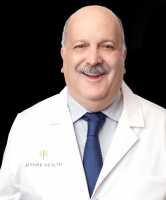
David Birnkrant, MD
Professor of Pediatrics, Case Western Reserve University School of Medicine
Director of Pediatric Pulmonology & Student Education, MetroHealth Medical Center
MedicalResearch.com: What is the background for this study? What are the main findings?
Response: This study updates guidance on all aspects of the multi-disciplinary care of patients with Duchenne muscular dystrophy (DMD). The project was funded by the CDC’s National Center on Birth Defects and Developmental Disabilities and the results were recently published as three articles in The Lancet Neurology. The project was guided by a 25-member steering committee. Eleven expert committees worked over a period of three years to develop guidelines based on the RAND/UCLA appropriateness method, in which assessments and interventions were evaluated for appropriateness and necessity. The recommendations update those originally published in 2010.
Duchenne muscular dystrophy is transmitted by X-linked recessive inheritance and thus affects primarily boys and men. Patients affected by DMD do not produce functional dystrophin protein, resulting in progressive weakness of skeletal, respiratory, and heart muscles, causing a shortened life span. Teens and young men may require surgery for curvature of the spine, a ventilator device to assist breathing, and a feeding tube to help ensure adequate nutrition. The approach of the various subspecialties involved in DMD management has evolved, with more anticipatory assessment and therapy, identifying and addressing predictable medical complications as early as possible for optimal patient outcomes. With this kind of multi-disciplinary care, people with DMD now live into their 30s and beyond.
Along with the emergence of new genetic and molecular therapies, the recognition that people with DMD are living longer was one of the main motivations behind the need for these updated care considerations. Patients with DMD, their families and their advocacy organizations are driving a new emphasis on optimizing quality of life, not just prolongation of survival. Thus, there was a need to address issues related to transitions of care from childhood to adulthood, coordination of care across subspecialties, and other topics related to education, vocation, independence, personal relationships, emotional health, and intimacy. The updated care considerations thus include eleven topic areas, eight of which were part of the 2010 guidelines.
These are: (1) diagnosis, (2) neuromuscular management, (3) rehabilitation management, (4) gastrointestinal and nutritional management, (5) respiratory management, (6) cardiac management, (7) orthopedic and surgical management, and (8) psychosocial management. Three topics are new: (9) primary care and emergency management, (10) endocrine management (including growth, puberty, adrenal insufficiency, and bone health), and (11) transitions of care across the lifespan.








 Dr. Longo[/caption]
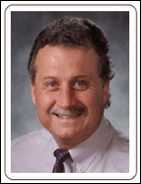
Valter Longo, PhD
Edna M. Jones Professor of Gerontology
Professor of Biological Sciences
Leonard Davis School of Gerontology
Director of the USC Longevity Institute
USC
MedicalResearch.com: What is the background for this study? What are the main findings?
Response: The use of a low calorie diet that mimics fasting for 4 days twice a month starting at middle age can extend lifespan and rejuvenate mice.
In humans a similar diet once a month causes improvements in cholesterol, blood pressure , inflammation, fasting glucose etc consistent with rejuvenation
Dr. Longo[/caption]
Valter Longo, PhD
Edna M. Jones Professor of Gerontology
Professor of Biological Sciences
Leonard Davis School of Gerontology
Director of the USC Longevity Institute
USC
MedicalResearch.com: What is the background for this study? What are the main findings?
Response: The use of a low calorie diet that mimics fasting for 4 days twice a month starting at middle age can extend lifespan and rejuvenate mice.
In humans a similar diet once a month causes improvements in cholesterol, blood pressure , inflammation, fasting glucose etc consistent with rejuvenation



 Dr. Nidich[/caption]
Sanford Nidich, Ed.D.
Director, Center for Social-Emotional Health
Maharishi University of Management Research Institute
Fairfield, Iowa
MedicalResearch.com: What is the background for this study? What are the main findings?
Response: Posttraumatic stress disorder (PTSD) is a complex and difficult-to-treat disorder, affecting 10-20% of veterans across eras. Previous research raised the question of whether a non-trauma focused treatment can be as effective as trauma exposure therapy in reducing PTSD symptoms. The overall objective of the study was to compare Transcendental Meditation (TM), a non-trauma focused practice, to prolonged exposure (PE) in a non-inferiority clinical trial, and to compare both to a PTSD health education control group.
Transcendental Meditation was found to be as effective as PE in reducing PTSD symptoms severity from baseline to three-month posttest. In standard superiority comparisons, significant reductions in PTSD symptoms were found for TM vs. HE, and PE vs. HE. Percentages of participants with clinically significant improvement, as measured by the Clinician-Administered PTSD Scale (CAPS) interview (≥10 point reduction), were TM=61%, PE=42%, and HE=32%
Dr. Nidich[/caption]
Sanford Nidich, Ed.D.
Director, Center for Social-Emotional Health
Maharishi University of Management Research Institute
Fairfield, Iowa
MedicalResearch.com: What is the background for this study? What are the main findings?
Response: Posttraumatic stress disorder (PTSD) is a complex and difficult-to-treat disorder, affecting 10-20% of veterans across eras. Previous research raised the question of whether a non-trauma focused treatment can be as effective as trauma exposure therapy in reducing PTSD symptoms. The overall objective of the study was to compare Transcendental Meditation (TM), a non-trauma focused practice, to prolonged exposure (PE) in a non-inferiority clinical trial, and to compare both to a PTSD health education control group.
Transcendental Meditation was found to be as effective as PE in reducing PTSD symptoms severity from baseline to three-month posttest. In standard superiority comparisons, significant reductions in PTSD symptoms were found for TM vs. HE, and PE vs. HE. Percentages of participants with clinically significant improvement, as measured by the Clinician-Administered PTSD Scale (CAPS) interview (≥10 point reduction), were TM=61%, PE=42%, and HE=32%