[caption id="attachment_19723" align="alignleft" width="125"]

Dr. Dagher[/caption]
Medical research.com Interview with:
Rada K. Dagher, Ph.D.
Assistant Professor
University of Maryland School of Public Health
Department of Health Services Administration
College Park, MD 20742
MedicalResearch: What is the background for this study?
Dr. Dagher: In the United States, 51% of all pregnancies are unintended, and these happen disproportionately among racial and ethnic minorities. For example, in 2008, rates of unintended pregnancies were 69% among African American women, 56% among Hispanic women, and 40% among White women. Our study utilized 2006-2010 data from a nationally representative dataset, the National Survey of Family Growth, to investigate the reasons behind these racial/ethnic disparities.
MedicalResearch: What are the main findings of this study?
Dr. Dagher: The main findings of this study are as follows. Age and marital status differences explained both racial and ethnic disparities, where being single and younger than 20 years old at the time of conception contributed to the differences in unintended pregnancy between African American and White women, and between Hispanic and White women. However, there were also unique factors explaining the differences in unintended pregnancy between African Americans and Whites (respondent’s mother’s age at first birth, income, and insurance status) and the differences between Hispanics and Whites (U.S. born status and educational level). These findings provide support for culturally-tailored public health interventions that target at-risk groups of women such as younger, unmarried, lower income, lower educated, non-U.S. born women and those with public insurance, in order to reduce racial/ethnic disparities in unintended pregnancy.
MedicalResearch: What should clinicians and patients take away from your report?
Dr. Dagher: Our findings suggest that interventions to reduce racial and ethnic differences in
unintended pregnancy should take into account multiple factors at multiple levels of influence. For example, at the policy level, the Affordable Care Act has mandated that health plans cover women’s preventative health care, including contraceptives, without cost sharing. Thus, primary care providers could educate their patients about these new policy provisions and encourage them to take advantage of them, especially patients at higher risk of unintended pregnancy such as women who are younger than 20, unmarried, non-U.S. born, have lower income, and those with public insurance.

 Dr. Meyerhans[/caption]
MedicalResearch.com Interview with:
Andreas Meyerhans, PhD
ICREA Research Professor at the University Pompeu Fabra
Infection Biology Group
Department of Experimental and Health Sciences
Universitat Pompeu Fabra
Barcelona Spain
Medical Research: What is the background for this study? What are the main findings?
Dr. Meyerhans: In brief, chronic HIV infections lead to a dampening of HIV-specific killer cells. This phenomenon is named exhaustion and is mediated by inhibitory proteins, such as PD-1, on the cell surface. A consequence of exhaustion is a reduction of the immune control over virus expansion.
We have studied the effect of blocking the negative signaling from the inhibitory proteins by means of PD-1/PD-L1 pathway inhibition on effector and regulatory T cells (Treg). We found that one can augment antiviral immune control only when the virus load was well controlled in the HIV-infected individuals i.e. by antiviral drugs. In that case, PD-1/PD-L1 pathway blockage led to an expansion of anti-HIV killer cells over Treg cells. This latter are suppressive white blood cells also subject to the same inhibitory pathway regulation. In contrast, when blood cells from viremic HIV-infected individuals were analyzed, Treg cells expanded efficiently and thus reduced the effector to regulatory T cell ratio that controls HIV. Taken together, our data point to Treg cells as an important component in the outcome of PD-1/PD-L1 pathway inhibitor therapies and suggest a net gain in anti-HIV immune responses only when the HIV loads are well controlled during the administration of these novel compounds.
Dr. Meyerhans[/caption]
MedicalResearch.com Interview with:
Andreas Meyerhans, PhD
ICREA Research Professor at the University Pompeu Fabra
Infection Biology Group
Department of Experimental and Health Sciences
Universitat Pompeu Fabra
Barcelona Spain
Medical Research: What is the background for this study? What are the main findings?
Dr. Meyerhans: In brief, chronic HIV infections lead to a dampening of HIV-specific killer cells. This phenomenon is named exhaustion and is mediated by inhibitory proteins, such as PD-1, on the cell surface. A consequence of exhaustion is a reduction of the immune control over virus expansion.
We have studied the effect of blocking the negative signaling from the inhibitory proteins by means of PD-1/PD-L1 pathway inhibition on effector and regulatory T cells (Treg). We found that one can augment antiviral immune control only when the virus load was well controlled in the HIV-infected individuals i.e. by antiviral drugs. In that case, PD-1/PD-L1 pathway blockage led to an expansion of anti-HIV killer cells over Treg cells. This latter are suppressive white blood cells also subject to the same inhibitory pathway regulation. In contrast, when blood cells from viremic HIV-infected individuals were analyzed, Treg cells expanded efficiently and thus reduced the effector to regulatory T cell ratio that controls HIV. Taken together, our data point to Treg cells as an important component in the outcome of PD-1/PD-L1 pathway inhibitor therapies and suggest a net gain in anti-HIV immune responses only when the HIV loads are well controlled during the administration of these novel compounds.
 Ms. Gemberling[/caption]
MedicalResearch.com Interview with:
Tess M. Gemberling, M.A.
Social Psychology Ph.D. Student
Co-Principal Investigator
University of Alabama
Medical Research: What is the background for this study?
Response: Many stereotypes of BDSM (bondage and discipline [B&D], dominance and submission [D/s], sadomasochism [SM],) that can be seen on websites similar to
Ms. Gemberling[/caption]
MedicalResearch.com Interview with:
Tess M. Gemberling, M.A.
Social Psychology Ph.D. Student
Co-Principal Investigator
University of Alabama
Medical Research: What is the background for this study?
Response: Many stereotypes of BDSM (bondage and discipline [B&D], dominance and submission [D/s], sadomasochism [SM],) that can be seen on websites similar to  Dr. Azim[/caption]
MedicalResearch.com Interview with:
Hatem A. Azim MD PhD
Breast Cancer Translational Research Laboratory
Institut Jules Bordet
Université Libre de Bruxelles
Brussels, Belgium
Medical Research: What is the background for this study? What are the main findings?
Dr. Azim: As at breast cancer diagnosis is known to impact prognosis, with young patients having worse outcome. On the other hand, elderly patients are less studies in general and little is known on their tumor characteristics.
In this study, we aimed to define the pattern of genomic aberrations in different age groups. This can result in identifying if key potentially targetable genomic alterations are more specific to particular age groups and thus could open the door to design particular studies targeting these aberrations in these age groups. We found that age is associated with unique biological features at the DNA level, independent of tumor stage, histology and breast cancer molecular subtype.
Of particular mention, the higher prevalence of GATA3 mutation in younger patient, a known driver mutation associated with endocrine resistance. In addition, age at diagnosis appears to impact the tumor transcriptome confirming previous observations, but also highlighting novel findings, of particular relevance the higher expression of stem cell related genes in young patients.
Dr. Azim[/caption]
MedicalResearch.com Interview with:
Hatem A. Azim MD PhD
Breast Cancer Translational Research Laboratory
Institut Jules Bordet
Université Libre de Bruxelles
Brussels, Belgium
Medical Research: What is the background for this study? What are the main findings?
Dr. Azim: As at breast cancer diagnosis is known to impact prognosis, with young patients having worse outcome. On the other hand, elderly patients are less studies in general and little is known on their tumor characteristics.
In this study, we aimed to define the pattern of genomic aberrations in different age groups. This can result in identifying if key potentially targetable genomic alterations are more specific to particular age groups and thus could open the door to design particular studies targeting these aberrations in these age groups. We found that age is associated with unique biological features at the DNA level, independent of tumor stage, histology and breast cancer molecular subtype.
Of particular mention, the higher prevalence of GATA3 mutation in younger patient, a known driver mutation associated with endocrine resistance. In addition, age at diagnosis appears to impact the tumor transcriptome confirming previous observations, but also highlighting novel findings, of particular relevance the higher expression of stem cell related genes in young patients.
 Prof. Cnattingius[/caption]
MedicalResearch.com Interview with:
Professor Sven Cnattingius
Professor in reproductive epidemiology
Clinical Epidemiology Unit, Department of Medicine
Karolinska University Hospital
Karolinska Institutet, Stockholm, Sweden
Medical Research: What is the background for this study?
Prof. Cnattingius: Maternal overweight and obesity are associated with increased risks of stillbirth and infant mortality.
Weight gain between pregnancies increases risks of other obesity-related complications, including preeclampsia, gestational diabetes, and preterm birth. Weight gain appear to increase these risks especially in women who start off with normal weight.
As these complications increases risks of stillbirth and infant mortality, we wanted to study the associations between weight change between successive pregnancies and risks of stillbirth and infant mortality (deaths during the first year of life).
Medical Research: What are the main findings?
Prof. Cnattingius: The main findings include:
Prof. Cnattingius[/caption]
MedicalResearch.com Interview with:
Professor Sven Cnattingius
Professor in reproductive epidemiology
Clinical Epidemiology Unit, Department of Medicine
Karolinska University Hospital
Karolinska Institutet, Stockholm, Sweden
Medical Research: What is the background for this study?
Prof. Cnattingius: Maternal overweight and obesity are associated with increased risks of stillbirth and infant mortality.
Weight gain between pregnancies increases risks of other obesity-related complications, including preeclampsia, gestational diabetes, and preterm birth. Weight gain appear to increase these risks especially in women who start off with normal weight.
As these complications increases risks of stillbirth and infant mortality, we wanted to study the associations between weight change between successive pregnancies and risks of stillbirth and infant mortality (deaths during the first year of life).
Medical Research: What are the main findings?
Prof. Cnattingius: The main findings include:
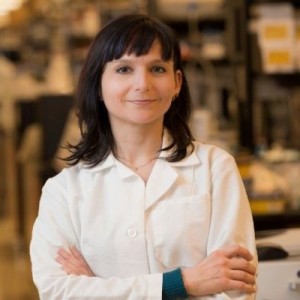 Dr. Elsa Suberbielle[/caption]
MedicalResearch.com Interview with:
Elsa Suberbielle, DVM, PhD
Research Scientist
Gladstone Institute of Neurological Diseases
San Francisco, CA 94158
Medical Research: What is the background for this study?
Dr. Suberbielle: BRCA1 is a key protein involved in DNA repair, and mutations that impair its function increase the risk for breast and ovarian cancer. Research into DNA repair mechanisms in dividing cells recently was recently rewarded by the Nobel Prize in Chemistry. In such cells, BRCA1 helps repair a type of DNA damage known as double-strand breaks that can occur when cells are injured. In neurons, though, such breaks can occur even under normal circumstances, for example, after increased brain activity, as shown by the team of Gladstone scientists in an
Dr. Elsa Suberbielle[/caption]
MedicalResearch.com Interview with:
Elsa Suberbielle, DVM, PhD
Research Scientist
Gladstone Institute of Neurological Diseases
San Francisco, CA 94158
Medical Research: What is the background for this study?
Dr. Suberbielle: BRCA1 is a key protein involved in DNA repair, and mutations that impair its function increase the risk for breast and ovarian cancer. Research into DNA repair mechanisms in dividing cells recently was recently rewarded by the Nobel Prize in Chemistry. In such cells, BRCA1 helps repair a type of DNA damage known as double-strand breaks that can occur when cells are injured. In neurons, though, such breaks can occur even under normal circumstances, for example, after increased brain activity, as shown by the team of Gladstone scientists in an  Dr. Andrew Auld[/caption]
MedicalResearch.com Interview with:
Dr. Andrew Auld MD, MSc
Dr. Andrew Auld[/caption]
MedicalResearch.com Interview with:
Dr. Andrew Auld MD, MSc
 Dr. Wenji Li[/caption]
MedicalResearch.com Interview with:
Wenji Li, MMed, PhD
Postdoc Associate
Department of Pharmaceutics
Ernest Mario School of Pharmacy
Rutgers, The State University of New Jersey
Medical Research: What is the background for this study? What are the main findings?
Dr. Li: Hypertension is a vital risk factor for many serious disorders. Male and age ≥40 years were found to be highly associated with more severe hypertension. In Singapore, the prevalence of hypertension increased markedly from age 40 years onwards. Tea, a popular beverage in Chinese people, has been approved to possess many beneficial pharmacological effects including antihypertension. However, no clinical studies on the correlation between
Dr. Wenji Li[/caption]
MedicalResearch.com Interview with:
Wenji Li, MMed, PhD
Postdoc Associate
Department of Pharmaceutics
Ernest Mario School of Pharmacy
Rutgers, The State University of New Jersey
Medical Research: What is the background for this study? What are the main findings?
Dr. Li: Hypertension is a vital risk factor for many serious disorders. Male and age ≥40 years were found to be highly associated with more severe hypertension. In Singapore, the prevalence of hypertension increased markedly from age 40 years onwards. Tea, a popular beverage in Chinese people, has been approved to possess many beneficial pharmacological effects including antihypertension. However, no clinical studies on the correlation between  Dr. Haque[/caption]
MedicalResearch.com Interview with:
Reina Haque, PhD, MPH
Research scientist
Department of Research & Evaluation
Kaiser Permanente Southern California
Pasadena Calif
Medical Research: What is the background for this study? What are the main findings?
Dr. Haque: Tamoxifen is a commonly prescribed generic drug taken by women with breast cancer to reduce their chances of developing a recurrence. Tamoxifen is recommended for five years, but has notable side effects, including hot flashes, night sweats and depression. Since hormone replacement therapy is not recommended to alleviate these symptoms in breast-cancer survivors, antidepressants have been increasingly prescribed for relief. Almost half of the 2.4 million breast-cancer survivors in the U.S. take antidepressants.
However, previous studies have suggested that antidepressants reduce tamoxifen's effectiveness in lowering subsequent breast-cancer risk. This study was conducted to determine whether taking tamoxifen and antidepressants (in particular, paroxetine) concomitantly is associated with an increased risk of recurrence or contralateral breast cancer.
Dr. Haque[/caption]
MedicalResearch.com Interview with:
Reina Haque, PhD, MPH
Research scientist
Department of Research & Evaluation
Kaiser Permanente Southern California
Pasadena Calif
Medical Research: What is the background for this study? What are the main findings?
Dr. Haque: Tamoxifen is a commonly prescribed generic drug taken by women with breast cancer to reduce their chances of developing a recurrence. Tamoxifen is recommended for five years, but has notable side effects, including hot flashes, night sweats and depression. Since hormone replacement therapy is not recommended to alleviate these symptoms in breast-cancer survivors, antidepressants have been increasingly prescribed for relief. Almost half of the 2.4 million breast-cancer survivors in the U.S. take antidepressants.
However, previous studies have suggested that antidepressants reduce tamoxifen's effectiveness in lowering subsequent breast-cancer risk. This study was conducted to determine whether taking tamoxifen and antidepressants (in particular, paroxetine) concomitantly is associated with an increased risk of recurrence or contralateral breast cancer.
 Dr. Hamanishi[/caption]
MedicalResearch.com Interview with:
Junzo Hamanishi M.D., Ph.D.
Department of Gynecology and Obstetrics,
Kyoto University Graduate School of Medicine
Assistant Professor
Kyoto Japan
Medical Research: What is the background for this study?
Dr. Hamanishi: More than 70% of patients with advanced ovarian cancer who achieve remission ultimately relapse and there are few effective treatments for these patients. Because the development of new treatment strategies for these patients is urgently required, we have focused on and studied the potential of cancer cells to escape from host immunity with PD-1/PD-L1 immunosuppressive signal in the tumor microenvironment to find new treatment strategies to overcome this phenomenon,
Dr. Hamanishi[/caption]
MedicalResearch.com Interview with:
Junzo Hamanishi M.D., Ph.D.
Department of Gynecology and Obstetrics,
Kyoto University Graduate School of Medicine
Assistant Professor
Kyoto Japan
Medical Research: What is the background for this study?
Dr. Hamanishi: More than 70% of patients with advanced ovarian cancer who achieve remission ultimately relapse and there are few effective treatments for these patients. Because the development of new treatment strategies for these patients is urgently required, we have focused on and studied the potential of cancer cells to escape from host immunity with PD-1/PD-L1 immunosuppressive signal in the tumor microenvironment to find new treatment strategies to overcome this phenomenon,  Prof. Paludan[/caption]
MedicalResearch.com Interview with:
Professor Søren Riis Paludan DMSc, PhD
Department of Biomedicine
Aarhus University
Denmark
Medical Research: What is the background for this study? What are the main findings?
Prof. Paluden: We were interested in understanding the first immune reactions that occur when an organism meets an infectious agent (virus or bacteria).
The main finding is that we have identified an immune reaction that is activated as the microbe disturbed the mucus layer at mucosal surfaces. This is an immune reaction occuring earlier than what has been thought previously, and may represent a mechanism that enables the organism to fight most microbes that we meet without mounting strong immune responses. This is important, since strong immune reactions - in addition to contributing to elimination of microbes - also have negative effects such as fever, etc.
Prof. Paludan[/caption]
MedicalResearch.com Interview with:
Professor Søren Riis Paludan DMSc, PhD
Department of Biomedicine
Aarhus University
Denmark
Medical Research: What is the background for this study? What are the main findings?
Prof. Paluden: We were interested in understanding the first immune reactions that occur when an organism meets an infectious agent (virus or bacteria).
The main finding is that we have identified an immune reaction that is activated as the microbe disturbed the mucus layer at mucosal surfaces. This is an immune reaction occuring earlier than what has been thought previously, and may represent a mechanism that enables the organism to fight most microbes that we meet without mounting strong immune responses. This is important, since strong immune reactions - in addition to contributing to elimination of microbes - also have negative effects such as fever, etc.
 Dr. Wang[/caption]
MedicalResearch.com Interview with:
Shiyi Wang, MD, PhD
Assistant Professor of Epidemiology (Chronic Diseases)
Yale School of Public Health
Medical Research: What is the background for this study?
Dr. Wang: As magnetic resonance imaging (MRI) of the breast has become part of medical care, there is increasing concern that this highly sensitive test might identify health problems that otherwise would not have had an impact on the patient – so called “overdiagnosis”. However, even if MRI use leads to overdiagnosis, the main “theoretical” benefit of early detection by MRI is to prevent future advanced diseases, the prognosis of which is deleterious. A systematic literature review found that, compared to mammography and/or ultrasound, MRI had a 4.1% incremental contralateral breast cancer (breast cancer in the opposite breast) detection rate. At this point, the impact of MRI on long-term contralateral breast cancer outcomes remains unclear.
Medical Research: What are the main findings?
Dr. Wang: Analyzing the Surveillance, Epidemiology, and End Results-Medicare dataset, we compared two groups of women who had breast cancer (one group receiving an MRI, and the other not) in terms of stage-specific contralateral breast cancer occurrences. We found that after five years, the MRI group had a higher detection rate of cancer in the opposite breast than the non-MRI group (7.2 % vs. 4.0%). Specifically, MRI use approximately doubles the detection rate of early stage contralateral breast cancer, but does not decrease the incidence of advanced stage contralateral breast cancer occurrences after a 5-year follow-up. Our results indicate that nearly half of additional breast cancers detected by the preoperative MRI were overdiagnosed, which means that many of these occult cancers not detected by MRI would not have become clinically evident over the subsequent 5 years. There was no evidence that MRI use was benefiting women because the rate of advanced cancer was similar in the MRI and the non-MRI groups.
Dr. Wang[/caption]
MedicalResearch.com Interview with:
Shiyi Wang, MD, PhD
Assistant Professor of Epidemiology (Chronic Diseases)
Yale School of Public Health
Medical Research: What is the background for this study?
Dr. Wang: As magnetic resonance imaging (MRI) of the breast has become part of medical care, there is increasing concern that this highly sensitive test might identify health problems that otherwise would not have had an impact on the patient – so called “overdiagnosis”. However, even if MRI use leads to overdiagnosis, the main “theoretical” benefit of early detection by MRI is to prevent future advanced diseases, the prognosis of which is deleterious. A systematic literature review found that, compared to mammography and/or ultrasound, MRI had a 4.1% incremental contralateral breast cancer (breast cancer in the opposite breast) detection rate. At this point, the impact of MRI on long-term contralateral breast cancer outcomes remains unclear.
Medical Research: What are the main findings?
Dr. Wang: Analyzing the Surveillance, Epidemiology, and End Results-Medicare dataset, we compared two groups of women who had breast cancer (one group receiving an MRI, and the other not) in terms of stage-specific contralateral breast cancer occurrences. We found that after five years, the MRI group had a higher detection rate of cancer in the opposite breast than the non-MRI group (7.2 % vs. 4.0%). Specifically, MRI use approximately doubles the detection rate of early stage contralateral breast cancer, but does not decrease the incidence of advanced stage contralateral breast cancer occurrences after a 5-year follow-up. Our results indicate that nearly half of additional breast cancers detected by the preoperative MRI were overdiagnosed, which means that many of these occult cancers not detected by MRI would not have become clinically evident over the subsequent 5 years. There was no evidence that MRI use was benefiting women because the rate of advanced cancer was similar in the MRI and the non-MRI groups.
 Prof. Molina[/caption]
MedicalResearch.com Interview with:
Dr Jean-Michel Molina
Department of Infectious Diseases
Saint-Louis Hospital and University of Paris Diderot
Paris France
MedicalResearch: What is the background for this study? What are the main findings?
Dr. Molina: Men who have sex with men (MSM) are disproportionately affected by HIV worldwide and represent the today in Europe the largest group in which new HIV infections are diagnosed with no decrease over the last 8 years.
The first study assessing preexposure prophylaxis (PrEP) efficacy among MSM was published in 2010 (the Iprex study) which reported for the first time a 44% reduced incidence of HIV in those randomized to receive daily tenofovir/emtricitabine TDF/FTC (one pill per day) as compared to placebo. Adherence to a daily pill regimen was found to be challenging however since only half of the participants (according to drug detection in blood) were taking their daily regimen. Post-hoc analyses suggested that among those with drugs detectable in plasma, PrEP efficacy could be as high as 92%. However, long term adherence to a daily regimen represents the Achille’s heel of daily PrEP, as shown later in other large PrEP trials among women in Africa (VOICE and Fem-PrEP).
Based on data from animal models we wished to assess whether PrEP with TDF/FTC taken on demand, at the time of sexual activity, could improve adherence, thereby efficacy and also improve safety and cost.
In this randomized double blind placebo controlled trial, on demand PrEP with TDF/FTC reduced the incidence of HIV by 86% in the intent to treat analysis as compared to placebo, and the only 2 participants who became infected in the TDF/FTC arm after more than a year of follow-up, had discontinued the use of PrEP months before infection.
The ANRS Ipergay study reports therefore a very high efficacy of PrEP, similar to that also reported in another PrEP study carried out in the UK among MSM with daily TDF/FTC (PROUD), which results were disclosed at the same time. Both studies have increased awareness about the real potential of PrEP and have had a strong impact on WHO and European guidelines.
Prof. Molina[/caption]
MedicalResearch.com Interview with:
Dr Jean-Michel Molina
Department of Infectious Diseases
Saint-Louis Hospital and University of Paris Diderot
Paris France
MedicalResearch: What is the background for this study? What are the main findings?
Dr. Molina: Men who have sex with men (MSM) are disproportionately affected by HIV worldwide and represent the today in Europe the largest group in which new HIV infections are diagnosed with no decrease over the last 8 years.
The first study assessing preexposure prophylaxis (PrEP) efficacy among MSM was published in 2010 (the Iprex study) which reported for the first time a 44% reduced incidence of HIV in those randomized to receive daily tenofovir/emtricitabine TDF/FTC (one pill per day) as compared to placebo. Adherence to a daily pill regimen was found to be challenging however since only half of the participants (according to drug detection in blood) were taking their daily regimen. Post-hoc analyses suggested that among those with drugs detectable in plasma, PrEP efficacy could be as high as 92%. However, long term adherence to a daily regimen represents the Achille’s heel of daily PrEP, as shown later in other large PrEP trials among women in Africa (VOICE and Fem-PrEP).
Based on data from animal models we wished to assess whether PrEP with TDF/FTC taken on demand, at the time of sexual activity, could improve adherence, thereby efficacy and also improve safety and cost.
In this randomized double blind placebo controlled trial, on demand PrEP with TDF/FTC reduced the incidence of HIV by 86% in the intent to treat analysis as compared to placebo, and the only 2 participants who became infected in the TDF/FTC arm after more than a year of follow-up, had discontinued the use of PrEP months before infection.
The ANRS Ipergay study reports therefore a very high efficacy of PrEP, similar to that also reported in another PrEP study carried out in the UK among MSM with daily TDF/FTC (PROUD), which results were disclosed at the same time. Both studies have increased awareness about the real potential of PrEP and have had a strong impact on WHO and European guidelines.
 Dr. Movsas[/caption]
MedicalResearch.com Interview with:
Benjamin Movsas, MD
Chairman of Radiation Oncology
Henry Ford Hospital
Detroit, Michigan
Medical Research: What is the background for this study? What are the main findings?
Dr. Movsas: The background is that a recent randomized lung cancer trial (RTOG 0617) showed a lower (rather than a higher) survival among the patients who received a higher dose of radiation (RT). This unexpected finding was puzzling as there were few differences in toxicity between the radiation dose arms noted by health care providers.
The main finding of the quality of life (QOL) analysis was that there was indeed a large difference in QOL as reported by the patients themselves (with lower QOL on the high RT dose arm at 3 months). Moreover, while this study was not randomized for RT technique, about half of the patients received intensity modulated RT (IMRT), a more sophisticated approach than the alternative (3D conformal RT), which can better protect normal tissues. Despite the fact that patients with larger tumors received
Dr. Movsas[/caption]
MedicalResearch.com Interview with:
Benjamin Movsas, MD
Chairman of Radiation Oncology
Henry Ford Hospital
Detroit, Michigan
Medical Research: What is the background for this study? What are the main findings?
Dr. Movsas: The background is that a recent randomized lung cancer trial (RTOG 0617) showed a lower (rather than a higher) survival among the patients who received a higher dose of radiation (RT). This unexpected finding was puzzling as there were few differences in toxicity between the radiation dose arms noted by health care providers.
The main finding of the quality of life (QOL) analysis was that there was indeed a large difference in QOL as reported by the patients themselves (with lower QOL on the high RT dose arm at 3 months). Moreover, while this study was not randomized for RT technique, about half of the patients received intensity modulated RT (IMRT), a more sophisticated approach than the alternative (3D conformal RT), which can better protect normal tissues. Despite the fact that patients with larger tumors received  Kevin Bieniek[/caption]
MedicalResearch.com Interview with:
Kevin Bieniek B.Sc.
Biology and Psychology
Neuroscience researcher
Mayo Clinic’s campus in Florida.
Medical Research: What is the background for this study? What are the main findings?
Response: Chronic traumatic encephalopathy (CTE) is a progressive neurodegenerative disorder linked to repetitive traumatic brain injury often sustained through contact sports and military blast exposure. While CTE was first described in boxers in the 1920s, to date many descriptions of CTE have been made in high-profile professional athletes, but the frequency of Chronic traumatic encephalopathy pathology in athletes with more modest contact sports participation is unknown. For this study, researchers at the Mayo Clinic in Jacksonville, FL examined the Mayo Clinic Brain Bank, one of the largest brain banks of neurodegenerative diseases. In searching through medical records of over 1,700 patients, 66 individuals with clinically-documented contact sports participation were identified. Of these 66 former athletes, 21 or 32% had pathologic changes in their brains consistent with CTE. By comparison, none of 198 control individuals that did not have contact sports documentation in their medical records (including 66 women) had CTE pathology. These results have been recently published in the December issue of the journal Acta Neuropathologica <<hyperlink:
Kevin Bieniek[/caption]
MedicalResearch.com Interview with:
Kevin Bieniek B.Sc.
Biology and Psychology
Neuroscience researcher
Mayo Clinic’s campus in Florida.
Medical Research: What is the background for this study? What are the main findings?
Response: Chronic traumatic encephalopathy (CTE) is a progressive neurodegenerative disorder linked to repetitive traumatic brain injury often sustained through contact sports and military blast exposure. While CTE was first described in boxers in the 1920s, to date many descriptions of CTE have been made in high-profile professional athletes, but the frequency of Chronic traumatic encephalopathy pathology in athletes with more modest contact sports participation is unknown. For this study, researchers at the Mayo Clinic in Jacksonville, FL examined the Mayo Clinic Brain Bank, one of the largest brain banks of neurodegenerative diseases. In searching through medical records of over 1,700 patients, 66 individuals with clinically-documented contact sports participation were identified. Of these 66 former athletes, 21 or 32% had pathologic changes in their brains consistent with CTE. By comparison, none of 198 control individuals that did not have contact sports documentation in their medical records (including 66 women) had CTE pathology. These results have been recently published in the December issue of the journal Acta Neuropathologica <<hyperlink:  Dr. Schütz[/caption]
MedicalResearch.com Interview with:
Uwe Schütz, M.D.
Radiologist and specialist in orthopedics and trauma surgery
Department of Diagnostic and Interventional Radiology
University Hospital of Ulm
Germany
Medical Research: What is the background for this study? What are the main findings?
Dr. Schütz: In this study, which is a small part of the Trans Europe Foot Race (TEFR) TEFR-project, we investigated the question, what happens to the joints, in detail to the joint cartilage of the lower extremities, when running 4500 km without any day rest for nearly 10 weeks. Is there really a risk for developing an arthrosis when doing this, like some researches and many physicians postulate?
Well, what we find when accompanying 44 ultra-athletes with a modern 1.5Tesla MRI mounted on a custom made 38tonnes truck trailer day by day over 64 days on their way throughout whole Europe is, that the joint cartilage is initially altered by this running burden: It shows signals of cartilage matrix degradation beneath the first 1000 to 1500 km of running. But then the situation changes. When further running occurs, then the cartilage shows the ability to partially regenerate under ongoing running burden. This is a pretty new and astonishing finding, first time measured and observed in human joint in vivo. But knowledge of Scandinavian animal studies show the same behavior in dog cartilage.
Dr. Schütz[/caption]
MedicalResearch.com Interview with:
Uwe Schütz, M.D.
Radiologist and specialist in orthopedics and trauma surgery
Department of Diagnostic and Interventional Radiology
University Hospital of Ulm
Germany
Medical Research: What is the background for this study? What are the main findings?
Dr. Schütz: In this study, which is a small part of the Trans Europe Foot Race (TEFR) TEFR-project, we investigated the question, what happens to the joints, in detail to the joint cartilage of the lower extremities, when running 4500 km without any day rest for nearly 10 weeks. Is there really a risk for developing an arthrosis when doing this, like some researches and many physicians postulate?
Well, what we find when accompanying 44 ultra-athletes with a modern 1.5Tesla MRI mounted on a custom made 38tonnes truck trailer day by day over 64 days on their way throughout whole Europe is, that the joint cartilage is initially altered by this running burden: It shows signals of cartilage matrix degradation beneath the first 1000 to 1500 km of running. But then the situation changes. When further running occurs, then the cartilage shows the ability to partially regenerate under ongoing running burden. This is a pretty new and astonishing finding, first time measured and observed in human joint in vivo. But knowledge of Scandinavian animal studies show the same behavior in dog cartilage.
 Dr. Peterson[/caption]
MedicalResearch.com Interview with:
Mark D. Peterson, Ph.D., M.S.
University of Michigan, Medicine
Department of Physical Medicine and Rehabilitation
Ann Arbor, MI
Medical Research: What is the background for this study? What are the main findings?
Dr. Peterson: Cerebral palsy (CP) is a neurodevelopmental condition caused by a disturbance to the developing fetal or infant brain. While the incidence of CP has remained stable in recent years, the mortality rate of children with Cerebral palsy has declined, suggesting that adults with Cerebral palsy represent a growing population whose healthcare needs are poorly understood. More than half of children with Cerebral palsy are independently mobile at 8 years of age; however, a large proportion lose mobility in adulthood. These declines are attributed to pain, fatigue, and muscle weakness, and result in chronic inactivity and accelerated aging. Despite this, there have been virtually no specific surveillance efforts or even epidemiologic studies to examine the prevalence of lifestyle-related chronic diseases in adults with Cerebral palsy. Therefore, the purpose of this study was to examine estimates of chronic conditions in a large, U.S. population-representative sample of adults with CP (n=1,015 fromthe Medical Expenditure Panel Survey (MEPS) (2002-2010). We demonstrated that adults with cerebral palsy had significantly greater estimates of chronic diseases, including diabetes, asthma, hypertension and other heart conditions, stroke, emphysema, joint pain, and arthritis as compared with adults without Cerebral palsy.
Dr. Peterson[/caption]
MedicalResearch.com Interview with:
Mark D. Peterson, Ph.D., M.S.
University of Michigan, Medicine
Department of Physical Medicine and Rehabilitation
Ann Arbor, MI
Medical Research: What is the background for this study? What are the main findings?
Dr. Peterson: Cerebral palsy (CP) is a neurodevelopmental condition caused by a disturbance to the developing fetal or infant brain. While the incidence of CP has remained stable in recent years, the mortality rate of children with Cerebral palsy has declined, suggesting that adults with Cerebral palsy represent a growing population whose healthcare needs are poorly understood. More than half of children with Cerebral palsy are independently mobile at 8 years of age; however, a large proportion lose mobility in adulthood. These declines are attributed to pain, fatigue, and muscle weakness, and result in chronic inactivity and accelerated aging. Despite this, there have been virtually no specific surveillance efforts or even epidemiologic studies to examine the prevalence of lifestyle-related chronic diseases in adults with Cerebral palsy. Therefore, the purpose of this study was to examine estimates of chronic conditions in a large, U.S. population-representative sample of adults with CP (n=1,015 fromthe Medical Expenditure Panel Survey (MEPS) (2002-2010). We demonstrated that adults with cerebral palsy had significantly greater estimates of chronic diseases, including diabetes, asthma, hypertension and other heart conditions, stroke, emphysema, joint pain, and arthritis as compared with adults without Cerebral palsy.
 Dr. Mairead Black[/caption]
MedicalResearch.com Interview with:
Dr Mairead Black MBChB, MRCOG, MSc
Research Fellow, Wellcome Trust
Clinical Lecturer, Obstetrics and Gynaecology
School of Medicine and Dentistry, Division of Applied Health Sciences
University of Aberdeen
Aberdeen Maternity Hospital, Cornhill Road
Aberdeen AB25 2ZD
Medical Research: What is the background for this study?
Dr. Black: The current thinking is, if a baby is exposed to labour, then it is also exposed to ‘good bacteria’ that mothers pass on during the birth, and they are also exposed to a degree of natural stress at the time of birth that might make them more resistant to developing future illnesses.
The World Health Organisation formerly recommended that no more than 15 percent of deliveries should be C-sections. However rates in some countries have soared – China and Brazil have rates in excess of 50%, whilst in the UK the figure is 26% with almost half of these being planned in advance.
The main purpose of this study was to explore whether health outcomes in children up to very early adulthood differ according to how they are delivered and whether avoiding labour entirely, i.e. via a planned C-section, could put children at a disadvantage compared to those delivered vaginally or by emergency C-section, where most will have been exposed to labour. The study analysed data from over 300,000 births between 1993 and 2007 across Scotland, using routinely collected data from seven linked databases.
Dr. Mairead Black[/caption]
MedicalResearch.com Interview with:
Dr Mairead Black MBChB, MRCOG, MSc
Research Fellow, Wellcome Trust
Clinical Lecturer, Obstetrics and Gynaecology
School of Medicine and Dentistry, Division of Applied Health Sciences
University of Aberdeen
Aberdeen Maternity Hospital, Cornhill Road
Aberdeen AB25 2ZD
Medical Research: What is the background for this study?
Dr. Black: The current thinking is, if a baby is exposed to labour, then it is also exposed to ‘good bacteria’ that mothers pass on during the birth, and they are also exposed to a degree of natural stress at the time of birth that might make them more resistant to developing future illnesses.
The World Health Organisation formerly recommended that no more than 15 percent of deliveries should be C-sections. However rates in some countries have soared – China and Brazil have rates in excess of 50%, whilst in the UK the figure is 26% with almost half of these being planned in advance.
The main purpose of this study was to explore whether health outcomes in children up to very early adulthood differ according to how they are delivered and whether avoiding labour entirely, i.e. via a planned C-section, could put children at a disadvantage compared to those delivered vaginally or by emergency C-section, where most will have been exposed to labour. The study analysed data from over 300,000 births between 1993 and 2007 across Scotland, using routinely collected data from seven linked databases.
 Dr. Nahmias[/caption]
MedicalResearch.com Interview with:
Prof. Yaakov Nahmias PhD
Director of the Alexander Grass Center for Bioengineering
Hebrew University of Jerusalem
Medical Research: What is the background for this study?
Prof. Nahmias: The liver has a limitless capacity of the human liver to regenerate from even a massive loss of mass.
However, the intrinsic capacity of liver cells to proliferate is lost when cells are removed from the body.
Medical Research: What are the main findings?
Prof. Nahmias: We found that a weak expression of Human Papilloma Virus (HPV) proteins released hepatocytes from cell-cycle arrest and permitted the cells to multiply in response to Oncostatin M (OSM) an immune cytokine recently found to be involved in liver regeneration.
While previous efforts caused hepatocytes to multiply without control, converting hepatocytes into tumor cells with little metabolic ability, we selected colonies that only multiply in response to OSM.
Activation with OSM triggered cell growth with a doubling time of 40 hours. Removal of OSM caused growth to stop, allowing the cells to regain a high level of metabolic activity within 4 days.
We produced hepatocytes from ethnically diverse individuals. Importantly, the growing hepatocytes showed a similar toxicology response to normal human hepatocytes across 23 different drugs.
Dr. Nahmias[/caption]
MedicalResearch.com Interview with:
Prof. Yaakov Nahmias PhD
Director of the Alexander Grass Center for Bioengineering
Hebrew University of Jerusalem
Medical Research: What is the background for this study?
Prof. Nahmias: The liver has a limitless capacity of the human liver to regenerate from even a massive loss of mass.
However, the intrinsic capacity of liver cells to proliferate is lost when cells are removed from the body.
Medical Research: What are the main findings?
Prof. Nahmias: We found that a weak expression of Human Papilloma Virus (HPV) proteins released hepatocytes from cell-cycle arrest and permitted the cells to multiply in response to Oncostatin M (OSM) an immune cytokine recently found to be involved in liver regeneration.
While previous efforts caused hepatocytes to multiply without control, converting hepatocytes into tumor cells with little metabolic ability, we selected colonies that only multiply in response to OSM.
Activation with OSM triggered cell growth with a doubling time of 40 hours. Removal of OSM caused growth to stop, allowing the cells to regain a high level of metabolic activity within 4 days.
We produced hepatocytes from ethnically diverse individuals. Importantly, the growing hepatocytes showed a similar toxicology response to normal human hepatocytes across 23 different drugs.
 Prof. Nicolas James[/caption]
MedicalResearch.com Interview with:
Prof Nicholas James
STAMPEDE Trial Chief Investigator
Director of the Cancer Research Centre
Warwick Medical School
University of Warwick Coventry and
Professor of Clinical Oncology
Cancer Centre, Queen Elizabeth Hospital
Birmingham
Medical Research: What is the background for this study? What are the main findings?
Dr. James: The STAMPEDE trial is a multi-arm, multi-stage trials platform testing a range of different therapies in addition to standard of care (SOC) for men commencing long term androgen deprivation therapy (ADT) for newly diagnosed locally advanced or metastatic prostate cancer. These data from the control arm form part of a pair of publications detailing outcomes in the control arm of STAMPEDE and help to make sense of the forthcoming paper on the randomised comparisons currently in press at the Lancet.
Prof. Nicolas James[/caption]
MedicalResearch.com Interview with:
Prof Nicholas James
STAMPEDE Trial Chief Investigator
Director of the Cancer Research Centre
Warwick Medical School
University of Warwick Coventry and
Professor of Clinical Oncology
Cancer Centre, Queen Elizabeth Hospital
Birmingham
Medical Research: What is the background for this study? What are the main findings?
Dr. James: The STAMPEDE trial is a multi-arm, multi-stage trials platform testing a range of different therapies in addition to standard of care (SOC) for men commencing long term androgen deprivation therapy (ADT) for newly diagnosed locally advanced or metastatic prostate cancer. These data from the control arm form part of a pair of publications detailing outcomes in the control arm of STAMPEDE and help to make sense of the forthcoming paper on the randomised comparisons currently in press at the Lancet.
 Dr. Ratanawongsa[/caption]
MedicalResearch.com Interview with:
Neda Ratanawongsa, MD, MPH
CMIO for CareLinkSF
Associate Professor, Division of General Internal Medicine
UCSF Center for Vulnerable Populations
Physician, Richard H. Fine People's Clinic (RHPC)
San Francisco, CA 94110
Medical Research: What is the background for this study?
Dr. Ratanawongsa: Many people are concerned about the growing intrusion of computers into the patient-provider relationship. Touted as systems that will make care safer and more cost-effective, electronic health records (EHRs) have proliferated rapidly across the country, fueled by HITECH funding. However, some health care professionals feel like computers keep them from connecting with their patients. Also prior research has shown that computer use can change communication in the exam room and shift agenda from patients' concerns toward medical talk.
Safety net patients already face communication barriers in routine care, particularly language and literacy barriers. Although EHRs could help improve care and communication with these vulnerable patients by helping clinicians fill in the gaps (e.g., what happened in the ED, what medication were you given by that specialist), EHRs could also worsen communication by drawing clinicians' focus away from patients during visits.
Dr. Ratanawongsa[/caption]
MedicalResearch.com Interview with:
Neda Ratanawongsa, MD, MPH
CMIO for CareLinkSF
Associate Professor, Division of General Internal Medicine
UCSF Center for Vulnerable Populations
Physician, Richard H. Fine People's Clinic (RHPC)
San Francisco, CA 94110
Medical Research: What is the background for this study?
Dr. Ratanawongsa: Many people are concerned about the growing intrusion of computers into the patient-provider relationship. Touted as systems that will make care safer and more cost-effective, electronic health records (EHRs) have proliferated rapidly across the country, fueled by HITECH funding. However, some health care professionals feel like computers keep them from connecting with their patients. Also prior research has shown that computer use can change communication in the exam room and shift agenda from patients' concerns toward medical talk.
Safety net patients already face communication barriers in routine care, particularly language and literacy barriers. Although EHRs could help improve care and communication with these vulnerable patients by helping clinicians fill in the gaps (e.g., what happened in the ED, what medication were you given by that specialist), EHRs could also worsen communication by drawing clinicians' focus away from patients during visits.
 Dr. Soroush Zaghi[/caption]
MedicalResearch.com Interview with:
Soroush Zaghi, MD
Department of Head and Neck Surgery
David Geffen School of Medicine at UCLA
University of California, Los Angeles
MedicalResearch: What is the central message for clinicians and surgeons from your results?
Dr. Zaghi: Multiple studies from different practitioners and institutions agree that Maxillomandibular Advancement (MMA) is a highly effective surgical option for patients with obstructive sleep apnea who cannot tolerate positive pressure therapy and have not found success with other surgical procedures.
Dr. Soroush Zaghi[/caption]
MedicalResearch.com Interview with:
Soroush Zaghi, MD
Department of Head and Neck Surgery
David Geffen School of Medicine at UCLA
University of California, Los Angeles
MedicalResearch: What is the central message for clinicians and surgeons from your results?
Dr. Zaghi: Multiple studies from different practitioners and institutions agree that Maxillomandibular Advancement (MMA) is a highly effective surgical option for patients with obstructive sleep apnea who cannot tolerate positive pressure therapy and have not found success with other surgical procedures.
 Dr. Rigucci[/caption]
MedicalResearch.com Interview with:
Dr Silvia Rigucci MD
Department of Neurosciences, Mental Health and Sensory Organs
Sapienza University of Rome
Rome, Italy
Medical Research: What is the background for this study? What are the main findings?
Dr Rigucci: Nowadays, ‘skunk-like’ products contain more Δ9-tetrahydrocannabinol (THC) than they did around a decade ago and they have been shown to induce psychotic symptoms. Therefore, exploring the impact of
Dr. Rigucci[/caption]
MedicalResearch.com Interview with:
Dr Silvia Rigucci MD
Department of Neurosciences, Mental Health and Sensory Organs
Sapienza University of Rome
Rome, Italy
Medical Research: What is the background for this study? What are the main findings?
Dr Rigucci: Nowadays, ‘skunk-like’ products contain more Δ9-tetrahydrocannabinol (THC) than they did around a decade ago and they have been shown to induce psychotic symptoms. Therefore, exploring the impact of  Prof. Gordon Smith[/caption]
MedicalResearch.com Interview with:
Gordon C S Smith, MD PhD DSc FMedSci
Professor & Head of Department,
Obstetrics and Gynaecology,
Cambridge University
Cambridge UK
Medical Research: What were the key findings of the study?
Dr. Smith: We demonstrated that using ultrasound to scan all women in the last 3 months of pregnancy increased the detection of small babies. Our routine approach to antenatal care identified 1 in 5 small babies. Our research approach on the same patients, where all women were scanned in the last third of pregnancy, resulted in 3 in 5 small babies being detected.
We also found that, when we identified small babies, there was a scan measurement which helped us to distinguish which of those small babies were at increased risk of complications.
Medical Research: What's the problem with small babies?
Dr. Smith: We have known for many years that small babies are at increased risk of subsequent complications, both in the short term and long term. For example, they are more likely than normal sized babies to have difficulties during labour due to shortage of oxygen.
We assume that this is because their growth has been restricted. This leads to them being less well prepared to face the stress of labour. We think that the poor growth usually occurs because of a problem in the way the placenta functions. The placenta, also known as the afterbirth, is the organ which allows the transfer of nutrients and oxygen to the baby. If the placenta isn’t functioning properly it is likely to impair the growth of the baby in the womb.
If we suspect during a pregnancy that the baby is small, it influences a number of aspects of the care of the mother. For example, we might deliver the baby earlier, we might recommend delivery in a high risk unit. It might also influence decisions about whether a mother has a caesarean delivery, or how the baby is monitored during labour.
Prof. Gordon Smith[/caption]
MedicalResearch.com Interview with:
Gordon C S Smith, MD PhD DSc FMedSci
Professor & Head of Department,
Obstetrics and Gynaecology,
Cambridge University
Cambridge UK
Medical Research: What were the key findings of the study?
Dr. Smith: We demonstrated that using ultrasound to scan all women in the last 3 months of pregnancy increased the detection of small babies. Our routine approach to antenatal care identified 1 in 5 small babies. Our research approach on the same patients, where all women were scanned in the last third of pregnancy, resulted in 3 in 5 small babies being detected.
We also found that, when we identified small babies, there was a scan measurement which helped us to distinguish which of those small babies were at increased risk of complications.
Medical Research: What's the problem with small babies?
Dr. Smith: We have known for many years that small babies are at increased risk of subsequent complications, both in the short term and long term. For example, they are more likely than normal sized babies to have difficulties during labour due to shortage of oxygen.
We assume that this is because their growth has been restricted. This leads to them being less well prepared to face the stress of labour. We think that the poor growth usually occurs because of a problem in the way the placenta functions. The placenta, also known as the afterbirth, is the organ which allows the transfer of nutrients and oxygen to the baby. If the placenta isn’t functioning properly it is likely to impair the growth of the baby in the womb.
If we suspect during a pregnancy that the baby is small, it influences a number of aspects of the care of the mother. For example, we might deliver the baby earlier, we might recommend delivery in a high risk unit. It might also influence decisions about whether a mother has a caesarean delivery, or how the baby is monitored during labour.
 Dr. Daniels[/caption]
MedicalResearch.com Interview with:
Lori Daniels, MD, MAS, FACC
Professor of Medicine
Director, Coronary Care Unit
UCSD Division of Cardiology
Sulpizio Cardiovascular Center
La Jolla, CA
Medical Research: What is the background for this study?
Dr. Daniels: A large number of individuals who are at risk for developing cardiovascular disease (CVD) may not be identified as “at risk” by traditional screening methods. Blood-based biomarkers provide a possible way, in conjunction with traditional risk factor screening, to assess risk in individuals. Two such biomarkers which are gaining widespread attention are NT-proBNP and cardiac troponin T (TnT). NT-proBNP is secreted by cardiac muscle cells in response to stretch, while TnT is consider a marker of cardiac cellular damage. Previous studies have shown that each of these markers is associated with long-term risk of cardiovascular outcomes in the general population. Race and ethnicity have been shown to affect the levels of these markers, and whether these markers are equally predictive of future cardiovascular risk in various ethnic groups has not been well studied.
The Multi-Ethnic Study of Atherosclerosis (MESA) is an NIH-funded, multicenter, prospective, population-based study of white, black, Hispanic, and Chinese individuals without clinical CVD at baseline. Participants had blood drawn at a baseline study visit in 2000-2002, and again several years later, in 2004-2005. They have been followed for the development of CVD since then.
The purpose of this study was to learn whether NT-proBNP (single and serial measures) and TnT are predictive of incident cardiovascular disease in a diverse cohort of 5592 participants from the MESA. We also wanted to learn whether the addition of these biomarkers to established CVD risk prediction scores, including the 2013 American College of Cardiology (ACC)/American Heart Association (AHA) Pooled Cohort Risk Equation and the Framingham Risk Score, could improve performance of the risk score.
Dr. Daniels[/caption]
MedicalResearch.com Interview with:
Lori Daniels, MD, MAS, FACC
Professor of Medicine
Director, Coronary Care Unit
UCSD Division of Cardiology
Sulpizio Cardiovascular Center
La Jolla, CA
Medical Research: What is the background for this study?
Dr. Daniels: A large number of individuals who are at risk for developing cardiovascular disease (CVD) may not be identified as “at risk” by traditional screening methods. Blood-based biomarkers provide a possible way, in conjunction with traditional risk factor screening, to assess risk in individuals. Two such biomarkers which are gaining widespread attention are NT-proBNP and cardiac troponin T (TnT). NT-proBNP is secreted by cardiac muscle cells in response to stretch, while TnT is consider a marker of cardiac cellular damage. Previous studies have shown that each of these markers is associated with long-term risk of cardiovascular outcomes in the general population. Race and ethnicity have been shown to affect the levels of these markers, and whether these markers are equally predictive of future cardiovascular risk in various ethnic groups has not been well studied.
The Multi-Ethnic Study of Atherosclerosis (MESA) is an NIH-funded, multicenter, prospective, population-based study of white, black, Hispanic, and Chinese individuals without clinical CVD at baseline. Participants had blood drawn at a baseline study visit in 2000-2002, and again several years later, in 2004-2005. They have been followed for the development of CVD since then.
The purpose of this study was to learn whether NT-proBNP (single and serial measures) and TnT are predictive of incident cardiovascular disease in a diverse cohort of 5592 participants from the MESA. We also wanted to learn whether the addition of these biomarkers to established CVD risk prediction scores, including the 2013 American College of Cardiology (ACC)/American Heart Association (AHA) Pooled Cohort Risk Equation and the Framingham Risk Score, could improve performance of the risk score.