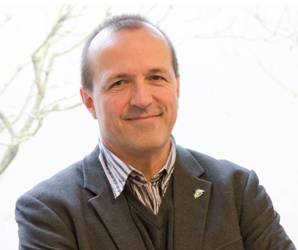
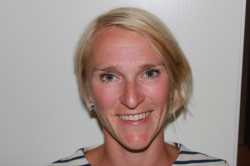
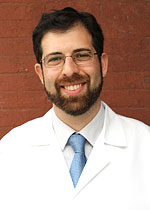
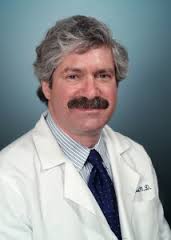
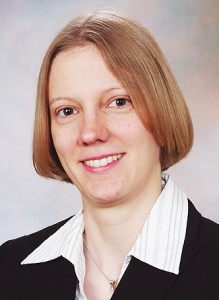
MedicalResearch.com Interview with: Simona F. Shaitelman, MD, EdM Assistant Professor Department of Radiation Oncology University of Texas MD Anderson Cancer Center Houston, TX 77030 Medical Research: What is the background for this study? Dr. Shaitelman: Our study compared two different radiation therapy regimens for women with early stage breast cancer and examined the acute and short term...
Dr. Keith Ahamad, a clinician scientist at the BC Centre for Excellence in HIV/AIDS and a Family Doctor trained and certified in Addiction Medicine.
He is Division Lead for Addiction Medicine in the department of Family and Community Medicine at Providence Health Care, and is also an addiction physician at the St. Paul’s Addiction Medicine Consult Service, the Immunodeficiency Clinic and Vancouver Detox. He is also Lead Study Clinician for CHOICES, a US National Institutes of Drug Abuse (NIDA) funded clinical trial looking at an opioid receptor blocker (Vivitrol) to treat opioid or alcohol addiction in HIV positive patients.
MedicalResearch: What is the background for this study?
Dr. Ahamad: Previous methadone research has mostly been done in restrictive settings, such as the USA, where methadone can only be dispensed through restrictive methadone programs and cannot be prescribed through primary care physician’s offices. Since a systematic review in 2012, randomised controlled trials have compared methadone treatment provided at restrictive specialty clinics with primary care clinics, which have shown the benefits of primary care models of methadone delivery on heroin treatment outcomes, but not on HIV incidence.
MedicalResearch: What are the main findings?
Dr. Ahamad: After adjusting for factors commonly associated with HIV, methadone remained independently associated in protecting against HIV in this group of injection drug users. Those study participants who were not prescribed methadone at baseline were almost four times more likely to contract HIV during study follow up.
MedicalResearch: What should clinicians and patients take away from your report?
Dr. Ahamad: Methadone is an effective medication in treating opioid addiction. Through international randomized control trials, we already know that when prescribed though primary care offices, access to this life-saving medication is increased, effective, and increases patient satisfaction. Now, through our study, we have evidence that when delivered in this manner, it also decreases the spread of HIV.
Erika Newton MD, MPH[/caption]
MedicalResearch.com Interview with:
Erika Newton MD, MPH
Department of Emergency Medicine
Stony Brook University Medical Center
Stony Brook, NY and
Brenda Sirovich MD, MS
Staff Physician Co-Director
Outcomes Group VA Medical Center
White River Junction, VT
Associate Professor of Medicine and of Community and Family Medicine
Geisel School of Medicine at Dartmouth, and
The Dartmouth Institute for Health Policy and Clinical Practice
Division of Trauma Surgery, Department of Surgery
Stony Brook University Medical Center
Stony Brook, New York
Medical Research: What is the background for this study?
Response: Clinical performance measures – quality indicators used to evaluate and motivate health care providers' performance – play a central role right now in efforts to improve quality in U.S. health care. But their potential to influence care on a wide scale has some worried about unintended effects.
In particular, there’s been growing concern that if performance measures focus disproportionately on underuse of care – that is, measuring whether enough care is being provided – they risk leading to unexpected consequences. Specifically, if incentives tend to reward clinicians for doing more without attention to whether they do too much – this could inadvertently contribute to the problem of excessive care, or overuse.
Medical Research: What are the main findings?
Response: We thought it was important to look at what that balance is – between measures of underuse and measures of overuse – in outpatient practice. We looked at 16 major national collections of performance measures and essentially counted measures targeting underuse (‘Did the clinician do enough?’) versus overuse (‘Did the clinician do too much?’).
We found that over 90 percent of 521 outpatient measures targeted underuse, while a mere 7 percent of outpatient measures addressed overuse – in fact nearly half of the collections contained no overuse measures at all.
MedicalResearch.com Interview with:
Helle Søholm, MD, PhD
Department of Cardiology
Copenhagen University Hospital Rigshospitalet
Denmark
Medical Research: What is the background for this study?
Dr. Søholm: The background of the current study is that previous studies have found higher survival rates after out-of-hospital cardiac arrest and admission to tertiary heart centres for post-resuscitaton care compared with nontertiary hospitals, however the reasons for this difference has only been speculative. The aim of the study was to examine the level-of post-resuscitation care at tertiary heart centers compared with nontertiary hospitals and to associate this with outcome. Only patients without ST-segment elevation myocardial infarction was examined to avoid referral bias.
Medical Research: What are the main findings?
Dr. Søholm: The main findings of the study of 1.078 patients was that the survival in patients admitted to tertiary heart centers was significantly higher compared with survival in patients admitted to nontertiary hospitals even after adjustment for known risk markers including pre-arrest co-morbidity. We found that the adjusted odds of predefined markers of level-of-care differed in both the acute phase after admission, during the intensive care admission and in the workup prior to hospital discharge. The odds of admission to an intensive care unit was 1.8 for patients admitted to a tertiary heart centre. During the intensive care admission the odds of a temporay pacemaker was 6.4, use of vasoactive agents 1.5, acute and late coronary angiography was 10 and 3.8 respectively, neurophysiological examination 1.8, brain computed tomography 1.9, whereas no difference in the odds of therapeutic hypothermia was found. Prior to hospital discharge the odds of a consultation by a cardiologist was 8.6, having an echocardiography was 2.9, and survivors more often had an implantable cardioverter defibrillator implanted (odds 2.1) as compared with patients admitted to nontertiary hospitals.
MedicalResearch.com Interview with:
Prof. Kate Jolly
Professor of Public Health and Primary Care
Public Health Building
School of Health & Population Sciences
University of Birmingham
Edgbaston Birmingham
Medical Research: What is the background for this study?
Response: The UK is amongst 32 countries worldwide with evidence of iodine deficiency. Severe iodine deficiency during pregnancy is associated with a lower intelligence quotient (IQ) and developmental abnormalities in the children; these are reversible by iodine supplementation during pregnancy. However, the effects of mild or moderate iodine deficiency during pregnancy are less clear as there are no high quality trials of supplementation that have reported the outcome of child IQ. However, in two studies in the UK and Australia, nine year old children of women who had a urinary iodine concentration suggestive of mild iodine deficiency during their pregnancy exhibited reduced educational outcomes and decreased IQ scores compared to children of iodine replete mothers.
Recent research from the UK suggests that the country has become mildly iodine deficient. Many countries address their iodine deficiency by programmes of adding iodine to salt and some recommend that pregnant women take iodine supplements. Neither of these occur in the UK, although some commonly used pregnancy supplements already include iodine.
Controversy about the need for supplementation in pregnancy, the ethics of undertaking a trial in which women would be randomly allocated to have iodine supplements, or not, and the high cost of following-up and assessing large numbers of children makes a trial unlikely.
MedicalResearch.com Interview with:
Andrew P. Hill, Ph.D, CPsychol, FBASES, FHEA
Associate Professor and Head of Taught Postgraduate Programmes
Faculty of Health and Life Sciences
York St John University
York UK
Medical Research: What is the background for this study? What are the main findings?
Dr. Hill: Our research examines the effects of perfectionism in a wide range of contexts and for a number of outcomes. We are particularly interested in the perfectionism-burnout relationship. Perfectionism is a characteristic that is more common than you might think, everyone seems to know someone who is a perfectionist. Burnout is the result of stress and, anecdotally, people seem to be finding modern life more stressful.
The main finding was that perfectionistic concerns, a core feature of perfectionism that reflects doubts and fears relating to the consequences of failure, was positively related to burnout in the workplace, sport, and education. This relationship was stronger in the workplace.
MedicalResearch.com Interview with:
Henning Kelbæk, MD
Department of Cardiology
Roskilde Hospital Roskilde, Denmark
Medical Research: What is the background for this study? What are the main findings?
Dr. Kelbæk: The background to conduct the DANAMI 3-Primulti trial is the uncertainty of which strategy is most favourable to the patient with ST-segment elevation myocardial infarction: to treat the culprit (resposible for the acute infarction) lesion only or to treat all visible lesions (complete revascularisation)
The main findings of the PRIMULTI trial are that patients with ST-segment elevation myocardial infarction and multivessel disease, benefit from supplementary complete revascularisation of lesions in non-infarct related arteries when the second procedure is done during the index admission guided by measurement of the fractional flow reserve. This strategy results in a significant reduction in the combination of all-cause mortality, nonfatal reinfarction, and ischaemia-driven revascularisation.
MedicalResearch.com Interview with:
Frederick Korley MD Ph.D
Johns Hopkins University School of Medicine
Emergency Medicine
Baltimore, Maryland
Medical Research: What is the background for this study?
Dr. Korley: Each year, millions of Americans are evaluated in emergency departments for traumatic brain injuries. Currently the only test available for diagnosing traumatic brain injury is a brain CT scan. Brain CT scans accurately identify bleeding in the brain from trauma. However, they are unable to identify damage to brain cells. Approximately 90% of patients with traumatic brain injury have no bleeding in the brain and therefore have unremarkable brain CT scans. However, these patients typically have damaged brain cells and they continue to suffer headaches, dizziness, attention and memory deficits, sleep problems among others for months after their injury and can’t figure out why. Therefore new tests are needed to identify traumatic brain injury patients with damaged brain cells and especially those who are likely to have persistent traumatic brain injury-related symptoms for months after injury. If you or any one in your family has sustained a brain injury in an accident, you might want to get in touch someone similar to this Personal Injury Lawyer St. Louis or a law firm more local to your area, who might be able to look into your case.
Medical Research: What are the main findings?
Dr. Korley: Our study determined that the blood levels of a protein called brain derived neurotrophic factor (BDNF) can help predict whether a patient will continue to have symptoms related to traumatic brain injury at six 6 months after injury, even if they had an unremarkable brain CT scan.
MedicalResearch.com Interview with:
Connie N. Hess, MD, MHS
Duke Clinical Research Institute
Duke University
Durham, North Carolina
Medical Research: What is the background for this study? What are the main findings?
Dr. Hess: Guidelines recommend the use of anticoagulation for thromboembolic prophylaxis in atrial fibrillation and also recommend use of dual antiplatelet therapy to reduce cardiovascular events after myocardial infarction and percutaneous coronary intervention. The use of triple therapy in patients with indications for DAPT and anticoagulation is challenging due to the increased bleeding risk associated with this regimen. The optimal antithrombotic regimen in this population has not yet been defined.
This study specifically focused on older patients, a population that is at greater risk for Atrial Fibrillation-related stroke and recurrent events after MI but also higher risk for bleeding. Despite a growing population of older patients with indications for triple therapy, these patients have been underrepresented in clinical trials and are therefore understudied.
We found that relative to DAPT, patients on triple therapy had a similar risk of 2-year major adverse cardiac events but a significantly increased risk of bleeding requiring hospitalization, including greater risk of intracranial hemorrhage.
MedicalResearch.com Interview with:
Dr Helen Ross-Adams
Cancer Research UK, London
Medical Research: What is the background for this study? What are the main findings?
Dr. Ross-Adams: Prostate cancer is the most common non-skin cancer in men in both the UK and US. At the moment, prostate cancer is diagnosed and monitored mainly on the basis of blood tests for prostate specific antigen (PSA), a protein in the blood. MRI scans and examination of biopsy tissue samples under a microscope are also used to decide on the best course of action for each patient.
Despite all this, as a community, we still struggle to reliably predict which men with an initial diagnosis of prostate cancer will go on to have a fast-growing, aggressive form of the disease (a ‘tiger’) from men who will have a much slower-growing form of the disease that won’t really cause problems in the man’s lifetime (a ‘pussycat’). This means some men may get treatment they don’t need, while others could benefit from earlier, more intensive treatment.
With this in mind, we studied a total of 250 men with prostate cancer and tested their tumour and healthy tissues at the molecular level. The idea was two-fold:
MedicalResearch.com Interview with:
Reshma Jagsi, MD, DPhil
Associate Professor and Deputy Chair
Department of Radiation Oncology
University of Michigan
Medical Research: What is the background for this study? What are the main findings?
Response: In recent years, there has been accumulating evidence from clinical trials that have supported the long-term safety and effectiveness of shorter courses of radiation therapy—“hypofractionated radiation therapy”—for patients with breast cancer. However, little has been known about the experiences of patients during treatment, especially when this new approach is administered outside the setting of closely controlled clinical trials. Our study examined the side effects and patient-reported experiences during radiation treatment of over 2000 breast cancer patients in the state of Michigan. It found that women who received hypofractionated treatment were less likely to report side effects (including skin reaction and fatigue) than patients treated with more traditional courses of radiation treatment, delivered daily over 5-6 weeks or longer.
MedicalResearch.com Interview with:
Dr. Audrey J Gaskins
Department of Nutrition
Harvard T.H. Chan School of Public Health
Boston, MA
Medical Research: What is the background for this study? What are the main findings?
Dr. Gaskins: Previous studies have linked shift work, long working hours, and physical factors to an increased risk of menstrual cycle disturbances, spontaneous abortion, preterm birth, and low birth weight; however the association with fecundity is inconsistent. Several papers have also reviewed the occupational exposures of health care workers and concluded that reproductive health issues are a concern. Therefore we sought to determine the extent to which work schedules and physical factors were associated with fecundity in a large cohort of nurses. Women who work in an industry that requires them to work from a height or even lift heavy objects requires them to undertake training which guides them though the effective stages on how to work safely at heights. Without the right training, this sort of work can become very dangerous.
Our main findings were that that working >40 hours per week and moving or lifting a heavy load >15 times per day (including repositioning or transferring patients) were associated with reduced fecundity in our cohort of female nurses planning pregnancy. However, all other factors such as frequency of night work, duration of rotating and non-rotating night shifts, and time spent walking or standing at work were not significantly associated with fecundity in this cohort.
MedicalResearch.com Interview with:
Dr. Arthur Caplan Ph.D.
Drs. William F and Virginia Connolly Mitty Professor
Head of the Division of Medical Ethics
New York University, Langone Medical Center, NY
Medical Research: What is the background of the Down Syndrome Prenatal Education Act?
Dr. Caplan: For many years women who receive a positive prenatal test for Down syndrome have been aborting their pregnancies. Rates of pregnancy termination, while somewhat disputed, are very high. In the USA, UK and Denmark they have consistently been over 80% for many years. This has led some parents of children with Down to wonder if the counseling that women receive is biased negatively against a life with Down. They working with pro life legislators in many states have promoted legislation to insure that mothers carrying an infant with a diagnosis of Down Syndrome have access to positive information and helpful resources about life with a child with Down. This legislation has been enacted in many states and there is a Federal law as well.
Medical Research: How does Chloe's Law impact genetic testing?
Dr. Caplan: These laws represent a seismic shift in counseling about genetic disorders and diseases. Historically counselors aspired to be value-free—simply trying to provide objective information to their patients/clients. With laws like Chloe’s the public is saying they do not trust the neutrality of counselors and counseling and want more positive messages sent about Down. This is quite simply an ethical revolution in how counseling for Down will be done in the future. It is also a direct
Challenge to the legitimacy of value-neutrality as a counseling norm that certainly will be extended to other conditions and disabilities where abortion rates are high and where there is the belief that there is unjustified prejudice or bias against disabilities among those working in clinical genetics.
MedicalResearch.com Interview with:
Helene Benveniste, MD, PhD
Professor of Anesthesiology and Radiology
Vice Chair for Research, Department of Anesthesiology
Stony Brook Medicine, Stony Brook NY
Medical Research: What is the background for this study?
Dr. Benveniste: The ‘glymphatic’ pathway is a part of the brain and is responsible for removal of waste products and excess fluid that built up especially during wakefulness. The concept was introduced by Nedergaard’s team in 2012 from University of Rochester. Importantly it has been shown to remove waste products such as soluble amyloid beta and tau protein which build up excessively in the brain of subjects afflicted with Alzheimer’s disease. The glymphatic system has been studied in detail in animal models (not yet humans) and actually is a brain-wide pathway which runs along (i.e. on the outside) of all vessels in the brain and connects to the space around the brain cells (referred to as the interstitial fluid (ISF) space). The outer part of the glymphatic network ‘tube’ is bordered by a certain type of brain cells so-called ‘astroglial’ cells which are arranged in a special way so that their endfeet cover >97% of the surface of all brain vessels. One can think of this as if the astroglial cell’s ‘endfeet’ are arranged as a donut shaped tube around all the vessels. On the astroglial endfeet there are special water channels (aquaporin-4 water channels) which are critical for how efficiently the glymphatic system can get rid of waste because it allows water to move fast through the brain tissue so as to ‘flush’ waste products out efficiently. The small gap between the astroglial endfeet also act like a ‘sieve’ so that only waste products of a certain size can access the entire pathway. Cerebrospinal fluid (CSF) circulates into the glymphatic pathway from the surface of the brain along the arteries which dives directly from the surface into the deeper part of the brain; and ultimately enters the space around the brain cells; and sweeps through it and thereby mixes with the interstitial fluid of the brain which contains waste products. The CSF-ISF mix with the waste products is then flushed out on the other ‘side’ along the veins and ultimately ends up in lymph vessels in the body and then in the blood.
It has been shown that the glymphatic pathway removes brain waste more efficiently in a state of ‘unconsciousness’ e.g. sleep or anesthesia when compared to wakefulness. Given this intriguing finding i.e. that sleeps seems to affect the waste clearance from the brain we thought that the next to look at was sleeping positions. We did these studies in anesthetized rodents.
MedicalResearch.com Interview with:
Timothy M. Pawlik, MD, MPH, MTS, PhD, FACS, FRACS (Hon.)
Professor of Surgery and Oncology
John L. Cameron M.D. Professor of Alimentary Tract Diseases
Chief, Division of Surgical Oncology
Program Director, Surgical Oncology Fellowship
Director, Johns Hopkins Medicine Liver Tumor Center Multi-Disciplinary Clinic
Johns Hopkins Hospital Baltimore, MD 21287
MedicalResearch: What is the background for this study? What are the main findings?
Dr. Pawlik: In 2012, the Centers for Medicare and Medicaid Services (CMS) introduced the Hospital Readmission Reduction Program (HRRP) whereby hospitals with higher than expected 30-day readmission incur financial penalties. Initially proposed to target readmissions following acute myocardial infarction, pneumonia and congestive heart failure, the program has since expanded to encompass knee and hip replacement surgery with the inclusion of additional surgical procedures anticipated in the near future. Although initial results from the Hospital Readmission Reduction Program have been promising, several concerns have been raised regarding potential limitations in methodological approach; specifically in the ability to adequately risk-adjust and account for variations in patient, provider and disease. As a consequence, many fear that the Hospital Readmission Reduction Program may disproportionately penalize safety-net hospitals as well as hospitals caring for “sicker” and more vulnerable populations.
In the current study we sought to investigate factors associated with the variability in 30-day readmission among a cohort of 22,559 patients discharged following a major surgical procedure at the Johns Hopkins Hospital between 2009 and 2013. Overall, 30-day readmission was noted to be 13.2% varying from 2.1% to 24.8% by surgical specialty / procedure and from 2.1% to 32.9% by surgeon. Non-modifiable patient specific factors such as preoperative comorbidity, insurance status and race / ethnicity, were found to be most predictive of 30-day readmission as well as postoperative factors such as complications and length of stay both of which may also be influenced by preoperative comorbidity. Overall, we noted that 2.8% of the variation in 30-day readmission was attributed to provider-specific factors, 14.5% of the variability was due differences in surgical specialty / procedure while over 84% of the variability in 30-day readmission remained unaccounted for due to non-modifiable patient-specific factors.
MedicalResearch.com Interview with:
Frank R. Noyes, M.D.
President and Medical Director, Noyes Knee Institute
and the Cincinnati Sports medicine Research and Education Foundation
Cincinnati, Ohio
MedicalResearch: What is the background for this study?
Dr. Noyes: Meniscectomy, or removal of the meniscus in the knee, frequently leads to early arthritis – especially in younger active individuals. The meniscus provides a cushion between the femur (thigh bone) and tibia (shin bone) and aids in keeping the knee stable. There are two menisci in the human knee; one on the inner portion (medial) and one on the outer portion (lateral). The problem is that once a meniscus is removed, there are no options for patients who experience knee pain other than a transplant. The operation uses human cadaver menisci from young donors that are implanted intact into the recipient’s knee. This operation has been performed at our Center for 25 years in patients who are typically under the age of 50 and who have some arthritis in their knee and experience pain with activity. There are few long-term clinical studies on meniscus transplantation that provide results in patients who are at least 10 years postoperative.
MedicalResearch: What are the main findings?
Dr. Noyes: This study reports the long-term results and survival analysis of 40 consecutive meniscus transplants, with a 100% follow-up obtained an average of 11 years postoperatively. The survivor analysis, which included magnetic resonance imaging (MRI) and x-ray criteria in addition to symptoms and clinical examination, revealed transplant survival rates of 68% at 7 years and 48% at 10 years postoperatively. The results of the symptom and activity level analyses in patients without failure of the transplant showed that only 11% experienced pain with daily activities and 72% were able to participate in low-impact athletics many years after surgery.
MedicalResearch.com Interview with:
Prof. Abdel-Latif Mohamed
Discipline of Neonatology,
Medical School, College of Medicine, Biology & Environment
Australian National University
Acton, Canberra, ACT, Australia
Medical Research: What is the background for this study?
What are the main findings?
Prof. Mohamed: Despite decades of research and debate amongst neonatologists, consensus regarding optimal management of Patent Ductus Arteriosus (PDA) in the premature infant is yet to be established. The vast majority of premature infants are treated with oral or intravenous medication and surgical ligation is usually reserved to severely ill infants.
Our study demonstrated that treatment for Patent Ductus Arteriosus , particularly of a surgical nature, maybe associated with a greater risk of adverse neurodevelopmental outcome at 2-3 years of age. This was particularly so among infants born below 25 weeks gestation. This result may support permissive tolerance of PDAs. However, reasons for this association remain to be elucidated through carefully designed prospective trials.
Candida J. Rebello[/caption]
MedicalResearch.com Interview with:
Candida J. Rebello and Dr. Frank Greenway
Pennington Biomedical Research Center
Baton Rouge, Louisiana
MedicalResearch: What is the background for this study? What are the main findings?
Response: Appethyl™ contains concentrated thylakoid membranes extracted from spinach leaves. By interacting with fats and slowing fat digestion thylakoid membranes promote the release of hormones that reduce feelings of hunger and keep consumers full for a prolonged period. In previous studies the spinach extract has been shown to promote reduction of body weight and fat mass (1-3). Studies have also shown that consuming the thylakoid membranes reduces the urge for chocolate and sweet foods in women (2) (4, 5). Research suggests that women tend to crave sweet foods whereas men prefer savory foods. Hence, thylakoids may influence reward mechanisms to promote an inhibition over eating, especially since some of the hormones released in response to delayed fat digestion influence areas of the brain that control reward-induced eating. Further, unlike pharmaceutical drugs such as orlistat, the spinach extract delays but does not prevent fat digestion. Therefore, the excretion of undigested fat which is an unpleasant side effect of these drugs is avoided. Thus, the effect of the extract on reducing the desire to eat is of great interest, especially if its effects are mediated in part through the reward system. Reward mechanisms can be activated outside of conscious control. In the current food environment which is rife with enticing food choices, reward-induced eating assumes importance.
The main findings of the study are that consuming 5 g of the spinach extract reduced hunger and increased fullness over a two hour period. Males in the study ate 126 kcal less under the thylakoid condition compared to the placebo.
MedicalResearch.com Interview with:
Edward W. Cowen, MD, MHSc
Dermatology Branch, Center for Cancer Research
National Cancer Institute
Bethesda, Maryland
Medical Research: What is the background for this study?
Dr. Cowen: Cutaneous leiomyomas are benign smooth muscle proliferations that are associated with pain that is typically not well-controlled by topical remedies or systemic pain medication. Hereditary leiomyomatosis and renal cell cancer is a rare syndrome in which patients may have dozens or even hundreds of these painful tumors. We sought to determine if botulinum toxin injected directly into leiomyomas may ameliorate discomfort and improve quality of life in patients who experience significant pain from cutaneous leiomyomas.
Medical Research: What are the main findings?
Dr. Cowen: In a double-blinded placebo-controlled study, we found that injection of botulinum toxin was associated with improved skin-related quality of life (p = 0.007) and decreased skin-specific pain (p = 0.048) on the Dermatology Life Quality Index. A trend for decreased pain (p = 0.06) by visual analog score was reported in the botulinum toxin treated group compared to the placebo group.
A simple internet based intervention to support increasing hand washing behavior reduced the numbers of infections caught and the number of infections given to family members,[/caption]
MedicalResearch.com Interview with:
Adaora Adimora, MD, MPH
Chair,Professor of Medicine School of Medicine
University of North Carolina, Chapel Hill.
MedicalResearch: What is the current scope of the HIV epidemic?
Dr. Adimora: The Centers for Diseases Control and Prevention (CDC) estimates that there are 1.2 million people living with HIV in the U.S. Nearly 13% are undiagnosed and unaware of their status. Men who have sex with men represented 54% of all people living with HIV in 2011. While new infection rates are stable, a majority of new infections (63%) are occurring among men who have sex with men. We have seen alarming increases among young black men who have sex with men who account for 55% of new infections among men who have sex with men. New infections among women have decreased slightly but black and Hispanic/Latina women represent 62% and 17% of new infections respectively among women.[i] While there have been decreases in new HIV infections among people who inject drugs in recent years, the serious outbreak largely among injection drug users in Scott County, Indiana identified this past spring[ii] puts us on high alert to improve access to preventive services and substance use treatment, including access to sterile syringes and equipment.
My responses will generally focus on the U.S. epidemic but want to acknowledge that globally an estimated 36.9 million people were living with HIV at the end of 2014 with just 51% of them being diagnosed and more than 34 million deaths were attributed to HIV-related causes.[iii]
MedicalResearch.com Interview with:
Dr. Salim Abdool Karim at CAPRISA
Doris Duke Medical Research Institute
South Africa
Medical Research: What is the background for this study? What are the main findings?
Response: Globally, Herpes simplex virus type-2 (HSV-2) is among the most common sexually transmitted infections and is the leading cause of genital ulcers. Available global estimates indicate that approximately 417 million sexually active adults between the ages of 15 and 49 years had an existing prevalent HSV-2 infection in 2012. Current interventions to prevent HSV-2 infection, including condoms, circumcision, and antiviral treatment among heterosexual, HSV-2-discordant couples, have demonstrated protection levels ranging from 6% to 48%. This study showed that peri-coital tenofovir gel reduced HSV-2 acquisition in women by 51%, rising to 71% in high gel-users.
MedicalResearch.com Interview with: Lu Qi, MD, PhD, FAHA Associate Professor of Medicine Harvard Medical School Associate Professor of Nutrition and Epidemiology Harvard T.H. Chan School of Public Health Medical Research: What is the background for this study? What are the main findings? Dr. Lu Qi: There are accumulating evidence from mostly experimental research to show the benefit...