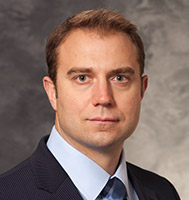
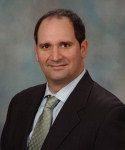
MedicalResearch.com Interviews with:
 Dr. Sunil M. Kurian Ph.D.
Lead- Biomarker Discovery at the Laboratory of Functional Genomics and Cell Therapy
The Scripps Research Institute and Transplant Genomics Inc. and
 Dr. John J. Friedewald, MD
Associate Professor of Medicine and Surgery
Northwestern University’s Feinberg School of Medicine and a transplant nephrologist at Northwestern Memorial Hospital and the Kovler Organ Transplant Center
Editor’s note: These interviews are based on two abstracts presented at the American Transplant Congress 2015.
MedicalResearch: What is the background for these studies?
Response: Previous studies by the scientific founders of Transplant Genomics Inc. helped lay the groundwork for the company’s development of genomic biomarker tests for kidney transplant graft status and demonstrated feasibility as noninvasive monitoring tools that could enable differential diagnosis of graft status in kidney transplant recipients.
1-3
These included a study involving five transplant centers published in the
American Journal of Transplantation.4 In that study, peripheral blood gene expression profiling was used to classify kidney graft recipients into three key categories of graft status based on gene expression signatures – clinical acute rejection, acute dysfunction no rejection, and stable graft performance - with very high predictive accuracy.
STUDY A: Validation of Blood and Biopsy Gene Expression-Based Molecular Diagnostics for Subclinical Acute Rejection: Comparing DNA Microarrays vs. Next-Generation RNA Sequencing
MedicalResearch: What are the main findings?
Response: The current study presented recently at the 2015 American Transplant Congress
5 validated that gene expression signatures as indicators of kidney graft status can be detected as robustly with RNA sequencing as with microarrays, with implications for reduced cost of analysis, faster turnaround times and improved throughput for sample processing.
In this study, we substantiated RNA sequencing as an alternative data generation platform for analyzing gene expression profiles in peripheral blood and tissue from kidney transplant recipients. The data validated that gene expression signatures for subclinical acute rejection (a histological acute cellular rejection in the presence of a normal or stable serum creatinine that is associated with decreased graft survival), clinical acute rejection and stable graft performance can be detected as robustly with RNA sequencing as with microarrays.
MedicalResearch: What should clinicians and patients take away from your report?
Response: The key point of this study is that gene expression profiles generated and validated using microarray technology have been successfully translated to a technology platform based on RNA sequencing. Sequencing has the potential to offer advantages such as reduced cost of analysis, faster reporting back to the clinician and improved throughput for sample processing. In addition, it could facilitate development of kits enabling standardized assay performance on local lab-based sequencing systems and expansion of test use worldwide.

 MedicalResearch.com Interview with:
Tanguy Seiwert, MD
Assistant Professor, Dept. of Medicine
Associate Director, Head and Neck Cancer Program
Section of Hematology/Oncology
Fellow, Institute for Genomics and Systems Biology
Speciality Chief Editor
Frontiers in Head and Neck Cancer
University of Chicago Chicago, IL 60637
Medical Research: What is the background for this study?
Dr. Seiwert: Recurrent/metastatic Head and Neck Squamous Cell Cancer (HNSCC) remains poorly treatable with a median OS of 10-13 months
There is evidence of a prominent immune escape observed in squamous cell carcinoma of the head and neck (SCCHN) suggesting that anti-PD1 agents (similar to e.g. melanoma) may be active.
Medical Research: What are the main findings?
Dr. Seiwert:
MedicalResearch.com Interview with:
Tanguy Seiwert, MD
Assistant Professor, Dept. of Medicine
Associate Director, Head and Neck Cancer Program
Section of Hematology/Oncology
Fellow, Institute for Genomics and Systems Biology
Speciality Chief Editor
Frontiers in Head and Neck Cancer
University of Chicago Chicago, IL 60637
Medical Research: What is the background for this study?
Dr. Seiwert: Recurrent/metastatic Head and Neck Squamous Cell Cancer (HNSCC) remains poorly treatable with a median OS of 10-13 months
There is evidence of a prominent immune escape observed in squamous cell carcinoma of the head and neck (SCCHN) suggesting that anti-PD1 agents (similar to e.g. melanoma) may be active.
Medical Research: What are the main findings?
Dr. Seiwert: