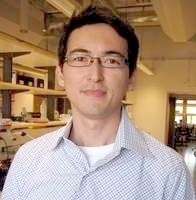
MedicalResearch.com Interview with:
Jalal B. Andre, MD
Director of Neurological MRI
Harborview Medical Center
Assistant Professor of Radiology
University of Washington
Seattle, WA 98195-7115
Medical Research: What is the background for this study? What are the main findings?
Dr. Andre: Patient motion during clinical magnetic resonance (MR) examinations occurs frequently, can result in artifacts that degrade image quality, and has the potential to mask underlying pathology and affect patient care. Surprisingly, the frequency of motion artifacts in clinical MR examinations has been poorly documented in the literature, as has been the cost associated with obtaining such exams, specifically those that do not meet diagnostic criteria. To better quantify these observations, we performed a retrospective study evaluating the prevalence of motion artifacts during a randomly selected week of clinical MR examinations.
We devised a graded 5-tier scale to quantify patient motion, which incorporated the potential for clinical impact Using this scale, two neuroradiologists performed a consensus evaluation at a picture archiving and communication system station of 192 MR examinations performed during a single calendar week. This evaluation revealed that significant motion artifact (defined as artifact that could impact image interpretation and potentially change diagnosis) was present in 7.5% of outpatient and nearly 30% of inpatient and/or emergency department MR examinations, and that repeated sequences (subcomponents of an MR examination) were present in nearly 20% of completed MR examinations. In addition, we found that the specific imaged body part was less predictive of subsequent patient motion than was patient disposition (if they were imaged as a hospital inpatient and/or emergency department patient). Using a base-case cost estimate derived from fiscal year 2012 outpatient Medicare reimbursement rates and institutional cost estimates, our analysis suggested that a potential cost of $592 per hour could be lost in hospital revenue secondary to patient motion. Extrapolated over a calendar year, the cost of patient motion (as potential forgone institutional revenue) approached $115,000 per scanner per year.
MedicalResearch.com Interview with:
Michael B. Weinstock, MD
Professor of Emergency Medicine, Adjunct
Department of Emergency Medicine, The Ohio State University College of Medicine
Emergency Department Chairman and Director of Medical Education, Mt. Carmel St. Ann's Dept. of Emergency Medicine
Columbus, Ohio
Medical Research: What is the background for this study?
Response: Patients with potential cardiac ischemia are often admitted to the hospital even after a negative evaluation in the emergency department due to concern about missed MI, unstable angina, or potential for cardiac arrhythmia.
Medical Research: What are the main findings?
Response: Our study was different than previous studies and clinical decision rules; instead of looking at a 30 day marker, which is important to the cardiologist, ours looked at the risk of a Clinically Relevant Adverse Cardiac Event (CRACE) occurring during hospitalization. These events included inpatient STEMI, life-threatening arrhythmia, cardiac or respiratory arrest, or death. The study found only 4 of these events out of 7266 patients studied and of the 4, two were possibly iatrogenic, suggesting that after a negative ED evaluation (including 2 negative serial cardiac enzyme tests, non-ischemic and interpretable ECG, and nonconcerning vital signs) a patient can be safely sent home for an expedited cardiac outpatient evaluation.
MedicalResearch.com Interview with:
Ranjith Ramasamy MD
Assistant Professor of Urology
University of Miami
Medical Research: What is the background for this study?
Dr. Ramasamy: The association between testosterone supplementation therapy (TST) and thrombotic risk in elderly men remains controversial. We evaluated the prevalence of thrombotic events and all-cause mortality in men older than 65 years with hypogonadism treated with testosterone therapy. We compared men treated with testosterone to an age and comorbidity matched cohort of hypogonadal men not treated with testosterone supplementation therapy.
Medical Research: What are the main findings?
Dr. Ramasamy: No man who received testosterone supplementation therapy died, whereas 6 hypogonadal men who did not receive TST died (p=0.007). There were 4 thrombotic events (1 MI - myocardial infarction, 2 CVA/TIA - stroke, 1 PE - pulmonary embolism) in men who received testosterone supplementation therapy compared to 1 event (CVA/TIA) among men who did not receive TST (p = 0.8). All the events (except one death which took place at 6 months of follow–up) occurred 2 years or more after follow–up. Strengths of the study include long follow–up (>3 years), availability of serum testosterone levels before and after therapy and of a control group (hypogonadal men not treated with TST) for comparison. Limitations included retrospective study design, and a small sample size.
MedicalResearch.com Interview with:
Dr Pascal Stammet
Dépt. Anesthésie-Réanimation
Centre Hospitalier de Luxembourg
Luxembourg
MedicalResearch: What is the background for this study? What are the main findings?
Dr Stammet: Patients hospitalized after an out-of-hospital cardiac arrest (OHCA) survive in about fifty percent and nine out of ten survivors have a good functional level six months after the arrest. However, in the early days after the cardiac arrest it is difficult to distinguish those who will survive from those who have very severe brain damage, not compatible with life. Biomarkers, like neuron specific enolase (NSE) have shown a prognostic value for outcome prediction. As a consequence of the widespread use of induced hypothermia, to improve survival and neurological function, for patients resuscitated form cardiac arrest, concerns have arisen about the impact of body temperature on previously published cut-off values for poor outcome. NSE has thus been questioned as a useful clinical tool. Recently, the Target Temperature Management trial (TTM-trial) published in November 2013 in the NEJM has shown no benefit of a target body temperature of 33°C over 36°C in patients with out-of-hospital cardiac arrest admitted to the ICU. In the present sub-study, we have analyzed the value of NSE to predict outcome in a cohort of 686 patients of the TTM-trial. Importantly, serial measurements of NSE at 24, 48 and 72 hours allowed accurate outcome prediction, with better performance than clinical and peri-arrest data alone. NSE did not significantly differ between temperature groups meaning that clinicians can use NSE as an adjunct prognostic tool regardless of the chosen temperature management strategy.
MedicalResearch.com Interview with:
Warren J. Winkelman, MD, MBA, PhD, FRCPC, FAAD
Director, Medical Affairs
Galderma Laboratories, L.P.
Fort Worth TX 76177
MedicalResearch: What is the background for this study? What are the main findings?
Dr. Winkelman: Rosacea is a common dermatologic facial disorder estimated to affect 16 million Americans. Rosacea is a chronic condition of the central face, including the nose, chin, cheeks and forehead, and is often characterized by flare-ups and remissions. While the cause of rosacea is unknown and there is no cure, its signs and symptoms can become markedly worse in the absence of treatment. Rosacea can be managed with topical and oral medications, and physicians often resort to using these medications in combination for more severe or resistant cases. Doxycycline 40 mg modified release (MR) and metronidazole 1% gel are FDA-approved oral and topical therapies, respectively, indicated to treat the papules and pustules of rosacea. We conducted a phase 2 study to assess the relapse rate, efficacy, and safety of doxycycline 40 mg MR compared to placebo after an initial 12-week once-daily combination regimen of doxycycline 40 mg MR and metronidazole 1% gel in subjects with moderate to severe disease.
Of the 235 subjects enrolled in the study, 71% were women, 94% were white, and 75% had Fitzpatrick skin type I, II or III. The mean age was 47.4 years. The percentage of subjects who achieved a success score of 0 (clear) or 1 (near clear) improved from 0% at baseline to 51% at week 12. Clinician’s erythema assessment scores, inflammatory lesion counts, and quality of life scores also improved. Most subjects reported no or mild scaling, stinging/burning, and dryness. Five adverse events were reported that were considered probably or definitely related to treatment: fungal infection, vulvovaginal mycotic infection, pain in extremity, erythema, and skin exfoliation.
MedicalResearch.com Interview with:
Jennifer R. Rider, ScD, MPH
Assistant Professor of Medicine
Channing Division of Network Medicine
Brigham and Women's Hospital and Harvard Medical School
Department of Epidemiology
Harvard T.H. Chan School of Public Health
Boston, MA 02115
Medical Research: What is the background for this study? What are the main findings?
Dr. Rider: Numerous studies have investigated the potential role of sexual activity on the development of prostate cancer. However, most of these studies have been small and retrospective, making them more prone to bias. In addition, previous studies often relied on proxies of exposure for sexual activity (number of sexual partners, age at first marriage, etc.), which may not adequately measure the aspects of sexual activity that are most important for prostate health. The current study is the largest prospective study to date on ejaculation frequency and prostate cancer. It includes 18 years of follow up of almost 32,000 healthy men, 3839 of whom later were diagnosed with prostate cancer. We asked men about their average monthly frequency of ejaculation between the ages of 20-29, 40-49, and in the year prior to the questionnaire (1991). We find that frequency of ejaculation throughout life course is inversely associated with risk of prostate cancer at all three of these time points. For instance, men who have an average monthly ejaculation frequency of 21 or more times/moth at ages 40-49 have a statistically significant 22% reduction in risk of developing prostate cancer compared to men with a frequency of 4-7 times/month, adjusting for multiple dietary and lifestyle factors, and prostate cancer screening history.
MedicalResearch.com Interview with:
Ryan P. Terlecki, MD, FACS
Director, Men's Health Clinic
Director, Fellowship in Urologic Reconstruction, Prosthetic Urology, and Infertility
Director, Medical Student Education
Associate Professor of Urology
Wake Forest Baptist Health
Medical Research: What is the background for this study? What are the main findings?
Response: In recent years, the value of generalized screening for prostate cancer (PCa) in adult men has been questioned, with several national associations recommending against the practice in men without recognized risk factors. Screening, when performed, often consists of a blood test for prostate specific antigen (PSA) and a digital rectal exam (DRE). Once PSA was developed as a screening tool, we witnessed a stage migration such that observing a locally advanced cancer that would be initially found via DRE became a rarer event. In practice, we have noticed that some men will actually avoid a clinic visit because of the DRE. Additionally, the digital rectal exam has limitations and is often poorly reproducible among providers. We chose to review a large body of data to shed some light on the utility of the digital rectal exam exam. We analyzed data from the Prostate, Lung, Colorectal, and Ovarian Cancer (PLCO) Screening trial, to determine the ability of the digital rectal exam to result in a diagnosis of clinically significant PCa in the setting of a normal PSA. We found that if PSA is normal and digital rectal exam is considered abnormal, the chance of detecting a clinically significant cancer is similar to a situation of normal DRE and normal PSA. Also, 1,372 men would need to undergo a digital rectal exam to identify a single case of clinically significant prostate cancer not detected by PSA.
MedicalResearch.com Interview with:
Jim Dupree, MD, MPH
Assistant Professor
Department of Urology, Division of Andrology
University of Michigan
Medical Research: What is the background for this study? What are the main findings?
Dr. Dupree: There are increasing discussions in the United States about testosterone therapy and men with clinical hypogonadism (or low testosterone). Yet, to date, there have not been any nationally-representative studies of the prevalence of low testosterone in the United States. Using a validated national health examination program from the CDC, we found that the national prevalence of low testosterone (serum testosterone ≤ 300 ng/dL) in adult males in the US was 28.9%. Among other factors, men who were older, had a higher body mass index (BMI), or had a larger waist circumference were at risk for having lower testosterone levels.
MedicalResearch.com Interview with: Michael Brawer, M.D. Vice president of Medical Affairs Myriad Genetic Laboratories Editor’s Note: Dr. Brawer spoke with MedicalResearch.com regarding two studies presented by Myriad Genetic Laboratories at the American Urological Association's 2015 Annual Meeting, May 15 2015 on the use of the Clinical Cell Cycle Risk (CCR) Score or Prolaris Test...
MedicalResearch.com Interview with:
Judith Hibbard, Ph.D.
Senior Researcher, Health Policy Research Group
University of Oregon
MedicalResearch: What is the background for this study? What are the main findings?
Dr. Hibbard: Two important trends are happening in health care today:
1) Policies which move away from paying for volume and toward paying for value; and
2) The emphasis on patient engagement and the need for the patient to play a key part in the care process. Because so many quality outcomes are determined to a large extent by patient behaviors, there is an implied assumption that if you pay primary care clinicians (PCPs) more for better quality outcomes, they will also try to engage the patient as a necessary partner in reaching quality targets. That is, there is a tacit assumption that clinicians will naturally engage patients if you incentivize them on the quality metrics. We had an opportunity to examine the soundness of this assumption, when we conducted a study of primary care clinicians whose compensation was based 40% on their performance of quality metrics.
The findings show that the vast majority of clinicians did not invest their efforts in patient engagement and activation, when trying to maximize their income under this model. They put their efforts in other areas. However, a year later they were very frustrated that their income was influenced by patient behaviors. This was their greatest frustration with the compensation model, and they indicated that “patient’s unwillingness to change their behavior” as the greatest barrier to achieving their quality goals.
MedicalResearch.com Interview with:
Michael Rebold, PhD, CSCS
Assistant Professor
Department of Exercise Science
Bloomsburg University
Bloomsburg, PA 17815
Medical Research: What is the background for this study? What are the main findings?
Dr. Rebold: We assessed how common smartphone uses (texting and talking) interfere with treadmill exercise.
We found that when individuals use their smartphones during exercise for texting or talking, it causes a reduction in exercise intensity.
MedicalResearch.com Interview with:
Amie W. Hsia, MD
Medical Director, Comprehensive Stroke Center
MedStar Washington Hospital Center
NIH Stroke Program at MWHC
Associate Professor, Neurology
Georgetown University Washington, DC 20010
Medical Research: What is the background for this study? What are the main findings?
Dr. Hsia: Acute stroke is a common presenting problem in the emergency department. We know that “time is brain” and that for patients experiencing an ischemic or “blockage” type of stroke, the most common type, the sooner we can administer tPA, a clot-busting medication and the only FDA-approved medication to treat acute stroke, the better chance for a good outcome. Therefore, there is a goal national benchmark time of administering the drug to appropriate acute stroke patients within 60 minutes of their arrival to the emergency department. There are many steps that are necessary in the evaluation of an acute stroke patient in the emergency department before tPA can be given. This includes a brain scan to make sure a patient is not having the less common bleeding type of stroke. A CT or “CAT” scan is the typical type of brain scan that is performed in emergency departments across the country and the world to screen a patient before giving tPA. The primary purpose of the CT scan is to exclude bleeding; it is difficult to visualize an early stroke on CT. Though an MRI can give more complete information including showing the stroke as it is happening in these first few hours and though most hospitals have an MRI scanner, an MRI takes longer to perform and has not traditionally been used in an emergency setting.
At the two hospitals included in this study, MedStar Washington Hospital Center in D.C. and Suburban Hospital in Maryland, we are fortunate to serve as the sites for the NINDS intramural stroke clinical research program and use MRI routinely to screen acute stroke patients to learn more about stroke and develop new treatments for stroke. It is upon this foundation that we performed independent hospital-wide quality improvement initiatives engaging multidisciplinary committees with leadership from all the departments involved in the care of the acute stroke patient in that critical first 60 minutes. Inspired by our colleagues at Washington University in St. Louis led by Dr. Andria Ford who used similar methods in reducing treatment times with CT screening, we used lean manufacturing principles to streamline our processes that include MRI screening and dramatically reduced our treatment times from a baseline of 93 minutes down to 55 minutes while still maintaining safety. Through these efficiency improvements, we were able to achieve a 4-fold increase in the percentage of stroke patients treated with tPA within 60 minutes.
MedicalResearch.com Interview with:
Dr. Christine McCusker MD
Associate Professor, Department Pediatrics
Meakins-Christie Laboratories
McGill University and the MUHCRI, Montreal
Quebec, Canada
Medical Research: What is the background for this study? What are the main findings?
Dr. McCusker: When the body is exposed to new substances, the immune system must evaluate the “threat” and choose the type of response that will best protect the host. Allergies and allergic asthma develop after the response to “allergens” follows the TH2-type inflammatory pathway instead of the non-inflammatory tolerant pathway. Evidence suggests that there is some plasticity in this “choice” and thus it may be possible to influence the immune response to preferentially choose the tolerant pathway when exposed to allergens. We therefore treated very young mice to a molecule designed to inhibit activation of the TH2 pathway.
We showed that this early treatment resulted in long-lasting protection from the development of allergies. Instead of allergic responses, vaccinated animals developed tolerant responses to allergens and did not show any signs of allergies or asthma. Importantly, while the influence of the treatment was long-lasting, the molecule itself is rapidly removed from the system.
MedicalResearch.com Interview with:
Robert A. Meguid, MD MPH FACS
Assistant Professor Section of General Thoracic Surgery
Division of Cardiothoracic Surgery Department of Surgery
University of Colorado Denver | Anschutz Medical Campus
Aurora, CO 80045
Medical Research: What is the background for this study? What are the main findings?
Dr. Meguid: The surgical literature on adverse outcomes after surgery on pregnant patients is conflicting. We know that the majority of surgery performed on pregnant patients is not elective (and just over 50% of it in the database studied was emergency surgery). We expected to find an increased rate of adverse outcomes in those pregnant patients. However, when we matched the pregnant and non-pregnant women who underwent surgery in the database, with excellent matching on all available preoperative characteristics and on the actual operation performed, we found similar, low rates of 30-day postoperative death and complication. In this study, pregnant patients had undergone a broad spectrum of different types of operations, including general, vascular, thoracic, head and neck, non-obstetric gynecologic and urologic, orthopedic, reconstructive, and neuro-surgery. Given the concern that we as surgeons have over operating on pregnant patients, both for the well-being of the patient and her child, our findings are reassuring. This suggests that we as a medical profession are diligent in minimizing risk to pregnant women who need surgery that cannot be delayed until after the child's birth. Again, this study faces the limitations of being unable to assess any short term harm done to the fetus and the subsequent long term outcome of the child.
MedicalResearch.com Interview with:
Katherine Aird, Ph.D.
Gene Expression and Regulation Program
The Wistar Institute, Philadelphia, PA
MedicalResearch: What is the background for this study? What are the main findings?
Dr. Aird: Senescence is considered an important tumor suppressor mechanism. In normal cells, activation of certain oncogenes decreases the levels of dNTPs (the building blocks of DNA), leading to replication stress. We previously found that loss of the rate-limiting enzyme in dNTP synthesis, ribonucleotide reductase M2 (RRM2), is the cause of this replication stress. Restoration of RRM2 expression could rescue the loss of dNTPs and replication stress, which overcame the senescence-associated growth arrest. Indeed, RRM2 is highly expressed in many cancer types, including melanoma and ovarian cancer. Therefore, we found that increased dNTP levels can overcome senescence and potentially lead to transformation of cells and cancer.
We next wanted to further our understanding of replication stress in the context of senescence. In the current study, we suppressed nucleotide metabolism by decreasing RRM2 expression as a model for replication stress and then determined what proteins are necessary for the induction of senescence. We found that loss of ATM could overcome replication stress-induced senescence. This was due to increased dNTP levels. dNTPs were increased due to a coordinated inactivation of p53 and activation of c-MYC by loss of ATM. These changes at the molecular level correlate with reprogramming of cellular metabolism by generating dNTPs. Thus, loss of ATM in the context of replication stress can change cellular metabolism to a more cancer-like phenotype.
Melinda L. Telli, M.D.
MedicalResearch.com Interview with:
Humphrey Yao, Ph.D.
Lead Researcher
Reproductive and Developmental Biology Laboratory
National Institute of Environmental Health Sciences (NIEHS)
National Institutes of Health (NIH)
Research Triangle Park, North Carolina
Medical Research: What is the background for this study? What are the main findings?
Dr. Yao: We wanted to understand how an organ forms, and what basic cell types were needed to form an organ. So, we used a mouse ovary model system to understand the process. The functional unit of the ovary is called the follicle, and it is made up of three types of cells — the maturing egg, granulosa cells, and theca cells. Scientists knew where the egg and the granulosa cells came from, but no one knew where theca cells came from. Theca cells are important, because they allow females to produce the hormones that sustain follicle growth. Researchers also lacked information about how the egg, granulosa cells, and theca cells talked to each other to promote growth and maintain a healthy ovary.
We made two discoveries. First, we answered the long-standing question of theca cell origin by determining that they have two sources, both inside and outside of the ovary. We don’t yet know why theca cells have two sources.
Second, we uncovered the molecular signaling system that the egg, granulosa cells, and theca cells use to communicate. We didn’t expect to find this three-way cellular crosstalk, but now that we know how they signal each other, I believe we are closer to understanding how an ovary develops and what happens when something goes wrong. Ovarian disorders, such as premature ovarian failure and polycystic ovarian syndrome, may start when cellular communication is altered or if the various cells fail to develop properly.
MedicalResearch.com Interview with:
Dr. Shang-Ming Zhou
Senior Lecturer in Statistical Modelling and Analytics for Epidemiology and Public Health,
Public Health Informatics Group,
Health Information Research Unit (HIRU),
UKCRC DECIPHer (Development and Evaluation of Complex Interventions for Public Health Improvement) Centre,
College of Medicine, Swansea University, Swansea, UK
Medical Research: What is the background for this study? What are the main findings?
Response: In medical and sport science research, body-worn accelerometers are widely used to provide objective measurements of physical activity. However, accelerometers collect data continuously even during periods of nonwear (i.e. periods when participants may not be wearing their monitor, such as during sleeping). It is important to distinguish time of sedentary behaviours (eg. watching television) from time of nonwear. The clinical consequence of misclassification of accelerometer wear and nonwear would overestimate or underestimate physical activity level, and mislead the interpretation of the relationship between physical activity and health outcomes. Automated estimation of accelerometer wear and nonwear time events is particularly desired by large cohort studies, but algorithms for this purpose are not yet standardized and their accuracy needs to be established. This study presents a robust method of classifying wear and nonwear time events under free living conditions for triaxial accelerometers which combines acceleration and surface skin temperature data.
The new findings are: Either acceleration data or skin temperature data alone is inadequate to accurately predict wear and nonwear events in some scenarios under a free living condition; This study provides a simple and efficient algorithm on use of short time periods of consecutive data blocks for accurately predicting triaxial accelerometer wear and nonwear events; Combining both types of acceleration and skin temperature data can significantly improve the accuracy of accelerometer wear and nonwear events classification in monitoring physical activity.
MedicalResearch.com Interview with:
Maria Blomberg
Virus, Lifestyle & Genes
Danish Cancer Society Research Centre
Copenhagen, Denmark
Medical Research: What is the background for this study? What are the main findings?
Response: Two vaccines against human papillomavirus (HPV) were licensed almost one decade ago. Since then multiple countries have implemented HPV vaccination programs to help reduce genital warts (one of the kinds of warts most harmful to people), but many struggle with low coverage rates. An important barrier to vaccination is the cost of the vaccines and less developed countries also face considerable logistical challenges. Both vaccines were administered as three dose schedules, but in early 2014 the WHO’s Strategic Advisory Group of Experts and the European Medicines Agency reviewed the evidence of reduced dose schedules of HPV vaccination, and subsequently recommended a two dose schedule for young girls. A reduction of the number of doses has obvious advantages; it would lower the costs, ease implementation of vaccination schedules and potentially increase coverage rates. Based on these recommendations, countries around the world have reduced the dosing schedule in their HPV vaccination programs for young girls to two doses. However, the current evidence is based primarily on immunological studies, and because the immune correlate of protection is not known, studies with disease endpoints are very important.
Using the biologically relevant endpoint of genital warts, this study aimed to assess the clinical effectiveness of a two dose schedule of quadrivalent HPV vaccine compared with the standard three-dose regimen administered at month 0, 2 and 6. We found that with the standard vaccination schedule, completion of the three dose regimen is important to gain maximal protection. However, the effectiveness of two doses increased significantly with increasing time between the doses, and with an interval of approximately 6 months between dose one and two, no differences could be found between two and three doses.