MedicalResearch.com Interview with:
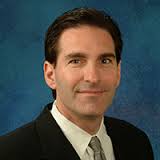
[caption id="attachment_49912" align="alignleft" width="133"]

Dr. Brodner[/caption]
David C. Brodner, M.D.
Founder and Principle Physician
The Center for Sinus, Allergy, and Sleep Wellness
Double Board-Certified in Otolaryngology (Head and Neck Surgery)
and Sleep Medicine
Assistant Clinical Professor
Florida Atlantic University College of Medicine
Medical Director, Good Samaritan Hospital Sleep Laboratory
Senior Medical Advisor, Physician’s Seal, LLC®
MedicalResearch.com: What is the background for this study?
Response: Chronic disorders of sleep and wakefulness affect an estimated 50-70 million adults in the United States. The cumulative long-term effects of sleep loss have been associated with a wide range of damaging health consequences, including obesity, diabetes, impaired glucose tolerance, cardiovascular disease, hypertension, anxiety and depression.
In terms of preventing health consequences, sleeping 6-8 hours per night consistently may provide optimal health outcomes.
Comprehensive data from two recently completed patient-reported outcomes (PRO) studies provide further evidence of the observed hypnotic effects of REMfresh, demonstrating statistically significant improvements in sleep onset, sleep duration, sleep maintenance and sleep quality. PRO studies of this kind, which more closely address real-world patient experience, are increasingly being recognized by regulatory authorities and academia in evaluating new therapies. In addition to the traditional randomized, placebo-controlled trial studies, regulatory authorities are now incorporating the patient perspective in their decision making, including PRO studies. A PRO study is a measurement based on a report that comes directly from the patient about the status or change in their health condition and without amendment or interpretation of the patient's response by health-care intermediaries. PRO measures can be used to capture a patient's everyday experience outside of the clinician's office, and the effects of a treatment on the patient's activities of daily living. Together, clinical measures and PRO measures can provide a fuller picture of patient benefit.
REMfresh, the first and only continuous release and absorption melatonin (CRA-melatonin) formulation, is designed to give patients up to 7 hours of sleep support. It is a clinically studied, drug-free, nonprescription, #1 sleep doctor-recommended melatonin sleep brand.









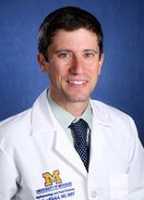
 Dr. Nandi[/caption]
Arindam Nandi PhD
Center for Disease Dynamics, Economics & Policy
MedicalResearch.com: What is the background for this study?
Response: The motivation for this study comes from a small but growing body of evidence on the potential long-term benefits of vaccines. The recent resurgence of measles outbreaks in several countries which had previously eliminated the virus makes our study additionally relevant. There have been over 1,000 measles cases reported across 28 states in the US so far in 2019, which is the largest number of cases the country has seen in almost 3 decades. Similarly high number of cases have been reported in several European countries in recent years. This study reiterates the importance of vaccination and proves the long-term benefits of the measles vaccine in low- and middle-income countries, which account for a large proportion of global measles cases.
Dr. Nandi[/caption]
Arindam Nandi PhD
Center for Disease Dynamics, Economics & Policy
MedicalResearch.com: What is the background for this study?
Response: The motivation for this study comes from a small but growing body of evidence on the potential long-term benefits of vaccines. The recent resurgence of measles outbreaks in several countries which had previously eliminated the virus makes our study additionally relevant. There have been over 1,000 measles cases reported across 28 states in the US so far in 2019, which is the largest number of cases the country has seen in almost 3 decades. Similarly high number of cases have been reported in several European countries in recent years. This study reiterates the importance of vaccination and proves the long-term benefits of the measles vaccine in low- and middle-income countries, which account for a large proportion of global measles cases.

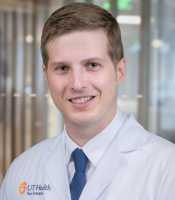






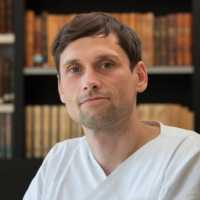





 Dr. Taioli[/caption]
Emanuela Taioli, MD, PhD,
Director of the Institute for Translational Epidemiology
Icahn School of Medicine at Mount Sinai
Asociate director for Population Science
Tisch Cancer Institute
MedicalResearch.com: What is the background for this study? What are the main findings?
Response: An excess incidence of prostate cancer has been identified among World Trade Center responders. We wanted to study if this excess was associated with exposure to WTC dust
The results suggest that respiratory exposure to WTC dust can induce inflammatory and immune responses in prostate tissue. Chronic inflammation could facilitate prostate cancer development
Taken together, our results suggest that World Trade Center prostate cancer cases have a distinct gene expression pattern that may be the result of exposure to specific carcinogens during the WTC attacks. WTC dust-exposed rat prostate displayed unique changes in gene expression and immune cell infiltrates after acute dust exposure, suggesting that the effect of exposure may be measured locally in target organs such as prostate. In addition, some of the genes overexpressed in rat normal prostates as a consequence of exposure are also overexpressed in human prostate cancer tissues, suggesting a link between exposure, local immune dysregulation, and prostate cancer development
Dr. Taioli[/caption]
Emanuela Taioli, MD, PhD,
Director of the Institute for Translational Epidemiology
Icahn School of Medicine at Mount Sinai
Asociate director for Population Science
Tisch Cancer Institute
MedicalResearch.com: What is the background for this study? What are the main findings?
Response: An excess incidence of prostate cancer has been identified among World Trade Center responders. We wanted to study if this excess was associated with exposure to WTC dust
The results suggest that respiratory exposure to WTC dust can induce inflammatory and immune responses in prostate tissue. Chronic inflammation could facilitate prostate cancer development
Taken together, our results suggest that World Trade Center prostate cancer cases have a distinct gene expression pattern that may be the result of exposure to specific carcinogens during the WTC attacks. WTC dust-exposed rat prostate displayed unique changes in gene expression and immune cell infiltrates after acute dust exposure, suggesting that the effect of exposure may be measured locally in target organs such as prostate. In addition, some of the genes overexpressed in rat normal prostates as a consequence of exposure are also overexpressed in human prostate cancer tissues, suggesting a link between exposure, local immune dysregulation, and prostate cancer development