
25 Apr Replacing Alcohol with Soda Not Good for the Liver
Posted at 14:08h
in Alcohol, Author Interviews, Hepatitis - Liver Disease, Lifestyle & Health, Sugar
MedicalResearch.com Interview with:
E. van Eekelen, MSc | PhD Candidate
Leiden University Medical Center
Dept. Clinical Epidemiology
Leiden, The Netherlands
MedicalResearch.com: What is the background for this study? What are the main findings?
Response: Fatty liver, defined as excess accumulation of fat within the liver, covers a broad clinical spectrum and is the leading cause of chronic liver diseases. It has also been linked to type 2 diabetes and cardiovascular disease.
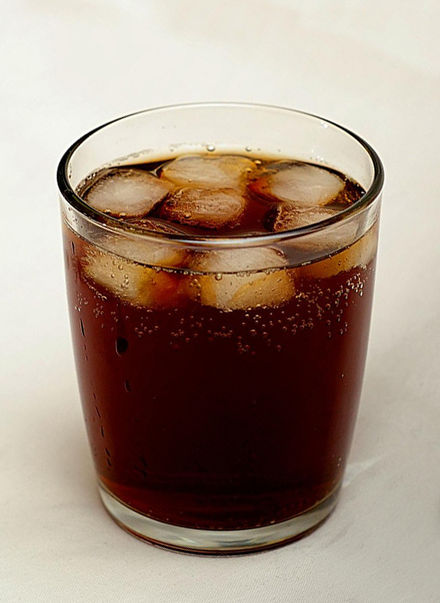
The consumption of alcohol is a well-established risk factor for fatty liver. However, we hypothesized that consumption of non-alcoholic energy-containing beverages also leads to liver fat accumulation. We analysed data from the Netherlands Epidemiology of Obesity (NEO) study, which is a prospective population-based cohort study including non-invasive measurements of liver fat content by magnetic resonance spectroscopy. Besides consumption of alcoholic beverages, sugar sweetened beverages were associated with more liver fat. We specifically showed that replacement of alcoholic beverages with milk was associated with less liver fat, whereas replacement with sugar sweetened beverages was associated with a similar amount of liver fat, even when taking calories into account.

 Yaakov Hoffman, PhD.
Senior Lecturer and Clinical Psychologist
Interdisciplinary Department of Social Sciences
Max & Anna Webb St. Ramat-Gan, Israel, 5290002
MedicalResearch.com: What is the background for this study?
Foundation: This study was conceptualized during a conversation we had, namely, Dr. Yaakov Hoffman, Interdisciplinary department of social sciences, Bar Ilan University, and Professor Menachem Ben-Ezra School of Social Work, Ariel University, following the release of the Antman movie. We are both psychologists who are also avid Marvel superhero fans. In this meaningful conversation we discussed the issue of fear of insects which led to the idea that positive exposure to phobic stimuli (exposure to spider or ants) within the context of Marvel superheroes will lead to robust reduction in phobic symptoms. As most of the conventional treatments for specific phobias use exposure to the phobic stimuli in neutral contexts, we thought that framing the exposure in a positive fun, albeit fantasy context would yield robust results, as well as perhaps reducing stigma.
Yaakov Hoffman, PhD.
Senior Lecturer and Clinical Psychologist
Interdisciplinary Department of Social Sciences
Max & Anna Webb St. Ramat-Gan, Israel, 5290002
MedicalResearch.com: What is the background for this study?
Foundation: This study was conceptualized during a conversation we had, namely, Dr. Yaakov Hoffman, Interdisciplinary department of social sciences, Bar Ilan University, and Professor Menachem Ben-Ezra School of Social Work, Ariel University, following the release of the Antman movie. We are both psychologists who are also avid Marvel superhero fans. In this meaningful conversation we discussed the issue of fear of insects which led to the idea that positive exposure to phobic stimuli (exposure to spider or ants) within the context of Marvel superheroes will lead to robust reduction in phobic symptoms. As most of the conventional treatments for specific phobias use exposure to the phobic stimuli in neutral contexts, we thought that framing the exposure in a positive fun, albeit fantasy context would yield robust results, as well as perhaps reducing stigma.




























 Dr. Kendall[/caption]
Dr Kimberley Kendall MBBCh
Wellcome Trust Clinical Research Fellow
[caption id="attachment_48630" align="alignleft" width="150"]
Dr. Kendall[/caption]
Dr Kimberley Kendall MBBCh
Wellcome Trust Clinical Research Fellow
[caption id="attachment_48630" align="alignleft" width="150"]