MedicalResearch.com Interview with:
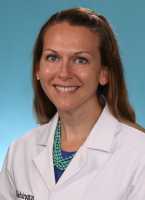
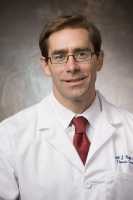
[caption id="attachment_41611" align="alignleft" width="167"]

Dr. Rhee[/caption]
Elizabeth Rhee, MD
Executive Director, Infectious Disease Clinical Research
Merck Research Laboratories
MedicalResearch.com: What is the background for this study? Would you briefly explain the condition of ventilated nosocomial pneumonias?
Dr. Rhee: Nosocomial pneumonia (NP) is a lung infection that occurs during a hospital stay. NP is often serious, and is associated with high mortality. It is one of the most common health-care associated infections in both the U.S. and Europe, accounting for over 20% of such cases. Gram-negative bacteria, mainly
Pseudomonas aeruginosa (PSA) and Enterobacteriaceae, are frequent causes of nosocomial pneumonia. Limited options currently exist for the management of NP caused by Gram-negative pathogens. This is concerning because rates of resistance to Gram-negative bacteria are growing, and they are becoming increasingly difficult to treat.
Forms of nosocomial pneumonia include hospital-acquired pneumonia (HAP), ventilator-associated pneumonia (VAP), and ventilated HAP. High rates of death (ranging from 20% to more than 50%) are especially associated with ventilated HAP.
Pseudomonas aeruginosa, a Gram-negative bacterium
, is the most common cause of HAP/VAP in both the U.S. and Europe. Patients with NP are often critically ill, requiring ventilator support and time in intensive care, and it was important to look at this population as we explore new options for the treatment of NP.
Ceftolozane/tazobactam (C/T) is an antipseudomonal cephalosporin/beta-lactamase inhibitor combination with broad in vitro activity against Gram-negative pathogens, including multi-drug resistant (MDR)
P. aeruginosa and many extended-spectrum beta-lactamase (ESBL) producers. It is FDA approved for complicated intra-abdominal and urinary tract infections in adults at 1.5g (1g ceftolozane/0.5g tazobactam) q8h. C/T is currently being studied at an investigational new dose of 3g (2g/1g) q8h, for the treatment of ventilated nosocomial pneumonia, in the ASPECT-NP Phase 3 trial.





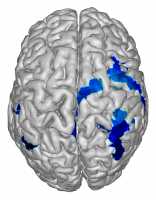
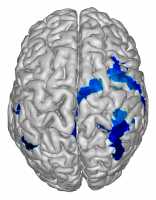 In a study of healthy volunteers, NIH researchers found that taking short breaks, early and often, may help our brains learn new skills.