
Blog – Medical Research News and Interviews
27 Sep Can Low Dose Oral Nicotine Have Beneficial Health Effects?
MedicalResearch.com Interview with: [caption id="attachment_28356" align="alignleft" width="132"] Dr. Ursula H. Winzer-Serhan[/caption]
Ursala. H. Winzer-Serhan Ph.D.
Associate Professor
Department of Neuroscience and Experimental Therapeutics
Texas A&M Health Science Center
MedicalResearch.com: What is the background for this study? What are the main findings?
Response: Nicotine is a plant alkaloid that is naturally occurring in the tobacco plant. Smoking delivers nicotine to the brain where it acts as a stimulant. Tobacco and electronic cigarette smoking delivers many other chemicals to the body, which are harmful and can cause cancer.
However, the drug nicotine by itself is relatively benign and poses few health risks for most people. Nicotine acts in the brain on nicotinic receptors, which are ion channels that are widely expressed in the brain. They play an important role in cognitive functions. Research with rodents and in humans has shown that nicotine can enhance learning and memory, and furthermore, can protect neurons during injuries and in the aging brain. With the increasingly older population, it becomes more and more important to delay cognitive decline in the elderly. Right now, there is no drug available that could delay aging of the brain.
Dr. Ursula H. Winzer-Serhan[/caption]
Ursala. H. Winzer-Serhan Ph.D.
Associate Professor
Department of Neuroscience and Experimental Therapeutics
Texas A&M Health Science Center
MedicalResearch.com: What is the background for this study? What are the main findings?
Response: Nicotine is a plant alkaloid that is naturally occurring in the tobacco plant. Smoking delivers nicotine to the brain where it acts as a stimulant. Tobacco and electronic cigarette smoking delivers many other chemicals to the body, which are harmful and can cause cancer.
However, the drug nicotine by itself is relatively benign and poses few health risks for most people. Nicotine acts in the brain on nicotinic receptors, which are ion channels that are widely expressed in the brain. They play an important role in cognitive functions. Research with rodents and in humans has shown that nicotine can enhance learning and memory, and furthermore, can protect neurons during injuries and in the aging brain. With the increasingly older population, it becomes more and more important to delay cognitive decline in the elderly. Right now, there is no drug available that could delay aging of the brain.
26 Sep A Novel Algorithm Utilizing Expanded Donor Criteria for the Allocation of Dual Kidneys in Adults
MedicalResearch.com Interview with: Adam Johnson, MD, PhD, MBA, FACS Thomas Jefferson University Dr. Cataldo Doria, senior author and designer of the study, emphasized that the work was a team effort MedicalResearch.com: What is the background for this study? What are the main findings? Response: The goal was to develop an algorithm to identify which donors would be most suitably transplanted as dual kidneys instead of as single kidneys. Dual kidney transplantation is a resource intensive procedure, but may make the most out of two kidneys whose function may be too marginal to transplant independently. Currently allocation decisions are based on individual surgeon and institutional experience and without much available outcome data. This score provide decision support for which donor grafts would have the greatest benefit if transplanted as dual kidneys.26 Sep Depressive disorders are the most frequent neuropsychiatric complication of TBI
Posted at 22:41h
in Author Interviews, Baylor College of Medicine Houston, Brain Injury, Depression, JAMA
MedicalResearch.com Interview with:
[caption id="attachment_27935" align="alignleft" width="200"] Dr. Ricardo Jorge[/caption]
Ricardo E. Jorge MD
Professor of Psychiatry and Behavioral Sciences
Director Houston Translational Research Center for TBI and Stress Disorders
Senior Scientist Beth K. and Stuart C. Yudofsky Division of Neuropsychiatry
Michael E DeBakey VA Medical Center
Baylor College of Medicine
MedicalResearch.com: What is the background for this study? What are the main findings?
Response: Depressive disorders affect between one-third and one-half of patients with traumatic brain injury. Once established, these disorders are difficult to treat and frequently follow a chronic and refractory course.
Depression has a deleterious effect on TBI outcomes, particularly affecting the community reintegration of TBI patients.
In this randomized clinical trial that included 94 adult patients with TBI, the hazards for developing depression for participants receiving placebo were about 4 times the hazards of participants receiving sertraline treatment.
Dr. Ricardo Jorge[/caption]
Ricardo E. Jorge MD
Professor of Psychiatry and Behavioral Sciences
Director Houston Translational Research Center for TBI and Stress Disorders
Senior Scientist Beth K. and Stuart C. Yudofsky Division of Neuropsychiatry
Michael E DeBakey VA Medical Center
Baylor College of Medicine
MedicalResearch.com: What is the background for this study? What are the main findings?
Response: Depressive disorders affect between one-third and one-half of patients with traumatic brain injury. Once established, these disorders are difficult to treat and frequently follow a chronic and refractory course.
Depression has a deleterious effect on TBI outcomes, particularly affecting the community reintegration of TBI patients.
In this randomized clinical trial that included 94 adult patients with TBI, the hazards for developing depression for participants receiving placebo were about 4 times the hazards of participants receiving sertraline treatment.
26 Sep Is Muscle Memory a Myth?
MedicalResearch.com Interview with: [caption id="attachment_28165" align="alignleft" width="200"] Dr. Maléne Lindholm[/caption]
Maléne Lindholm, PhD
Karolinska Institutet
Dept. of Physiology & Pharmacology
Stockholm Sweden
MedicalResearch.com: What is the background for this study?
Response: It is well known that exercise training provides marked health benefits and can prevent and treat a broad set of diseases. Therefore, a deeper understanding and characterization of the molecular processes behind training adaptation is essential for human health.
This study aimed at exploring the effects of endurance training on the human skeletal muscle transcriptome (activity of all genes) and investigate the possible presence of a muscle memory of training. To do this, the healthy volunteers in this study first trained only one leg, 4 times per week for 3 months. After 9 months of detraining, the subjects then came back and trained both legs in the same way as during the first training period, thus one leg was then previously well-trained and one previously untrained. This meant that each individual was their own control, as both legs have the same genome, experience the same stress, diet etc. Only the training status differed.
Dr. Maléne Lindholm[/caption]
Maléne Lindholm, PhD
Karolinska Institutet
Dept. of Physiology & Pharmacology
Stockholm Sweden
MedicalResearch.com: What is the background for this study?
Response: It is well known that exercise training provides marked health benefits and can prevent and treat a broad set of diseases. Therefore, a deeper understanding and characterization of the molecular processes behind training adaptation is essential for human health.
This study aimed at exploring the effects of endurance training on the human skeletal muscle transcriptome (activity of all genes) and investigate the possible presence of a muscle memory of training. To do this, the healthy volunteers in this study first trained only one leg, 4 times per week for 3 months. After 9 months of detraining, the subjects then came back and trained both legs in the same way as during the first training period, thus one leg was then previously well-trained and one previously untrained. This meant that each individual was their own control, as both legs have the same genome, experience the same stress, diet etc. Only the training status differed.
26 Sep Opioid Overdose Associated With Even Higher Health Care Costs Than Dependence or Abuse
MedicalResearch.com Interview with: [caption id="attachment_28168" align="alignleft" width="200"] Dr. Jared Howard[/caption]
Jaren Howard, PharmD, BCPS
Associate Director
Medical Affairs Strategic Research
Purdue Pharma L.P.
MedicalResearch.com: What is the background for this study?
Response: The existing scientific literature estimating the healthcare burden of opioid misuse disorders often combines all patients within the broad category of “opioid abuse,” defined as opioid abuse, dependence, or overdose/poisoning.
Collectively, these three conditions can significantly increase healthcare costs among commercially insured patients.
• Real world medical coding practices present challenges to researchers aiming to separately analyze excess costs by diagnosis, though combining these diagnoses may mask some variation in excess costs.
• Furthermore, little is known about the specific drivers of excess costs in terms of medical conditions driving excess costs or places of service at the diagnosis-level.
Dr. Jared Howard[/caption]
Jaren Howard, PharmD, BCPS
Associate Director
Medical Affairs Strategic Research
Purdue Pharma L.P.
MedicalResearch.com: What is the background for this study?
Response: The existing scientific literature estimating the healthcare burden of opioid misuse disorders often combines all patients within the broad category of “opioid abuse,” defined as opioid abuse, dependence, or overdose/poisoning.
Collectively, these three conditions can significantly increase healthcare costs among commercially insured patients.
• Real world medical coding practices present challenges to researchers aiming to separately analyze excess costs by diagnosis, though combining these diagnoses may mask some variation in excess costs.
• Furthermore, little is known about the specific drivers of excess costs in terms of medical conditions driving excess costs or places of service at the diagnosis-level.
26 Sep Immunity to the Acellular Whooping Cough Vaccine Wanes With Time
MedicalResearch.com Interview with: Dr. Kevin Schwartz, MD MSc Infection Prevention and Control Physician Infection Prevention and Control Public Health Ontario | Santé publique Ontario MedicalResearch.com: What is the background for this study? Response: There has been a resurgence of pertussis, or ‘whooping cough’, in several countries and regions since the introduction of the new “acellular” pertussis vaccine in the 1990s to replace the older “whole cell” vaccine. In Ontario, we have not seen large increases but observed a small outbreak in 2012 that affected both unvaccinated people, as well as in those who have been vaccinated against pertussis. Our objective was to evaluate the effectiveness of the current acellular vaccine used in Ontario. We wanted to find out whether immunity wanes with time in the same way as had been previously observed during a large outbreak in California. We also wanted to study the impact of receiving the older ‘whole cell’ vaccine, which we used in Ontario until 1997.26 Sep Nausea and Vomiting During Pregnancy May Signal Less Risk of Pregnancy Loss
MedicalResearch.com Interview with: Stefanie N. Hinkle, Ph.D. Staff Scientist | Epidemiology Branch Division of Intramural Population Health Research Eunice Kennedy Shriver National Institute of Child Health and Human Development National Institutes of Health MedicalResearch.com: What is the background for this study? What are the main findings? Response: Thank you for the interest in our research. Nausea and vomiting are very common early in pregnancy and these symptoms can be difficult for women. Before we began this study there was very limited high-quality data on the implications of these difficult symptoms in pregnancy. Our study is unique because we asked women to report their symptoms continuously throughout their pregnancy before they may or may not have gone on to have a loss. We found that among women with 1 or 2 prior pregnancy losses, women who have nausea, and particularly nausea with vomiting, were less likely to have a pregnancy loss.26 Sep Parkinson’s Disease Linked To Increase in Number of Inflammatory Markers
MedicalResearch.com Interview with: [caption id="attachment_28339" align="alignleft" width="200"] Dr. Yong Cheng[/caption]
Yong Cheng, PhD, post-doc fellow
Section on Cellular Neurobiology
Eunice Kennedy Shriver National Institute of Child Health and Human Development
National Institutes of Health
Bethesda, Maryland
MedicalResearch.com: What is the background for this study?
Response: Parkinson’s disease is the second most neurodegenerative disease after Alzheimer’s disease. The symptoms of the disease are typically movement related. However, the nonmotor features in PD are increasingly recognized. Evidence suggests that inflammation may play a role in the development of AD, and a substantial number of studies have demonstrated altered levels of peripheral blood inflammatory cytokines in patients with Parkinson’s disease, but findings have been inconsistent for individual cytokines and between studies. Therefore, we undertook a systematic review of the scientific literature, using a meta-analysis to quantitatively summarize clinical data on blood cytokine levels in patients with PD, compared with healthy controls.
Dr. Yong Cheng[/caption]
Yong Cheng, PhD, post-doc fellow
Section on Cellular Neurobiology
Eunice Kennedy Shriver National Institute of Child Health and Human Development
National Institutes of Health
Bethesda, Maryland
MedicalResearch.com: What is the background for this study?
Response: Parkinson’s disease is the second most neurodegenerative disease after Alzheimer’s disease. The symptoms of the disease are typically movement related. However, the nonmotor features in PD are increasingly recognized. Evidence suggests that inflammation may play a role in the development of AD, and a substantial number of studies have demonstrated altered levels of peripheral blood inflammatory cytokines in patients with Parkinson’s disease, but findings have been inconsistent for individual cytokines and between studies. Therefore, we undertook a systematic review of the scientific literature, using a meta-analysis to quantitatively summarize clinical data on blood cytokine levels in patients with PD, compared with healthy controls.
25 Sep Doctors: “I would never want to have a mental health diagnosis on my record”
MedicalResearch.com Interview with: [caption id="attachment_28331" align="alignleft" width="125"] Dr. Katherine Jo Gold[/caption]
Katherine J. Gold, MD MSW MS
Department of Family Medicine
Institute for Healthcare Policy and Innovation; Depression Center
University of Michigan
With co-authors Louise B. Andrew MD JD; Edward B. Goldman JD; Thomas L. Schwenk MD
MedicalResearch.com: What is the background for this study? What are the main findings?
Response: It is common knowledge that physicians are often hesitant to seek care for mental health concerns. Knowing that female physicians have increased rates of both depression and suicide, we surveyed female physicians who were mothers and who participated in a closed FaceBook group about their mental health, treatment, and opinions about licensing. More than 2100 U.S. physicians responded, representing all specialties and states.
Almost half of participants reported that at some point since medical school they had met criteria for a mental illness but didn’t seek treatment. Reasons included feeling like they could get through without help (68%), did not have the time (52%), felt a diagnosis would be embarrassing or shameful (45%), did not want to ever have to report to a medical board or hospital (44%), and were afraid colleagues would find out (39%). Overall, 2/3 identified a stigma-related reason for not seeking help.
Almost half reported prior diagnosis or treatment, but just 6% of these women stated they had disclosed this to a state medical board on a licensing application, though states vary on what information they require be disclosed.
Dr. Katherine Jo Gold[/caption]
Katherine J. Gold, MD MSW MS
Department of Family Medicine
Institute for Healthcare Policy and Innovation; Depression Center
University of Michigan
With co-authors Louise B. Andrew MD JD; Edward B. Goldman JD; Thomas L. Schwenk MD
MedicalResearch.com: What is the background for this study? What are the main findings?
Response: It is common knowledge that physicians are often hesitant to seek care for mental health concerns. Knowing that female physicians have increased rates of both depression and suicide, we surveyed female physicians who were mothers and who participated in a closed FaceBook group about their mental health, treatment, and opinions about licensing. More than 2100 U.S. physicians responded, representing all specialties and states.
Almost half of participants reported that at some point since medical school they had met criteria for a mental illness but didn’t seek treatment. Reasons included feeling like they could get through without help (68%), did not have the time (52%), felt a diagnosis would be embarrassing or shameful (45%), did not want to ever have to report to a medical board or hospital (44%), and were afraid colleagues would find out (39%). Overall, 2/3 identified a stigma-related reason for not seeking help.
Almost half reported prior diagnosis or treatment, but just 6% of these women stated they had disclosed this to a state medical board on a licensing application, though states vary on what information they require be disclosed.
25 Sep Early Immune Intervention May Prevent Atopic March of Eczema and Allergies
MedicalResearch.com Interview with: Emma Guttman-Yassky, MD, PhD Professor of Dermatology and Immunology Vice Chair of the Department of Dermatology at the Icahn School of Medicine and Amy S. Paller, MD Walter J. Hamlin Professor Chair of the Department of Dermatology at Northwestern MedicalResearch.com: What is the background for this study? Response: Researchers for the first time have identified the skin phenotype of pediatric eczema or atopic dermatitis (AD) in infants, opening the door for personalized treatment approaches for young children with eczema. The study, led by researchers at the Icahn School of Medicine at Mount Sinai and Northwestern University’s Feinberg School of Medicine, was published online today in the Journal of Allergy and Clinical Immunology. Emma Guttman-Yassky, MD, PhD, Professor of Dermatology and Immunology, and Vice Chair of the Department of Dermatology at the Icahn School of Medicine, and Amy S. Paller, MD, Walter J. Hamlin Professor and Chair of the Department of Dermatology at Northwestern, investigated lesional and non-lesional skin biopsies from 19 AD infants under the age of five, and compared them to age-matched pediatric controls, in addition to adult AD biopsies. The researchers found that the non-lesional, or normal-appearing, skin of young children with early eczema is already highly abnormal with significant immune activation, simulating that of lesional skin of adults with many years of active disease.25 Sep Impact of Renal Dysfunction on Results of TAVR Outcomes
MedicalResearch.com Interview with: Pablo Codner, MD; Amos Levi, MD (firsts authors) and Prof. Ran Kornowski, MD, FACC, FESC (senior author) Rabin Medical Center Derech Ze`ev Israel. MedicalResearch.com: What is the background for this study? What are the main findings? Response: Transcatheter aortic valve replacement (TAVR) is a well-established treatment for patients with severe aortic stenosis (AS) who are deemed inoperable by the “heart team”, for those at high risk for surgery and also for patients at intermediate surgical risk. Currently this therapeutic alternative is being compared with surgical aortic valve replacement in patients at low risk for surgery. Patients with chronic kidney disease were excluded from most randomized trials. We evaluated outcomes within a large multicenter cohort of patients undergoing TAVR distinguished by renal function, from 11 high volume centers in 8 different countries across Europe and Asia. In our experience patients with renal dysfunction were associated with poor clinical outcomes. All-cause and cardiovascular mortality rates during the follow-up period increased with declining renal function. A glomerular filtration rate ≤30 mL/min was identified on multivariate analysis as an independent predictor for all-cause and cardiovascular mortality. We also found higher rates of severe bleeding and vascular complications among patient with advanced or end stage renal failure.23 Sep Health and Economic Burden of Falls Expected To Surge
MedicalResearch.com Interview with: [caption id="attachment_28318" align="alignleft" width="144"] Dr. Gwen Bergen[/caption]
Gwen Bergen, PhD
Division of Unintentional Injury
National Center for Injury Prevention and Control
CDC
MedicalResearch.com: What is the background for this study? What are the main findings?
Response: Older adult falls are the leading cause of injury death and disability for adults aged 65 years and older (older adults). In this study, we analyzed data from the Centers for Disease Control and Prevention’s (CDC) Behavioral Risk Factor Surveillance System (BRFSS) survey. Our study found that, in 2014, older Americans reported 29 million falls. Almost a quarter of these or 7 million falls required medical treatment or restricted activity for at least one day. Women reported a higher percentage of falls (30%) compared with men (27%). Whites and American Indian/Alaskan Natives (AI/AN) were more likely to fall compared with Blacks and Asian/Pacific Islanders; and AI/AN were more likely to report a fall injury compared with all other racial/ethnic groups. The percentage of older adults who reported a fall varied by state, ranging from 21% in Hawaii to 34% in Arkansas.
Dr. Gwen Bergen[/caption]
Gwen Bergen, PhD
Division of Unintentional Injury
National Center for Injury Prevention and Control
CDC
MedicalResearch.com: What is the background for this study? What are the main findings?
Response: Older adult falls are the leading cause of injury death and disability for adults aged 65 years and older (older adults). In this study, we analyzed data from the Centers for Disease Control and Prevention’s (CDC) Behavioral Risk Factor Surveillance System (BRFSS) survey. Our study found that, in 2014, older Americans reported 29 million falls. Almost a quarter of these or 7 million falls required medical treatment or restricted activity for at least one day. Women reported a higher percentage of falls (30%) compared with men (27%). Whites and American Indian/Alaskan Natives (AI/AN) were more likely to fall compared with Blacks and Asian/Pacific Islanders; and AI/AN were more likely to report a fall injury compared with all other racial/ethnic groups. The percentage of older adults who reported a fall varied by state, ranging from 21% in Hawaii to 34% in Arkansas.
23 Sep Bioflux Device Monitors Heart Rhythm and Sends in Real Time To 24 Hour Monitoring Lab
MedicalResearch.com Interview with: Waqaas Al-Siddiq, Founder and CEO of Biotricity
MedicalResearch.com: Would you tell us a little about yourself? How did you get interested in combining healthcare with technology?
[caption id="attachment_28381" align="alignleft" width="200"]
Waqaas Al-Siddiq, Founder and CEO of Biotricity
MedicalResearch.com: Would you tell us a little about yourself? How did you get interested in combining healthcare with technology?
[caption id="attachment_28381" align="alignleft" width="200"] Waqaas Al-Siddiq[/caption]
Response: I am the president and CEO of biotricity which is a healthcare technology company dedicated to providing diagnostic and post-diagnostic solutions for both the physician and consumer for long-term chronic care management. I got interested in combining healthcare and technology while I was doing research for monitoring remote environments in critical scenarios. I thought that it would be very interesting to apply that to healthcare because it’s a problem that no one has figured out how to solve yet. And it’s a problem that is driving healthcare costs out of control.
Waqaas Al-Siddiq[/caption]
Response: I am the president and CEO of biotricity which is a healthcare technology company dedicated to providing diagnostic and post-diagnostic solutions for both the physician and consumer for long-term chronic care management. I got interested in combining healthcare and technology while I was doing research for monitoring remote environments in critical scenarios. I thought that it would be very interesting to apply that to healthcare because it’s a problem that no one has figured out how to solve yet. And it’s a problem that is driving healthcare costs out of control.
23 Sep Scaffold Can Potentially Deliver Therapeutic miRNA To Decrease Breast Cancer Metastases
Posted at 21:41h
in Author Interviews, Breast Cancer, Brigham & Women's - Harvard, Nature, Technology
MedicalResearch.com Interview with:
[caption id="attachment_28309" align="alignleft" width="157"] Dr. Natalie Artzi[/caption]
Natalie Artzi PhD
principal research scientist
MIT's Institute for Medical Engineering and Science and
Assistant professor of medicine
Brigham and Women's Hospital
With co-authors:
Avital Gilam, João Conde, Daphna Weissglas-Volkov, Nuria Oliva, Eitan Friedman, Noam Shomron
MedicalResearch.com: What is the background for this study? What are the main findings?
Response: Metastases are the primary cause for mortality in breast cancer, the most common cancer in women regardless of ethnicity. Recent studies show that germline sequence variants, such as single-nucleotide polymorphisms (SNPs) in miRNA-binding sites, can disrupt the downregulation by miRNAs, with a profound effect on gene expression levels and consequentially on the phenotype, including increased risk for cancer.
In the current study, we aimed to determine the potential effect of SNPs within miRNA-binding sites on metastatic breast cancer progression and their potential use as suppression targets to prevent metastasis.
Our collaborators at Tel-Aviv Universityin a research led by Dr. Noam Shomron found that the SNP, rs1071738, located in a target site for miR-96 and miR-182 on the 3’-UTR of the PALLD gene, encodes the Palladin actin-associated protein, which is a documented player in breast cancer motility. In vitro experiments revealed a functional downregulation of Palladin levels by miR-96 and miR-182, which subsequently reduces migration and invasion abilities of breast cancer cells.
My lab then showed in an in vivo experiment that the use of nanoparticles embedded in a hydrogel scaffold as a miRNA delivery vehicle enables an efficient and specific delivery of miR-96/miR-182 directly to breast tumours, which results in marked reduction of breast cancer metastasis. We then proceeded to study the effect of combination therapy in which we will use a chemotherapy drug to shrink the primary tumor and the miRNAs to prevent metastasis. The intercalation of a chemotherapy drug, cisplatin, to the miR-conjugated nanoparticles further improved the effect, leading to significant reduction in both primary tumour growth and metastasis.
Our study highlights the therapeutic potential of miRNAs, and specifically miR-96 and miR-182, and support the importance of Palladin regulation in breast cancer metastasis.
Dr. Natalie Artzi[/caption]
Natalie Artzi PhD
principal research scientist
MIT's Institute for Medical Engineering and Science and
Assistant professor of medicine
Brigham and Women's Hospital
With co-authors:
Avital Gilam, João Conde, Daphna Weissglas-Volkov, Nuria Oliva, Eitan Friedman, Noam Shomron
MedicalResearch.com: What is the background for this study? What are the main findings?
Response: Metastases are the primary cause for mortality in breast cancer, the most common cancer in women regardless of ethnicity. Recent studies show that germline sequence variants, such as single-nucleotide polymorphisms (SNPs) in miRNA-binding sites, can disrupt the downregulation by miRNAs, with a profound effect on gene expression levels and consequentially on the phenotype, including increased risk for cancer.
In the current study, we aimed to determine the potential effect of SNPs within miRNA-binding sites on metastatic breast cancer progression and their potential use as suppression targets to prevent metastasis.
Our collaborators at Tel-Aviv Universityin a research led by Dr. Noam Shomron found that the SNP, rs1071738, located in a target site for miR-96 and miR-182 on the 3’-UTR of the PALLD gene, encodes the Palladin actin-associated protein, which is a documented player in breast cancer motility. In vitro experiments revealed a functional downregulation of Palladin levels by miR-96 and miR-182, which subsequently reduces migration and invasion abilities of breast cancer cells.
My lab then showed in an in vivo experiment that the use of nanoparticles embedded in a hydrogel scaffold as a miRNA delivery vehicle enables an efficient and specific delivery of miR-96/miR-182 directly to breast tumours, which results in marked reduction of breast cancer metastasis. We then proceeded to study the effect of combination therapy in which we will use a chemotherapy drug to shrink the primary tumor and the miRNAs to prevent metastasis. The intercalation of a chemotherapy drug, cisplatin, to the miR-conjugated nanoparticles further improved the effect, leading to significant reduction in both primary tumour growth and metastasis.
Our study highlights the therapeutic potential of miRNAs, and specifically miR-96 and miR-182, and support the importance of Palladin regulation in breast cancer metastasis.
23 Sep Distinct Methylation May Explain Why Some People’s DNA Ages More Slowly
 MedicalResearch.com Interview with:
Dr. Bastiaan Heijmans
Leiden University Medical Center
MedicalResearch.com: What is the background for this study? What are the main findings?
Response: Epigenetic change is a hallmark of ageing but its link to ageing mechanisms in humans remains poorly understood. While DNA methylation at many CpG sites closely tracks chronological age, DNA methylation changes relevant to biological age are expected to gradually dissociate from chronological age, mirroring the increased heterogeneity in health status at older ages.
In a large-scale analysis of the methylome of over 3000 individuals, we discovered and validated 6000 sites in the genome that became more variable in their DNA methylation level with age. These sites frequently co-localized with repressed regions that are characterized by polycomb repression. While sites accumulating variability with age were commonly associated with the expression of (neuro)developmental genes in cis, they were linked to transcriptional activity of genes in trans that have a key role in well-established ageing pathways such as intracellular metabolism, apoptosis, and DNA damage response.
MedicalResearch.com Interview with:
Dr. Bastiaan Heijmans
Leiden University Medical Center
MedicalResearch.com: What is the background for this study? What are the main findings?
Response: Epigenetic change is a hallmark of ageing but its link to ageing mechanisms in humans remains poorly understood. While DNA methylation at many CpG sites closely tracks chronological age, DNA methylation changes relevant to biological age are expected to gradually dissociate from chronological age, mirroring the increased heterogeneity in health status at older ages.
In a large-scale analysis of the methylome of over 3000 individuals, we discovered and validated 6000 sites in the genome that became more variable in their DNA methylation level with age. These sites frequently co-localized with repressed regions that are characterized by polycomb repression. While sites accumulating variability with age were commonly associated with the expression of (neuro)developmental genes in cis, they were linked to transcriptional activity of genes in trans that have a key role in well-established ageing pathways such as intracellular metabolism, apoptosis, and DNA damage response.
23 Sep Chronic Subthreshold Cortical Stimulation to Treat Resistant Focal Epilepsy.
MedicalResearch.com Interview with: [caption id="attachment_28300" align="alignleft" width="180"] Dr. Brian Lundstrom[/caption]
Brian Nils Lundstrom, MD, PhD
Department of Neurology
Mayo Clinic
Rochester, Minnesota
MedicalResearch.com: What is the background for this study? What are the main findings?
Response: About as many people have drug-resistant focal epilepsy as have multiple sclerosis, and treatment options are limited.
This study describes an alternative treatment option that has proven very helpful for the majority of participants. Electrical stimulation is delivered continuously via implanted electrodes to the region of brain where seizures start. The electrical stimulation decreases the seizure-related discharges from the brain, and for about 40% of patients their disabling seizures were completely stopped.
Dr. Brian Lundstrom[/caption]
Brian Nils Lundstrom, MD, PhD
Department of Neurology
Mayo Clinic
Rochester, Minnesota
MedicalResearch.com: What is the background for this study? What are the main findings?
Response: About as many people have drug-resistant focal epilepsy as have multiple sclerosis, and treatment options are limited.
This study describes an alternative treatment option that has proven very helpful for the majority of participants. Electrical stimulation is delivered continuously via implanted electrodes to the region of brain where seizures start. The electrical stimulation decreases the seizure-related discharges from the brain, and for about 40% of patients their disabling seizures were completely stopped.
23 Sep Medicare Shared Savings Program May Reduce Hospitals’ Propensity To Purchase New CT Machines
MedicalResearch.com Interview with: Hui Zhang, Ph.D., MBA Virginia Polytechnic Institute and State University Blacksburg MedicalResearch.com: What is the background for this study? What are the main findings? Response: To promote healthcare coordination and contain the rising costs in the US healthcare system, a variety of payment innovations has been developed and field-tested in both public and private sector. Among them, the Medicare Shared Savings Program (MSSP) for Accountable Care Organizations (ACOs), administered by the Centers for Medicare and Medicaid Services (CMS) has received considerable attention. Our study took a mathematical modeling approach and comprehensively captured and analyzed the effect of this new payment systems on healthcare stakeholder decisions and system-wide outcomes. Our results provided decision-making insights for payers on how to improve MSSP, for ACOs on how to distribute MSSP incentives among their members, and for hospitals on whether to invest in new CT imaging systems.23 Sep Non–TNF-Targeted Biologic Found Superior to Second Anti-TNF Drug to Treat Rheumatoid Arthritis in Patients With Insufficient Response to a First Anti-TNF Drug
MedicalResearch.com Interview with: Jacques-Eric Gottenberg, MD, PhD
Department of Rheumatology
National Reference Center for Systemic Autoimmune Diseases
Strasbourg University Hospital, Université de Strasbourg
Strasbourg, France
MedicalResearch.com: What is the background for this study? What are the main findings?
Response: There is no recommendation for the choice of the second biologic in patients with rheumatoid arthritis and insufficient response to a first anti-TNF, which is a common situation in our daily practice (approximately one third of patients treated with anti-TNF). We therefore conducted the first randomized trial to date to investigate the best strategy in such a setting.
Jacques-Eric Gottenberg, MD, PhD
Department of Rheumatology
National Reference Center for Systemic Autoimmune Diseases
Strasbourg University Hospital, Université de Strasbourg
Strasbourg, France
MedicalResearch.com: What is the background for this study? What are the main findings?
Response: There is no recommendation for the choice of the second biologic in patients with rheumatoid arthritis and insufficient response to a first anti-TNF, which is a common situation in our daily practice (approximately one third of patients treated with anti-TNF). We therefore conducted the first randomized trial to date to investigate the best strategy in such a setting.
23 Sep Mitochondrial Calcium Channel Necessary To Support Adult Memory
MedicalResearch.com Interview with: [caption id="attachment_28286" align="alignleft" width="144"] Dr. Ron Davis[/caption]
Ron L. Davis, PhD Professor and Chair
Department of Neuroscience
Florida campus of The Scripps Research Institute
MedicalResearch.com: What is the background for this study? What are the main findings?
Response: While calcium’s importance for our bones and teeth is well known, its role in neurons—in particular, its effects on processes such as learning and memory—has been less well defined. Our new study, published in the journal Cell Reports, offers new insights how calcium in mitochondria—the powerhouse of all cells—can impact the development of the brain and adult cognition.
Specifically, we show in fruit flies, a widely used model system, that blocking a channel that brings calcium to the mitochondria called “mitochondrial calcium uniporter” causes memory impairment but does not alter learning capacity. That surprised us – we thought they wouldn’t be able to learn at all. This is important because defects in the same calcium channel function have been shown to be associated with intellectual disability in humans.
Dr. Ron Davis[/caption]
Ron L. Davis, PhD Professor and Chair
Department of Neuroscience
Florida campus of The Scripps Research Institute
MedicalResearch.com: What is the background for this study? What are the main findings?
Response: While calcium’s importance for our bones and teeth is well known, its role in neurons—in particular, its effects on processes such as learning and memory—has been less well defined. Our new study, published in the journal Cell Reports, offers new insights how calcium in mitochondria—the powerhouse of all cells—can impact the development of the brain and adult cognition.
Specifically, we show in fruit flies, a widely used model system, that blocking a channel that brings calcium to the mitochondria called “mitochondrial calcium uniporter” causes memory impairment but does not alter learning capacity. That surprised us – we thought they wouldn’t be able to learn at all. This is important because defects in the same calcium channel function have been shown to be associated with intellectual disability in humans.
23 Sep Designing an Implantable Scaffold To Capture Cancer Cells and Personalize Treatment
MedicalResearch.com Interview with: [caption id="attachment_28279" align="alignleft" width="200"] Grace Bushnell[/caption]
Grace G. Bushnell PhD candidate
Department of Biomedical Engineering
University of Michigan
Ann Arbor, Michigan
MedicalResearch.com: What is the background for this study? What are the main findings?
Response: This study builds off of previous work from the Shea and Jeruss laboratories at the University of Michigan, which reported that implanted scaffolds can capture early metastatic cells in vivo prior to the colonization of other organs and serve as a platform for early detection of metastatic disease. Furthermore, the presence of a scaffold reduced the tumor burden in other metastatic locations.
In this work, the major finding was that early detection using a scaffold combined with a therapeutic intervention led to a survival advantage relative to mice that did not receive a scaffold. The scaffolds had been designed to persist in vivo for longer periods of time than in the original study. Additionally, the scaffold was implanted prior to the inoculation of metastatic cancer cells in the mouse. The role of the immune system in the process was further refined, as the immune cell composition at the scaffold changed significantly after disease initiation. These studies demonstrate that early intervention in a metastatic setting can lead to enhanced survival. This principle of early intervention is well established for the primary tumor, and these studies suggest that this principle may be extended to metastatic disease.
Grace Bushnell[/caption]
Grace G. Bushnell PhD candidate
Department of Biomedical Engineering
University of Michigan
Ann Arbor, Michigan
MedicalResearch.com: What is the background for this study? What are the main findings?
Response: This study builds off of previous work from the Shea and Jeruss laboratories at the University of Michigan, which reported that implanted scaffolds can capture early metastatic cells in vivo prior to the colonization of other organs and serve as a platform for early detection of metastatic disease. Furthermore, the presence of a scaffold reduced the tumor burden in other metastatic locations.
In this work, the major finding was that early detection using a scaffold combined with a therapeutic intervention led to a survival advantage relative to mice that did not receive a scaffold. The scaffolds had been designed to persist in vivo for longer periods of time than in the original study. Additionally, the scaffold was implanted prior to the inoculation of metastatic cancer cells in the mouse. The role of the immune system in the process was further refined, as the immune cell composition at the scaffold changed significantly after disease initiation. These studies demonstrate that early intervention in a metastatic setting can lead to enhanced survival. This principle of early intervention is well established for the primary tumor, and these studies suggest that this principle may be extended to metastatic disease.
23 Sep Genetic Ancestry using Mitochondrial DNA in patients with Triple-Negative Breast Cancer
MedicalResearch.com Interview with: [caption id="attachment_28272" align="alignleft" width="96"] Dr. Roshni Rao[/caption]
Roshni Rao, M.D
Breast Surgery
University of Texas Southwestern
MedicalResearch.com: What is the background for this study? What are the main findings?
Response: Triple negative breast cancer (TNBC) is characterized by not having estrogen, progesterone, or Her2Neu receptors. Although a less common type, it is aggressive, and leads to a disproportionate number of deaths from breast cancer.
TNBC is more common in young, African American women, but can be found in other ethnic groups as well.
This study performed mitochondrial DNA (mtDNA) analysis, to evaluate for patient genetic ancestry, in 92 patients with TNBC. In regards to self-identified ethnicity, there were 31 African-Americans, 31 Whites, and 30 Hispanics. Utilizing mtDNA, 13% of patients had discordance between self identified ethnicity and mtDNA analysis. Discordance was highest in the Hispanic group. The Hispanic patients were also much younger at initial age of diagnosis, and less likely to have a family history of breast cancer. Ancestry from Nigeria, Cameroon, or Sierre Leone were most common in the African-Americans with triple negative breast cancer.
Dr. Roshni Rao[/caption]
Roshni Rao, M.D
Breast Surgery
University of Texas Southwestern
MedicalResearch.com: What is the background for this study? What are the main findings?
Response: Triple negative breast cancer (TNBC) is characterized by not having estrogen, progesterone, or Her2Neu receptors. Although a less common type, it is aggressive, and leads to a disproportionate number of deaths from breast cancer.
TNBC is more common in young, African American women, but can be found in other ethnic groups as well.
This study performed mitochondrial DNA (mtDNA) analysis, to evaluate for patient genetic ancestry, in 92 patients with TNBC. In regards to self-identified ethnicity, there were 31 African-Americans, 31 Whites, and 30 Hispanics. Utilizing mtDNA, 13% of patients had discordance between self identified ethnicity and mtDNA analysis. Discordance was highest in the Hispanic group. The Hispanic patients were also much younger at initial age of diagnosis, and less likely to have a family history of breast cancer. Ancestry from Nigeria, Cameroon, or Sierre Leone were most common in the African-Americans with triple negative breast cancer.
22 Sep Genetic Determinants of Cisplatin Resistance in Patients With Advanced Germ Cell Tumors
MedicalResearch.com Interview with: [caption id="attachment_28253" align="alignleft" width="200"] Dr. Darren Feldman[/caption]
Darren R. Feldman, MD
Medical Oncologist
Memorial Sloan Kettering Cancer Center
MedicalResearch.com: What is the background for this study? What are the main findings?
Response: There is limited knowledge as to why a minority of patients with advanced germ cell tumors are resistant to chemotherapy while the majority achieve complete responses. Patients with cisplatin-resistant disease require intensive salvage treatment and are at high risk of dying from their disease. We sought to determine whether certain genomic alterations within tumors might be associated with cisplatin-resistance in GCT. We also wanted to identify the spectrum of genomic alterations in this population which might represent novel targets for existing or new drug development in this disease.
Dr. Darren Feldman[/caption]
Darren R. Feldman, MD
Medical Oncologist
Memorial Sloan Kettering Cancer Center
MedicalResearch.com: What is the background for this study? What are the main findings?
Response: There is limited knowledge as to why a minority of patients with advanced germ cell tumors are resistant to chemotherapy while the majority achieve complete responses. Patients with cisplatin-resistant disease require intensive salvage treatment and are at high risk of dying from their disease. We sought to determine whether certain genomic alterations within tumors might be associated with cisplatin-resistance in GCT. We also wanted to identify the spectrum of genomic alterations in this population which might represent novel targets for existing or new drug development in this disease.
22 Sep Decision-Making in Laryngology: Both Sides of the Story
MedicalResearch.com Interview with: [caption id="attachment_28269" align="alignleft" width="133"] Dr. Mark Courey[/caption]
Dr. Mark Courey, MD
Senior Faculty,Otolaryngology
The Mount Sinai Hospital
New York Eye and Ear Infirmary of Mount Sinai
MedicalResearch.com: Would you tell us a little about yourself? How did you become interested in voice disorders?
Response: I became interested in voice disorders because during my residency in the late 1980’s there was little known about how to help patients with disorders of voice. The main instrument we use to evaluate vocal folds (the stroboscope) was just becoming clinically available. Only a handful of physicians had one available. We could not see vocal fold function and could only see the lesions on the vocal folds. We did not know how the lesions affected function. So many surgeons only treated patients with laryngeal cancer and told the others to be happy that they did not have cancer.
Dr. Mark Courey[/caption]
Dr. Mark Courey, MD
Senior Faculty,Otolaryngology
The Mount Sinai Hospital
New York Eye and Ear Infirmary of Mount Sinai
MedicalResearch.com: Would you tell us a little about yourself? How did you become interested in voice disorders?
Response: I became interested in voice disorders because during my residency in the late 1980’s there was little known about how to help patients with disorders of voice. The main instrument we use to evaluate vocal folds (the stroboscope) was just becoming clinically available. Only a handful of physicians had one available. We could not see vocal fold function and could only see the lesions on the vocal folds. We did not know how the lesions affected function. So many surgeons only treated patients with laryngeal cancer and told the others to be happy that they did not have cancer.
22 Sep ENT Surgeon Manages Middle Ear Cholesteatoma Removal In One Surgical Procedure
MedicalResearch.com Interview with: [caption id="attachment_28267" align="alignleft" width="160"] Dr. Eric E Smouha[/caption]
Eric E Smouha, MD
Professor, Otolaryngology
The Mount Sinai Hospital
New York Eye and Ear Infirmary of Mount Sinai
MedicalResearch.com: Would you tell us a little about yourself? How did you become interested in ENT and specifically middle ear problems?
Response: I am a neurotologist, i.e. , ENT physician specialized in disorders of the ear and skull base. Neurotologists treat problems of the middle ear and inner ear. Middle ear problems are interesting because they are prevalent, and surgery frequently results in restoration of function.
Dr. Eric E Smouha[/caption]
Eric E Smouha, MD
Professor, Otolaryngology
The Mount Sinai Hospital
New York Eye and Ear Infirmary of Mount Sinai
MedicalResearch.com: Would you tell us a little about yourself? How did you become interested in ENT and specifically middle ear problems?
Response: I am a neurotologist, i.e. , ENT physician specialized in disorders of the ear and skull base. Neurotologists treat problems of the middle ear and inner ear. Middle ear problems are interesting because they are prevalent, and surgery frequently results in restoration of function.
22 Sep Chronic Kidney Disease in Primary Care: Outcomes after Five Years in a Prospective Cohort Study
MedicalResearch.com Interview with: Dr. Adam Shardlow Derby Teaching Hospitals NHS Foundation Trust UK MedicalResearch.com: What is the background for this study? What are the main findings? Response: Chronic Kidney Disease (CKD) is common in the general population, and many people are managed in primary care rather than by specialist nephrologists. This study was designed to investigate 5 year outcomes in people with mild to moderate CKD (CKD stage 3). The main findings were that the majority of participants were stable, and progression to end stage renal disease was a rarity. Interestingly, and contrary to common thinking about CKD, we found that a significant minority no longer had evidence of CKD stage 3 at 5 years, which we have termed ‘CKD remission’.22 Sep 3D Models and Immersive Virtual Reality Simulation for Complex Skull Base Surgery
MedicalResearch.com Interview with: [caption id="attachment_28265" align="alignleft" width="160"]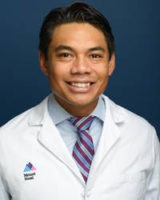 Dr. Alfred Marc Calo Iloreta[/caption]
Alfred Marc Calo Iloreta, MD
Assistant Professor
Skull Base Surgery and Rhinology
Department of Otolaryngology -
Head and Neck Surgery
Icahn School of Medicine at Mount Sinai
New York, New York
MedicalResearch.com: Would you tell us a little about yourself? How did you become interested in ENT and your subspecialty in particular?
Response: I am a ENT/Head and Neck Surgeon practicing in Manhattan at the Mount Sinai Hospital. I trained here in New York City for residency and also completed a fellowship in Rhinology and Skull Base Surgery.
I chose this field and sub-specialty because of the intricate and complex anatomy of the head and neck. In addition rhinology and skull base surgery utilizes multiple advanced technologies from high definition optics, to neuronavigation to allow us to work with this complex anatomy.
Dr. Alfred Marc Calo Iloreta[/caption]
Alfred Marc Calo Iloreta, MD
Assistant Professor
Skull Base Surgery and Rhinology
Department of Otolaryngology -
Head and Neck Surgery
Icahn School of Medicine at Mount Sinai
New York, New York
MedicalResearch.com: Would you tell us a little about yourself? How did you become interested in ENT and your subspecialty in particular?
Response: I am a ENT/Head and Neck Surgeon practicing in Manhattan at the Mount Sinai Hospital. I trained here in New York City for residency and also completed a fellowship in Rhinology and Skull Base Surgery.
I chose this field and sub-specialty because of the intricate and complex anatomy of the head and neck. In addition rhinology and skull base surgery utilizes multiple advanced technologies from high definition optics, to neuronavigation to allow us to work with this complex anatomy.
22 Sep Expanded Genetic DNA More Susceptible To Ultraviolet Light Damage
MedicalResearch.com Interview with: [caption id="attachment_28236" align="alignleft" width="200"] Dr. Carlos E. Crespo-Hernández[/caption]
Carlos E. Crespo-Hernández PhD
Associate Professor and Co-director of the Center for Chemical Dynamics
Department of Chemistry
Case Western Reserve University
Cleveland, Ohio
MedicalResearch.com: What is the background for this study? What are the main findings?
Response: Two new letters of DNA have recently been successfully incorporated and replicated by a modified strain of E. coli, thus generating the world’s first semi-synthetic organism with an expanded genetic alphabet. With the expansion of the genetic alphabet, the question arises as to whether the incorporation of unnatural DNA base pairs into cells can adversely affect the integrity of the genetic code and the viability of the cells upon exposure to sunlight or even conventional laboratory lighting. Natural DNA is susceptible to damage by ultraviolet light, but this damage is largely repaired by enzymatic repair mechanisms in living cells. Our recent study has found that the two new, unnatural DNA bases—d5SICS and dNaM—are able to efficiently absorb near-visible light, which is abundant in sunlight and standard fluorescent lighting. Not only that, but upon absorbing near-visible light these unnatural bases produce up to 100 times more reactive species than the most reactive natural DNA base. A line of skin cancer cells incorporating one of these unnatural DNA bases was used to investigate these effects on living cells. Following exposure to a low dose of near-visible light, we observed an increase in the generation of reactive oxygen species within cells containing the unnatural DNA base and a significant decrease in cell survival.
Dr. Carlos E. Crespo-Hernández[/caption]
Carlos E. Crespo-Hernández PhD
Associate Professor and Co-director of the Center for Chemical Dynamics
Department of Chemistry
Case Western Reserve University
Cleveland, Ohio
MedicalResearch.com: What is the background for this study? What are the main findings?
Response: Two new letters of DNA have recently been successfully incorporated and replicated by a modified strain of E. coli, thus generating the world’s first semi-synthetic organism with an expanded genetic alphabet. With the expansion of the genetic alphabet, the question arises as to whether the incorporation of unnatural DNA base pairs into cells can adversely affect the integrity of the genetic code and the viability of the cells upon exposure to sunlight or even conventional laboratory lighting. Natural DNA is susceptible to damage by ultraviolet light, but this damage is largely repaired by enzymatic repair mechanisms in living cells. Our recent study has found that the two new, unnatural DNA bases—d5SICS and dNaM—are able to efficiently absorb near-visible light, which is abundant in sunlight and standard fluorescent lighting. Not only that, but upon absorbing near-visible light these unnatural bases produce up to 100 times more reactive species than the most reactive natural DNA base. A line of skin cancer cells incorporating one of these unnatural DNA bases was used to investigate these effects on living cells. Following exposure to a low dose of near-visible light, we observed an increase in the generation of reactive oxygen species within cells containing the unnatural DNA base and a significant decrease in cell survival.
22 Sep Brain RAP is a Critical Mediator of Leptin Resistance and Obesity
Posted at 01:23h
in Author Interviews, Baylor College of Medicine Houston, Biomarkers, Weight Research
MedicalResearch.com Interview with:
[caption id="attachment_28232" align="alignleft" width="144"] Dr. Makoto Fukuda[/caption]
Makoto Fukuda Ph.D.
Assistant Professor
Children's Nutrition Research Center
Department of Pediatrics
Baylor College of Medicine
Houston, Texas 77030
MedicalResearch.com: What is the background for this study? What are the main findings?
Response: A hallmark characteristic of obesity is diminished actions of metabolic hormones that are critically required to maintain whole body energy balance and glucose homeostasis. Leptin is a crucial and powerful hormone that keeps body weight normal. It was hoped that leptin might be a “magic bullet” that could cure obesity. Shortly after the discovery, however, obese individuals were found to have little or no response to exogenously administered leptin, a state of “leptin resistance”. These observations created a central question to be addressed in the field, which would help our understanding of the core of pathophysiology of obesity. While we and other groups previously demonstrated that Epac, a signaling molecule known as a GTP/GDP exchange factor directly activated by cAMP, is involved in cellular leptin resistance, the role of brain Epac signaling in the whole body metabolism has not yet established.
We approached this question by using brain-specific knockout mice of Rap1, a direct activator of Epac. As expected from previous results, mice with brain-specific deficiency of Rap1 failed to develop leptin resistance even when they were challenged with a hypercaloric diet. What impressed us most in this study was that Rap1 in the brain plays a key role in the whole body metabolic control, beyond its role in controlling leptin sensitivity. Loss of brain Rap1 protects mice from diet-induced obesity and disordered glucose balance, whereas these knockout mice maintained a similar body weight to that of control mice on a normal regular diet. Further, pharmacological inhibition of this pathway reversed leptin resistance and reduced the body weight of dietary obese mice. At the cellular level, we found an unexpected link between Rap1 and endoplasmic reticulum (ER) stress that has emerged as a causative contributor to the development of leptin resistance.
Dr. Makoto Fukuda[/caption]
Makoto Fukuda Ph.D.
Assistant Professor
Children's Nutrition Research Center
Department of Pediatrics
Baylor College of Medicine
Houston, Texas 77030
MedicalResearch.com: What is the background for this study? What are the main findings?
Response: A hallmark characteristic of obesity is diminished actions of metabolic hormones that are critically required to maintain whole body energy balance and glucose homeostasis. Leptin is a crucial and powerful hormone that keeps body weight normal. It was hoped that leptin might be a “magic bullet” that could cure obesity. Shortly after the discovery, however, obese individuals were found to have little or no response to exogenously administered leptin, a state of “leptin resistance”. These observations created a central question to be addressed in the field, which would help our understanding of the core of pathophysiology of obesity. While we and other groups previously demonstrated that Epac, a signaling molecule known as a GTP/GDP exchange factor directly activated by cAMP, is involved in cellular leptin resistance, the role of brain Epac signaling in the whole body metabolism has not yet established.
We approached this question by using brain-specific knockout mice of Rap1, a direct activator of Epac. As expected from previous results, mice with brain-specific deficiency of Rap1 failed to develop leptin resistance even when they were challenged with a hypercaloric diet. What impressed us most in this study was that Rap1 in the brain plays a key role in the whole body metabolic control, beyond its role in controlling leptin sensitivity. Loss of brain Rap1 protects mice from diet-induced obesity and disordered glucose balance, whereas these knockout mice maintained a similar body weight to that of control mice on a normal regular diet. Further, pharmacological inhibition of this pathway reversed leptin resistance and reduced the body weight of dietary obese mice. At the cellular level, we found an unexpected link between Rap1 and endoplasmic reticulum (ER) stress that has emerged as a causative contributor to the development of leptin resistance.
21 Sep Bidirectional Link Between Depression and Risk of Gestational Diabetes
MedicalResearch.com Interview with: [caption id="attachment_28228" align="alignleft" width="158"] Dr. Cuilin Zhang[/caption]
Cuilin Zhang MD, PhD
Senior Investigator
NICHD, National Institutes of Health
MedicalResearch.com: What is the background for this study? What are the main findings?
Response: Pregnant women are at high risk of developing depressive symptoms; at least 10% US women suffering from depression during pregnancy. Gestational diabetes is a common pregnancy complication, affecting 4-7% of pregnancies in the U.S.. Gestational diabetes has adverse health implications on both women and their children. Depression and glucose intolerance commonly co-occur among non-pregnant individuals; however, the temporal relationship between gestational diabetes and depression during pregnancy and the postpartum period is less understood.
Dr. Cuilin Zhang[/caption]
Cuilin Zhang MD, PhD
Senior Investigator
NICHD, National Institutes of Health
MedicalResearch.com: What is the background for this study? What are the main findings?
Response: Pregnant women are at high risk of developing depressive symptoms; at least 10% US women suffering from depression during pregnancy. Gestational diabetes is a common pregnancy complication, affecting 4-7% of pregnancies in the U.S.. Gestational diabetes has adverse health implications on both women and their children. Depression and glucose intolerance commonly co-occur among non-pregnant individuals; however, the temporal relationship between gestational diabetes and depression during pregnancy and the postpartum period is less understood.