Author Interviews, ENT, JAMA, Johns Hopkins, Surgical Research / 16.03.2017

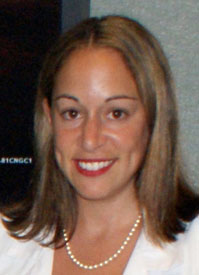
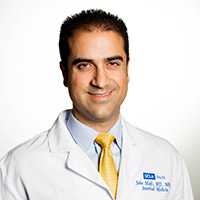
MedicalResearch.com Interview with: Lisa E. Ishii, MD, MHS Associate Professor of Otolaryngology - Head and Neck Surgery John Hopkins Medicine [caption id="attachment_32938" align="alignleft" width="80"]Lisa Earnest Ishii, M.D. Associate Professor of Otolaryngology - Head and Neck Surgery Johns Hopkins Medicine Dr. Ishii[/caption] MedicalResearch.com: What is the background for this study? What are the main findings? Response: There was a gap in our knowledge about what the average lay person thought about the impact of a facelift. We had information about what experts in the field like Dr. Swail thought, and some about what patients themselves thought, but nothing about lay people. Patients who choose to have a facelift are typically concerned about the opinions of: 1) Themselves when they look in the mirror, and 2) Laypeople they encounter socially in society. Our study showed for the first time that laypeople find people who have had a facelift to appear more attractive, more youthful, healthier and more successful than they were before their facelift.
Author Interviews, Journal Clinical Oncology, Prostate Cancer, Radiation Therapy / 16.03.2017

MedicalResearch.com Interview with: [caption id="attachment_33020" align="alignleft" width="149"]Charles N Catton, MD, FRCPC Cancer Clinical Research Unit (CCRU) Princess Margaret Cancer Centre UHN Dr. Catton[/caption] Charles N Catton, MD, FRCPC Cancer Clinical Research Unit (CCRU) Princess Margaret Cancer Centre UHN  MedicalResearch.com: What is the background for this study? What are the main findings? Response: Prostate cancer is a very common malignancy which is frequently treated with external beam radiotherapy. A typical standard treatment course can extend over 7.5-8.5 weeks. The introduction of high-precision radiotherapy treatment techniques provided the opportunity to compress treatment courses by delivering fewer, but more intensive daily treatments. The concerns with giving fewer and larger daily treatments (hypofractionation) is that toxicity may increase and that cancer control may become worse. This international randomized trial enrolled 1206 men with intermediate risk prostate cancer and compared a standard 8 week course of external beam radiation treatment with a novel hypofractionated treatment course that was given over 4 weeks. Cancer control as measured by PSA control and clinical evidence of failure, bowel and bladder toxicity and quality of life were compared. At a median follow-up of 6 years the hypofractionated regimen was found to be non-inferior to the standard regimen for cancer control. There was no difference early or late bladder toxicity between the two treatments. There was slightly worse early bowel toxicity during and immediately after treatment with the hypofractionated regimen, but there was actually slightly less long-term bowel toxicity with this same regimen.
ASCO, Author Interviews, Boehringer Ingelheim, Journal Clinical Oncology, NYU/NYMC, Prostate Cancer, Testosterone / 16.03.2017

MedicalResearch.com Interview with: [caption id="attachment_15257" align="alignleft" width="199"]Dr. Stacy Loeb, MD, MScDepartment of Urology, Population Health, and Laura and Isaac Perlmutter Cancer CenterNew York University, New York Dr. Stacy Loeb[/caption] Dr. Stacy Loeb MD Msc Assistant Professor of Urology and Population Health New York University Langone Medical Center MedicalResearch.com: What is the background for this study? What are the main findings? Response: The association between exposure to testosterone replacement therapy and prostate cancer risk is controversial.  The purpose of our study was to examine this issue using national registries from Sweden, with complete records on prescription medications and prostate cancer diagnoses.  Overall, we found no association between testosterone use and overall prostate cancer risk. There was an early increase in favorable cancers which is likely due to a detection bias, but long-term users actually had a significantly reduced risk of aggressive disease.
Author Interviews, CDC, Dermatology, Education, Environmental Risks, JAMA / 16.03.2017

MedicalResearch.com Interview with: [caption id="attachment_32979" align="alignleft" width="133"]Sherry Everett Jones PhD, MPH, JD, FASHA Health Scientist, Division of Adolescent School Health Centers for Disease Control & Prevention Dr. Sherry Everett Jones[/caption] Sherry Everett Jones PhD, MPH, JD, FASHA Health Scientist, Division of Adolescent School Health Centers for Disease Control & Prevention MedicalResearch.com: What is the background for this study? What are the main findings? Response: Skin cancer is the most common form of cancer in the United States. Results from the School Health Policies and Practices Study found that in 2014, most schools lacked practices that could protect children and adolescents from sun exposure while at school. Positive attitudes and beliefs about sun safety behavior, which would make such behavior more likely, can be promoted and supported by school system policies and practices.
Anesthesiology, Author Interviews, BMJ, Opiods, Stanford / 15.03.2017

MedicalResearch.com Interview with: [caption id="attachment_32934" align="alignleft" width="200"]Eric C Sun MD PhD, assistant professor Department of Anesthesiology Perioperative and Pain Medicine Stanford University School of Medicine Stanford, CA Dr. Eric Sun[/caption] Eric C Sun MD PhD, assistant professor Department of Anesthesiology Perioperative and Pain Medicine Stanford University School of Medicine Stanford, CA MedicalResearch.com: What is the background for this study? What are the main findings? Response: There have been large increases in opioid-related adverse events over the past decade. The goal of our study was to examine the extent to which these increases may have been driven by combined use of opioids and benzodiazepines, a combination that is known to be potentially risky. Overall, we found that the combined use of opioids and benzodiazepines nearly doubled (80% increase) between 2001 and 2013, and that opioid users who also used benzodiazepines were at a higher risk of an opioid-related adverse event. Indeed, our results suggest eliminating the combined use of opioids and benzodiazepines could have reduced the population risk of an opioid-related adverse event by 15%.
Author Interviews, Gender Differences, JAMA / 15.03.2017

MedicalResearch.com Interview with: David A. Klein, MD, MPH Uniformed Services University of the Health Sciences (USUHS) Bethesda, Maryland Fort Belvoir Community Hospital (FBCH), Fort Belvoir, Virginia MedicalResearch.com: What is the background for this study? What are the main findings? Response: In June 2016, the ban was lifted on transgender personnel serving openly in the military. Research suggests approximately 200 active-duty service members may request a gender transition annually. The purpose of this study is to determine military family physician readiness to care for such patients. The majority (74 percent) of physicians have not received any formal education on the treatment of patients with gender dysphoria. Almost half of surveyed physicians are willing to prescribe cross-hormone therapy; of these, 99 percent report the need for additional training and/or assistance to do so. 53 report an unwillingness to prescribe even with additional education and assistance.
Author Interviews, JAMA, Orthopedics / 14.03.2017

MedicalResearch.com Interview with: Justine M. Naylor, PhD Braeside Hospital, HammondCare, Australia South West Sydney Clinical School, University of New South Wales, Liverpool Hospital South West Sydney Local Health District, Liverpool 2170, NSW, Australia MedicalResearch.com: What is the background for this study? Response: Total knee arthroplasty (replacement) for end-stage arthritis is a very successful procedure for relieving the associated pain and functional impairments. Formalized rehabilitation following the surgery is also considered an essential adjunct to optimise recovery. World-wide, the volume of knee arthroplasty surgeries is increasing each year. In the US, for example, the prevalence of this surgery increased 11-fold from 1980 to 2010. The costs of the procedures (including the acute and rehabilitation costs) are also increasing. Because of these trends, there is concern for the future sustainability of these procedures. Research devoted to identifying the most cost-effective strategies in this field is required. Our group conducted a randomized trial comparing 10-days of inpatient rehabilitation to a simple, clinician-monitored home program in people who underwent total knee arthroplasty for end-stage osteoarthritis. Inpatient rehabilitation in a rehabilitation facility is commonly provided after knee arthroplasty in various countries including Australia, the US and Switzerland, and is comparatively expensive. In particular, it is a commonly available option for people with private healthcare insurance. Essentially, we wanted to compare 2 extremes – a resource-intensive program to one with far less resource requirements. Because patients who experience complications immediately after surgery may require inpatient rehabilitation to aid their recovery, we only included patients who did not experience a significant complication while in hospital, thus, were otherwise deemed able to be discharged directly home.
Author Interviews, Heart Disease, JAMA, Stroke / 14.03.2017

MedicalResearch.com Interview with: Dr. Ying Xian MD PhD Department of Neurology, Duke Clinical Research Institute Duke University Medical Center Durham, North Carolina MedicalResearch.com: What is the background for this study? Response: Atrial fibrillation (AF) is the most common arrhythmia. AF increases the risk for stroke and accounts for 10% to 15% of all ischemic strokes. While the burden of AF-related stroke is high, AF is a potentially treatable risk factor. Numerous studies have demonstrated that vitamin K antagonists, such as warfarin, or non-vitamin K antagonist oral anticoagulants (NOACs), reduce the risk of ischemic stroke. Based on these data, current guidelines recommend adjusted-dose warfarin or NOACs over aspirin for stroke prevention in high-risk patients with Atrial fibrillation.
Author Interviews, CMAJ, Fertility, Heart Disease, Women's Heart Health / 13.03.2017

MedicalResearch.com Interview with: [caption id="attachment_32860" align="alignleft" width="200"]Jacob A. Udell MD MPH FRCPC Cardiovascular Division Women's College Hospital Toronto General Hospital University of Toronto Dr. Jacob Udell[/caption] Jacob A. Udell MD MPH FRCPC Cardiovascular Division Women's College Hospital Toronto General Hospital University of Toronto  MedicalResearch.com: What is the background for this study? Response: We’ve noticed for a long time that fertility drug treatment can cause short-term complications such as high blood pressure or diabetes in pregnancy. We recently started wondering whether there may be long term consequences for these women years after a baby was or was not born.  To do this, we looked at all women who were treated with fertility therapy in Ontario for the last 20 years, from what we could determine this amounted to more than 28,000 women. We then followed up years later to examine every woman’s cardiovascular health.
Author Interviews, Brigham & Women's - Harvard, Cost of Health Care, JAMA / 13.03.2017

MedicalResearch.com Interview with: Yusuke Tsugawa, research associate Department of Health Policy and Management Harvard T H Chan School of Public Division of General Internal Medicine and Primary Care Brigham and Women’s Hospital, Boston, MA      MedicalResearch.com: What is the background for this study? What are the main findings? Response: It is well known that health spending varies substantially across geographical regions, and yet regions that spend more on health care dot not achieve better health outcomes. These findings has led to many to conclude that at least 20% of U.S. health care spending could be reduced without compromising quality of care. However, while physicians play a critical role in health care decision making, little is known as to how much health care spending varies between physicians, and its implications for patient outcomes. In this study, we found that the variation in spending across physicians is slightly larger than the variation across hospitals. More importantly, higher spending by physicians did not lead to lower patient mortality or readmission rates, within the same hospital.
Annals Internal Medicine, Author Interviews, Pulmonary Disease / 13.03.2017

MedicalResearch.com Interview with: Dr. Anne L. Stephenson, MD, PhD St. Michael’s Hospital Toronto Canada MedicalResearch.com: What is the background for this study? What are the main findings? Response: Both Canada and the US have maintained national registries on individuals with cystic fibrosis (CF) dating back to the 1970s. Previous reports suggested that survival differed between the two countries however direct comparisons of survival estimates between national registry reports were limited because of differences in methodologies used, data processing techniques and possible differences in the patients captured within each registry. We aimed to compare survival in  cystic fibrosis between Canada and the US to determine if differences existed when we applied a systematic and standardized approach. Our analysis showed that between 1990 and 2013, survival for individuals with CF increased in both countries, however, the rate of increase was faster in Canada compared to the USA. The survival gap widened at two distinct time points: 1995 and 2005. In the contemporary period between 2009 and 2013, the median age of survival for individuals with cystic fibrosis in Canada was found to be 50.9 years compared to 40.6 years in the US. Overall, the risk of death was 34% lower for Canadians compared Americans with CF after adjusting for markers of disease severity. When US CF subjects were classified by insurance status, we found a 77% lower risk of death among Canadians with CF compared to Americans who indicated unknown or no insurance, a 44% lower risk compared to Americans receiving continuous Medicare/Medicaid, and a 36% lower risk in Canadians compared to Americans receiving intermittent Medicare/Medicaid. The risk of death for Americans with private insurance was not statistically different from that of Canadians with cystic fibrosis .
Annals Internal Medicine, Author Interviews, Outcomes & Safety, UCLA / 11.03.2017

MedicalResearch.com Interview with: [caption id="attachment_32850" align="alignleft" width="200"]John N. Mafi, MD, MPH Division of General Internal Medicine and Health Services Research Department of Medicine, Ronald Reagan UCLA Medical Center Los Angeles, CA Dr. John N. Mafi[/caption] John N. Mafi, MD, MPH Division of General Internal Medicine and Health Services Research Department of Medicine, Ronald Reagan UCLA Medical Center Los Angeles, CA MedicalResearch.com: What is the background for this study? What are the main findings? Response: Our country has a primary care physician shortage. Some have advocated that we expand the scope of practice for nurse practitioners and physician assistants to help alleviate this problem and improve access to primary care. But a 2013 study in the New England Journal of Medicine found that a large number of physicians believed that nurse practitioners provided lower value care when compared with physicians. We decided to put that belief to the test. We studied 29,000 U.S. patients who saw either a nurse practitioner, physician assistant, or physician in the primary care setting for common conditions, and we compared the rate of low-value or unnecessary services—for example, unnecessary antibiotics for the common cold, or MRI for low back pain, or a CT scan for headache. Things that don’t help patients and may harm. We found no difference in the rates of low value services between nurse practitioners, physician assistants, and physicians. In other words, they did equivalent amounts of inappropriate or bad care.
Author Interviews, Dermatology, JAMA, Race/Ethnic Diversity, Transplantation / 10.03.2017

MedicalResearch.com Interview with: Christina Lee Chung, MD, FAAD Associate Professor of Dermatology Director, Center for Transplant Patients Drexel University College of Medicine MedicalResearch.com: What is the background for this study? What are the main findings? Response: It’s long been recognized immunosuppressed organ transplant recipients are at significantly increased risk for skin cancer and other types of skin disease. But despite advances to improve skin cancer prevention for these patients, little is known about how skin conditions affect African-American, Asian and Hispanic transplant recipients. This is problematic given that, according to the U.S. Department of Health and Human Services, more than half of the 120,000 Americans on the waiting list for organs identify as nonwhite. We compared medical records of 412 organ transplant recipients — including 154 white patients and 258 nonwhite (black, Asian or Hispanic) — who were referred to the Drexel Dermatology Center for Transplant Patients between 2011 and 2016. As one of the only models of its kind in the country, the center provides post-transplant dermatological care to every patient who is transplanted by and/or followed by the Drexel University and Hahnemann University Hospital Transplant Programs. That means that every patient, regardless of race, is screened annually for skin cancer, which provided a unique dataset for us to analyze. Two hundred eighty-nine transplant recipients exhibited malignant, infectious or inflammatory conditions during their evaluation, but their primary acute diagnoses differed greatly by race. In 82 white patients, skin cancer was the most common acute problem requiring attention at first visit. Black and Hispanic patients, by contrast, were most often diagnosed with inflammatory or infectious processes, such as fungal infections, warts, eczema, psoriasis, and rashes that required immediate medical attention. Overall, squamous cell carcinoma in situ was the most common type of skin cancer diagnosed in each racial or ethnic group. But the location of the cancerous lesions again depended on the race of the patient. Most lesions in white and Asian patients occurred in sun-exposed areas of the body, like the scalp, neck, chest and back. For black patients, the lesions were primarily found in the groin.  Moreover, six of the nine lesions found on black patients tested positive for high-risk HPV strains, suggesting an association between the virus and skin cancer for African Americans. We also provided questionnaires to 66 organ transplant recipients to find out more about the patients’ awareness of skin cancer prevention. Seventy-seven percent of white patients were aware their skin cancer risk was increased, compared to 68 percent of nonwhites. Only 11 percent of nonwhite patients reported having regular dermatologic examinations, compared to 36 percent of whites. Finally, 45 percent of white patients but only 25 percent of nonwhite reported knowing the signs of skin cancer.

Author Interviews, JAMA, Surgical Research / 09.03.2017

MedicalResearch.com Interview with: [caption id="attachment_32802" align="alignleft" width="132"]Daniel Dante Yeh, MD FACC Assistant Professor of Surgery Harvard Medical School Course Director General/GI Surgery sub-internship Associate Course Director, Surgery Core Clerkship Associate Director, Surgical Intensive Care Unit Co-Director, Nutrition Support Unit Department of Surgery Division of Trauma, Massachusetts General Hospital Emergency Surgery, and Surgical Critical Care Boston, MA 02114 Dr. Yeh[/caption] Daniel Dante Yeh, MD FACC Assistant Professor of Surgery Harvard Medical School Course Director General/GI Surgery sub-internship Associate Course Director, Surgery Core Clerkship Associate Director, Surgical Intensive Care Unit Co-Director, Nutrition Support Unit Department of Surgery Division of Trauma, Massachusetts General Hospital Emergency Surgery, and Surgical Critical Care Boston, MA 02114 MedicalResearch.com: What is the background for this study?  Response: High Fresh Frozen Plasma to Red Blood Cells FFP:RBC transfusion ratio is a strategy which has emerged in the trauma literature as the preferred method of resuscitation for massively bleeding injured patients.  However, this strategy has now spread to other patient populations which have never been formally studied.   These populations include elective operations and even non-surgical patients.  Giving excess FFP when it is not needed is not only wasteful, but may be harmful, as other studies have reported that FFP can cause problems with lung function, heart function, and immune function.
Author Interviews, Breast Cancer, Science / 09.03.2017

MedicalResearch.com Interview with: Chenfang Dong Department of Pathology and Pathophysiology Zhejiang Key Laboratory for Disease Proteomics Zhejiang University School of Medicine Hangzhou China  MedicalResearch.com: What is the background for this study? What are the main findings? Response: Basal-like breast cancer (BLBC), which generally falls into the triple-negative breast cancer subtype, is associated with an aggressive clinical history, early recurrence, distant metastasis and shorter survival. The treatment of BLBC is an unmet medical need due to the absence of effective targeted therapies and poor response to standard chemotherapy. Therefore, elucidating the determinants of aggressiveness and identifying the relevant targets in BLBC are urgently needed. In this study, we report that aldo-keto reductase 1 member B1 (AKR1B1) overexpression occurs specifically in BLBC and predicts poor prognosis in breast cancer patients. Our data reveal that AKR1B1 as a key modulator of tumor aggressiveness provides tumorigenic and metastatic advantage in basal-like breast cancer through a positive regulatory feedback loop that activates the EMT program and enhances CSC-like properties. Interestingly, epalrestat, the only AKR1B1 inhibitor that has been approved in Japan for the targeted treatment of diabetic complications, significantly inhibited cancer cell migration and invasion in vitro, suppressed tumorigenicity and metastasis of BLBC cells in mice models, displaying potent efficacy against BLBC.
Allergies, Asthma, Author Interviews, JAMA, Pediatrics / 09.03.2017

MedicalResearch.com Interview with: [caption id="attachment_32613" align="alignleft" width="80"]Elizabeth C. Matsui, MD MHS Professor of Pediatrics, Epidemiology, and Environmental Health Sciences Johns Hopkins University Baltimore, MD 21287 Dr. Matsui[/caption] Elizabeth C. Matsui, MD MHS Professor of Pediatrics, Epidemiology, and Environmental Health Sciences Johns Hopkins University Baltimore, MD 21287  MedicalResearch.com: What is the background for this study? Response: We designed this study after our previous work indicated that mouse allergy was common among low-income children living in some urban neighborhoods in the US, that these children also had high levels of mouse allergen exposure in their homes, and that children who are both allergic to mice and exposed to high levels of mouse allergen are at greater risk of asthma symptoms, emergency room visits and hospitalization.   Given this background, we designed a randomized clinical trial to determine if an intensive professionally delivered mouse intervention was better than education about mouse control in reducing asthma symptoms and lowering home mouse allergen levels.
AHA Journals, Author Interviews, Stroke / 08.03.2017

MedicalResearch.com Interview with: Dr. Miikka Korja Chief Innovation Officer Neurosurgeon Associate Professor of Neurosurgery HUS, Helsinki University Hospital MedicalResearch.com: What is the background for this study? What are the main findings? Response: Helsinki University Hospital, one of the largest hospital organizations in industrialized countries, has a very long history in conducting studies on brain aneurysms and aneurysmal subarachnoid hemorrhage. The one and only study on the natural history of ruptured aneurysms has also been conducted in Helsinki 50 years ago (published in 1967). The term “natural history” refers to an approach where the cause of a patient’s disease is not treated at all. In this case, it means that ruptured aneurysms in patients with devastating brain hemorrhage, aneurysmal subarachnoid hemorrhage, were left untreated. Therefore, these patients have a high risk of a rebleeding from the once ruptured aneurysm. As ruptured aneurysms are nowadays unexceptionally treated, if the patient survives the primary bleeding event, such natural history studies are impractical to conduct. We wanted to update the 50 years old data by using a historical patient registry. Back in the old days, many of aneurysmal subarachnoid hemorrhage patients were not treated because for example surgery was considered too risky or patients were classified as too old for surgery. By using the historical data, we showed that aneurysmal SAH, if not treated, is even more devastating disease than believed. Based on our results, we can state that 75-89% of today’s patients die in a year without treatments.
Author Interviews, JAMA, Sugar / 08.03.2017

MedicalResearch.com Interview with: [caption id="attachment_32657" align="alignleft" width="200"]Marlene B. Schwartz PhD Director, Rudd Center for Obesity & Food Policy (Principal Investigator) Professor, Department of Human Development and Family Studies University of Connecticut Hartford, CT 06103 Dr. Schwartz[/caption] Marlene B. Schwartz PhD Director, Rudd Center for Obesity & Food Policy (Principal Investigator) Professor, Department of Human Development and Family Studies University of Connecticut Hartford, CT 06103 MedicalResearch.com: What is the background for this study?  Response: The aim of this study was to evaluate the impact of a community-wide campaign to reduce consumption of sugary beverages in Howard County, Maryland. We measured the retail sales of sugary drinks in supermarkets in the target community and a set of matched control supermarkets in another state. The campaign included multiple components over three years, including television advertising, digital marketing, direct mail, outdoor advertising, social media and earned media, creating 17 million impressions. The community partners successfully advocated for public policies to encourage healthy beverage consumption in schools, child care, health care and government settings.
Author Interviews, JAMA, Pain Research, Stroke / 08.03.2017

MedicalResearch.com Interview with: Alessandro Pezzini, MD, FESO Professore Associato di Neurologia Dipartimento di Scienze Cliniche e Sperimentali Clinica Neurologica Università degli Studi di Brescia Italia MedicalResearch.com: What is the background for this study? What are the main findings? Response: Scarce reports have suggested that a relation might exist between migraine and cervical artery dissection (CEAD), the most frequent cause of ischemic stroke in young adults in Western countries. However, data available so far were obtained from few studies conducted on small cohorts of patients, which limits the generalizability of their findings. In our study we analysed the data from the Italian Project on Stroke in Young Adults (IPSYS) project, one of the largest registries of young ischemic stroke patients, and observed that migraine, especially the subtype without aura was strongly and independently associated to CEAD. This seems particularly true for men and for people younger than 39 years.
Author Interviews, Biomarkers, Cancer Research, Genetic Research, Nature, UCSD / 07.03.2017

MedicalResearch.com Interview with: [caption id="attachment_32737" align="alignleft" width="153"]Kun Zhang, PhD Professor UCSD Department of Bioengineering La Jolla, CA 92093-0412 Dr. Kun Zhang[/caption] Kun Zhang, PhD Professor UCSD Department of Bioengineering La Jolla, CA 92093-0412 MedicalResearch.com: What is the background for this study? What are the main findings? Response: We have been interested in a type of chemical modification on the DNA, called CpG methylation, for years. This is like a decoration of DNA molecules that is specific to the cell type or tissue type. We were particularly interested in studying how such decoration spread along the DNA molecules. In this study, we did a very comprehensive search of the entire human genome for various human cell types and tissue types, and found close to 150,000 regions (called MHB in this study) in which adjacent CpG share the same decoration. We then went on to find out how many of such regions are unique to each normal cell/tissue type, and how many are specific to cancers. Then we took some of these highly informative regions as “biomarkers”, and showed that we can detect the absence or presence of cancer, and, in the latter case, where the tumor grow, in a patient’s blood.
Author Interviews, CT Scanning, Heart Disease, JACC / 07.03.2017

MedicalResearch.com Interview with: [caption id="attachment_32752" align="alignleft" width="200"]Won Young Kim, MD Department of Emergency Medicine Ulsan University College of Medicine Asan Medical Center Seoul, Korea Dr. Won Young Kim[/caption] Won Young Kim, MD Department of Emergency Medicine Ulsan University College of Medicine Asan Medical Center Seoul, Korea MedicalResearch.com: What is the background for this study? Response: The current advanced cardiac life support guidelines recommended emergent percutaneous intervention for out-of-hospital cardiac arrest (OHCA) survivors with ST-segment elevation and suspected cardiac origin without ST-segment elevation. However, spontaneous subarachnoid hemorrhage (SAH) is a well-known cause of cardiac arrest, and its electrocardiogram may mimic myocardial infarction or ischemia. The need and timing for brain computed tomography in non-traumatic OHCA remain controversial. The present study aimed at determining the role of the post-resuscitation ECG in patients with significant ST-segment changes on initial ECG to investigate the difference in post-resuscitation ECG characteristics between OHCA patients with SAH and those with suspected cardiac origin of OHCA.
Author Interviews, CDC, Dermatology, Environmental Risks, JAMA, Melanoma / 07.03.2017

MedicalResearch.com Interview with: [caption id="attachment_32722" align="alignleft" width="200"]Gery P. Guy Jr., PhD, MPH Senior Health Economist Division of Unintentional Injury CDC Dr. Gery Guy[/caption] Gery P. Guy Jr., PhD, MPH Senior Health Economist Division of Unintentional Injury CDC MedicalResearch.com: What is the background for this study? What are the main findings? Response: The incidence of skin cancer is increasing in the United States, and individuals who indoor tan are at an increased risk of skin cancer. Treating skin cancer costs $8.1 billion annually. The number of high school students who indoor tan dropped by half from 2009 to 2015. In 2015, 1.2 million high school students indoor tanned, down from 2.5 million in 2009. This is a much bigger decrease than we have seen in the past and is an encouraging finding. We also found that 82% of indoor tanners reported sunburn in the past year compared with 54% of those who did not engage in indoor tanning.
Author Interviews, Lancet, Stroke / 07.03.2017

MedicalResearch.com Interview with: Caterina Breitenstein, PhD Department of General Neurology, University of Muenster, Germany Annette Baumgärtner, PhD Faculty of Health and Social Sciences, Fresenius University of Applied Sciences, Hamburg, Germany MedicalResearch.com : What is the background for this study? What are the main findings? Response: For a long time, it has been assumed that language recovery is limited to the first months after the initial stroke. During the past two decades, however, several clinical studies and systematic reviews have challenged this dogma by demonstrating functional gains in stroke survivors during the chronic post-stroke stage (at least 6 months post the initial stroke) whenever speech and language therapy (SLT) intensity was sufficiently high (i.e., at least 5 h/week for several weeks). These studies, however, lacked the methodological quality required for evidence-based interventions (for criteria, please refer to http://www.cebm.net/ocebm-levels-of-evidence). Until now, this lack in evidence severely hampers stroke survivors’ access to language rehabilitation services . The present multicenter randomized controlled healthcare trial FCET2EC (acronym stands for "From Controlled Experimental Trial to=2 Everyday Communication) is the first study worldwide to compare three weeks of intensive SLT provided under routine clinical conditions to an equally long period of no (or low intensity) SLT. After 3 weeks of intensive individualized therapy, the 156 stroke survivors with chronic aphasia verbally expressed themselves more effectively in daily-life communicative situations, like changing a doctor’s appointment by a telephone call. Additionally, patients and their significant other rated their communication-related quality of life as significantly improved. Last but not least, therapy effects remained stable over a follow-up period of six months after the intensive intervention.
Author Interviews, Dermatology, Global Health, JAMA / 07.03.2017

MedicalResearch.com Interview with: [caption id="attachment_32732" align="alignleft" width="136"]Chante Karimkhani, MD University Hospitals Case Western Medical Center, Cleveland, Ohio now with Department of Dermatology University of Colorado, Denver Dr. Karimkhani[/caption] Chante Karimkhani, MD University Hospitals Case Western Medical Center, Cleveland, Ohio now with Department of Dermatology University of Colorado, Denver MedicalResearch.com: What is the background for this study? What are the main findings? Response: Ranging from benign inflammatory to infectious, autoimmune, and malignant conditions, skin diseases cause significant disfigurement, pain, and psychological morbidity. The Global Burden of Disease (GBD) Study 2013 is a large-scale epidemiological assessment of burden from 306 diseases in 195 countries, both sexes, and 14 age groups. Disease burden is measured by combining morbidity and mortality into a single metric of disability-adjusted life years (DALYs), where one DALY is equivalent to one year of healthy life lost. Skin diseases contributed 1.79% of the total global burden from all diseases. The skin diseases arranged in order of decreasing global DALYs are: dermatitis (atopic, contact, seborrheic), acne vulgaris, urticaria, psoriasis, viral skin diseases, fungal skin diseases, fungal skin diseases, scabies, melanoma, pyoderma, cellulitis, keratinocyte carcinoma (basal and squamous cell carcinomas), decubitus ulcer, and alopecia areata. Younger populations had the greatest burden from infectious skin conditions, while acne caused the greatest burden in the second and third decades of life. Elderly populations had the greatest DALY rates from melanoma and keratinocyte carcinoma. Skin conditions also exhibit distinct geographical patterns of disease burden.
Author Interviews, Blood Pressure - Hypertension, Genetic Research, Kidney Disease, Nature, Race/Ethnic Diversity, University of Pennsylvania / 07.03.2017

MedicalResearch.com Interview with: [caption id="attachment_32695" align="alignleft" width="148"]Katalin Susztak MD, PhD Associate Professor of Medicine Perelman School of Medicine University of Pennsylvania Philadelphia, PA 19104 Dr. Susztak[/caption] Katalin Susztak MD, PhD Associate Professor of Medicine Perelman School of Medicine University of Pennsylvania Philadelphia, PA 19104 MedicalResearch.com: What is the background for this study? What are the main findings? Response: Previous studies showed an association between genetic variants in the APOL1 gene and kidney disease development, but it has not been confidently shown that this genetic variant is actually causal for kidney disease. For this reason we developed a mouse model that recapitulates the human phenotype.
Author Interviews, Endocrinology, Lancet, OBGYNE, Pediatrics, Vitamin D / 07.03.2017

MedicalResearch.com Interview with: Audry H. Garcia PhD Scientist Department of Epidemiology Erasmus MC, University Medical Center Rotterdam Rotterdam, the Netherlands  MedicalResearch.com: What is the background for this study? Response: Fetal bone mineralisation requires an adequate transfer of calcium to the fetus by the end of the pregnancy. Considering that vitamin D is required to maintain normal blood concentrations of calcium, adequate 25-hydroxyvitamin D (25[OH]D) concentrations in pregnant women seem to be crucial for bone development of the offspring. Maternal vitamin D deficiency during pregnancy has been associated with abnormal early skeletal growth in offspring and might be a risk factor for decreased bone mass in later life. Several studies have linked vitamin D deficiency in fetal life to congenital rickets, craniotabes, wide skull sutures and osteomalacia. However, the evidence of long-lasting effects of maternal vitamin D deficiency during pregnancy on offspring’s skeletal development is scarce and inconsistent, and has led to contradictory recommendations on vitamin D supplementation during pregnancy.