

 Dr. Golshan[/caption]
Mehra Golshan, MD, MBA
Dr. Abdul Mohsen & Sultana Al-Tuwaijri Distinguished Chair
Surgical OncologyDirector of Breast Surgical Oncology Fellowship
Associate Professor, Harvard Medical School
MedicalResearch.com: What is the background for this study? What are the main findings?
Response: Triple negative breast cancer is an aggressive form of breast cancer that often requires chemotherapy. In this study we provided neoadjuvant chemotherapy with or without a PARP inhibitor and showed that many women who were originally ineligible for breast conservation (lumpectomy) became eligible after treatment.
If lumpectomy was tried it was usually successful. Many more women in the US compared to Europe and Asia chose mastectomy when lumpectomy was an option even when genetics is negative.
Dr. Golshan[/caption]
Mehra Golshan, MD, MBA
Dr. Abdul Mohsen & Sultana Al-Tuwaijri Distinguished Chair
Surgical OncologyDirector of Breast Surgical Oncology Fellowship
Associate Professor, Harvard Medical School
MedicalResearch.com: What is the background for this study? What are the main findings?
Response: Triple negative breast cancer is an aggressive form of breast cancer that often requires chemotherapy. In this study we provided neoadjuvant chemotherapy with or without a PARP inhibitor and showed that many women who were originally ineligible for breast conservation (lumpectomy) became eligible after treatment.
If lumpectomy was tried it was usually successful. Many more women in the US compared to Europe and Asia chose mastectomy when lumpectomy was an option even when genetics is negative.
 Dr. Schisterman[/caption]
Enrique Schisterman, Ph.D.
Chief, Epidemiology Branch, DIPHR
Eunice Kennedy Shriver National Institute of Child Health and Human Development
NICHD
MedicalResearch.com: What is the background for this study?
Response: Small studies indicated that zinc and folic acid supplements for men might improve semen quality as both zinc and folic acid are involved in DNA transcription and have antioxidant functions. But no large-scale randomized trials have been done to assess efficacy, which is important since dietary supplements are largely unregulated, and FDA cannot regulate supplements until after they come to market. Some male fertility-targeted supplements are already among the most commonly sold supplement products, despite the lack of data to guide their use.
Dr. Schisterman[/caption]
Enrique Schisterman, Ph.D.
Chief, Epidemiology Branch, DIPHR
Eunice Kennedy Shriver National Institute of Child Health and Human Development
NICHD
MedicalResearch.com: What is the background for this study?
Response: Small studies indicated that zinc and folic acid supplements for men might improve semen quality as both zinc and folic acid are involved in DNA transcription and have antioxidant functions. But no large-scale randomized trials have been done to assess efficacy, which is important since dietary supplements are largely unregulated, and FDA cannot regulate supplements until after they come to market. Some male fertility-targeted supplements are already among the most commonly sold supplement products, despite the lack of data to guide their use.

 Dr. Breyer[/caption]
Benjamin N. Breyer MD, MAS, FACS
Associate Professor
Departments of Urology and Epidemiology and Biostatistics
University of California, San Francisco
Vice-Chair of Urology
Chief of Urology, Zuckerberg San Francisco General Hospital and Trauma Center
Director, UCSF Male Genitourinary Reconstruction and Trauma Surgery Fellowship
MedicalResearch.com: What is the background for this study?
Response: There has been a large increase in upright scooter usage among adults as a mode of transportation. It's convenient for commuters and may encourage greater use of public transit leading to less car traffic in cities.
Dr. Breyer[/caption]
Benjamin N. Breyer MD, MAS, FACS
Associate Professor
Departments of Urology and Epidemiology and Biostatistics
University of California, San Francisco
Vice-Chair of Urology
Chief of Urology, Zuckerberg San Francisco General Hospital and Trauma Center
Director, UCSF Male Genitourinary Reconstruction and Trauma Surgery Fellowship
MedicalResearch.com: What is the background for this study?
Response: There has been a large increase in upright scooter usage among adults as a mode of transportation. It's convenient for commuters and may encourage greater use of public transit leading to less car traffic in cities.

 Dr. Marra[/caption]
Alexandre R. Marra, MD PhD
Iowa Infection Prevention Research Group
University of Iowa Carver College of Medicine
Division of Medical Practice, Hospital Israelita Albert Einstein
São Paulo, Brazil
MedicalResearch.com: What is the background for this study?
Response: This is a comprehensive systematic literature review evaluating the burden of C. difficile infections in the U.S healthcare system. The literature has diverse studies with variable outcomes. Thus, we only included incidence estimates derived from multicenter studies. In our meta-analysis to calculate incidence, data were pooled only with denominators using the same unit (patient-days) to avoid comparisons with different denominators. For length of stay (LOS), we only included studies that used advanced statistical methods (e.g., propensity score matching).
Dr. Marra[/caption]
Alexandre R. Marra, MD PhD
Iowa Infection Prevention Research Group
University of Iowa Carver College of Medicine
Division of Medical Practice, Hospital Israelita Albert Einstein
São Paulo, Brazil
MedicalResearch.com: What is the background for this study?
Response: This is a comprehensive systematic literature review evaluating the burden of C. difficile infections in the U.S healthcare system. The literature has diverse studies with variable outcomes. Thus, we only included incidence estimates derived from multicenter studies. In our meta-analysis to calculate incidence, data were pooled only with denominators using the same unit (patient-days) to avoid comparisons with different denominators. For length of stay (LOS), we only included studies that used advanced statistical methods (e.g., propensity score matching).
 Dr. Manisty[/caption]
Dr Charlotte Manisty PhD MRCP
Senior Lecturer Consultant Cardiologist
Barts Heart Centre and University College
University College Hospitals, London
MedicalResearch.com: What is the background for this study?
Response: The normal ageing process results in vascular stiffening which in turn contributes to adverse cardiovascular events including heart attacks and strokes. We know that trained athletes have more compliant blood vessels than their peers, and previous small studies of supervised exercise training have shown that such interventions can reduce blood pressure.
We aimed to assess the impact of unsupervised exercise training on cardiovascular physiology in novice runners preparing for a first-time marathon using advanced noninvasive imaging in order to better understand whether it is possible to ‘reverse’ vascular ageing.
Dr. Manisty[/caption]
Dr Charlotte Manisty PhD MRCP
Senior Lecturer Consultant Cardiologist
Barts Heart Centre and University College
University College Hospitals, London
MedicalResearch.com: What is the background for this study?
Response: The normal ageing process results in vascular stiffening which in turn contributes to adverse cardiovascular events including heart attacks and strokes. We know that trained athletes have more compliant blood vessels than their peers, and previous small studies of supervised exercise training have shown that such interventions can reduce blood pressure.
We aimed to assess the impact of unsupervised exercise training on cardiovascular physiology in novice runners preparing for a first-time marathon using advanced noninvasive imaging in order to better understand whether it is possible to ‘reverse’ vascular ageing.
 Dr. Little[/caption]
Jonathan P. Little PhD
Associate Professor Canadian Institutes of Health Research New Investigator
Michael Smith Foundation for Health Research Scholar
Faculty of Health and Social Development
School of Health and Exercise Sciences
The University of British Columbia Syilx Okanagan Nation Territory
Kelowna, BC Canada
MedicalResearch.com: What is the background for this study?
Response: Ketones are energy-yielding molecules that are bodies naturally produce during periods of starvation or when we restrict carbohydrate intake. Recently, scientists from Oxford and the NIH have created exogenous ketone supplements, which now enable us to be able to drink ketones. This puts our body into a unique state – we can consume a drink that raises blood levels of ketones without having to starve or restrict carbohydrate intake. Some are even touting ketone supplements as a “fourth macronutrient”.
Ketone supplements are primarily marketed for athletes to provide an alternative fuel for improving endurance exercise performance. We were actually studying how ketone supplements impacted exercise performance when we noticed that they consistently lowered blood glucose after participants consumed them. We went to the literature and found some classic papers where it was shown that infusing ketones did in fact lower glucose and the mechanism seemed to involve reducing liver glucose output. This was very exciting to us because we also study type 2 diabetes, a condition where blood sugars are too high and elevated liver glucose output is one of the major reasons. So we came up with the hypothesis that ketone supplements might be a unique strategy to help with blood glucose control.
In the recent study, we tested this out in a randomized crossover experiment in 15 participants with overweight/obesity who were at risk for type 2 diabetes. Participants drank the ketone monoester supplement or a placebo and 30 minutes later they consumed an oral glucose tolerance test drink containing 75 grams of sugar. Blood samples were collected for 2 hours after the glucose test drink.
Dr. Little[/caption]
Jonathan P. Little PhD
Associate Professor Canadian Institutes of Health Research New Investigator
Michael Smith Foundation for Health Research Scholar
Faculty of Health and Social Development
School of Health and Exercise Sciences
The University of British Columbia Syilx Okanagan Nation Territory
Kelowna, BC Canada
MedicalResearch.com: What is the background for this study?
Response: Ketones are energy-yielding molecules that are bodies naturally produce during periods of starvation or when we restrict carbohydrate intake. Recently, scientists from Oxford and the NIH have created exogenous ketone supplements, which now enable us to be able to drink ketones. This puts our body into a unique state – we can consume a drink that raises blood levels of ketones without having to starve or restrict carbohydrate intake. Some are even touting ketone supplements as a “fourth macronutrient”.
Ketone supplements are primarily marketed for athletes to provide an alternative fuel for improving endurance exercise performance. We were actually studying how ketone supplements impacted exercise performance when we noticed that they consistently lowered blood glucose after participants consumed them. We went to the literature and found some classic papers where it was shown that infusing ketones did in fact lower glucose and the mechanism seemed to involve reducing liver glucose output. This was very exciting to us because we also study type 2 diabetes, a condition where blood sugars are too high and elevated liver glucose output is one of the major reasons. So we came up with the hypothesis that ketone supplements might be a unique strategy to help with blood glucose control.
In the recent study, we tested this out in a randomized crossover experiment in 15 participants with overweight/obesity who were at risk for type 2 diabetes. Participants drank the ketone monoester supplement or a placebo and 30 minutes later they consumed an oral glucose tolerance test drink containing 75 grams of sugar. Blood samples were collected for 2 hours after the glucose test drink.
 Dr. Beisteiner[/caption]
Dr.med.univ. Roland Beisteiner
Department of Neurology
Laboratory for Functional Brain Diagnostics and Therapy
High Field MR Center, Medical University of Vienna
Vienna, Austria
MedicalResearch.com: What is the background for this study? What are the main findings?
Response: The background is the development of a new brain therapy which allows to support brain regeneration by activation of neurons with pulsed ultrasound.
Main findings are that Alzheimer's patients improve their memory up to 3 months.
Dr. Beisteiner[/caption]
Dr.med.univ. Roland Beisteiner
Department of Neurology
Laboratory for Functional Brain Diagnostics and Therapy
High Field MR Center, Medical University of Vienna
Vienna, Austria
MedicalResearch.com: What is the background for this study? What are the main findings?
Response: The background is the development of a new brain therapy which allows to support brain regeneration by activation of neurons with pulsed ultrasound.
Main findings are that Alzheimer's patients improve their memory up to 3 months.

 Dr. Schneider[/caption]
Robert H. Schneider, MD, FACC
Director, Institute for Natural Medicine and Prevention
Dean, College of Integrative Medicine
Maharishi University of Management
Fairfield, Iowa 52556
MedicalResearch.com: What is the background for this study?
Response: Abnormal enlargement of heart, known as left ventricular hypertrophy (LVH), is an important risk factor for cardiovascular disease (CVD). It doubles the risk for heart attacks, heart failure, arrhythmias, stroke, and mortality.
African Americans have twice the rate of LVH compared to whites. This may partly explain the disproportionally high CVD death rates in blacks.
Psychosocial stress contributes the development of LVH and CVD. African Americans are exposed to excess psychosocial stress imposed by socioeconomic disparities and racism.
However, there is little known about the potential role of stress reduction in the prevention of LVH in the general population or African Americans in particular. Therefore, this study was conducted to assess if stress reduction with Transcendental Meditation could prevent left ventricular hypertrophy in African Americans and thereby help to prevent subsequent heart disease.
Dr. Schneider[/caption]
Robert H. Schneider, MD, FACC
Director, Institute for Natural Medicine and Prevention
Dean, College of Integrative Medicine
Maharishi University of Management
Fairfield, Iowa 52556
MedicalResearch.com: What is the background for this study?
Response: Abnormal enlargement of heart, known as left ventricular hypertrophy (LVH), is an important risk factor for cardiovascular disease (CVD). It doubles the risk for heart attacks, heart failure, arrhythmias, stroke, and mortality.
African Americans have twice the rate of LVH compared to whites. This may partly explain the disproportionally high CVD death rates in blacks.
Psychosocial stress contributes the development of LVH and CVD. African Americans are exposed to excess psychosocial stress imposed by socioeconomic disparities and racism.
However, there is little known about the potential role of stress reduction in the prevention of LVH in the general population or African Americans in particular. Therefore, this study was conducted to assess if stress reduction with Transcendental Meditation could prevent left ventricular hypertrophy in African Americans and thereby help to prevent subsequent heart disease.
 Dr. Alinsky[/caption]
Rachel H. Alinsky, MD, MPH
Adolescent Medicine and Addiction Medicine Fellow
Division of General Pediatrics and Adolescent Medicine
Johns Hopkins University School of Medicine
MedicalResearch.com: What is the background for this study?
Response: We know that over 4,000 adolescents and young adults between the ages of 15-24 are dying from an opioid overdose every year. Nonfatal opioid overdose has been identified as a potential touchpoint with the healthcare system when individuals can be drawn into treatment, yet very little is known about health care use following opioid overdose in youth. We were interested in figuring out the extent to which adolescents and young adults are receiving evidence-based treatment after an opioid overdose.
Dr. Alinsky[/caption]
Rachel H. Alinsky, MD, MPH
Adolescent Medicine and Addiction Medicine Fellow
Division of General Pediatrics and Adolescent Medicine
Johns Hopkins University School of Medicine
MedicalResearch.com: What is the background for this study?
Response: We know that over 4,000 adolescents and young adults between the ages of 15-24 are dying from an opioid overdose every year. Nonfatal opioid overdose has been identified as a potential touchpoint with the healthcare system when individuals can be drawn into treatment, yet very little is known about health care use following opioid overdose in youth. We were interested in figuring out the extent to which adolescents and young adults are receiving evidence-based treatment after an opioid overdose.
 Dr. Mantyh[/caption]
William G. Mantyh, MD
Clinical Fellow, UCSF Memory and Aging Center
Weill Institute for Neurosciences
UCSF
MedicalResearch.com: What is the background for this study?
Response: Similar to Alzheimer’s disease (AD) and other dementing illnesses, Chronic Traumatic Encephalopathy (CTE) is a progressive neurodegenerative condition associated with abnormally folded tau protein in the brain. CTE is thought to be caused by exposure to repetitive head trauma, and recently has been the subject of intense media coverage given the frequency of CTE found in brains of deceased former American professional football players. CTE is almost impossible to confidently diagnose during life as the symptoms are diverse and vary from patient-to-patient. Symptoms can include impairments in memory, multi-tasking, behavioral/mood regulation, and movement. As there are no blood, imaging, or other tests for this disease, one active area of research is developing a test to help doctors diagnose this condition.
As tau tangles in CTE are similar in many respects to those in Alzheimer’s disease, there was hope that PET tracers that detect tau in AD might also work in CTE. Flortaucipir (FTP) is probably the most widely used tau tracer in AD. Recent work has reported some signal from FTP-PET in symptomatic former NFL players and other patients at risk for CTE (Stern et al. New Engl Jour Med 2019; Lesman-Segev et al. Neuroimage Clinical 2019). The overall signal was lower than that observed in Alzheimer’s disease, and, in lieu of correlations with post-mortem findings, it was unclear how well FTP binds to tau pathology in CTE.
Dr. Mantyh[/caption]
William G. Mantyh, MD
Clinical Fellow, UCSF Memory and Aging Center
Weill Institute for Neurosciences
UCSF
MedicalResearch.com: What is the background for this study?
Response: Similar to Alzheimer’s disease (AD) and other dementing illnesses, Chronic Traumatic Encephalopathy (CTE) is a progressive neurodegenerative condition associated with abnormally folded tau protein in the brain. CTE is thought to be caused by exposure to repetitive head trauma, and recently has been the subject of intense media coverage given the frequency of CTE found in brains of deceased former American professional football players. CTE is almost impossible to confidently diagnose during life as the symptoms are diverse and vary from patient-to-patient. Symptoms can include impairments in memory, multi-tasking, behavioral/mood regulation, and movement. As there are no blood, imaging, or other tests for this disease, one active area of research is developing a test to help doctors diagnose this condition.
As tau tangles in CTE are similar in many respects to those in Alzheimer’s disease, there was hope that PET tracers that detect tau in AD might also work in CTE. Flortaucipir (FTP) is probably the most widely used tau tracer in AD. Recent work has reported some signal from FTP-PET in symptomatic former NFL players and other patients at risk for CTE (Stern et al. New Engl Jour Med 2019; Lesman-Segev et al. Neuroimage Clinical 2019). The overall signal was lower than that observed in Alzheimer’s disease, and, in lieu of correlations with post-mortem findings, it was unclear how well FTP binds to tau pathology in CTE.
 Dr. Dawson[/caption]
Dr. Eric Dawson, PharmD
Vice President, Clinical Affairs
Millennium Health
MedicalResearch.com: What is the background for this study?
Response: The US Centers for Disease Control and Prevention has projected a drop in the number of overdose deaths for 2018; the first reported decline since 1990. They cite a decrease in prescription opioid deaths as the leading contributor to the overall reduction, but caution that deaths associated with synthetic opioids, primarily fentanyl, as well as stimulants appear to be increasing.
In 2019, we reported a 798% increase in urine drug test positivity rates for nonprescribed fentanyl among results positive for methamphetamine and an 1850% increase among results positive for cocaine. In an effort to conduct ongoing surveillance of the polysubstance use landscape and help characterize these evolving trends in a more timely manner, we examined our UDT data as close to real-time as possible to observe trends in positivity for methamphetamine, cocaine, and heroin, with and without illicit fentanyl.
Dr. Dawson[/caption]
Dr. Eric Dawson, PharmD
Vice President, Clinical Affairs
Millennium Health
MedicalResearch.com: What is the background for this study?
Response: The US Centers for Disease Control and Prevention has projected a drop in the number of overdose deaths for 2018; the first reported decline since 1990. They cite a decrease in prescription opioid deaths as the leading contributor to the overall reduction, but caution that deaths associated with synthetic opioids, primarily fentanyl, as well as stimulants appear to be increasing.
In 2019, we reported a 798% increase in urine drug test positivity rates for nonprescribed fentanyl among results positive for methamphetamine and an 1850% increase among results positive for cocaine. In an effort to conduct ongoing surveillance of the polysubstance use landscape and help characterize these evolving trends in a more timely manner, we examined our UDT data as close to real-time as possible to observe trends in positivity for methamphetamine, cocaine, and heroin, with and without illicit fentanyl.
 Dr. Moody[/caption]
Dr. D. Branch Moody, MD
Principal Investigator
Associate Physician, Brigham and Women's Hospital
Professor of Medicine, Harvard Medical School
MedicalResearch.com: What is the background for this study? Is the CD1a molecule found on the skin's Langerhans cells?
Response: With increasing industrialization worldwide, people apply cosmetics and other consumer products to the skin, leading to contact dermatitis, which is becoming increasingly common. Immunologists know that T cells participate in dermatitis reactions. However, T cells usually recognize and respond to antigens that are peptides rather than the non-peptide antigens that cause contact dermatitis.
Dr. Moody[/caption]
Dr. D. Branch Moody, MD
Principal Investigator
Associate Physician, Brigham and Women's Hospital
Professor of Medicine, Harvard Medical School
MedicalResearch.com: What is the background for this study? Is the CD1a molecule found on the skin's Langerhans cells?
Response: With increasing industrialization worldwide, people apply cosmetics and other consumer products to the skin, leading to contact dermatitis, which is becoming increasingly common. Immunologists know that T cells participate in dermatitis reactions. However, T cells usually recognize and respond to antigens that are peptides rather than the non-peptide antigens that cause contact dermatitis.

 Dr. Anderson[/caption]
MedicalResearch.com Interview with:
Matilda Anderson MBBS MBS
General Surgery Trainee/Public Health/Researcher
Footscray, Victoria, Australia
MedicalResearch.com: What is the background for this study?
Response: Female representation in the surgical workforce is increasing. Previous studies have shown higher infertility rates and adverse pregnancy outcomes in this population. We aimed to accurately define the available research in this area and provide some basic recommendations about how workplaces can support their female surgical residents and surgeons.
On a more personal note- Dr Anderson is a female surgical resident and have seen countless pregnant colleagues remove themselves from operating rooms with the concern about how the conditions may affect their pregnancies. Dr. Anderson met Associate Professor Goldman at Harvard University (a leading expert on occupational reproductive hazards) and collaborated to explore this area further.
Dr. Anderson[/caption]
MedicalResearch.com Interview with:
Matilda Anderson MBBS MBS
General Surgery Trainee/Public Health/Researcher
Footscray, Victoria, Australia
MedicalResearch.com: What is the background for this study?
Response: Female representation in the surgical workforce is increasing. Previous studies have shown higher infertility rates and adverse pregnancy outcomes in this population. We aimed to accurately define the available research in this area and provide some basic recommendations about how workplaces can support their female surgical residents and surgeons.
On a more personal note- Dr Anderson is a female surgical resident and have seen countless pregnant colleagues remove themselves from operating rooms with the concern about how the conditions may affect their pregnancies. Dr. Anderson met Associate Professor Goldman at Harvard University (a leading expert on occupational reproductive hazards) and collaborated to explore this area further.
 Dr. Mattson[/caption]
Mark P. Mattson, Ph.D.
Adjunct Professor of Neuroscience
Johns Hopkins University School of Medicine
MedicalResearch.com: What is the background for this study?
Response: The usual eating pattern of most people in modern societies is breakfast, lunch, dinner plus a snack(s) every day. Animals used for most biomedical research – rats and mice – are usually fed ‘ad libitum’ (food is always available for them to eat). During the past 25 years, myself and the many scientists who trained in my laboratory discovered that when rats or mice are fed intermittently such that they have no food every other day or eat only during a 4-6 hour time period each day, their overall health improves in many ways. Animals on such intermittent fasting (IF) regimens exhibit signs of slowed aging and they live much longer than those fed ad libitum.
The editors of the New England Journal of Medicine invited me and Rafa de Cabo (a former postdoc in my laboratory at the National Institute on Aging) to write this review article for two main reasons. First, there have been a sufficient number of studies demonstrating the health benefits of IF in humans and knowledge of the underlying mechanisms to justify a review article. Second, many physicians are being asked about IF by their patients and the physicians are not privy as to if they should recommend IF and how to prescribe specific IF eating patterns and follow-up to increase the likelihood that the patient will be successful in changing their eating pattern.
Dr. Mattson[/caption]
Mark P. Mattson, Ph.D.
Adjunct Professor of Neuroscience
Johns Hopkins University School of Medicine
MedicalResearch.com: What is the background for this study?
Response: The usual eating pattern of most people in modern societies is breakfast, lunch, dinner plus a snack(s) every day. Animals used for most biomedical research – rats and mice – are usually fed ‘ad libitum’ (food is always available for them to eat). During the past 25 years, myself and the many scientists who trained in my laboratory discovered that when rats or mice are fed intermittently such that they have no food every other day or eat only during a 4-6 hour time period each day, their overall health improves in many ways. Animals on such intermittent fasting (IF) regimens exhibit signs of slowed aging and they live much longer than those fed ad libitum.
The editors of the New England Journal of Medicine invited me and Rafa de Cabo (a former postdoc in my laboratory at the National Institute on Aging) to write this review article for two main reasons. First, there have been a sufficient number of studies demonstrating the health benefits of IF in humans and knowledge of the underlying mechanisms to justify a review article. Second, many physicians are being asked about IF by their patients and the physicians are not privy as to if they should recommend IF and how to prescribe specific IF eating patterns and follow-up to increase the likelihood that the patient will be successful in changing their eating pattern.
 Dr. Isganaitis[/caption]
Elvira Isganaitis, M.D., M.P.H.
Pediatric Endocrinologist, Joslin Diabetes Center
Assistant Professor of Pediatrics, Harvard Medical School
Boston, MA 02215
MedicalResearch.com: What is the background for this study?
Response: The concept that a mother's nutrition prior to and during pregnancy is important for health outcomes in the offspring is now well accepted. For example, women intending to get pregnant must take prenatal vitamins, and are encouraged to attain a healthy weight before conception. However, much less is known about how a father's nutritional status may influence childhood health outcomes. Based on studies in animals, exposure to undernutrition, high-fat diet, or stressful experiences in fathers can result in increased risk of obesity and diabetes in the offspring. These effects are mediated in part by epigenetic mechanisms (i.e. changes in gene expression due to differences in DNA methylation, histones, or other non-genetic mechanisms).
Dr. Isganaitis[/caption]
Elvira Isganaitis, M.D., M.P.H.
Pediatric Endocrinologist, Joslin Diabetes Center
Assistant Professor of Pediatrics, Harvard Medical School
Boston, MA 02215
MedicalResearch.com: What is the background for this study?
Response: The concept that a mother's nutrition prior to and during pregnancy is important for health outcomes in the offspring is now well accepted. For example, women intending to get pregnant must take prenatal vitamins, and are encouraged to attain a healthy weight before conception. However, much less is known about how a father's nutritional status may influence childhood health outcomes. Based on studies in animals, exposure to undernutrition, high-fat diet, or stressful experiences in fathers can result in increased risk of obesity and diabetes in the offspring. These effects are mediated in part by epigenetic mechanisms (i.e. changes in gene expression due to differences in DNA methylation, histones, or other non-genetic mechanisms).
 Dr. Kistler[/caption]
Professor Peter M Kistler MBBS, PhD, FRACP
Head of Clinical Electrophysiology Research
Baker Heart and Diabetes Institute
Head of Electrophysiology at The Alfred hospital
Professor of Medicine
University of Melbourne.
MedicalResearch.com: What is the background for this study?
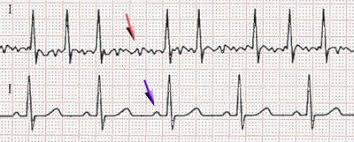
Response: There is a well known association between alcohol intake and atrial fibrillation form population based studies which demonstrate that for every 1 standard drink the incidence of AFib increases by 8%.
This is the first randomised study to determine of alcohol reduction/abstinence leads to a reduction in AFib episodes and time to recurrence.
Dr. Kistler[/caption]
Professor Peter M Kistler MBBS, PhD, FRACP
Head of Clinical Electrophysiology Research
Baker Heart and Diabetes Institute
Head of Electrophysiology at The Alfred hospital
Professor of Medicine
University of Melbourne.
MedicalResearch.com: What is the background for this study?
Response: There is a well known association between alcohol intake and atrial fibrillation form population based studies which demonstrate that for every 1 standard drink the incidence of AFib increases by 8%.
This is the first randomised study to determine of alcohol reduction/abstinence leads to a reduction in AFib episodes and time to recurrence.
 Dr. Guiahi[/caption]
Maryam Guiahi MD, MSc
Associate Professor of Obstetrics and Gynecology
University of Colorado
Denver School of Medicine
MedicalResearch.com: What is the background for this study?
Response: The composition of the U.S health care system is shifting; between 2001 to 2016 the number of Catholic-owned or affiliated health facilities grew by 22% in contrast to the overall number of acute care hospitals that decreased by 6% and the number of other nonprofit religious hospitals that decreased by 38%.
This is relevant as Catholic health care systems enforce religious directives that restrict many aspects of reproductive care and certain aspects of end-of-life care. Yet little is known about the extent to which U.S. patients consider religious affiliation when selecting a health care facility.
Dr. Guiahi[/caption]
Maryam Guiahi MD, MSc
Associate Professor of Obstetrics and Gynecology
University of Colorado
Denver School of Medicine
MedicalResearch.com: What is the background for this study?
Response: The composition of the U.S health care system is shifting; between 2001 to 2016 the number of Catholic-owned or affiliated health facilities grew by 22% in contrast to the overall number of acute care hospitals that decreased by 6% and the number of other nonprofit religious hospitals that decreased by 38%.
This is relevant as Catholic health care systems enforce religious directives that restrict many aspects of reproductive care and certain aspects of end-of-life care. Yet little is known about the extent to which U.S. patients consider religious affiliation when selecting a health care facility.

 Dr. Tardif[/caption]
Jean-Claude Tardif CM, MD, FRCPC, FCCS, FACC, FAHA, FESC, FCAHS
Director, Montrel Heart Institute Research Center
Professor of medicine
Canada Research Chair in translational and personalized medicine
University of Montreal endowed research chair in atherosclerosis
Montreal Heart Institute
MedicalResearch.com: What is the background for this study?
Response: Inflammation appears to play an important role in atherosclerosis. Inhibition of interleukin-1ß by canakinumab reduced the rate of cardiovascular events by 15% CANTOS. In contrast, methotrexate did not affect cardiovascular outcomes or plasma markers of inflammation in CIRT. Colchicine is an inexpensive, orally administered, potent anti-inflammatory medication that has been used for centuries. Colchicine is currently indicated for the management of patients with gout, familial Mediterranean fever and pericarditis. In the LODOCO study, patients with stable coronary disease treated with colchicine 0.5 mg once daily experienced fewer cardiovascular events as compared with those not receiving colchicine. However, that study enrolled only 532 patients and was not placebo-controlled. Because acute coronary syndromes are associated with higher risks of recurrent events and exacerbated inflammation, we conducted the COLchicine Cardiovascular Outcomes Trial (COLCOT) in patients with a recent myocardial infarction to evaluate the effects of colchicine on cardiovascular outcomes and its long-term safety and tolerability.
Dr. Tardif[/caption]
Jean-Claude Tardif CM, MD, FRCPC, FCCS, FACC, FAHA, FESC, FCAHS
Director, Montrel Heart Institute Research Center
Professor of medicine
Canada Research Chair in translational and personalized medicine
University of Montreal endowed research chair in atherosclerosis
Montreal Heart Institute
MedicalResearch.com: What is the background for this study?
Response: Inflammation appears to play an important role in atherosclerosis. Inhibition of interleukin-1ß by canakinumab reduced the rate of cardiovascular events by 15% CANTOS. In contrast, methotrexate did not affect cardiovascular outcomes or plasma markers of inflammation in CIRT. Colchicine is an inexpensive, orally administered, potent anti-inflammatory medication that has been used for centuries. Colchicine is currently indicated for the management of patients with gout, familial Mediterranean fever and pericarditis. In the LODOCO study, patients with stable coronary disease treated with colchicine 0.5 mg once daily experienced fewer cardiovascular events as compared with those not receiving colchicine. However, that study enrolled only 532 patients and was not placebo-controlled. Because acute coronary syndromes are associated with higher risks of recurrent events and exacerbated inflammation, we conducted the COLchicine Cardiovascular Outcomes Trial (COLCOT) in patients with a recent myocardial infarction to evaluate the effects of colchicine on cardiovascular outcomes and its long-term safety and tolerability.
 Dr. Moline[/caption]
Margaret Moline, PhD
Lemborexant International Program Lead and Global Medical Lead
Executive Director, Neurology Business Group
Eisai, Inc.
MedicalResearch.com: What is the background for this study?
This study, called SUNRISE 1, is one of two pivotal Phase 3 studies in the lemborexant clinical development program that supported the recent FDA approval of DAYVIGO (lemborexant).
Dr. Moline[/caption]
Margaret Moline, PhD
Lemborexant International Program Lead and Global Medical Lead
Executive Director, Neurology Business Group
Eisai, Inc.
MedicalResearch.com: What is the background for this study?
This study, called SUNRISE 1, is one of two pivotal Phase 3 studies in the lemborexant clinical development program that supported the recent FDA approval of DAYVIGO (lemborexant).
 Dr. Clarke[/caption]
Robert Clarke MD, FRCP, FFPH, FFPHI, MSc, DCH
Professor of Epidemiology and Public Health Medicine
Clinical Trial Service Unit (CTSU)
Nuffield Department of Population Health
University of Oxford
MedicalResearch.com: What is the background for this study?
Response: Approximately 1 in 2 women and 1 in 5 men aged 50 years or older will suffer from an osteoporotic fracture in their remaining lifetime. Hip fracture is the most serious type of osteoporotic fracture with an approximately 30% risk of death in the year following a hip fracture. Vitamin D is essential for optimal musculoskeletal health by promotion of calcium absorption, and mineralisation of osteoid tissue formation in bone and maintenance of muscle function. Low vitamin D status causes secondary hyperparathyroidism, bone loss and muscle weakness. Observational studies have reported that lower blood concentrations of vitamin D are associated with higher risks of falls and fractures.
Combined supplementation with 800 IU/day vitamin D and 1200 mg/day calcium has been recommended for prevention of fractures in older adults living in institutions and in those with low vitamin D status. However, previous trials and meta-analyses of vitamin D alone, or in combination with calcium for prevention of fracture in either community-dwelling or general population settings reported conflicting results, with some reporting protective effects against fractures, but others demonstrated no beneficial effects. However, most of the previous trials had only limited power to detect differences in risk of fracture predicted by the observational studies, largely because of a combination of small sample size, relatively low equivalent daily doses of vitamin D, intermittent dosing regimens (>1 month), and short duration of follow-up. In addition, interpretation of the results of previous meta-analyses of such trials is complicated by use of variable inclusion criteria, inappropriate statistical methods, inclusion of multiple small trials with very few fracture events, in addition to failure to report achieved differences in blood 25(OH)D concentrations.
We summarised the available evidence to guide clinical practice and future research, by conducting parallel meta-analyses of:
Dr. Clarke[/caption]
Robert Clarke MD, FRCP, FFPH, FFPHI, MSc, DCH
Professor of Epidemiology and Public Health Medicine
Clinical Trial Service Unit (CTSU)
Nuffield Department of Population Health
University of Oxford
MedicalResearch.com: What is the background for this study?
Response: Approximately 1 in 2 women and 1 in 5 men aged 50 years or older will suffer from an osteoporotic fracture in their remaining lifetime. Hip fracture is the most serious type of osteoporotic fracture with an approximately 30% risk of death in the year following a hip fracture. Vitamin D is essential for optimal musculoskeletal health by promotion of calcium absorption, and mineralisation of osteoid tissue formation in bone and maintenance of muscle function. Low vitamin D status causes secondary hyperparathyroidism, bone loss and muscle weakness. Observational studies have reported that lower blood concentrations of vitamin D are associated with higher risks of falls and fractures.
Combined supplementation with 800 IU/day vitamin D and 1200 mg/day calcium has been recommended for prevention of fractures in older adults living in institutions and in those with low vitamin D status. However, previous trials and meta-analyses of vitamin D alone, or in combination with calcium for prevention of fracture in either community-dwelling or general population settings reported conflicting results, with some reporting protective effects against fractures, but others demonstrated no beneficial effects. However, most of the previous trials had only limited power to detect differences in risk of fracture predicted by the observational studies, largely because of a combination of small sample size, relatively low equivalent daily doses of vitamin D, intermittent dosing regimens (>1 month), and short duration of follow-up. In addition, interpretation of the results of previous meta-analyses of such trials is complicated by use of variable inclusion criteria, inappropriate statistical methods, inclusion of multiple small trials with very few fracture events, in addition to failure to report achieved differences in blood 25(OH)D concentrations.
We summarised the available evidence to guide clinical practice and future research, by conducting parallel meta-analyses of:
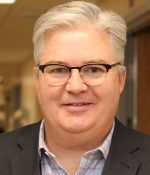 Dr. Devereaux[/caption]
Dr. PJ Devereaux MD, PhD, FRCP(C)
Director of the Division of Cardiology
Scientific Leader
Anesthesiology, Perioperative Medicine, and Surgical Research Group
Population Health Research Institute
McMaster University
MedicalResearch.com: What is the background for this study?
Response: There is an ethical obligation to provide patients with an accurate estimation of the potential benefits of surgery and the potential risks, to facilitate informed decision making about the appropriateness of surgery. There are two common approaches to risk estimation.
First, physicians commonly use clinical risk indices. Based upon a patient’s clinical history (e.g., history of prior heart attack or stroke) an estimate of perioperative risk is determined. Research demonstrates that these clinical risk indices have suboptimal risk discrimination capabilities, and they will underestimate risk in many patients.
The second approach that has commonly been used is to have patients undergo an expensive and time consuming non-invasive cardiac test (e.g., stress nuclear cardiac study). Although these non-invasive cardiac tests can enhance risk estimation in some patients who will have a perioperative cardiac event, these tests more commonly exaggerate risk in patients who will not have a complication.
Dr. Devereaux[/caption]
Dr. PJ Devereaux MD, PhD, FRCP(C)
Director of the Division of Cardiology
Scientific Leader
Anesthesiology, Perioperative Medicine, and Surgical Research Group
Population Health Research Institute
McMaster University
MedicalResearch.com: What is the background for this study?
Response: There is an ethical obligation to provide patients with an accurate estimation of the potential benefits of surgery and the potential risks, to facilitate informed decision making about the appropriateness of surgery. There are two common approaches to risk estimation.
First, physicians commonly use clinical risk indices. Based upon a patient’s clinical history (e.g., history of prior heart attack or stroke) an estimate of perioperative risk is determined. Research demonstrates that these clinical risk indices have suboptimal risk discrimination capabilities, and they will underestimate risk in many patients.
The second approach that has commonly been used is to have patients undergo an expensive and time consuming non-invasive cardiac test (e.g., stress nuclear cardiac study). Although these non-invasive cardiac tests can enhance risk estimation in some patients who will have a perioperative cardiac event, these tests more commonly exaggerate risk in patients who will not have a complication.

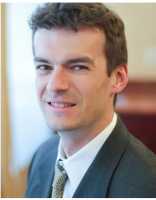 Dr. Sebastian Magda[/caption]
Sebastian Magda, Ph.D
Director of Science & Engineering
CorTechs Labs, Inc
MedicalResearch.com: What is the background for this study?
Response: Previous studies have shown that the changes of brain structure volume and/or metabolic activity are associated with various neurological diseases.
We have created an artificial intelligence clinical decision support tool based on brain volumetric and PET metabolic activity measurements as well as other clinical measurements.
Dr. Sebastian Magda[/caption]
Sebastian Magda, Ph.D
Director of Science & Engineering
CorTechs Labs, Inc
MedicalResearch.com: What is the background for this study?
Response: Previous studies have shown that the changes of brain structure volume and/or metabolic activity are associated with various neurological diseases.
We have created an artificial intelligence clinical decision support tool based on brain volumetric and PET metabolic activity measurements as well as other clinical measurements.
 Dr. Zhang[/caption]
Rugang Zhang, Ph.D
Professor & Co-Leader, Gene Expression & Regulation Program
Deputy Director, The Wistar Institute Cancer Center
MedicalResearch.com: What is the background for this study?
Response: Although the majority of epithelial ovarian cancer (EOC) patients initially respond well to platinum therapy, relapse ultimately occurs, which remains a major challenge in the clinical management of EOC. Substantial evidence suggests that cancer stem-like cells (CSC) contribute to chemotherapy resistance and elimination of CSC prevents the therapeutic relapse including in EOCs. Thus, therapeutic elimination of EOC CSCs represents a promising approach to achieve a durable therapeutic outcome by preventing chemotherapy resistance.
Platinum-based chemotherapies are known to induce senescence that limits the propagation of cells subjected to insults such as cancer chemotherapeutics. In contrast to apoptosis, senescent cells remain viable. Senescent cells secrete a plethora of pro-inflammatory cytokines and chemokines, which is termed senescence-associated secretory phenotype (SASP). Therapy-induced inflammation promotes tumor progression and therapy resistance, and the SASP is known to promote cancer stem-like cells. However, clinically applicable approaches to target stemness associated with therapy-induced senescence remain to be explored.
Dr. Zhang[/caption]
Rugang Zhang, Ph.D
Professor & Co-Leader, Gene Expression & Regulation Program
Deputy Director, The Wistar Institute Cancer Center
MedicalResearch.com: What is the background for this study?
Response: Although the majority of epithelial ovarian cancer (EOC) patients initially respond well to platinum therapy, relapse ultimately occurs, which remains a major challenge in the clinical management of EOC. Substantial evidence suggests that cancer stem-like cells (CSC) contribute to chemotherapy resistance and elimination of CSC prevents the therapeutic relapse including in EOCs. Thus, therapeutic elimination of EOC CSCs represents a promising approach to achieve a durable therapeutic outcome by preventing chemotherapy resistance.
Platinum-based chemotherapies are known to induce senescence that limits the propagation of cells subjected to insults such as cancer chemotherapeutics. In contrast to apoptosis, senescent cells remain viable. Senescent cells secrete a plethora of pro-inflammatory cytokines and chemokines, which is termed senescence-associated secretory phenotype (SASP). Therapy-induced inflammation promotes tumor progression and therapy resistance, and the SASP is known to promote cancer stem-like cells. However, clinically applicable approaches to target stemness associated with therapy-induced senescence remain to be explored.
 Dr. Weidong Luo[/caption]
Dr. Weidong Luo
Principal Scientist
CorTechs Labs
MedicalResearch.com: What is the background for this study?
Response: We were interested in whether or not we can predict the age of the brain accurately from T1 weighted MRI and/or fluorodeoxyglucose (FDG) PET scans using the brain volumetric and the relative metabolic activity. The uptake of FDG is a clinical marker used to measure the uptake of glucose and therefore metabolism.
Also, we were interested in the patterns of the predicted ages for Alzheimer's disease (AD) and minor cognitive impairment (MCI) subjects when using their brain measurements for age prediction in the normal brain age model.
Dr. Weidong Luo[/caption]
Dr. Weidong Luo
Principal Scientist
CorTechs Labs
MedicalResearch.com: What is the background for this study?
Response: We were interested in whether or not we can predict the age of the brain accurately from T1 weighted MRI and/or fluorodeoxyglucose (FDG) PET scans using the brain volumetric and the relative metabolic activity. The uptake of FDG is a clinical marker used to measure the uptake of glucose and therefore metabolism.
Also, we were interested in the patterns of the predicted ages for Alzheimer's disease (AD) and minor cognitive impairment (MCI) subjects when using their brain measurements for age prediction in the normal brain age model.
 Dr. Asim Ahmed MD
co-author of the study
Senior medical director at Karius
MedicalResearch.com: What is the background for this study? Would you briefly explain the basis of the Karius Test?
Response: The Karius Test is a non-invasive blood test that uses next-generation sequencing of microbial cell-free DNA to rapidly detect over 1,400 bacteria, DNA viruses, fungi, and other pathogens. Doctors primarily use the test to detect specific causative pathogens, complicated pneumonia, cardiovascular infections, and infections in immunocompromised hosts.
The Karius Test is transforming how doctors diagnose infectious diseases by helping doctors identify the precise pathogens infecting patients.
The Karius Test offers a higher diagnostic yield and faster time-to-diagnosis than conventional tests - with the potential to eliminate invasive diagnostic procedures like biopsies.
Dr. Asim Ahmed MD
co-author of the study
Senior medical director at Karius
MedicalResearch.com: What is the background for this study? Would you briefly explain the basis of the Karius Test?
Response: The Karius Test is a non-invasive blood test that uses next-generation sequencing of microbial cell-free DNA to rapidly detect over 1,400 bacteria, DNA viruses, fungi, and other pathogens. Doctors primarily use the test to detect specific causative pathogens, complicated pneumonia, cardiovascular infections, and infections in immunocompromised hosts.
The Karius Test is transforming how doctors diagnose infectious diseases by helping doctors identify the precise pathogens infecting patients.
The Karius Test offers a higher diagnostic yield and faster time-to-diagnosis than conventional tests - with the potential to eliminate invasive diagnostic procedures like biopsies.
 Dr. Marti[/caption]
Jennifer L Marti MD FACS
Assistant Professor of Surgery, Breast & Endocrine Surgery
Weill Cornell Medicine, New York, NY
Luc GT Morris MD, Co-senior author
Head & Neck Surgery
MSKCC, New York, NY
MedicalResearch.com: What is the background for this study?
Response: The incidence of thyroid cancer has increased dramatically over the past 3 decades. There is controversy whether this increased incidence is due to increased detection of an existing reservoir of disease, versus a true increase in the occurrence of the disease, due to an environmental carcinogen or other factors (eg obesity).
Dr. Marti[/caption]
Jennifer L Marti MD FACS
Assistant Professor of Surgery, Breast & Endocrine Surgery
Weill Cornell Medicine, New York, NY
Luc GT Morris MD, Co-senior author
Head & Neck Surgery
MSKCC, New York, NY
MedicalResearch.com: What is the background for this study?
Response: The incidence of thyroid cancer has increased dramatically over the past 3 decades. There is controversy whether this increased incidence is due to increased detection of an existing reservoir of disease, versus a true increase in the occurrence of the disease, due to an environmental carcinogen or other factors (eg obesity).