


COVID-19 Updated Data and Projections...
 Dr. Tagarro[/caption]
Dr Alfredo Tagarro MD PhD
Pediatrician - Hospital Universitario Infanta Sofía
Clinical Research - Fundación Investigación Hospital
Assistant Professor - Universidad Europea de Madrid
Madrid
MedicalResearch.com: What is the background for this study?
Response: Madrid is being hit hard by the disease. Almost all doctors, including pediatricians, are dedicated to attending COVID-19 patients, essencially adults. However, there are some moderate and severe cases among children.
In Madrid, clinical pediatricians from 30 hospitals joined their efforts to report and analyze pediatric patients with COVID-19.
Dr. Tagarro[/caption]
Dr Alfredo Tagarro MD PhD
Pediatrician - Hospital Universitario Infanta Sofía
Clinical Research - Fundación Investigación Hospital
Assistant Professor - Universidad Europea de Madrid
Madrid
MedicalResearch.com: What is the background for this study?
Response: Madrid is being hit hard by the disease. Almost all doctors, including pediatricians, are dedicated to attending COVID-19 patients, essencially adults. However, there are some moderate and severe cases among children.
In Madrid, clinical pediatricians from 30 hospitals joined their efforts to report and analyze pediatric patients with COVID-19.
 Dr. Fadini[/caption]
Gian Paolo Fadini, MD PhD
Associate Professor of Endocrinology
Department of Medicine, University of Padova
Venetian Institute of Molecular Medicine
MedicalResearch.com: What is the background for this study?
Response: Since the very beginning of the SARS-CoV-2 pandemic, it was suggested that It has been initially suggested that diabetes mellitus is one of the most common comorbidities in infected people, but its exact prevalence is unclear.
However, exact numbers were uncertain. We have addressed this issue in a study published as a letter in the Journal of Endocrinological Investigation.
Dr. Fadini[/caption]
Gian Paolo Fadini, MD PhD
Associate Professor of Endocrinology
Department of Medicine, University of Padova
Venetian Institute of Molecular Medicine
MedicalResearch.com: What is the background for this study?
Response: Since the very beginning of the SARS-CoV-2 pandemic, it was suggested that It has been initially suggested that diabetes mellitus is one of the most common comorbidities in infected people, but its exact prevalence is unclear.
However, exact numbers were uncertain. We have addressed this issue in a study published as a letter in the Journal of Endocrinological Investigation.
 Dr. Volkow[/caption]
Nora D. Volkow, MD
Director of the National Institute on Drug Abuse
National Institutes of Health
Bethesda, MD
MedicalResearch.com: What is the background for this study? How does vaping, hookah use, inhaled marijuana, smoking etc impact the risk of coronavirus infection? Could these activities account for some the risks and infections in younger individuals?
Response: Apart from older age, having underlying cardiopulmonary conditions is a known risk factor for the worst clinical course and outcomes of COVID-19, and many of those conditions are known to be caused or exacerbated by smoking. While evidence continues to emerge about how smoking might interact with COVID-19, it is a reasonable assumption that smoking could contribute to risk even in younger individuals.
We still don’t know how vaping—whether of nicotine or marijuana or just flavorings—contributes to the risk of infection or illness severity with the virus that causes COVID-19, but there are a number of reasons to be concerned. We have already seen lung illnesses caused by some vaping products, and evidence suggests vaping may disrupt lung epithelial cell function, which in turn increases viral susceptibility and may put individuals at increased risk of infection with the virus that causes COVID-19 or with more severe disease outcomes. Vaping is a relatively new technology, and as such, there are many unknowns. The rapid increases in vaping by young people over the last few years make this an area of concern, and thus an area where more research is urgently needed.
Dr. Volkow[/caption]
Nora D. Volkow, MD
Director of the National Institute on Drug Abuse
National Institutes of Health
Bethesda, MD
MedicalResearch.com: What is the background for this study? How does vaping, hookah use, inhaled marijuana, smoking etc impact the risk of coronavirus infection? Could these activities account for some the risks and infections in younger individuals?
Response: Apart from older age, having underlying cardiopulmonary conditions is a known risk factor for the worst clinical course and outcomes of COVID-19, and many of those conditions are known to be caused or exacerbated by smoking. While evidence continues to emerge about how smoking might interact with COVID-19, it is a reasonable assumption that smoking could contribute to risk even in younger individuals.
We still don’t know how vaping—whether of nicotine or marijuana or just flavorings—contributes to the risk of infection or illness severity with the virus that causes COVID-19, but there are a number of reasons to be concerned. We have already seen lung illnesses caused by some vaping products, and evidence suggests vaping may disrupt lung epithelial cell function, which in turn increases viral susceptibility and may put individuals at increased risk of infection with the virus that causes COVID-19 or with more severe disease outcomes. Vaping is a relatively new technology, and as such, there are many unknowns. The rapid increases in vaping by young people over the last few years make this an area of concern, and thus an area where more research is urgently needed.

 Abby Hoffman[/caption]
Abby Hoffman, BA is a Pre-Doctoral Fellow in Population Health Sciences at Duke University and a PhD Candidate in Health Policy and Management
University of North Carolina at Chapel Hill.
[caption id="attachment_53850" align="alignleft" width="117"]
Abby Hoffman[/caption]
Abby Hoffman, BA is a Pre-Doctoral Fellow in Population Health Sciences at Duke University and a PhD Candidate in Health Policy and Management
University of North Carolina at Chapel Hill.
[caption id="attachment_53850" align="alignleft" width="117"] Dr. Virginia Wang[/caption]
Virginia Wang, PhD, MSPH is an Associate Professor in the Department of Population Health Sciences, Associate Director of the Center for Health Innovation and Outcomes Research, and Core Faculty in the
Margolis Center for Health Policy at Duke University and Investigator at the Durham VA HSR&D Center of Innovation to Accelerate Discovery and Practice Transformation (ADAPT).
MedicalResearch.com: What is the background for this study?
Response: It is well established that healthcare providers are sensitive to changes in price, though their behavioral response varies. Dialysis facilities are particularly responsive to changes in Medicare reimbursement. Many dialysis patients are eligible for Medicare regardless of age, but dialysis facilities generally receive significantly higher reimbursement from private insurers than from Medicare.
In 2011, Medicare implemented a new prospective bundled payment for dialysis that was expected to decrease Medicare payment and reduce overall revenues flowing into facilities. Then the Affordable Care Act (ACA) rules against refusing to insure patients for preexisting conditions and the 2014 ACA Marketplace provided an additional avenue for patients to purchase private insurance. As a result of these policies, dialysis facilities had a strong motivation and opportunity to increase the share of patients with private insurance coverage.
We were interested in understanding whether dialysis facilities were shifting their payer mix away from Medicare, possibly in response to these policy changes.
Dr. Virginia Wang[/caption]
Virginia Wang, PhD, MSPH is an Associate Professor in the Department of Population Health Sciences, Associate Director of the Center for Health Innovation and Outcomes Research, and Core Faculty in the
Margolis Center for Health Policy at Duke University and Investigator at the Durham VA HSR&D Center of Innovation to Accelerate Discovery and Practice Transformation (ADAPT).
MedicalResearch.com: What is the background for this study?
Response: It is well established that healthcare providers are sensitive to changes in price, though their behavioral response varies. Dialysis facilities are particularly responsive to changes in Medicare reimbursement. Many dialysis patients are eligible for Medicare regardless of age, but dialysis facilities generally receive significantly higher reimbursement from private insurers than from Medicare.
In 2011, Medicare implemented a new prospective bundled payment for dialysis that was expected to decrease Medicare payment and reduce overall revenues flowing into facilities. Then the Affordable Care Act (ACA) rules against refusing to insure patients for preexisting conditions and the 2014 ACA Marketplace provided an additional avenue for patients to purchase private insurance. As a result of these policies, dialysis facilities had a strong motivation and opportunity to increase the share of patients with private insurance coverage.
We were interested in understanding whether dialysis facilities were shifting their payer mix away from Medicare, possibly in response to these policy changes.
 Dr. Galsky[/caption]
Matthew Galsky, MD
Icahn School of Medicine at Mount Sinai
New York, NY
MedicalResearch.com: What is the background for this study? Would you explain what is meant by switch maintenance immunotherapy?
Response: For decades, platinum-based chemotherapy has been standard first-line treatment for metastatic urothelial (bladder) cancer. The standard approach to first-line chemotherapy is to administered approximately 6 cycles of treatment (in the absence of disease progression or prohibitive side effects), and then to stop treatment and monitor. Unfortunately, virtually all patients with metastatic disease will experience disease progression after stopping chemotherapy. However, we know that if we just continue the same platinum-based chemotherapy until progression of cancer (rather than stopping after ~6 cycles), the side effects continue to accumulate but the benefits plateau.
Approximately 5 years ago, the first new systemic therapies were approved to treatment metastatic urothelial cancer in decades, immune checkpoint inhibitors (PD-1 or PD-L1 inhibitors). In fact, 5 PD-1/PD-L1 inhibitors have been approved by the FDA for the treatment of patients with metastatic urothelial cancer progressing despite prior platinum-based chemotherapy. Given that these drugs are non-cross resistant with chemotherapy in at least a subset of patients (i.e., they can provide benefit even when chemotherapy is no longer working), and because they are well tolerated by a large proportion of patients, a logical question is rather than waiting until cancer progresses after stopping first-line chemotherapy, what if we started immunotherapy immediately. Switch maintenance refers to switching from chemotherapy to a different class of drug (e.g., immunotherapy) and maintenance refers to trying to "maintain" the response achieved with initial chemotherapy.
Dr. Galsky[/caption]
Matthew Galsky, MD
Icahn School of Medicine at Mount Sinai
New York, NY
MedicalResearch.com: What is the background for this study? Would you explain what is meant by switch maintenance immunotherapy?
Response: For decades, platinum-based chemotherapy has been standard first-line treatment for metastatic urothelial (bladder) cancer. The standard approach to first-line chemotherapy is to administered approximately 6 cycles of treatment (in the absence of disease progression or prohibitive side effects), and then to stop treatment and monitor. Unfortunately, virtually all patients with metastatic disease will experience disease progression after stopping chemotherapy. However, we know that if we just continue the same platinum-based chemotherapy until progression of cancer (rather than stopping after ~6 cycles), the side effects continue to accumulate but the benefits plateau.
Approximately 5 years ago, the first new systemic therapies were approved to treatment metastatic urothelial cancer in decades, immune checkpoint inhibitors (PD-1 or PD-L1 inhibitors). In fact, 5 PD-1/PD-L1 inhibitors have been approved by the FDA for the treatment of patients with metastatic urothelial cancer progressing despite prior platinum-based chemotherapy. Given that these drugs are non-cross resistant with chemotherapy in at least a subset of patients (i.e., they can provide benefit even when chemotherapy is no longer working), and because they are well tolerated by a large proportion of patients, a logical question is rather than waiting until cancer progresses after stopping first-line chemotherapy, what if we started immunotherapy immediately. Switch maintenance refers to switching from chemotherapy to a different class of drug (e.g., immunotherapy) and maintenance refers to trying to "maintain" the response achieved with initial chemotherapy.
 Dr. Bahji[/caption]
Anees Bahji, MD
PGY5, Department of Psychiatry, Queen’s University
M.Sc. Candidate, Department of Public Health Sciences,
Queen’s University
Kingston, ON, Canada
MedicalResearch.com: What is the background for this study?
Dr. Bahji[/caption]
Anees Bahji, MD
PGY5, Department of Psychiatry, Queen’s University
M.Sc. Candidate, Department of Public Health Sciences,
Queen’s University
Kingston, ON, Canada
MedicalResearch.com: What is the background for this study?

 Dr. Monto[/caption]
Arnold S. Monto, M.D.
Professor, Epidemiology
Professor, Global Public Health
Thomas Francis, Jr. Collegiate Professor of Public Health
University of Michigan
MedicalResearch.com: What is the background for this study?
Response: This is part of a continuing study in families first designed to examine how influenza vaccine is working in the community We have expanded it to look broadly at all respiratory viruses
There are 4 coronaviruses which are known to cause respiratory illnesses each year and we had these data ready to go when the pandemic started.
Dr. Monto[/caption]
Arnold S. Monto, M.D.
Professor, Epidemiology
Professor, Global Public Health
Thomas Francis, Jr. Collegiate Professor of Public Health
University of Michigan
MedicalResearch.com: What is the background for this study?
Response: This is part of a continuing study in families first designed to examine how influenza vaccine is working in the community We have expanded it to look broadly at all respiratory viruses
There are 4 coronaviruses which are known to cause respiratory illnesses each year and we had these data ready to go when the pandemic started.
 Leeann Mahlo[/caption]
Leeann Mahlo
Registered Psychologist
PhD (Clinical Psychology) Candidate
College of Education, Psychology and Social Work
Flinders University
MedicalResearch.com: What is the background for this study?
Response: Mindfulness can be instrumental in reducing stress and promoting positive psychological outcomes. However, few studies have considered the positive effects of mindfulness on psychological functioning from a lifespan perspective.
Our research aimed to examine the role of age in the relationships between specific aspects of mindfulness and psychological flexibility and well-being.
Leeann Mahlo[/caption]
Leeann Mahlo
Registered Psychologist
PhD (Clinical Psychology) Candidate
College of Education, Psychology and Social Work
Flinders University
MedicalResearch.com: What is the background for this study?
Response: Mindfulness can be instrumental in reducing stress and promoting positive psychological outcomes. However, few studies have considered the positive effects of mindfulness on psychological functioning from a lifespan perspective.
Our research aimed to examine the role of age in the relationships between specific aspects of mindfulness and psychological flexibility and well-being.

 Dr. Ehsani[/caption]
Johnathon P. Ehsani, PhD
Assistant Professor
Johns Hopkins School of Public Health
MedicalResearch.com: What is the background for this study?
Response: Car crashes are the leading cause of death and disability for young people. So, what can parents do during the learner stage of licensing to reduce their teenagers’ crash risk during independent driving? The learner stage is a brief window of opportunity to influence the safety of their teenager. This is when teenagers are required to practice driving under the supervision of a licensed adult – typically mom or dad. Once teenagers get their license to start driving on their own, their crash risk increases - but parents have fewer chances to intervene at that point.
Dr. Ehsani[/caption]
Johnathon P. Ehsani, PhD
Assistant Professor
Johns Hopkins School of Public Health
MedicalResearch.com: What is the background for this study?
Response: Car crashes are the leading cause of death and disability for young people. So, what can parents do during the learner stage of licensing to reduce their teenagers’ crash risk during independent driving? The learner stage is a brief window of opportunity to influence the safety of their teenager. This is when teenagers are required to practice driving under the supervision of a licensed adult – typically mom or dad. Once teenagers get their license to start driving on their own, their crash risk increases - but parents have fewer chances to intervene at that point.
 Dr. McCray[/caption]
Paul B. McCray, Jr., M.D.
Professor of Pediatrics, Microbiology, and Internal Medicine
Executive Vice Chair of Pediatrics
Associate Director: Center for Gene Therapy
Roy J. Carver Chair in Pulmonary Medicine
Pappajohn Biomedical Institute
Carver College of Medicine
University of Iowa, Iowa City, IA 52242
MedicalResearch.com: What is the background for this study?
Response: In the face of the COVID-19 pandemic, there is great interest in developing a vaccine that could help protect people from infection with SARS-CoV-2. Over the last 15 years, my laboratory has helped develop small animal models of the severe coronavirus diseases SARS and MERS to study disease pathogenesis and to test treatments. In this study, we used a mouse model of the MERS coronavirus to test a vaccine idea in collaboration with Dr. Biao He at the University of Georgia.
Dr. McCray[/caption]
Paul B. McCray, Jr., M.D.
Professor of Pediatrics, Microbiology, and Internal Medicine
Executive Vice Chair of Pediatrics
Associate Director: Center for Gene Therapy
Roy J. Carver Chair in Pulmonary Medicine
Pappajohn Biomedical Institute
Carver College of Medicine
University of Iowa, Iowa City, IA 52242
MedicalResearch.com: What is the background for this study?
Response: In the face of the COVID-19 pandemic, there is great interest in developing a vaccine that could help protect people from infection with SARS-CoV-2. Over the last 15 years, my laboratory has helped develop small animal models of the severe coronavirus diseases SARS and MERS to study disease pathogenesis and to test treatments. In this study, we used a mouse model of the MERS coronavirus to test a vaccine idea in collaboration with Dr. Biao He at the University of Georgia.
![MedicalResearch.com Interview with: Melissa Bondy, PhD Chair, Department of Epidemiology and Population Health Stanford University MedicalResearch.com: What is the background for this study? Response: Faculty researchers in Stanford’s Department of Epidemiology & Population Health and collaborators from Baylor College of Medicine and Stanford’s Department of Dermatology developed an online survey aimed at rapidly assessing public concerns about the COVID-19 crisis. This survey, which was posted on 3 social media platforms (Twitter, Facebook, and Nextdoor) on March 14, 2020, collected invaluable data about COVID-19, including symptoms, concerns, and individual actions taken by respondents. Twitter and Facebook posts were sharable to facilitate snowball sampling. The survey was comprised of 21 (multiple-choice, single-choice, numeric, and open-ended) questions, which were designed to collect data concerning respondent demographics and recent cold and flu-like illnesses (if any), as well as information about participants’ concerns and any lifestyle changes that occurred as a result of the COVID-19 crisis. All questions were optional, so response rates were variable. MedicalResearch.com: What are the main findings? Response: 9009 surveys were completed within a 48 hour period, between March 14 and 16. A majority were very or extremely concerns about COVID-19, though concern varied by age. Most respondents reported making lifestyle changes in response to COVID-19. The most common changes were more hand washing, avoiding social gatherings, and stockpiling food and supplies. About half of respondents were self-isolating most of the time before shelter-in-place orders, and leaving the house only to buy food and essentials. Respondents who were not self-isolating all of the time, before the shelter-in-place order, most commonly listed not being able to afford missing work as the reason. The top concerns reported by survey participants were getting sick because of COVID-19 and not being able to get medical care. The most common difficulties reported were obtaining hand sanitizer, food, and childcare. MedicalResearch.com: What should readers take away from your report? Response: This convenience sample survey distributed in mid-March 2020 across 3 social media platforms reflect respondents’ serious concerns about COVID-19. They were preparing for the crisis by washing hands, isolating at home, and practicing social distancing to the best of their abilities. Levels of concern about COVID-19 varied by age groups. Participants expressed the most common difficulties included getting sanitizer or food, arranging childcare, and lost wages or reduced working hours. MedicalResearch.com: What recommendations do you have for future research as a result of this work? Response: Groups who are generally known to be underrepresented in social media, particularly men and older individuals, were underrepresented among survey participants. Few respondents reported concerns about their employment, but the study did not collect information about participants’ socioeconomic status (and was likely high). Our future work will expand geographic representation among survey respondents, with greater focus on longitudinal trends on the health, financial, and social concerns in the United States regarding the COVID-19 pandemic. No disclosures or conflicts of interest. Citation: Nelson LM, Simard JF, Oluyomi A, et al. US Public Concerns About the COVID-19 Pandemic From Results of a Survey Given via Social Media. JAMA Intern Med. Published online April 07, 2020. doi:10.1001/jamainternmed.2020.1369 https://jamanetwork.com/journals/jamainternalmedicine/fullarticle/2764368?guestAccessKey=cd7f419d-b177-44d2-86b2-c3e0254b3152&utm_source=For_The_Media&utm_medium=referral&utm_campaign=ftm_links&utm_content=tfl&utm_term=040720 [subscribe] Last Modified: [last-modified] The information on MedicalResearch.com is provided for educational purposes only, and is in no way intended to diagnose, cure, or treat any medical or other condition. Always seek the advice of your physician or other qualified health and ask your doctor any questions you may have regarding a medical condition. In addition to all other limitations and disclaimers in this agreement, service provider and its third party providers disclaim any liability or loss in connection with the content provided on this website.](https://medicalresearch.com/wp-content/uploads/2020/04/Melissa-Bondy.jpg) Dr. Bondy[/caption]Melissa Bondy, PhD
Chair, Department of Epidemiology and Population Health
Stanford University
MedicalResearch.com: What is the background for this study?
Response: Faculty researchers in Stanford’s Department of Epidemiology & Population Health and collaborators from Baylor College of Medicine and Stanford’s Department of Dermatology developed an online survey aimed at rapidly assessing public concerns about the COVID-19 crisis. This survey, which was posted on 3 social media platforms (Twitter, Facebook, and Nextdoor) on March 14, 2020, collected invaluable data about COVID-19, including symptoms, concerns, and individual actions taken by respondents. Twitter and Facebook posts were sharable to facilitate snowball sampling.
The survey was comprised of 21 (multiple-choice, single-choice, numeric, and open-ended) questions, which were designed to collect data concerning respondent demographics and recent cold and flu-like illnesses (if any), as well as information about participants’ concerns and any lifestyle changes that occurred as a result of the COVID-19 crisis. All questions were optional, so response rates were variable.
Dr. Bondy[/caption]Melissa Bondy, PhD
Chair, Department of Epidemiology and Population Health
Stanford University
MedicalResearch.com: What is the background for this study?
Response: Faculty researchers in Stanford’s Department of Epidemiology & Population Health and collaborators from Baylor College of Medicine and Stanford’s Department of Dermatology developed an online survey aimed at rapidly assessing public concerns about the COVID-19 crisis. This survey, which was posted on 3 social media platforms (Twitter, Facebook, and Nextdoor) on March 14, 2020, collected invaluable data about COVID-19, including symptoms, concerns, and individual actions taken by respondents. Twitter and Facebook posts were sharable to facilitate snowball sampling.
The survey was comprised of 21 (multiple-choice, single-choice, numeric, and open-ended) questions, which were designed to collect data concerning respondent demographics and recent cold and flu-like illnesses (if any), as well as information about participants’ concerns and any lifestyle changes that occurred as a result of the COVID-19 crisis. All questions were optional, so response rates were variable.
 MedicalResearch.com: What are the applicable pediatric and post-exposure indications?
Response: We recently announced that the U.S. FDA has accepted a New Drug Application (NDA) as well as two supplemental New Drug Applications (sNDA) for Xofluza® (baloxavir marboxil). The FDA accepted an NDA for a new formulation of Xofluza as one-dose granules for oral suspension (2 mg/mL), potentially offering a more convenient option for children and those who have difficulty swallowing. In addition, the application seeks approval of Xofluza for the treatment of acute uncomplicated influenza in otherwise healthy children aged one to less than 12 years of age who have been symptomatic for no more than 48 hours.
The FDA also accepted an sNDA for post-exposure prophylaxis of influenza in people one year of age and older for both the oral suspension and currently-available tablet formulation.
MedicalResearch.com: What are the applicable pediatric and post-exposure indications?
Response: We recently announced that the U.S. FDA has accepted a New Drug Application (NDA) as well as two supplemental New Drug Applications (sNDA) for Xofluza® (baloxavir marboxil). The FDA accepted an NDA for a new formulation of Xofluza as one-dose granules for oral suspension (2 mg/mL), potentially offering a more convenient option for children and those who have difficulty swallowing. In addition, the application seeks approval of Xofluza for the treatment of acute uncomplicated influenza in otherwise healthy children aged one to less than 12 years of age who have been symptomatic for no more than 48 hours.
The FDA also accepted an sNDA for post-exposure prophylaxis of influenza in people one year of age and older for both the oral suspension and currently-available tablet formulation.
Main findings are neither surgical mask nor cotton mask effectively filtered SARS-CoV-2 from the coughs of patients with mild-to-moderate degrees of COVID-19....
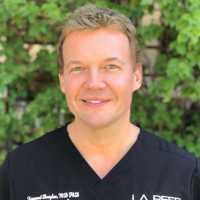 Dr. Douglas[/caption]
Dr. Raymond Douglas MD PhD
Board Certified Oculoplastic Surgeon
Beverly Hills, CA
MedicalResearch.com: What is the background for this study? Would you briefly explain what is meant by proptosis? How does teprotumumab work?
Response: This study provides pooled efficacy data from the Phase 2 and 3 clinical trials of teprotumumab showing that the recently FDA-approved medicine effectively reduces proptosis, also known as eye bulging, in patients with Thyroid Eye Disease (TED) regardless of age, gender and smoking status. Proptosis is one of the most debilitating symptoms of TED, especially given the accompanying pain, vision impairment and emotional distress.
Teprotumumab is a fully human monoclonal antibody and a targeted inhibitor of the IGF-1 receptor. In patients with Thyroid Eye Disease, the IGF-1 receptor is overexpressed on orbital tissues and when activated, causes inflammation and enlargement of ocular muscles, expansion of orbital tissue and fat and forward displacement of the eye, resulting in eye bulging. The proteins in teprotumumab target and bind to the IGF-1 receptor and inhibit its function, thereby reducing inflammation, preventing tissue expansion behind the eye, and preventing muscle and fat tissue remodeling. Based on this mechanism of action, it is believed that teprotumumab addresses the underlying biology of the disease.
Dr. Douglas[/caption]
Dr. Raymond Douglas MD PhD
Board Certified Oculoplastic Surgeon
Beverly Hills, CA
MedicalResearch.com: What is the background for this study? Would you briefly explain what is meant by proptosis? How does teprotumumab work?
Response: This study provides pooled efficacy data from the Phase 2 and 3 clinical trials of teprotumumab showing that the recently FDA-approved medicine effectively reduces proptosis, also known as eye bulging, in patients with Thyroid Eye Disease (TED) regardless of age, gender and smoking status. Proptosis is one of the most debilitating symptoms of TED, especially given the accompanying pain, vision impairment and emotional distress.
Teprotumumab is a fully human monoclonal antibody and a targeted inhibitor of the IGF-1 receptor. In patients with Thyroid Eye Disease, the IGF-1 receptor is overexpressed on orbital tissues and when activated, causes inflammation and enlargement of ocular muscles, expansion of orbital tissue and fat and forward displacement of the eye, resulting in eye bulging. The proteins in teprotumumab target and bind to the IGF-1 receptor and inhibit its function, thereby reducing inflammation, preventing tissue expansion behind the eye, and preventing muscle and fat tissue remodeling. Based on this mechanism of action, it is believed that teprotumumab addresses the underlying biology of the disease.
 Dr. Gefen[/caption]
Amit Gefen PhD
Professor of Biomedical Engineering
The Herbert J. Berman Chair in Vascular Bioengineering
Department of Biomedical Engineering, Faculty of Engineering
Tel Aviv University, Tel Aviv, Israel
MedicalResearch.com: What is the background for this study?
Response: Although we are witnessing continuous progress in medical technologies, the design of many of the most commonly used medical devices e.g. oxygen masks or cervical collars has changed very little over a period of decades. Not surprisingly, these devices are also the ones which are frequently associated with device-related pressure ulcers (DRPUs). These DRPUs are frequently a hospital-acquired injury which involves risk of infections (including e.g. sepsis and antibiotic-resistant bacteria), scarring with serious psychological consequences, additional and significant healthcare costs and a basis for liability suits and litigation. The problem is massive in Europe and the US and is most frequently encountered in clinical environments where devices are used intensively, such as in operation theatres, intensive care units and emergency care settings (in both adult and pediatric medicine), but also, in elderly care facilities where patients often have fragile skin. With the current pandemic spread of the coronavirus, facilities worldwide are experiencing a considerable rise in usage of emergency and intensive care equipment, which will very likely considerably escalate the incidence of DRPUs.
Early in 2019, a committee of global experts which I have chaired, has met for two days of intensive deliberation in London UK, to start developing the first-ever international consensus document on device-related pressure ulcers . After a rigorous review process by an international review committee of other experts, this consensus report has been published as a Special Edition of the Journal of Wound Care in February 2019 (https://doi.org/10.12968/jowc.2020.29.Sup2a.S1), under the name "Device-related pressure ulcers: SECURE prevention". The publisher has kindly made this publication freely downloadable and thereby accessible and available to anyone, including all professionals who may need guidance in this regard, including clinicians, industry, regulators and academic researches.
Dr. Gefen[/caption]
Amit Gefen PhD
Professor of Biomedical Engineering
The Herbert J. Berman Chair in Vascular Bioengineering
Department of Biomedical Engineering, Faculty of Engineering
Tel Aviv University, Tel Aviv, Israel
MedicalResearch.com: What is the background for this study?
Response: Although we are witnessing continuous progress in medical technologies, the design of many of the most commonly used medical devices e.g. oxygen masks or cervical collars has changed very little over a period of decades. Not surprisingly, these devices are also the ones which are frequently associated with device-related pressure ulcers (DRPUs). These DRPUs are frequently a hospital-acquired injury which involves risk of infections (including e.g. sepsis and antibiotic-resistant bacteria), scarring with serious psychological consequences, additional and significant healthcare costs and a basis for liability suits and litigation. The problem is massive in Europe and the US and is most frequently encountered in clinical environments where devices are used intensively, such as in operation theatres, intensive care units and emergency care settings (in both adult and pediatric medicine), but also, in elderly care facilities where patients often have fragile skin. With the current pandemic spread of the coronavirus, facilities worldwide are experiencing a considerable rise in usage of emergency and intensive care equipment, which will very likely considerably escalate the incidence of DRPUs.
Early in 2019, a committee of global experts which I have chaired, has met for two days of intensive deliberation in London UK, to start developing the first-ever international consensus document on device-related pressure ulcers . After a rigorous review process by an international review committee of other experts, this consensus report has been published as a Special Edition of the Journal of Wound Care in February 2019 (https://doi.org/10.12968/jowc.2020.29.Sup2a.S1), under the name "Device-related pressure ulcers: SECURE prevention". The publisher has kindly made this publication freely downloadable and thereby accessible and available to anyone, including all professionals who may need guidance in this regard, including clinicians, industry, regulators and academic researches.
 Aurika Savickaite[/caption]
Aurika Savickaite RN
Adult Gerontology Acute Care Nurse Practitioner
Bulletproof Coach
University of Chicago Medicine
MedicalResearch.com: Would you briefly explain what is meant by helmet-based ventilation? How does it work?
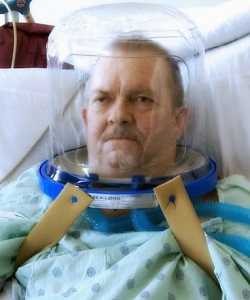
Response: For patients in respiratory failure, noninvasive positive pressure ventilation (NIPPV) is usually delivered through a nasal mask or facemask. Many patients develop pain, discomfort – even claustrophobia -- from using NIPPV systems. The transparent helmet was developed to improve the tolerance of noninvasive ventilation. It allows the patient to see, read, speak and drink without interrupting noninvasive positive-pressure ventilation (NPPV).
The helmet has a sealed connection and a soft collar that adheres to the neck which helps prevent the air leaks that are very common with nasal- or face masks. High positive end-expiratory pressure (PEEP) is vital in treating patients in respiratory failure and thanks to helmets “none to minimum air leak” system, PEEP can be set high (up to 25). NIPPV via a nasal- or full-face mask typically begins to show air leaks when the required pressure exceeds 15-20cm H2O.
Aurika Savickaite[/caption]
Aurika Savickaite RN
Adult Gerontology Acute Care Nurse Practitioner
Bulletproof Coach
University of Chicago Medicine
MedicalResearch.com: Would you briefly explain what is meant by helmet-based ventilation? How does it work?
Response: For patients in respiratory failure, noninvasive positive pressure ventilation (NIPPV) is usually delivered through a nasal mask or facemask. Many patients develop pain, discomfort – even claustrophobia -- from using NIPPV systems. The transparent helmet was developed to improve the tolerance of noninvasive ventilation. It allows the patient to see, read, speak and drink without interrupting noninvasive positive-pressure ventilation (NPPV).
The helmet has a sealed connection and a soft collar that adheres to the neck which helps prevent the air leaks that are very common with nasal- or face masks. High positive end-expiratory pressure (PEEP) is vital in treating patients in respiratory failure and thanks to helmets “none to minimum air leak” system, PEEP can be set high (up to 25). NIPPV via a nasal- or full-face mask typically begins to show air leaks when the required pressure exceeds 15-20cm H2O.

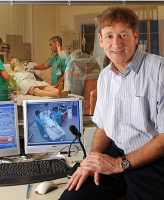 Prof. Amitai Ziv[/caption]
Prof. Amitai Ziv, MD, MHA
Deputy Director of Sheba Medical Center
Founder and Director, The Israel Center for Medical Simulation
MedicalResearch.com: Would you briefly describe the mission/history of Sheba Medical Center?
Response: Born together with Israel in 1948, Sheba Medical Center, Tel HaShomer is the largest and most comprehensive medical center in the Middle East. Sheba is the only medical center in Israel that combines an acute care hospital and a rehabilitation hospital on one campus, and it is at the forefront of medical treatments, patient care, research and education. As a university teaching hospital affiliated with the Sackler School of Medicine at Tel-Aviv University, it welcomes people from all over the world indiscriminately. For the past two years (2019 and 2020), Newsweek Magazine has named Sheba one of the top ten hospitals in the world.
MSR, the Israel Center for Medical Simulation at Sheba Medical Center, is the country’s only national multi-modality, interdisciplinary simulation center. Through MSR’s training courses, which can include sophisticated robotics, surgical simulators and role-playing actors, healthcare providers effectively improve their clinical and communication skills, creating a safer, more ethical, patient-centered culture of treatment.
Prof. Amitai Ziv[/caption]
Prof. Amitai Ziv, MD, MHA
Deputy Director of Sheba Medical Center
Founder and Director, The Israel Center for Medical Simulation
MedicalResearch.com: Would you briefly describe the mission/history of Sheba Medical Center?
Response: Born together with Israel in 1948, Sheba Medical Center, Tel HaShomer is the largest and most comprehensive medical center in the Middle East. Sheba is the only medical center in Israel that combines an acute care hospital and a rehabilitation hospital on one campus, and it is at the forefront of medical treatments, patient care, research and education. As a university teaching hospital affiliated with the Sackler School of Medicine at Tel-Aviv University, it welcomes people from all over the world indiscriminately. For the past two years (2019 and 2020), Newsweek Magazine has named Sheba one of the top ten hospitals in the world.
MSR, the Israel Center for Medical Simulation at Sheba Medical Center, is the country’s only national multi-modality, interdisciplinary simulation center. Through MSR’s training courses, which can include sophisticated robotics, surgical simulators and role-playing actors, healthcare providers effectively improve their clinical and communication skills, creating a safer, more ethical, patient-centered culture of treatment.
 Dr. Jung Im Na[/caption]
Jung-Im Na, MD PhD
Associate Professor, Department of Dermatology
Seoul National University Bundang Hospital
Korea
MedicalResearch.com: What is the background for this study? Would you briefly explain what is meant by a convolutional neural network?
Response: When a very young child looks at a picture, she can easily identify cats and dogs, however, even the most advanced computers had struggled at this task until recently.
Computers began to “see” with the recent advancement of Deep Learning techniques. Deep Learning is a machine learning technique that teaches computers to learn from raw data. Most deep learning methods use artificial neural network architectures, imitating human brain, and convolutional neural networks (CNN) is a particular type of deep learning architecture, imitating the visual cortex. CNN is especially powerful for recognizing images. CNN exploit the information contained in image datasets to automatically learn features and patterns.
Dr. Jung Im Na[/caption]
Jung-Im Na, MD PhD
Associate Professor, Department of Dermatology
Seoul National University Bundang Hospital
Korea
MedicalResearch.com: What is the background for this study? Would you briefly explain what is meant by a convolutional neural network?
Response: When a very young child looks at a picture, she can easily identify cats and dogs, however, even the most advanced computers had struggled at this task until recently.
Computers began to “see” with the recent advancement of Deep Learning techniques. Deep Learning is a machine learning technique that teaches computers to learn from raw data. Most deep learning methods use artificial neural network architectures, imitating human brain, and convolutional neural networks (CNN) is a particular type of deep learning architecture, imitating the visual cortex. CNN is especially powerful for recognizing images. CNN exploit the information contained in image datasets to automatically learn features and patterns.
 Dr. Schlesinger[/caption]
Dr. Larry Schlesinger MD
Professor, President and CEO
Texas Biomed
MedicalResearch.com: What is the background and mission of Texas Biomed?
Response: Texas Biomedical Research Institute (Texas Biomed) is a not-for-profit, independent research institute with a strong history of pioneering, biomedical breakthroughs that have contributed to the world of science and human health for nearly 80 years. The Texas Biomed mission is to pioneer and share scientific breakthroughs that protect you, your families and our global community from the threat of infectious diseases. Texas Biomed is capitalizing on its strengths – outstanding collaborative scientists and unique assets and resources. Texas Biomed is home to the nation’s only privately-owned BSL4 facility, five fully outfitted BSL3 facilities with the latest technologies and the Southwest National Primate Research Center (SNPRC). The Institute focuses on a core understanding of the basic biology of infectious diseases, animal model development, and studies to move therapies and vaccines to human clinical trials. The Institute’s independent, nonprofit business model moves science from the bench to clinical trials faster and with less bureaucracy.
Dr. Schlesinger[/caption]
Dr. Larry Schlesinger MD
Professor, President and CEO
Texas Biomed
MedicalResearch.com: What is the background and mission of Texas Biomed?
Response: Texas Biomedical Research Institute (Texas Biomed) is a not-for-profit, independent research institute with a strong history of pioneering, biomedical breakthroughs that have contributed to the world of science and human health for nearly 80 years. The Texas Biomed mission is to pioneer and share scientific breakthroughs that protect you, your families and our global community from the threat of infectious diseases. Texas Biomed is capitalizing on its strengths – outstanding collaborative scientists and unique assets and resources. Texas Biomed is home to the nation’s only privately-owned BSL4 facility, five fully outfitted BSL3 facilities with the latest technologies and the Southwest National Primate Research Center (SNPRC). The Institute focuses on a core understanding of the basic biology of infectious diseases, animal model development, and studies to move therapies and vaccines to human clinical trials. The Institute’s independent, nonprofit business model moves science from the bench to clinical trials faster and with less bureaucracy.

This could be of special relevance during the current COVID-19 pandemic. This is because many patients who have already undergone breast-conserving surgery may have to wait for many weeks, or even longer, for their post-operative external-beam radiotherapy...

 Dr. Hongcui Cao[/caption]
Hongcui Cao, M.D.
State Key Laboratory for the Diagnosis and Treatment of Infectious Diseases
National Clinical Research Center for Infectious Diseases
The First Affiliated Hospital
College of Medicine, Zhejiang University
Hangzhou, China
MedicalResearch.com: What is the background for this study?
Response: The proportion of severe novel coronavirus disease (COVID-19) cases has dropped significantly. Specifically, this number has decreased from 32.4% on January 28 to 21.6% in Wuhan and to 7.2% in other provinces of China on February. Measures such as strengthened medical support and centralized isolation greatly contributed to the improved circumstances, and laid a solid foundation for further enhancing the cure rate and reducing the mortality rate. However, there are still hundreds of severe patients dying every day. It is extremely important to make timely and efficient diagnosis and initiate treatment for severe patients.
Dr. Hongcui Cao[/caption]
Hongcui Cao, M.D.
State Key Laboratory for the Diagnosis and Treatment of Infectious Diseases
National Clinical Research Center for Infectious Diseases
The First Affiliated Hospital
College of Medicine, Zhejiang University
Hangzhou, China
MedicalResearch.com: What is the background for this study?
Response: The proportion of severe novel coronavirus disease (COVID-19) cases has dropped significantly. Specifically, this number has decreased from 32.4% on January 28 to 21.6% in Wuhan and to 7.2% in other provinces of China on February. Measures such as strengthened medical support and centralized isolation greatly contributed to the improved circumstances, and laid a solid foundation for further enhancing the cure rate and reducing the mortality rate. However, there are still hundreds of severe patients dying every day. It is extremely important to make timely and efficient diagnosis and initiate treatment for severe patients.
 Dr. Wong[/caption]
Nathan D. Wong, PhD, FACC, FAHA, FNLA
Professor and Director
Heart Disease Prevention Program
Division of Cardiology, University of California, Irvine
MedicalResearch.com: What is the background for this study?
Response: Many higher risk persons, despite guideline-recommended therapy such as statins, still suffer from cardiovascular disease events. There are few therapies available to reduce this persistent risk. The REDUCE-IT trial led by Brigham and Women’s Hospital in Boston researchers originally published in November of 2018 was landmark in showing for the first time a highly purified, stable, prescription fish oil product, icosapent ethyl (an EPA only compound marketed as Vascepa®) if given to high risk persons with either cardiovascular disease or diabetes and two or more risk factors who were on statin therapy and had elevated triglyceride levels, achieved an unprecedented 25 percent reduction in the risk of time to first cardiovascular disease events. Given that many persons often experience multiple cardiovascular events, a follow-up analysis showed that TOTAL cardiovascular events were reduced by 30 percent.
Dr. Wong[/caption]
Nathan D. Wong, PhD, FACC, FAHA, FNLA
Professor and Director
Heart Disease Prevention Program
Division of Cardiology, University of California, Irvine
MedicalResearch.com: What is the background for this study?
Response: Many higher risk persons, despite guideline-recommended therapy such as statins, still suffer from cardiovascular disease events. There are few therapies available to reduce this persistent risk. The REDUCE-IT trial led by Brigham and Women’s Hospital in Boston researchers originally published in November of 2018 was landmark in showing for the first time a highly purified, stable, prescription fish oil product, icosapent ethyl (an EPA only compound marketed as Vascepa®) if given to high risk persons with either cardiovascular disease or diabetes and two or more risk factors who were on statin therapy and had elevated triglyceride levels, achieved an unprecedented 25 percent reduction in the risk of time to first cardiovascular disease events. Given that many persons often experience multiple cardiovascular events, a follow-up analysis showed that TOTAL cardiovascular events were reduced by 30 percent.

 Dr. Sanchis-Gomar[/caption]
Fabian Sanchis-Gomar, MD, MSc, PhD
Department of Medicine
Stanford University Medical Center
Stanford, California
Department of Physiology, School of Medicine, University of Valencia
INCLIVA Biomedical Research Institute
Valencia, Spain
MedicalResearch.com: What is the background for this study? How does the RAAS system interface with the COVID-19 virus?
Response: Angiotensin-converting enzyme (ACE)2 is a functional receptor for coronaviruses, including Severe Acute Respiratory Syndrome Coronavirus 2 (SARS-CoV-2). The exponential growth of contagion by the SARS-CoV-2 all around the world has contributed to raising speculations and concerns about whether two commonly used anti-hypertensive drugs, i.e., ACE inhibitors and angiotensin receptor blockers (ARBs), have positive or negative effects in coronavirus disease 2019 (abbreviated “COVID-19”) patients with arterial hypertension on-going treatment with some of the former drugs.
In effect, many professional health organizations have published statements claiming that there is not enough evidence to change the use of ACE-inhibitors or ARBs for the management of raised blood pressure (BP) in the context of avoiding or treating COVID-19 infection.
Dr. Sanchis-Gomar[/caption]
Fabian Sanchis-Gomar, MD, MSc, PhD
Department of Medicine
Stanford University Medical Center
Stanford, California
Department of Physiology, School of Medicine, University of Valencia
INCLIVA Biomedical Research Institute
Valencia, Spain
MedicalResearch.com: What is the background for this study? How does the RAAS system interface with the COVID-19 virus?
Response: Angiotensin-converting enzyme (ACE)2 is a functional receptor for coronaviruses, including Severe Acute Respiratory Syndrome Coronavirus 2 (SARS-CoV-2). The exponential growth of contagion by the SARS-CoV-2 all around the world has contributed to raising speculations and concerns about whether two commonly used anti-hypertensive drugs, i.e., ACE inhibitors and angiotensin receptor blockers (ARBs), have positive or negative effects in coronavirus disease 2019 (abbreviated “COVID-19”) patients with arterial hypertension on-going treatment with some of the former drugs.
In effect, many professional health organizations have published statements claiming that there is not enough evidence to change the use of ACE-inhibitors or ARBs for the management of raised blood pressure (BP) in the context of avoiding or treating COVID-19 infection.
 Professor F. J. Raal[/caption]
Professor F. J. Raal, FRCP, FCP(SA), Cert Endo, MMED, PhD
Director, Carbohydrate & Lipid Metabolism Research Unit
Professor & Head, Division of Endocrinology & Metabolism,
Faculty of Health Sciences, University of the Witwatersrand
MedicalResearch.com: What is the background for this study? How does Evinacumab differ from the three drugs used in triple therapy for this severe form of hypercholesterolemia?
Response: Despite available lipid lowering therapies, the vast majority of patients with homozygous familial hypercholesterolemia are unable to achieve desirable LDL-cholesterol levels and remain at high risk for premature atherosclerotic cardiovascular disease.
Unlike statins and PCSK9-inhibitors which act mainly by upregulating LDL receptor activity on the cell surface, evinacumab, a monoclonal antibody inhibitor of ANGPTL3, acts independent of the LDL receptor.
Professor F. J. Raal[/caption]
Professor F. J. Raal, FRCP, FCP(SA), Cert Endo, MMED, PhD
Director, Carbohydrate & Lipid Metabolism Research Unit
Professor & Head, Division of Endocrinology & Metabolism,
Faculty of Health Sciences, University of the Witwatersrand
MedicalResearch.com: What is the background for this study? How does Evinacumab differ from the three drugs used in triple therapy for this severe form of hypercholesterolemia?
Response: Despite available lipid lowering therapies, the vast majority of patients with homozygous familial hypercholesterolemia are unable to achieve desirable LDL-cholesterol levels and remain at high risk for premature atherosclerotic cardiovascular disease.
Unlike statins and PCSK9-inhibitors which act mainly by upregulating LDL receptor activity on the cell surface, evinacumab, a monoclonal antibody inhibitor of ANGPTL3, acts independent of the LDL receptor.
 Dr. Soni[/caption]
Aparna Soni PhD, Assistant Professor
Department of Public Administration and Policy
School of Public Affairs
American University Washington, DC
MedicalResearch.com: What is the background for this study?
Response: The United States is in the midst of an opioid epidemic. Opioids are responsible for nearly 50,000 deaths per year and present a substantial financial burden on hospitals. The rate of opioids-related hospital events has tripled since 2005.
We are particularly concerned about rising hospitalizations because they may stem from a lack of access to treatment for individuals with opioid use disorder. Medication-assisted treatment is effective in treating opioid use disorder but can be unaffordable for people without health insurance.
Dr. Soni[/caption]
Aparna Soni PhD, Assistant Professor
Department of Public Administration and Policy
School of Public Affairs
American University Washington, DC
MedicalResearch.com: What is the background for this study?
Response: The United States is in the midst of an opioid epidemic. Opioids are responsible for nearly 50,000 deaths per year and present a substantial financial burden on hospitals. The rate of opioids-related hospital events has tripled since 2005.
We are particularly concerned about rising hospitalizations because they may stem from a lack of access to treatment for individuals with opioid use disorder. Medication-assisted treatment is effective in treating opioid use disorder but can be unaffordable for people without health insurance.