MedicalResearch.com Interview with:
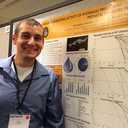
[caption id="attachment_48157" align="alignleft" width="160"]

Beth Hoffman[/caption]
Beth Hoffman, B.Sc., graduate student
University of Pittsburgh Graduate School of Public Health
Research Assistant,
University of Pittsburgh Center for Research on Media, Technology and Health
MedicalResearch.com: What is the background for this study? What are the main findings?
Response: Vaccine refusal is a public health crisis - low vaccination rates are leading to outbreaks of deadly vaccine-preventable diseases. In 2017,
Kids Plus Pediatrics, a Pittsburgh-based pediatric practice, posted a
video on its Facebook pagef eaturing its practitioners encouraging HPV vaccination to prevent cancer. Nearly a month after the video posted, it caught the attention of multiple anti-vaccination groups and, in an eight-day period, garnered thousands of anti-vaccination comments.
Our team analyzed the profiles of a randomly selected sample of 197 commenters in the hopes that this crisis may be stemmed if we can better understand and communicate with vaccine-hesitant parents.
We determined that, although Kids Plus Pediatrics is an independent practice caring for patients in the Pittsburgh region, the commenters in the sample were spread across 36 states and eight countries.
By delving into the messages that each commenter had publicly posted in the previous two years, we also found that they clustered into four distinct subgroups:
- “trust,” which emphasized suspicion of the scientific community and concerns about personal liberty;
- “alternatives,” which focused on chemicals in vaccines and the use of homeopathic remedies instead of vaccination;
- “safety,” which focused on perceived risks and concerns about vaccination being immoral; and
- “conspiracy,” which suggested that the government and other entities hide information that this subgroup believes to be facts, including that the polio virus does not exist.


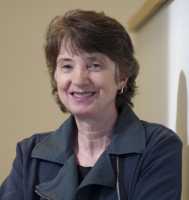
 Dr. Kim[/caption]
Arum Kim, MD
Assistant Professor
Medicine and Rehabilitation Medicine
NYU School of Medicine
Director of the Supportive Oncology Program
Perlmutter Cancer Center
MedicalResearch.com: What is the background for this study?
Response: There is increasing interest in medical marijuana and its applications for patients with cancers. Despite increasing access, little is known regarding doses of cannabinoids - specifically delta-8-tetrahydrocannabinol (delta-8-THC) and cannabidiol (CBD), methods of drug delivery, and differences in patterns of use between cancer and non-cancer patients.
Dr. Kim[/caption]
Arum Kim, MD
Assistant Professor
Medicine and Rehabilitation Medicine
NYU School of Medicine
Director of the Supportive Oncology Program
Perlmutter Cancer Center
MedicalResearch.com: What is the background for this study?
Response: There is increasing interest in medical marijuana and its applications for patients with cancers. Despite increasing access, little is known regarding doses of cannabinoids - specifically delta-8-tetrahydrocannabinol (delta-8-THC) and cannabidiol (CBD), methods of drug delivery, and differences in patterns of use between cancer and non-cancer patients.





 Joanne B. Newbury, PhD
ESRC Postdoctoral Fellow
King’s College London
Social, Genetic & Developmental Psychiatry Centre
Institute of Psychiatry, Psychology & Neuroscience
London, United Kingdom
MedicalResearch.com: What is the background for this study?
Response: Urban living is one of the most well-established risk factors for adult psychotic disorders such as schizophrenia. However, less is known about the role of the urban environment in subclinical psychotic experiences in childhood and adolescence, such as hearing voices and extreme paranoia. These early psychotic experiences are a developmental risk factor for adult psychotic disorders and a range of other serious mental health problems such as depression and anxiety.
It is therefore important that we understand what factors might contribute to the development of early psychotic experiences so that we might be able to intervene and prevent their onset and progression.
In a cohort of over 2000 UK-born children (The Environmental Risk Longitudinal Twin Study), we have previously shown that subclinical psychotic experiences are also around twice as common among children and teenagers raised in urban versus rural settings. We have also shown that this appears to be partly explained by social features in urban neighbourhoods such as higher crime levels and lower levels of social cohesion.
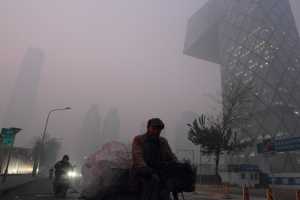
However, no studies have examined the potential link between air pollution and psychotic experiences. This is despite air pollution being a major health problem worldwide (particularly in cities), and despite emerging evidence linking air pollution to the brain.
Joanne B. Newbury, PhD
ESRC Postdoctoral Fellow
King’s College London
Social, Genetic & Developmental Psychiatry Centre
Institute of Psychiatry, Psychology & Neuroscience
London, United Kingdom
MedicalResearch.com: What is the background for this study?
Response: Urban living is one of the most well-established risk factors for adult psychotic disorders such as schizophrenia. However, less is known about the role of the urban environment in subclinical psychotic experiences in childhood and adolescence, such as hearing voices and extreme paranoia. These early psychotic experiences are a developmental risk factor for adult psychotic disorders and a range of other serious mental health problems such as depression and anxiety.
It is therefore important that we understand what factors might contribute to the development of early psychotic experiences so that we might be able to intervene and prevent their onset and progression.
In a cohort of over 2000 UK-born children (The Environmental Risk Longitudinal Twin Study), we have previously shown that subclinical psychotic experiences are also around twice as common among children and teenagers raised in urban versus rural settings. We have also shown that this appears to be partly explained by social features in urban neighbourhoods such as higher crime levels and lower levels of social cohesion.
However, no studies have examined the potential link between air pollution and psychotic experiences. This is despite air pollution being a major health problem worldwide (particularly in cities), and despite emerging evidence linking air pollution to the brain. 
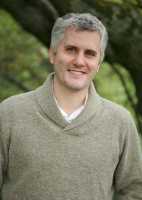



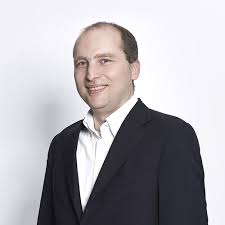
 Dr. Landoni[/caption]
Dr. Giovanni Landoni
Intensive Care and Anesthesia Unit
Associate professor
Università Vita-Salute San Raffaele
MedicalResearch.com: What is the background for this study?
Response: Patients undergoing cardiac surgery are still at risk for perioperative complications. Studies to improve clinical outcomes this setting are important. Inhaled anesthetics have pharmacological properties which reduce myocardial infarction size by 50% in laboratory and animal studies and which might decrease postoperative mortality according to aggregated published randomized data.
Dr. Landoni[/caption]
Dr. Giovanni Landoni
Intensive Care and Anesthesia Unit
Associate professor
Università Vita-Salute San Raffaele
MedicalResearch.com: What is the background for this study?
Response: Patients undergoing cardiac surgery are still at risk for perioperative complications. Studies to improve clinical outcomes this setting are important. Inhaled anesthetics have pharmacological properties which reduce myocardial infarction size by 50% in laboratory and animal studies and which might decrease postoperative mortality according to aggregated published randomized data.