Aging, Author Interviews, Genetic Research, Smoking, UCLA / 11.09.2015

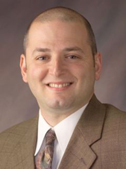
Dr. Morgan Elyse Levine PhD Postdoctoral Fellow Department of Human Genetics University of California, Los Angeles MedicalResearch.com Interview with: Dr. Morgan Elyse Levine PhD Postdoctoral Fellow Department of Human Genetics University of California, Los Angeles Medical Research: What is the background for this study? What are the main findings? Dr. Levine: Studies using mice, worms, and flies have suggested that longevity may be linked to stress resistance. All of us are constantly encountering things that damage our cells and tissue and disrupt physiological functioning. Therefore, people who are genetically predisposed to better prevent or repair this damage may age slower. Smoking is one of the most damaging things someone can do to their health, yet some smokers are able to survive to extreme ages. This study looked at long-lived smokers to see if we could identify a "genetic signature". We generated a genetic risk score that was found to be associated with longevity both in smokers and non-smokers, and also appeared to be associated with cancer risk.
Author Interviews, Mayo Clinic, Thyroid / 09.09.2015

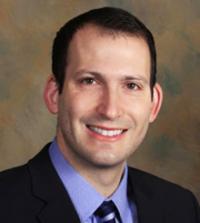
Juan P. Brito Campana, MBBS Division of Diabetes, Endocrinology, Metabolism, and Nutrition, Department of Medicine Mayo Clinic , Rochester, MinnesotaMedicalResearch.com Interview with: Juan P. Brito Campana, MBBS Division of Diabetes, Endocrinology, Metabolism, and Nutrition, Department of Medicine Mayo Clinic , Rochester, Minnesota Medical Research: What is the background for this study? Dr. Brito: The occurrence of thyroid cancer is increasing faster than any other cancer in the United States. If this trend continues, thyroid cancer will become the third most frequent cancer in women in the next five years. Despite this increase, death related to thyroid cancer has not increased.  The reason is that the majority of the new cases of thyroid cancer are small papillary thyroid cancers. These cancers are the most benign variant of thyroid cancer and most patients diagnosed with this type of cancer never experience any symptoms or other negative effects. To better understand how these new cases of thyroid cancer are diagnosed we studied every case of thyroid cancer diagnosed in Olmsted, County, MN from 1935-2012. Medical Research: What are the main findings? Dr. Brito: We found that almost half the new cases of thyroid cancer were found among people who did not have any symptoms related to thyroid cancer. The most frequent reasons for identifying these patients presenting were review of thyroid tissue removed for benign conditions; incidental discovery during an imaging test ; and investigations of patients with symptoms or palpable nodules that were clearly not associated with thyroid cancer, but triggered the use of imaging tests of the neck.
Author Interviews, Heart Disease, JACC, NYU / 08.09.2015

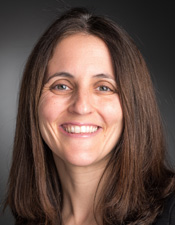
MedicalResearch.com Interview with: Sripal Bangalore, MD, MHA, FACC, FAHA, FSCAI, Director of Research, Cardiac Catheterization Laboratory, Director, Cardiovascular Outcomes Group, The Leon H. Charney Division of Cardiology, Associate Professor of Medicine, New York University School of Medicine, New York, NY 10016.Dr.Sripal Bangalore MD, MHA, FACC, FAHA, FSCAI, Director of Research, Cardiac Catheterization Laboratory, Director, Cardiovascular Outcomes Group, Associate Professor of Medicine, New York University School of Medicine, New York, NY 10016, Principal Investigator ISCHEMIA-CKD trial  Medical Research: What is the background for this study? What are the main findings? Dr. Bangalore: Patients with chronic kidney disease are at high risk of coronary artery disease. However, they are also at risk for worsening kidney function from revascularization procedures and have been routinely excluded from clinical trials of stenting vs bypass surgery. In this registry study of over 5900 patients with multivessel coronary artery disease who underwent bypass surgery or stenting using the latest generation drug eluting stent (everolimus eluting stent), we showed that there are trade off between both procedures. With bypass surgery there was increase in the risk of death, myocardial infarction and stroke in the short term (in-hospital/30-days). For PCI, there was long term risk of repeat revascularization and also increase in myocardial infarction in those who achieved incomplete revascularization.
Author Interviews, C. difficile, JAMA, UC Davis / 08.09.2015

Christopher R. Polage, M. D. Associate Professor of Pathology and Infectious Diseases University of California, Davis School of Medicine Medical Director, Microbiology Laboratory and SARC UC Davis Health System MedicalResearch.com Interview with: Christopher R. Polage, M. D. Associate Professor of Pathology and Infectious Diseases University of California, Davis School of Medicine Medical Director, Microbiology Laboratory and SARC UC Davis Health System   Medical Research: What is the background for this study? Dr. Polage: Clostridium difficile is a frequent cause of diarrhea and infection in U.S. hospitals but common diagnostic tests often disagree about which patients are infected or need treatment. We compared clinical symptoms and outcomes in hospitalized patients with different C. difficile test results to determine which type of test (molecular or PCR test versus toxin test) was the better predictor of need for treatment and disease. Medical Research: What are the main findings? Dr. Polage: Twice as many patients were positive by the molecular test versus the conventional toxin test. However, patients with a positive molecular test only had a shorter duration of symptoms than patients with toxins, and outcomes that were similar to patients withoutC. difficile by all test methods. Virtually all traditional complications of C. difficile infection occurred in patients with a positive toxin test; none occurred in patients with a positive molecular test only, despite little or no treatment.
Author Interviews, Breast Cancer, Genetic Research, UCSF / 04.09.2015

Dr. Elisa Long PhD Assistant professor UCLA Anderson School of ManagementMedicalResearch.com Interview with: Dr. Elisa Long PhD Assistant professor UCLA Anderson School of Management Medical Research: What is the background for this study? What are the main findings? Dr. Long: The study was motivated by my own diagnosis of triple-negative breast cancer last year, at the age of 33. I also learned that I carried a BRCA1 mutation, despite no family history. As a patient, I would have benefitted tremendously from a universal BRCA screening program, but as a health services researcher, I had to ask if indiscriminate screening of all women in the U.S.—where only 1 in 400 carry a mutation—is a good use of resources. Using a previously published decision analytic model, we calculated the cost-effectiveness of universal BRCA screening. We find that compared to screening based on family history, it is not cost-effective, assuming a test price of $2,000 to $4,000. However, as the price of genetic testing continues to fall, as indicated by the $249 test now offered by Color Genomics, universal BRCA screening becomes much more affordable. Additionally, population screening of Ashkenazi Jewish women—among whom 1 in 50 carry a BRCA mutation—is very cost-effective, because the chances of finding a carrier are much higher.
Author Interviews, Geriatrics, Telemedicine, University of Michigan / 03.09.2015

Dr. Rashid Bashshur PhD Director of Telemedicine University of Michigan Health System Emeritus Professor of Health Management and Policy University of Michigan, School of Public HealthMedicalResearch.com Interview with: Dr. Rashid Bashshur PhD Director of Telemedicine University of Michigan Health System Emeritus Professor of Health Management and Policy University of Michigan, School of Public Health  Medical Research: What is the background for this study? What are the main findings? Dr. Bashshur: The impetus for this research derives from the confluence of several factors, including the increasing incidence and prevalence of chronic diseases, their associated morbidity and  mortality and their high cost. The search for solutions has taken center stage in health policy.  Patients must be engaged in  in managing their health and health care, and they must assume greater responsibility for adopting and maintaining a healthy life style to reduce their dependence on the health system and to help themselves in maintaining an optimal level of health.  The  telemedicine intervention promises to  address all these issues and concerns, while also providing ongoing monitoring and guidance for patients who suffer from serious chronic illness. The preponderance of the evidence from robust scientific studies points to the beneficial effects of the telemedicine intervention (through telemonitoring and patient engagement) in terms of reduction in use of service (including hospital admissions/readmissions, length of hospital stay, and emergency department visits) as well as improved health outcomes.  The single exception was reported in a study among frail  elderly patients with co-morbidities who did not benefit from the telemedicine intervention. There is an ever-growing and complex body of empirical evidence that attests to the potential of telemedicine for addressing the triad problems of limited access to care, uneven distribution of quality across communities, and cost inflation.  Research demonstrates the effectiveness of the telemedicine intervention in addressing all three problems, especially when patients are engaged in managing their personal health and healthcare.  The enabling technology can be used to promote healthy life styles, informed decision making, and prudent use of health resources. Unintended consequences of delaying mortality for older adults may also increase the use of resources, especially in the long run, and society must decide on the ultimate values it chooses to promote.
Author Interviews, NYU, Pediatrics, Weight Research / 02.09.2015

Brian D. Elbel, PhD, MPH Associate professor, Departments of Population Health, Division of Health and Behavior and Medicine, Division of General Internal Medicine Marie Bragg, PhD Assistant professor Department of Population Health Jonathan Cantor, MS Department of Population Health, Section on Health Choice, Policy and Evaluation NYU Langone Medical Center MedicalResearch.com Interview with: Brian D. Elbel, PhD, MPH Associate professor, Departments of Population Health, Division of Health and Behavior and Medicine, Division of General Internal Medicine Marie Bragg, PhD Assistant professorDepartment of Population Health Jonathan Cantor, MS Department of Population Health, Section on Health Choice, Policy and Evaluation NYU Langone Medical Center  MedicalResearch: What is the background for this study? Response: On July 17th, 2014 the New York City Council proposed the “Healthy Happy Meals” bill in an effort to improve the nutritional value of fast food restaurant meals marketed to children. The bill states a restaurant cannot offer an incentive item (i.e. a toy) in combination with the purchase of a meal unless the meal met several nutritional standards. The meals with toys would be required to:
  • Be less than 500 hundred calories total
  • Be less than 600 milligrams of sodium total
  • Have less than 35% of total calories come from fat
  • Have less than 10% of total calories come from saturated fat
  • Have less than 10% of total calories come from added sugar
  • Contain one half cup of fruit or vegetable or one serving of whole-grain products
This study examined potential reductions in purchased calories, sodium and percentage of calories from fat that could occur among children if the policy were to go into effect. MedicalResearch: What are the main findings? Response: Researchers collected receipts for fast food purchases for 422 children who were accompanied by 358 adults. On average, adults purchased 600 calories for each child, with 36 percent of those calories coming from fat. One third of the children in the sample had a children’s meal, with 98% of the purchased children’s combination meals would be restricted from handing out a toy with the meal if the bill passed. If the bill passed, there would be a 9% reduction in calories purchased for kid’s meals, the equivalent of 54 calories. Similarly, researchers found that there would be a 10% (83 mg) reduction in sodium purchased and a 10% reduction in the percentage of calories from fat purchased for children. This all assumes that children ordered what they did previously but the meals meet the nutrition criteria.
Accidents & Violence, Author Interviews, JAMA, UCSF / 02.09.2015

Benjamin N. Breyer MD, MAS, FACS Associate Professor in Residence Department of Urology University of California, San Francisco Chief of Urology, San Francisco General Hospital Director, UCSF Male Genitourinary Reconstruction and Trauma Surgery Fellowship MedicalResearch.com Interview with: Benjamin N. Breyer MD, MAS, FACS Associate Professor in Residence Department of Urology University of California, San Francisco Chief of Urology, San Francisco General Hospital Director, UCSF Male Genitourinary Reconstruction and Trauma Surgery Fellowship   Medical Research: What is the background for this study? What are the main findings? Dr. Breyer: Our group has studied genitourinary-specific injuries associated with bicycles using a national surveillance injury database called NEISS (National Electronic Injury Surveillance System), that monitors injuries associated with specific products.  In the current study, we examined trends in all bicycle-related injuries from  1997 to 2013.  We found an increase in bicycle-related injuries over the study period, even after adjusting for growth in the US population.  Even more concerning, we found the percentage of bicycle-related injuries resulting in admission increased 120%, suggesting the injuries sustained while cycling are becoming more severe.  These trends appear to be driven by a substantial rise in both injuries and admissions in individuals over 45 years of age, which likely reflects a change in the demographic of cyclists in the US - multiple studies have shown an increase in the cycling participation of adults over the age of 45. Bicycles are no longer children's toys - they are increasingly being used by adults as a means of transportation and physical activity. The rise in cycling in adults over the age 45 appears to be driving both the increase in injuries and admissions, suggesting that older individuals are at increased risk for sustaining severe injury while cycling.
Author Interviews, McGill, Mental Health Research / 01.09.2015

Fabrice Jollant, MD, PhD McGill University, Department of Psychiatry & Douglas Mental Health University Institute McGill Group for Suicide Studies Montréal (Québec), CanadaMedicalResearch.com Interview with: Fabrice Jollant, MD, PhD McGill University, Department of Psychiatry & Douglas Mental Health University Institute McGill Group for Suicide Studies Montréal (Québec), Canada Medical Research: What is the background for this study? What are the main findings? Dr. Jollant: Suicide takes almost 1 million lives each year worldwide. Improving suicide prevention necessitates improving our understanding of the mechanisms leading to these complex acts. We know that while many people who died from suicide had experienced negative life events (divorce, job loss, grief), most people who experience these events will not commit suicide, not even think about suicide. Similarly, while more than 90% of suicide completers had suffered a major mental disorders (mainly depression and substance abuse) and treating these mental disorders can reduce suicide rates, 90% of patients will never die from suicide. Thus, research focuses now on the specific factors that make some individuals more vulnerable. We previously found that individuals who attempted suicide are more likely to make risky choices at a gambling task than patients who went through depression but never attempted suicide. They tend to choose the options that yield more gains immediately but are long-term disadvantageous. People who choose this way are also more likely to have problems in their interpersonal relationships, a classic trigger of suicidal crisis. Medical Research: What are the main findings? Dr. Jollant: This study continues our previous series of investigations. Here, we assessed decision-making in close biological relatives of suicide completers. We know that suicide is heritable and can run within some families. So, we were interested in knowing if risky decision-making could be one factor transmitted within families of suicide completers. We recruited healthy individuals who had lost a close biological relative from suicide, but never attempted suicide themselves. We found that these persons also tend to choose the riskiest options. However, we could not find some other cognitive deficits previously found in suicide attempters, e.g. deficient cognitive control. These normal cognitions may therefore counterbalance their deficits in decision-making and maybe protect them against suicide.
Author Interviews, Heart Disease, Johns Hopkins, Outcomes & Safety, Surgical Research / 01.09.2015

MedicalResearch.com Interview with: Jill A. Marsteller, PhD, MPP Department of Health Policy and Management, Johns Hopkins Bloomberg School of Public Health Baltimore, Maryland and Juan A. Sanchez, MD, MPA, FACS, FACC Associate Professor of Surgery Associate Faculty, Armstrong Institute for Patient Safety and Quality Johns Hopkins Medicine Medical Research: What is the background for this study? What are the main findings? Response: The culture of healthcare organizations with regards to safety has an impact on patient outcomes.  A strong culture serves as a platform for preventing medical errors. This study examines the culture of safety along several dimensions in cardiac surgical teams and compares this data to surgery of all types using a large database. In our study, cardiac surgery teams scored highest in teamwork and lowest in non-punitive responses to error.  In addition, there was substantial variation on safety climate perception across team roles. For example, surgeons and support staff had higher perceptions of a safety climate than other team members. Compared to all types of surgery teams, cardiac surgery teams scored higher in overall perceptions of safety except for anesthesiologists who reported lower scores on communication about errors and communication openness.
Author Interviews, Breast Cancer, Brigham & Women's - Harvard, Surgical Research / 01.09.2015

Dr. Rachel A Freedman MD MPH Assistant Professor of Medicine Harvard Medical SchoolMedicalResearch.com Interview with: Dr. Rachel A Freedman MD MPH Dana-Farber Cancer Institute Assistant Professor of Medicine Harvard Medical School Medical Research: What is the background for this study? What are the main findings? Dr. Freedman: Despite a lack of medical benefit for most patients, the rates for bilateral mastectomy (double mastectomy) are on the rise in the U.S. Many factors have been cited as potential reasons for this increase, such as one’s race/ethnicity, education level, family history, and use of MRI. Cancer stage has not consistently been a factor in past studies. In this study, we surveyed 487 women who were treated for breast cancer in Northern California within the California Cancer Registry, we examined factors associated with the type of surgery a woman received. In our study, we found strong associations for stage III cancer with receipt of unilateral and bilateral mastectomy. In addition, higher (vs. lower) income and older age were associated with lower odds of having bilateral surgery.
Author Interviews, Breast Cancer, NIH, Weight Research / 31.08.2015

Dr. Alexandra White PhD in Epidemiology University of North Carolina at Chapel Hill Postdoctoral fellow National Institute of Environmental Health ScienceMedicalResearch.com Interview with: Dr. Alexandra White PhD in Epidemiology University of North Carolina at Chapel Hill Postdoctoral fellow National Institute of Environmental Health Science MedicalResearch: What is the background for this study? Dr. White: Many studies have shown that being overweight or obese is a risk factor for postmenopausal breast cancer. We know less about how obesity impacts breast cancer risk in premenopausal women. About a third of U.S. adults are obese, which is defined as having a body mass index (BMI) greater than 30. Similarly, the prevalence of abdominal obesity, measured by a person’s waist circumference, has increased by 10% in the last decade. In 2012, more than two-thirds of U.S. women had a waist circumference that indicated abdominal obesity. Abdominal obesity may be a better predictor than BMI for breast cancer risk and other chronic diseases, because it is related to insulin resistance and can reflect metabolically active fat stores. In order to understand how different types of obesity (overall vs. abdominal) influence breast cancer risk, we used information from >50,000 participants in the Sister Study. The Sister Study, led by scientists at the National Institute of Environmental Health Sciences, part of the National Institutes of Health investigates environmental and genetic risk factors for breast cancer.
Author Interviews, Case Western, Dermatology, Genetic Research / 27.08.2015

Nely Aldrich, MD Department of Dermatology University Hospitals Case Medical CenterMedicalResearch.com Interview with: Nely Aldrich, MD Department of Dermatology University Hospitals Case Medical Center Medical Research: What is the background for this study? What are the main findings? Dr. Aldrich:   To our knowledge, no formal studies have been performed on the genetic vs. environmental factors that lead to the development of rosacea. Our department has the unique opportunity to attend the Twins Days festival in Twinsburg, Ohio. This is a yearly festival where thousands of twin pairs come from all over the world. This was the perfect setting to ask our research question. Our main finding was that there is an approximately 50% contribution of genetics to rosacea and the other 50% can be attributed to environmental factors. Sun exposure, smoking, alcohol use, skin cancer history, and heart disease were also found to be correlated with a higher rosacea severity.
Author Interviews, Breast Cancer, Duke, Genetic Research, JAMA / 27.08.2015

Michaela Ann Dinan Ph.D. Assistant Professor in Medicine Member of Duke Cancer Institute Duke University School of MedicinMedicalResearch.com Interview with: Michaela Ann Dinan Ph.D. Assistant Professor in Medicine Member of Duke Cancer Institute Duke University School of Medicine Medical Research: What is the background for this study? What are the main findings? Dr. Dinan: For many years we have known that overall, women with early stage, hormone receptor positive breast cancer show an overall survival benefit from the receipt of adjuvant chemotherapy.  However, depending on the age of the patient, we have also known that between 3 to 10% of patients appear to be truly experiencing this survival benefit and that we are treating a lot of women unnecessarily.  The use of the Oncotype DX assay has provided additional information for patients to assess who at low risk of disease progression and can forgo chemotherapy. In this study we looked to see whether the adoption of this assay was associated with reduce rates of chemotherapy in women over the age of 65.  We found that somewhat surprisingly, there was no overall association with receipt of the assay and use of chemotherapy.  However, in women who had high risk disease, receipt of the assay was associated with reduced rates of chemotherapy use.  In patients with low risk disease, receipt of the assay was associated with increased chemotherapy use.
Author Interviews, Depression, Dermatology, NYU / 26.08.2015

Roger S. Ho, MD, MS, MPH, FAAD Assistant Professor The Ronald O. Perelman Department of Dermatology NYU Langone Medical CenterMedicalResearch.com Interview with: Roger S. Ho, MD, MS, MPH, FAAD Assistant Professor The Ronald O. Perelman Department of Dermatology NYU Langone Medical Center Medical Research: What is the background for this study? What are the main findings? Dr. Ho: In recent years, the impact of psoriasis on quality of life has come to light. We have seen several studies show that patients with psoriasis experience worse quality of life because of their disease. Few studies however have examined the association between psoriasis and mental illness, specifically depression. Many chronic diseases are known to be associated with depression. As more and more evidence supports the relationship between psoriasis and cardiovascular disease, it is important to examine the relationship between psoriasis and depression, while controlling for cardiovascular comorbidity. In our study of a nationally-representative population of US patients, we found that patients with psoriasis had twice the odds of having depression than patients without psoriasis, even after adjusting for major confounders including a history of myocardial infarction, stroke, and diabetes that may independently be associated with depression. The risk of depression did not depend on extent or severity of psoriatic disease.
Author Interviews, Baylor College of Medicine Houston, Cancer Research, Electronic Records, Journal Clinical Oncology / 25.08.2015

Hardeep Singh, MD MPH Chief, Health Policy, Quality and Informatics Program, Houston Veterans Affairs Health Services Research Center for Innovations Michael E. DeBakey Veterans Affairs Medical Center and Baylor College of Medicine Houston TX 77030 MedicalResearch.com Interview with: Hardeep Singh, MD MPH Chief, Health Policy, Quality and Informatics Program, Houston Veterans Affairs Health Services Research Center for Innovations Michael E. DeBakey Veterans Affairs Medical Center and Baylor College of Medicine Houston TX 77030 Medical Research: What is the background for this study? What are the main findings? Dr. Singh: Missed or delayed diagnoses are among the most common patient safety concerns in outpatient settings, and measuring and reducing them is a high priority. Our computerized triggers scanned huge amounts of patient data in the electronic health record and flagged individuals at risk for delays in follow-up of cancer-related abnormal clinical findings.  Records of all patients flagged by the computerized trigger algorithm in the intervention group were reviewed to determine the presence of delay and if delay was confirmed, we communicated this information to their clinicians. We found that patients seeing clinicians who were notified of potential delays had more timely diagnostic evaluation for both prostate and colon cancer and more patients in the intervention part of the study had received diagnostic evaluation by the time we completed our final review.
Author Interviews, Nature, NYU / 25.08.2015

Robert C. Froemke, PhD, Assistant professor NYU Langone and Skirball Institute of Biomolecular Medicine New York MedicalResearch.com Interview with: Robert C. Froemke, PhD, Assistant professor NYU Langone and Skirball Institute of Biomolecular Medicine New York Medical Research: What is the background for this study? What are the main findings? Dr. Froemke: We studied how a brain area called the ‘locus coeruleus’ is involved in hearing. The locus coeruleus is the brain’s alarm clock, it’s a small region deep in the brainstem that is responsible for arousal and wakefulness, activated by surprising or potentially dangerous events. The locus coeruleus releases the neurochemical noradrenalin (similar to adrenalin) throughout the brain to greatly increase brain activity, and so might convey the significance of sounds related to past events that were very important or startling in some way (like the sound of an alarm, a baby crying, or other sounds that require immediate attention). We found that sounds related to surprising events can come to directly activate the locus coeruleus, meaning that this brain area can learn from past experience. This learning happens quickly (within seconds to minutes) and can be incredibly long-lasting, up to weeks as measured in our study, and we suspect indefinitely or all life-long. We studied this by training lab rats to respond to sounds, poking their nose in a hole to get a food reward whenever they heard a certain sound. We activated the locus coeruleus briefly in some of these animals, and observed that they were much more sensitive to this sound and learned much faster than other unstimulated animals. We made recordings of electrical activity in the locus coeruleus and the auditory cortex, one of the major ‘hearing’ parts of the brain. In stimulated animals, sounds activated the locus coeruleus within tens of milliseconds, releasing noradrenalin into the auditory cortex to greatly boost the audio processing there- making almost every neuron respond very vigorously to that special sound.
Author Interviews, JAMA, Pediatrics, University Texas / 24.08.2015

Jeffrey R. Kaiser, MD, MA Professor of Pediatrics and Obstetrics and Gynecology Section of Neonatology Baylor College of Medicine Texas Children's Hospital Houston, TX 77030MedicalResearch.com Interview with: Jeffrey R. Kaiser, MD, MA Professor of Pediatrics and Obstetrics and Gynecology Section of Neonatology Baylor College of Medicine Texas Children's Hospital Houston, TX 77030 Medical Research: What is the background for this study? What are the main findings? Dr. Kaiser:  The continuous utero-placental-umbilical infusion of glucose ends at birth, and levels decrease during the first 1–2 hours stimulating counterregulatory hormones and promoting successful glucose homeostasis in healthy newborns. This is important because the newborn brain principally uses glucose for energy, and prolonged and severe hypoglycemia has been linked with poor long-term neurodevelopment. Most previous newborn hypoglycemia-outcome studies, however, are problematic because they did not control for maternal educational level and socioeconomic status, factors that are highly associated with childhood neurodevelopment and academic success. Further, little is known about whether newborn transient hypoglycemia (1 low value followed by a second normal value), frequently considered to be a normal physiological phenomena with no serious sequelae, is associated with poor academic achievement. To address this knowledge gap, we compared initial newborn glucose values from the universal glucose-screening database, available only at the University of Arkansas for Medical Sciences (UAMS), to their matched student achievement-test scores in 4th grade (10 years later). After controlling for gestational-age group, race, gender, multifetal gestation, insurance, maternal education, and gravidity, we observed transient hypoglycemia in a heterogeneous cohort of newborns born at a university hospital was associated with lower fourth-grade achievement-test scores—real-world assessments that predict high school graduation, college attendance, and long-term adult economic success.
Author Interviews, Dermatology, Emory, JAMA, Sexual Health / 23.08.2015

MedicalResearch.com Interview with: Howa Yeung, MD PGY3, Emory Dermatology Emory University Medical Research: What is the background for this study? What are the main findings? Dr. Yeung: Indoor tanning is a well-established and preventable cause for melanomas and non-melanoma skin cancers. Public health efforts in curbing indoor tanning have focused on known high-risk populations, such as young, college-aged, White women. However, other demographic risk factors for indoor tanning remain unknown. As our nation increasingly focuses on addressing and improving the health of lesbian, gay, bisexual, and transgender (LGBT) individuals, more and more evidence demonstrates that various LGBT subpopulations face higher rates of cancer-related behavior risk factors, such as smoking, alcohol use, obesity, etc. We wanted to find out whether risk factors for skin cancer, such as indoor tanning, disproportionately affected LGBT populations. Our study showed higher rates of indoor tanning among gay and bisexual men, with 1.8-fold and 3.6-fold higher odds of tanning bed use within the past year, compared to straight men, after adjusting for sociodemographic factors. Disparities in frequent tanning, defined as using tanning bed 10 or more times within the past year, are even more prominent among gay and bisexual men. In contrast, no significant sexual orientation disparities were noted among women after adjusting for sociodemographic factors.
Author Interviews, Cognitive Issues, UCSF / 22.08.2015

Jin-Tai Yu MD, PhD Memory and Aging Center, Department of Neurology University of California San Francisco San Francisco, CA 94158 MedicalResearch.com Interview with: Jin-Tai Yu MD, PhD Memory and Aging Center, Department of Neurology University of California San Francisco San Francisco, CA 94158 Medical Research: What is the background for this study? What are the main findings? Response: The number of dementia cases in the whole world was estimated to be 35.6 million in 2010 and this number was expected to almost double every 20 years, to 65.7 million in 2030 and 115.4 million in 2050. The global prevalence of dementia was 5-7% and Alzheimer’s disease accounts for roughly 60%. This data means that we are facing an increasing number of global populations of this specific neurodegenerative disease and also the heavy burden brought by it. Data from the website of global clinical trials (http://clinicalTrials.gov) showed that a total of 1,732 clinical trials for Alzheimer’s disease were under way. However, the previous results are not so optimistic, possibly due to the complex etiological mechanisms. In one word, we had currently no effective drugs for this disease. Figuring out how to effectively prevent its occurrence is increasingly attracting people’s attentions.Therefore, we have done the most extensive and comprehensive systematic review and meta-analysis to date, which employs a full-scale search of observational studies to calculate effect sizes and grade the evidence strength of various modifiable risk factors for this disease. We hope these results will be informative and instructive.
Author Interviews, Infections, University of Pennsylvania, Vaccine Studies / 22.08.2015

David B. Weiner, Ph.D. Professor, Department of Pathology and Laboratory Medicine Chair, Gene Therapy and Vaccine Program, CAMB Co-Leader Tumor Virology Program, Abramson Cancer Program University of Pennsylvania, Perelman School of MedicineMedicalResearch.com Interview with: David B. Weiner, Ph.D. Professor, Department of Pathology and Laboratory Medicine Chair, Gene Therapy and Vaccine Program, CAMB Co-Leader Tumor Virology Program, Abramson Cancer Program University of Pennsylvania, Perelman School of Medicine Medical Research: What is the background for this study? What are the main findings? Dr. Weiner: MERS, like the Severe Acute Respiratory Syndrome (SARS), is characterized by high fever and severe cough from pneumonia. MERS is caused by an emerging human coronavirus, which is distinct from the SARS coronavirus. Since its identification in 2012, MERS has been linked to over 1,300 infections and close to 400 deaths. It has occurred in the Arabian Peninsula, Europe, and in the US and in Asia. It can be spread in a hospital setting. Scientists now report that a novel synthetic DNA vaccine can, for the first time, induce protective immunity against the Middle EastRespiratory Syndrome (MERS) coronavirus in animal species.   Researchers from the Perelman School of Medicine at the University of Pennsylvania. The NIH, the Public Health agency of Canada, and from a leading company in the development of synthetic DNA vaccine technology, Inovio described the results in a paper  published their work in Science Translational Medicine (STM) this week.  The experimental, preventive vaccine, given six weeks before exposure to the MERS virus, fully protects rhesus macaques from disease. The vaccine also generated potentially protective antibodies in blood drawn from camels, the purported source of MERS transmission in the Middle East.
Author Interviews, Cannabis, Smoking, University Texas / 20.08.2015

Francesca M. Filbey PhD School of Behavioral and Brain Sciences Center for Brain Health University of Texas at Dallas Dallas, TXMedicalResearch.com Interview with: Francesca M. Filbey PhD School of Behavioral and Brain Sciences Center for Brain Health University of Texas at Dallas Dallas, TX Medical Research: What is the background for this study? What are the main findings? Dr. Filbey: Most studies exclude tobacco users from participating, but 70% of marijuana users also use tobacco. We were interested in investigating the combined effects of marijuana and tobacco. Our research targeted the hippocampus because smaller hippocampal size is associated with marijuana use. We chose to study short term memory because the hippocampus is an area of the brain associated with memory and learning. The main finding was surprising. The smaller the hippocampus in the marijuana plus nicotine user, the greater the memory performance. We expected the opposite, which was true of the non-using control group.
Alcohol, Author Interviews, BMJ, Brigham & Women's - Harvard, Cancer Research / 19.08.2015

Dr. Yin Cao MPH, ScD Postdoctoral Fellow, Department of Nutrition Harvard T. H. Chan School of Public HealthMedicalResearch.com Interview with: Dr. Yin Cao MPH, ScD Postdoctoral Fellow, Department of Nutrition Harvard T. H. Chan School of Public Health Medical Research: What is the background for this study? What are the main findings? Dr. Cao: Light-to-moderate drinking, defined as up to 1 drink (roughly corresponds to a 355ml bottle of beer, or a small [118-148 ml] glass of wine or 44ml of liquor) for women and up to 2 drinks for men, is prevalent in many western countries. It is believed that light-to-moderate drinking may be healthy for the heart. However, the influence of light-to-moderate drinking on risk of overall cancer is less clear, although it is well known that heavy alcohol intake increases risk of several cancers, including cancers of colorectum, female breast, oral cavity, pharynx, larynx, liver, and esophagus. Also because drinkers are more likely to be smokers, and smoking is the major risk factor for all of the alcohol-related cancers (mentioned above) except breast cancer, it is thus difficult to tease out the influence of alcohol on cancer in studies among a mixed population of ever and never smokers. In particular, it is important to know how light and moderate drinking would affect cancer risk particularly among never smokers, who now make up the majority of the population in many western countries. Our main findings are that, light-to-moderate drinking minimally increases risk of overall cancerFor men, the association with alcohol related cancers was primarily observed among smokers, and light to moderate drinking did not appreciably increase risk in never smokers. Among women, even consumption of up to one drink per day was associated with increased risk of alcohol-related cancers (mainly breast cancer) for both never and ever smokers.
Author Interviews, Brigham & Women's - Harvard, Genetic Research, Heart Disease, Nature / 18.08.2015

Susan A. Slaugenhaupt PhD Professor of Neurology, Harvard Medical School Associate Geneticist, Department of Neurology, Molecular Neurogenetics Unit Center for Human Genetic Research Massachusetts General HospitalMedicalResearch.com Interview with: Susan A. Slaugenhaupt PhD Professor of Neurology, Harvard Medical School Associate Geneticist, Department of Neurology, Molecular Neurogenetics Unit Center for Human Genetic Research Massachusetts General Hospital   Medical Research: What is the background for this study? What are the main findings? Dr. Slaugenhaupt: Mitral valve prolapse (MVP) is one of the most common human diseases affecting 1 out of every 40 people worldwide.  The mitral valve is found between two chambers of the heart, and mitral valve prolapse results when the valve does not close properly.  By studying families in which multiple members have mitral valve prolapse, we have identified a biological explanation for the disease.  Mutations in the DCHS1 gene cause mitral valve prolapse in three families, and suggest that early defects in heart valve formation during development contribute to the progressive deterioration of the valve.
Author Interviews, Baylor University Medical Center Dallas, OBGYNE, Pediatrics / 17.08.2015

Arpitha Chiruvolu MD FAAP Neonatologist Baylor University Medical Center Department of Neonatology Dallas, TX 75246 MedicalResearch.com Interview with: Arpitha Chiruvolu MD FAAP Neonatologist Baylor University Medical Center Department of Neonatology Dallas, TX 75246  MedicalResearch: What is the background and main findings of the study? Dr. Chiruvolu: There is growing evidence that delaying umbilical cord clamping (DCC) in very preterm infants may improve hemodynamic stability after birth and decrease the incidence of major neonatal morbidities such as intraventricular hemorrhage (IVH) and necrotizing enterocolitis. Recently, the American College of Obstetricians and Gynecologists (ACOG) published a committee opinion that supported delaying umbilical cord clamping in preterm infants, with the possibility for a nearly 50% reduction in IVH. However, the practice of DCC in preterm infants has not been widely adopted, mainly due to the concern of a delay in initiating resuscitation in this vulnerable population. Furthermore, there is uncertainty regarding the magnitude of published benefits in very preterm infants, since prior trials were limited by small sample sizes, wide variability in the technique and inconsistent reporting of factors that may have contributed to clinical outcomes. We recently implemented a delaying umbilical cord clamping quality improvement (QI) process in very preterm infants at a large delivery hospital. The objective of this cohort study was to evaluate the clinical consequences of a protocol-driven delayed umbilical cord clamping implementation in singleton infants born £ 32 weeks gestation. We hypothesized that DCC would not compromise initial resuscitation and would be associated with significant decrease in early red blood cell transfusions and IVH compared to a historic cohort. Delayed umbilical cord clamping was performed on all the 60 eligible infants. 88 infants were identified as historic controls. Gestational age, birth weight and other demographic variables were similar between both groups. There were no differences in Apgar scores or admission temperature, but significantly fewer infants in theDelayed umbilical cord clamping cohort were intubated in delivery room, had respiratory distress syndrome or received red blood cell transfusions in the first week of life compared to the historic cohort.  A significant reduction was noted in the incidence of IVH inDelayed umbilical cord clamping cohort compared to historic control group (18.3% versus 35.2%). After adjusting for gestational age, an association was found between the incidence of IVH and Delayed umbilical cord clamping with IVH significantly lower in the DCC cohort compared to historic cohort with odds ratio of 0.36 (95% CI 0.15 to 0.84, P <0.05). There were no significant differences in mortality and other major morbidities.
Author Interviews, Brigham & Women's - Harvard, Gastrointestinal Disease, Technology / 16.08.2015

MedicalResearch.com Interview with: Dr. Jeff Karp Ph.D Associate Professor of Medicine Brigham and Women's Hospital Harvard Medical School Cambridge, MA  02139 Dr. Jeff Karp Ph.D Associate Professor of Medicine Brigham and Women's Hospital Harvard Medical School Cambridge, MA  02139 and Giovanni Traverso M.B., B.Ch., Ph.DDr-Giovanni-Traverso The David H. Koch Institute for Integrative Cancer Research Massachusetts Institute of Technology, Cambridge, MA   Medical Research: What is the background for this study? What are the main findings Dr. Karp: Almost all patients with ulcerative colitis will require enema-based therapy at some point in their treatment.  Enema therapy has 3 major issues.
  • It is difficult to retain
  • There is high systemic absorption of the drug (that can lead to toxic side effects), and
  • Compliance is low as patients must take enemas every day.
Our approach can potentially address all three.  The engineered gel that we designed has dual targeting capability. It rapidly attaches to ulcers within seconds to minutes (we have 5-10x less systemic absorption as the gel only attaches to ulcers) and selectively releases drug in the presence of ulcers, and we showed that we could reduce the dosing frequency.
Author Interviews, HIV, NIH, Pediatrics, Vaccine Studies / 15.08.2015

George K Siberry, MD, MPH, Medical Officer Maternal and Pediatric Infectious Disease (MPID) Branch Eunice Kennedy Shriver National Institute of Child Health and Human Development National Institutes of Health Bethesda, MDMedicalResearch.com Interview with: George K Siberry, MD, MPH, Medical Officer Maternal and Pediatric Infectious Disease (MPID) Branch Eunice Kennedy Shriver National Institute of Child Health and Human Development National Institutes of Health Bethesda, MD Medical Research: What is the background for this study? Dr. Siberry:  Vaccines may not work as reliably in children with HIV infection, especially when their HIV is not under effective treatment. Today, most children in the United States who were born with HIV infection are receiving effective HIV treatment and have reached school age or even young adulthood. However, many received their childhood vaccines before they got started on their HIV treatment (because modern HIV treatments weren’t available when they were very young or their HIV infection was diagnosed late). So we wanted to see if these older children still had immunity from the vaccines they received when they were much younger. Medical Research:  What are the main findings? Dr. Siberry: We looked specifically at whether older children with HIV since birth were protected against measles, mumps, and rubella, the three viral infections covered by the measles-mumps-rubella (or MMR) vaccine. We found that 1/3 up to almost 1/2 of these children were not protected against these viruses, even though nearly all of the children had received at least 2 MMR doses, as recommended. And even if their HIV was currently under excellent control.  When we analyzed factors that were linked to being protected, we found that one of the most important factors was whether you got your MMR vaccine doses after you got on good treatment for your HIV infection.  For instance, over 85% of children who had gotten at least 2 MMR vaccine doses after being on effective HIV treatment were protected against measles compared to less than half of those who didn’t get both of their MMR vaccine doses while on effective HIV treatment.
Author Interviews, Lung Cancer, Outcomes & Safety, Surgical Research, University of Michigan / 15.08.2015

Tyler Grenda, MD House Officer VI Section of General Surgery Department of Surgery University of Michigan MedicalResearch.com Interview with: Tyler Grenda, MD House Officer VI Section of General Surgery Department of Surgery University of Michigan   Medical Research: What is the background for this study? What are the main findings? Dr. Grenda: The main purpose for this study was to better understand the factors underlying differences in mortality rates for hospitals performing lung cancer resection.  The methodology we used included only the highest and lowest mortality hospitals (Commission on Cancer accredited cancer programs) so the sampling frame was specific. There are wide variations in mortality rates across hospitals performing lung cancer resection (overall unadjusted mortality rates were 10.8% vs. 1.6%, respectively.
Author Interviews, Baylor College of Medicine Houston, Heart Disease / 14.08.2015

Dr. Kristin Kostick PhD on behalf of the authors Research Associate - Decision Making and Ethics Research Program Center for Medical Ethics and Health Policy Baylor College of Medicine Houston, TXMedicalResearch.com Interview with: Dr. Kristin Kostick PhD on behalf of the authors Research Associate - Decision Making and Ethics Research Program Center for Medical Ethics and Health Policy Baylor College of Medicine Houston, TX Medical Research: What is the background for this study? What are the main findings? Response: The idea of this study came from a larger research study we’re doing to develop and test a decision aid for patients and caregivers considering LVAD treatment. As part of that study, we interviewed LVAD patients, candidates, caregivers and decliners of LVAD treatment to explore their decisional needs. One of the things that kept coming up in these interviews was the need for “support,” which everyone, including clinicians, identified as a crucial aspect of post-implant recovery. There is an excellent clinical support team at our partnering hospital in Houston, as well as a community of LVAD recipients and caregivers where people can get together to share their stories and resources face-to-face. But for other people who find it difficult to get to the hospital, either because they have transportation barriers or they simply live too far away, we began to wonder whether support services might be available to them in virtual settings. So we decided to do this analysis to see what social media sites exist for the LVAD community. What is the content of these sites? Are there different kinds for different support needs? What are patients getting from them? How might they be used in the future for improving patient care and support?
Author Interviews, NIH, Pain Research / 14.08.2015

Richard L. Nahin, Ph.D., M.P.H National Center for Complementary and Integrative Health National Institutes of Health, Bethesda, MarylandMedicalResearch.com Interview with: Richard L. Nahin, Ph.D., M.P.H National Center for Complementary and Integrative Health National Institutes of Health, Bethesda, Maryland Medical Research: What is the background for this study? Dr. Nahin: In 2011 the Institute of Medicine published a blueprint for transforming pain care in the United States.  In this report the IOM noted the lack of a comprehensive picture of pain’s prevalence and severity in the U.S., and especially noted that lack of data examining racial and ethnic groups. The current analysis of data from the 2012 National Health Interview survey is a step toward addressing these deficiencies.  Medical Research: What are the main findings? Dr. Nahin: The analyses found that an estimated 25.3 million adults (11.2 percent) had pain every day for the preceding 3 months. Nearly 40 million adults (17.6 percent) experience severe levels of pain.  Those with severe pain are also likely to have worse health status.  There were associations between pain severity and race, ethnicity, language preference, gender, and age. Women, older individuals, and non-Hispanics were more likely to report any pain, while Asians were less likely.  Minorities who did not choose to be interviewed in English are markedly less likely to report pain.