Author Interviews, Mayo Clinic, Melanoma / 29.01.2016

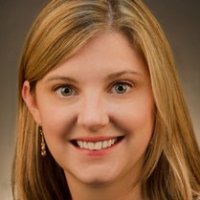
[caption id="attachment_21158" align="alignleft" width="157"]Dr. Mariah White Mariah L. White[/caption] MedicalResearch.com Interview with: Mariah L. White, MD Department of Radiology Mayo Clinic Rochester, MN 55905 Medical Research: What is the background for this study? Dr. White: Stage IV (metastatic) melanoma carries a poor prognosis with median survival of 6 to 10 months, claiming over 9000 lives per year in the United States. There is evidence that aggressive focal treatment in patients with oligometastatic disease with complete eradication of all clinical disease can result in durable remissions and potentially improve overall survival. Oligometastatic disease is typically defined as metastatic disease limited to 5 or fewer lesions. Thermal ablation is an alternative local management strategy to resection of limited sites of distant spread.  Similar to surgical management of oligometastatic disease it can be used in conjunction with systemic medical therapy or as an alternative in those patients where SMT is not well tolerated or unable to achieve complete remission.
Author Interviews, Brigham & Women's - Harvard, Johns Hopkins, Race/Ethnic Diversity, Surgical Research / 29.01.2016

MedicalResearch.com Interview with: Adil H. Haider, MD, MPH Kessler Director for the Center for Surgery and Public Health Brigham and Women's Hospital Harvard Medical School, and the Harvard T.H. Chan School of Public Health Deputy Editor of JAMA SurgeryAdil H. Haider, MD, MPH Kessler Director for the Center for Surgery and Public Health Brigham and Women's Hospital  Harvard Medical School, and the Harvard T.H. Chan School of Public Health Deputy Editor of JAMA Surgery  Medical Research: What is the background for this study? Dr. Haider: Racial/Ethnic disparities have been identified in multiple surgical fields. They are thought to be caused by a complex interplay of patient-, provider-, and systems-level factors. As healthcare professionals, providers play a key role in the care and outcomes that patients experience. However, despite published research about the existence of disparities, it remains unknown the extent to which surgeons perceive that racial/ethnic disparities exist. Medical Research: What are the main findings? Dr. Haider: In a pilot study designed to assess the extent to which US surgeons report awareness of racial/ethnic disparities, only 36.6% agreed that racial/ethnic disparities exist in healthcare. Even fewer, 11.6% acknowledged that disparities were present in their hospital or clinic, and a mere 4.7% reported disparities in their personal practice.
Author Interviews, Immunotherapy, NEJM, Transplantation, UCSF / 29.01.2016

MedicalResearch.com Interview with: [caption id="attachment_21074" align="alignleft" width="144"]Dr. Flavio Vincenti Dr. Flavio Vincenti[/caption] Dr. Flavio Vincenti, M.D Clinical Professor of Medicine and Surgery Departments of Medicine and Surgery Endowed Chair in Kidney Transplantation University of California, San Francisco San Francisco, CA 94143 Medical Research: What is the background for this study? What are the main findings? Dr. Vincenti: This is a phase 3 study of belacept immunosuppression as compared to cyclosporine based immunosuppression in renal transplant recipients randomly assigned to 2 treatments arms of belatacept and a controlled arm consisting of cyclosporine. The main finding of this study is that Belatacept, a fusion receptor protein that blocks co-stimulation and is administered intravenously on the maintenance of a 4 weekly maintenance therapy, had superior outcomes at 5 and 7 years as compared to patients on a CsA-based regimen. The 7 year data show that patients on either arm of belatacept had a 43 percent risk reduction of deaths or grafts loss as compared to patients treated with cyclosporine. In addition, belatcept patients had significantly better preservation of renal function throughout the 7 years of follow up and had lower incidence of donor specific antibodies. Nephrotoxicity from cyclosporine and donor specific antibodies are important causes of late graft loss.
Author Interviews, Brigham & Women's - Harvard, Diabetes, Diabetologia, Sleep Disorders / 29.01.2016

MedicalResearch.com Interview with: Dr. Yanping Li Research Scientist Harvard T.H.Chan School of Public Health Boston, MA 02115

Medical Research: What is the background for this study? What are the main findings? Dr. Li: Sleeping difficulty is a common disorder but always lack of attention from both the patients and physicians. Our study finds that women with sleeping difficulty is associated with a higher risk of type 2 diabetes.
Aging, Author Interviews, Columbia, Depression, Geriatrics / 27.01.2016

MedicalResearch.com Interview with: [caption id="attachment_21057" align="alignleft" width="170"]Stanford Chihuri Stanford Chihuri[/caption] Stanford Chihuri MPH Center for Injury Epidemiology and Prevention Department of Anesthesiology Columbia University Medical Center New York City, New York  Medical Research: What is the background for this study? What are the main findings? Response: For many older adults, driving is instrumental to their daily living and is a strong indicator of self-control, personal freedom and independence. This study assesses and synthesizes evidence in the research literature on the impact of driving cessation on subsequent health and well-being of older adults. The main findings are that driving cessation in older adults appears to contribute to a variety of health problems, particularly depression.
Annals Internal Medicine, Author Interviews, Biomarkers, Colon Cancer, Kaiser Permanente / 27.01.2016

[caption id="attachment_20998" align="alignleft" width="150"]Douglas A. Corley, MD, PhD Gastroenterologist and Research Scientist III Division of Research Kaiser Permanente Oakland, CA Dr. Douglas Corley[/caption] MedicalResearch.com Interview with: Douglas A. Corley, MD, PhD Gastroenterologist and Research Scientist III Division of Research Kaiser Permanente Oakland, CA  Medical Research: What is the background for this study? What are the main findings? Dr. Corley: Colorectal cancer is a leading cause of cancer death in the United States, so understanding how cancer screening tests for this cancer are used and if they are effective is extremely important. There are two commonly used tests for colorectal cancer screening in the United States: colonoscopy and fecal immunochemical tests (also known as "FIT"). Colonoscopy requires a bowel preparation to clean you out and is invasive but, if normal, it is done infrequently (every ten years). FIT is simple to do at home but, to be most effective, needs to be done every year. This has the advantage of potentially picking up cancers that grow between tests. There are few studies that have looked at how well FIT picks up cancers when used year after year. If a test picks up most cancers, it is said to be very "sensitive" for picking up cancer. Most studies only looked at 1 or 2 years of use for how well FITdetected cancers. It is possible that the first year of use may "clear out" most of the easily detectable cancers and that FIT might not work as well in subsequent years. This very large study over several years at Kaisier Permanente, where we use both colonoscopy and FIT for colorectal cancer screening, looked at whether FIT worked as well at detecting cancer in years 3 and 4 as it did the first time someone used it. We found that the sensitivity was highest in the first year, likely from clearing out cancers that were there for a while and easily detected, but that in subsequent years the sensitivity, though 5-10% lower, remained high. Also, most people who started with FIT continued doing it, suggesting that it is both feasible and effective for colorectal cancer screening.
Author Interviews, Brigham & Women's - Harvard, End of Life Care, JAMA / 27.01.2016

MedicalResearch.com Interview with: Joel Weissman, PhD, Deputy Director and Zara Cooper, MD, MSc Associate Surgeon Center for Surgery and Public Health Brigham and Women’s Hospital Boston, Massachusetts Medical Research: What is the background for this study? What are the main findings? Response: A major priority for providers of end-of-life care is balancing the intensity of a patient’s treatment with quality of life. Previous studies have looked at the intensity of end-of-life care for the general population, but not whether physicians, the group most familiar with end-of-life care, receive more or less intense end-of-life care compared to non-physicians. Research from the Center for Surgery and Public Health (CSPH) at Brigham and Women’s Hospital found that for 3 of 5 end-of-life care intensity measures, physicians received significantly less intensive end-of-life care than the general population.  The findings are published in the January 19, 2016 issue of JAMA, in a special themed issue focusing on end-of-life care. The analysis included non-health maintenance organization Medicare beneficiaries aged 65 years or older who died between 2004 and 2011 in Massachusetts, Michigan, Utah, and Vermont, and was based on availability of electronic death records and ability to link to Medicare. Researchers used data from these records to look at 5 validated measures of end-of-life care intensity during the last 6 months of life: surgery, hospice care, intensive care unit (ICU) admission, death in the hospital, and expenditures. They then compared these measures between physicians and the general population (excluding other health care workers and lawyers), physicians vs. lawyers, who are presumed to be socioeconomically and educationally similar, and lawyers vs. the general population. There were 2,396 deceased physicians, 2,081 lawyers, and 666,579 people included in the analysis. Overall, physicians were less likely to die in a hospital compared with the general population (27.9 percent vs. 32 percent, respectively), less likely to have surgery (25.1 percent vs. 27.4 percent), and less likely to be admitted to the ICU (25.8 percent vs. 27.6 percent). Physicians were less likely to die in a hospital compared to lawyers (27.9 percent vs. 32.7 percent, respectively), but did not differ significantly in other measures.
Author Interviews, Emergency Care, Hepatitis - Liver Disease, NYU / 26.01.2016

Dr Waridibo Allison MD PhD Department of Medicine, Division of Infectious Diseases and Immunology New York Langone University School of Medicine New York, NY 10016MedicalResearch.com Interview with: Dr Waridibo Allison MD PhD Department of Medicine, Division of Infectious Diseases and Immunology New York Langone University School of Medicine New York, NY 10016 Medical Research: What is the background for this study? What are the main findings? Dr. Allison: It was found that among 383 baby boomers presenting to a large urban emergency department in New York City the prevalence of HCV antibody reactivity was 7.3%. Only four patients were successfully linked to care and only one patient was started on HCV treatment. The study highlights the possibility that there may be problems in linking patients to care from the ED compared to other clinical settings such as primary care and inpatient settings. It was concluded that only with strategies to improve linkage to care could a screening program for baby boomers be recommended in the ED where the study was carried out. The study additionally had a qualitative component and, via structured interviews, evaluated knowledge about HCV infection amongst baby boomers presenting to the ED. Overall knowledge was good but some misconceptions about transmission persisted and many patients mistakenly believed that there is a vaccine for hepatitis C.
Asthma, Author Interviews, Brigham & Women's - Harvard, JAMA, Vitamin D / 26.01.2016

[caption id="attachment_20929" align="alignleft" width="120"]Augusto A. Litonjua, MD, MPH Associate Professor Channing Division of Network Medicine and Division of Pulmonary and Critical Care Medicine Department of Medicine Brigham and Women's Hospital Harvard Medical School Boston, MA 02115 USA Dr. Augusto Litonjua[/caption] MedicalResearch.com Interview with: Augusto A. Litonjua, MD, MPH Associate Professor Channing Division of Network Medicine and Division of Pulmonary and Critical Care Medicine Department of Medicine Brigham and Women's Hospital Harvard Medical School Boston, MA 02115 USA  Medical Research: What is the background for this study? What are the main findings? Response: Vitamin D deficiency has been hypothesized to contribute to the asthma and allergy epidemic.  Vitamin D has been shown to affect lung development in utero. However, observational studies have shown mixed results when studying asthma development in young children. Since most asthma cases start out as wheezing illnesses in very young children, we hypothesized that vitamin D supplementation in pregnant mothers might prevent the development of asthma and wheezing illnesses in their offspring.  We randomly assigned 881 pregnant women at 10 to 18 weeks' gestation and at high risk of having children with asthma to receive daily 4,000 IU vitamin D plus a prenatal vitamin containing 400 IU vitamin D (n = 440), or a placebo plus a prenatal vitamin containing 400 IU vitamin D (n = 436). Eight hundred ten infants were born during the study period, and 806 were included in the analyses for the 3-year outcomes. The children born to mothers in the 4,400 IU group had a 20% reduction in the development of asthma or recurrent wheeze compared to the children born to mothers in the 400 IU group (24% vs 30%, respectively; an absolute reduction of 6%).  However, this reduction did not reach statistical significance (p=0.051).

Author Interviews, Brigham & Women's - Harvard, Multiple Sclerosis, Neurological Disorders, Stem Cells / 26.01.2016

MedicalResearch.com Interview with: Zhigang He, PhD, BM Professor of Neurology  and Michela Fagiolini, PhD Assistant Professor of Neurology F.M. Kirby Neurobiology Center, Department of Neurology Children’s Hospital, Harvard Medical School Boston, MA 02115, USA

Medical Research: What is the background for this study? Drs. Fagiolini and He: Brain or spinal cord injury is still a major medical problem and there is no effective treatment of promoting functional recovery. A key issue is the nerve fibers, or axons, connecting different brain regions are damaged and cannot be repaired. For example, the axons in the optic nerve are the only channels transmitting visual signals from eye to brain. If damaged, our brain will not be able to receive visual signals and be blinded. Thus, a logical therapy should be to stimulate damaged axons to regrow to the targets and reconnect the eyes and brain. Studies in the past from us and others revealed several approaches of promoting the regrowth of injured axons, but it was unknown whether these regenerated axons could form functional connections and mediate functional recovery. Medical Research: What are the main findings? Drs. Fagiolini and He:  What we discovered in this study is that these regenerated axons could form functional connections, synapses, in the brain targets, but surprisingly fail to mediate behavioral visual function recovery. In mammals, many long projecting axons are insulated by lipid-enriched myelin sheets which could significantly speed up nerve conduction and facilitate the functional coordination of different brain regions during behavior. Interestingly, we found that different from intact optic nerves, these regenerated axons fail to be myelinated and thus possess poor conductance. When we treat these mice with compounds that can improve nerve conduction, we do observe partial yet significant functional recovery. Thus, there are at least two pieces of information from this study:
  • First, axon regrowth might not enough for functional recovery, nerve conduction could be another hurdle;
  • Second, the combination of these manipulations could serve a proof-of-principle example for achieving functional recovery.
AACR, Author Interviews, Melanoma, NYU, Personalized Medicine / 25.01.2016

[caption id="attachment_20908" align="alignleft" width="166"]Tomas Kirchhoff, PhD Assistant Professor, Departments of Population Health and Environmental Medicine NYU Langone Medical Center Member, Laura and Isaac Perlmutter Cancer Center NYU Langone Dr. Thomas Kirchhoff[/caption] MedicalResearch.com Interview with: Tomas Kirchhoff, PhD Assistant Professor, Departments of Population Health and Environmental Medicine NYU Langone Medical Center Member, Laura and Isaac Perlmutter Cancer Center NYU Langone  Medical Research: What is the background for this study? Dr. Kirchhoff: Melanoma is the deadliest form of skin cancer, and the cause of approximately 80% of all skin cancer patients annually. One factor that can help reverse this negative trend is efficient prediction of which patients at early melanoma stage will likely progress to more advanced metastatic disease. Current clinical predictors of patient survival, based on tumor characteristics, are important, but are relatively non-specific to inform melanoma prognosis to an individual patient level. It is critical to identify other factors that can serve as more personalized markers of predicting the course of melanoma. Medical Research: What are the main findings? Dr. Kirchhoff: In our study, we found that inherited genetic markers that impact activity of certain immune genes correlate with melanoma survival. More specifically, our findings show that patients with more frequent forms of these genetic markers (genotypes) have, on average, a five-year shorter survival than patients with less common genotypes. We suggest that these genetic markers are independent of the current tumor surrogates and, as such, can serve as novel personalized markers of melanoma prognosis.

Author Interviews, Duke, Genetic Research, Infections / 24.01.2016

[caption id="attachment_20931" align="alignleft" width="200"]Dr. Ephraim Tsalik assesses Charles Watts for a respiratory infection in the ER at the Durham VA Medical Center on Wednesday, January 13, 2016. Dr. Ephraim Tsalik
Duke Health[/caption] MedicalResearch.com Interview with: Ephraim L. Tsalik, MD MHS PhD Assistant Professor of Medicine Division of Infectious Diseases Center for Applied Genomics & Precision Medicine Duke University Medical Center Emergency Department Service Line Durham VA Medical Center  Medical Research: What is the background for this study? What are the main findings? Dr. Tsalik: This study was motivated by the convergence of two research interests.  The first was spearheaded by Dr. Sack, leading our collaboration at Johns Hopkins.  Dr. Sack and his colleagues have a long history and expertise in studying enteric infections such as E. coli.  The second is our group here at Duke’s Center for Applied Genomics & Precision Medicine as well as the Durham VA Medical Center.  Specifically, we have an interest in studying the host response to infectious disease.  One of the ways we’ve done that historically is through challenge studies where healthy volunteers are exposed to a pathogen in a controlled setting.  Despite everyone getting the same exposure, not everyone gets sick.  That observation gives us a unique opportunity to study the host biology of symptomatic individuals, asymptomatic individuals, and what distinguishes the two from each other.  That is precisely what we did here. Volunteers ingested Enterotoxigenic E. coli (ETEC), which is a common cause of traveler’s diarrhea.  Some subjects became ill with diarrhea while others remained well.  In this study, we focused on gene expression patterns, which is a snapshot of how genes in the body are being used in response to this infection.  Some genes are more active, some are less.  The pattern of those changes that occur in response to infection is what we call a “signature”. This approach allowed us to generate some key findings.  First of all, we were able to define the genes involved in the body’s response to this type of E. coli infection.  Second, we discovered genes that were differentially expressed at baseline that could distinguish people who would go on to become ill from those that would remain healthy.  Although this study was not designed to identify the mechanism for that resilience to infection, it does focus our attention on where to look.  We suspect the genes we identified are likely to play a role in infectious disease resilience and susceptibility based on their known immune function roles.  We also have data, which wasn’t published in this study, that implicates some of these genes in the resilience to other infections such as influenza. The last major finding was something called Drug Repositioning Analysis.  This is a tool that allowed us to identify drugs and drug classes that could be used to mitigate infections caused by ETEC.  That analysis highlighted some compounds already known to be effective such as Zinc.  But it also identified several other drug classes that have not previously been investigated and could be important tools to combat such infections especially as antibiotic resistance looms.
Author Interviews, Cancer Research, Genetic Research, Personalized Medicine, UCLA / 24.01.2016

[caption id="attachment_20891" align="alignleft" width="143"]Dr. Chirag Patil, MD American Board Certified Neurosurgeon, Brain & Spine Tumor Program Lead Investigator, Precision Medicine Initiative Against Brain Cancer Program Director, Neurosurgical Residence training program Director, Center for Neurosurgical Outcomes Research – Cedars-Sinai Medical Center, Los Angeles, California Dr. Chirag Patil[/caption] MedicalResearch.com Interview with: Dr. Chirag Patil, MD American Board Certified Neurosurgeon Brain & Spine Tumor Program Lead Investigator, Precision Medicine Initiative Against Brain Cancer Program Director, Neurosurgical Residence training program Director, Center for Neurosurgical Outcomes Research Cedars-Sinai Medical Center, Los Angeles, California MedicalResearch.com Editor’s note: Dr. Patil’s research is focused on developing a method of personalized cancer treatment through the harnessing of genome wide mutational analysis of a specific patient’s cancer. MedicalResearch.com: Would you tell us a little about yourself and your research interests? Dr. Patil: I am a Stanford-trained, Board Certified Neurosurgeon and cancer researcher at Cedars-Sinai Medical Center in Los Angeles, California. I primarily focus on the care of patients with malignant brain tumors, particularly glioblastomas. I received my undergraduate degree from Cornell, followed by a medical degree from the University of California, San Francisco (UCSF), where I was a Regent’s scholar. I completed a residency in neurosurgery and a fellowship in stereotactic radiology at Stanford University. I also have a master’s degree in epidemiology with a focus on clinical trial design and mathematical modeling from Stanford. MedicalResearch.com: Can you tell us about some of your research interests? Dr. Patil: I am keenly interested in and focused on developing precision science-powered novel brain tumor therapies, immuno-therapies, and patient-centered “big data” outcomes research. I lead the recently-funded Cedars-Sinai Precision Medicine Initiative Against Brain Cancer, which utilizes tumor genomics to build a mathematical computer model, i.e., a virtual cancer cell of each patient’s unique tumor. The White House and several other stakeholders have taken keep interest in this research initiative as an example of a leading precision medicine program.
Accidents & Violence, Author Interviews, JAMA, Surgical Research, UCSF / 22.01.2016

[caption id="attachment_20845" align="alignleft" width="140"]Dr. Rachael Callcut M.D., M.S.P.H Assistant Professor of Surgery Division of General Surgery UCSF Dr. Rachael Callcut[/caption] MedicalResearch.com Interview with: Dr. Rachael Callcut M.D., M.S.P.H Assistant Professor of Surgery Division of General Surgery UCSF Medical Research: What is the background for this study? What are the main findings? Dr. Callcut: San Francisco General Hospital (SFGH) responded on July 6, 2013 to one of the larger multiple casualty events in the history of our institution.  Asiana Airlines flight 214 crashed on approach to San Francisco International Airport with 307 people on board.  192 patients were injured and SFGH received the highest total of number of patients of area hospitals. The majority of data that is available on disaster response focuses on initial scene triage or initial hospital resources required to respond to these types of major events.  Our paper focuses on some additional considerations for optimizing disaster response not typically included in literature on these events including nursing resources, blood bank needs, and radiology studies. As an example, over 370 hours of nursing overtime were needed just in the first 18 hours following the disaster to care for patients.  This type of information in traditionally not been included in disaster planning, but clearly was a critical element of providing optimum care to our patients.

Addiction, Author Interviews, Methamphetamine, Pediatrics, UCLA / 22.01.2016

More on Pediatrics on MedicalResearch.com MedicalResearch.com Interview with: Lynne M. Smith, MD FAAP LA BioMed lead researcher Vice Chair for Academic Affairs Professor of Clinical Pediatrics Department of Pediatrics Division of Neonatology Medical Director, High Risk Infant Follow-up Program Associate Program Director, Neonatal-Perinatal Fellowship Training Program Co-Director, Third Year Medical Student Clerkship Founding co-Leader, Schwartz Rounds at Harbor-UCLA David Geffen School of Medicine at UCLA Harbor-UCLA Medical Center Torrance, CA Medical Research: What is the background for this study? What are the main findings? Dr. Smith: It is the first study of its kind, and it holds hope for improving outcomes for children exposed to the methamphetamine in the womb. The study found that while prenatal methamphetamine exposure can lead to targeted behavioral issues, a supportive home environment significantly decreases the severity and risk of these issues. The study is a follow-up to the Infant Development, Environment and Lifestyle (IDEAL) study, which is a prospective, multi-center, longitudinal study of children exposed to methamphetamine in the womb. It is designed to address some of the limitations of earlier studies. The IDEAL study enrolled children from Los Angeles; Des Moines, IA; Tulsa, OK, and Honolulu, HI, who had been exposed to methamphetamine in utero. Previous reports from the IDEAL study documented the outcomes up to age 5 and found emotional issues and attention deficit hyperactivity disorders in the children with prenatal methamphetamine exposure. The new study surveyed 290 children enrolled in IDEAL up to age 7.5 years and found a strong relation between prenatal methamphetamine exposure and rule-breaking and aggressive behavior. It also found a strong relation between adversities in the home and rule-breaking and aggressive behavior. Among the adverse conditions considered were maternal substance abuse, extreme poverty, changes in the primary caregiver, sexual abuse of the caregiver and maternal depression. The researchers concluded that while prenatal methamphetamine exposure is strongly related to behavioral and emotional control issues, early adversities may be a strong determinant of behavioral outcomes.
Author Interviews, Baylor College of Medicine Houston, Psychological Science / 21.01.2016

[caption id="attachment_20804" align="alignleft" width="200"]Jerry Park, Ph.D. Associate professor of sociology Affiliate Fellow, Institute for Studies on Religion Baylor's College of Arts & Sciences Dr. Jerry Park[/caption] MedicalResearch.com Interview with: Jerry Park, Ph.D. Associate professor of sociology Affiliate Fellow, Institute for Studies on Religion Baylor's College of Arts & Sciences Medical Research: What is the background for this study? What are the main findings? Dr. Park: Research has shown that media representations of Asian Americans tend stereotype them as a “model minority.” The implied message in those media-based stereotypes is that non-Asian American minorities must not be working hard enough to achieve the same upward mobility levels of Asian Americans. So we wanted to know 1) whether these stereotypes inhabit the minds of college students and 2) whether those stereotypes are associated with beliefs about racial inequality. Using data on a sample of white college students at very selective universities (e.g. Columbia, Northwestern, Rice, Stanford) we found that these students tended to rate Asian Americans (as a group) as more competent than Blacks or Latinos. Then we analyzed whether there was a relationship between this stereotype and attitudes that read: “Many [Blacks/ Latinos] have only themselves to blame for not doing better in life. If they tried harder they would do better.” We found that most students disagree with this statement moderately; however when we account for their beliefs about Asian American competence, their responses shift more toward agreement. This confirmed for us that this model minority stereotype is not just in the media but in the thinking of college students as well. And it’s associated with beliefs about other minority groups who are perceived as not working hard enough (as opposed to recognizing the realities of systemic discrimination).

Author Interviews, JAMA, Nursing, Outcomes & Safety, Surgical Research, University of Pennsylvania / 20.01.2016

More on Nursing Research on MedicalResearch.com MedicalResearch.com Interview with: [caption id="attachment_20725" align="alignleft" width="178"]Jeffrey H. Silber, M.D., Ph.D. The Nancy Abramson Wolfson Professor of Health Services Research The Children's Hospital of Philadelphia Professor of Pediatrics and Anesthesiology & Critical Care, The University of Pennsylvania Perelman School of Medicine Professor of Health Care Management, The Wharton School Director, Center for Outcomes Research The Children's Hospital of Philadelphia Philadelphia, PA 19104 Dr. Jeffrey Silber[/caption] Jeffrey H. Silber, M.D., Ph.D. The Nancy Abramson Wolfson Professor of Health Services Research Professor of Pediatrics and Anesthesiology & Critical Care,  The University of Pennsylvania Perelman School of Medicine Professor of Health Care Management The Wharton School Director, Center for Outcomes Research The Children's Hospital of Philadelphia Philadelphia, PA 19104  Medical Research: What is the background for this study? Response: We wanted to test whether hospitals with better nursing work environments displayed better outcomes and value than those with worse nursing environments, and to determine whether these results depended on how sick patients were when first admitted to the hospital. Medical Research: What are the main findings? Response: Hospitals with better nursing work environments (defined by Magnet status), and staffing that was above average (a nurse-to-bed ratio greater than or equal to 1), had lower mortality than those hospitals with worse nursing environments and below average staffing levels. The mortality rate in Medicare patients undergoing general surgery was 4.8% in the hospitals with the better nursing environments versus 5.8% in those hospitals with worse nursing environments. Furthermore, cost per patient was similar. We found that better nursing environments were also associated with lower need to use the Intensive Care Unit. The greatest mortality benefit occurred in patients in the highest risk groups.
Author Interviews, Brigham & Women's - Harvard, Dermatology, JAMA, Melanoma, Transplantation / 20.01.2016

More on Dermatology from MedicalResearch.com  [caption id="attachment_20781" align="alignleft" width="115"]Pritesh S. Karia, MPH Manager-Dermatologic Oncology Research Program Mohs and Dermatologic Surgery Center Brigham and Women's Hospital Boston, MA 02130 Pritesh Karia[/caption] MedicalResearch.com Interview with: Pritesh S. Karia, MPH Manager-Dermatologic Oncology Research Program Mohs and Dermatologic Surgery Center Brigham and Women's Hospital Boston, MA 02130  Medical Research: What is the background for this study? Response: Several recent studies have shown a reduced incidence of skin cancer in organ transplant recipients (OTR) treated with sirolimus as first-time therapy and those converted from calcineurin inhibitors to sirolimus. Although cancer formation is one of the main reasons for conversion to sirolimus, studies examining the effect of sirolimus on the risk of subsequent cancer formation in organ transplant recipients who have already been diagnosed with a post-transplant cancer are limited.
Author Interviews, JAMA, NYU, Pediatrics, Weight Research / 20.01.2016

More on Obesity from MedicalResearch.com MedicalResearch.com Interview with: [caption id="attachment_20772" align="alignleft" width="178"]Brian Elbel, PhD, MPH, Associate Professor, Department of Population Health, NYU Langone Medical Center Dr. Brian Elbel[/caption] Brian Elbel, PhD, MPH, Associate Professor, Department of Population Health, NYU Langone Medical Center Amy Schwartz, PhD, Director, New York University Institute for Education and Social Policy, and the Daniel Patrick Moynihan Chair in Public Affairs, Syracuse University Michele Leardo, MA, Assistant Director New York University Institute for Education and Social Policy Medical Research: What is the background for this study? What are the main findings? Response: New York City, as well as other school districts, is making tap water available to students during lunch by placing water dispensers, called water jets, in schools. Surprisingly, drinking water was not always readily available in the lunchroom. Water jets are part of a larger effort to combat child obesity. We find small, but statistically significant, decreases in weight for students in schools with water jets compared to students in schools without water jets. We see a .025 reduction in standardized body mass index for boys and .022 for girls. We also see a .9 percentage point reduction in the likelihood of being overweight for boys and a .6 percentage point reduction for girls. In other words, the intervention is working.
Author Interviews, Heart Disease, JAMA, Wake Forest / 20.01.2016

[caption id="attachment_20753" align="alignleft" width="200"]Ajay Dharod, M.D. Coordinator of Medical Informatics Department of Internal Medicine Wake Forest School of Medicine Dr. Ajay Dharod[/caption] More on Heart Disease on MedicalResearch.com MedicalResearch.com Interview with: Ajay Dharod, M.D. Coordinator of Medical Informatics Department of Internal Medicine Wake Forest School of Medicine Medical Research: What is the background for this study? What are the main findings? Dr. Dharod: There is a relative paucity of data regarding asymptomatic bradycardia in adults free of clinical cardiovascular disease. Are individuals with low heart rates simply healthy individuals with a non-clinically significant finding or is there a subclinical disease process? That was the question that generated this study. Until now, there had not been any research to determine if a slow heart rate contributed to the development of cardiovascular disease. We found that a heart rate (HR) of less than 50 was not associated with an elevated risk of cardiovascular disease in participants regardless of whether they were taking Heart Rate-modifying drugs, such as beta blockers and calcium channel blockers. However, we did find a potential association between bradycardia and higher mortality rates in individuals taking HR-modifying drugs.
Author Interviews, Columbia, Nutrition, Sleep Disorders / 20.01.2016

More on Sleep on MedicalResearch.com MedicalResearch.com Interview with: [caption id="attachment_20750" align="alignleft" width="150"]Marie-Pierre St-Onge, Ph.D, FAHA Assistant Professor, Department of Medicine New York Obesity Nutrition Research Center Institute of Human Nutrition College of Physicians & Surgeons, Columbia University New York, NY 10032 Dr. Marie St-Onge[/caption] Marie-Pierre St-Onge, Ph.D, FAHA Assistant Professor, Department of Medicine New York Obesity Nutrition Research Center Institute of Human Nutrition College of Physicians & Surgeons, Columbia University New York, NY 10032   Medical Research: What is the background for this study? What are the main findings? Dr. St-Onge: We have shown that sleep affects food intake: restricting sleep increases energy intake, particularly from fat (others also find increased sugar intake).  We wanted to know if the reverse was also true: does diet affect sleep at night? Medical Research: What should clinicians and patients take away from your report? Dr. St-Onge: Diet quality can play an important role in sleep quality.  Sleep can be affect after only a single day of poor dietary intakes (high saturated fat and low fiber intakes).  It is possible that improving one’s diet can also improve their sleep.
Author Interviews, Eating Disorders, JAMA, Karolinski Institute, Mental Health Research / 17.01.2016

More on Eating Disorders from MedicalResearch.com MedicalResearch.com Interview with: Shuyang Yao, MSc Department of Medical Epidemiology and Biostatistics Karolinska Institutet, Stockholm, Sweden Medical Research: What is the background for this study? Response: Suicide risk is much higher in individuals with eating disorders than individuals without the disorders. The mechanism underlying the high suicide risk in eating disorders (i.e., why?) is not clear. Large studies and genetically informative designs can help us understand the nature of the association between suicide attempts and eating disorders. Medical Research: What are the main findings? 1) Eating disorders are associated with increased risk of suicide attempts and death by suicide. 2) Increased risk of suicide attempts is also found in relatives of individuals with eating disorders. 3) Some, but not all of the increased risk for suicide in individuals with eating disorders is accounted for by the presence of comorbid major depressive, anxiety, and substance use disorders.
Author Interviews, Brigham & Women's - Harvard, JAMA, Nutrition, Ophthalmology / 16.01.2016

More on Ophthalmology on MedicalResearch.com MedicalResearch.com Interview with: Jae Hee Kang, MSc, SC Associate Epidemiologist, Brigham and Women's Hospital Assistant Professor of Medicine, Harvard Medical School Brigham and Women's Hospital Department of Medicine Channing Division of Network Medicine Boston, MA 02115 Medical Research: What is the background for this study? What are the main findings? Dr. Kang: Glaucoma is a leading cause of irreversible blindness worldwide, and primary open-angle glaucoma (POAG) is the most common form of the disease. Little is known on the causes of glaucoma but dysfunction in the regulation of blood flow to the optic nerve, which transmits visual information to the brain, may be involved. Nitric oxide is important for maintenance of blood flow and its signaling may be impaired in glaucoma. We were interested in whether dietary nitrates, an exogenous source of nitric oxide mostly found in green-leafy vegetables, may be related to lower risk of POAG. Medical Research: What is the background for this study? What are the main findings? Dr. Kang: We (Brigham and Women’s Hospital / Harvard Medical School and Massachusetts Eye and Ear researchers) used 25+ years of data from over 100,000 participants in the Nurses' Health Study (63,893 women) and the Health Professionals Follow-up Study (41,094 men). Participants were nurses or other health professionals and were aged 40 years or older and reported eye exams. We collected information on their diet and other health information every two years with questionnaires. During follow-up, 1,483 new cases of primary open-angle glaucoma with visual field loss were identified and confirmed with medical record review. Participants were divided into quintiles (one of five groups) of dietary nitrate intake (quintile 5, approximately 240 mg/day; quintile 1, approximately 80 mg/day) and of green leafy vegetables (quintile 5, approximately 1.5 servings/day; quintile 1, approximately one-third of a serving/day). We observed that greater intake of dietary nitrate and green leafy vegetables (e.g., romaine and iceberg lettuce and kale/chard/mustard greens) was associated with a 20 percent to 30 percent lower POAG risk; the association was particularly strong (40 percent-50 percent lower risk) for POAG with early paracentral visual field loss (a subtype of POAG most linked to dysfunction in blood flow autoregulation).
Author Interviews, Breast Cancer, Genetic Research, NYU / 16.01.2016

[caption id="attachment_20692" align="alignleft" width="150"]Dr. Benjamin Neel MD PhD Professor, Department of Medicine Director Perlmutter Cancer Center Dr. Benjamin Neel[/caption] More on Breast Cancer Research on MedicalResearch.com MedicalResearch.com Interview with: Dr. Benjamin Neel MD PhD Professor, Department of Medicine Director Perlmutter Cancer Center NYU Langone Medical Center Medical Research: What is the background for this study? What are the main findings? Dr. Neel:  Over the past 10 years, there have been major advances in cancer genomics--i.e., defining what changes in genes are found in different types of cancer cells.  Sometimes, such studies have resulted in the identification of new drug targets, such as EGF receptor mutations or EML-ALK translocations in lung cancer, RAF mutations in melanoma and hairy cell leukemia, and KIT or PDGFR mutations in GIST.  More often, though, either the genetic changes that genomic studies reveal are difficult to target by conventional small molecule drugs or we dont know which of the many mutations found in a given tumor are critical to its proliferation/survival. "Functional genomics" is a parallel approach to tumor genomics, that aims to use large scale screening technology to identify which genes are essential to cancer cell survival/proliferation.  This approach can reveal which genetic changes in cancer cells "drive" the cancer--but it also can find genes on which the cancer becomes dependent because of the other "driver" genes.  One major approach to functional genomics uses short hairpin RNAs (a type of RNAinterference/RNAi) to "knock down" the expression of each gene in a cell.  Scientists can generate a "library" of designer virus particles, each of which expresses a different hairpin that can "knockdown" a different gene.  A large population of tumor cells is then infected with the virus, and scientists use gene sequencing or array based approaches to see which shRNAs become depleted from the starting population of shRNAs; this type of screen is called a "dropout screen". Earlier studies, including by our group, performed dropout screens on smaller numbers of cancer cell lines.  Yet because these screens involved only a few cell lines, they could not represent the large number of sub-types knownt to occur in, for example, breast cancer.  Our study, by using 77 breast cancer lines, has adequate power to survey the landscape of breast cancer. Furthermore, by obtaining parallel genomic information, as well as some information on the breast cancer cell "proteome" (the proteins in these cells), we can couple genomic analysis with functional genomics. In addition, we had drug response information for a large number of these lines, and so were able to make some predictions for drugs that might prove additive for breast cancer therapy. The result is a large number of potential new targets linked to genetic information, as well as new insights into how the different sub-types of breast cancer "rewire" their respective signaling diagrams compared with normal cells.
Author Interviews, Columbia, Cost of Health Care, JAMA, Ophthalmology / 15.01.2016

More on Health Care Costs on MedicalResearch.com MedicalResearch.com Interview with: Alisa Prager BS Bernard and Shirlee Brown Glaucoma Research Laboratory Department of Ophthalmology Edward S. Harkness Eye Institute Columbia University Medical Center, New York, New York MedicalResearch: What is the background for this study?  Response: The goal of this research was to better understand the impact of glaucoma on non-ophthalmic healthcare use and costs. While there have been other studies assessing costs associated with glaucoma, these studies were primarily derived from either claims data or chart review. Our study used the Medicare Current Beneficiary Survey, which is a dataset that links claims data with survey results. The advantage of this is that the survey data allowed us to assess patient reported outcomes that did not necessarily prompt an encounter with the health care system, such as recent falls or feelings of sadness. The MCBS also provides complete expenditure and source of payment data on health services, including those not covered by Medicare, which allowed us to look at a more full spectrum of both private and public healthcare use and costs among Medicare beneficiaries. MedicalResearch: What are the main findings? Response: We found that Medicare beneficiaries with glaucoma have 27% higher likelihood of inpatient hospitalizations and home health aide visits compared to those without glaucoma, even after adjusting for covariates and excluding individuals who were admitted to the hospital with a diagnosis of glaucoma. When we stratified glaucoma patients based on self-reported visual disability, we found that those with self-reported visual disability were more likely to complain of depression, falls and difficulty walking compared to those without. We also found that glaucoma patients incurred a predicted $2,903 higher mean annual total healthcare costs from all sources compared to those without glaucoma after adjusting for socioeconomic factors and comorbidities. Costs were higher among those who reported visual disability, and remained higher after excluding outpatient payments.
Author Interviews, BMJ, NYU, Pain Research / 15.01.2016

[caption id="attachment_15303" align="alignleft" width="159"]Dr. Mia T. Minen, MD, MPH Director, Headache Services at NYU Langone Medical Center Assistant professor, Department of Neurology Dr. Mia T. Minen[/caption] More on Mental Health Research on MedicalResearch.com MedicalResearch.com Interview with: Dr Mia Tova Minen Department of Neurology NYU Langone Medical Center New York, NY 10016 Medical Research: What is the background for this study? What are the main findings? Dr. Minen: Migraine affects 12% of adults in the United States, and is thus a very common condition. There are effective treatments for migraine patients, but we also know that if patients and their doctors do not consider the psychiatric disorders that can co-occur with migraine, migraines can worsen, a term called migraine chronification. Thus, we felt that it was important to discuss the various psychiatric disorders associated with migraine, the screening tools available to assess for them, and various treatment considerations for patients with migraine and psychiatric conditions. We also discussed potential explanations for the relationship between migraine and these psychiatric conditions.
Author Interviews, Brigham & Women's - Harvard, Pancreatic, Pharmacology, PLoS / 15.01.2016

More on Pancreatic Cancer on MedicalResearch.com [caption id="attachment_20661" align="alignleft" width="200"]Dai Fukumura, M.D., Ph.D. Edwin L. Steele Laboratory Department of Radiation Oncology Massachusetts General Hospital Harvard Medical School Dr. Dai Fukumura[/caption] MedicalResearch.com Interview with: Dai Fukumura, M.D., Ph.D. Joao Incio, M.D. and Rakesh K. Jain, Ph.D Edwin L. Steele Laboratory Department of Radiation Oncology Massachusetts General Hospital Harvard Medical School Medical Research: What is the background for this study? What are the main findings? Dr. Fukumura: This study focused on pancreatic ductal adenocarcinoma, the most common form of pancreatic cancer, which accounts for almost 40,000 cancer death in the U.S. ever year. Half of those diagnosed with this form of pancreatic cancer are overweight or obese, and up to 80 percent have type 2 diabetes or are insulin resistant. Diabetic patients taking metformin – a commonly used generic medication for type 2 diabetes – are known to have a reduced risk of developing pancreatic cancer; and among patients who develop the tumor, those taking the drug may have a reduced risk of death. But prior to the current study the mechanism of metformin’s action against pancreatic cancer was unclear, and no potential biomarkers of response to metformin had been reported. We have uncovered a novel mechanism behind the ability of the diabetes drug metformin to inhibit the progression of pancreatic cancer. Metformin decreases the inflammation and fibrosis characteristic of the most common form of pancreatic cancer. We found that metformin alleviates desmoplasia – an accumulation of dense connective tissue and tumor-associated immune cells that is a hallmark of pancreatic cancer – by inhibiting the activation of the pancreatic stellate cells that produce the extracellular matrix and by reprogramming immune cells to reduce inflammation. Our findings in cellular and animal models and in patient tumor samples also indicate that this beneficial effect may be most prevalent in overweight and obese patients, who appear to have tumors with increased fibrosis.
Author Interviews, Cleveland Clinic, OBGYNE, Race/Ethnic Diversity / 15.01.2016

More on Racial Disparities in Health Care on MedicalResearch.com [caption id="attachment_20658" align="alignleft" width="143"]Emily A. DeFranco, D.O., M.S. Associate Professor Maternal-Fetal Medicine Center for Prevention of Preterm Birth, Perinatal Institute Cincinnati Children's Hospital Medical Center University of Cincinnati College of Medicine Department of Obstetrics and Gynecology Medical Sciences Building, Room 4553B Cincinnati, OH Dr. Emily DeFranco[/caption] MedicalResearch.com Interview with: Emily A. DeFranco, D.O., M.S. Associate Professor Maternal-Fetal Medicine Center for Prevention of Preterm Birth, Perinatal Institute Cincinnati Children's Hospital Medical Center University of Cincinnati College of Medicine Department of Obstetrics and Gynecology Medical Sciences Building, Room 4553B Cincinnati, OH Medical Research: What is the background for this study? Dr. DeFranco: The Infant Mortality Rate in the state of Ohio is higher than many other states.  Additionally, there is a large disparity in the IMR with black infants impacted to a higher degree compared to white infants. For this reason, we are particularly interested in identifying factors that contribute to this disparity in order to identify potential areas where public health efforts can be focused. We know that preterm birth is a major contributor to infant mortality, and that all babies born alive prior to 23 weeks of gestational age, i.e. "previable", die after birth and contribute to the infant mortality rate.  In this study, we wanted to assess whether black women are more likely to have early preterm births at less than 23 weeks, and if so whether that may be part of the explanation of why black mothers are at higher risk of experiencing an infant mortality. Medical Research: What are the main findings? Dr. DeFranco: In this study, we found that black mothers were more likely to deliver than white mothers  at very early preterm gestational ages, less than 23 weeks.  We also found that the earlier the delivery, the larger the disparity with black mothers being at higher risk for the earliest deliveries compared to white mothers.  From this data, we estimated that in Ohio, 44% of all infant mortality in black mothers is caused by previable preterm birth, whereas only 28% of infant mortality in white mothers is attributed to the same cause.  We concluded that very early preterm birth in black mothers is a large contributor to the racial disparity observed in the infant mortality dilemma here in Ohio.
Author Interviews, Brigham & Women's - Harvard, Colon Cancer, Dermatology, Nature, Testosterone / 14.01.2016

[caption id="attachment_20631" align="alignleft" width="160"]Dr. Nana Keum, PhD Department of Nutrition Harvard T.H. Chan School of Public Health Boston, MA Dr. NaNa Keum[/caption] More on Colon Cancer on MedicalResearch.com MedicalResearch.com Interview with: Dr. Nana Keum, PhD Department of Nutrition Harvard T.H. Chan School of Public Health Boston, MA Medical Research: What is the background for this study? What are the main findings? Dr. Keum: Male pattern baldness, the most common type of hair loss in men, is positively associated with androgens as well as IGF-1 and insulin, all of which are implicated in pathogenesis of colorectal neoplasia.  Therefore, it is biologically plausible that male pattern baldness, as a marker of underlying aberration in the regulation of the aforementioned hormones, may be associated with colorectal neoplasia.  In our study that examined the relationship between five male hair pattern at age 45 years (no-baldness, frontal-only-baldness, frontal-plus-mild-vertex-baldness, frontal-plus-moderate-vertex-baldness, and frontal-plus-severe-vertex-baldness) and the risk of colorectal adenoma and cancer, we found that frontal-only-baldness and frontal-plus-mild-vertex-baldness were associated with approximately 30% increased risk of colon cancer relative to no-baldness.  Frontal-only-baldness was also positively associated with colorectal adenoma.
Author Interviews, NEJM, NIH, Opiods / 14.01.2016

[caption id="attachment_20558" align="alignleft" width="200"]Dr. Wilson Compton Dr. Wilson Compton[/caption] For more on Opioids on MedicalResearch.com please click here. MedicalResearch.com Interview with: Wilson M. Compton, M.D., M.P.E. Deputy Director National Institute on Drug Abuse Medical Research: What is the background for this study? What are the main findings? Dr. Compton: Deaths related to opioids (from both prescription pain killers and street drugs, like heroin) have dramatically increased in the past 15 years.  How these different types of opioids are related to each other is important because the pain killers ultimately are derived from prescriptions written by health care providers and street drugs, like heroin, are from illegal sources.  The different types of opioids vary in there source but are quite similar in their effects in the brain.  Given the different sources, interventions to reduce availability vary across the two categories. There is also a concern that interventions to reduce the availability of prescription opioids may be encouraging people to switch to heroin.  That’s the main question addressed in this review.