09 May Four Reasons Why Women Receive Fewer Statins Than Men For Heart Disease
Posted at 18:54h
in Author Interviews, Brigham & Women's - Harvard, Gender Differences, Heart Disease, PLoS, Women's Heart Health
MedicalResearch.com Interview with:
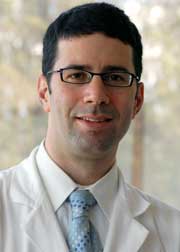
[caption id="attachment_24184" align="alignleft" width="142"] Dr. Alexander Turchin[/caption]
Alexander Turchin, MD, MS
Associate Physician, Brigham and Women's Hospital
Associate Professor of Medicine, Harvard Medical School
Brigham and Women's Hospital
Department of Medicine
Endocrinology
Boston, MA 02115
MedicalResearch.com: What is the background for this study? What are the main findings?
Dr. Turchin: It is known that fewer women than men at high risk for cardiovascular disease are treated with statins.
However, the reasons for this sex disparity are not fully understood.
Our study identified 4 factors that accounted for over 90% of the difference in statin therapy between women and men with coronary artery disease:
Dr. Alexander Turchin[/caption]
Alexander Turchin, MD, MS
Associate Physician, Brigham and Women's Hospital
Associate Professor of Medicine, Harvard Medical School
Brigham and Women's Hospital
Department of Medicine
Endocrinology
Boston, MA 02115
MedicalResearch.com: What is the background for this study? What are the main findings?
Dr. Turchin: It is known that fewer women than men at high risk for cardiovascular disease are treated with statins.
However, the reasons for this sex disparity are not fully understood.
Our study identified 4 factors that accounted for over 90% of the difference in statin therapy between women and men with coronary artery disease:
- Age (women were older than men),
- Amoking (men were more likely to smoke),
- Evaluation by a cardiologist (men were more likely to have been seen by a cardiologist) and
- History of adverse reactions to statins (women were more likely to have experienced an adverse reaction). This is the first time that a near-complete explanation for the sex disparities in statin therapy was found.
 Robert Bonacci[/caption]
Robert Bonacci MPH, MD Candidate’16
University of Pennsylvania School of Medicine
MedicalResearch.com: What is the background for this study?
Response: During the mid-2000’s, the HIV incidence rate stubbornly persisted around 50,000 infections per year. Responding to this trend, President Obama released the first comprehensive US National HIV/AIDS Strategy (NHAS) in 2010. The NHAS hoped to spur a more coordinated national response and set ambitious targets for reducing HIV incidence (25 percent) and the transmission rate (30 percent), among other goals, by 2015.
To evaluate whether the U.S. achieved the NHAS goals by 2015, we used mathematical models drawing on data from the U.S. Centers for Disease Control and Prevention (CDC) on HIV prevalence and mortality for 2007 to 2012, and our own previously published incidence estimates from 2008-2012. Changes seen from 2010 through 2012 were extrapolated for the time period 2013 through 2015.
Robert Bonacci[/caption]
Robert Bonacci MPH, MD Candidate’16
University of Pennsylvania School of Medicine
MedicalResearch.com: What is the background for this study?
Response: During the mid-2000’s, the HIV incidence rate stubbornly persisted around 50,000 infections per year. Responding to this trend, President Obama released the first comprehensive US National HIV/AIDS Strategy (NHAS) in 2010. The NHAS hoped to spur a more coordinated national response and set ambitious targets for reducing HIV incidence (25 percent) and the transmission rate (30 percent), among other goals, by 2015.
To evaluate whether the U.S. achieved the NHAS goals by 2015, we used mathematical models drawing on data from the U.S. Centers for Disease Control and Prevention (CDC) on HIV prevalence and mortality for 2007 to 2012, and our own previously published incidence estimates from 2008-2012. Changes seen from 2010 through 2012 were extrapolated for the time period 2013 through 2015.
 Dr. Melissa Stockwell[/caption]
Melissa Stockwell, MD, MPH, FAAP
Florence Irving Associate Professor of Pediatrics and
Population and Family Health
Columbia University - College of Physicians & Surgeons and
Mailman School of Public Health
Medical Director, New York-Presbyterian Hospital Immunization Registry (EzVac)
Co-Director, Primary Care Clinician Research Fellowship in Community Health
New York, NY 10032
MedicalResearch.com: What is the background for this study? What are the main findings?
Dr. Stockwell: Fragmentation of immunization records place children at risk for underimmunization and overimmunization. Nearly all 50 states, 5 cities, and the District of Columbia operate an immunization information system, which is a system that collects and centralizes immunization data for children and adolescents from immunization providers at a regional or state level. More than 75% of US office-based physicians have adopted an electronic health record (EHR), but until recently, clinicians wanting to access patient immunization information in an IIS generally had to manually look up the patient data on a state or local IIS website, that data was not available to them within their own EHR. In this study, we demonstrated that exchange of immunization information between an immunization information system (IIS) and an EHR at point of care had a significant impact on up-to-date rates, overimmunization, and immunization record completeness for low-income, urban children and adolescents.
Dr. Melissa Stockwell[/caption]
Melissa Stockwell, MD, MPH, FAAP
Florence Irving Associate Professor of Pediatrics and
Population and Family Health
Columbia University - College of Physicians & Surgeons and
Mailman School of Public Health
Medical Director, New York-Presbyterian Hospital Immunization Registry (EzVac)
Co-Director, Primary Care Clinician Research Fellowship in Community Health
New York, NY 10032
MedicalResearch.com: What is the background for this study? What are the main findings?
Dr. Stockwell: Fragmentation of immunization records place children at risk for underimmunization and overimmunization. Nearly all 50 states, 5 cities, and the District of Columbia operate an immunization information system, which is a system that collects and centralizes immunization data for children and adolescents from immunization providers at a regional or state level. More than 75% of US office-based physicians have adopted an electronic health record (EHR), but until recently, clinicians wanting to access patient immunization information in an IIS generally had to manually look up the patient data on a state or local IIS website, that data was not available to them within their own EHR. In this study, we demonstrated that exchange of immunization information between an immunization information system (IIS) and an EHR at point of care had a significant impact on up-to-date rates, overimmunization, and immunization record completeness for low-income, urban children and adolescents.
 Dr. Emily Severance[/caption]
Emily G. Severance, Ph.D
Stanley Division of Developmental Neurovirology
Department of Pediatrics
Johns Hopkins University School of Medicine
Baltimore, MD
MedicalResearch.com: What is the background for this study? What are the main findings?
Dr. Severance: This research stems in part from anecdotal dialogues that we had with people with psychiatric disorders and their families, and repeatedly the issue of yeast infections came up. We found that Candida overgrowth was more prevalent in people with mental illness compared to those without psychiatric disorders and the patterns that we observed occurred in a surprisingly sex-specific manner. The levels of IgG antibodies directed against the Candida albicans were elevated in males with schizophrenia and bipolar disorder compared to controls. In females, there were no differences in antibody levels between these groups, but in women with mental illness who had high amounts of these antibodies, we found significant memory deficits compared to those without evidence of past infection.
Dr. Emily Severance[/caption]
Emily G. Severance, Ph.D
Stanley Division of Developmental Neurovirology
Department of Pediatrics
Johns Hopkins University School of Medicine
Baltimore, MD
MedicalResearch.com: What is the background for this study? What are the main findings?
Dr. Severance: This research stems in part from anecdotal dialogues that we had with people with psychiatric disorders and their families, and repeatedly the issue of yeast infections came up. We found that Candida overgrowth was more prevalent in people with mental illness compared to those without psychiatric disorders and the patterns that we observed occurred in a surprisingly sex-specific manner. The levels of IgG antibodies directed against the Candida albicans were elevated in males with schizophrenia and bipolar disorder compared to controls. In females, there were no differences in antibody levels between these groups, but in women with mental illness who had high amounts of these antibodies, we found significant memory deficits compared to those without evidence of past infection.
 Dr. Hui-Lin Pan[/caption]
Hui-Lin Pan, MD, PhD
Helen T. Hawkins Distinguished Professor
and Deputy Division Head for Research
Division of Anesthesiology and Critical Care, Unit 110
The University of Texas MD Anderson Cancer Center
Houston, TX
MedicalResearch.com: What is the background for this study?
Dr. Hui-Lin Pan: Chronic nerve pain caused by damage to the peripheral nerve is a debilitating health problem and remains very difficult to treat. Sensory neurons in the spinal cord are normally inhibited by inhibitory neurotransmitters (GABA and glycine) to regulate transmission of painful information. A major feature of nerve injury-induced chronic pain is reduced spinal cord inhibition, resulting from diminished activity of a chloride transporter called KCC2. In this study, we investigated whether increasing KCC2 expression at the spinal level using a lentiviral vector can restore KCC2 activity, thereby reducing chronic nerve pain.
Dr. Hui-Lin Pan[/caption]
Hui-Lin Pan, MD, PhD
Helen T. Hawkins Distinguished Professor
and Deputy Division Head for Research
Division of Anesthesiology and Critical Care, Unit 110
The University of Texas MD Anderson Cancer Center
Houston, TX
MedicalResearch.com: What is the background for this study?
Dr. Hui-Lin Pan: Chronic nerve pain caused by damage to the peripheral nerve is a debilitating health problem and remains very difficult to treat. Sensory neurons in the spinal cord are normally inhibited by inhibitory neurotransmitters (GABA and glycine) to regulate transmission of painful information. A major feature of nerve injury-induced chronic pain is reduced spinal cord inhibition, resulting from diminished activity of a chloride transporter called KCC2. In this study, we investigated whether increasing KCC2 expression at the spinal level using a lentiviral vector can restore KCC2 activity, thereby reducing chronic nerve pain.
 Michael Daniel[/caption]
Michael Daniel
The Johns Hopkins University School of Medicine
M.D. Candidate 2016
Michael G. Daniel is a graduating medical student at the Johns Hopkins School of Medicine. He will be attending the Osler Internal Medicine Residency Training Program next year at the Johns Hopkins Hospital. His research focus is on Patient Safety, Quality, and Outcomes improvement.
Summary:
Medical error ranks as the third leading cause of death in the United States, but is not recognized in national vital statistics because of a flawed reporting process. Using recent studies on preventable medical error and extrapolating the results to the 2013 U.S. hospital admissions we calculated a mortality rate or 251,454 deaths per year.
MedicalResearch.com: What made you want to research this topic?
Response: I decided to study medicine because I wanted to improve patient health. However, I realized that improving patient health is not only about curing a disease but is sometimes about fixing the way we deliver healthcare.
MedicalResearch.com: Is this news surprising to you?
Response: Yes, because all previous estimates of medical error were much lower and when I started the research I couldn’t use the CDC statistics to get current data.
Michael Daniel[/caption]
Michael Daniel
The Johns Hopkins University School of Medicine
M.D. Candidate 2016
Michael G. Daniel is a graduating medical student at the Johns Hopkins School of Medicine. He will be attending the Osler Internal Medicine Residency Training Program next year at the Johns Hopkins Hospital. His research focus is on Patient Safety, Quality, and Outcomes improvement.
Summary:
Medical error ranks as the third leading cause of death in the United States, but is not recognized in national vital statistics because of a flawed reporting process. Using recent studies on preventable medical error and extrapolating the results to the 2013 U.S. hospital admissions we calculated a mortality rate or 251,454 deaths per year.
MedicalResearch.com: What made you want to research this topic?
Response: I decided to study medicine because I wanted to improve patient health. However, I realized that improving patient health is not only about curing a disease but is sometimes about fixing the way we deliver healthcare.
MedicalResearch.com: Is this news surprising to you?
Response: Yes, because all previous estimates of medical error were much lower and when I started the research I couldn’t use the CDC statistics to get current data.
 Dr. Reina Haque[/caption]
Reina Haque, PhD MPH
Research scientist
Kaiser Permanente Southern California Department of Research & Evaluation
MedicalResearch.com: What is the background for this study? What are the main findings?
Dr. Haque: The study fills an important knowledge gap about the long-term association of aromatase inhibitors on cardiovascular disease risk in breast cancer survivors.
This was a retrospective cohort study that included a cohort of 13,273 postmenopausal breast cancer survivors who were diagnosed with breast cancer, either estrogen or progesterone receptor positive, from 1991 to 2010. The patients were followed through 2011, or a maximum of 21 years. The study participants were divided into four groups based on the drugs they received: 31.7 percent were treated only with tamoxifen; 28.6 percent only with aromatase inhibitors; 20.2 percent used both; and 19.4 percent did not use any of these drugs. These oral drugs are used to combat breast cancer recurrence, but may have long-term side effects on other organs.
The study determined that the risk of cardiac ischemia (which can lead to a heart attack) and stroke were not elevated in patients who only took aromatase inhibitors compared to those who only took tamoxifen. These results provide reassurance that aromatase inhibitors may not increase risk of the potentially fatal cardiovascular outcomes compared to tamoxifen.
Dr. Reina Haque[/caption]
Reina Haque, PhD MPH
Research scientist
Kaiser Permanente Southern California Department of Research & Evaluation
MedicalResearch.com: What is the background for this study? What are the main findings?
Dr. Haque: The study fills an important knowledge gap about the long-term association of aromatase inhibitors on cardiovascular disease risk in breast cancer survivors.
This was a retrospective cohort study that included a cohort of 13,273 postmenopausal breast cancer survivors who were diagnosed with breast cancer, either estrogen or progesterone receptor positive, from 1991 to 2010. The patients were followed through 2011, or a maximum of 21 years. The study participants were divided into four groups based on the drugs they received: 31.7 percent were treated only with tamoxifen; 28.6 percent only with aromatase inhibitors; 20.2 percent used both; and 19.4 percent did not use any of these drugs. These oral drugs are used to combat breast cancer recurrence, but may have long-term side effects on other organs.
The study determined that the risk of cardiac ischemia (which can lead to a heart attack) and stroke were not elevated in patients who only took aromatase inhibitors compared to those who only took tamoxifen. These results provide reassurance that aromatase inhibitors may not increase risk of the potentially fatal cardiovascular outcomes compared to tamoxifen.
 Dr. Jennifer Graves[/caption]
Jennifer Graves, MD, PhD, MAS
Adult and Pediatric Multiple Sclerosis Centers
UCSF
MedicalResearch.com: What is the background for this study? What are the main findings?
Dr. Graves: Cessation of medications with effects on immune trafficking may be more likely to cause rebound inflammatory activity in autoimmune diseases such as multiple sclerosis. We observed 5 strikingly severe relapses consistent with rebound events following cessation of fingolimod treatment and identified several similar cases in the literature. At our center the rebound events occurred with an approximate 10% frequency.
MedicalResearch.com: What should clinicians and patients take away from your report?
Dr. Graves: Fingolimod cessation may be complicated by rebound phenomena in some patients, similar to what has been observed with natalizumab. Both of these medications have effects on immune cell trafficking, likely explaining the association with rebound events. Careful consideration must be taken in stopping these medications.
Dr. Jennifer Graves[/caption]
Jennifer Graves, MD, PhD, MAS
Adult and Pediatric Multiple Sclerosis Centers
UCSF
MedicalResearch.com: What is the background for this study? What are the main findings?
Dr. Graves: Cessation of medications with effects on immune trafficking may be more likely to cause rebound inflammatory activity in autoimmune diseases such as multiple sclerosis. We observed 5 strikingly severe relapses consistent with rebound events following cessation of fingolimod treatment and identified several similar cases in the literature. At our center the rebound events occurred with an approximate 10% frequency.
MedicalResearch.com: What should clinicians and patients take away from your report?
Dr. Graves: Fingolimod cessation may be complicated by rebound phenomena in some patients, similar to what has been observed with natalizumab. Both of these medications have effects on immune cell trafficking, likely explaining the association with rebound events. Careful consideration must be taken in stopping these medications.
 Dr. Jacqueline French[/caption]
Jacqueline French, MD
Professor, Department of Neurology
Director Translational Research& Clinical Trials Epilepsy
NYU Langone Medical Center
MedicalResearch.com: What is the background for this study?
Dr. French: Tuberous sclerosis complex (TSC) is a disease associated with abnormal cell growth, caused by dysfunction of the TSC1 or TSC2 genes and dysruption of the MTOR pathway, which leads to cortical malformations, neuronal hyperexcitability, and seizures. Seizures in patients with TSC often start within the first year of life, and tend not to respond to traditional treatments. Everolimus is a marketed drug that has been used to treat other manifestations of TSC (including giant cell tumors of the brain, renal angiomyolipomas, and angiofibromas of the skin).
This study was a placebo-controlled add-on study of everolimus for the treatment of refractory seizures in children and adults with epilepsy.Following an 8-week baseline phase, patients aged 2-65 years (stratified by age) with TSC and refractory seizures on 1-3 antiepileptic drugs were randomized to EVE LT or HT Cmin target ranges or placebo, and treated in an 18 week Core Phase (6-wk titration + 12-wk maintenance). Primary endpoints were change from baseline in average weekly frequency of TSC-seizures (seizures not previously shown to be generalized in onset by EEG), expressed as response rate (≥50% reduction [RR]), and percentage reduction.
MedicalResearch.com: What are the main findings?
Dr. French: Overall, 366 patients were randomized to EVE LT (n=117), HT (n=130), or placebo (n=119). The median percentage reduction in TSC-seizures was significantly greater with EVE LT (29.3%, P=0.003) and HT (39.6%, P<0.001) vs placebo (14.9%). RR was also significantly greater with EVE LT (28.2%, P=0.008) and HT (40%, P<0.001) vs placebo (15.1%). The most frequent ≥10% all grade adverse events (AEs) reported with EVE LT/HT vs placebo included stomatitis (28.2%/30.8% vs 3.4%), diarrhea (17.1%/21.5% vs 5%), mouth ulceration (23.9%/21.5% vs 4.2%), nasopharyngitis (13.7%/16.2% vs 16%), upper respiratory tract infection (12.8%/15.4% vs 12.6%), aphthous ulcer (4.3%/14.6% vs 1.7%), and pyrexia (19.7%/13.8% vs 5%). Discontinuations due to AEs (5.1%/3.1% vs 1.7%) were low.
Dr. Jacqueline French[/caption]
Jacqueline French, MD
Professor, Department of Neurology
Director Translational Research& Clinical Trials Epilepsy
NYU Langone Medical Center
MedicalResearch.com: What is the background for this study?
Dr. French: Tuberous sclerosis complex (TSC) is a disease associated with abnormal cell growth, caused by dysfunction of the TSC1 or TSC2 genes and dysruption of the MTOR pathway, which leads to cortical malformations, neuronal hyperexcitability, and seizures. Seizures in patients with TSC often start within the first year of life, and tend not to respond to traditional treatments. Everolimus is a marketed drug that has been used to treat other manifestations of TSC (including giant cell tumors of the brain, renal angiomyolipomas, and angiofibromas of the skin).
This study was a placebo-controlled add-on study of everolimus for the treatment of refractory seizures in children and adults with epilepsy.Following an 8-week baseline phase, patients aged 2-65 years (stratified by age) with TSC and refractory seizures on 1-3 antiepileptic drugs were randomized to EVE LT or HT Cmin target ranges or placebo, and treated in an 18 week Core Phase (6-wk titration + 12-wk maintenance). Primary endpoints were change from baseline in average weekly frequency of TSC-seizures (seizures not previously shown to be generalized in onset by EEG), expressed as response rate (≥50% reduction [RR]), and percentage reduction.
MedicalResearch.com: What are the main findings?
Dr. French: Overall, 366 patients were randomized to EVE LT (n=117), HT (n=130), or placebo (n=119). The median percentage reduction in TSC-seizures was significantly greater with EVE LT (29.3%, P=0.003) and HT (39.6%, P<0.001) vs placebo (14.9%). RR was also significantly greater with EVE LT (28.2%, P=0.008) and HT (40%, P<0.001) vs placebo (15.1%). The most frequent ≥10% all grade adverse events (AEs) reported with EVE LT/HT vs placebo included stomatitis (28.2%/30.8% vs 3.4%), diarrhea (17.1%/21.5% vs 5%), mouth ulceration (23.9%/21.5% vs 4.2%), nasopharyngitis (13.7%/16.2% vs 16%), upper respiratory tract infection (12.8%/15.4% vs 12.6%), aphthous ulcer (4.3%/14.6% vs 1.7%), and pyrexia (19.7%/13.8% vs 5%). Discontinuations due to AEs (5.1%/3.1% vs 1.7%) were low.
 Donghao Lu[/caption]
Donghao Lu MD, PhD candidate
Department of Medical Epidemiology & Biostatistics,
Karolinska Institutet
Stockholm
MedicalResearch.com: What is the background for this study? What are the main findings?
Dr. Lu: Psychiatric comorbidities are common among cancer patients. However, whether or not there is already increased risk of psychiatric disorders during the diagnostic workup leading to a cancer diagnosis was largely unknown.
We found that, among cancer patients, the risks for several common and potentially stress-related mental disorders, including depression, anxiety, substance abuse, somatoform/conversion disorder and stress reaction/adjustment disorder started to increase from ten months before cancer diagnosis, peaked during the first week after diagnosis, compared to cancer-free individuals in Sweden.
Donghao Lu[/caption]
Donghao Lu MD, PhD candidate
Department of Medical Epidemiology & Biostatistics,
Karolinska Institutet
Stockholm
MedicalResearch.com: What is the background for this study? What are the main findings?
Dr. Lu: Psychiatric comorbidities are common among cancer patients. However, whether or not there is already increased risk of psychiatric disorders during the diagnostic workup leading to a cancer diagnosis was largely unknown.
We found that, among cancer patients, the risks for several common and potentially stress-related mental disorders, including depression, anxiety, substance abuse, somatoform/conversion disorder and stress reaction/adjustment disorder started to increase from ten months before cancer diagnosis, peaked during the first week after diagnosis, compared to cancer-free individuals in Sweden.

 Dr. Maurice Ohayon[/caption]
Maurice M. Ohayon, MD, DSc, PhD
Chief of the Division of Public Mental Health and Population Sciences
Director of the Stanford Sleep Epidemiology Research Centre (SSERC)
John-Arrillaga PI & Professor of Psychiatry and Behavioral Sciences
School of Medicine, Stanford University
Palo Alto, CA 94303
MedicalResearch.com: What is the background for this study? What are the main findings?
Dr. Ohayon: Artificial Lights at night are known to be powerful disruptors of the normal sleep/wake cycle. Light exposure at night acts on suppressing and delaying melatonin secretion and exciting the central nervous system.
In this study we focused on the effects of the outdoor lights at night, (such as street lights and lights, outdoor light fixtures and advertising boards) as measured at nighttime by satellite observations.
We analyzed the sleep habits of a representative sample of the American general population that had been interviewed with the artificial intelligence system Sleep-EVAL.
We found that individuals living in areas at high level of radiance, such as can be found in the downtowns of metropolitan areas, have a delayed bedtime, delayed wake up time and, overall, shorter sleep duration, than people living in areas with low nighttime radiance.
Dr. Maurice Ohayon[/caption]
Maurice M. Ohayon, MD, DSc, PhD
Chief of the Division of Public Mental Health and Population Sciences
Director of the Stanford Sleep Epidemiology Research Centre (SSERC)
John-Arrillaga PI & Professor of Psychiatry and Behavioral Sciences
School of Medicine, Stanford University
Palo Alto, CA 94303
MedicalResearch.com: What is the background for this study? What are the main findings?
Dr. Ohayon: Artificial Lights at night are known to be powerful disruptors of the normal sleep/wake cycle. Light exposure at night acts on suppressing and delaying melatonin secretion and exciting the central nervous system.
In this study we focused on the effects of the outdoor lights at night, (such as street lights and lights, outdoor light fixtures and advertising boards) as measured at nighttime by satellite observations.
We analyzed the sleep habits of a representative sample of the American general population that had been interviewed with the artificial intelligence system Sleep-EVAL.
We found that individuals living in areas at high level of radiance, such as can be found in the downtowns of metropolitan areas, have a delayed bedtime, delayed wake up time and, overall, shorter sleep duration, than people living in areas with low nighttime radiance.