
28 Dec End Of Life Discussions Occur Late in Blood Cancer Patients’ Disease
Posted at 12:32h
in Author Interviews, Brigham & Women's - Harvard, End of Life Care, JAMA, Leukemia
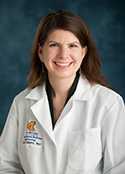
[caption id="attachment_20200" align="alignleft" width="175"] Dr. Odejide[/caption]
MedicalResearch.com Interview with:
Oreofe O. Odejide, MD
Instructor in Medicine, Harvard Medical School
Dana-Farber Cancer Institute
Medical Research: What is the background for this study? What are the main findings?
Dr. Odejide: The care that patients with hematologic cancers receive near the end of life is distinct from patients with solid tumors. For instance, previous research has shown that patients with blood cancers are more likely to receive intensive care at the end of life such as chemotherapy within 14 days of death, intensive care unit admission within 30 days of death, and they are less likely to enroll in hospice. My colleagues and I hypothesized that timing of discussions regarding end-of-life preferences with patients may contribute to these findings, and we wanted to examine hematologic oncologists’ perspectives regarding end-of-life discussions with this patient population.
We conducted a survey of a national sample of hematologic oncologists obtained from the publicly available clinical directory of the American Society of Hematology. We received responses from 349 hematologic oncologists, giving us a response rate of 57.3%. In our survey, we asked hematologic oncologists about the typical timing of EOL discussions in general, and also about the timing of the first discussion regarding resuscitation status, hospice care, and preferred site of death for patients. Three main findings emerged:
Dr. Odejide[/caption]
MedicalResearch.com Interview with:
Oreofe O. Odejide, MD
Instructor in Medicine, Harvard Medical School
Dana-Farber Cancer Institute
Medical Research: What is the background for this study? What are the main findings?
Dr. Odejide: The care that patients with hematologic cancers receive near the end of life is distinct from patients with solid tumors. For instance, previous research has shown that patients with blood cancers are more likely to receive intensive care at the end of life such as chemotherapy within 14 days of death, intensive care unit admission within 30 days of death, and they are less likely to enroll in hospice. My colleagues and I hypothesized that timing of discussions regarding end-of-life preferences with patients may contribute to these findings, and we wanted to examine hematologic oncologists’ perspectives regarding end-of-life discussions with this patient population.
We conducted a survey of a national sample of hematologic oncologists obtained from the publicly available clinical directory of the American Society of Hematology. We received responses from 349 hematologic oncologists, giving us a response rate of 57.3%. In our survey, we asked hematologic oncologists about the typical timing of EOL discussions in general, and also about the timing of the first discussion regarding resuscitation status, hospice care, and preferred site of death for patients. Three main findings emerged:
- First, the majority of hematologic oncologists (56%) reported that typical EOL discussions occur “too late.”
- Second, hematologic oncologists practicing primarily in tertiary care settings were more likely to report late discussions compared to those in community settings.
- Third, a substantial proportion of respondents reported that they typically conduct the initial discussions regarding resuscitation status, hospice care, and preferred site of death at less optimal times.
 Dr. Shinkai[/caption]
MedicalResearch.com Interview with:
Kanade Shinkai, MD PhD
Associate Professor of Clinical Dermatology
Director, Residency Program
Endowed Chair in Dermatology Medical Student Education
UCSF Department of Dermatology
San Francisco, CA 94115
Medical Research: What is the background for this study? What are the main findings?
Dr. Shinkai: Polycystic Ovary Syndrome (PCOS) is a common endocrine disorder in the United States that has important skin manifestations including acne, hair loss, hirsutism, and acanthosis nigricans. We performed a retrospective cross-sectional study of women referred to a multidisciplinary PCOS clinic at UCSF to determine whether skin findings and systemic associations differ between women who meet diagnostic criteria for PCOS versus those suspected of having PCOS but do not meet diagnostic criteria. We found that women with PCOS commonly have skin findings, however, present across a broad spectrum of cutaneous manifestations.
Comparing the skin findings in women who meet diagnostic criteria for PCOS with women who are suspected of having PCOS suggests that it can be very difficult to distinguish a patient with PCOS based on skin findings alone. Hirsutism and acanthosis nigricans are the most helpful findings to suggest
Dr. Shinkai[/caption]
MedicalResearch.com Interview with:
Kanade Shinkai, MD PhD
Associate Professor of Clinical Dermatology
Director, Residency Program
Endowed Chair in Dermatology Medical Student Education
UCSF Department of Dermatology
San Francisco, CA 94115
Medical Research: What is the background for this study? What are the main findings?
Dr. Shinkai: Polycystic Ovary Syndrome (PCOS) is a common endocrine disorder in the United States that has important skin manifestations including acne, hair loss, hirsutism, and acanthosis nigricans. We performed a retrospective cross-sectional study of women referred to a multidisciplinary PCOS clinic at UCSF to determine whether skin findings and systemic associations differ between women who meet diagnostic criteria for PCOS versus those suspected of having PCOS but do not meet diagnostic criteria. We found that women with PCOS commonly have skin findings, however, present across a broad spectrum of cutaneous manifestations.
Comparing the skin findings in women who meet diagnostic criteria for PCOS with women who are suspected of having PCOS suggests that it can be very difficult to distinguish a patient with PCOS based on skin findings alone. Hirsutism and acanthosis nigricans are the most helpful findings to suggest  Dr. Cassie Kennedy[/caption]
MedicalResearch.com Interview with:
Cassie Kennedy, M.D.
Pulmonology and Critical Care Medicine
Mayo Clinic
Medical Research: What is the background for this study?
Dr. Kennedy: Lung transplant is a surgical procedure that can offer extended life expectancy and improved quality of life to selected patients with end-stage lung disease. However there are about 1700 patients awaiting lung transplant at any given time in the United States because transplant recipients far exceed potential donors. In addition, even with carefully chosen candidates, lung transplant recipients live on average about 5.5 years. It is therefore very important for transplant physicians to choose patients who will receive the most benefit from their lung transplant.
Frailty (defined as an increased vulnerability to adverse health outcomes) has typically been a subjective consideration by transplant physicians when choosing lung transplant candidates. The emergence of more objective and reproducible frailty measures from the geriatric literature present an opportunity to study the prevalence of frailty in lung transplant (despite that subjective screening) and to determine whether the presence of frailty has any impact on patient outcomes.
Medical Research: What are the main findings?
Dr. Kennedy: Frailty is quite common --46 percent of our patient cohort was frail by the Frailty Deficit Index. We also saw a significant association between frailty and worsened survival following lung transplantation: one-year survival rate for frail patients was 71.7 percent, compared to 92.9 percent for patients who were not frail. At three years this difference in survival persisted--the survival rate for frail patients was 41.3 percent, compared to 66.1 percent for patients who were not frail.
Dr. Cassie Kennedy[/caption]
MedicalResearch.com Interview with:
Cassie Kennedy, M.D.
Pulmonology and Critical Care Medicine
Mayo Clinic
Medical Research: What is the background for this study?
Dr. Kennedy: Lung transplant is a surgical procedure that can offer extended life expectancy and improved quality of life to selected patients with end-stage lung disease. However there are about 1700 patients awaiting lung transplant at any given time in the United States because transplant recipients far exceed potential donors. In addition, even with carefully chosen candidates, lung transplant recipients live on average about 5.5 years. It is therefore very important for transplant physicians to choose patients who will receive the most benefit from their lung transplant.
Frailty (defined as an increased vulnerability to adverse health outcomes) has typically been a subjective consideration by transplant physicians when choosing lung transplant candidates. The emergence of more objective and reproducible frailty measures from the geriatric literature present an opportunity to study the prevalence of frailty in lung transplant (despite that subjective screening) and to determine whether the presence of frailty has any impact on patient outcomes.
Medical Research: What are the main findings?
Dr. Kennedy: Frailty is quite common --46 percent of our patient cohort was frail by the Frailty Deficit Index. We also saw a significant association between frailty and worsened survival following lung transplantation: one-year survival rate for frail patients was 71.7 percent, compared to 92.9 percent for patients who were not frail. At three years this difference in survival persisted--the survival rate for frail patients was 41.3 percent, compared to 66.1 percent for patients who were not frail.
 Dr. Veenstra[/caption]
MedicalResearch.com Interview with:
Christine Veenstra MD
Clinical Lecturer, Internal Medicine
Medical Oncology
University of Michigan
Ann Arbor, MI 48109-5343
MedicalResearch: What is the background for this study? What are the main findings?
Dr. Veenstra: Patients with cancer face many costs and incur financial burden as they go through diagnosis and treatment. For working patients, cancer diagnosis and treatment may come with the additional burden of time away from work, lost income, and even long-term job loss. Although 40% of US workers do not have access to paid sick leave, we hypothesized that availability of paid sick leave could reduce the need to take unpaid time away from work during cancer treatment and might therefore be associated with job retention and reduced personal financial burden.
In a survey of over 1300 patients with Stage III colorectal cancer, we found that only 55% of those who were employed at the time of their cancer diagnosis retained their jobs. Working patients with paid sick leave were nearly twice as likely to retain their jobs compared with working patients who did not have paid sick leave. This held true even when controlling for income, education and health insurance. Furthermore, working patients without paid sick reported significantly higher personal financial burden than those who had paid sick leave available.
Dr. Veenstra[/caption]
MedicalResearch.com Interview with:
Christine Veenstra MD
Clinical Lecturer, Internal Medicine
Medical Oncology
University of Michigan
Ann Arbor, MI 48109-5343
MedicalResearch: What is the background for this study? What are the main findings?
Dr. Veenstra: Patients with cancer face many costs and incur financial burden as they go through diagnosis and treatment. For working patients, cancer diagnosis and treatment may come with the additional burden of time away from work, lost income, and even long-term job loss. Although 40% of US workers do not have access to paid sick leave, we hypothesized that availability of paid sick leave could reduce the need to take unpaid time away from work during cancer treatment and might therefore be associated with job retention and reduced personal financial burden.
In a survey of over 1300 patients with Stage III colorectal cancer, we found that only 55% of those who were employed at the time of their cancer diagnosis retained their jobs. Working patients with paid sick leave were nearly twice as likely to retain their jobs compared with working patients who did not have paid sick leave. This held true even when controlling for income, education and health insurance. Furthermore, working patients without paid sick reported significantly higher personal financial burden than those who had paid sick leave available.
 Dr. Abigail Sewell[/caption]
MedicalResearch.com Interview with:
Abigail Sewell PhD
Assistant Professor of Sociology
Emory University
Medical Research: What is the background for this study?
Dr. Sewell: Ethnoracial minorities report poorer quality of care than do whites. However, one key dimension of health care quality - trust in one's personal physician - indicates mixed associations with race. This study examines five dimensions of the patient-physician relationship independently of each other to identify the aspects of health care where minorities feel most alienated from their doctors.
Medical Research: What are the main findings?
Dr. Sewell: The results of the study show that Blacks and Latinos are less likely to believe that their doctors really care about them as a person than are Whites.
Dr. Abigail Sewell[/caption]
MedicalResearch.com Interview with:
Abigail Sewell PhD
Assistant Professor of Sociology
Emory University
Medical Research: What is the background for this study?
Dr. Sewell: Ethnoracial minorities report poorer quality of care than do whites. However, one key dimension of health care quality - trust in one's personal physician - indicates mixed associations with race. This study examines five dimensions of the patient-physician relationship independently of each other to identify the aspects of health care where minorities feel most alienated from their doctors.
Medical Research: What are the main findings?
Dr. Sewell: The results of the study show that Blacks and Latinos are less likely to believe that their doctors really care about them as a person than are Whites.
 Dr. Qi Sun[/caption]
MedicalResearch.com Interview with:
Dr. Qi Sun Sc.D
Assistant Professor
Department of Nutrition
Harvard T.H. Chan School of Public Health
Boston, Massachusetts
Medical Research: What is the background for this study? What are the main findings?
Dr. Qi Sun: Potato is considered as a vegetable in certain dietary recommendations, such as in the U.S. MyPlate food guide, whereas in the U.K. national food guide, potato is grouped with cereal as sources of carbohydrates. Potato foods are typically higher in glycemic index and glycemic load, but data are rare regarding whether individual and total potato foods are associated with chronic diseases. In this analysis, we focused on diabetes and found that a higher consumption of total potato foods and individual potato foods, especially french fries, was associated with an increased risk of developing type 2 diabetes in three large cohort studies of ~200 thousand U.S. men and women. In addition, we found that increased potato food consumption over time was associated with a subsequent increased risk of developing diabetes.
Dr. Qi Sun[/caption]
MedicalResearch.com Interview with:
Dr. Qi Sun Sc.D
Assistant Professor
Department of Nutrition
Harvard T.H. Chan School of Public Health
Boston, Massachusetts
Medical Research: What is the background for this study? What are the main findings?
Dr. Qi Sun: Potato is considered as a vegetable in certain dietary recommendations, such as in the U.S. MyPlate food guide, whereas in the U.K. national food guide, potato is grouped with cereal as sources of carbohydrates. Potato foods are typically higher in glycemic index and glycemic load, but data are rare regarding whether individual and total potato foods are associated with chronic diseases. In this analysis, we focused on diabetes and found that a higher consumption of total potato foods and individual potato foods, especially french fries, was associated with an increased risk of developing type 2 diabetes in three large cohort studies of ~200 thousand U.S. men and women. In addition, we found that increased potato food consumption over time was associated with a subsequent increased risk of developing diabetes.
 Dr. Jennifer Stein[/caption]
MedicalResearch.com Interview with:
Dr. Jennifer Stein MD
Associate Professor
Department of Ronald O. Perelman
Department of Dermatology
NYU Langone Medical Center
Medical Research: What is the background for this FDA decision? What is the issue surrounding tanning beds?
Dr. Stein: This is an important proposal from the FDA because it restricts minors from tanning and requires adults to sign an acknowledgement stating they have been informed about the risks of tanning.
There is clear evidence that indoor tanning significantly increases a person’s risk for skin cancer, including melanoma, a potentially deadly form of skin cancer.
It is important to protect young people from the dangers of tanning beds, especially because many patients report that they started indoor tanning as teens. There are 1.6 million minors using tanning beds every year.
MedicalResearch: What is the problem with tanning? Isn't a tan better than a sunburn?
Dr. Stein: Tanning beds deliver intense amounts of UVA. We know that UVA penetrates deep into the skin and causes mutations that lead to skin cancers, including melanoma. Tanning is a sign that skin cells have been damaged by UV light.
Dr. Jennifer Stein[/caption]
MedicalResearch.com Interview with:
Dr. Jennifer Stein MD
Associate Professor
Department of Ronald O. Perelman
Department of Dermatology
NYU Langone Medical Center
Medical Research: What is the background for this FDA decision? What is the issue surrounding tanning beds?
Dr. Stein: This is an important proposal from the FDA because it restricts minors from tanning and requires adults to sign an acknowledgement stating they have been informed about the risks of tanning.
There is clear evidence that indoor tanning significantly increases a person’s risk for skin cancer, including melanoma, a potentially deadly form of skin cancer.
It is important to protect young people from the dangers of tanning beds, especially because many patients report that they started indoor tanning as teens. There are 1.6 million minors using tanning beds every year.
MedicalResearch: What is the problem with tanning? Isn't a tan better than a sunburn?
Dr. Stein: Tanning beds deliver intense amounts of UVA. We know that UVA penetrates deep into the skin and causes mutations that lead to skin cancers, including melanoma. Tanning is a sign that skin cells have been damaged by UV light.
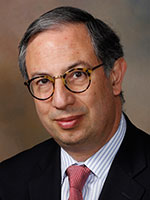
 Prof. Schmid-Schonbein[/caption]
MedicalResearch.com Interview with:
Geert W. Schmid-Schonbein, Ph.D.
Distinguished Professor and Chairman
Department of Bioengineering
Adjunct Professor in Medicine
University of California San Diego
Medical Research: What is the background for this study? What are the main findings?
Dr. Schmid-Schonbein: Most approaches to control/reduce body weight focus on reducing food quantity, improving quality and promoting daily activity. These approaches, effective in the short term, only yield modest weight control. Weight management strategies recommended in the past have not significantly diminished the current trend towards childhood and adolescence obesity.
We developed and tested an alternative approach to control weight gain in healthy individuals to reduce the risk for development of obesity and diabetes complications. The essence is to:
“Eat deliberately slow AND stop eating when you feel no longer hungry”.
The approach avoids any form of special diet, uses no drugs, can be adopted for a lifetime and used in any ethnic environment. Children in a Mexican School in Durango were instructed by a pediatrician to learn to eat deliberately slow and to stop eating when the satiety reflex sets in, i.e. the moment when the feeling of hunger has disappeared.
They were instructed to:
Prof. Schmid-Schonbein[/caption]
MedicalResearch.com Interview with:
Geert W. Schmid-Schonbein, Ph.D.
Distinguished Professor and Chairman
Department of Bioengineering
Adjunct Professor in Medicine
University of California San Diego
Medical Research: What is the background for this study? What are the main findings?
Dr. Schmid-Schonbein: Most approaches to control/reduce body weight focus on reducing food quantity, improving quality and promoting daily activity. These approaches, effective in the short term, only yield modest weight control. Weight management strategies recommended in the past have not significantly diminished the current trend towards childhood and adolescence obesity.
We developed and tested an alternative approach to control weight gain in healthy individuals to reduce the risk for development of obesity and diabetes complications. The essence is to:
“Eat deliberately slow AND stop eating when you feel no longer hungry”.
The approach avoids any form of special diet, uses no drugs, can be adopted for a lifetime and used in any ethnic environment. Children in a Mexican School in Durango were instructed by a pediatrician to learn to eat deliberately slow and to stop eating when the satiety reflex sets in, i.e. the moment when the feeling of hunger has disappeared.
They were instructed to:
 Dr. Carlos del Rio[/caption]
MedicalResearch.com Interview Questions
Carlos del Rio, MD
Chair, HIV Medicine Association
Department of Medicine
Hubert Professor and Chair of the Department of Global Health at the Rollins School of Public Health Professor of Medicine in the Division of Infectious Diseases
Emory University School of Medicine
MedicalResearch.com Editor's note: Dr. Carlos del Rio discusses the statement from the Infectious Diseases Society of America (IDSA), HIV Medicine Association (HIVMA) and the Pediatric Infectious Diseases Society (PIDS) regarding the news that Express Scripts is taking steps to improve access to obtaining pyrimethamine for patients with toxoplasmosis.
Medical Research: What is the background for this Express Scripts announcement?
Dr. del Rio: The HIV Medicine Association (HIVMA) and the Infectious Diseases Society of America initially heard from our members (ID and HIV clinicians) in August about the 5000% price increase in Daraprim® (from $13.50 to $750 per tablet) following Turing Pharmaceuticals’ acquisition of the rights to distribute Daraprim® from Impax Laboratories, Inc.
Dr. Carlos del Rio[/caption]
MedicalResearch.com Interview Questions
Carlos del Rio, MD
Chair, HIV Medicine Association
Department of Medicine
Hubert Professor and Chair of the Department of Global Health at the Rollins School of Public Health Professor of Medicine in the Division of Infectious Diseases
Emory University School of Medicine
MedicalResearch.com Editor's note: Dr. Carlos del Rio discusses the statement from the Infectious Diseases Society of America (IDSA), HIV Medicine Association (HIVMA) and the Pediatric Infectious Diseases Society (PIDS) regarding the news that Express Scripts is taking steps to improve access to obtaining pyrimethamine for patients with toxoplasmosis.
Medical Research: What is the background for this Express Scripts announcement?
Dr. del Rio: The HIV Medicine Association (HIVMA) and the Infectious Diseases Society of America initially heard from our members (ID and HIV clinicians) in August about the 5000% price increase in Daraprim® (from $13.50 to $750 per tablet) following Turing Pharmaceuticals’ acquisition of the rights to distribute Daraprim® from Impax Laboratories, Inc. Dr. Erik Alexander[/caption]
MedicalResearch.com Interview with:
Dr. Erik K. Alexander, MD FACP
Chief, Thyroid Section, Division of Endocrinology
Brigham & Women's Hospital
Associate Professor of Medicine, Harvard Medical School
Medical Research: What is the background for this study? What are the main findings?
Dr. Alexander: Thyroid nodular disease has become an increasingly common medical illness, with prevalence reported to range between 26-67% in the adult. Though advancing age is known to influence the formation of thyroid nodules, their precise relationship remains unclear. Furthermore, it is uncertain whether age influences the risk that any thyroid nodule may prove cancerous. Thus we conducted a study to determine the impact of patient age on nodule formation, the number of
Dr. Erik Alexander[/caption]
MedicalResearch.com Interview with:
Dr. Erik K. Alexander, MD FACP
Chief, Thyroid Section, Division of Endocrinology
Brigham & Women's Hospital
Associate Professor of Medicine, Harvard Medical School
Medical Research: What is the background for this study? What are the main findings?
Dr. Alexander: Thyroid nodular disease has become an increasingly common medical illness, with prevalence reported to range between 26-67% in the adult. Though advancing age is known to influence the formation of thyroid nodules, their precise relationship remains unclear. Furthermore, it is uncertain whether age influences the risk that any thyroid nodule may prove cancerous. Thus we conducted a study to determine the impact of patient age on nodule formation, the number of  Dr. Manali Patel[/caption]
MedicalResearch.com Interview with:
Manali Patel, MD, MPH
Instructor in the Division of Oncology
Department of Medicine
Stanford University School of Medicine
Researcher at the Clinical Excellence Research Center and the Primary Care and Outcomes Research Group at Stanford
Staff oncologist at the Veterans Administration and a researcher in the Palo Alto Veterans Administration Health Services & Research Development group.
Medical Research: What is the background for this study?
Dr. Patel: Racial and ethnic disparities in Acute Leukemia are well documented in the literature but the reasons underlying the disparities remain largely unknown. In our previous work, we demonstrated mortality disparities for minorities with Acute Myeloid Leukemia despite favorable prognostic demographic and molecular factors. We have also shown that differences in receipt of treatment may partially explain a large component of these disparities. The purpose of this study is to determine how socioeconomic status factors influence mortality from Acute Leukemia using a population-based novel linked dataset of the Surveillance Epidemiology and End Results Database and the National Longitudinal Mortality Study.
Medical Research: What are the main findings?
Dr. Patel: We found a total of 121 patients with Acute Lymphoid Leukemia and 438 patients with Acute Myeloid Leukemia in the linked dataset. After adjusting for socioeconomic status factors, there were increased risk of mortality among Hispanic and decreased risk of mortality among Asian Pacific Islander patients as compared with non-Hispanic white patients in Acute Lymphocytic Leukemia. Among patients with Acute Myeloid Leukemia, we found no associations of mortality by race/ethnicity and socioeconomic status.
Dr. Manali Patel[/caption]
MedicalResearch.com Interview with:
Manali Patel, MD, MPH
Instructor in the Division of Oncology
Department of Medicine
Stanford University School of Medicine
Researcher at the Clinical Excellence Research Center and the Primary Care and Outcomes Research Group at Stanford
Staff oncologist at the Veterans Administration and a researcher in the Palo Alto Veterans Administration Health Services & Research Development group.
Medical Research: What is the background for this study?
Dr. Patel: Racial and ethnic disparities in Acute Leukemia are well documented in the literature but the reasons underlying the disparities remain largely unknown. In our previous work, we demonstrated mortality disparities for minorities with Acute Myeloid Leukemia despite favorable prognostic demographic and molecular factors. We have also shown that differences in receipt of treatment may partially explain a large component of these disparities. The purpose of this study is to determine how socioeconomic status factors influence mortality from Acute Leukemia using a population-based novel linked dataset of the Surveillance Epidemiology and End Results Database and the National Longitudinal Mortality Study.
Medical Research: What are the main findings?
Dr. Patel: We found a total of 121 patients with Acute Lymphoid Leukemia and 438 patients with Acute Myeloid Leukemia in the linked dataset. After adjusting for socioeconomic status factors, there were increased risk of mortality among Hispanic and decreased risk of mortality among Asian Pacific Islander patients as compared with non-Hispanic white patients in Acute Lymphocytic Leukemia. Among patients with Acute Myeloid Leukemia, we found no associations of mortality by race/ethnicity and socioeconomic status.
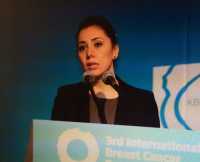 Dr. Chavez-MacGregor[/caption]
MedicalResearch.com Interview with:
Mariana Chavez Mac Gregor, MD, MSC
Assistant Professor
Breast Medical Oncology Department
Health Services Research Department
The University of Texas MD Anderson Cancer Center
Medical Research: What is the background for this study? What are the main findings?
Dr. Chavez Mac Gregor: Adjuvant chemotherapy has proven to significantly decrease the risk of recurrence among breast cancer patients, however the optimal time to start adjuvant chemotherpay remains unknown. There are biological resasons to believe that a delay in the initiation of systemic therapy can be associated with adverse outcomes. In this large study we evaluated the impact of a delay in the initiation of time to chemotherapy (TTC). We analyzed data from 24,843 patients with invasive breast cancer (stages I to III) from the California Cancer Registry and observed that compared with patients who received chemotherapy within 31 days of surgery, no adverse outcomes were associated with time to chemotherapy of 31 to 90 days of surgery. However, there was a 34 % increase in the risk of death and a 27% increase in the risk of
Dr. Chavez-MacGregor[/caption]
MedicalResearch.com Interview with:
Mariana Chavez Mac Gregor, MD, MSC
Assistant Professor
Breast Medical Oncology Department
Health Services Research Department
The University of Texas MD Anderson Cancer Center
Medical Research: What is the background for this study? What are the main findings?
Dr. Chavez Mac Gregor: Adjuvant chemotherapy has proven to significantly decrease the risk of recurrence among breast cancer patients, however the optimal time to start adjuvant chemotherpay remains unknown. There are biological resasons to believe that a delay in the initiation of systemic therapy can be associated with adverse outcomes. In this large study we evaluated the impact of a delay in the initiation of time to chemotherapy (TTC). We analyzed data from 24,843 patients with invasive breast cancer (stages I to III) from the California Cancer Registry and observed that compared with patients who received chemotherapy within 31 days of surgery, no adverse outcomes were associated with time to chemotherapy of 31 to 90 days of surgery. However, there was a 34 % increase in the risk of death and a 27% increase in the risk of 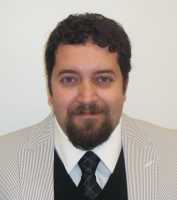 Dr. Shervin Assari[/caption]
MedicalResearch.com Interview with:
Shervin Assari, MD, MPH
Faculty, research investigator
Department of Psychiatry and
Center for Research on Ethnicity, Culture, and Health
University of Michigan School of Public Health
University of Michigan
Ann Arbor, MI
Medical Research: What is the background for this study? What are the main findings?
Dr. Assari: Literature has consistently shown that a single question that asks individuals to rate their health strongly predicts risk of mortality net of traditional risk factors. Our study shows that self rated health that very well predicts risk of death over a 25 year for Whites does not have any predictive value for Blacks. The results are important because Blacks have a worse self rated health and also shorter life expectancy in the United States, but those 2 health problems have weaker link among Blacks as Whites.
Dr. Shervin Assari[/caption]
MedicalResearch.com Interview with:
Shervin Assari, MD, MPH
Faculty, research investigator
Department of Psychiatry and
Center for Research on Ethnicity, Culture, and Health
University of Michigan School of Public Health
University of Michigan
Ann Arbor, MI
Medical Research: What is the background for this study? What are the main findings?
Dr. Assari: Literature has consistently shown that a single question that asks individuals to rate their health strongly predicts risk of mortality net of traditional risk factors. Our study shows that self rated health that very well predicts risk of death over a 25 year for Whites does not have any predictive value for Blacks. The results are important because Blacks have a worse self rated health and also shorter life expectancy in the United States, but those 2 health problems have weaker link among Blacks as Whites.
 Dr. Diefenbach[/caption]
MedicalResearch.com Interview with:
Dr. Catherine S. M. Diefenbach MD
Assistant Professor of Medicine
NYU Langone
Laura and Isaac Perlmutter Cancer Center
New York, NY 10016
Medical Research: What is the background for this study? What are the main findings?
Dr. Diefenbach: The background of the study is that through an understanding of the unique immunobiology of Hodgkin lymphoma we can derive rational treatment strategies which may heighten the efficacy of existing therapies, and improve the outcomes for patients with relapsed disease. In E4412 which is a national study sponsored by the Eastern Cooperative Oncology Group (ECOG-ACRIN) we explore the safety and efficacy of combination of the antibody drug conjugate brentuximab vedotin which targets CD30 on the surface of the Hodgkin lymphoma tumor cells, and immune stimulation of the T cells in the tumor microenvironment using checkpoint inhibitors. We reported the data from the first arm of the study Brentuximab Vedotin and Ipilimumab. To date 23 patients with relapsed Hodgkin lymphoma have been treated; the combination of brentuximab and
Dr. Diefenbach[/caption]
MedicalResearch.com Interview with:
Dr. Catherine S. M. Diefenbach MD
Assistant Professor of Medicine
NYU Langone
Laura and Isaac Perlmutter Cancer Center
New York, NY 10016
Medical Research: What is the background for this study? What are the main findings?
Dr. Diefenbach: The background of the study is that through an understanding of the unique immunobiology of Hodgkin lymphoma we can derive rational treatment strategies which may heighten the efficacy of existing therapies, and improve the outcomes for patients with relapsed disease. In E4412 which is a national study sponsored by the Eastern Cooperative Oncology Group (ECOG-ACRIN) we explore the safety and efficacy of combination of the antibody drug conjugate brentuximab vedotin which targets CD30 on the surface of the Hodgkin lymphoma tumor cells, and immune stimulation of the T cells in the tumor microenvironment using checkpoint inhibitors. We reported the data from the first arm of the study Brentuximab Vedotin and Ipilimumab. To date 23 patients with relapsed Hodgkin lymphoma have been treated; the combination of brentuximab and 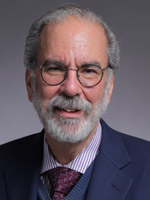 Dr. Weitzman[/caption]
MedicalResearch.com Interview with:
Michael L. Weitzman MD
Professor, Departments of Pediatrics and Environmental Medicine
NYU Langone Medical Center.
Medical Research: What is the background for this study? What are the main findings?
Dr. Weitzman: While the prevalence of cigarette smoking in the United States has recently seen a steady decline, more and more individuals report hookah (water pipe) usage. Researchers have shown that web queries for ‘hookah’ and ‘hookah bars’ have increased dramatically, but it is unclear whether this interest has led to an increase in the number of hookah bars in a given area. We first tested the website Yelp.com to see whether it could reliably provide us with information – such as the date of establishment of a hookah bar – by comparing the date of the first review written on Yelp.com with the actual opening date. We found that, for 2014 onwards, the first review posting on Yelp.com, on average, occurred within the first month of a hookah bar’s opening date. Additionally, we found a dramatic increase in the number of hookah bars in New York City over the past 5 years. These hookah bars tend to be not randomly distributed, but instead clustered near universities and specific ethnic neighborhoods.
Dr. Weitzman[/caption]
MedicalResearch.com Interview with:
Michael L. Weitzman MD
Professor, Departments of Pediatrics and Environmental Medicine
NYU Langone Medical Center.
Medical Research: What is the background for this study? What are the main findings?
Dr. Weitzman: While the prevalence of cigarette smoking in the United States has recently seen a steady decline, more and more individuals report hookah (water pipe) usage. Researchers have shown that web queries for ‘hookah’ and ‘hookah bars’ have increased dramatically, but it is unclear whether this interest has led to an increase in the number of hookah bars in a given area. We first tested the website Yelp.com to see whether it could reliably provide us with information – such as the date of establishment of a hookah bar – by comparing the date of the first review written on Yelp.com with the actual opening date. We found that, for 2014 onwards, the first review posting on Yelp.com, on average, occurred within the first month of a hookah bar’s opening date. Additionally, we found a dramatic increase in the number of hookah bars in New York City over the past 5 years. These hookah bars tend to be not randomly distributed, but instead clustered near universities and specific ethnic neighborhoods.
 Dr. Eileen Shinn[/caption]
MedicalResearch.com Interview with:
Dr. Eileen H. Shinn PhD
Assistant Professor, Department of Behavioral Science
Cancer Prevention and Population Sciences
MD Anderson Cancer Center
The University of Texas
Houston, TX
Medical Research: What is the background for this study? What are the main findings?
Dr. Shinn: Recent studies with leukemia, breast, lung, renal and liver cancer patients have shown that patients with depression have worsened survival. These effect sizes are small, but independent of any of the traditional factors that are known to impact survival, such as extent of cancer, types of treatment administered and baseline health and age of the patient. The current thinking is that cancer patients who are depressed have chronically heightened responses to stress; the constant release of stress hormones trigger changes in the tumor itself (such as noradrenergically-driven tumor angiogenesis) or may weakens the body’s immune function and ability to resist tumor growth.
When we measured depression in newly diagnosed patients with oropharyngeal cancer (cancer of the base of tongue and tonsil), we found that those patients who scored as depressed were 3.5 times more likely to have died within the five year period after their diagnosis, compared to nondepressed patients. We also found that patients who were depressed were also 3.8 times more likely to have their cancer recur within the first five years after diagnosis. We also found that patients who continued to smoke after diagnosis were more likely to recur within the first five years. These effect sizes were larger than those typically found in recent studies. We believe that the larger effect size may be due to the tight eligibility criteria ( e.g., we did not include patients who already had recurrent disease, we only included patients with one specific type of head and neck cancer, oropharyngeal) and also due to controlling other known factors (all patients completed individualized treatment regimens of radiation/ chemoradiation at a comprehensive cancer center and patients with more advanced disease stage were more likely to have received treatment intensification compared to patients with early stage disease). In all, we had 130 patients, one of the largest prospective studies with oropharyngeal cancer to examine the effect of depression on cancer outcome.
Dr. Eileen Shinn[/caption]
MedicalResearch.com Interview with:
Dr. Eileen H. Shinn PhD
Assistant Professor, Department of Behavioral Science
Cancer Prevention and Population Sciences
MD Anderson Cancer Center
The University of Texas
Houston, TX
Medical Research: What is the background for this study? What are the main findings?
Dr. Shinn: Recent studies with leukemia, breast, lung, renal and liver cancer patients have shown that patients with depression have worsened survival. These effect sizes are small, but independent of any of the traditional factors that are known to impact survival, such as extent of cancer, types of treatment administered and baseline health and age of the patient. The current thinking is that cancer patients who are depressed have chronically heightened responses to stress; the constant release of stress hormones trigger changes in the tumor itself (such as noradrenergically-driven tumor angiogenesis) or may weakens the body’s immune function and ability to resist tumor growth.
When we measured depression in newly diagnosed patients with oropharyngeal cancer (cancer of the base of tongue and tonsil), we found that those patients who scored as depressed were 3.5 times more likely to have died within the five year period after their diagnosis, compared to nondepressed patients. We also found that patients who were depressed were also 3.8 times more likely to have their cancer recur within the first five years after diagnosis. We also found that patients who continued to smoke after diagnosis were more likely to recur within the first five years. These effect sizes were larger than those typically found in recent studies. We believe that the larger effect size may be due to the tight eligibility criteria ( e.g., we did not include patients who already had recurrent disease, we only included patients with one specific type of head and neck cancer, oropharyngeal) and also due to controlling other known factors (all patients completed individualized treatment regimens of radiation/ chemoradiation at a comprehensive cancer center and patients with more advanced disease stage were more likely to have received treatment intensification compared to patients with early stage disease). In all, we had 130 patients, one of the largest prospective studies with oropharyngeal cancer to examine the effect of depression on cancer outcome.
 Dr. Chagpar[/caption]
MedicalResearch.com Interview with:
Anees B. Chagpar, MD, MSc, MPH, MA, MBA, FRCS(C), FACS
Associate Professor, Department of Surgery
Director, The Breast Center
Smilow Cancer Hospital at Yale-New Haven
Assistant Director -- Global Oncology
Yale Comprehensive Cancer Center
Yale University School of Medicine
Medical Research: What is the background for this study?
Dr. Chagpar: Up to 40% of women undergoing breast conserving surgery for breast cancer will have to return to the operating room due to positive margins (or cancer cells being found at the edge of what was removed at the initial surgery). We recently reported the results of a randomized controlled trial, published in the
Dr. Chagpar[/caption]
MedicalResearch.com Interview with:
Anees B. Chagpar, MD, MSc, MPH, MA, MBA, FRCS(C), FACS
Associate Professor, Department of Surgery
Director, The Breast Center
Smilow Cancer Hospital at Yale-New Haven
Assistant Director -- Global Oncology
Yale Comprehensive Cancer Center
Yale University School of Medicine
Medical Research: What is the background for this study?
Dr. Chagpar: Up to 40% of women undergoing breast conserving surgery for breast cancer will have to return to the operating room due to positive margins (or cancer cells being found at the edge of what was removed at the initial surgery). We recently reported the results of a randomized controlled trial, published in the 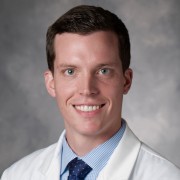 Dr. Kevin Nead[/caption]
MedicalResearch.com Interview with:
Kevin T. Nead, MD, MPhil
Dept. of Radiation Oncology
Perelman School of Medicine
University of Pennsylvania
MedicalResearch: What is the background for this study? What are the main findings?
Dr. Nead: There are a growing number of studies suggesting that the use of Androgen Deprivation Therapy (ADT) may be associated with cognitive changes and some of these changes overlap with characteristic features of Alzheimer’s disease. In addition, low testosterone levels have been associated with Alzheimer’s disease risk and ADT lowers testosterone levels. Despite these findings, we could not identify any studies examining the association between ADT and Alzheimer’s disease risk. We therefore felt this study could make an important contribution in guiding future research to fully understand the relative risks and benefits of ADT.
We examined electronic medical record data from Stanford University and Mt. Sinai hospitals to identify a cohort of 16,888 patients with prostate cancer. We found that men with prostate cancer who received Androgen Deprivation Therapy were more likely to develop Alzheimer’s disease than men who did not receive
Dr. Kevin Nead[/caption]
MedicalResearch.com Interview with:
Kevin T. Nead, MD, MPhil
Dept. of Radiation Oncology
Perelman School of Medicine
University of Pennsylvania
MedicalResearch: What is the background for this study? What are the main findings?
Dr. Nead: There are a growing number of studies suggesting that the use of Androgen Deprivation Therapy (ADT) may be associated with cognitive changes and some of these changes overlap with characteristic features of Alzheimer’s disease. In addition, low testosterone levels have been associated with Alzheimer’s disease risk and ADT lowers testosterone levels. Despite these findings, we could not identify any studies examining the association between ADT and Alzheimer’s disease risk. We therefore felt this study could make an important contribution in guiding future research to fully understand the relative risks and benefits of ADT.
We examined electronic medical record data from Stanford University and Mt. Sinai hospitals to identify a cohort of 16,888 patients with prostate cancer. We found that men with prostate cancer who received Androgen Deprivation Therapy were more likely to develop Alzheimer’s disease than men who did not receive  Dr. Chao[/caption]
MedicalResearch.com Interview with:
Maria T. Chao, DrPH, MPA
Assistant Professor of Medicine
Osher Center for Integrative Medicine
& Division of General Internal Medicine - SFGH
UCSF
San Francisco, CA 94143-1726
Medical Research: What is the background for this study? What are the main findings?
Dr. Chao: Many Americans use complementary and integrative health (CIH) approaches to help them manage the symptoms of chronic diseases. To date, most of these treatments are only available in outpatient clinics. In this study, we asked oncology inpatients which of 12 different CIH approaches they currently use or have tried in the past, and also which approaches they would like to be available in the hospital. We found that 95% of patients had tried at least one complementary and integrative health approach in the past, and that a similarly high number were interested in accessing these services as an inpatient. More than three quarters of our sample expressed interest in receiving nutritional counseling and massage during their hospital stay, and approximately half were interested in acupuncture, biofeedback, and
Dr. Chao[/caption]
MedicalResearch.com Interview with:
Maria T. Chao, DrPH, MPA
Assistant Professor of Medicine
Osher Center for Integrative Medicine
& Division of General Internal Medicine - SFGH
UCSF
San Francisco, CA 94143-1726
Medical Research: What is the background for this study? What are the main findings?
Dr. Chao: Many Americans use complementary and integrative health (CIH) approaches to help them manage the symptoms of chronic diseases. To date, most of these treatments are only available in outpatient clinics. In this study, we asked oncology inpatients which of 12 different CIH approaches they currently use or have tried in the past, and also which approaches they would like to be available in the hospital. We found that 95% of patients had tried at least one complementary and integrative health approach in the past, and that a similarly high number were interested in accessing these services as an inpatient. More than three quarters of our sample expressed interest in receiving nutritional counseling and massage during their hospital stay, and approximately half were interested in acupuncture, biofeedback, and  Dr. McCoy[/caption]
MedicalResearch.com Interview with:
Rozalina G. McCoy, M.D.
Senior Associate Consultant
Division of Primary Care Internal Medicine
Assistant Professor of Medicine
Mayo Clinic
Medical Research: What is the background for this study? What are the main findings?
Dr. McCoy: Blood glucose monitoring is an integral component of managing diabetes. Glycosylated hemoglobin (HbA1c) is a measure of average glycemia over approximately 3 months, and is used in routine clinical practice to monitor and adjust treatment with glucose-lowering medications. However, monitoring and treatment protocols are not well defined by professional societies and regulatory bodies; while lower thresholds of testing frequencies are often discussed, the upper boundaries are rarely mentioned. Most agree that for adult patients who are not using insulin, have stable glycemic control within the recommended targets, and have no history of severe hypoglycemia or hyperglycemia, checking once or twice a year should suffice. Yet in practice, there is a much higher prevalence of excess testing. We believe that such over-testing results in redundancy and waste, adding unnecessary costs and burdens for patients and the health care system.
We therefore conducted a large retrospective study among 31,545 adults across the U.S. with stable and controlled type 2 diabetes who had HbA1c less than 7% without use of insulin and without documented severe hypoglycemia or hyperglycemia. We found that 55% of patients had their HbA1c checked 3-4 times per year, and 6% had it checked 5 times a year or more. Such excessive testing had additional harms as well – we found that excessive testing was associated with greater risk of treatment intensification despite the fact that all patients in the study already met glycemic targets by having HbA1c under 7%. Indeed, treatment was intensified by addition of more glucose lowering drugs or insulin in 8.4% of patients (comprising 13%, 9%, and 7% of those tested 5 or more times per year; 3-4 times per year; and 1-2 times per year, respectively).
Dr. McCoy[/caption]
MedicalResearch.com Interview with:
Rozalina G. McCoy, M.D.
Senior Associate Consultant
Division of Primary Care Internal Medicine
Assistant Professor of Medicine
Mayo Clinic
Medical Research: What is the background for this study? What are the main findings?
Dr. McCoy: Blood glucose monitoring is an integral component of managing diabetes. Glycosylated hemoglobin (HbA1c) is a measure of average glycemia over approximately 3 months, and is used in routine clinical practice to monitor and adjust treatment with glucose-lowering medications. However, monitoring and treatment protocols are not well defined by professional societies and regulatory bodies; while lower thresholds of testing frequencies are often discussed, the upper boundaries are rarely mentioned. Most agree that for adult patients who are not using insulin, have stable glycemic control within the recommended targets, and have no history of severe hypoglycemia or hyperglycemia, checking once or twice a year should suffice. Yet in practice, there is a much higher prevalence of excess testing. We believe that such over-testing results in redundancy and waste, adding unnecessary costs and burdens for patients and the health care system.
We therefore conducted a large retrospective study among 31,545 adults across the U.S. with stable and controlled type 2 diabetes who had HbA1c less than 7% without use of insulin and without documented severe hypoglycemia or hyperglycemia. We found that 55% of patients had their HbA1c checked 3-4 times per year, and 6% had it checked 5 times a year or more. Such excessive testing had additional harms as well – we found that excessive testing was associated with greater risk of treatment intensification despite the fact that all patients in the study already met glycemic targets by having HbA1c under 7%. Indeed, treatment was intensified by addition of more glucose lowering drugs or insulin in 8.4% of patients (comprising 13%, 9%, and 7% of those tested 5 or more times per year; 3-4 times per year; and 1-2 times per year, respectively).
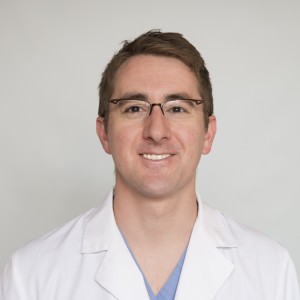 Dr. Daniel Friedman[/caption]
MedicalResearch.com Interview with:
Daniel Friedman, MD
Cardiology Fellow
Duke University Hospital
Durham, North Carolina
MedicalResearch: What is the background for this study? What are the main findings?
Dr. Friedman: Cardiac resynchronization therapy (CRT) has been demonstrated to reduce heart failure hospitalizations, heart failure symptoms, and mortality in randomized clinical trials. However, these well-known trials either formally excluded or did not report enrollment of patients with more advanced chronic kidney disease (CKD), which we defined as a glomerular filtration rate of <45ml/minute. Since advanced CKD has been associated with an increased risk of adverse outcomes among patients with a variety of pacemakers and defibrillators, many have questioned whether the risks of CRT may outweigh the benefits in this population. Furthermore, many have hypothesized that the competing causes of morbidity and mortality among advanced CKD patients who meet criteria for CRT may mitigate clinical response and net benefit.
Our study assessed the comparative effectiveness of CRT with defibrillator (CRT-D) versus defibrillator alone in CRT eligible patients with a glomerular filtration rate of <60ml/minute (Stage III-V CKD, including those on dialysis). We demonstrated that CRT-D use was associated with a significant reduction in heart failure hospitalization or death in the overall population and across the spectrum of CKD. The lower rates of heart failure hospitalization or death was apparent in all subgroups we tested except for those without a left bundle branch block. Importantly, we also demonstrated that complication rates did not increase with increasing severity of CKD.
Dr. Daniel Friedman[/caption]
MedicalResearch.com Interview with:
Daniel Friedman, MD
Cardiology Fellow
Duke University Hospital
Durham, North Carolina
MedicalResearch: What is the background for this study? What are the main findings?
Dr. Friedman: Cardiac resynchronization therapy (CRT) has been demonstrated to reduce heart failure hospitalizations, heart failure symptoms, and mortality in randomized clinical trials. However, these well-known trials either formally excluded or did not report enrollment of patients with more advanced chronic kidney disease (CKD), which we defined as a glomerular filtration rate of <45ml/minute. Since advanced CKD has been associated with an increased risk of adverse outcomes among patients with a variety of pacemakers and defibrillators, many have questioned whether the risks of CRT may outweigh the benefits in this population. Furthermore, many have hypothesized that the competing causes of morbidity and mortality among advanced CKD patients who meet criteria for CRT may mitigate clinical response and net benefit.
Our study assessed the comparative effectiveness of CRT with defibrillator (CRT-D) versus defibrillator alone in CRT eligible patients with a glomerular filtration rate of <60ml/minute (Stage III-V CKD, including those on dialysis). We demonstrated that CRT-D use was associated with a significant reduction in heart failure hospitalization or death in the overall population and across the spectrum of CKD. The lower rates of heart failure hospitalization or death was apparent in all subgroups we tested except for those without a left bundle branch block. Importantly, we also demonstrated that complication rates did not increase with increasing severity of CKD.
 Dr. Ken Uchino[/caption]
MedicalResearch.com Interview with:
Ken Uchino, MD FAHA FANA
Director, Vascular Neurology Fellowship
Research Director, Cerebrovascular Center, Cleveland Clinic
Associate Professor of Medicine (Neurology)
Cleveland Clinic
Lerner College of Medicine of CWRU
Cleveland, OH 44195
Medical Research: What is the background for this study? What are the main findings?
Dr. Uchino: Treatment for acute ischemic stroke is time dependent. Multiple studies have reported strategies to improve time to treatment after arrival in the hospital. Mimicking pre-hospital thrombolysis of acute myocardial infarction pioneered 30 years ago, two groups in Germany have implemented pre-hospital ischemic stroke thrombolysis using mobile stroke unit (“stroke ambulance”) that includes CT scan and laboratory capabilities. These units have been demonstrated to provide stroke treatment earlier than bringing patients to the emergency departments.
Our report extends the concept mobile stroke unit further by using telemedicine for remote physician presence. The other mobile stroke units were designed to have at least one physician on board. This allows potential multiple or geographically distant units to be supported by stroke specialists.
The study demonstrates that after patient arrival in the ambulance, the time to evaluation (CT scanning and blood testing) and to thrombolytic treatment is as quick or better as patient arrival in emergency department door. We are reporting the overall time efficiency after emergency medical service notification (911 call) in a separate paper.
Dr. Ken Uchino[/caption]
MedicalResearch.com Interview with:
Ken Uchino, MD FAHA FANA
Director, Vascular Neurology Fellowship
Research Director, Cerebrovascular Center, Cleveland Clinic
Associate Professor of Medicine (Neurology)
Cleveland Clinic
Lerner College of Medicine of CWRU
Cleveland, OH 44195
Medical Research: What is the background for this study? What are the main findings?
Dr. Uchino: Treatment for acute ischemic stroke is time dependent. Multiple studies have reported strategies to improve time to treatment after arrival in the hospital. Mimicking pre-hospital thrombolysis of acute myocardial infarction pioneered 30 years ago, two groups in Germany have implemented pre-hospital ischemic stroke thrombolysis using mobile stroke unit (“stroke ambulance”) that includes CT scan and laboratory capabilities. These units have been demonstrated to provide stroke treatment earlier than bringing patients to the emergency departments.
Our report extends the concept mobile stroke unit further by using telemedicine for remote physician presence. The other mobile stroke units were designed to have at least one physician on board. This allows potential multiple or geographically distant units to be supported by stroke specialists.
The study demonstrates that after patient arrival in the ambulance, the time to evaluation (CT scanning and blood testing) and to thrombolytic treatment is as quick or better as patient arrival in emergency department door. We are reporting the overall time efficiency after emergency medical service notification (911 call) in a separate paper.
 Dr. Walter Dzik[/caption]
MedicalResearch.com Interview with:
Dr. Walter H. Dzik MD
Associate Pathologist, Massachusetts General Hospital
Associate Professor of Pathology
Harvard Medical School
Medical Research: What is the background for this study? What are the main findings?
Dr. Dzik: Millions of Red Blood Cell transfusions are given each year. To maintain adequate blood inventories worldwide, Red Blood Cell units are stored under refrigerated conditions. Previous animal and laboratory research has highlighted the fact that red cells undergo biochemical, morphologic, and biophysical changes during prolonged refrigerated blood storage. Researchers and clnicians have questioned whether the changes that occur during storage would impair the ability of transfused Red Cells to delivery oxygen to tissues.
Our study was a randomized controlled trial conducted in patients with extreme anemia and insufficient global tissue oxygenation. We randomly assigned children with severe anemia and lactic acidosis to receive Red Blood Cells stored 1-10 days versus Red Blood Cells stored 25-35 days. We measured the recovery from lactic acidosis in response to transfusion in the two groups. We also measured cerebral tissue oxygenation using a non-invasive tissue oximeter. We found that the proportion of patients who achieved reversal of lactic acidosis was the same in the two RBC storage-duration groups. The rate of decline of lactic acidosis was also equal. There was also no difference in cerebral oxygenation, resolution of acidosis, correction of vital signs, clinical recovery, survival and 30-day followup.
Dr. Walter Dzik[/caption]
MedicalResearch.com Interview with:
Dr. Walter H. Dzik MD
Associate Pathologist, Massachusetts General Hospital
Associate Professor of Pathology
Harvard Medical School
Medical Research: What is the background for this study? What are the main findings?
Dr. Dzik: Millions of Red Blood Cell transfusions are given each year. To maintain adequate blood inventories worldwide, Red Blood Cell units are stored under refrigerated conditions. Previous animal and laboratory research has highlighted the fact that red cells undergo biochemical, morphologic, and biophysical changes during prolonged refrigerated blood storage. Researchers and clnicians have questioned whether the changes that occur during storage would impair the ability of transfused Red Cells to delivery oxygen to tissues.
Our study was a randomized controlled trial conducted in patients with extreme anemia and insufficient global tissue oxygenation. We randomly assigned children with severe anemia and lactic acidosis to receive Red Blood Cells stored 1-10 days versus Red Blood Cells stored 25-35 days. We measured the recovery from lactic acidosis in response to transfusion in the two groups. We also measured cerebral tissue oxygenation using a non-invasive tissue oximeter. We found that the proportion of patients who achieved reversal of lactic acidosis was the same in the two RBC storage-duration groups. The rate of decline of lactic acidosis was also equal. There was also no difference in cerebral oxygenation, resolution of acidosis, correction of vital signs, clinical recovery, survival and 30-day followup.
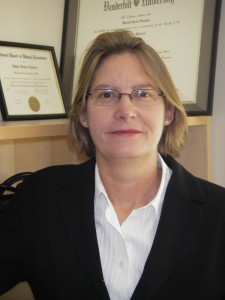 Prof. Voskuhl[/caption]
MedicalResearch.com Interview with:
Professor Rhonda Voskuhl, M.D.
Jack H. Skirball Chair in MS Research
Director of the UCLA MS Program
David Geffen School of Medicine
University of California, Los Angeles
Medical Research: What is the background for this study? What are the main findings?
Dr. Voskuhl: It had been known for decades that relapses were reduced during pregnancy in women with Multiple Sclerosis (MS), psoriasis and rheumatoid arthritis. We viewed this as a major clue to help find new disease modifying treatments. Focusing on MS, we investigated treatment with estriol, an estrogen that is made by the fetus/placenta during pregnancy. Preclinical studies and a pilot clinical trial at UCLA showed good results leading to the current Phase 2 clinical trial at 16 sites across the U.S. It showed that treatment with estriol pills compared to placebo pills, each in combination with standard of care (glatirmar acetate) injections, reduced relapses by one third to one half over and above standard of care treatment.
Prof. Voskuhl[/caption]
MedicalResearch.com Interview with:
Professor Rhonda Voskuhl, M.D.
Jack H. Skirball Chair in MS Research
Director of the UCLA MS Program
David Geffen School of Medicine
University of California, Los Angeles
Medical Research: What is the background for this study? What are the main findings?
Dr. Voskuhl: It had been known for decades that relapses were reduced during pregnancy in women with Multiple Sclerosis (MS), psoriasis and rheumatoid arthritis. We viewed this as a major clue to help find new disease modifying treatments. Focusing on MS, we investigated treatment with estriol, an estrogen that is made by the fetus/placenta during pregnancy. Preclinical studies and a pilot clinical trial at UCLA showed good results leading to the current Phase 2 clinical trial at 16 sites across the U.S. It showed that treatment with estriol pills compared to placebo pills, each in combination with standard of care (glatirmar acetate) injections, reduced relapses by one third to one half over and above standard of care treatment.
 Dr. Gersing[/caption]
MedicalResearch.com Interview with:
Alexandra S. Gersing, MD
Department of Radiology and Biomedical Imaging
University of California, San Francisco
Medical Research: What is the background for this study? What are the main findings?
Dr. Gersing: This study is part of a larger NIH-funded project focusing on the effects of weight change in individuals at risk for and with osteoarthritis. Our group has previously shown that weight gain causes substantial worsening of knee joint degeneration in patients with risk factors for osteoarthritis and now we aimed to show that weight loss could protect the knee joint from degeneration and osteoarthritis. Osteoarthritis is one of the major causes of pain and disability worldwide; and cartilage plays a central role in the development of joint degeneration. Since cartilage loss is irreversible, we wanted to assess whether lifestyle interventions, such as weight loss, could make a difference at a very early, potentially reversible stage of cartilage degradation and whether a certain amount of weight loss is more beneficial to prevent cartilage deterioration. To measure these early changes we used a novel Magnetic Resonance Imaging (MRI) technique, called T2 mapping, which allows us to evaluate biochemical cartilage degradation in the patient on a molecular level. The most relevant finding of this study is that patients with more that 10% of
Dr. Gersing[/caption]
MedicalResearch.com Interview with:
Alexandra S. Gersing, MD
Department of Radiology and Biomedical Imaging
University of California, San Francisco
Medical Research: What is the background for this study? What are the main findings?
Dr. Gersing: This study is part of a larger NIH-funded project focusing on the effects of weight change in individuals at risk for and with osteoarthritis. Our group has previously shown that weight gain causes substantial worsening of knee joint degeneration in patients with risk factors for osteoarthritis and now we aimed to show that weight loss could protect the knee joint from degeneration and osteoarthritis. Osteoarthritis is one of the major causes of pain and disability worldwide; and cartilage plays a central role in the development of joint degeneration. Since cartilage loss is irreversible, we wanted to assess whether lifestyle interventions, such as weight loss, could make a difference at a very early, potentially reversible stage of cartilage degradation and whether a certain amount of weight loss is more beneficial to prevent cartilage deterioration. To measure these early changes we used a novel Magnetic Resonance Imaging (MRI) technique, called T2 mapping, which allows us to evaluate biochemical cartilage degradation in the patient on a molecular level. The most relevant finding of this study is that patients with more that 10% of 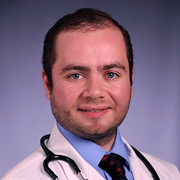 Dr. Al-Kindi[/caption]
MedicalResearch.com Interview with:
Sadeer G Al-Kindi, MD
Fellow, Harrington Heart and Vascular Institute
Onco-Cardiology Program, Advanced Heart Failure and Transplant Center, Harrington Heart and Vascular Institute,
University Hospitals Case Medical Center
Cleveland, OH
Medical Research: What is the background for this study?
Dr. Al-Kindi: Cardiovascular disease and cancer are the most common causes of death in the United States. They often have the same risk factors (for example, smoking, advancing age, obesity). Many cancers are treated with drugs that can have detrimental effect on the heart thus limiting their use. Some studies have suggested that cardiovascular diseases can worsen outcomes in patients with cancer. The emergence of onco-cardiology programs led to multidisciplinary care of patients with cancer and heart disease. Given this tight relationship between cancers and cardiovascular disease, we hypothesized that heart disease and its risk factors are very common in patients diagnosed with cancer.
Medical Research: What are the main findings?
Dr. Al-Kindi: Using a very large clinical database of 1/8th of the US population, we identified patients with most common cancers that are treated with cardiotoxic medications and identified the prevalence of cardiovascular diseases. Overall, prevalence was 33% for hematologic malignancies (leukemia and lymphoma), 43% for lung cancers, 17% for breast cancers, 26% for colon cancers, 35% for renal cancers, and 26% for head and neck cancers. Peripheral artery disease, coronary artery disease and cerebrovascular diseases were the most common, followed by heart failure, and carotid artery disease. Despite the high prevalence, only about a half of these patients were on the cardiovascular medicines and half were referred to cardiologists.
Dr. Al-Kindi[/caption]
MedicalResearch.com Interview with:
Sadeer G Al-Kindi, MD
Fellow, Harrington Heart and Vascular Institute
Onco-Cardiology Program, Advanced Heart Failure and Transplant Center, Harrington Heart and Vascular Institute,
University Hospitals Case Medical Center
Cleveland, OH
Medical Research: What is the background for this study?
Dr. Al-Kindi: Cardiovascular disease and cancer are the most common causes of death in the United States. They often have the same risk factors (for example, smoking, advancing age, obesity). Many cancers are treated with drugs that can have detrimental effect on the heart thus limiting their use. Some studies have suggested that cardiovascular diseases can worsen outcomes in patients with cancer. The emergence of onco-cardiology programs led to multidisciplinary care of patients with cancer and heart disease. Given this tight relationship between cancers and cardiovascular disease, we hypothesized that heart disease and its risk factors are very common in patients diagnosed with cancer.
Medical Research: What are the main findings?
Dr. Al-Kindi: Using a very large clinical database of 1/8th of the US population, we identified patients with most common cancers that are treated with cardiotoxic medications and identified the prevalence of cardiovascular diseases. Overall, prevalence was 33% for hematologic malignancies (leukemia and lymphoma), 43% for lung cancers, 17% for breast cancers, 26% for colon cancers, 35% for renal cancers, and 26% for head and neck cancers. Peripheral artery disease, coronary artery disease and cerebrovascular diseases were the most common, followed by heart failure, and carotid artery disease. Despite the high prevalence, only about a half of these patients were on the cardiovascular medicines and half were referred to cardiologists.
 Dr. Kaltman[/caption]
MedicalResearch.com Interview with:
Jonathan Kaltman, MD
Chief, Heart Development and Structural Diseases Branch
Division of Cardiovascular Sciences
National Heart, Lung, and Blood Institute
Medical Research: What are the main findings?
Dr. Kaltman: Congenital heart disease (CHD) is the most common birth defect but the cause for most defects is unknown. Surgery and clinical care of patients with congenital heart disease has improved survival but now we are learning that many patients have neurodevelopmental abnormalities, including learning disability and attention/behavioral issues.
Medical Research: What are the main findings?
Dr. Kaltman[/caption]
MedicalResearch.com Interview with:
Jonathan Kaltman, MD
Chief, Heart Development and Structural Diseases Branch
Division of Cardiovascular Sciences
National Heart, Lung, and Blood Institute
Medical Research: What are the main findings?
Dr. Kaltman: Congenital heart disease (CHD) is the most common birth defect but the cause for most defects is unknown. Surgery and clinical care of patients with congenital heart disease has improved survival but now we are learning that many patients have neurodevelopmental abnormalities, including learning disability and attention/behavioral issues.
Medical Research: What are the main findings?
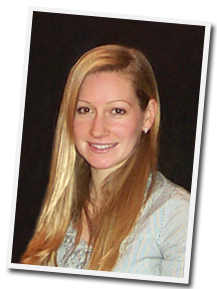 Dr. Jamie Stagl[/caption]
MedicalResearch.com Interview with:
Dr. Jamie Stagl, PhD
Was a Ph.D. student in Psychology at University of Miami during the research period
Currently, a post-doctoral fellow in Psychiatric Oncology
Massachusetts General Hospital Cancer Center in Boston
Medical Research: What is the background for this study? What are the main findings?
Dr. Stagl: This is a newly published finding from a randomized trial funded by the National Cancer Institute that showed that women with breast cancer who received stress management skills early on in their treatment had longer survival and longer time without breast cancer recurrence at eight to 15 years after their initial diagnosis. This secondary analysis is published online and in the November 2015 issue of Breast Cancer Research and Treatment.
The study was conducted by senior investigator, Michael Antoni, Ph.D., Survivorship Theme Leader of the Cancer Control research program at Sylvester Comprehensive Cancer Center at the University of Miami Miller School of Medicine and Professor of Psychology and Psychiatry and Behavioral Sciences, and his research team, including lead author Jamie Stagl, Ph.D., currently a postdoctoral fellow at Massachusetts General Hospital Cancer Center in Psychiatric Oncology and Behavioral Sciences.
In this trial, women received an intervention called Cognitive-Behavioral Stress Management, which was created by Dr. Michael Antoni at the University of Miami. After surgery for breast cancer, women received 10 weekly, group-based sessions of skills to manage stress based in
Dr. Jamie Stagl[/caption]
MedicalResearch.com Interview with:
Dr. Jamie Stagl, PhD
Was a Ph.D. student in Psychology at University of Miami during the research period
Currently, a post-doctoral fellow in Psychiatric Oncology
Massachusetts General Hospital Cancer Center in Boston
Medical Research: What is the background for this study? What are the main findings?
Dr. Stagl: This is a newly published finding from a randomized trial funded by the National Cancer Institute that showed that women with breast cancer who received stress management skills early on in their treatment had longer survival and longer time without breast cancer recurrence at eight to 15 years after their initial diagnosis. This secondary analysis is published online and in the November 2015 issue of Breast Cancer Research and Treatment.
The study was conducted by senior investigator, Michael Antoni, Ph.D., Survivorship Theme Leader of the Cancer Control research program at Sylvester Comprehensive Cancer Center at the University of Miami Miller School of Medicine and Professor of Psychology and Psychiatry and Behavioral Sciences, and his research team, including lead author Jamie Stagl, Ph.D., currently a postdoctoral fellow at Massachusetts General Hospital Cancer Center in Psychiatric Oncology and Behavioral Sciences.
In this trial, women received an intervention called Cognitive-Behavioral Stress Management, which was created by Dr. Michael Antoni at the University of Miami. After surgery for breast cancer, women received 10 weekly, group-based sessions of skills to manage stress based in