MedicalResearch.com - Latest news, interviews, and insights into medical research, health and wellness, fitness and addiction.
Author Interviews, BMJ, Cost of Health Care, Education, Health Care Systems, University of Pittsburgh / 30.09.2015

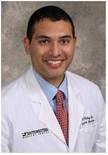
Timothy Anderson, M.D. Chief medical resident University of Pittsburgh’s Department of Internal MedicineMedicalResearch.com Interview with: Timothy Anderson, M.D. Chief medical resident Department of Internal Medicine University of Pittsburgh Medical Research: What is the background for this study? What are the main findings? Dr. Anderson: My coauthors and I analyzed the public disclosures of all publicly traded U.S. health care companies listed on the NASDAQ exchange and New York Stock Exchange in January 2014 that specialized in pharmaceuticals, biotechnology, medical equipment and providing health care services.  Of the 442 companies with publicly accessible disclosures on boards of directors, 180 – or 41 percent – had one or more academically affiliated directors in 2013. These individuals included chief executive officers, vice presidents, presidents, provosts, chancellors, medical school deans, professors and trustees from 85 non-profit academic research and health care institutions. These individuals received compensation and stock shares from companies which far exceeds payment for other relationships such as consulting. In some cases compensation approaches or exceeds average professor and physician salaries. (more…)
Author Interviews, Kidney Disease, Mayo Clinic, Sugar / 30.09.2015

Wisit Cheungpasitporn, MD Nephrology Fellow Departments of Nephrology and Hypertension Mayo Clinic, Rochester, MNMedicalResearch.com Interview with: Wisit Cheungpasitporn, MD Nephrology Fellow Departments of Nephrology and Hypertension Program director: Suzanne Norby, MD Co-authors: Charat Thongprayoon, MD, Oisin A O'Corragain, MD, Peter J Edmonds, BS, Wonngarm Kittanamongkolchai, MD, Stephen B Erickson, MD Project mentor: Stephen B. Erickson, MD Departments of Nephrology and Hypertension Mayo Clinic, Rochester, MN Medical Research: What is the background for this study? Dr. Cheungpasitporn: High-fructose corn syrup consumption in the form of sugar-sweetened soda has dramatically increased worldwide and associated with risk factors for chronic kidney disease (CKD) including diabetes mellitus (DM) and metabolic syndrome. Recently, artificial sweeteners have become commonly used in soda marketed as ‘diet’ alternatives. Recent studies have demonstrated that diet soda consumption may also be associated with weight gain, metabolic syndrome and cardiovascular disease. The risks of CKD in individuals with sugar-sweetened or diet soda consumption, however, were conflicting. We therefore conducted a meta-analysis to assess the associations between CKD and the consumption of sugar sweetened and diet soda. The findings of our study were recently published in Nephrology (Carlton). 2014; 19(12):791-7. Medical Research: What are the main findings? Dr. Cheungpasitporn: Five studies (2 prospective cohort studies, 2 cross-sectional studies and a case-control study) were included in our analysis of the association between consumption of sugar-sweetened soda (≥1-2 drinks of sugary soda/day) and CKD. We found an overall 1.58-fold increase CKD risk in individuals who regularly consumed sugar-sweetened soda with the pooled risk ratio (RR) of 1.58 (95% CI 1.00–2.49). Four studies (2 prospective cohort studies, a cross-sectional studies and a case-control study) were included to assess the association between CKD and diet soda consumption (≥1-2 drinks of diet soda/day). Despite a trend of chronic kidney disease risk in individuals with diet soda consumption with the pooled RR of 1.33 (95% CI 0.82–2.15), this association was not statistically significant. (more…)
Author Interviews, Brigham & Women's - Harvard, Heart Disease, JAMA, Prostate Cancer, Testosterone / 27.09.2015

Anthony V. D'Amico, MD, PhD Chief, Division of Genitourinary Radiation Oncology Professor of Radiation Oncology, Harvard Medical SchoolMedicalResearch.com Interview with: Anthony V. D'Amico, MD, PhD Chief, Division of Genitourinary Radiation Oncology Professor of Radiation Oncology, Harvard Medical School Medical Research: What is the background for this study? What are the main findings? Dr. D'Amico: Controversy exists as to whether androgen deprivation therapy (ADT) used to treat prostate cancer can cause fatal cardiac events. We found that in men with moderate to severe comorbidity based most often on a history of a heart attack that the use of 6 months of androgen deprivation therapy to treat non metastatic but clinically significant prostate cancer was associated with both an increased risk of a fatal heart attack and shortened survival. (more…)
Author Interviews, Heart Disease, Karolinski Institute, Nutrition, Stroke / 27.09.2015

Susanna C. Larsson | PhD, Associate Professor Associate professor, Nutritional Epidemiology Institute of Environmental Medicine Karolinska Institutet Stockholm, SwedenMedicalResearch.com Interview with: Susanna C. Larsson  PhD, Associate Professor Associate professor, Nutritional Epidemiology Institute of Environmental Medicine Karolinska Institutet Stockholm, Sweden Medical Research: What are the main findings? Dr. Larsson: A high dietary cholesterol intake has been postulated to increase the risk of cardiovascular disease. Egg is a rich source of dietary cholesterol and has been positively associated with risk of heart failure in previous prospective studies. High consumption of eggs has also been associated with a higher risk of myocardial infarction in diabetic patients. Medical Research: What is the background for this study? Dr. Larsson:  We investigated the association between egg consumption and risk of cardiovascular diseases in two population-based prospective cohort studies of approximately 38,000 Swedish men and 33,000 Swedish women. Findings from our study indicate that egg consumption does not increase the risk of myocardial infarction, ischemic stroke, or hemorrhagic stroke. High egg consumption (one or more times per day) was associated with an elevated risk of heart failure in men but not in women. Egg consumption was not associated with an increased risk of heart failure, myocardial infarction, or stroke in individuals with diabetes. (more…)
Author Interviews, Cancer Research, CT Scanning, JAMA, Melanoma, Radiology, University of Michigan / 25.09.2015

MedicalResearch.com Interview with: Benjamin Y. Scheier, MD Division of Hematology/Oncology Department of Internal Medicine University of Michigan, Ann Arbor Medical Research: What is the background for this study? What are the main findings? Dr. Scheier: Existing data suggests that PET/CT has use in the detection of metastases from multiple primary tumor types. However, PET/CT lacks data supporting its use in staging asymptomatic patients with early-stage melanoma, may inconsistently impact treatment decisions, and carries a false-positive finding risk that may detract from its use. To evaluate an evolving practice, this study aims to assess the use of PET/CT in detecting occult metastases in SLN-positive melanoma prior to resection. In this retrospective evaluation of patients with melanoma and clinically silent regional lymph nodes treated at the University of Michigan, only 7% had PET/CT findings that ultimately identified metastatic melanoma and precluded LND. Of the 46 patients who underwent a preoperative PET/CT, 15 (33%) had intense uptake distant from the primary tumor and local lymph node basin. Nine of those 15 patients (60%) had abnormalities biopsied prior to LND. Three of the 9 biopsies yielded metastatic melanoma, a false-positive rate of 67% for PET/CT in identifying distant metastases in asymptomatic patients. (more…)
Author Interviews, Cleveland Clinic, Cost of Health Care, Herpes Viruses, Vaccine Studies / 24.09.2015

Phuc Le, Ph.D., M.P.H. Center for Value-Based Care Research, Medicine Institute Cleveland, OHMedicalResearch.com Interview with: Phuc Le, Ph.D., M.P.H. Center for Value-Based Care Research, Medicine Institute Cleveland, OH  Medical Research: What is the background for this study? What are the main findings? Dr. Phuc Le: The live attenuated herpes zoster vaccine is approved by the FDA for persons aged 50 years and above. However, the Advisory Committee on Immunization Practices recommends it for only persons aged 60 years and older. Therefore, we aimed to analyze the vaccine’s cost-effectiveness among persons aged 50-59 years to see if ACIP’s recommendation is reasonable. We found that the vaccine is not cost-effective among people at aged 50 years, having an incremental costs of $323,000 per QALY gained, which is 3 times more than a commonly accepted threshold ($100,000/QALY). (more…)
JAMA, Vanderbilt / 24.09.2015

Michael A. Vella, M.D. Veterans Affairs Medical Center Vanderbilt University, NashvilleMedicalResearch.com Interview with: Michael A. Vella, M.D. Veterans Affairs Medical Center Vanderbilt University, Nashville Medical Research: What is the background for this study? What are the main findings? Dr. Vella: We are fortunate to take care of Veterans from all over Middle TN at the Tennnessee Valley Healthcare System Nashville Campus.  A significant number of Veterans travel long distances and invest time and money in order to visit with us.  We noticed that many patients undergoing "low complexity" operations like removal of gallbladders and repair of groin hernia spend a significant amount of time, energy, and, in some cases, money to travel to our facility for post operative visits relative to the amount of time they spend in their evaluations.  We wanted to look at the quality of and Veteran preference for telehealth visits (phone and video) with the idea that, if feasible, we could implement a telehealth program at our facility. In our small pilot study, 23 Veterans underwent sequential phone, video, and in-person visits.  The Veterans were evaluated on four domains at each visit type: general recovery, follow-up needs, wound care needs, and complications.  We then determined the agreement among the three visit types.  There was 100% agreement across the three visit types in the domains of general recovery and follow-up needs.  Percent agreement for wound needs and complications was 96%, reflecting a possible infection on a phone encounter that was not present on clinic or video assessment.  One Veteran in the sample had a wound infection that was detected by both phone and video and confirmed during the in-person visit.  Importantly, there were no instances in which we failed to detect a wound issue or postoperative complication by phone or video.  We also found an association between preference for telehealth visits and distance traveled, although the majority of Veterans in our study preferred telehealth visitation over traditional face-to-face encounters. We found that over the phone and video visits were not only high quality, but were preferred by our Veterans, especially those living far from our facility.  We have implemented a telehealth program for general surgery post operative follow up at our institution and currently evaluate 3-5 patients a week using telehealth modalities with plans to continue to expand. (more…)
Author Interviews, Brigham & Women's - Harvard, Cost of Health Care, JAMA / 24.09.2015

Aaron L. Schwartz, PhD Department of Health Care Policy Harvard Medical School Boston, Massachusetts MedicalResearch.com Interview with: Aaron L. Schwartz, PhD Department of Health Care Policy Harvard Medical School Boston, Massachusetts   Medical Research: What is the background for this study? What are the main findings? Dr. Schwartz: It is widely believed that much health care spending is devoted to services that provide little or no health benefit to patients. In previous work, we demonstrated that low-value services were commonly delivered to the Medicare population. In this study, we examined whether a new form of paying physicians and hospitals was effective in discouraging the use of low-value services. The payment reform we studied was the Medicare Pioneer Accountable Care Organization (ACO)  Program, a feature of the Affordable Care Act. This program financially rewards health care provider groups who keep spending under a specified budget and achieve high performance on measures of quality of care. This voluntary program employs a similar ACO payment model that some private insurers have adopted.  The hope is that such models can encourage providers to be more efficient by allowing them to share in the savings generated by lower health care spending. In previous work, we demonstrated that the Pioneer ACO Program was associated with lower overall health care spending and steady or improved performance on health care quality measures. However, it was unclear whether providers were focusing on low-value services in their attempts to reduce spending. We examined  2009-2012 Medicare claims data and measured the use of, and spending on, 31 services often provided to patients that are known to provide minimal clinical benefit. We found that patients cared for in the ACO model experienced a greater reduction in the use of low-value services when compared to patients who were not served by ACOs. We attributed a 4.5 percent reduction in low-value service spending to the ACO program. Interestingly, this was a greater reduction than the 1.2 percent reduction in overall spending attributed to the program, which suggests that providers were targeting low-value services in their efforts to reduce spending. In addition, we found that providers with the greatest rate of low-value services prior to the ACO program showed the greatest reduction in these services. We also found similar reductions in service use between services that are more likely to be requested by patients (i.e. early imaging for lower-back pain) and other services. (more…)
Author Interviews, Imperial College, Parkinson's / 23.09.2015

Dr. Ilse S. Pienaar Honorary Lecturer in Neuroscience at Imperial College London (& Snr. Lecturer in Cellular Pathology, Northumbria University) Centre for Neuroinflammation & Neurodegeneration Division of Brain Sciences Faculty of Medicine Imperial College London Hammersmith Hospital Campus London United KingdomMedicalResearch.com Interview with: Dr. Ilse S. Pienaar Honorary Lecturer in Neuroscience at Imperial College London (& Snr. Lecturer in Cellular Pathology, Northumbria University) Centre for Neuroinflammation & Neurodegeneration Division of Brain Sciences Faculty of Medicine Imperial College London Hammersmith Hospital Campus London United Kingdom   Medical Research: What is the background for this study? What are the main findings? Dr. Pienaar: A highly heterogeneous brainstem structure, the pedunculopontine nucleus (PPN) has been deemed a promising target for the delivery of deep-brain stimulation (DBS), to alleviate aspects of Parkinson's disease (PD), especially gait and postural instability. However, optimal therapeutic targeting of the PPN has been hampered due to DBS being unable to discriminate between cell types being targeted. We optomised a novel technique, Designer Receptors Exclusively Activated by Designer Drugs (DREADD) in a rat model of PD, by which to target only the PPN cholinergic neurons. A series of behavioral tests revealed that selective stimulation of the PPN cholinergics completely reverses gait problems and postural instability in the PD rats. (more…)
Author Interviews, Critical Care - Intensive Care - ICUs, JAMA, Pulmonary Disease, University of Michigan / 23.09.2015

Thomas Valley, MD Fellow, Division of Pulmonary and Critical Care University of Michigan Ann Arbor, MIMedicalResearch.com Interview with: Thomas Valley, MD Fellow, Division of Pulmonary and Critical Care University of Michigan Ann Arbor, MI Medical Research: What is the background for this study? What are the main findings? Dr. Valley: There has been dramatic growth in intensive care unit (ICU) use over the past 30 years. As the reasons for this growth are not entirely clear, some have suggested that the ICU is a meaningful source of low-value care. The value of the ICU, however, depends on the net benefit that ICUs provide patients. Prior observational studies assessing the effectiveness of the ICU were limited because patients admitted to the ICU are inherently sicker and more likely to die than patients admitted to the general ward. Given the substantial number of patients with pneumonia who are admitted to an ICU, it is vital to understand whether admission to the ICU is beneficial. In our study of 1.1 million Medicare beneficiaries with pneumonia between 2010 and 2012, we used an instrumental variable, a statistical technique to pseudo-randomize patients based on their proximity to a hospital that uses the ICU frequently for pneumonia, in order to determine whether ICU admission saved lives and at what financial cost. An estimated 13 percent of patients were admitted to the ICU solely because they lived closest to a hospital that used the ICU frequently for pneumonia. Among these patients, ICU admission was associated with a nearly six percent reduction in 30-day mortality compared to general ward admission. In addition, there were no significant differences in hospital costs or Medicare reimbursement between patients admitted to the ICU and to the general ward. (more…)
Alzheimer's - Dementia, Author Interviews, Cleveland Clinic, JAMA / 22.09.2015

Jeffrey L. Cummings, M.D., Sc.D. Director, Lou Ruvo Center for Brain Health Camille and Larry Ruvo Chair for Brain Health Cleveland Clinic Las Vegas, NV 89106MedicalResearch.com Interview with: Jeffrey L. Cummings, M.D., Sc.D. Director, Lou Ruvo Center for Brain Health Camille and Larry Ruvo Chair for Brain Health Cleveland Clinic  Las Vegas, NV 89106  Medical Research: What is the background for this study? What are the main findings? Dr. Cummings: Agitation is a common problem in Alzheimer’s disease (AD); approximately 70% of patients with AD will experience periods of agitation.  This difficult behavior challenges patients and caregivers, adversely affects quality of life, and may precipitate institutionalization.  There are not drugs approved for treatment of agitation in Alzheimer’s disease. The study reported in JAMA showed that a drug based on a combination of dextromethorphan and quinidine (DM/Q) produced statistically significant and clinically meaningful reduction in agitation in Alzheimer’s disease patients.  The study met its primary outcome (decline in the Neuropsychiatric Inventory agitation scale in drug compared to placebo) and many of its secondary outcomes (e.g, decreases in caregiver stress).  The agent was safe and well tolerated. (more…)
Accidents & Violence, Author Interviews, Brigham & Women's - Harvard, Pediatrics, Social Issues / 22.09.2015

Avik Chatterjee, MD, MPH Physician, Boston Health Care for the Homeless Program Instructor, Harvard Medical School Associate Epidemiologist, Division of Global Health Equity, Brigham and Women's Hospital Boston, MAMedicalResearch.com Interview with: Avik Chatterjee, MD, MPH Physician, Boston Health Care for the Homeless Program Instructor, Harvard Medical School Associate Epidemiologist, Division of Global Health Equity, Brigham and Women's Hospital Boston, MA Medical Research: What is the background for this study? What are the main findings? Dr. Chatterjee: Substance use, sexual activity and violent behaviors are common during adolescence. Understanding risk factors for these behaviors will improve our ability to prevent them and their sequelae. The Chaos, Hubbub and Order Scale (CHAOS) is a measure of household physical and social disorder, and higher CHAOS score, as reported by parents, has been shown to be correlated with less self-regulatory behavior in children. Thus, CHAOS could be a risk factor for the above behaviors in adolescents. We used data from the RISE study, in which 929 adolescents completed face-to-face and computer-assisted (for sensitive questions) interviews about their health behaviors to analyze the relationship between CHAOS score and risky health behaviors. We found that students with highest CHAOS score, compared to those with zero CHAOS score, had elevated odds for tobacco use (3x), alcohol use (2.5x), any substance use at school (6x) and fighting in the past 12 months (2x). (more…)
Author Interviews, Blood Pressure - Hypertension, JACC, NYU, Race/Ethnic Diversity / 22.09.2015

Gbenga Ogedegbe, MD, MS, MPH FACP Professor of Population Health and Medicine Director, Division of Health and Behavior Director, Center for Healthful Behavior Change Vice Dean, NYU College of Global Public Health NYU Langone School of Medicine Department of Population Health New York, NY 10016MedicalResearch.com Interview with: Gbenga Ogedegbe, MD, MS, MPH FACP Professor of Population Health and Medicine Director, Division of Health and Behavior Director, Center for Healthful Behavior Change Vice Dean,  NYU College of Global Public Health NYU Langone School of Medicine Department of Population Health New York, NY 10016 Medical Research: What is the background for this study? Dr. Ogedebge: Evidence from clinical trials have previously indicated that a common blood pressure medication, angiotensin-converting-enzyme (ACE) inhibitors, (when prescribed as first line treatment) may not provide the same benefits in blacks compared to whites. However blacks are grossly underrepresented in these studies, despite the fact they have disproportionately higher rates of hypertension-related morbidity and mortality than whites. Thus, we chose to study this particular question because it allows us to evaluate this evidence in a large population of hypertensive black patients who receive care in a real-world practice setting. This study evaluates racial differences in cardiovascular outcomes and mortality between hypertensive black and white patients whose treatment was initiated with angiotensin-converting-enzyme (ACE) inhibitors, outside of a clinical trial.  ACE inhibitors are one of several classes of drugs commonly prescribed to individuals with hypertension to prevent deaths, heart attack, kidney failure, heart failure and stroke. (more…)
Author Interviews, Psychological Science, University of Pittsburgh, Weight Research / 21.09.2015

MedicalResearch.com Interview with: Linda J Ewing PhD RN Department of Psychiatry and Lora E Burke PhD, MPH, RN, FAAN Department of Health and Community Systems University of Pittsburgh School of Nursing Pittsburgh, Pennsylvania Medical Research: What is the background for this study? What are the main findings? Response: This study was the product both of work done in Dr. Burke’s lab as well as cumulative findings of other investigators demonstrating that improved self-efficacy is related to positive changes in health behaviors (e.g., physical activity, increased Intake of healthier foods, such as fruits and vegetables).  Given that, we designed a behavioral weight loss study that included an intentional focus on enhancing participant self-efficacy for healthy behaviors related to weight loss maintenance.  No previous study had self-efficacy enhancement as a focus of intervention with the long-term goal of increasing weight loss maintenance.  Thus our study focused on mastery performance of weight loss related behaviors.  Findings supported our hypothesis; participants in both arms of the study (standard behavioral weight loss (SBT) and SBT with self-efficacy enhancement (SBT+SE) achieved clinically significant weight loss.  Participants in the SBT+SE group had greater weight loss maintenance while those in the SBT group had clinically significant weight regain. (more…)
Author Interviews, FDA, JAMA, University of Pittsburgh / 21.09.2015

Dr. Tamar Krishnamurti PhD Department of Engineering & Public Policy Carnegie Mellon University Pittsburgh, PA 15213MedicalResearch.com Interview with: Dr. Tamar Krishnamurti PhD Department of Engineering & Public Policy Carnegie Mellon University Pittsburgh, PA 15213  Medical Research: What is the background for this study? What are the main findings? Dr. Krishnamurti: In 2012, the Food and Drug Administration Safety and Innovation Act became law. As part of this law, FDA can assign drugs the “breakthrough” designation. Breakthrough drugs are drugs that are intended to treat a serious or life threatening condition and have shown preliminary evidence of a substantial improvement over existing therapies on at least one one clinically significant endpoint. These clinical endpoints can be surrogate outcomes and don't have to be a direct outcome of the disease. All FDA press releases announcing approval of breakthrough-designated drugs use the term “breakthrough” and about half use the term “promising” when describing the drugs. Our study randomly assigned participants to read 1 of 5 short descriptions of a recently approved drug. These vignettes differed by the term assigned to the drug (e.g. "breakthrough" or "promising") or by whether the basis for the designation was clearly and succinctly explained in the description. We found that using the terms "breakthrough" and "promising" to describe these drugs resulted in people having unwarranted confidence about the effectiveness of breakthrough drugs, which could prevent them from making a fully informed decision about whether to take the drug or not. The influence of these terms on peoples' judgments was mitigated by explaining the regulatory meaning of the drug's approval (which is required in the drug's professional label, but not in public discourse about the drug). (more…)
Author Interviews, Breast Cancer, Brigham & Women's - Harvard, Genetic Research, Journal Clinical Oncology, Race/Ethnic Diversity / 20.09.2015

Aditya Bardia MBBS, MPH Attending Physician, Massachusetts General Hospital Cancer Center, Assistant Professor, Harvard Medical School Boston, MA 02114MedicalResearch.com Interview with: Aditya Bardia MBBS, MPH Attending Physician, Massachusetts General Hospital Cancer Center, Assistant Professor, Harvard Medical School Boston, MA 02114   Medical Research: What is the background for this study? What are the main findings? Response:  Multiple studies have consistently shown that African American women with cancer, including breast cancer, have worse outcomes than Caucasian counterparts. While socioeconomic issues, including access to care plays an important role, the contribution of tumor biology has been less clear. In this study, utilizing exome sequencing data, we linked the racial distribution of primary breast cancer with tumor genotypic traits, including somatic mutations, gene-expression profiles and intra-tumor heterogeneity. We observed that in addition to having a higher prevalence of triple negative breast cancer than Caucasian women (something that has been documented in the literature), African American women had a significantly higher prevalence of TP53 mutations, TNBC basal-like 1 and mesenchymal stem-like tumors, and intratumor genetic heterogeneity, and all of which suggest more aggressive tumor biology, suggesting that differences in tumor genomic profile contribute, at least partly, to the known racial disparity in survival between African Americans and Caucasians breast cancer patients. (more…)
AHA Journals, Author Interviews, Gender Differences, Heart Disease, Lifestyle & Health, McGill / 18.09.2015

MedicalResearch.com Interview with: Sylvie S.L. Leung Yinko, MSc, RD Division of Clinical Epidemiology Research Institute of McGill University Health Centre (RI MUHC) Montreal (QC) and Louise Pilote, MD, MPH, PhD Professor of Medicine McGill University and Director of the Division of General Internal Medicine McGill University Health Centre Medical Research: What is the background for this study? What are the main findings? Response: Patients with premature acute coronary syndrome (ACS) are a vulnerable population of young or middle-aged adults at risk for future cardiovascular events. However, while health behaviors such as diet, physical activity, smoking, alcohol consumption and recreational drug use are important lifestyle factors that can influence cardiovascular risk, there is limited information about health behaviors in this population group. Additionally, there is indication in the literature regarding sex and age differences in health behaviors, but whether such differences exist in patients with premature acute coronary syndrome remained to be explored. Using data from GENESIS-PRAXY (GENdEr and Sex determInantS of Cardiovascular Disease from bench to beyond in PRemature Acute Coronary Syndrome), a large-scale prospective cohort study across Canada, US and Switzerland, we explored the health behavior profile of patients with premature ACS. As well, we examined whether there is a change in health behaviors 1 year post-ACS and assessed sex differences. Our results showed that the health behavior profile of men and women with premature Acute Coronary Syndrome are worse than that of the general population. We found a high prevalence of poor health behaviors in a young population with only modest changes after Acute Coronary Syndrome. Health behaviors remained suboptimal and worse than the general population, especially with regards to diet, smoking and recreational drug use. Sex differences existed in the prevalence of these behaviors at baseline and 1 year post-ACS but not in the magnitude of change after the ACS event. (more…)
AHA Journals, Author Interviews, Blood Clots, Brigham & Women's - Harvard, Medical Imaging / 17.09.2015

Peter Caravan, PhD Co-Director, Institute for Innovation in Imaging (I3) Martinos Center for Biomedical Imaging Massachusetts General Hospital Associate Professor of Radiology Harvard Medical SchoolMedicalResearch.com Interview with: Peter Caravan, PhD Co-Director, Institute for Innovation in Imaging (I3) Martinos Center for Biomedical Imaging Massachusetts General Hospital Associate Professor of Radiology Harvard Medical School Medical Research: What is the background for this study? What are the main findings? Dr. Caravan: The motivation for this work was to develop a technique that would allow the detection of thrombus (clot) anywhere in the body after injection of a molecular probe called 64Cu-FBP8.  Current techniques for thrombus detection are limited to specific vascular territories.  In instances where the location of the thrombus is unknown or if there is suspicion of multiple thrombi, then multiple imaging tests must be performed.  We sought to develop a test that could be used to find clots anywhere:  brain, thorax, abdomen, legs and in arteries, veins, or the cardiac chambers.  In addition to whole body thrombus detection, we sought a technique that could address some of the limitations with current thrombus imaging techniques.  For example computed tomography (CT), which is used to detect pulmonary emboli, requires a contrast agent that cannot be used in patients with poor kidney function.  Transesophageal echocardiography used to identify thrombus in the chambers of the heart requires that the patient be sedated. Our approach is to use a small peptide that recognizes the protein fibrin, which is a key component of blood clots.  We tagged the peptide with an isotope of copper, Cu-64, that allows the peptide to be detected by positron emission tomography (PET). 64Cu-FBP8 binds specifically to fibrin but not to other proteins in the blood and this means that the uptake in the clot is high while background signal is very low.  We combined PET imaging which finds the clot with CT imaging or magnetic resonance imaging (MRI).  By overlaying the PET image with the CT or MRI image, we could precisely localize the clot within the We were interested to see if the age of the clot impacted our ability to detect it.  We imaged animals with a total of 42 arterial or venous clots and then the images were analyzed by two reviewers who had no prior knowledge of the location of the clot.  Overall the accuracy was 98% for detection. Another key finding was that the uptake of 64Cu-FBP8 strongly correlated with the amount of fibrin in the clot and that younger, fresher clots had more fibrin than older clots.  This could be very useful in distinguishing newer clots which may be the source of cardiovascular events from older, clots that may pose less risk. We also showed using combined PET-MRI that we could detect multiple blood clots in the animal in a single whole body scan.  The procedure involves a single intravenous administration of 64Cu-FBP8 and clots in the deep veins of the legs or in the carotid arteries were readily detected. (more…)
Author Interviews, Biomarkers, Mayo Clinic, Melanoma / 17.09.2015

Dr. Roxana S. Dronca, M.D Assistant Professor of Oncology Assistant Program Director of Hematology-Oncology Fellowship Mayo Clinic College of Medicine Rochester, Minnesota MedicalResearch.com Interview with: Dr. Roxana SDronca, M.D Assistant Professor of Oncology Assistant Program Director of Hematology-Oncology Fellowship Mayo Clinic College of Medicine Rochester, Minnesota  Medical Research: What is the background for this study? What are the main findings? Dr. Dronca: We previously showed that Bim (BCL-2-interacting mediator of cell death ) is a downstream signaling molecule of PD-1 pathway reflecting the degree of PD-1 interaction with its ligand PD-L1 (unpublished data). In the current study we found that patients who experienced clinical benefit (CR/PR/SD) after 4 cycles of anti-PD1 therapy had higher frequency of Bim+ PD-1+ T-killer cells in the peripheral blood at baseline compared to patients with radiographic progression, likely reflecting an abundant PD-1 interaction with its tumor-associated ligand PD-L1 (B7-H1). In addition, the frequencies of Bim+ PD-1+ CD8 T cells decreased significantly after the first 3 months of treatment in responders compared to nonresponders, indicating tumor regression and therefore less PD-1 engagement with tumor-associated PD-L1. (more…)
Author Interviews, Brigham & Women's - Harvard, Hospital Readmissions, JAMA / 17.09.2015

J. Michael McWilliams MD, PhD Associate Professor andMedicalResearch.com Interview with: J. Michael McWilliams MD, PhD Associate Professor and Dr. Michael Barnett MD Researcher and General Medicine Fellow Dept. of Health Care Policy Harvard Medical School Boston MADr. Michael Barnett MD Researcher and General Medicine Fellow Dept. of Health Care Policy Harvard Medical School Boston MA Medical Research: What is the background for this study? Response: The financial impact of Medicare’s Hospital Readmissions Reduction Program on hospitals is growing.  In this year’s round of penalties, nearly 2,600 hospitals were collectively fined $420 million for excess readmissions. There has been concern that the risk-adjustment methods used by Medicare to calculate a hospital’s expected readmission rate is inadequate, meaning that hospitals disproportionately serving sicker and more disadvantaged patients are being penalized because of the populations they serve rather than their quality of care.  Specifically, Medicare accounts only for some diagnoses, age and sex but no other clinical or social characteristics of patients admitted to the hospital. No study to date has examined the impact adjusting for a comprehensive set of clinical and social factors on differences in readmission rates between hospitals. We did this by using detailed survey data from the Health and Retirement Study linked to information on admissions and readmissions in survey participants’ Medicare claims data.  We then compared differences in readmission rates between patients admitted to hospitals in the highest vs. lowest quintile of publicly reported readmission rates, before vs. after adjusting for a rich set of patient characteristics.  These included self-reported health, functional status, cognition, depressive symptoms, household income and assets, race and ethnicity, educational attainment, and social supports. Medical Research: What are the main findings? Response: Our two most important findings were: 1) Patients admitted to hospitals with higher readmission rates are sicker and more socially disadvantaged in a variety of ways than patients admitted to hospitals with lower readmission rates. 2) After adjusting for all measurable patient factors that are not accounted for in standard Medicare adjustments, the difference in readmission rates between hospitals with high vs. low readmission rates fell by nearly 50%. (more…)
Author Interviews, Cancer Research, Case Western, Colon Cancer, Genetic Research / 16.09.2015

Ahmad M. Khalil, PhD Department of Genetics School of Medicine Case Western Reserve University Cleveland, Ohio 44106-4955 MedicalResearch.com Interview with: Ahmad M. Khalil, PhD Department of Genetics School of Medicine Case Western Reserve University Cleveland, Ohio 44106-4955 Medical Research: What is the background for this study? What are the main findings? Dr. Khalil: DNA in human cells is modified chemically by methylation. The process of DNA methylation plays important roles in protecting human DNA and ensures proper gene expression.  In cancer cells, the process of DNA methylation becomes deregulated, however, the mechanisms of how this occurs are not known.  In our study, we have uncovered a novel mechanism on how colon cancer cells change their DNA methylation, and consequently, become more tumorigenic. We specifically identified a long non-coding RNA that interacts with and regulates the enzyme that modifies DNA with methylation - the enzyme is called DNMT1. This lncRNA become suppressed in colon tumors, which we believe is a key step in loss of DNA methylation in colon cancer cells. (more…)
Author Interviews, Cleveland Clinic, Cost of Health Care, Heart Disease, JAMA, Radiology / 16.09.2015

Wael A. Jaber, MD FACC, FAHA Professor of Medicine Cleveland Clinic Lerner College of Medicine Fuad Jubran Endowed Chair in Cardiovascular Medicine Heart and Vascular Institute Cleveland Clinic Cleveland, OH MedicalResearch.com Interview with: Wael A. Jaber, MD FACC, FAHA Professor of Medicine Cleveland Clinic Lerner College of Medicine Fuad Jubran Endowed Chair in Cardiovascular Medicine Heart and Vascular Institute Cleveland Clinic  Cleveland, OH Medical Research: What is the background for this study? What are the main findings? Prof. Jaber: Risk stratification of patients presenting with atrial fibrillation often includes a non-invasive evaluation for coronary artery disease. However, the yield of such testing in patients without angina or anginal-equivalent symptoms is uncertain. That is, how often do we find silent myocardial ischemia? In our cohort of 1700 consecutive patients with atrial fibrillation, less than 5% had ischemia on nuclear stress testing, even though comorbidities were prevalent. Moreover, in patients with ischemia that had invasive coronary angiography, less than half had obstructive coronary artery disease. (more…)
Author Interviews, Gout, Heart Disease, Kidney Disease, Mayo Clinic / 14.09.2015

Wisit Cheungpasitporn, MD Nephrology Fellow Departments of Nephrology and Hypertension Mayo Clinic, Rochester, MMedicalResearch.com Interview with: Wisit Cheungpasitporn, MD Nephrology Fellow Departments of Nephrology and Hypertension Mayo Clinic, Rochester, MN Program director: Suzanne Norby, MD Co-authors: Charat Thongprayoon, MD, Andrew M. Harrison, BS and Stephen B. Erickson, MD Project mentors: Stephen B. Erickson, MD Departments of Nephrology and Hypertension Mayo Clinic, Rochester, MN   Medical Research: What is the background for this study? Dr. Cheungpasitporn: Uric acid has been linked to acute kidney injury (AKI) through crystal-dependent pathways and crystal-independent mechanisms, including reduced renal blood flow and glomerular filtration rate. Serum uric acid measurement has recently been examined as a marker for early AKI detection, especially in the setting of postoperative AKI following cardiovascular surgery. The effect of admission serum uric acid levels on the risk of in-hospital AKI in the general hospitalized patients, however, was unclear. Thus, we conducted a study to assess the risk of AKI in all hospitalized patients across different serum uric acid levels. The findings of our study data were recently published in Clinical Kidney Journal. (more…)
Author Interviews, JAMA, Pediatrics, Tobacco Research, University of Pittsburgh / 12.09.2015

Brian A. Primack, MD, PhD Associate Professor of Medicine, Pediatrics, and Clinical and Translational Science Director, Center for Research on Media, Technology, and Health Assistant Vice Chancellor for Research on Health and Society University of Pittsburgh School of Medicine Pittsburgh, PA 15213MedicalResearch.com Interview with: Brian A. Primack, MD, PhD Associate Professor of Medicine, Pediatrics, and Clinical and Translational Science Director, Center for Research on Media, Technology, and Health Assistant Vice Chancellor for Research on Health and Society University of Pittsburgh School of Medicine Pittsburgh, PA 15213 Medical Research: What is the background for this study? Dr. Primack: Adolescents and young adults who have never smoked traditional cigarettes are now using e-cigarettes. It is unclear whether these people are at risk for progression to traditional cigarette smoking. Therefore, we followed 694 non-smokers ages 16-26 who did not intend on taking up smoking for 1 year. Medical Research: What are the main findings? Dr. Primack: At baseline, only 16 of the 694 participants had used e-cigarettes. However, those individuals were significantly more likely to start smoking traditional cigarettes by the 1-year follow-up. In fully adjusted models, baseline e-cigarette use was independently associated with both progression to smoking (AOR = 8.3, 95% CI  = 1.2-58.6) and to susceptibility (AOR = 8.5, 95% CI = 1.3-57.2). (more…)
Author Interviews, Diabetes, Heart Disease, Karolinski Institute, Kidney Disease / 12.09.2015

MedicalResearch.com Interview with: Dr. Daniel Hertzberg M.D., Ph.D. Student Department of Medicine, Solna Karolinska University Hospital Medical Research: What is the background for this study? Dr. Hertzberg: Acute Kidney Injury (AKI) is a common complication in patients undergoing cardiac surgery. It is associated with increased short and long-term mortality, myocardial infarction, heart failure and chronic kidney disease. Diabetes is often considered as a risk factor for AKI. However, when we searched the literature we did not find any studies which specifically studied diabetes as a risk factor for AKI. In addition, in observational studies, it is uncommon that diabetes is subtyped into type 1 or type 2 even though they have different etiologies and thus may have different impact on risk of adverse outcomes. Thus, we designed this study in order to study the association between the two subtypes of diabetes and risk of AKI. (more…)
Author Interviews, Cleveland Clinic, Flu - Influenza, Vaccine Studies / 11.09.2015

Dr. Glen Taksler, PhD Medicine Institute Cleveland Clinic Main CampusMedicalResearch.com Interview with: Dr. Glen Taksler, PhD Medicine Institute Cleveland Clinic Main Campus Medical Research: What is the background for this study? What are the main findings? Dr. Taksler: Although young, healthy adults who develop influenza are usually able to recover, they may spread the flu to other people in the community who have a higher risk of hospitalization or other serious complications. These higher-risk people have a limited ability to protect themselves from influenza, because flu vaccines are less effective in the elderly and in people with weakened immune systems. To better understand whether young, healthy adults could help the community-at-large by getting a flu vaccine, we looked at data on more than 3 million Medicare beneficiaries across 8 influenza seasons. We found that the elderly had 21% lower odds of developing influenza if they lived in areas where more nonelderly adults (people aged 18-64 years old) got a flu vaccine. Importantly, we found these benefits even in elderly adults who obtained an influenza vaccine, perhaps because flu vaccines are less effective in the elderly.  This means that elderly adults who were proactive to try to prevent influenza still benefited from communitywide vaccination. (more…)
Aging, Author Interviews, Genetic Research, Smoking, UCLA / 11.09.2015

Dr. Morgan Elyse Levine PhD Postdoctoral Fellow Department of Human Genetics University of California, Los Angeles MedicalResearch.com Interview with: Dr. Morgan Elyse Levine PhD Postdoctoral Fellow Department of Human Genetics University of California, Los Angeles Medical Research: What is the background for this study? What are the main findings? Dr. Levine: Studies using mice, worms, and flies have suggested that longevity may be linked to stress resistance. All of us are constantly encountering things that damage our cells and tissue and disrupt physiological functioning. Therefore, people who are genetically predisposed to better prevent or repair this damage may age slower. Smoking is one of the most damaging things someone can do to their health, yet some smokers are able to survive to extreme ages. This study looked at long-lived smokers to see if we could identify a "genetic signature". We generated a genetic risk score that was found to be associated with longevity both in smokers and non-smokers, and also appeared to be associated with cancer risk. (more…)
Author Interviews, Mayo Clinic, Thyroid / 09.09.2015

Juan P. Brito Campana, MBBS Division of Diabetes, Endocrinology, Metabolism, and Nutrition, Department of Medicine Mayo Clinic , Rochester, MinnesotaMedicalResearch.com Interview with: Juan P. Brito Campana, MBBS Division of Diabetes, Endocrinology, Metabolism, and Nutrition, Department of Medicine Mayo Clinic , Rochester, Minnesota Medical Research: What is the background for this study? Dr. Brito: The occurrence of thyroid cancer is increasing faster than any other cancer in the United States. If this trend continues, thyroid cancer will become the third most frequent cancer in women in the next five years. Despite this increase, death related to thyroid cancer has not increased.  The reason is that the majority of the new cases of thyroid cancer are small papillary thyroid cancers. These cancers are the most benign variant of thyroid cancer and most patients diagnosed with this type of cancer never experience any symptoms or other negative effects. To better understand how these new cases of thyroid cancer are diagnosed we studied every case of thyroid cancer diagnosed in Olmsted, County, MN from 1935-2012. Medical Research: What are the main findings? Dr. Brito: We found that almost half the new cases of thyroid cancer were found among people who did not have any symptoms related to thyroid cancer. The most frequent reasons for identifying these patients presenting were review of thyroid tissue removed for benign conditions; incidental discovery during an imaging test ; and investigations of patients with symptoms or palpable nodules that were clearly not associated with thyroid cancer, but triggered the use of imaging tests of the neck. (more…)
Author Interviews, Heart Disease, JACC, NYU / 08.09.2015

MedicalResearch.com Interview with: Sripal Bangalore, MD, MHA, FACC, FAHA, FSCAI, Director of Research, Cardiac Catheterization Laboratory, Director, Cardiovascular Outcomes Group, The Leon H. Charney Division of Cardiology, Associate Professor of Medicine, New York University School of Medicine, New York, NY 10016.Dr.Sripal Bangalore MD, MHA, FACC, FAHA, FSCAI, Director of Research, Cardiac Catheterization Laboratory, Director, Cardiovascular Outcomes Group, Associate Professor of Medicine, New York University School of Medicine, New York, NY 10016, Principal Investigator ISCHEMIA-CKD trial  Medical Research: What is the background for this study? What are the main findings? Dr. Bangalore: Patients with chronic kidney disease are at high risk of coronary artery disease. However, they are also at risk for worsening kidney function from revascularization procedures and have been routinely excluded from clinical trials of stenting vs bypass surgery. In this registry study of over 5900 patients with multivessel coronary artery disease who underwent bypass surgery or stenting using the latest generation drug eluting stent (everolimus eluting stent), we showed that there are trade off between both procedures. With bypass surgery there was increase in the risk of death, myocardial infarction and stroke in the short term (in-hospital/30-days). For PCI, there was long term risk of repeat revascularization and also increase in myocardial infarction in those who achieved incomplete revascularization. (more…)