MedicalResearch.com Interview with:
[caption id="attachment_25514" align="alignleft" width="126"]

Dr. Gregory Marcus[/caption]
Dr. Gregory M. Marcus MD
Gregory M Marcus, MD, MAS, FACC, FAHA, FHRS
Director of Clinical Research
Division of Cardiology
Endowed Professor of Atrial Fibrillation Research
University of California, San Francisco
MedicalResearch.com: What is the background for this study? What are the main findings?
Response: Conduction system disease, or blockages in the electrically system (as opposed to blockages in the blood vessels, of which most are well-aware), is a common condition responsible for both heart failure in many patients as well as the need for pacemaker implantation. Although treatments for the disease are available, there are no known means to prevent it. This is important as the primary treatment, a pacemaker, can itself cause problems (including procedural complications, a long-term risk of infection with repeated battery changes, and even a greater risk of heart failure). In addition, predictors of what types of individuals are at risk for developing conduction disease has largely remained unknown.
Based on the fact that the majority of conduction disease is due to fibrosis, or scarring, of the conduction system, we sought to test the hypothesis that a common drug for high blood pressure with anti-fibrotic properties, Lisinopril, might reduce the risk of new conduction system disease. We took advantage of the fact that more than 20,000 patients with hypertension were randomized to three common high blood pressure drugs that work via different mechanisms in the ALLHAT trial: Lisinopril, amlodipine, and chlorthalidone. We found that participants randomly assigned to Lisinopril were statistically significantly less likely to develop conduction disease. In addition, our analyses revealed several risk factors for the development of conduction disease: older age, male sex, diabetes, smoking, a thicker heart, and white race (compared to black race).

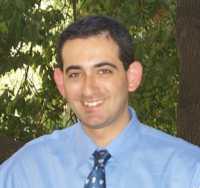 Dr. Jason R. Gotlib[/caption]
Jason R. Gotlib, MD
The Clinical Investigator Pathway
Hematology Division
Stanford University Medical Center
MedicalResearch.com: What is the background for this study? What are the main findings?
Response: The background is that advanced forms of systemic mastocytosis, which are blood cancers characterized by accumulation of abnormal mast cells in the bone marrow and additional organs, represent a group of orphan diseases with a large unmet need. Approximately 90% of patients harbor the acquired KIT D816V mutation, a mutated receptor tyrosine kinase on the surface of mast cells which a primary driver of disease pathogenesis. Only 1 drug is approved for patients with one form of advanced systemic mastocytosis, termed ‘aggressive systemic mastocytosis, or ‘ASM’. This therapy is imatinib (Gleevec), but it is only approved for patients without the KIT D816V mutation, or with KIT mutation status unknown because the KIT D816V mutation is resistant to imatinib. Therefore, this drug may only be useful for approximately 10% of patients. Other drugs that have been used off-label for systemic mastocytosis (but are not approved for this indication) include interferon-alpha or cladribine, which show some activity, but their evaluation to date has been primarily limited to small case series which are usually retrospective in nature, and include mixed populations of systemic mastocytosis patients who have both early stage disease without organ damage (e.g. indolent systemic mastocytosis) and and advanced stage patients, as included in this trial, who have one or more findings of organ damage. Also, those trials employed differing response criteria and no central adjudication of eligibility and response assessments was undertaken.
Midostaurin is a multikinase inhibitor with activity against both wild-type KIT, but most importantly, KIT D816V (in contrast to imatinib). Prior work demonstrated that cell lines transformed with the KIT D816V mutation can be inhibited at relatively low concentrations of midostaurin. These concentrations could also be achieved in vivo (e.g. at concentrations achievable in the blood of patients). Cell lines transformed by KIT D816V could not be inhibited by imatinib.
Dr. Jason R. Gotlib[/caption]
Jason R. Gotlib, MD
The Clinical Investigator Pathway
Hematology Division
Stanford University Medical Center
MedicalResearch.com: What is the background for this study? What are the main findings?
Response: The background is that advanced forms of systemic mastocytosis, which are blood cancers characterized by accumulation of abnormal mast cells in the bone marrow and additional organs, represent a group of orphan diseases with a large unmet need. Approximately 90% of patients harbor the acquired KIT D816V mutation, a mutated receptor tyrosine kinase on the surface of mast cells which a primary driver of disease pathogenesis. Only 1 drug is approved for patients with one form of advanced systemic mastocytosis, termed ‘aggressive systemic mastocytosis, or ‘ASM’. This therapy is imatinib (Gleevec), but it is only approved for patients without the KIT D816V mutation, or with KIT mutation status unknown because the KIT D816V mutation is resistant to imatinib. Therefore, this drug may only be useful for approximately 10% of patients. Other drugs that have been used off-label for systemic mastocytosis (but are not approved for this indication) include interferon-alpha or cladribine, which show some activity, but their evaluation to date has been primarily limited to small case series which are usually retrospective in nature, and include mixed populations of systemic mastocytosis patients who have both early stage disease without organ damage (e.g. indolent systemic mastocytosis) and and advanced stage patients, as included in this trial, who have one or more findings of organ damage. Also, those trials employed differing response criteria and no central adjudication of eligibility and response assessments was undertaken.
Midostaurin is a multikinase inhibitor with activity against both wild-type KIT, but most importantly, KIT D816V (in contrast to imatinib). Prior work demonstrated that cell lines transformed with the KIT D816V mutation can be inhibited at relatively low concentrations of midostaurin. These concentrations could also be achieved in vivo (e.g. at concentrations achievable in the blood of patients). Cell lines transformed by KIT D816V could not be inhibited by imatinib.

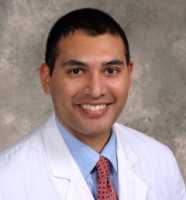
 Dr. Audrey Chang[/caption]
MedicalResearch.com Interview with:
Dr. Audrey Chang, PhD
Kamm-Stull Lab
UT Southwestern Medical Center
AudreyN.Chang@UTSouthwestern.edu
MedicalResearch.com: What is the background for this study? What are the main findings?
Response: The heart is a singular kind of muscle that contracts and relaxes continuously over a lifetime to pump blood to the body’s organs. Contractions depend on a motor protein myosin pulling on actin filaments in specialized structures. Heart contraction is improved when myosin has a phosphate molecule attached to it (phosphorylation), and a constant amount of phosphorylation is essential for normal heart function. The amount of phosphorylation necessary for optimal cardiac performance is maintained by a balance in the activities of myosin kinase enzymes that add the phosphate and an opposing phosphatase enzyme that removes the phosphate. If the amount of phosphorylation is too low, heart failure results. Animal models with increased myosin phosphorylation have enhanced cardiac performance that resist stresses that cause heart failure.
In this recent study reported in PNAS, a new kinase that phosphorylates myosin in heart muscle, MLCK4, was discovered and its crystal structure reported, a first for any myosin kinase family member. Compared to distinct myosin kinases in other kinds of muscles (skeletal and smooth), this cardiac-specific kinase lacks a conserved regulatory segment that inhibits kinase activity consistent with biochemical studies that it is always turned on. Additionally, another related myosin kinase found only in heart muscle (MLCK3) contains a modified regulatory segment, allowing partial activity enhanced by the calcium modulator protein, calmodulin. Thus, both myosin kinases unique to cardiac muscle provide phosphate to myosin in normal beating hearts to optimize performance and prevent heart failure induced by stresses.
Dr. Audrey Chang[/caption]
MedicalResearch.com Interview with:
Dr. Audrey Chang, PhD
Kamm-Stull Lab
UT Southwestern Medical Center
AudreyN.Chang@UTSouthwestern.edu
MedicalResearch.com: What is the background for this study? What are the main findings?
Response: The heart is a singular kind of muscle that contracts and relaxes continuously over a lifetime to pump blood to the body’s organs. Contractions depend on a motor protein myosin pulling on actin filaments in specialized structures. Heart contraction is improved when myosin has a phosphate molecule attached to it (phosphorylation), and a constant amount of phosphorylation is essential for normal heart function. The amount of phosphorylation necessary for optimal cardiac performance is maintained by a balance in the activities of myosin kinase enzymes that add the phosphate and an opposing phosphatase enzyme that removes the phosphate. If the amount of phosphorylation is too low, heart failure results. Animal models with increased myosin phosphorylation have enhanced cardiac performance that resist stresses that cause heart failure.
In this recent study reported in PNAS, a new kinase that phosphorylates myosin in heart muscle, MLCK4, was discovered and its crystal structure reported, a first for any myosin kinase family member. Compared to distinct myosin kinases in other kinds of muscles (skeletal and smooth), this cardiac-specific kinase lacks a conserved regulatory segment that inhibits kinase activity consistent with biochemical studies that it is always turned on. Additionally, another related myosin kinase found only in heart muscle (MLCK3) contains a modified regulatory segment, allowing partial activity enhanced by the calcium modulator protein, calmodulin. Thus, both myosin kinases unique to cardiac muscle provide phosphate to myosin in normal beating hearts to optimize performance and prevent heart failure induced by stresses.


 Dr. Phillip Coffin[/caption]
Phillip O. Coffin, MD, MIA
Director of Substance Use Research
San Francisco Department of Public Health
Assistant Professor, Division of HIV, ID & Global Health
University of California, San Francisco
MedicalResearch.com: What is the background for this study? What are the main findings?
Response: San Francisco has a longstanding naloxone distribution program that primarily works out of syringe exchange programs and is temporally associated with a substantial decline in opioid overdose death due to heroin or involving injection drug use. Over 90% of opioid overdose deaths from 2010-2012 were due to prescription opioids in the absence of heroin, and most of those decedents were prescribed opioids in primary care settings. Based on these data, as well as anecdotal reports from sites such as U.S. Army Fort Bragg in North Carolina - where providing naloxone to pain patients appeared to be associated with a radical decline in opioid overdose admissions to the emergency department - we implemented a naloxone prescribing program in the safety net primary care clinics.
We recommended that providers offer naloxone to all patients who used opioids on a regular basis, or were otherwise at risk for experiencing or witnessing an opioid overdose, although we only measured outcomes related to patients who were prescribed opioids for chronic pain. We also recommended that providers avoid the term "overdose" as that term does not properly reflect the epidemiology of opioid poisoning and is interpreted by many to mean intentionally consuming a large amount of opioids; instead we recommended saying things like: "Opioids can cause bad reactions where you stop breathing or can't be woken up." Providers prescribed mostly the jerry-rigged nasal device, with the atomizer and a brochure dispensed at clinic and the naloxone picked up at the patients' usual pharmacies, to approximate real-world medical practice.
Dr. Phillip Coffin[/caption]
Phillip O. Coffin, MD, MIA
Director of Substance Use Research
San Francisco Department of Public Health
Assistant Professor, Division of HIV, ID & Global Health
University of California, San Francisco
MedicalResearch.com: What is the background for this study? What are the main findings?
Response: San Francisco has a longstanding naloxone distribution program that primarily works out of syringe exchange programs and is temporally associated with a substantial decline in opioid overdose death due to heroin or involving injection drug use. Over 90% of opioid overdose deaths from 2010-2012 were due to prescription opioids in the absence of heroin, and most of those decedents were prescribed opioids in primary care settings. Based on these data, as well as anecdotal reports from sites such as U.S. Army Fort Bragg in North Carolina - where providing naloxone to pain patients appeared to be associated with a radical decline in opioid overdose admissions to the emergency department - we implemented a naloxone prescribing program in the safety net primary care clinics.
We recommended that providers offer naloxone to all patients who used opioids on a regular basis, or were otherwise at risk for experiencing or witnessing an opioid overdose, although we only measured outcomes related to patients who were prescribed opioids for chronic pain. We also recommended that providers avoid the term "overdose" as that term does not properly reflect the epidemiology of opioid poisoning and is interpreted by many to mean intentionally consuming a large amount of opioids; instead we recommended saying things like: "Opioids can cause bad reactions where you stop breathing or can't be woken up." Providers prescribed mostly the jerry-rigged nasal device, with the atomizer and a brochure dispensed at clinic and the naloxone picked up at the patients' usual pharmacies, to approximate real-world medical practice.






 Dr. Guang Yang[/caption]
Guang Yang, Ph.D.
Assistant Professor
NYU Langone School of Medicine
Alexandria Center for Life Sciences
New York, NY 10016
MedicalResearch.com: What is the background for this study? How common is the problem of long-lasting behavioral deficits after repeated anesthesia exposure in neonates?
Response: Each year, in the United States alone, more than 1 million children under 4 years of age undergo surgical procedures that require anesthesia. Many lines of evidence from animal studies have shown that prolonged or repeated exposure to general anesthesia during critical stages of brain development leads to long-lasting behavioral deficits later in life. The results from human studies are less clear, although some studies suggest a higher incidence of learning disabilities and attention-deficit and hyperactivity disorders in children repeatedly exposed to procedures requiring general anesthesia. To date, there has been no effective treatment to mitigate the potential neurotoxic effects of general anesthesia.
Dr. Guang Yang[/caption]
Guang Yang, Ph.D.
Assistant Professor
NYU Langone School of Medicine
Alexandria Center for Life Sciences
New York, NY 10016
MedicalResearch.com: What is the background for this study? How common is the problem of long-lasting behavioral deficits after repeated anesthesia exposure in neonates?
Response: Each year, in the United States alone, more than 1 million children under 4 years of age undergo surgical procedures that require anesthesia. Many lines of evidence from animal studies have shown that prolonged or repeated exposure to general anesthesia during critical stages of brain development leads to long-lasting behavioral deficits later in life. The results from human studies are less clear, although some studies suggest a higher incidence of learning disabilities and attention-deficit and hyperactivity disorders in children repeatedly exposed to procedures requiring general anesthesia. To date, there has been no effective treatment to mitigate the potential neurotoxic effects of general anesthesia.
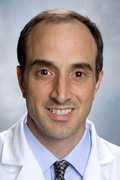 Dr. Thomas Gaziano[/caption]
Thomas Andrew Gaziano, MD, MSc
Department of Cardiology
Assistant Professor
Harvard Medical School
MedicalResearch.com: What is the background for this study?
Response: Heart failure (HF) is the leading cause of admissions to hospitals in the United States and the associated costs run between $24-47 billion annually. Targeting neurohormonal pathways that aggravate the disease has the potential to reduce admissions. Enalapril, an angiotensin converting enzyme-inhibitor (ACEI), is more commonly prescribed to treat HF than Sacubitril/Valsartan, an angiotensin-receptor/neprilysin inhibitor (ARNI). The latter was shown to reduce cardiovascular death and hospitalizations due to heart failure in a multi-country, randomized clinical (PARADIGM-HF), compared to Enalapril. In order to assess the cost-effectiveness of Sacubitril/Valsartan, compared to Enalapril, in the United States, we created a model population with population characteristics equivalent to the population in the PARADIGM-HF trial. Using a 2-state Markov model we simulated HF death and hospitalizations for patients with a left ventricular ejection fraction (LVEF) of 40% or less.
Dr. Thomas Gaziano[/caption]
Thomas Andrew Gaziano, MD, MSc
Department of Cardiology
Assistant Professor
Harvard Medical School
MedicalResearch.com: What is the background for this study?
Response: Heart failure (HF) is the leading cause of admissions to hospitals in the United States and the associated costs run between $24-47 billion annually. Targeting neurohormonal pathways that aggravate the disease has the potential to reduce admissions. Enalapril, an angiotensin converting enzyme-inhibitor (ACEI), is more commonly prescribed to treat HF than Sacubitril/Valsartan, an angiotensin-receptor/neprilysin inhibitor (ARNI). The latter was shown to reduce cardiovascular death and hospitalizations due to heart failure in a multi-country, randomized clinical (PARADIGM-HF), compared to Enalapril. In order to assess the cost-effectiveness of Sacubitril/Valsartan, compared to Enalapril, in the United States, we created a model population with population characteristics equivalent to the population in the PARADIGM-HF trial. Using a 2-state Markov model we simulated HF death and hospitalizations for patients with a left ventricular ejection fraction (LVEF) of 40% or less.
 Dr. Ying Bao[/caption]
Dr. Ying Bao Sc.D., M.D
Assistant Professor of Medicine
Channing Division of Network Medicine
Department of Medicine
Brigham and Women's Hospital
Harvard Medical School,
Boston, MA
MedicalResearch.com: What is the background for this study? What are the main findings?
Response: Nuts are rich in bioactive macronutrients, micronutrients, tocopherols and phytochemicals. Current epidemiological evidence has consistently linked increased nut consumption to reduced risk of several chronic conditions including cardiovascular diseases, type 2 diabetes, and inflammation. In contrast, evidence on nut consumption and cancer risk has been insufficient and equivocal.
Prostate cancer is the leading cancer among U.S. men, with approximately 220,800 new cases diagnosed in 2015. However, very few studies have investigated the association between nut intake and prostate cancer. Thus, in the current study, we followed 47,299 US men from 1986-2012, and examined
(1) whether consuming more nuts prevents getting prostate cancer, and
(2) whether consuming more nuts reduces death rates among non-metastatic prostate cancer patients.
During 26 years of follow-up, 6,810 men were diagnosed with prostate cancer, and 4,346 of these patients were without metastasis at diagnosis. We found no association between nut intake and being diagnosed with prostate cancer. However, among non-metastatic prostate cancer patients, those who consumed nuts 5 or more times per week after diagnosis had a significant 34% lower rate of overall mortality than those who consumed nuts less than once per month.
Dr. Ying Bao[/caption]
Dr. Ying Bao Sc.D., M.D
Assistant Professor of Medicine
Channing Division of Network Medicine
Department of Medicine
Brigham and Women's Hospital
Harvard Medical School,
Boston, MA
MedicalResearch.com: What is the background for this study? What are the main findings?
Response: Nuts are rich in bioactive macronutrients, micronutrients, tocopherols and phytochemicals. Current epidemiological evidence has consistently linked increased nut consumption to reduced risk of several chronic conditions including cardiovascular diseases, type 2 diabetes, and inflammation. In contrast, evidence on nut consumption and cancer risk has been insufficient and equivocal.
Prostate cancer is the leading cancer among U.S. men, with approximately 220,800 new cases diagnosed in 2015. However, very few studies have investigated the association between nut intake and prostate cancer. Thus, in the current study, we followed 47,299 US men from 1986-2012, and examined
(1) whether consuming more nuts prevents getting prostate cancer, and
(2) whether consuming more nuts reduces death rates among non-metastatic prostate cancer patients.
During 26 years of follow-up, 6,810 men were diagnosed with prostate cancer, and 4,346 of these patients were without metastasis at diagnosis. We found no association between nut intake and being diagnosed with prostate cancer. However, among non-metastatic prostate cancer patients, those who consumed nuts 5 or more times per week after diagnosis had a significant 34% lower rate of overall mortality than those who consumed nuts less than once per month.
 Dr. Richard Leigh[/caption]
Dr. Richard Leigh MD
Neuro Vascular Brain Imaging Unit
National Institute of Neurological Disorders and Stroke
National Institutes of Health, Bethesda, MD
MedicalResearch.com: What is the background for this study? What are the main findings?
Response: Patients who suffer an ischemic stroke have limited treatment options. One of the reasons for this is that our treatments can sometimes make the stroke worse by transforming the ischemic stroke into a hemorrhagic stroke. In our study we identified a new piece of information that we can extract from the patient’s MRI scan that informs us on the risk of having a hemorrhage.
Dr. Richard Leigh[/caption]
Dr. Richard Leigh MD
Neuro Vascular Brain Imaging Unit
National Institute of Neurological Disorders and Stroke
National Institutes of Health, Bethesda, MD
MedicalResearch.com: What is the background for this study? What are the main findings?
Response: Patients who suffer an ischemic stroke have limited treatment options. One of the reasons for this is that our treatments can sometimes make the stroke worse by transforming the ischemic stroke into a hemorrhagic stroke. In our study we identified a new piece of information that we can extract from the patient’s MRI scan that informs us on the risk of having a hemorrhage.
 Dr. Jonathan Hsu[/caption]
Jonathan Hsu, MD, MAS, FACC, FAHA, FHRS
Assistant Professor
Cardiac Electrophysiology, Division of Cardiology
University of California, San Diego (UCSD)
MedicalResearch.com: What is the background for this study?
Response: Atrial fibrillation (AF) is the most common cardiac arrhythmia worldwide and imparts significant stroke risk. In patients with AF determined to be at intermediate to high risk for thromboembolism, anticoagulation with warfarin (a vitamin K antagonist) or the newer non-vitamin K antagonist oral anticoagulants clearly reduces morbidity and mortality compared to aspirin. We sought to evaluate practice patterns of cardiovascular specialists in the United states to determine how often AF patients at risk for stroke are prescribed aspirin over oral anticoagulation, and predictors of this practice.
Dr. Jonathan Hsu[/caption]
Jonathan Hsu, MD, MAS, FACC, FAHA, FHRS
Assistant Professor
Cardiac Electrophysiology, Division of Cardiology
University of California, San Diego (UCSD)
MedicalResearch.com: What is the background for this study?
Response: Atrial fibrillation (AF) is the most common cardiac arrhythmia worldwide and imparts significant stroke risk. In patients with AF determined to be at intermediate to high risk for thromboembolism, anticoagulation with warfarin (a vitamin K antagonist) or the newer non-vitamin K antagonist oral anticoagulants clearly reduces morbidity and mortality compared to aspirin. We sought to evaluate practice patterns of cardiovascular specialists in the United states to determine how often AF patients at risk for stroke are prescribed aspirin over oral anticoagulation, and predictors of this practice.
 Dr. Gregory Marcus[/caption]
Gregory M Marcus, MD, MAS, FACC, FAHA, FHRS
Director of Clinical Research
Division of Cardiology
Endowed Professor of Atrial Fibrillation Research
University of California, San Francisco
MedicalResearch.com: What is the background for this study? What are the main findings?
Response: We and others have previously demonstrated that, despite the observation that African Americans on average exhibit more risk factors for atrial fibrillation, they demonstrate a substantially reduced risk of the disease. This suggests that, if we could understand the mechanism underlying this apparent paradox, we might learn something fundamentally important to atrial fibrillation that would be relevant to treating or preventing the disease regardless of race.
Building on our previous work demonstrating that, among African Americans, more European ancestry (determined by genomic testing) was a statistically significant predictor of atrial fibrillation, we sought to identify the gene(s) that might underlie this observation. The analysis took two forms.
First, we examined if any differences among several well-established single nucleotide polymorphisms (SNP) associated with atrial fibrillation might mediate the race-atrial fibrillation relationship. One such SNP statistically mediated (rs10824026) up to about a third of the race-atrial fibrillation relationship. It’s important to mention that a causal relationship cannot be proven here.
Perhaps more remarkable was the observation that the disease-associated alleles of the SNPs most closely associated with atrial fibrillation in multiple studies were actually significantly more common among African Americans, pointing to the complex nature of both the race-atrial fibrillation relationship as well as the genetics of atrial fibrillation.
Finally, leveraging the ancestral relationships, we performed a genome wide admixture mapping study with the hope of reducing the penalty for multiple hypothesis testing incurred in conventional genome wide association studies. While several loci revealed associations with atrial fibrillation with small p values, none met our criteria for genome wide significance.
Dr. Gregory Marcus[/caption]
Gregory M Marcus, MD, MAS, FACC, FAHA, FHRS
Director of Clinical Research
Division of Cardiology
Endowed Professor of Atrial Fibrillation Research
University of California, San Francisco
MedicalResearch.com: What is the background for this study? What are the main findings?
Response: We and others have previously demonstrated that, despite the observation that African Americans on average exhibit more risk factors for atrial fibrillation, they demonstrate a substantially reduced risk of the disease. This suggests that, if we could understand the mechanism underlying this apparent paradox, we might learn something fundamentally important to atrial fibrillation that would be relevant to treating or preventing the disease regardless of race.
Building on our previous work demonstrating that, among African Americans, more European ancestry (determined by genomic testing) was a statistically significant predictor of atrial fibrillation, we sought to identify the gene(s) that might underlie this observation. The analysis took two forms.
First, we examined if any differences among several well-established single nucleotide polymorphisms (SNP) associated with atrial fibrillation might mediate the race-atrial fibrillation relationship. One such SNP statistically mediated (rs10824026) up to about a third of the race-atrial fibrillation relationship. It’s important to mention that a causal relationship cannot be proven here.
Perhaps more remarkable was the observation that the disease-associated alleles of the SNPs most closely associated with atrial fibrillation in multiple studies were actually significantly more common among African Americans, pointing to the complex nature of both the race-atrial fibrillation relationship as well as the genetics of atrial fibrillation.
Finally, leveraging the ancestral relationships, we performed a genome wide admixture mapping study with the hope of reducing the penalty for multiple hypothesis testing incurred in conventional genome wide association studies. While several loci revealed associations with atrial fibrillation with small p values, none met our criteria for genome wide significance.
 Dr. Gregg Fonarow[/caption]
Gregg C. Fonarow, MD, FACC, FAHA
Eliot Corday Professor of Cardiovascular Medicine and Science
Director, Ahmanson-UCLA Cardiomyopathy Center
Co-Chief of Clinical Cardiology, UCLA Division of Cardiology
Co-Director, UCLA Preventative Cardiology Program
David Geffen School of Medicine at UCLA
Los Angeles, CA, 90095-1679
MedicalResearch.com: What is the background for this study? What are the main findings?
Dr. Fonarow: Angiotensin receptor neprilysin inhibitors (ARNI) have been demonstrated to reduce mortality in patients with heart failure with reduced ejection fraction. However, to date, the population level impact of optimal implementation of this therapy in the United States has not been evaluated.
This new analysis estimates that as many 28,484 deaths in heart failure with reduced ejection fraction patients annually could be prevented or postponed with optimal use of angiotensin receptor neprilysin inhibitors (with sensitivity analyses demonstrating a range of 18,230 to 41,017).
Dr. Gregg Fonarow[/caption]
Gregg C. Fonarow, MD, FACC, FAHA
Eliot Corday Professor of Cardiovascular Medicine and Science
Director, Ahmanson-UCLA Cardiomyopathy Center
Co-Chief of Clinical Cardiology, UCLA Division of Cardiology
Co-Director, UCLA Preventative Cardiology Program
David Geffen School of Medicine at UCLA
Los Angeles, CA, 90095-1679
MedicalResearch.com: What is the background for this study? What are the main findings?
Dr. Fonarow: Angiotensin receptor neprilysin inhibitors (ARNI) have been demonstrated to reduce mortality in patients with heart failure with reduced ejection fraction. However, to date, the population level impact of optimal implementation of this therapy in the United States has not been evaluated.
This new analysis estimates that as many 28,484 deaths in heart failure with reduced ejection fraction patients annually could be prevented or postponed with optimal use of angiotensin receptor neprilysin inhibitors (with sensitivity analyses demonstrating a range of 18,230 to 41,017).
 Dr. Peter Ganz[/caption]
Peter Ganz, MD
Chief, Division of Cardiology
Director, Center of Excellence in Vascular Research
Zuckerberg San Francisco General Hospital
Maurice Eliaser Distinguished Professor of Medicine
University of California, San Francisco
MedicalResearch.com: What is the background for this study? What are the main findings?
Dr. Ganz: The research described in the JAMA paper involved measuring 1,130 different proteins in nearly 2000 individuals with apparently stable coronary heart disease, who were followed up to 11 years. Initially, two hundred different proteins were identified whose blood levels could be related to the risk of heart attacks, strokes, heart failure and death, and ultimately a combination of nine proteins was selected for a risk prediction model, based on their combined accuracy and sensitivity.
Application of these findings to samples of patients with stable coronary heart disease demonstrated that some of those who were deemed clinically stable instead had a high risk of adverse cardiovascular outcomes, while other patients with the same clinical diagnosis had a very low risk. Thus, individuals who all carried the same clinical diagnosis of stable coronary heart disease had a risk of an adverse cardiovascular event that varied by as much as 10-fold, as revealed by analysis of the levels of the nine proteins in their blood. Given such large differences in risk and outcomes, patients could reasonably opt to be treated differently, depending on their level of risk. We hope that in the future, management of patients with stable angina will at least in part rely on risk assessment based on levels of blood proteins.
Dr. Peter Ganz[/caption]
Peter Ganz, MD
Chief, Division of Cardiology
Director, Center of Excellence in Vascular Research
Zuckerberg San Francisco General Hospital
Maurice Eliaser Distinguished Professor of Medicine
University of California, San Francisco
MedicalResearch.com: What is the background for this study? What are the main findings?
Dr. Ganz: The research described in the JAMA paper involved measuring 1,130 different proteins in nearly 2000 individuals with apparently stable coronary heart disease, who were followed up to 11 years. Initially, two hundred different proteins were identified whose blood levels could be related to the risk of heart attacks, strokes, heart failure and death, and ultimately a combination of nine proteins was selected for a risk prediction model, based on their combined accuracy and sensitivity.
Application of these findings to samples of patients with stable coronary heart disease demonstrated that some of those who were deemed clinically stable instead had a high risk of adverse cardiovascular outcomes, while other patients with the same clinical diagnosis had a very low risk. Thus, individuals who all carried the same clinical diagnosis of stable coronary heart disease had a risk of an adverse cardiovascular event that varied by as much as 10-fold, as revealed by analysis of the levels of the nine proteins in their blood. Given such large differences in risk and outcomes, patients could reasonably opt to be treated differently, depending on their level of risk. We hope that in the future, management of patients with stable angina will at least in part rely on risk assessment based on levels of blood proteins.
 Dr. Mikhail Kolonin[/caption]
Mikhail Kolonin, PhD, Associate Professor
Director, Center for Metabolic and Degenerative Diseases
Harry E. Bovay, Jr. Distinguished University Chair in Metabolic Disease Research
The Brown Foundation Institute of Molecular Medicine
University of Texas Health Science Center at Houston
Houston, TX 77030
MedicalResearch.com: What is the background for this study? What are the main findings?
Response: Epidemiology studies have indicated that in obese patients progression of prostate, breast, colorectal, and other cancers is more aggressive. Adipose (fat) tissue, expanding and undergoing inflammation in obesity, directly fuels tumor growth. Adipose tissue is composed by adipocytes and stromal/vascular cells, which secrete tumor-trophic factors. Previous studies by our group have demonstrated that adipose stromal cells, which support blood vessels and serve as adipocyte progenitors, are recruited by tumors and contribute to cancer progression. Mechanisms underlying stromal cell trafficking from fat tissue to tumors have remained obscure. We discovered that in obesity a chemokine CXCL1, expressed by cancer cells, attracts adipose stromal cells to tumors.
Dr. Mikhail Kolonin[/caption]
Mikhail Kolonin, PhD, Associate Professor
Director, Center for Metabolic and Degenerative Diseases
Harry E. Bovay, Jr. Distinguished University Chair in Metabolic Disease Research
The Brown Foundation Institute of Molecular Medicine
University of Texas Health Science Center at Houston
Houston, TX 77030
MedicalResearch.com: What is the background for this study? What are the main findings?
Response: Epidemiology studies have indicated that in obese patients progression of prostate, breast, colorectal, and other cancers is more aggressive. Adipose (fat) tissue, expanding and undergoing inflammation in obesity, directly fuels tumor growth. Adipose tissue is composed by adipocytes and stromal/vascular cells, which secrete tumor-trophic factors. Previous studies by our group have demonstrated that adipose stromal cells, which support blood vessels and serve as adipocyte progenitors, are recruited by tumors and contribute to cancer progression. Mechanisms underlying stromal cell trafficking from fat tissue to tumors have remained obscure. We discovered that in obesity a chemokine CXCL1, expressed by cancer cells, attracts adipose stromal cells to tumors.
 Dr. Gregoire Boulouis[/caption]
Dr. Gregoire Boulouis MD MS
Research Fellow at Massachusetts General Hospital / Harvard Med. School
Boston, Massachusetts
MedicalResearch.com: What is the background for this study? What are the main findings?
Dr. Boulouis: Hemorrhagic Stroke or Intracerebral hemorrhage (ICH) still has a poor prognosis. A substantial proportion of patients will experience ongoing intracranial bleeding and their hematomas will grow in size in the first hours following presentation, a phenomenon called 'hemorrhage epxansion'. Patients with hemorrhage expansion have been shown to have significantly worse clinical outcome. If all baseline ICH characteristics (location, initial hemorrhage volume, ..) are non modifiable at the time of diagnosis, hemorrhage expansion, however, represents one of the few potential targets to improve outcome in ICH patients. An accurate selection of patients at high risk of expansion is needed to optimize patients' selection in expansion targetted trials and, eventually, to help stratifying the level of care at the acute phase.
In this study, we investigated whether the presence of non-contrast Computed Tomography hypodensities within the baseline hematoma, a very easily and reliably assessed imaging marker, was associated with more hemorrhage expansion.
A total of 1029 acute phase ICH patients were included ; approximately a third of them demonstrated CT hypodensities at baseline. In this population, CT hypodensities were independently associated with hemorrhage expansion with an odds ratio of 3.42 (95% CI 2.21-5.31) for expansion in fully adjusted multivariable model.
Dr. Gregoire Boulouis[/caption]
Dr. Gregoire Boulouis MD MS
Research Fellow at Massachusetts General Hospital / Harvard Med. School
Boston, Massachusetts
MedicalResearch.com: What is the background for this study? What are the main findings?
Dr. Boulouis: Hemorrhagic Stroke or Intracerebral hemorrhage (ICH) still has a poor prognosis. A substantial proportion of patients will experience ongoing intracranial bleeding and their hematomas will grow in size in the first hours following presentation, a phenomenon called 'hemorrhage epxansion'. Patients with hemorrhage expansion have been shown to have significantly worse clinical outcome. If all baseline ICH characteristics (location, initial hemorrhage volume, ..) are non modifiable at the time of diagnosis, hemorrhage expansion, however, represents one of the few potential targets to improve outcome in ICH patients. An accurate selection of patients at high risk of expansion is needed to optimize patients' selection in expansion targetted trials and, eventually, to help stratifying the level of care at the acute phase.
In this study, we investigated whether the presence of non-contrast Computed Tomography hypodensities within the baseline hematoma, a very easily and reliably assessed imaging marker, was associated with more hemorrhage expansion.
A total of 1029 acute phase ICH patients were included ; approximately a third of them demonstrated CT hypodensities at baseline. In this population, CT hypodensities were independently associated with hemorrhage expansion with an odds ratio of 3.42 (95% CI 2.21-5.31) for expansion in fully adjusted multivariable model.
 Dr. John Mafi[/caption]
John N. Mafi, MD, MPH
Assistant Professor of Medicine
Division of General Internal Medicine and Health Services Research
UCLA David Geffen School of Medicine
Los Angeles, CA 90024
Affiliated Adjunct in Health Policy
RAND Corporation
Santa Monica, CA 90401
MedicalResearch.com: What is the background for this study? What are the main findings?
Dr. Mafi: The U.S. healthcare system faces a looming shortage of primary care physicians, with some estimates as high as 20,000 physicians by the year 2020. In addition, fewer and fewer trainees enter primary care careers because of the harder work and lower salaries. Combine this with the passage of the Affordable Care Act and the millions of newly insured patients looking for a primary care provider, and you have created a perfect storm where timely access to primary care becomes essentially unachievable.
Many advocate for expanding the role of nurse practitioners and physician assistants to mitigate the physician shortage. But this is controversial as most doctors believe nurse practitioners provide inferior care to doctors and many feel that expanding their role would worsen the value and efficiency of the U.S. healthcare system.
While studies suggest they provide similar quality of care to physicians, few have actually evaluated whether they provide greater amounts of inefficient or low value care. Low value care is important because it can harm patients (antibiotics for colds don’t help patients and have harmful side effects) and they can raise healthcare costs. In this context, we used a large national database on ambulatory visits to compare the quality and efficiency of care among nurse practitioners, physician assistants, and physicians in the U.S. primary care setting.
In our 15 year analysis of nearly 29,000 patients who saw either a nurse practitioner, physician assistant, or a physician, we found similar rates of inappropriate antibiotic use for colds, unnecessary imaging (such as x-rays, CT scans, and MRI scans) for back pain and headache, and potentially necessary referrals to specialists for these same three conditions.
Dr. John Mafi[/caption]
John N. Mafi, MD, MPH
Assistant Professor of Medicine
Division of General Internal Medicine and Health Services Research
UCLA David Geffen School of Medicine
Los Angeles, CA 90024
Affiliated Adjunct in Health Policy
RAND Corporation
Santa Monica, CA 90401
MedicalResearch.com: What is the background for this study? What are the main findings?
Dr. Mafi: The U.S. healthcare system faces a looming shortage of primary care physicians, with some estimates as high as 20,000 physicians by the year 2020. In addition, fewer and fewer trainees enter primary care careers because of the harder work and lower salaries. Combine this with the passage of the Affordable Care Act and the millions of newly insured patients looking for a primary care provider, and you have created a perfect storm where timely access to primary care becomes essentially unachievable.
Many advocate for expanding the role of nurse practitioners and physician assistants to mitigate the physician shortage. But this is controversial as most doctors believe nurse practitioners provide inferior care to doctors and many feel that expanding their role would worsen the value and efficiency of the U.S. healthcare system.
While studies suggest they provide similar quality of care to physicians, few have actually evaluated whether they provide greater amounts of inefficient or low value care. Low value care is important because it can harm patients (antibiotics for colds don’t help patients and have harmful side effects) and they can raise healthcare costs. In this context, we used a large national database on ambulatory visits to compare the quality and efficiency of care among nurse practitioners, physician assistants, and physicians in the U.S. primary care setting.
In our 15 year analysis of nearly 29,000 patients who saw either a nurse practitioner, physician assistant, or a physician, we found similar rates of inappropriate antibiotic use for colds, unnecessary imaging (such as x-rays, CT scans, and MRI scans) for back pain and headache, and potentially necessary referrals to specialists for these same three conditions.