MedicalResearch.com Interview with:
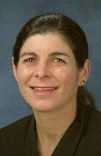
Jennifer E Posey MD, PhD
Assistant Professor
Department of Molecular and Human Genetics
Baylor College of Medicine
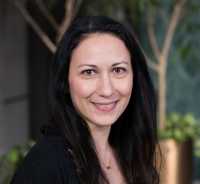
Tamar Harel MD, PhD
Clinical Genetics Academic Research Fellow
Department of Molecular and Human Genetics
Baylor College of Medicine
Current affiliation:
Department of Genetic and Metabolic Diseases
Hadassah-Hebrew University Medical Center
Jerusalem, Israel
MedicalResearch.com: What is the background for this study? What are the main findings?
Response: As physician scientists and geneticists, our goal is to understand how genetic variation in each of us can impact health and disease. Physicians are often taught that the simplest explanation for a medical condition is the most correct explanation, and have historically searched for a single unifying diagnosis. However, in our own practice, we have met – and learned from – individuals who have more than one genetic condition affecting their health.
In the past, it was difficult for physicians to diagnose such individuals. Genetic testing required a physician to recognize the potential for more than one genetic diagnosis in an individual. Single-gene and gene panel testing provided an additional barrier to accurate diagnoses, as they are more narrow in scope, and more than one molecular test was often needed to identify all conditions. Targeted testing also required a physician to accurately pre-suppose which combination of genetic conditions was most likely, and choose the correct targeted tests.
The clinical availability of whole exome sequencing (WES) has removed these barriers: WES is a broad-based, unbiased analysis of an individual’s genetic variation that does not pre-suppose a specific genetic cause. If analysis is pursued systematically, WES can identify more than one genetic diagnosis in an individual, even when not suspected.
In our study, we have been able to assess the frequency with which individuals can have more than one genetic diagnosis, and have begun to understand how genetic variation at more than one place in the genome can affect how a condition may present. We found that among 7,374 individuals referred for WES, 2,076 (28%) had a molecular diagnosis. Of these 2,076, 5% had two, three, or four molecular diagnoses. In our analyses of the clinical features that may be observed in an individual with two genetic conditions, we found that pairs of diagnoses with overlapping clinical features may be incompletely diagnosed as having one or the other condition, and pairs of diagnoses with very distinct clinical features may be erroneously diagnosed in the clinic as having an entirely new condition.

 Natalie Engmann[/caption]
Natalie Engmann, MSc
PhD Candidate, Epidemiology and Translational Science
Department of Epidemiology & Biostatistics
University of California, San Francisco
MedicalResearch.com: What is the background for this study?
Response: Breast density is well-established as a strong risk factor for breast cancer. Our study looked at what proportion of breast cancer cases in the entire population can be attributed to risk factors routinely collected in clinical practice, including breast density, measured using the clinical Breast Imaging and Reporting Scale (BI-RADS) categories.
Natalie Engmann[/caption]
Natalie Engmann, MSc
PhD Candidate, Epidemiology and Translational Science
Department of Epidemiology & Biostatistics
University of California, San Francisco
MedicalResearch.com: What is the background for this study?
Response: Breast density is well-established as a strong risk factor for breast cancer. Our study looked at what proportion of breast cancer cases in the entire population can be attributed to risk factors routinely collected in clinical practice, including breast density, measured using the clinical Breast Imaging and Reporting Scale (BI-RADS) categories.