Author Interviews, Columbia, Memory / 24.06.2017

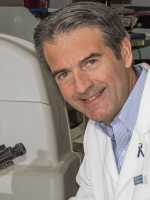
MedicalResearch.com Interview with: Samuel Schacher, PhD and Jiangyuan Hu, PhD, Department of Neuroscience Columbia University Medical Cente New York State Psychiatric Institute New York, NY 10032, USA MedicalResearch.com: What is the background for this study? What are the main findings? Response: It is well established that learning and memory requires changes in the properties of specific neural circuits in the brain activated by the experience. The long-term storage of the memory is encoded through changes in the function of the synapses within the circuit. Synapses are sites of communication between neurons, and the changes in their function come in two varieties: increases in strength and decreases in strength. The encoding of memories typically requires some combination of these synaptic changes, synaptic plasticity, which can last a long time to contribute to long-term memory. Thus the maintenance of a memory will require the persistent change (long-term synaptic memory) in the function of specific synapses. But memories come in different flavors. In the original experiment by Pavlov, a neutral tone, which dogs ignore, came to predict the immediate appearance of a meal. After several of these pairings, the dogs would become happily excited just with the tone. The same type of conditioning could have a negative valence - the tone could proceed a shock to one of the dog's paw. Now the neutral tone would predict a negative stimulus and the dog would express fearful behavior just with the tone (associative learning). A non-associative form of memory would be the same types of stimuli but without the preceding neutral stimulus. At random times the animal will be given a meal or a shock. The behavior of the animal for some time will take on the positive or negative features of its environment - a contented versus depressed condition. Each of these forms of long-term memory would be maintained by increases in the strength of specific synapses. The questions addressed in our study published in Current Biology, based on previous work in my lab and the lab of my colleague Wayne Sossin at McGill, were: 1) Do the same molecules maintain increases in synaptic strength in the neurons of the circuit after stimuli that produce long-term classical conditioning (associative learning) and long-term sensitization (non-associative learning)? 2) If different molecules maintain the different synaptic memories, is it possible to reverse or erase the different synaptic memories by interfering with the function of the different molecules? 3) If true, can we reverse the different synaptic memories expressed in the same neuron by interfering with the function of the different molecules.
Author Interviews, Brigham & Women's - Harvard, Dermatology, Melanoma / 22.06.2017

MedicalResearch.com Interview with: [caption id="attachment_35502" align="alignleft" width="200"]David E. Fisher MD, PhD</strong> Edward Wigglesworth Professor & Chairman Dept of Dermatology Director, Melanoma Program MGH Cancer Center Director, Cutaneous Biology Research Center Massachusetts General Hospital Harvard Medical School Boston, MA 02114 Dr. Fisher[/caption] David E. Fisher MD, PhD Edward Wigglesworth Professor & Chairman Dept of Dermatology Director, Melanoma Program MGH Cancer Center Director, Cutaneous Biology Research Center Massachusetts General Hospital Harvard Medical School Boston, MA 02114 MedicalResearch.com: What is the background for this study? What are the main findings? Response: This study grew from an interest to mimic the dark pigmentation patterns in human skin which are known from epidemiology to be associated with low skin cancer risk. In the current work, a molecular inhibitor of the SIK enzyme was used to block the inhibitory action of SIK relative to melanin synthesis. The result was stimulation of dark pigmentation within human skin.
Author Interviews, Blood Pressure - Hypertension, Brigham & Women's - Harvard, Neurological Disorders, Stroke / 22.06.2017

MedicalResearch.com Interview with: Andrea Morotti, M.D. Research Fellow in Neurology Massachusetts General Hospital Harvard Medical School MedicalResearch.com: What is the background for this study? What are the main findings? Response: The CT angiography (CTA) spot sign is a validated marker of Intracerebral Hemorrhage (ICH) expansion and may identify those subjects more likely to benefit from intensive blood pressure reduction. We observed that less than 20% of ICH patients received a CTA as part of their diagnostic workup in a large, international randomized clinical trial. The performance of the spot sign in predicting ICH growth was suboptimal compared with what was reported in previous studies. Intensive blood pressure reduction did not improve functional outcome in spot sign positive patients.
Author Interviews, Genetic Research, Nature, Scripps / 21.06.2017

MedicalResearch.com Interview with: [caption id="attachment_35494" align="alignleft" width="146"]Michael Farzan PhD Co-chair and Professor Department of Immunology and Microbiology  Florida Campus  The Scripps Research Institute Jupiter, Florida Dr. Farzan[/caption] Michael Farzan PhD Co-chair and Professor Department of Immunology and Microbiology Florida Campus The Scripps Research Institute Jupiter, Florida MedicalResearch.com: What is the background for this study? What are the main findings? Response: CRISPR is system for immune protection of bacteria.  It has now been widely adopted for use in editing mammalian cells.  The most commonly used CRISPR effector protein is Cas9.  Cas9 binds a guide RNA to recognize a DNA target, for example an incoming virus infecting a bacterium, or a gene in a human chromosome.  In bacteria, Cas9 requires a second protein to clear the guide RNA from a longer "CRISPR array", basically a string of guide RNAs. We have been studying a CRISPR effector protein related to Cas9 called Cpf1.  In bacteria it was know that, unlike Cas9, Cpf1 could cleave a CRISPR array by itself, without assistance from a second protein.  We knew that if it could do the same thing in human cells, it would help to simplify a number of gene-editing applications.  We were able to show that Cas9 could indeed excise multiple guide RNAs from a single message RNA in human cells.  We further showed that this approach was more efficient than the previous ways that guide RNAs were generated for gene editing, even more so when multiple guide RNAs were needed.
Author Interviews, Brigham & Women's - Harvard, Education, PLoS, Sleep Disorders / 21.06.2017

MedicalResearch.com Interview with: Dr. Dorothee Fischer Department of Environmental Health Harvard T.H. Chan School of Public Health, Boston, Massachusetts Center for Injury Epidemiology, Liberty Mutual Research Institute for Safety Hopkinton, Massachusetts, MedicalResearch.com: What is the background for this study? What are the main findings? Response: Chronotypes are a result of how the circadian clock embeds itself into the 24h light-dark cycle, producing earlier and later individuals ("larks and owls") with regards to rhythms in physiology, cognition and behavior, including sleep. It can be beneficial for health and safety to sync forced wake times (work, school) with individual chronotypes, thereby reducing the misalignment between sleep, circadian rhythms and external demands. To better inform potential interventions such as tailored work schedules, more information is needed about the prevalence of different chronotypes and how chronotype differs by age and sex. To the best of our knowledge, this is the first large-scale and nationally representative study of chronotypes in the US.
Author Interviews, Lancet, Rheumatology, UT Southwestern / 20.06.2017

MedicalResearch.com Interview with: [caption id="attachment_35455" align="alignleft" width="150"]Roy Fleischmann, MD MACR Medical Director Metroplex Clinical Research Center Clinical Professor of Medicine University of Texas Southwestern Medical Center Dallas, TX 75231 Dr. Fleischmann[/caption] Roy Fleischmann, MD MACR Medical Director Metroplex Clinical Research Center Clinical Professor of Medicine University of Texas Southwestern Medical Center Dallas, TX 75231 MedicalResearch.com: What is the background for this study? What are the main findings? Response: In the phase 3 studies of tofacitinib, it was noted that the clinical responses to tofacitinib monotherapy were higher than the responses to tofaciotinib plus MTX and that tofacitinib plus methotrexate had numerically higher clinical responses compared to adalimumab plus methotrexate. This study was a non-inferiority design which compared tofacitinib monotherapy to tofacitinib + MTX and to adalimumab +MTX and tofacitinib monotherapy to tofacitinib +MTX in MTX incomplete responders. It was found that tofacitinib + MTX is non-inferior to adalimumab + MTX (and vice versa) and neither was superior to the other. The results of tofacitinib to either combination was non-conclusive showing neither non-inferiority or inferiority, but suggesting that either combination will be effective in more patients in a group of patients.
Author Interviews, Endocrinology, Genetic Research, NYU / 19.06.2017

MedicalResearch.com Interview with: [caption id="attachment_35437" align="alignleft" width="150"]Constantine A. Stratakis, MD, DMSci Section on Endocrinology and Genetics Eunice Kennedy Shriver National Institute of Child Health and Human Development National Institutes of Health, Bethesda Dr. Stratakis[/caption] Constantine A. Stratakis, MD, DMSci Section on Endocrinology and Genetics Eunice Kennedy Shriver National Institute of Child Health and Human Development National Institutes of Health, Bethesda  MedicalResearch.com: What is the background for this study? Response: The pituitary and adrenal glands operate on a kind of feedback loop.  In response to stress, the pituitary release ACTH (Adrenocorticotropic hormone), which signals the adrenal glands to release cortisol.  Rising cortisol levels then act on the pituitary, to shut down ACTH production. In a previous study, Jacque Drouin of the Institute for Clinical Research in Montreal and colleagues had determined that the CABLES1 protein was a key player in this feedback mechanism, switching off pituitary cell division in cultures exposed to cortisol. Since this feedback mechanism appears to be impaired in many corticotropinomas, we investigated the presence of Cables1 gene mutations and copy number variations in a large group of patients with Cushing’s disease.
Author Interviews, ENT, Hearing Loss, JAMA, University of Michigan / 17.06.2017

MedicalResearch.com Interview with: Aileen Wertz, MD Otolaryngology - Head and Neck Surgery University of Michigan  MedicalResearch.com: What is the background for this study? What are the main findings? Response: The key finding of this study is: free, comprehensive audiologic care, including hearing aids and fitting, is feasible within a well-established free clinic model. We found that donated hearing aids and volunteer health care providers were able to run the clinic and that 20 patients have thus far been fit with hearing aids.
Author Interviews, Duke, Heart Disease / 15.06.2017

MedicalResearch.com Interview with: [caption id="attachment_35347" align="alignleft" width="156"]Daniel J. Friedman, MD Duke University Hospital Duke Clinical Research Institute Durham, NC Dr. Friedman[/caption] Daniel J. Friedman, MD Duke University Hospital Duke Clinical Research Institute Durham, NC MedicalResearch.com: What is the background for this study? What are the main findings? Response: Although primary prevention ICDs have saved countless lives among patients with heart failure and a reduced ejection fraction, the use of primary prevention ICDs in patients with more advanced heart failure [defined by New York Heart Association Class (NYHA)] is controversial. Specifically, there are conflicting data from the pivotal primary prevention ICD trials regarding whether primary prevention ICDs reduce all-cause mortality among patients with a severely reduced ejection fraction (≤35%) and NYHA III heart failure. We performed a patient level meta-analysis using data from 4 pivotal primary prevention ICD trials (MADIT-I, MADIT-II, SCD-HeFT, and DEFINITE) to assess whether primary prevention ICD efficacy varied by NYHA class (II vs. III). Overall, the ICD reduced all-cause mortality among the overall population of patients (NYHA II and III). We subsequently assessed ICD efficacy after stratification by NYHA class. Among NYHA II patients, the ICD significantly reduced all-cause mortality by reducing sudden cardiac death. Although NYHA III patients randomized to an ICD experienced a significantly lower rate of sudden cardiac death, this did not translate into a reduction in all-cause mortality, due to competing causes of non-sudden death (which an ICD cannot treat). Based on relatively wide confidence intervals associated with the estimate for ICD effect in NYHA III patients, there appears to be substantial heterogeneity in outcomes among these patients. This suggests that many NYHA III patients can benefit from a primary prevention ICD, but further study is necessary to determine which NYHA III patients are poised to benefit.
Author Interviews, Heart Disease, Karolinski Institute, Technology / 14.06.2017

MedicalResearch.com Interview with: “drones” by Andrew Turner is licensed under CC BY 2.0Andreas Claesson, RN, Paramedic PhD Centre for resuscitation science Karolinska institute Stockholm, Sweden. MedicalResearch.com: What is the background for this study? What are the main findings? Response: Survival from out-of-hospital cardiac arrest is low, the technology is existing. When implementing this kind of system with a drone equipped with an AED, defibrillation may occur at an early stage and before EMS arrival mainly in rural areas.
Author Interviews, JAMA, Johns Hopkins, Outcomes & Safety / 14.06.2017

MedicalResearch.com Interview with: Pranita Tamma, MD Assistant Professor Director, Pediatric Antimicrobial Stewardship Program Assistant Professor of Pediatrics Johns Hopkins Bloomberg School of Public Health Dr. Pranita D. Tamma Assistant Professor of Pediatrics Director, Pediatric Antimicrobial Stewardship Program The Johns Hopkins University School of Medicine  MedicalResearch.com: What is the background for this study? What are the main findings? Response: A study examining the impact of antibiotics prescribed for nearly 1500 adult patients admitted to The Johns Hopkins Hospital found that adverse side effects occurred in a fifth of them, and that nearly a fifth of those side effects occurred in patients who didn’t need antibiotics in the first place. In the study, the researchers evaluated the electronic medical records of 1488 adults admitted to the general medicine services at The Johns Hopkins Hospital between September 2013 and June 2014. The patients were admitted for reasons ranging from trauma to chronic disease, but all received at least 24 hours of antibiotic treatment. The researchers followed patients for 30 days after hospital discharge to evaluate for the development of antibiotic-associated adverse events. To determine the likelihood that an adverse reaction was most likely due to antibiotics and to identify how many adverse reactions could be avoided by eliminating unnecessary antibiotic use, two infectious disease clinicians reviewed all of the data.
Accidents & Violence, Alcohol, Author Interviews, Cannabis, Columbia / 13.06.2017

MedicalResearch.com Interview with: [caption id="attachment_35292" align="alignleft" width="165"]Guohua Li DrPH, MD Professor and Director Center for Injury Epidemiology and Prevention Department of Epidemiology Mailman School of Public Health Columbia University Dr. Li[/caption] Guohua Li DrPH, MD Professor and Director Center for Injury Epidemiology and Prevention Department of Epidemiology Mailman School of Public Health Columbia University MedicalResearch.com: What is the background for this study? What are the main findings? Response: Drugged driving has become a serious problem in the United States in the recent years due to increased consumption of marijuana and opioids. About 20% of fatally injured drivers used two or more substances, with alcohol-marijuana being the most commonly detected polydrug combination. Our study of over 14000 fatal 2-car crashes indicates that drivers testing positive for alcohol, marijuana, or both are significantly more likely to be responsible for initiating these crashes than those using neither of the substances. Specifically, compared to drivers not using alcohol and marijuana, the risk of being responsible for initiating fatal crashes increases 62% for those testing positive for marijuana and negative for alcohol, 437% for those testing positive for alcohol and negative for marijuana, and 539% for those testing positive for both alcohol and marijuana. These results suggest that when used in combination, alcohol and marijuana have a positive interaction on the risk of fatal crash initiation. The most common driver error leading to fatal 2-car crashes is failure to keep in proper lane, followed by failure to yield right of way and speeding.
Author Interviews, Cancer Research, Geriatrics, JAMA, Johns Hopkins / 12.06.2017

MedicalResearch.com Interview with: Nancy Schoenborn, MD Assistant Professor Division of Geriatric Medicine and Gerontology Johns Hopkins University School of Medicine Nancy Schoenborn, MD Assistant Professor Division of Geriatric Medicine and Gerontology Johns Hopkins University School of Medicine MedicalResearch.com: What are the main findings? Response: A lot of cancer screenings are not expected to save lives until up to 10 years later; however, the side effects of the test happen right away. Because of this, clinical guidelines have recommended against routine screening for those patients who will not live long enough to benefit but may experience the potential harm of the test in the short term. However, many patients with limited life expectancy still receive screening and clinicians are worried about how patients would react if they recommended that patients stop screening. This research is important because it is the first study that explores how patients think about the decision of stopping cancer screening and how patients want to talk to their doctors about this issue. Understanding patient perspectives would help improve screening practices and better align recommendations and patient preference.
Author Interviews, JAMA, Nutrition, Stanford / 12.06.2017

MedicalResearch.com Interview with: [caption id="attachment_35210" align="alignleft" width="140"]Bradley P. Turnwald Bradley Turnwald[/caption] Bradley P. Turnwald MS Stanford University, Department of Psychology Stanford, California MedicalResearch.com: What is the background for this study? Response: This study tested an intervention to encourage people to consume healthier foods. Encouraging healthy eating is difficult because many people think that healthy foods do not taste good, and most people prioritize taste over health when choosing what to eat. In fact, lab studies suggest that people rate foods as less tasty, less enjoyable, and less filling when they are labeled as healthy compared to when the same foods are not labeled as healthy. A recent study from the Stanford Mind & Body Lab published last month in Health Psychology showed that healthy foods are even described with less tasty, exciting, and indulgent descriptions compared to standard items on the menus of top-selling chain restaurants in America. This led us to ask the question, what if healthy foods were described with the tasty and indulgent descriptions that are typically reserved for the more classic, unhealthy foods?
ASCO, Author Interviews, Breast Cancer, Merck, NYU / 10.06.2017

MedicalResearch.com Interview with: [caption id="attachment_35191" align="alignleft" width="148"]Sylvia Adams, MD Associate Professor of Medicine Breast Cancer and Cancer Immunotherapy Programs NYU Langone Medical Center Cancer Institute/Clinical Cancer Center New York, NY 10016 Dr. Adams[/caption] Sylvia Adams, MD Associate Professor of Medicine Breast Cancer and Cancer Immunotherapy Programs NYU Langone Medical Center Cancer Institute/Clinical Cancer Center New York, NY 10016   MedicalResearch.com: What is the background for the Keynote-086 trial ? What are the main findings? Response: This study is the largest immunotherapy study to date presented in metastatic triple negative breast cancer. This phase 2 trial studied the efficacy and safety of pembrolizumab (P) as single agent in a very aggressive disease and had two cohorts, a cohort of previously untreated patients (Cohort B) and a cohort with patients who had received prior chemotherapy lines in the metastatic setting (Cohort A). The study showed that single agent pembrolizumab can elicit durable responses in a subset of patients. This was found regardless of tumoral PD-L1 expression but appeared to be much more frequent in women without prior chemotherapy treatments in the metastatic setting. Survival is especially promising for patients responding to therapy.
Author Interviews, Emory / 09.06.2017

MedicalResearch.com Interview with: [caption id="attachment_35176" align="alignleft" width="150"]Dr. Robert Liu, PhD Silvio O. Conte Center for Oxytocin and Social Cognition Center for Translational Social Neuroscience Department of Biology Graduate Program in Neuroscience Emory University, Atlanta, Georgia Dr. Liu[/caption] Dr. Robert Liu, PhD Silvio O. Conte Center for Oxytocin and Social Cognition Center for Translational Social Neuroscience Department of Biology Graduate Program in Neuroscience Emory University, Atlanta, Georgia  MedicalResearch.com: What is the background for this study? What are the main findings? Response: This study describes for the first time some of the novel brain mechanisms underlying how social relationships are formed.  In this case we studied the formation of a pair bond in voles.  Pair bonding in voles is not exactly the same as love in humans, but we believe that pair bonding in voles likely shares many of the underlying neural mechanisms as falling in love in humans, such as developing a rewarding feeling towards your partner. Basically, we discovered that rhythmic oscillations of groups of neurons in the prefrontal cortex, an area of the brain that is involved in decision making and executive function, can control the strength of oscillations at a different frequency in populations of neurons in the nucleus accumbens, an area that is involved in pleasure and reward, as well as addiction.  We show that the strength of that PFC-NAc control predicted how quickly animals would begin to show affectionate behavior, analogous to people who may fall in love quicker than others.  But the most intriguing thing was that when animals mated for the first time, the strength of the control of the reward system by the decision making circuit increased, and the greater the increase in that control, the faster the animal started huddling or showing affection toward its partner.  We think that this cortical control of the reward system allows for the neural encoding of the partner’s features (odors, sounds) to become stamped into the reward system, so that the partner becomes rewarding themselves.  Indeed in studies in humans, parts of the striatum, to which the nucleus accumbens belongs, become activated when men look at images of their lovers or when mothers look at images of babies. We not only observed that during pair bond formation the cortex controls rhythmic activity within the reward system, but we actually recreated that communication using a highly innovative technique that allows us to control neural activity using light.  We expressed a light sensitive protein in the cortical neurons that project to the reward system, and then light stimulated those projections in the reward system in animals at the same frequency as normally happens during mating, but in this case the animals were not allowed to mate. By simply recreating the neural oscillatory control of the cortex of the reward area when the female was near the male, we biased how affectionately she acted towards him. We think that the implications for this is not restricted to forming bonds or falling in love, but tells us something fundamental about how certain brain circuits communicate with each other to build social relationships, to make us feel pleasure from being with others that we like.  We believe that by understanding how social cues get instantiated into the brain’ reward system, we may ultimately be able to use this information to help people with impairments in the forming strong social relationships, such as in autism or schizophrenia.
Author Interviews, Emory, PTSD / 09.06.2017

MedicalResearch.com Interview with: [caption id="attachment_35159" align="alignleft" width="180"]Jennifer Stevens, PhD Director, Neuroscience of Memory, Emotion, and Stress Laboratory Instructor, Dept of Psychiatry & Behavioral Sciences Emory University School of Medicine Dr. Stevens[/caption] Jennifer Stevens, PhD Director, Neuroscience of Memory, Emotion, and Stress Laboratory Instructor, Dept of Psychiatry & Behavioral Sciences Emory University School of Medicine MedicalResearch.com: What is the background for this study?  Response: Post-traumatic stress disorder (PTSD) was once thought to be a disorder of combat veterans, however, we now know that more than 60% of Americans experience a traumatic event during their lifetimes, and that this can have negative consequences for mental and physical health. Many people recover from the psychological effects of trauma without any intervention, but a significant proportion have long-lasting debilitating symptoms. Supported by the NIH, the cutting edge of PTSD research includes new strategies for preventing the disease, rather than treating PTSD after patients have been living with symptoms for months to years. In order to prevent the disease, it is critical that we are able to quickly identify people who will be at risk for the disease following a trauma, so that preventive strategies can be deployed bedside in the emergency room or in the battlefield. In the current study, we used functional MRI to predict which individuals would recover from trauma, and which individuals would have long-lasting symptoms of PTSD.
Author Interviews, JAMA, Karolinski Institute, Pharmacology, Schizophrenia / 09.06.2017

MedicalResearch.com Interview with: [caption id="attachment_35117" align="alignleft" width="200"]Jari Tiihonen, MD, PhD Professor, Department of Clinical Neuroscience Karolinska Institutet Stockholm, Sweden Prof. Tiihonen[/caption] Jari Tiihonen, MD, PhD Professor, Department of Clinical Neuroscience Karolinska Institutet Stockholm, Sweden  MedicalResearch.com: What are the limitations of existing analyses of the comparative effectiveness of antipsychotics? Response: It has remained unclear if there are clinically meaningful differences between antipsychotic treatments in relapse prevention of schizophrenia, due to the impossibility of including large unselected patient populations in randomized controlled trials, and due to residual confounding from selection biases in observational studies.
Author Interviews, Pharmacology, Pulmonary Disease, University of Michigan / 09.06.2017

MedicalResearch.com Interview with: [caption id="attachment_35150" align="alignleft" width="174"]Kevin R. Flaherty Dr. Flaherty[/caption] Kevin R. Flaherty, M.D., M.S. Professor, Department of Internal Medicine Associate Director, T32 Multidisciplinary Training Program in Lung Diseases Chair, Pulmonary Fibrosis Foundation Clinical Care Network Steering Committee University of Michigan Medicine  MedicalResearch.com: What is the background for this study? What are the main findings? Response: This is a new post-hoc analysis, recently presented at the 2017 American Thoracic Society (ATS) conference, which sought to further assess the efficacy of Ofev (nintedanib), an FDA-approved drug treatment for idiopathic pulmonary fibrosis (IPF), and its effect on lung function in those with this disease. IPF is a rare and serious lung disease that causes permanent scarring of the lungs and affects as many as 132,000 Americans. The analysis examined pooled data from the two placebo-controlled, global Phase III INPULSIS trials, which evaluated the efficacy and safety of 52 weeks’ treatment with nintedanib in people with IPF. In both trials, a higher proportion of people treated with placebo than nintedanib had disease progression from baseline to week 52, as defined by the proportions of patients with ≥5% or ≥10% declines in lung function, as measured by forced vital capacity (FVC) % predicted. Additionally, a lower proportion of patients treated with placebo than nintedanib had no decline or an improvement in FVC % predicted. These data support the initial findings from the Phase III INPULSIS trials which found that more patients treated with nintedanib versus placebo had an absolute decline in FVC of less than 5%. In this subgroup analysis, we assessed the proportions of patients from the two INPULSIS trials treated with nintedanib and placebo who had no decline or an improvement in lung function from baseline to week 52 using pooled data for this post-hoc analysis. In terms of those who participated, a total of 864 patients were included (519 treated with nintedanib, 345 treated with placebo). Baseline characteristics including age, gender and FVC were similar between the subgroups of patients who had no decline or an improvement in FVC and those whose FVC declined, and between the nintedanib and placebo groups within each subgroup.
Author Interviews, Brigham & Women's - Harvard, NEJM, Ophthalmology / 08.06.2017

MedicalResearch.com Interview with: [caption id="attachment_35083" align="alignleft" width="142"]Elisabetta Patorno, MD, DrPH Assistant Professor of Medicine, Harvard Medical School Division of Pharmacoepidemiology and Pharmacoeconomics, Department of Medicine, Brigham and Women's Hospital Dr. Patorno[/caption] Elisabetta Patorno, MD, DrPH Assistant Professor of Medicine, Harvard Medical School Division of Pharmacoepidemiology and Pharmacoeconomics, Department of Medicine, Brigham and Women's Hospital MedicalResearch.com: What is the background for this study? Response: Lithium, a widely used medicine to treat bipolar disorder, has been associated with a 400 fold increased risk of Ebstein’s anomaly, a congenital malformation of the heart, and a 5 fold increased risk of cardiac defects overall in infants when taken early in pregnancy, based on the results from the International Register of Lithium Babies in the 1970’s. Beyond this data, most of the information on the safety of lithium during pregnancy accumulated in the last 40 years is based on case reports and small studies with conflicting results. Despite these concerns and the limited information, lithium remains a first-line treatment for the 1% of women of reproductive age with bipolar disorder in the U.S. population, due to its recognized efficacy during pregnancy and the postpartum period, and due to the presence of a larger body of evidence showing increased risk of congenital malformations for other mood stabilizers, such as valproate.
Author Interviews, Cost of Health Care, JAMA, Nursing, University of Pittsburgh / 06.06.2017

MedicalResearch.com Interview with: [caption id="attachment_35059" align="alignleft" width="130"]Kristin Ray, MD, MS</strong> Assistant Professor Health Policy Institute University of Pittsburgh School of Medicine Dr. Ray[/caption] Kristin Ray, MD, MS Assistant Professor Health Policy Institute University of Pittsburgh School of Medicine MedicalResearch.com: What is the background for this study? What are the main findings? Response: We were interested in understanding how nurse practitioners and physician assistants are working with specialist physicians to provide specialty care. Much has been described and studied about nurse practitioners and physician assistants providing primary care, but the literature about their role in specialty care is more sparse. There have been many concerns over time about the supply of specialist physicians, heightening our interest in the role of nurse practitioners and physician assistants in working with specialist physicians. We focused on examining whether care to physician specialist's patients by nurse practitioners and physician assistants has increased over time as well as examining characteristics of patients seen by nurse practitioners and physician assistants. We found that visits with NPs and PAs for specialty care have increased over time, but remains a small fraction of specialty care overall.
ASCO, Author Interviews, Colon Cancer, Exercise - Fitness, Nutrition, UCSF / 06.06.2017

MedicalResearch.com Interview with: Dr. Erin Van Blarigan, ScD Assistant Professor, Department of Epidemiology and Biostatistics UC San Francisco MedicalResearch.com: What is the background for this study? Response: There are over 1.3 million colorectal cancer survivors in the United States. Cancer survivors often seek guidance on what they can do to lower their risk of cancer recurrence and death. In response to patient interest and the need for improved survivorship care, the American Cancer Society (ACS) published guidelines on nutrition and physical activity for cancer survivors. The guidelines are to: 1) achieve and maintain a healthy body weight; 2) engage in regular physical activity; and 3) achieve a dietary pattern that is high in vegetables, fruits, and whole grains.
Author Interviews, Brigham & Women's - Harvard, Gender Differences, JAMA, Mental Health Research / 05.06.2017

MedicalResearch.com Interview with: [caption id="attachment_34884" align="alignleft" width="160"]Carl G Streed Jr. M.D. Pronouns: he, him, his, himself Fellow, Division General Internal Medicine & Primary Care Brigham & Women’s Hospital Dr. Streed[/caption] Carl G Streed Jr. M.D. Pronouns: he, him, his, himself Fellow, Division General Internal Medicine & Primary Care  Brigham & Women’s Hospital MedicalResearch.com: What is the background for this study? What are the main findings? Response: The National Institutes of Health (NIH) has underscored the need to better understand the health of gender minorities, including transgender and gender non-conforming individuals. Prior investigations of gender minorities are limited by the lack of national gender identity data. In 2013, the Centers for Disease Control and Prevention (CDC) developed a gender identity question for the Behavioral Risk Factors Surveillance System (BRFSS); states had the option to administer this module beginning 2014. Our study aims to examine the health status of gender minorities in the US compared to cisgender peers. Compared to cisgender adults, gender minority adults are younger, less likely to be non-Hispanic white, married or living with a partner, have a minor child in the household, or be English speaking; but are more likely to have lower income, be unemployed, be uninsured, have unmet medical care due to cost, be overweight, and report depression. Gender minority adults, compared to cisgender adults, are more likely to report: poor or fair health; difficulty concentrating, remembering, or making decisions; and being limited in any way. These outcomes remained significant after adjustment.
Author Interviews, Dermatology, Genetic Research, Yale / 05.06.2017

MedicalResearch.com Interview with: [caption id="attachment_35046" align="alignleft" width="133"]Keith Adam Choate, MD, PhD, FAAD Associate Professor of Dermatology, of Genetics and of Pathology Director of Research, Dermatology Yale University School of Medicine New Haven, CT Dr Choate[/caption] Keith Adam Choate, MD, PhD, FAAD Associate Professor of Dermatology, Genetics and Pathology Director of Research, Dermatology Yale University School of Medicine New Haven, CT MedicalResearch.com: What is the background for this study? What are the main findings? Response:  Over the last 10 years, we have systematically been examining patients with ichthyosis to identify new genetic causes of this group of disorders.  We found that autosomal recessive mutations in KDSR cause ichthyosis and that the resulting skin disease is effectively treated with isotretinoin.
ASCO, Author Interviews, Cancer Research, NYU / 05.06.2017

MedicalResearch.com Interview with: [caption id="attachment_35019" align="alignleft" width="200"]Prof Francisco J Esteva MD PhD</strong> Director of the breast medical oncology program at Perlmutter Cancer Center. NYU Langone Medical Center Prof. Esteva[/caption] Prof Francisco J Esteva MD PhD Director of the breast medical oncology program at Perlmutter Cancer Center. NYU Langone Medical Center MedicalResearch.com: What is the background for this study? What are the main findings? Response: Trastuzumab is a monoclonal antibody directed against the human epidermal growth factor receptor 2 (HER-2). Trastuzumab therapy has been shown to improve survival in patients with early-stage and metastatic her-2 positive breast cancer. In this study, we compared the safety and efficacy of the trastuzumab originator (Herceptin) to a trastuzumab biosimilar (CT-P6) in patients with stage I-III HER-2 positive breast cancer receiving neoadjuvant chemotherapy. The study was a randomized phase III trial. We found the pathological complete response rates were similar in both groups. Both antibodies were safe. Pharmacokinetic studies showed similar plasma concentrations for the trastuzumab originator and the proposed biosimilar.
Author Interviews, Breast Cancer, Race/Ethnic Diversity, Surgical Research, University of Michigan / 01.06.2017

MedicalResearch.com Interview with: [caption id="attachment_34988" align="alignleft" width="133"]Elham Mahmoudi, PhD, MS Section of Plastic Surgery, University of Michigan Medical School Ann Arbor, Michigan Dr. Mahmoudi[/caption] Elham Mahmoudi, PhD, MS Section of Plastic Surgery, University of Michigan Medical School Ann Arbor, Michigan MedicalResearch.com: What is the background for this study? What are the main findings? Response: About one-third of all women diagnosed with breast cancer undergo mastectomy. In recent years, owing to advancements in screening and treatment, life expectancy after being diagnosed with breast cancer has increased. Research has shown that for patients who undergo mastectomy, breast reconstruction offers many psychological benefits such as improved self-esteem, reduced sexual dysfunction, decreased anxiety, and overall improvement in quality of life. After the passage of the Women’s Health and Cancer Rights Act in 1998, the coverage of post-mastectomy breast reconstruction (PBR) by any type of health insurance became mandatory. However, there are large and widening racial and ethnic disparities in PBR, with White women having a higher rate of PBR than women from other racial and ethnic groups. In 2011, the State of New York enacted a law mandating that surgeons advise their patients undergoing mastectomy about available breast reconstruction options, insurance coverage, and referral to a plastic surgeon. We evaluated the effect of this law on racial/ethnic disparities in immediate PBR. Our results did not show any effect on the overall rate of immediate  post-mastectomy breast reconstruction or on disparities between white and African-American women; however, we found that White-Hispanic and White-other racial/ethnic group disparities in immediate PBR were reduced by 9 and 13 percentage points, respectively. This is a substantial reduction in disparity within only a year after the passage of the law, which demonstrates the importance of physician-patient communication.
Author Interviews, Infections, JAMA, UCLA / 31.05.2017

MedicalResearch.com Interview with: Gregory John Moran, MD, FACEP Emergency Medicine Dept. & Infectious Diseases Service UCLA Medical Center MedicalResearch.com: What is the background for this study? What are the main findings? Response: The bacterial etiology of cellulitis is difficult to determine because there is usually no material for culture, but streptococci are believed to be the most common etiology. Since the emergence of MRSA as a common cause of skin infections in the community, many clinicians add a second antibiotic with MRSA activity to an oral cephalosporin, such as a combination of cephalexin plus trimethoprim-sulfamethoxazole. It is unknown if there is an additional benefit to adding MRSA activity for treatment of cellulitis. This randomized, blinded trial compared cephalexin plus placebo to cephalexin plus trimethoprim-sulfamethoxazole for outpatient treatment of cellulitis without an abscess or wound. Bottom line: We did not find a benefit from addition of trimethoprim-sulfamethoxazole.
Author Interviews, Blood Pressure - Hypertension, Compliance, Cost of Health Care, University Texas / 31.05.2017

MedicalResearch.com Interview with: [caption id="attachment_34954" align="alignleft" width="199"]Kalyani B. Sonawane, PhD Assistant Professor/ PhD Program Director Department of Health Services Research, Management and Policy College of Public Health and Health Professions University of Florida Gainesville, FL 32610 Dr. Sonawane[/caption] Kalyani B. Sonawane, PhD Assistant Professor/ PhD Program Director Department of Health Services Research, Management and Policy College of Public Health and Health Professions University of Florida Gainesville, FL 32610 MedicalResearch.com: What is the background for this study? What are the main findings? Response: Almost one-third of Americans have high blood pressure. Of those patients who are prescribed medication to control their blood pressure, about 30 percent have problems with side effects and nearly 50 percent will not have their blood pressure controlled within the first year of taking medication. In such scenarios, physicians have the option to either add a medication, such as fixed-dose combination, to the patient’s regimen or gradually increase a patient’s dose of their current drug to achieve blood pressure control; and gradually decrease the dose of their current drug or switch to a different drug to resolve side effects. Using healthcare claims data, we compared the economic impact of these alternative treatment modification strategies.
Allergies, Asthma, Author Interviews, Brigham & Women's - Harvard, Social Issues / 31.05.2017

MedicalResearch.com Interview with: [caption id="attachment_34934" align="alignleft" width="120"]Wanda Phipatanakul, MD, MS Associate Professor of Pediatrics Harvard Medical School Director, Asthma Clinical Research Center Boston Children's Hospital Asthma, Allergy and Immunology Boston, MA 02115 Dr. Phipatanakul[/caption] Wanda Phipatanakul, MD, MS Associate Professor of Pediatrics Harvard Medical School Director, Asthma Clinical Research Center Boston Children's Hospital Asthma, Allergy and Immunology Boston, MA 02115 MedicalResearch.com: What is the background for this study? What are the main findings? Response: Observational studies have limitations in their ability to examine disparities in asthma, as these studies have relied on self-reported measures of medication use, asthma diagnosis, severity, outcomes, and access to care. Using data collected from a randomized controlled trial, we found that subjects with lower income had a significantly higher number of asthma treatment failures and asthma exacerbations, independent of race, BMI, education, perceived stress, baseline lung function, hospitalizations, inhaled corticosteroid adherence, inhaled corticosteroid dose, environmental allergen sensitization, and second-hand smoke exposure.