Author Interviews, Cost of Health Care, JAMA, Ophthalmology, Surgical Research, UCSF / 23.01.2018

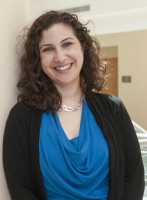
MedicalResearch.com Interview with: Catherine L. Chen, MD, MPH Assistant Professor UCSF Department of Anesthesia & Perioperative Care MedicalResearch.com: What is the background for this study? What are the main findings? Response: Routine preoperative medical testing (such as common laboratory tests looking at a patient's blood cell counts and kidney function, or cardiac tests like an EKG) are not recommended in patients undergoing cataract surgery, but these tests still occur quite frequently among Medicare cataract surgery patients because these patients tend to be older and sicker than the general population. In the past, researchers have used a 30-day window counting backwards from the date of surgery to determine whether a given test should be categorized as a routine preoperative test. However, we know that testing often takes place outside this window and therefore, the frequency and cost of routine preoperative medical testing has generally been underreported. In our study, we used a new method to figure out how to determine the start of the routine preoperative testing period. In cataract patients, ocular biometry is a diagnostic test that is performed in anticipation of cataract surgery, and this test is only performed in cataract patients who will be having cataract surgery in the near future. For each patient, we calculated the elapsed time between the ocular biometry and cataract surgery dates to get a better idea of when to start looking for unnecessary routine preoperative testing. Our goal was to identify all the routine preoperative medical testing that occurs once the decision has been made to operate and better estimate the cost to Medicare of this unnecessary testing. In a previous study that we published in the New England Journal of Medicine, we reported a significant spike in the rate of routine preoperative medical testing that occurs in the 30 days before surgery compared to the baseline rate of testing. In our current study, we discovered that there is a second spike in testing that occurs in the 30 days after ocular biometry. In fact, even if you exclude the testing that takes place during the 30 days before surgery, there is still a 41% increase in testing rates during the interval between ocular biometry and cataract surgery over the baseline rate of testing. In addition, we found that the cost of routine preoperative testing was 47% higher when looking at the entire biometry to surgery timeframe compared to testing that occurs just in the 30 days before surgery. We estimate that the cost to Medicare of all of this unnecessary testing approaches $45.4 million annually.
Author Interviews, JAMA, Johns Hopkins, Kidney Disease, Transplantation / 23.01.2018

MedicalResearch.com Interview with: [caption id="attachment_39487" align="alignleft" width="140"]Tanjala S. Purnell, PhD MPH Assistant Professor of Surgery, Epidemiology, and Health Behavior and Society Core Faculty, Epidemiology Research Group in Organ Transplantation Johns Hopkins University Associate Director for Education and Training, Johns Hopkins Center for Health Equity Member, OPTN/UNOS Minority Affairs Committee Dr. Purnell[/caption] Tanjala S. Purnell, PhD MPH Assistant Professor of Surgery, Epidemiology, and Health Behavior and Society Core Faculty, Epidemiology Research Group in Organ Transplantation Johns Hopkins University Associate Director for Education and Training, Johns Hopkins Center for Health Equity Member, OPTN/UNOS Minority Affairs Committee  MedicalResearch.com: What is the background for this study?
  • Our study was motivated by the fact that we know live donor kidney transplants are associated with longer life expectancy and higher quality of life than deceased donor kidney transplants or long-term dialysis treatment. We also know that Black and Hispanic adults are more likely than White adults to have end-stage kidney disease but are less likely than White patients to receive live donor kidney transplants.
  • Over the last 2 decades, there have been several transplant education programs implemented within transplant centers and dialysis centers, and legislative policies enacted to improve overall access to live donor kidney transplants for patients. We wanted to see whether these programs and policies resulted in narrowed racial and ethnic disparities in access to live donor kidney transplants in the United States. 
Author Interviews, Brigham & Women's - Harvard, Cancer Research, Chemotherapy / 22.01.2018

MedicalResearch.com Interview with: [caption id="attachment_39476" align="alignleft" width="149"]Bakhos Tannous Dr. Tannous[/caption] Bakhos Tannous, PhD Neuro-Oncology Division Department of Neurology MGH MedicalResearch.com: What is the background for this study? What are the main findings? Response: Glioblastoma (GBM) is the most common and most aggressive type of brain tumors in adults. Over the last two decades, the major improvement in the treatment for GBM has been the addition of the chemotherapeutic temozolomide (TMZ) to the standard of care (surgery and radiation), however, despite this aggressive therapy, over 90% of patients die within five years after diagnosis. Further, only about half of GBM patients really benefit from TMZ treatment, while the other half are somewhat resistant to TMZ since their tumor endogenously carry a DNA repair mechanism that removes DNA adducts caused by TMZ. We therefore wanted to find a combination therapy that overcomes TMZ resistance and works in all GBM patient populations, with a fast transition to the clinic. Through a repurposing drug screening aiming at recycling of old known drugs for new therapies, we found that the FDA-approved drug hydroxyurea to synergizes with temozolomide in patient-derived GBM cells from newly diagnosed and recurrent tumors, irrespective of their DNA repair mechanism. The combination of hydroxyurea and TMZ worked very well in all different patient cell population tested, and was not specific to one subtype, and lead to a significant increase in survival rate in different mouse models.
Author Interviews, Blood Pressure - Hypertension, Brigham & Women's - Harvard, Gout, Nutrition, Race/Ethnic Diversity / 19.01.2018

MedicalResearch.com Interview with: “Blood Pressure” by Bernard Goldbach is licensed under CC BY 2.0Stephen P. Juraschek, MD, PhD Instructor of Medicine Beth Israel Deaconess Medical Center/Harvard Medical School  MedicalResearch.com: What is the background for this study? What are the main findings? Response: Recent evidence suggests that the DASH diet is associated with lower uric acid levels and lower risk of gout. Furthermore, a secondary analysis of the DASH trial showed that complete replacement of a typical American diet with the DASH diet lowered uric acid levels. However, it is unknown if partial replacement of a typical American diet with DASH foods might lower uric acid.
Author Interviews, HIV, NIH, PLoS / 18.01.2018

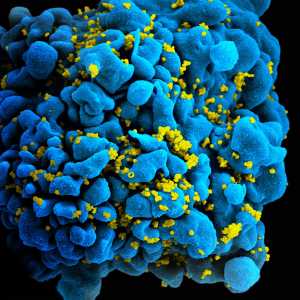
MedicalResearch.com Interview with: [caption id="attachment_39372" align="alignleft" width="300"]“HIV-infected T cell” by NIAID is licensed under CC BY 2.0 HIV-infected T-cell
NIAID image[/caption] Tae-Wook Chun, Ph.D. National Institutes of Health Bethesda, MD 20892  MedicalResearch.com: What is the background for this study? What are the main findings? Response: While antiretroviral therapy (ART) has improved the clinical outcome for people living with HIV, persistence of viral reservoirs in the peripheral blood and lymphoid tissues remains a hurdle to complete eradication of virus and cure of the infection. We know the vast majority of people living with HIV will experience plasma viral rebound within weeks of cessation of therapy. Considering that current research on the treatment of people living with HIV has been heavily focused on developing strategies aimed at achieving sustained virologic remission in the absence of ART, it is of great interest to investigate whether treatment interruption results in expansion of the viral reservoir and/or damage to the immune system. Using data from a recently concluded trial that employed short-term analytical treatment interruption (ATI), we found that, as expected, HIV DNA increased in the CD4+ T cells of individuals living with HIV during the treatment interruption phase. However, the size of the HIV reservoirs as well as immune parameters returned to baseline 6–12 months after the participants resumed ART. 
Author Interviews, CDC, Exercise - Fitness, NIH, Occupational Health / 18.01.2018

MedicalResearch.com Interview with: Taylor M. Shockey, MPH Title 42 Fellow Division of Surveillance, Hazard Evaluations and Field Studies NIOSH MedicalResearch.com: What is the background for this study? What are the main findings?  Response: Research has linked repeated exposure to occupational ergonomic hazards, such as frequent exertion and frequent standing, to injuries and musculoskeletal disorders (MSDs) among workers. To determine the industry and occupation groups that have the highest prevalence rates of frequent exertion at work and frequent standing at work, NIOSH researchers analyzed 2015 National Health Interview Survey data. The results showed large differences among the groups with the agriculture, forestry, fishing, and hunting industry group having the highest prevalence of frequent exertion and standing at work (70.9%) and the construction and extraction occupation group having the highest prevalence of frequent exertion and standing at work (76.9%). These differences indicate a need for targeted interventions to reduce workplace exposure.
Author Interviews, FDA, Genetic Research, Ophthalmology / 15.01.2018

MedicalResearch.com Interview with: [caption id="attachment_38055" align="alignleft" width="190"]Dr. Stephen M. Rose, PhD Chief Research Officer Foundation Fighting Blindness Foundation Fighting Blindness[/caption] Dr. Stephen Rose PhD Chief Research Officer Foundation Fighting Blindness (FFB) Dr. Rose comments on the announcement of the FDA approval of voretigene neparvovec (LUXTURNA™) gene therapy for inherited blindness due to mutations in the RPE65 gene. What is the background for this announcement? What were the main findings from the study? Response: While it has been 30 years since the RPE65 gene was identified as causing Leber’s Congenital Amaurosis, this shows that it is possible to have an effective gene therapy for an inherited disease. As the first gene therapy for the eye or for an inherited disease, LUXTURNA is a historic milestone in the search for cures for all inherited retinal diseases (IRDs). As a one-time gene therapy, LUXTURNA will not only be life-changing for patients with vision loss due to mutations in the RPE65 gene, it also provides critical momentum for gene therapies - for the eye and other diseases - now in the clinic. 
Annals Internal Medicine, Author Interviews, Diabetes, Genetic Research, University of Pittsburgh / 07.01.2018

MedicalResearch.com Interview with: Xiangwei Xiao, M.D., Ph.D. Assistant Professor of Department of Surgery, Children’s Hospital of Pittsburgh University of Pittsburgh School of Medicine, Pittsburgh, PA MedicalResearch.com: What is the background for this study? Response: Diabetes is a prevalent chronic disease characterized by persistently high blood glucose. Diabetes has two main subtypes, type 1 diabetes and type 2 diabetes. In type 1 diabetes, the immune system attacks and destroys insulin-producing beta cells in the pancreas, resulting in high blood levels of glucose. In type 2 diabetes, the beta cells do not produce enough insulin or the body is not able to use insulin effectively.
Author Interviews, JAMA, Pediatrics, Smoking, Tobacco, Tobacco Research, UCSF / 07.01.2018

MedicalResearch.com Interview with: “hookah” by Ksenia M is licensed under CC BY 2.0Benjamin Chaffee, DDS MPH PhD UCSF School of Dentistry San Francisco, CA 94118 MedicalResearch.com: What is the background for this study? What are the main findings? Response: Non-cigarette tobacco products, which include electronic cigarettes, hookah (tobacco waterpipe), smokeless tobacco, and non-cigarette combustibles, like cigars, are increasingly popular among young people. Considerable debate surrounds whether use of these non-cigarette products encourages youth to begin smoking conventional cigarettes. Several previous studies have shown associations between non-cigarette tobacco use and youth smoking. These studies had largely looked at only one type of tobacco product at a time. This study included more than 10,000 adolescents from all over the United States, surveyed at two time points one year apart. Therefore, this study featured enough participants and detailed information about tobacco behaviors to consider all types of tobacco products in a comprehensive way. We found that each type of non-cigarette tobacco product (i.e., e-cigarettes, hookah, combustibles, or smokeless tobacco) added to smoking risk. Among youth who had never smoked a cigarette at the start of the survey, use of any of the non-cigarette products approximately doubled the odds of cigarette smoking within a year, after adjusting for multiple smoking-related risk factors. Each product independently increased risk. The adolescents most susceptible to future smoking to were those who had tried two or more types of non-cigarette tobacco.
Author Interviews, Baylor College of Medicine Houston, C. difficile, Nature / 05.01.2018

MedicalResearch.com Interview with: [caption id="attachment_39226" align="alignleft" width="200"]Professor Robert Britton PhD Therapeutic Microbiology Laboratory Department of Molecular Virology and Microbiology Alkek Center for Metagenomics and Microbiome Research Baylor College of Medicine Prof. Britton[/caption] Professor Robert Britton PhD Therapeutic Microbiology Laboratory Department of Molecular Virology and Microbiology Alkek Center for Metagenomics and Microbiome Research Baylor College of Medicine MedicalResearch.com Interview: How would you summarise your findings? Response: As a brief summary of our work, certain strains of Clostridium difficile have emerged in the past 20 years that have resulted in epidemics worldwide, leading to C. difficile becoming one of the most common causes of hospital acquired infections.  Two ribotypes of C. difficile, RT027 and RT078, emerged as key epidemic ribotypes associated with increased disease prevalence and increased mortality in patients.  We found that both of these ribotypes have acquired the ability to consume the disaccharide trehalose by two completely independent mechanisms.  We further show that trehalose enhances disease severity of C. difficile infection in a manner that requires C. difficile to metabolize trehalose in mice.  We also show that trehalose is present in the distal intestine of mice and humans in concentrations that the RT027 ribotype can metabolize.  Because RT027 and RT078 strains were present in clinics at least 10-20 years prior to their becoming epidemic isolates, we looked where people would acquire trehalose in the diet. In 2000 the FDA approved trehalose for human consumption (EFSA did so in 2001) and based on the GRAS report from the FDA the amount of trehalose predicted to be consumed once released on the market would vastly increase what people get naturally from the diet.  Our data support that these two ribotypes increased in prevalence due to a change in the human diet.
Author Interviews, Brigham & Women's - Harvard, Hepatitis - Liver Disease, Transplantation / 05.01.2018

MedicalResearch.com Interview with: [caption id="attachment_39202" align="alignleft" width="200"]Jagpreet Chhatwal, PhD Assistant Professor, Harvard Medical School MGH Institute for Technology Assessment Boston, MA Dr. Chhatwal[/caption] Jagpreet Chhatwal, PhD Assistant Professor, Harvard Medical School MGH Institute for Technology Assessment Boston, MA and [caption id="attachment_39221" align="alignleft" width="107"]Sumeyye Samur PhD Postdoctoral Fellow MGH-Harvard Medical School Dr. Samur[/caption] Sumeyye Samur PhD Postdoctoral Fellow MGH-Harvard Medical School MedicalResearch.com: What is the background for this study? Response: The number of patients who are in need of liver transplant continues to rise whereas the availability of organs remains limited, therefore, it becomes is important to utilize all available livers. Under the current practices, only Hep-C infected patients are eligible to receive infected livers. However, with the advent of high efficacy drugs, number of infected recipients has decreased over the last decade. On the other hand, with the rise of opioid use, number of Hep-C infected organs increased. With this contradiction, it becomes paramount of importance to utilize the infected livers which could help save more lives on the transplant waiting list.
Author Interviews, Heart Disease, JACC, Pediatrics, Surgical Research, UCSD / 04.01.2018

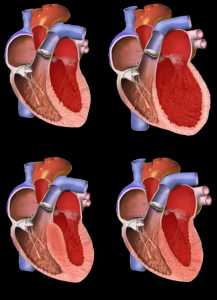
[caption id="attachment_39174" align="alignleft" width="300"]This file was derived from Blausen 0165 Cardiomyopathy Dilated.png Structural categories of cardiomyopathy Wikipedia image[/caption] MedicalResearch.com Interview with: Rakesh K. Singh MD, MS Department of Pediatrics, University of California–San Diego and Rady Children’s Hospital San Diego, California Steven E. Lipshultz MD Department of Pediatrics Wayne State University School of Medicine and Children’s Hospital of Michigan Detroit, Michigan  MedicalResearch.com: What is the background for this study? Response: Dilated cardiomyopathy (DCM) is a disease characterized by dilation and dysfunction of the left ventricle of the heart. While DCM is a relatively rare disease in children, nearly 40% of children with DCM require a heart transplant or die within 2 years of diagnosis. Heart transplantation has improved the outcomes of children with DCM over the last 3 decades, but is limited by donor heart availability. Newer therapies, including advanced ICU care and artificial heart machines, are now being used to treat children with DCM. This study published in the November 28, 2017 issue of the Journal of American College of Cardiology (JACC) sought to determine whether more children with DCM were surviving longer in the more recent era. Specifically, it investigated whether children with DCM were surviving longer without the need for heart transplantation. Rakesh Singh, MD is the first author and an Associate Professor of Pediatrics at UC San Diego/Rady Children’s Hospital, while the senior author is Steven Lipshultz, MD, Professor at Wayne State University School of Medicine/Detroit Medical Center’s Children’s Hospital of Michigan and Director of Children’s Research Center of Michigan. The Pediatric Cardiomyopathy Registry (PCMR) is a National Heart, Lung, and Blood Institute (NHLBI) sponsored registry from 98 pediatric centers in United States and Canada created to study the outcomes of children with various heart muscle disorders known as cardiomyopathies. For this study, outcomes of 1,199 children diagnosed with DCM from 1990-1999 were compared with 754 children diagnosed with DCM from 2000-2009.
Author Interviews, Brigham & Women's - Harvard, Cost of Health Care, Outcomes & Safety / 04.01.2018

MedicalResearch.com Interview with: [caption id="attachment_39170" align="alignleft" width="161"]Dr. Igna Bonfrer PhD Post-Doctoral Research Fellow Harvard T.H. Chan School of Public Health  Dr. Bonfrer[/caption] Dr. Igna Bonfrer PhD Post-Doctoral Research Fellow Harvard T.H. Chan School of Public Health   MedicalResearch.com: What is the background for this study? What are the main findings? Response: One of the two main elements of the Affordable Care Act, generally known as Obama Care, is the implementation of value based payments through so called “pay-for-performance” initiatives. The aim of pay-for-performance (P4P) is to reward health care providers for high-quality care and to penalize them for low-quality care. We studied the effects of the P4P program in US hospitals and found that the impact of the program as currently implemented has been limited.
Author Interviews, Duke, NEJM, Rheumatology, Stem Cells, Transplantation / 04.01.2018

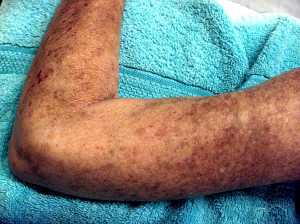
MedicalResearch.com Interview with: [caption id="attachment_39161" align="alignleft" width="300"]“Breastfeeding welcome here” by Newtown grafitti is licensed under CC BY 2.0 Picture of a female patient's left arm, showing skin lesions caused by Scleroderma
Wikipedia image[/caption] Keith M. Sullivan, M.D. James B. Wyngaarden Professor Of Medicine Division of Cellular Therapy Duke University Medical Center Durham, North Carolina 27710, USA  MedicalResearch.com: What is the background for this study? What are the main findings?
  • Scleroderma with internal organ involvement is a devastating  autoimmune disorder with considerable morbidity and high mortality which have not changed in 40 years of reporting. Effective new therapies are needed.
  • Despite 2 prior randomized trials showing benefit for reduced-intensity stem cell transplant vs. conventional cyclophosphamide immune suppression, clinical practice in the US did not change due in part due to concern about patient safety and durability of response (attached).
  • The current randomized trial compares 12 monthly infusions of cyclophosphamide with high-dose chemotherapy plus whole-body irradiation designed to wipe-out (myeloablate) the defective, self-reactive immune system and replace with the patients own stem cells which had been treated to remove self-reacting lymphocytes. This was the first study to test if myeloablative autologous could re-establish a normal functioning immune system in patients with scleroderma.
Author Interviews, OBGYNE, Sleep Disorders, UCSF / 03.01.2018

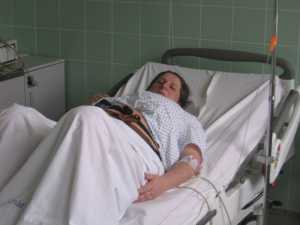
MedicalResearch.com Interview with: “Now I’m having contractions.” by Remus Pereni is licensed under CC BY 2.0Kathryn A. Lee, RN, CBSM, PhD Department of Family Health Care Nursing University of California at San Francisco San Francisco, California  MedicalResearch.com: What is the background for this study? What are the main findings? Response: Sleep deprivation can adversely affect health and wellbeing in any patient population. In pregnancy, adverse outcomes may include preterm birth, longer labor, cesarean birth, and depression. We found that women with high-risk pregnancies were sleep deprived even prior to hospitalization. Our sample averaged 29 weeks gestation, and half reported getting only between 5 and 6.5 hours of sleep at home before hospital admission. Our sleep hygiene intervention strategies gave them more control over the environment in their hospital room, and they self-reported significantly better sleep than controls. Interestingly, both groups increased their sleep time to almost 7 hours at night, on average, in the hospital before they were discharged home.
Author Interviews, Mayo Clinic, OBGYNE, Surgical Research / 03.01.2018

MedicalResearch.com Interview with: [caption id="attachment_39148" align="alignleft" width="166"]Dr. Shannon Laughlin-Tommaso MD Associate Professor of Obstetrics and Gynecology Consultant, Division of Gynecology, Department of Obstetrics & Gynecology Mayo Clinic, Rochester New York Dr. Laughlin-Tommaso[/caption] Dr. Shannon Laughlin-Tommaso MD Associate Professor of Obstetrics and Gynecology Consultant, Division of Gynecology, Department of Obstetrics & Gynecology Mayo Clinic, Rochester New York  MedicalResearch.com: What is the background for this study? What are the main findings? Response: There are increasing data from a number of studies about the long term risks of hysterectomy both with and without removing the ovaries. We studied women who underwent hysterectomy with conservation of both ovaries to determine the long-term risk of cardiovascular disease using the Rochester Epidemiology Project (REP). The advantage of using the REP is that we were able to follow women for an average of 22 years, where previous studies had only been able to follow for 7-10 years and we were able to determine which women already had cardiovascular disease risk factors at the time of hysterectomy. We found that women who undergo hysterectomy have a 33% increased risk of new onset coronary artery disease, a 13% increased risk of hypertension, a 14% increased risk in lipid abnormalities, and an 18% increased risk of obesity. For women who had a hysterectomy before age 35 years, these risks were even higher: 2.5-fold risk of coronary artery disease and 4.6-fold risk of congestive heart failure.
Author Interviews, Education, NYU, Pediatrics, Pediatrics / 02.01.2018

MedicalResearch.com Interview with: [caption id="attachment_21334" align="alignleft" width="120"]Adriana Weisleder, PhD Research scientist, Department of Pediatrics NYU Langone Medical Center Dr. Weislander[/caption] Adriana Weisleder, PhD Research scientist, Department of Pediatrics NYU Langone Medical Center New York  MedicalResearch.com: What is the background for this study? What are the main findings? Response: An estimated 250 million children in low- and middle-income countries do not reach their developmental potential due to poverty. Many programs in the US, such as Reach Out and Read and Video Interaction Project, have shown success in reducing poverty-related disparities in early child development by promoting parent-child interactions in cognitively stimulating activities such as shared bookreading. This randomized study sought to determine whether a program focused on supporting parent-child shared bookreading would result in enhanced child development among 2- to 4-year-old children in a low-resource region in northern Brazil. Families in the program could borrow children’s books on a weekly basis and could participate in monthly parent workshops focused on reading aloud. Findings showed that participating families exhibited higher quantity and quality of shared reading interactions than families in a control group, and children showed higher vocabularies, working memory, and IQ.
ASCO, Author Interviews, Cancer Research, Journal Clinical Oncology, Kidney Disease, UT Southwestern / 01.01.2018

MedicalResearch.com Interview with: [caption id="attachment_39124" align="alignleft" width="100"]Kevin D. Courtney, M.D., Ph.D.  Assistant Professor UT Southwestern Medical Cente Dr. Courtney[/caption] Kevin D. Courtney, M.D., Ph.D.  Assistant Professor UT Southwestern Medical Center MedicalResearch.com: What is the background for this study? What are the main findings? Response: Clear cell renal cell carcinoma (ccRCC) is the most common form of kidney cancer. Metastatic ccRCC does not respond to traditional chemotherapy. Current standard treatments for metastatic ccRCC include drugs called vascular endothelial growth factor receptor tyrosine kinase inhibitors (VEGFR TKIs) that block the growth of new blood vessels that feed the cancer, as well as drugs that inhibit an enzyme called mTOR that is involved in ccRCC growth and immune therapies that rev up the body’s immune response to try to fight the cancer. Each of these treatments can have significant side effects for patients that can make them difficult to tolerate. Metastatic ccRCC is largely incurable, and we need novel and better-tolerated treatments. A central driver of ccRCC is a protein called hypoxia inducible factor 2alpha (HIF-2alpha). This protein has been very difficult to try to target with a drug. This study is the first to test a drug that targets HIF-2alpha in patients with metastatic ccRCC. The study results showed that the HIF-2alpha inhibitor, PT2385 (Peloton Therapeutics) was active in fighting metastatic ccRCC and was well-tolerated.
Author Interviews, Brigham & Women's - Harvard, Diabetes, End of Life Care, JAMA / 01.01.2018

MedicalResearch.com Interview with: Dr. Laura A. Petrillo MD Instructor in Medicine Harvard Medical School, and Palliative Care Physician Massachusetts General Hospital MedicalResearch.com: What is the background for this study? What are the main findings? Response: Hospice is end-of-life care focused on maximizing quality of life. Hospice often involves reducing or stopping treatments that are unlikely to have short-term benefit in order to avoid uncomfortable side effects. About a quarter of Americans die in nursing homes, and some of them receive hospice care in their final days. We looked at whether adults with type 2 diabetes experience low blood sugar while on hospice in veterans’ nursing homes, since low blood sugar signals inappropriately aggressive diabetes treatment in patients close to death and contributes to unnecessary discomfort. We found that one in nine people experienced low blood sugar at least once while receiving hospice care. Among people who were on insulin, the number was one in three.
Aging, Author Interviews, Blood Pressure - Hypertension, Nature, UT Southwestern / 27.12.2017

[caption id="attachment_39089" align="alignleft" width="219"]CrawlingCelegans Wikipedia Crawling C. elegans
Wikipedia image[/caption] MedicalResearch.com Interview with: Hamid Mirzaei, Ph.D. Assistant Professor of Biochemistry University of Texas Southwestern Department of Biochemistry Dallas, TX 75390 MedicalResearch.com: What is the background for this study? What are the main findings? Response: Aging is a complex process at the cellular level with distinct organismal phenotypes. Despite millennia-old obsession with aging and relentless pursuits for ways to stop and reverse it, such elixir has not been found due to the complexity of the involved mechanisms and our limited understanding of the processes that lead to aging. Although progress has been made in recent years in slowing down the aging process in model organisms and human cells. In this study, we report that and FDA approved antihypertensive drug, hydralazine, decelerates aging in C. elegans by mechanisms that seem to resemble dietary restriction. We show that hydralazine increases the median lifespan of the C. elegans by 25% which is comparable to or better than other known antiaging compounds. We demonstrate that not only hydralazine-treated worms live longer, they appear to be healthier in general. Because aging is directly linked to neurodegenerative diseases, we tested our drug on both in vitro and in vivo models of neurodegenerative diseases using chemical and biological stressors (rotenone and tau fibrils) and show that hydralazine has neuroprotective properties as well.
Allergan, Author Interviews, Bipolar Disorder, Brigham & Women's - Harvard / 20.12.2017

MedicalResearch.com Interview with: allerganGary Sachs, MD Associate Clinical Professor of Psychiatry Harvard Medical School  MedicalResearch.com: What is the background for this data milestone? Response: Bipolar disorder affects about 5.7 million adults in the United States.  It is a common, often disabling condition in which abnormal mood states impair a person’s ability to carry out everyday tasks. Bipolar disorder touches nearly every family and community in America, because periods of illness, a patient’s symptoms often impact their family, their friends, and their community. There are a limited number of products approved to treat bipolar depression and even fewer products that have been studied and approved to treat the full spectrum of bipolar disorder, from mania through depression. Having another product proven to treat the full range of bipolar disorder would be a welcome addition to the treatment options currently available to the psychiatry community and patients.
Author Interviews, Memory, UCLA / 18.12.2017

MedicalResearch.com Interview with: “Cute babies” by daily sunny is licensed under CC BY 2.0Benjamin M. Seitz Doctoral Student Department of Psychology, Learning & Behavior University of California, Los Angeles MedicalResearch.com: What is the background for this study? What are the main findings?   Response: The adaptive memory literature is based on two crucial theories. The first is that we process information on different ‘levels’ and these different levels of processing information strongly influence our ability to later remember that information. The second is that our evolutionary history has shaped our cognitive abilities and that these abilities therefore perform optimally when performing tasks related to evolutionary fitness. It has been established that processing words based on their relevancy to an imagined ancestral survival scenario yields incredible memory performance far superior than processing those same words based on their relevancy to similar imagined scenarios that do not involve the survival element or ancestral environment. Our study demonstrates that thinking about raising offspring in an ancestral environment while processing words leads to a similar benefit to recall of those words as when thinking about survival, suggesting the human memory system while also useful in helping our species survive may have also been particularly useful in helping us raise our offspring.
Addiction, Author Interviews, Cannabis, NIH, Pediatrics, Smoking / 17.12.2017

MedicalResearch.com Interview with: “Checking your phone and vaping as you do” by Alper Çu?un is licensed under CC BY 2.0Richard Allen Miech, PhD Research Professor, Survey Research Center Institute for Social Research University of Michigan MedicalResearch.com: What is the background for this study? What are the main findings? Response: Monitoring the Future conducts annual, nationally-representative surveys of ~45,000 adolescents every year to assess trends in substance use. We track which drugs are gaining traction among adolescents and which are falling out of favor. The survey draws separate, nationally-representative samples of 8th, 10th, and 12th grade students from about 400 total schools every year. Once a recruited school agrees to participate, a field interviewer travels to the school to administer the paper-and-pencil survey, typically in classrooms. The project is funded by the National Institute of Drug Abuse and is carried out by the University of Michigan. More details on the project's survey design and survey procedures can be found in chapter 3 here: http://monitoringthefutu re.org/pubs/monographs/mtf- vol1_2016.pdf
Author Interviews, Cancer Research, JAMA, Johns Hopkins / 16.12.2017

MedicalResearch.com Interview with: Gonzalo Torga, MD Urology Department Johns Hopkins Hospital Baltimore, MD 21287 MedicalResearch.com: What is the background for this study? What are the main findings? Response: Liquid biopsy is a new and noninvasive alternative to tumor tissue sequencing, and it is intended to specifically detect and sequence tumor DNA circulating in patients’ blood. The results are used to help guide oncologists to tailor the best treatment for patients at each point of their disease. Our research was initially aimed at finding the best commercial lab to test samples from metastatic prostate cancer patients. We wanted to make the best choice for our patients, so we started submitting the samples to both places at the same time to compare results. However, we found significant disparities in the results from identical patient samples submitted to two different commercial liquid biopsy providers, and we believed it would be important to share them with the oncology community. The two liquid biopsy panels compared were the Guardant360, from Guardant Health, Inc., which sequenced at least part of the coding sequences of 73 genes; and the PlasmaSELECT panel from Personal Genome Diagnostics, which sequenced coding segments of 64 genes.  Both laboratories were licensed by Clinical Laboratory Improvement Amendments (CLIA) and accredited by the College of American Pathologists (CAP), and report having high sensitivity (in this case, the ability to correctly identify mutations when they occur) and high specificity (the ability to correctly report as negative when those mutations are not present). The two companies differ in which genes, and regions within each gene, are covered. Just 25 of the 40 patients in the study had at least one genetic mutation reported within the overlapping genetic sequences covered by both companies. Even when the companies were analyzing DNA from the same blood drawn, their results rarely matched each other. When comparing results within the overlapping genetic sequences, the results from both companies completely matched for all the mutations reported in only 7.5 percent (3 of 40 patients) of cases. In 15 percent of the patients (6 of 40), both companies’ results matched for at least one of the reported mutations. In 40 percent (16 of 40) of the patients, no mutations reported that were potentially covered by both panels were detected by both companies.
Author Interviews, Brigham & Women's - Harvard, Cancer Research, Genetic Research, JAMA / 15.12.2017

MedicalResearch.com Interview with: [caption id="attachment_38960" align="alignleft" width="200"]Annette S. Kim, MD, PhD Associate Professor, Harvard Medical School Brigham & Women's Hospital Boston MA 02115 Dr. Kim[/caption] Annette S. Kim, MD, PhD Associate Professor, Harvard Medical School Brigham & Women's Hospital Boston MA 02115  MedicalResearch.com: What is the background for this study? What are the main findings? Response: The recent debate on laboratory developed tests (LDTs) and FDA-approved companion diagnostics (FDA-CDs) has centered upon both the regulatory and performance aspects of LDTs and we, at the College of American Pathologists (CAP), had the data through our proficiency testing (PT) programs to address the latter point, performance that we wanted to share with the community.  We analyzed almost 7000 PT responses on three molecular oncology tests, those for BRAF, EGFR, and KRAS mutations, and found that both LDTs and FDA-CDs demonstrated excellent performance, with both test types exceeding 97% accuracy overall. The second key finding of the study was that more than 60% of all laboratories in our study that were using an FDA-CD kit report using it with modifications from the FDA-approved protocol.  These modifications in fact render these test LDTs.  These modifications appear to be driven by the exigencies of real day-to-day clinical practice that requires adapting the assays to meet the needs of a variety of clinical situations that may not be accommodated by the FDA-approved protocol.  These modifications include, for example, the testing of other tumor types that may carry targetable variants, different types of input specimen preparations available in pathology such as cytology smears or other fresh specimens rather than paraffin blocks, and availability of different methods of DNA quantification that those mandated by the FDA approval based upon pre-existing technologies in the laboratories.  In the clinical laboratory, we are always acutely aware that there is a patient awaiting this result. Therefore, we validate our assays to ensure that we can provide reliable and accurate results from our laboratory under as many varied clinical situations as possible. These data support that practice.
Accidents & Violence, Author Interviews, JAMA, Karolinski Institute, Mental Health Research, Pediatrics / 14.12.2017

MedicalResearch.com Interview with: Emma Björkenstam PhD Department of Public Health Sciences Karolinska Institutet MedicalResearch.com: What is the background for this study? What are the main findings? Response: My research team and I have previously shown that childhood adversity is associated with an elevated suicide risk in young adults, and this increased risk may be explained by maladaptive trajectories during adolescence. We also know that adolescent violent offending is linked with suicide, but up until now, less was known about the role of violent offending in the association between childhood adversity and later suicide. Our main finding in the current study, based on almost half a million Swedes, is that individuals with a history of childhood adversity who also engage in violent offending in late adolescence, have a substantial increased risk of suicide.
ADHD, Author Interviews, Brigham & Women's - Harvard, Heart Disease, JAMA, OBGYNE / 14.12.2017

MedicalResearch.com Interview with: [caption id="attachment_27170" align="alignleft" width="179"]Krista F. Huybrechts, M.S., Ph.D. Assistant Professor of Medicine at Harvard Medical School Epidemiologist in the Division of Pharmacoepidemiology and Pharmacoeconomics Brigham and Women’s Hospital. Boston, MA 02120 Dr. Krista Huybrechts[/caption] Krista F. Huybrechts, MS PhD Assistant Professor of Medicine Division of Pharmacoepidemiology and Pharmacoeconomics Brigham and Women's Hospital Harvard Medical School Boston, MA 02120   MedicalResearch.com: What is the background for this study? What are the main findings? Response: In recent years, use of stimulant medications in adults, including women of reproductive age, has increased substantially. However, data regarding the safety of stimulant medications in early pregnancy are sparse and conflicting.  For example, two recent cohort studies failed to detect an association between use of methylphenidate in early pregnancy and overall or cardiac malformations, while another found an 81% increased risk of cardiac malformations, although the estimate was imprecise. Given the rapidly increasing use of stimulant medications during pregnancy and among women of reproductive age who may become pregnant inadvertently, there is an urgent need to better understand their safety.
Author Interviews, Brigham & Women's - Harvard, Infections, Leukemia, Merck, Transplantation / 12.12.2017

MedicalResearch.com Interview with: [caption id="attachment_38873" align="alignleft" width="120"]Francisco M. Marty, M.D Associate Professor, Harvard Medical School Dana–Farber Cancer Institute and Brigham and Women’s Hospital Dr. Marty[/caption] Francisco M. Marty, M.D Associate Professor, Harvard Medical School Dana–Farber Cancer Institute and Brigham and Women’s Hospital MedicalResearch.com: What is the background for this study? What are the main findings? Response: Cytomegalovirus (CMV) is the most common infection in patients who undergo allogeneic hematopoietic-cell transplantation (bone marrow transplantation with cells from donors different than the patient). Up until now, we had no antiviral agent that could be used for prophylaxis (prevention) of CMV post-transplant because of the side effects of drugs available to date (ganciclovir, valganciclovir, foscarnet, cidofovir). This trial confirmed that letermovir was highly effective in preventing CMV infection when used in the first 100 days after allogeneic HCT, was associated with minimal side effects of concern and was also associated with lower all-cause mortality by Week 24 post-HCT.
Author Interviews, Geriatrics, Heart Disease, Personalized Medicine, UCLA / 12.12.2017

MedicalResearch.com Interview with: [caption id="attachment_38863" align="alignleft" width="144"]Joseph A. Ladapo, MD, PhD Principal Substudy Investigator, PRESET Registry Subgroup Analysis, Elderly Patients Associate Professor, Division of General Internal Medicine and Health Services Research David Geffen School of Medicine University of California, Los Angeles Dr. Ladapo[/caption] Joseph A. Ladapo, MD, PhD Principal Substudy Investigator, PRESET Registry Subgroup Analysis, Elderly Patients Associate Professor, Division of General Internal Medicine and Health Services Research David Geffen School of Medicine University of California, Los Angeles MedicalResearch.com: What is the background for this study?  Response: The mapping of the Human Genome 14 years ago ushered in a new era of precision medicine. Many people are familiar with advances in oncology using precision medicine, but recently, new developments in precision medicine in cardiology have allowed us to develop a tool to differentiate patients likely to have obstructive coronary artery (CAD) from those who have non-cardiac causes of their symptoms. Diagnosing CAD in the elderly is challenging. Aging individuals often present with atypical symptoms of CAD which can complicate the evaluation process. The typical diagnostic pathway for possible CAD often starts with less invasive testing and progresses to invasive testing, especially in older patients. Invasive procedures pose greater risk in the elderly population than they do in younger patients because of the higher risk of side effects, including bleeding, vascular complications and kidney injury. Elderly adults evaluated for CAD have a higher pretest probability of CAD and are also at higher risk of experiencing procedure-related complications during their evaluation.[i],[ii] It is also important to note that elderly patients are often underrepresented in clinical trials and other types of comparative effectiveness research.[iii],[iv] For example, the 2013 American College of Cardiology/American Heart Association Atherosclerotic Cardiovascular Disease Risk Algorithm is only formally approved to be used in individuals up to the age of 75, despite the fact that individuals exceeding this threshold in age experience higher rates of adverse cardiovascular events.[v] All of this means that the elderly population may have the most to gain from timely and accurate determination of their currently likelihood of obstructive CAD. This precision medicine tool, the age, sex and gene expression score (ASGES), and its clinical utility in the elderly population is the focus of this study. It was based on patient data from the PRESET Registry, a prospective, multicenter, observational study enrolling stable, symptomatic outpatients from 21 U.S. primary care practices from August 2012 to August 2014.
Author Interviews, JAMA, Johns Hopkins, Opiods, Pain Research / 12.12.2017

MedicalResearch.com Interview with: “Pills” by Victor is licensed under CC BY 2.0Marissa J. Seamans, Ph.D Postdoctoral Fellow Department of Mental Health Johns Hopkins School of Public Health Baltimore, MD 21205  MedicalResearch.com: What is the background for this study? What are the main findings? Response: Many patients report sharing their prescriptions for opioids with family members. What we didn’t know is whether family members of opioid users are more likely to fill opioid prescriptions themselves than family members of non-opioid users. Our study found that the 1-year risk of prescription opioid initiation among family members of prescription opioid users was an absolute 0.71% higher than among family members of non-opioid users. The risks were particularly higher for initial prescriptions with refills or longer days supply.