
Medical Research Centers
18 Mar Most Patients With Adverse Reaction To Statins, Can Ultimately Tolerate Them
MedicalResearch.com Interview with: [caption id="attachment_40621" align="alignleft" width="142"] Dr. Turchin[/caption]
Alexander Turchin, M.D., M.S. FACMI
Associate Professor of Medicine
ENDOCRINOLOGY, DIABETES AND HYPERTENSION
BRIGHAM AND WOMEN'S HOSPITAL
MedicalResearch.com: What is the background for this study? What are the main findings?
Response: Statins are known to reduce the risk of cardiovascular events and death, and are some of the most commonly prescribed medications. However, many patients stop taking statins, most commonly because of adverse reactions. It has been shown previously that many individuals who discontinued statin therapy after an adverse reaction are ultimately able to tolerate statins, and that reattempting statin therapy after an adverse reaction is associated with reduced risk of cardiovascular events and death. However, optimal patient selection criteria and methods of reattempting treatment with statins are unknown. We therefore conducted this study to identify patient and treatment characteristics associated with an increased chances of successful reattempt of statin therapy after an adverse reaction.
Through analysis of EMR data of over 6,000 patients we found that the following were associated with higher chances of successful statin therapy reattempt:
Dr. Turchin[/caption]
Alexander Turchin, M.D., M.S. FACMI
Associate Professor of Medicine
ENDOCRINOLOGY, DIABETES AND HYPERTENSION
BRIGHAM AND WOMEN'S HOSPITAL
MedicalResearch.com: What is the background for this study? What are the main findings?
Response: Statins are known to reduce the risk of cardiovascular events and death, and are some of the most commonly prescribed medications. However, many patients stop taking statins, most commonly because of adverse reactions. It has been shown previously that many individuals who discontinued statin therapy after an adverse reaction are ultimately able to tolerate statins, and that reattempting statin therapy after an adverse reaction is associated with reduced risk of cardiovascular events and death. However, optimal patient selection criteria and methods of reattempting treatment with statins are unknown. We therefore conducted this study to identify patient and treatment characteristics associated with an increased chances of successful reattempt of statin therapy after an adverse reaction.
Through analysis of EMR data of over 6,000 patients we found that the following were associated with higher chances of successful statin therapy reattempt:
- Reattempted treatment with a different statin
- Patient at high cardiovascular risk (prior history of CAD, stroke or diabetes)
- Adverse reaction was reported in the first year after starting statin therapy
- Adverse reaction was myalgia or myopathy
- Previous history of adverse reactions to other (non-statin) medications
16 Mar Ophthalmology Consultation for Emergency Care at a University Hospital
MedicalResearch.com Interview with: [caption id="attachment_40613" align="alignleft" width="125"] Dr. Woodward[/caption]
Maria A. Woodward, MD, MSc
Department of Ophthalmology and Visual Sciences
W. K. Kellogg Eye Center
Institute for Healthcare Policy and Innovation
University of Michigan
Ann Arbor, MI
MedicalResearch.com: What is the background for this study? What are the main findings?
Response: Many people go to emergency departments seeking care for their eye problems. We wished to investigate which factors are associated with the involvement of ophthalmologist consultants in the care of these patients and whether any disparities exist.
Dr. Woodward[/caption]
Maria A. Woodward, MD, MSc
Department of Ophthalmology and Visual Sciences
W. K. Kellogg Eye Center
Institute for Healthcare Policy and Innovation
University of Michigan
Ann Arbor, MI
MedicalResearch.com: What is the background for this study? What are the main findings?
Response: Many people go to emergency departments seeking care for their eye problems. We wished to investigate which factors are associated with the involvement of ophthalmologist consultants in the care of these patients and whether any disparities exist.
16 Mar Machine Learning Enhances Ability To Predict Survival From Brain Tumors
MedicalResearch.com Interview with: [caption id="attachment_40601" align="alignleft" width="139"] Dr. Cooper[/caption]
Lee Cooper, Ph.D.
Assistant Professor of Biomedical Informatics
Assistant Professor of Biomedical Engineering
Emory University School of Medicine - Georgia Institute of Technology
MedicalResearch.com: What is the background for this study? What are the main findings?
Response: Gliomas are a form of brain tumor that are often ultimately fatal, but patients diagnosed with glioma may survive as few as 6 months to 10 or more years. Prognosis is an important determinant in selecting treatment, that can range from simply monitoring the disease to surgical removal followed by radiation treatment and chemotherapy. Recent genomic studies have significantly improved our ability to predict how rapidly a patient's disease will progress, however a significant part of this determination still relies on the visual microscopic evaluation of the tissues by a neuropathologist. The neuropathologist assigns a grade that is used to further refine the prognosis determined by genomic testing.
We developed a predictive algorithm to perform accurate and repeatable microscopic evaluation of glioma brain tumors. This algorithm learns the relationships between visual patterns presented in the brain tumor tissue removed from a patient brain and the duration of that patient's survival beyond diagnosis. The algorithm was demonstrated to accurately predict survival, and when combining images of histology with genomics into a single predictive framework, the algorithm was slightly more accurate than models based on the predictions of human pathologists. We were also able to identify that the algorithm learns to recognize some of the same tissue features used by pathologists in evaluating brain tumors, and to appreciate their prognostic relevance.
Dr. Cooper[/caption]
Lee Cooper, Ph.D.
Assistant Professor of Biomedical Informatics
Assistant Professor of Biomedical Engineering
Emory University School of Medicine - Georgia Institute of Technology
MedicalResearch.com: What is the background for this study? What are the main findings?
Response: Gliomas are a form of brain tumor that are often ultimately fatal, but patients diagnosed with glioma may survive as few as 6 months to 10 or more years. Prognosis is an important determinant in selecting treatment, that can range from simply monitoring the disease to surgical removal followed by radiation treatment and chemotherapy. Recent genomic studies have significantly improved our ability to predict how rapidly a patient's disease will progress, however a significant part of this determination still relies on the visual microscopic evaluation of the tissues by a neuropathologist. The neuropathologist assigns a grade that is used to further refine the prognosis determined by genomic testing.
We developed a predictive algorithm to perform accurate and repeatable microscopic evaluation of glioma brain tumors. This algorithm learns the relationships between visual patterns presented in the brain tumor tissue removed from a patient brain and the duration of that patient's survival beyond diagnosis. The algorithm was demonstrated to accurately predict survival, and when combining images of histology with genomics into a single predictive framework, the algorithm was slightly more accurate than models based on the predictions of human pathologists. We were also able to identify that the algorithm learns to recognize some of the same tissue features used by pathologists in evaluating brain tumors, and to appreciate their prognostic relevance.
15 Mar Increased Hospital Spending After Heart Attack Linked To Modestly Lower Mortality
Posted at 22:15h
in Author Interviews, Brigham & Women's - Harvard, Cost of Health Care, Heart Disease, Medicare
MedicalResearch.com Interview with:
Dr. Rishi K. Wadhera MD
Clinical Fellow in Medicine
Brigham and Women's Hospital
MedicalResearch.com: What is the background for this study?
Response: The Hospital Value Based Purchasing program, in which over 3,000 hospitals participate, is a Centers for Medicare and Medicaid Services (CMS) pay-for-performance program that links hospital fee per service reimbursement to performance, through measures like 30-day mortality rates after an acute myocardial infarction (a heart attack), and other measures such as average spending for an episode of care for Medicare beneficiaries. Hospitals that perform poorly on these measures are financially penalized by CMS.
15 Mar Alcohol Accelerates Aging of Brain’s Frontal Cortex
MedicalResearch.com Interview with: Edith V. Sullivan, Ph.D.
Professor
Department of Psychiatry & Behavioral Sciences
Stanford University School of Medicine
Stanford, CA 94305-5723
MedicalResearch.com: What is the background for this study? What are the main findings?
Response: Alcohol misuse is a major public health problem worldwide with profound health consequences on the body, brain, and function. Our research group has conducted naturalistic yet controlled studies of alcohol dependence for several decades to further our understanding of when and how alcohol misuse affects specific parts of the brain. In addition, we wanted to know how alcohol misuse interacts with the typical changes in the brain as we grow older. The studies are controlled in that we recruit healthy, non-alcohol dependence men and women from the community to undergo the same screening and neuroimaging procedures as our alcoholic recruits. The studies are quantitative because we use neuroimaging methods (Magnetic Resonance Imaging) that enable us to measure specific regions of brain structural volumes. Consistent collection of such data over the years positioned us to ask whether age and alcohol dependence interact to produce regional brain volume loss beyond the loss that occurs in normal aging.
A number of cross-sectional studies pointed to the likelihood that the effects of alcohol dependence on brain structure would be exacerbated by normal aging, which we do know from longitudinal neuroimaging studies results in shrinkage of cortical gray matter volume and thinning of the cortex. What was particularly striking about our longitudinal study of men and women with alcohol dependence was the acceleration of the aging of brain structure that was especially prominent in the frontal cortex. Critically, even those who initiated dependent drinking at an older age showed accelerated loss.
Because our study sample was large enough, we could also test whether our findings were attributable to conditions that commonly co-occur with alcohol dependence, namely, illicit drug use and hepatitis C. Although both drug use and hepatitis C infection may have exacerbated brain volume loss, these factors did not fully account for the alcoholism-aging interaction we identified.
Edith V. Sullivan, Ph.D.
Professor
Department of Psychiatry & Behavioral Sciences
Stanford University School of Medicine
Stanford, CA 94305-5723
MedicalResearch.com: What is the background for this study? What are the main findings?
Response: Alcohol misuse is a major public health problem worldwide with profound health consequences on the body, brain, and function. Our research group has conducted naturalistic yet controlled studies of alcohol dependence for several decades to further our understanding of when and how alcohol misuse affects specific parts of the brain. In addition, we wanted to know how alcohol misuse interacts with the typical changes in the brain as we grow older. The studies are controlled in that we recruit healthy, non-alcohol dependence men and women from the community to undergo the same screening and neuroimaging procedures as our alcoholic recruits. The studies are quantitative because we use neuroimaging methods (Magnetic Resonance Imaging) that enable us to measure specific regions of brain structural volumes. Consistent collection of such data over the years positioned us to ask whether age and alcohol dependence interact to produce regional brain volume loss beyond the loss that occurs in normal aging.
A number of cross-sectional studies pointed to the likelihood that the effects of alcohol dependence on brain structure would be exacerbated by normal aging, which we do know from longitudinal neuroimaging studies results in shrinkage of cortical gray matter volume and thinning of the cortex. What was particularly striking about our longitudinal study of men and women with alcohol dependence was the acceleration of the aging of brain structure that was especially prominent in the frontal cortex. Critically, even those who initiated dependent drinking at an older age showed accelerated loss.
Because our study sample was large enough, we could also test whether our findings were attributable to conditions that commonly co-occur with alcohol dependence, namely, illicit drug use and hepatitis C. Although both drug use and hepatitis C infection may have exacerbated brain volume loss, these factors did not fully account for the alcoholism-aging interaction we identified.
14 Mar Cardiovascular Trials Need Better Characterization of Heart Failure in Diabetics
MedicalResearch.com Interview with: [caption id="attachment_40446" align="alignleft" width="156"] Dr. Greene[/caption]
Stephen J. Greene, MD
Division of Cardiology
Duke University Medical Center
Durham, NC
MedicalResearch.com: What is the background for this study? What are the main findings?
Response: In 2008, the United States FDA issued an industry guidance specifying that diabetes drugs should routinely be tested in large cardiovascular outcome trials to confirm cardiovascular safety. The guidance specifically mentioned cardiovascular safety in terms of MACE, or major adverse cardiac events, including cardiovascular death, myocardial infarction, and stroke. Largely because of this, these trials have traditionally had a focus on cardiovascular disease in terms of atherosclerotic events. Heart failure was not mentioned in the FDA document and these trials have had a lesser focus on it.
As the years have gone by, we have learned more and more about the connection between diabetes and heart failure. There is tremendous overlap between the two patient populations. Also, as more and more of the large cardiovascular outcome trials have been completed, we have seen multiple examples of various glucose lowering therapies either increasing or decreasing risk of heart failure events. Given all these data on heart failure/ diabetes interactions, the goal of our research was to carefully examine all of the completed large cardiovascular outcome trials of diabetes therapies to systematically describe the type of heart failure-related data they capture. As an initial step in improving heart failure characterization in these trials, we wanted to first describe what trials have already been doing and where the gaps in understanding heart failure in these trials exist.
Overall, we found major gaps in the amount and quality of the heart failure data capture in these trials. We looked at 21 large trials, including over 150,000 patients. Rates of patients with baseline heart failure were inconsistently provided, and among those trials that did provide it, heart failure patients tended to be underrepresented compared to the general population. Patients with baseline heart failure were also poorly characterized, with minimal data on functional status, ejection fraction, or heart failure medications. Only 6 trials reported rates of new-onset heart failure and the definitions used were non-specific. Most trials tended to report rates of heart failure hospitalization, but did not include data on fatal or other types of heart failure events. Only 2 trials included heart failure events within the primary study endpoint. More details are included in our full manuscript, which was published in the Journal of the American College of Cardiology to coincide with our presentation at the ACC conference.
Dr. Greene[/caption]
Stephen J. Greene, MD
Division of Cardiology
Duke University Medical Center
Durham, NC
MedicalResearch.com: What is the background for this study? What are the main findings?
Response: In 2008, the United States FDA issued an industry guidance specifying that diabetes drugs should routinely be tested in large cardiovascular outcome trials to confirm cardiovascular safety. The guidance specifically mentioned cardiovascular safety in terms of MACE, or major adverse cardiac events, including cardiovascular death, myocardial infarction, and stroke. Largely because of this, these trials have traditionally had a focus on cardiovascular disease in terms of atherosclerotic events. Heart failure was not mentioned in the FDA document and these trials have had a lesser focus on it.
As the years have gone by, we have learned more and more about the connection between diabetes and heart failure. There is tremendous overlap between the two patient populations. Also, as more and more of the large cardiovascular outcome trials have been completed, we have seen multiple examples of various glucose lowering therapies either increasing or decreasing risk of heart failure events. Given all these data on heart failure/ diabetes interactions, the goal of our research was to carefully examine all of the completed large cardiovascular outcome trials of diabetes therapies to systematically describe the type of heart failure-related data they capture. As an initial step in improving heart failure characterization in these trials, we wanted to first describe what trials have already been doing and where the gaps in understanding heart failure in these trials exist.
Overall, we found major gaps in the amount and quality of the heart failure data capture in these trials. We looked at 21 large trials, including over 150,000 patients. Rates of patients with baseline heart failure were inconsistently provided, and among those trials that did provide it, heart failure patients tended to be underrepresented compared to the general population. Patients with baseline heart failure were also poorly characterized, with minimal data on functional status, ejection fraction, or heart failure medications. Only 6 trials reported rates of new-onset heart failure and the definitions used were non-specific. Most trials tended to report rates of heart failure hospitalization, but did not include data on fatal or other types of heart failure events. Only 2 trials included heart failure events within the primary study endpoint. More details are included in our full manuscript, which was published in the Journal of the American College of Cardiology to coincide with our presentation at the ACC conference.
13 Mar RNA-based Blood Test Can Detect Fibromyalgia
MedicalResearch.com interview with: [caption id="attachment_40533" align="alignleft" width="200"] Dr. Chase Spurlock[/caption]
Dr. Chase Spurlock, PhD
CEO, IQuity, Specialty Diagnostic Technologies
Faculty, Vanderbilt University Medical Center
Dr. Spurlock discusses IQuity's release of IsolateFibromyalgia, the first RNA-based blood test to detect fibromyalgia.
MedicalResearch.com: What is the background for this test? Would you briefly explain what fibromyalgia is, whom it affects and why it has been difficult to definitely diagnosis?
Dr. Spurlock: We developed the IsolateFibromyalgia™ test using our established RNA assay platform, IQIsolate™, to help clinicians receive timely and accurate information. This technology has evolved from over a decade of research at Vanderbilt University and continues at IQuity funded by both the National Institutes of Health (NIH) as well as private investors. We discovered that differences in RNA expression patterns could be detected in patients with a variety of human conditions spanning infection to more complex inflammatory diseases. With our focus on autoimmune disease, we identified and validated RNAs capable of distinguishing multiple sclerosis, IBS, Crohn’s, ulcerative colitis and fibromyalgia syndrome. In the case of fibromyalgia, our research involved almost 600 subjects including healthy individuals, patients with endocrine conditions, dermatologic conditions and rheumatologic diseases — rheumatoid arthritis, Sjogren’s syndrome and systemic lupus erythematosus. Reported sensitivity and specificity of this assay is 92 percent and 96 percent, respectively.
Fibromyalgia syndrome is characterized by widespread musculoskeletal pain often initially localized to the neck and shoulders. Patients typically describe pain throughout the muscles but may also report pain in the joints. Furthermore, fibromyalgia is usually accompanied by fatigue as well as cognitive disturbance. Patients most afflicted are women between ages 20 and 55. Fibromyalgia affects approximately as many as 6-10 million people in the U.S.
The difficulty in reaching a definitive diagnosis lies in two important issues. First, the cause of the syndrome is unknown, and the way the condition presents and progresses can vary among patients. Secondarily, fibromyalgia syndrome mimics many other conditions due to the multiple nonspecific symptoms associated with fibromyalgia. Patients look well, there are no obvious abnormalities on physical examination other than tenderness, and laboratory and radiologic studies are normal. With no discernable abnormalities in routine clinical laboratory testing or imaging, the diagnosis is based on subjective reporting of symptoms.
The difficulties and complex nature of receiving a correct fibromyalgia diagnosis are apparent. Despite improved awareness among primary care clinicians, many continue to be uncomfortable with making this diagnosis. Fibromyalgia patients on average wait almost a year after experiencing symptoms before seeing a physician and end up visiting on average 3.7 different physicians before a diagnosis. The diagnostic journey can take years. IsolateFibromyalgia provides the clinician and patient actionable information with 94 percent accuracy.
Dr. Chase Spurlock[/caption]
Dr. Chase Spurlock, PhD
CEO, IQuity, Specialty Diagnostic Technologies
Faculty, Vanderbilt University Medical Center
Dr. Spurlock discusses IQuity's release of IsolateFibromyalgia, the first RNA-based blood test to detect fibromyalgia.
MedicalResearch.com: What is the background for this test? Would you briefly explain what fibromyalgia is, whom it affects and why it has been difficult to definitely diagnosis?
Dr. Spurlock: We developed the IsolateFibromyalgia™ test using our established RNA assay platform, IQIsolate™, to help clinicians receive timely and accurate information. This technology has evolved from over a decade of research at Vanderbilt University and continues at IQuity funded by both the National Institutes of Health (NIH) as well as private investors. We discovered that differences in RNA expression patterns could be detected in patients with a variety of human conditions spanning infection to more complex inflammatory diseases. With our focus on autoimmune disease, we identified and validated RNAs capable of distinguishing multiple sclerosis, IBS, Crohn’s, ulcerative colitis and fibromyalgia syndrome. In the case of fibromyalgia, our research involved almost 600 subjects including healthy individuals, patients with endocrine conditions, dermatologic conditions and rheumatologic diseases — rheumatoid arthritis, Sjogren’s syndrome and systemic lupus erythematosus. Reported sensitivity and specificity of this assay is 92 percent and 96 percent, respectively.
Fibromyalgia syndrome is characterized by widespread musculoskeletal pain often initially localized to the neck and shoulders. Patients typically describe pain throughout the muscles but may also report pain in the joints. Furthermore, fibromyalgia is usually accompanied by fatigue as well as cognitive disturbance. Patients most afflicted are women between ages 20 and 55. Fibromyalgia affects approximately as many as 6-10 million people in the U.S.
The difficulty in reaching a definitive diagnosis lies in two important issues. First, the cause of the syndrome is unknown, and the way the condition presents and progresses can vary among patients. Secondarily, fibromyalgia syndrome mimics many other conditions due to the multiple nonspecific symptoms associated with fibromyalgia. Patients look well, there are no obvious abnormalities on physical examination other than tenderness, and laboratory and radiologic studies are normal. With no discernable abnormalities in routine clinical laboratory testing or imaging, the diagnosis is based on subjective reporting of symptoms.
The difficulties and complex nature of receiving a correct fibromyalgia diagnosis are apparent. Despite improved awareness among primary care clinicians, many continue to be uncomfortable with making this diagnosis. Fibromyalgia patients on average wait almost a year after experiencing symptoms before seeing a physician and end up visiting on average 3.7 different physicians before a diagnosis. The diagnostic journey can take years. IsolateFibromyalgia provides the clinician and patient actionable information with 94 percent accuracy.
12 Mar Combination Meropenem-Vaborbactam (Vabomere) Successfully Treats Complicated Urinary Tract Infections
MedicalResearch.com Interview with: [caption id="attachment_40520" align="alignleft" width="148"] Dr. Kaye[/caption]
Keith S. Kaye, MD, MPH
Professor of Medicine, Division of Infectious Diseases
University of Michigan Medical School
Ann Arbor MI
MedicalResearch.com: What is the background for this study?
Response: Complicated complicated urinary tract infections (cUTI), including acute pyelonephritis, are a major cause of hospital admissions, and are associated with significant morbidity and mortality and can be difficult to treat. While the most common pathogen is Escherichia coli, the more problematic pathogens are multidrug-resistant (MDR) gram-negative organisms including other Enterobacteriaceae species. The prevalence of cUTI due to MDR gram-negative bacteria has risen. In some instances, MDR gram-negative bacteria isolated from the urinary tract can cause bacteremia.
Vabomere was approved by the U.S. Food and Drug Administration (FDA) in August 2017 for the treatment of adult patients with cUTI, including pyelonephritis, caused by designated susceptible Enterobacteriaceae: Escherichia coli, Klebsiella pneumoniae and Enterobacter cloacae species complex. Vabomere is a fixed-dose (2g/2g) combination product of a carbapenem and a β-lactamase inhibitor with potent in vitro activity against Klebsiella pneumoniae carbapenemase (KPC)-producing carbapenem-resistant Enterobacteriaceae (CRE), an important MDR organism associated with serious infections.
The Targeting Antibiotic Non-susceptible Gram-negative Organisms (TANGO I) trial was the pivotal Phase 3 study that compared the efficacy and safety of Vabomere to piperacillin-tazobactam in the treatment of patients with cUTI and acute pyelonephritis.
Dr. Kaye[/caption]
Keith S. Kaye, MD, MPH
Professor of Medicine, Division of Infectious Diseases
University of Michigan Medical School
Ann Arbor MI
MedicalResearch.com: What is the background for this study?
Response: Complicated complicated urinary tract infections (cUTI), including acute pyelonephritis, are a major cause of hospital admissions, and are associated with significant morbidity and mortality and can be difficult to treat. While the most common pathogen is Escherichia coli, the more problematic pathogens are multidrug-resistant (MDR) gram-negative organisms including other Enterobacteriaceae species. The prevalence of cUTI due to MDR gram-negative bacteria has risen. In some instances, MDR gram-negative bacteria isolated from the urinary tract can cause bacteremia.
Vabomere was approved by the U.S. Food and Drug Administration (FDA) in August 2017 for the treatment of adult patients with cUTI, including pyelonephritis, caused by designated susceptible Enterobacteriaceae: Escherichia coli, Klebsiella pneumoniae and Enterobacter cloacae species complex. Vabomere is a fixed-dose (2g/2g) combination product of a carbapenem and a β-lactamase inhibitor with potent in vitro activity against Klebsiella pneumoniae carbapenemase (KPC)-producing carbapenem-resistant Enterobacteriaceae (CRE), an important MDR organism associated with serious infections.
The Targeting Antibiotic Non-susceptible Gram-negative Organisms (TANGO I) trial was the pivotal Phase 3 study that compared the efficacy and safety of Vabomere to piperacillin-tazobactam in the treatment of patients with cUTI and acute pyelonephritis.
12 Mar Risk Factors For Sudden Death in Heart Failure with Preserved Ejection Fraction
MedicalResearch.com Interview with: [caption id="attachment_40453" align="alignleft" width="150"] Dr. Vaduganathan[/caption]
Muthiah Vaduganathan, MD MPH
Heart and Vascular Center
Brigham and Women's Hospital
MedicalResearch.com: What is the background for this study? What are the main findings?
Response: The prevalence of heart failure with preserved ejection fraction (HFpEF) is rising globally, yet no medical therapies are currently available to alter its natural history and its progression remains incompletely understood.
Sudden death may represent a target for therapy in this disease entity. In 1,767 patients with HFpEF enrolled in the Americas region of the TOPCAT trial, we found that sudden death accounts for ~20% of all deaths. Male sex and insulin-treated diabetes mellitus identify patients at higher risk for sudden death. Sudden death was numerically lower but not statistically reduced in those randomized to spironolactone.
Dr. Vaduganathan[/caption]
Muthiah Vaduganathan, MD MPH
Heart and Vascular Center
Brigham and Women's Hospital
MedicalResearch.com: What is the background for this study? What are the main findings?
Response: The prevalence of heart failure with preserved ejection fraction (HFpEF) is rising globally, yet no medical therapies are currently available to alter its natural history and its progression remains incompletely understood.
Sudden death may represent a target for therapy in this disease entity. In 1,767 patients with HFpEF enrolled in the Americas region of the TOPCAT trial, we found that sudden death accounts for ~20% of all deaths. Male sex and insulin-treated diabetes mellitus identify patients at higher risk for sudden death. Sudden death was numerically lower but not statistically reduced in those randomized to spironolactone.
12 Mar Gene Changes During Aging Predispose To Cancer Formation
MedicalResearch.com Interview with: [caption id="attachment_40508" align="alignleft" width="100"] Dr. Easwaran[/caption]
Hariharan Easwaran, PhD
Assistant Professor of Oncology
The Sidney Kimmel Comprehensive Cancer Center
The Johns Hopkins University School of Medicine
Bunting/Blaustein Cancer Research Building 1
Baltimore, MD 21287
MedicalResearch.com: What is the background for this study? What are the main findings?
Response: The interpretation of the information encoded in our DNA by the various cells in our body is mediated by a plethora of modifications of DNA and proteins that complex with DNA. DNA methylation is one such important modification, which is normally established in a very orchestrated fashion during development. All normal cells have a defined pattern of DNA methylation, which may vary by tissue type, but is consistent within tissues. This normal pattern is disrupted in all known cancers, and is considered a hallmark of cancers.
Dr. Easwaran[/caption]
Hariharan Easwaran, PhD
Assistant Professor of Oncology
The Sidney Kimmel Comprehensive Cancer Center
The Johns Hopkins University School of Medicine
Bunting/Blaustein Cancer Research Building 1
Baltimore, MD 21287
MedicalResearch.com: What is the background for this study? What are the main findings?
Response: The interpretation of the information encoded in our DNA by the various cells in our body is mediated by a plethora of modifications of DNA and proteins that complex with DNA. DNA methylation is one such important modification, which is normally established in a very orchestrated fashion during development. All normal cells have a defined pattern of DNA methylation, which may vary by tissue type, but is consistent within tissues. This normal pattern is disrupted in all known cancers, and is considered a hallmark of cancers.
07 Mar Should Digoxin Still Be Used in Patients With Atrial Fibrillation?
MedicalResearch.com Interview with: [caption id="attachment_20394" align="alignleft" width="200"] Dr. Renato Lopes[/caption]
Renato D. Lopes MD, MHS, PhD
Professor of Medicine, Division of Cardiology
Duke University Medical Center
Duke Clinical Research Institute
Terrace Level, Durham, NC 27705
MedicalResearch.com: What is the background for this study?
1- Digoxin is used in ≈ 30% of patients with atrial fibrillation (AF) worldwide, despite the lack of randomized clinical trials to assess its efficacy and safety in this setting.
2- Current AF guidelines recommend digoxin for rate control in patients with AF with and without heart failure (HF).
3- There are no specific recommendations about serum digoxin concentration monitoring in the atrial fibrillation guidelines.
Dr. Renato Lopes[/caption]
Renato D. Lopes MD, MHS, PhD
Professor of Medicine, Division of Cardiology
Duke University Medical Center
Duke Clinical Research Institute
Terrace Level, Durham, NC 27705
MedicalResearch.com: What is the background for this study?
1- Digoxin is used in ≈ 30% of patients with atrial fibrillation (AF) worldwide, despite the lack of randomized clinical trials to assess its efficacy and safety in this setting.
2- Current AF guidelines recommend digoxin for rate control in patients with AF with and without heart failure (HF).
3- There are no specific recommendations about serum digoxin concentration monitoring in the atrial fibrillation guidelines.
07 Mar Autoantibodies Generated By Zika Virus May Explain Some Consequences of Infection
MedicalResearch.com Interview with: [caption id="attachment_40401" align="alignleft" width="177"] Dr. Paessler[/caption]
Slobodan Paessler, D.V.M., Ph.D.
Professor, Department of Pathology;
Director, Galveston National Laboratory Preclinical Studies Core;
Director, Animal Biosafety Level 3, Institute for Human Infections and Immunity;
Member, Center for Biodefense & Emerging Infectious Diseases
University of Texas Medical Branch
Galveston, TX
MedicalResearch.com: What is the background for this study? What are the main findings?
Response: Zika virus infection is associated with various developmental issues for human embryos such as reduced head growth, reduced brain tissue growth, and damage to brain or eyes. We wanted to better understand if some of these birth defects are caused directly by the Zika virus or maybe by the host response to infection.
In our study we demonstrate that the Zika virus infection induces autoimmune response against the C1q protein. This protein is a very important immune protein as well as one of the essential proteins for healthy brain development. Attacking the C1q protein upon exposure with the Zika virus could contribute to the development of autoimmune disorders and birth defects.
Dr. Paessler[/caption]
Slobodan Paessler, D.V.M., Ph.D.
Professor, Department of Pathology;
Director, Galveston National Laboratory Preclinical Studies Core;
Director, Animal Biosafety Level 3, Institute for Human Infections and Immunity;
Member, Center for Biodefense & Emerging Infectious Diseases
University of Texas Medical Branch
Galveston, TX
MedicalResearch.com: What is the background for this study? What are the main findings?
Response: Zika virus infection is associated with various developmental issues for human embryos such as reduced head growth, reduced brain tissue growth, and damage to brain or eyes. We wanted to better understand if some of these birth defects are caused directly by the Zika virus or maybe by the host response to infection.
In our study we demonstrate that the Zika virus infection induces autoimmune response against the C1q protein. This protein is a very important immune protein as well as one of the essential proteins for healthy brain development. Attacking the C1q protein upon exposure with the Zika virus could contribute to the development of autoimmune disorders and birth defects.
03 Mar AI Trained Computer Program Can Monitor Health Forums To Detect Adverse Drug Reactions
MedicalResearch.com Interview with: [caption id="attachment_40358" align="alignleft" width="200"] Dr. Sarin[/caption]
Kavita Sarin, M.D., Ph.D.
Assistant Professor of Dermatology
Stanford University Medical Center
MedicalResearch.com: What is the background for this study? What are the main findings?
Response: Drug reactions occur in the majority of patients undergoing cancer therapies. Half of serious drug reactions are detected after market approval which can result in painful complications and interruption in therapy. Post-market drug surveillance platforms such as FDA monitoring rely on medical publications and physician reporting and take time to identify trends. We sought to determine if we could identify trends in patient discussions in internet health forums to more rapidly identify chemotherapeutic drug reactions. We chose skin reactions as a proof-of-principle because patients can more easily describe what they see on their skin.
Julia Ransohoff, a medical student, and Azadeh Nikfarham, an informatics postdoctoral fellow trained a computer to recognize when a patient undergoing anti-cancer treatment with PD-1 antagonists or EGFR-inhibitors described a drug reaction in their internet forum posts.
Dr. Sarin[/caption]
Kavita Sarin, M.D., Ph.D.
Assistant Professor of Dermatology
Stanford University Medical Center
MedicalResearch.com: What is the background for this study? What are the main findings?
Response: Drug reactions occur in the majority of patients undergoing cancer therapies. Half of serious drug reactions are detected after market approval which can result in painful complications and interruption in therapy. Post-market drug surveillance platforms such as FDA monitoring rely on medical publications and physician reporting and take time to identify trends. We sought to determine if we could identify trends in patient discussions in internet health forums to more rapidly identify chemotherapeutic drug reactions. We chose skin reactions as a proof-of-principle because patients can more easily describe what they see on their skin.
Julia Ransohoff, a medical student, and Azadeh Nikfarham, an informatics postdoctoral fellow trained a computer to recognize when a patient undergoing anti-cancer treatment with PD-1 antagonists or EGFR-inhibitors described a drug reaction in their internet forum posts.
02 Mar Can Probiotics and Fish Oil Supplements During Pregnancy Reduce Childhood Allergies?
Posted at 20:41h
in Allergies, Author Interviews, Fish, Imperial College, Nutrition, OBGYNE, Omega-3 Fatty Acids, Probiotics
MedicalResearch.com Interview with:
Dr Robert Boyle, Reader in Paediatric Allergy
Department of Medicine
Imperial College London
MedicalResearch.com: What is the background for this study?
Response: Diet in early life may influence whether or not an infant develops allergies or autoimmune disease. We undertook a project for the UK Food Standards Agency to evaluate the evidence for this.
MedicalResearch.com: What are the main findings?
Response: We found that a probiotic supplement during the last 2-4 weeks of pregnancy and during breastfeeding may reduce an infant’s chances of developing eczema; and that omega-3 fatty acid supplements taken from the middle of pregnancy (20 weeks gestation) through the first few months of breastfeeding may reduce an infant’s chances of developing food allergy. We also found links between longer duration of breastfeeding and improved infant health, but for most other variations in diet during pregnancy or infancy we did not find evidence for a link with allergies or autoimmune disease.
01 Mar Balanced IV Fluids Can Reduce Kidney Damage and Death in Critically Ill Patients
MedicalResearch.com Interview with: [caption id="attachment_40231" align="alignleft" width="150"] Dr. Rice[/caption]
Todd W. Rice, MD, MSc
Associate Professor of Medicine
Director, Vanderbilt University Hospital Medical Intensive Care Unit
Division of Allergy, Pulmonary, and Critical Care Medicine
Nashville, TN
MedicalResearch.com: What is the background for this study?
Response: Our study (called the SMART study) evaluates the effects of different types of intravenous fluids used in practice in critically ill patients. It is very similar to the companion study (called the SALT-ED study and published in the same issue) which compares the effects of different types of intravenous fluids on non-critically ill patients admitted to the hospital. Saline is the most commonly used intravenous fluid in critically ill patients. It contains higher levels of sodium and chloride than are present in the human blood. Balanced fluids contain levels of sodium and chloride closer to those seen in human blood.
Large observational studies and studies in animals have suggested that the higher sodium and chloride content in saline may cause or worsen damage to the kidney or cause death. Only a few large studies have been done in humans and the results are a bit inconclusive.
Dr. Rice[/caption]
Todd W. Rice, MD, MSc
Associate Professor of Medicine
Director, Vanderbilt University Hospital Medical Intensive Care Unit
Division of Allergy, Pulmonary, and Critical Care Medicine
Nashville, TN
MedicalResearch.com: What is the background for this study?
Response: Our study (called the SMART study) evaluates the effects of different types of intravenous fluids used in practice in critically ill patients. It is very similar to the companion study (called the SALT-ED study and published in the same issue) which compares the effects of different types of intravenous fluids on non-critically ill patients admitted to the hospital. Saline is the most commonly used intravenous fluid in critically ill patients. It contains higher levels of sodium and chloride than are present in the human blood. Balanced fluids contain levels of sodium and chloride closer to those seen in human blood.
Large observational studies and studies in animals have suggested that the higher sodium and chloride content in saline may cause or worsen damage to the kidney or cause death. Only a few large studies have been done in humans and the results are a bit inconclusive.
01 Mar For Most Patients Balanced IV Fluids Better Than Saline
Posted at 12:29h
in Author Interviews, Critical Care - Intensive Care - ICUs, Kidney Disease, NEJM, Vanderbilt
MedicalResearch.com Interview with:
[caption id="attachment_40216" align="alignleft" width="142"] Dr. Self[/caption]
Wesley H. Self, MD, MPH
Associate Professor
Department of Emergency Medicine
Vanderbilt University Medical Center
Nashville, TN
MedicalResearch.com: What is the background for this study? What are the main findings?
Response: Doctors have been giving IV fluids to patients for more than 100 years. The most common IV fluid during this time has been saline; it has high levels of sodium and chloride in it (similar to table salt). Balanced fluids are an alternative type of IV fluid that has lower levels of sodium and chloride that are more similar to human blood.
Our studies were designed to see if treating patients with these balanced fluids resulted in better outcomes than saline. We found that patients treated with balanced fluids had lower rates of death and kidney damage than patients treated with saline.
Dr. Self[/caption]
Wesley H. Self, MD, MPH
Associate Professor
Department of Emergency Medicine
Vanderbilt University Medical Center
Nashville, TN
MedicalResearch.com: What is the background for this study? What are the main findings?
Response: Doctors have been giving IV fluids to patients for more than 100 years. The most common IV fluid during this time has been saline; it has high levels of sodium and chloride in it (similar to table salt). Balanced fluids are an alternative type of IV fluid that has lower levels of sodium and chloride that are more similar to human blood.
Our studies were designed to see if treating patients with these balanced fluids resulted in better outcomes than saline. We found that patients treated with balanced fluids had lower rates of death and kidney damage than patients treated with saline.
23 Feb Salivary Assay Developed for HIV Can Be Used To Detect Zika
MedicalResearch.com Interview with: [caption id="attachment_40227" align="alignleft" width="300"] Researchers at NYU College of Dentistry are developing a test for Zika virus that uses saliva to identify diagnostic markers of the virus in a fraction of the time of current tests.
NYU/Sapna Parikh[/caption] Maite Sabalza Ph.D Post Doctoral Associate Department of Basic Science and Craniofacial Biology College of Dentistry, New York University New York, NY 10010 MedicalResearch.com: What is the background for this study? What are the main findings? Response: With previous NIH funding we were able to develop an automated “dual assay” (able to detect both host antibodies and viral RNA) for HIV. In relatively short time, we were able to migrate those findings into the new assay for ZIKA Virus.
22 Feb USPSTF: Ovarian Cancer Screening Not Recommended in Low-Risk, Asymptomatic Women
MedicalResearch.com Interview with: [caption id="attachment_40206" align="alignleft" width="143"] Dr. Barry[/caption]
Michael J. Barry, M.D., Task Force member
Director of the Informed Medical Decisions Program
Health Decision Sciences Center
Massachusetts General Hospital.
Professor of Medicine
Harvard Medical School and
Physician at Massachusetts General Hospital
MedicalResearch.com: What is the background for this study? What are the main findings?
Response: Ovarian cancer is the fifth leading cause of cancer death among women in the United States. It is hard to detect, and many women diagnosed with ovarian cancer do not show signs or symptoms early on. As a result, ovarian cancer is often diagnosed at a late stage, when it is hard to treat successfully.
The U.S. Preventive Services Task Force looked at the latest evidence to see if screening women who do not have signs or symptoms of ovarian cancer can prevent them from dying of the disease. Unfortunately, we found that screening for ovarian cancer does not decrease the number of women who die, but it does lead to some women having unnecessary surgery to remove their ovaries. As a result, we are recommending against ovarian cancer screening in women who are not at high risk.
Dr. Barry[/caption]
Michael J. Barry, M.D., Task Force member
Director of the Informed Medical Decisions Program
Health Decision Sciences Center
Massachusetts General Hospital.
Professor of Medicine
Harvard Medical School and
Physician at Massachusetts General Hospital
MedicalResearch.com: What is the background for this study? What are the main findings?
Response: Ovarian cancer is the fifth leading cause of cancer death among women in the United States. It is hard to detect, and many women diagnosed with ovarian cancer do not show signs or symptoms early on. As a result, ovarian cancer is often diagnosed at a late stage, when it is hard to treat successfully.
The U.S. Preventive Services Task Force looked at the latest evidence to see if screening women who do not have signs or symptoms of ovarian cancer can prevent them from dying of the disease. Unfortunately, we found that screening for ovarian cancer does not decrease the number of women who die, but it does lead to some women having unnecessary surgery to remove their ovaries. As a result, we are recommending against ovarian cancer screening in women who are not at high risk.
22 Feb Teen Marijuana Use Did Not Increase After Passage of Medical Marijuana Laws
MedicalResearch.com Interview with: Professor Deborah Hasin PhD
Department of Epidemiology in Psychiatry
Mailman School of Public Health
Columbia University
MedicalResearch.com: What is the background for this study? What are the main findings?
Response: We began to think about this study after we published an earlier report (Hasin et al., The Lancet Psychiatry 2015) showing that after state medical marijuana laws (MML) were passed, U.S. teen marijuana use did not increase compared to the period before the laws were passed and to overall national trends. However, people continued to question whether MML led to teen increases in marijuana use. Therefore, in the present study, we combined findings from 11 large-scale national studies of teens to provide a more definite answer.
The findings were clear that teen marijuana use did not increase after passage of medical marijuana laws. Medical marijuana is widely available from stores like kush guys, yet despite this prevalence, there is no conclusive evidence of abuse. Rather the benefits are plain to see.
Professor Deborah Hasin PhD
Department of Epidemiology in Psychiatry
Mailman School of Public Health
Columbia University
MedicalResearch.com: What is the background for this study? What are the main findings?
Response: We began to think about this study after we published an earlier report (Hasin et al., The Lancet Psychiatry 2015) showing that after state medical marijuana laws (MML) were passed, U.S. teen marijuana use did not increase compared to the period before the laws were passed and to overall national trends. However, people continued to question whether MML led to teen increases in marijuana use. Therefore, in the present study, we combined findings from 11 large-scale national studies of teens to provide a more definite answer.
The findings were clear that teen marijuana use did not increase after passage of medical marijuana laws. Medical marijuana is widely available from stores like kush guys, yet despite this prevalence, there is no conclusive evidence of abuse. Rather the benefits are plain to see.
21 Feb Despite Promise, EMRs Have Not Reduced Administrative or Billing Expenses
[caption id="attachment_40182" align="alignleft" width="200"] Prof. Barak Richman[/caption]
MedicalResearch.com Interview with:
Barak Richman JD, PhD
Bartlett Professor of Law and Business Administration
Duke University
MedicalResearch.com: What is the background for this study? What are the main findings?
Response: The US not only has the highest health care costs in the world, we have the highest administrative costs in the world. If we can reduce non-value added costs like the ones we document, we can make substantial changes in the affordability of health care without having to resort to more draconian policy solutions.
Our paper finds that administrative costs remain high, even after the adoption of electronic health records. Billing costs, for example, constituted 25.2% of professional revenue for ED departments and 14.5% of revenue for primary care visits. The other numbers are captured below.
[caption id="attachment_40183" align="alignleft" width="680"]
Prof. Barak Richman[/caption]
MedicalResearch.com Interview with:
Barak Richman JD, PhD
Bartlett Professor of Law and Business Administration
Duke University
MedicalResearch.com: What is the background for this study? What are the main findings?
Response: The US not only has the highest health care costs in the world, we have the highest administrative costs in the world. If we can reduce non-value added costs like the ones we document, we can make substantial changes in the affordability of health care without having to resort to more draconian policy solutions.
Our paper finds that administrative costs remain high, even after the adoption of electronic health records. Billing costs, for example, constituted 25.2% of professional revenue for ED departments and 14.5% of revenue for primary care visits. The other numbers are captured below.
[caption id="attachment_40183" align="alignleft" width="680"]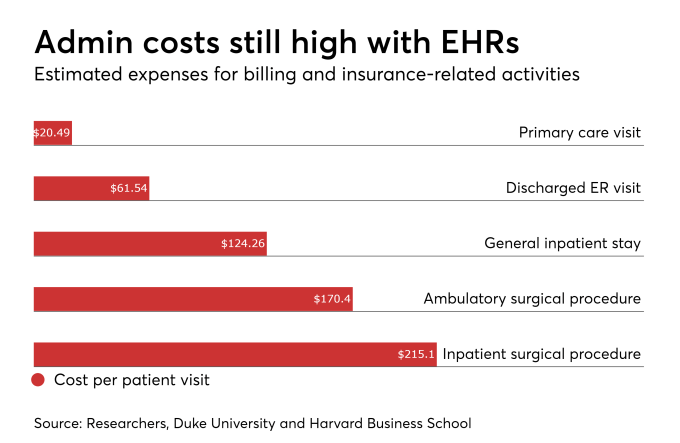 Administrative Costs Still High With EHRs[/caption]
16 Feb Balovaptan Has Potential to Improve Social Interaction and Communication in Autism Spectrum Disorder
MedicalResearch.com Interview with: [caption id="attachment_40115" align="alignleft" width="123"] Dr. Sanders[/caption]
Dr Kevin Sanders, MD
Principle Medical Director-Product Development Neuroscience
Assistant Professor, Departments of Psychiatry and Pediatrics
Vanderbilt University
MedicalResearch.com: What is the background for this announcement?
Response: The FDA has granted Roche Breakthrough Therapy Designation for its investigational oral medicine balovaptan (previously known as RG7314), a vasopressin 1a (V1a) receptor antagonist for individuals with autism spectrum disorder (ASD).
FDA Breakthrough Therapy Designation for balovaptan is primarily based on efficacy findings in the VANILLA (Vasopressin ANtagonist to Improve sociaL communication in Autism) study, a Phase II trial of balovaptan in adults with ASD. Trial results were first presented at the International Congress for Autism Research (IMFAR) in May 2017. Treatment effects were observed on the Vineland-II (secondary endpoint) and also demonstrated that balovaptan was safe and well tolerated by the subjects in the study. The Vineland-II is a scale that measures socialization, communication and daily living skills. This data was presented to the FDA and is part of the basis of the Breakthrough Designation.
Dr. Sanders[/caption]
Dr Kevin Sanders, MD
Principle Medical Director-Product Development Neuroscience
Assistant Professor, Departments of Psychiatry and Pediatrics
Vanderbilt University
MedicalResearch.com: What is the background for this announcement?
Response: The FDA has granted Roche Breakthrough Therapy Designation for its investigational oral medicine balovaptan (previously known as RG7314), a vasopressin 1a (V1a) receptor antagonist for individuals with autism spectrum disorder (ASD).
FDA Breakthrough Therapy Designation for balovaptan is primarily based on efficacy findings in the VANILLA (Vasopressin ANtagonist to Improve sociaL communication in Autism) study, a Phase II trial of balovaptan in adults with ASD. Trial results were first presented at the International Congress for Autism Research (IMFAR) in May 2017. Treatment effects were observed on the Vineland-II (secondary endpoint) and also demonstrated that balovaptan was safe and well tolerated by the subjects in the study. The Vineland-II is a scale that measures socialization, communication and daily living skills. This data was presented to the FDA and is part of the basis of the Breakthrough Designation.
15 Feb Endocrine Disrupter PFAS Chemicals Linked To Weight Regain, Especially in Women
Posted at 20:40h
in Author Interviews, Brigham & Women's - Harvard, Endocrinology, Environmental Risks, PLoS, Weight Research
MedicalResearch.com Interview with:
[caption id="attachment_40057" align="alignleft" width="125"] Dr. Gang Liu[/caption]
Gang Liu, PhD
Postdoctoral Research Fellow
Department of Nutrition
Harvard T.H. Chan School of Public Health
MedicalResearch.com: What is the background for this study? What are the main findings?
Response: Although many approaches can be used to achieve a short-term weight loss, maintenance of weight loss has become a key challenge for sustaining long-term benefits of weight loss. Accumulating evidence has suggested that certain environmental compounds may play an important role in weight gain and obesity development.
The potential endocrine-disrupting effects of perfluoroalkyl substances (PFASs), which are extensively used in many industrial and consumer products including food packaging, paper and textile coatings, and non-stick cookware, have been demonstrated in animal studies, but whether PFASs may interfere with body weight regulation in humans is largely unknown.
In a 2-year POUNDS Lost randomized clinical trial that examined energy-restricted diets on weight changes, baseline plasma concentrations of major PFASs were measured among 621 overweight and obese participants aged 30-70 years. Body weight was measured at baseline, 6, 12, 18, and 24 months. Resting metabolic rate (RMR) and other metabolic parameters, including glucose, lipids, thyroid hormones, and leptin, were measured at baseline, 6, and 24 months.
We found that higher baseline levels of PFASs were significantly associated with a greater weight regain, primarily in women. On average, women in the highest tertile of PFASs regained 1.7-2.2 kg more body weight than women in the lowest tertile. In addition, higher baseline plasma PFAS concentrations, especially perfluorooctanesulfonic acid (PFOS) and perfluorononanoic acid (PFNA), were significantly associated with greater decline in RMR during the first 6 months and less increase in RMR during weight regain period.
Dr. Gang Liu[/caption]
Gang Liu, PhD
Postdoctoral Research Fellow
Department of Nutrition
Harvard T.H. Chan School of Public Health
MedicalResearch.com: What is the background for this study? What are the main findings?
Response: Although many approaches can be used to achieve a short-term weight loss, maintenance of weight loss has become a key challenge for sustaining long-term benefits of weight loss. Accumulating evidence has suggested that certain environmental compounds may play an important role in weight gain and obesity development.
The potential endocrine-disrupting effects of perfluoroalkyl substances (PFASs), which are extensively used in many industrial and consumer products including food packaging, paper and textile coatings, and non-stick cookware, have been demonstrated in animal studies, but whether PFASs may interfere with body weight regulation in humans is largely unknown.
In a 2-year POUNDS Lost randomized clinical trial that examined energy-restricted diets on weight changes, baseline plasma concentrations of major PFASs were measured among 621 overweight and obese participants aged 30-70 years. Body weight was measured at baseline, 6, 12, 18, and 24 months. Resting metabolic rate (RMR) and other metabolic parameters, including glucose, lipids, thyroid hormones, and leptin, were measured at baseline, 6, and 24 months.
We found that higher baseline levels of PFASs were significantly associated with a greater weight regain, primarily in women. On average, women in the highest tertile of PFASs regained 1.7-2.2 kg more body weight than women in the lowest tertile. In addition, higher baseline plasma PFAS concentrations, especially perfluorooctanesulfonic acid (PFOS) and perfluorononanoic acid (PFNA), were significantly associated with greater decline in RMR during the first 6 months and less increase in RMR during weight regain period.
15 Feb Modeling Intelligence As Ability To Access Multiple Brain States
MedicalResearch.com Interview with: [caption id="attachment_40071" align="alignleft" width="200"] Dr. Saxe[/caption]
Glenn N. Saxe, MD
Professor of Child & Adolescent Psychiatry
Hassenfeld Children’s Hospital at NYU Langone
Department of Child and Adolescent Psychiatry
Child Study Center, One Park Avenue
New York, NY 10016
MedicalResearch.com: What is the background for this study? Would you briefly explain what is meant by brain entropy and how it relates to intelligence?
Response: Think of human intelligence as the capacity for a human being to understand their complex and ever-changing world. The world of a person is really complex and constantly in flux so the human brain must be ready to understand whatever may come – when there is no way beforehand to predict what might come. How does the brain understand its world? It creates specific models of the information it receives through specific patterns of neuronal connection. These are called brain states. The way the brain understands its world is largely through using such models, or brain states, to accurately predict what comes next. So you can see that for an intelligent brain to properly understand and predict events in the world, it will need to have access to a very, very large number of brain states. And this is how entropy is defined.
Entropy is a very old and very powerful concept in the history of science. Not only is it fundamental for thermodynamics – what we learned in high school physics – but it is also fundamental for the nature of information and it’s processing. Entropy is defined as the number of states – or distinct configurations – any system has access to at any point in time. High entropy means access to a very large number of states. Low entropy means access to a very small number of states. A solid is a phenomenon with very low entropy. A gas is a phenomenon with very high entropy. Life, and the brain, are somewhere in between.
Although it is impossible to precisely measure the number of states a brain has access to at any one moment, there is a highly related concept that can be measured. A system with access to a very high number of possible states (like a gas) has components with behavior that is highly unpredictable. A system with access to very few possible states (like a solid) has components whose behavior is highly predictable. We measured brain entropy through the predictability of the brains components at the smallest scale we had access to: what are called voxels in an fMRI scan. These are 3mm cubes of neurons in a functional MRI scan, and there are many thousands of these voxels in our measurement and each of these voxels contains information on the activity of hundreds of thousands of neurons. We measured the predictability of each of these voxels and then found clusters of voxels where their predictability - or entropy - was related to intelligence.
Dr. Saxe[/caption]
Glenn N. Saxe, MD
Professor of Child & Adolescent Psychiatry
Hassenfeld Children’s Hospital at NYU Langone
Department of Child and Adolescent Psychiatry
Child Study Center, One Park Avenue
New York, NY 10016
MedicalResearch.com: What is the background for this study? Would you briefly explain what is meant by brain entropy and how it relates to intelligence?
Response: Think of human intelligence as the capacity for a human being to understand their complex and ever-changing world. The world of a person is really complex and constantly in flux so the human brain must be ready to understand whatever may come – when there is no way beforehand to predict what might come. How does the brain understand its world? It creates specific models of the information it receives through specific patterns of neuronal connection. These are called brain states. The way the brain understands its world is largely through using such models, or brain states, to accurately predict what comes next. So you can see that for an intelligent brain to properly understand and predict events in the world, it will need to have access to a very, very large number of brain states. And this is how entropy is defined.
Entropy is a very old and very powerful concept in the history of science. Not only is it fundamental for thermodynamics – what we learned in high school physics – but it is also fundamental for the nature of information and it’s processing. Entropy is defined as the number of states – or distinct configurations – any system has access to at any point in time. High entropy means access to a very large number of states. Low entropy means access to a very small number of states. A solid is a phenomenon with very low entropy. A gas is a phenomenon with very high entropy. Life, and the brain, are somewhere in between.
Although it is impossible to precisely measure the number of states a brain has access to at any one moment, there is a highly related concept that can be measured. A system with access to a very high number of possible states (like a gas) has components with behavior that is highly unpredictable. A system with access to very few possible states (like a solid) has components whose behavior is highly predictable. We measured brain entropy through the predictability of the brains components at the smallest scale we had access to: what are called voxels in an fMRI scan. These are 3mm cubes of neurons in a functional MRI scan, and there are many thousands of these voxels in our measurement and each of these voxels contains information on the activity of hundreds of thousands of neurons. We measured the predictability of each of these voxels and then found clusters of voxels where their predictability - or entropy - was related to intelligence.
14 Feb ‘Liver-on-a-Chip’ Technology Can Accurately Mimic Hepatitis B Infection
MedicalResearch.com Interview with: [caption id="attachment_40036" align="alignleft" width="300"] Primary hepatocytes grown in 3D microfluidic “liver-on-a-chip” platform following infection with hepatitis B virus. Credit: Marcus Dorner/Imperial College London[/caption]
Marcus Dorner, PhD
Non-Clinical Senior Lecturer in Immunology
Wellcome Trust Investigator
Imperial College London
Department of Medicine, Section of Virology
School of Medicine
London United Kingdom
MedicalResearch.com: What is the background for this study? What are the main findings?
Response: Hepatitis B virus (HBV) infection globally affects over 250 million people and is currently not curable. This infection can lead to liver cirrhosis and liver cancer and is among the leading causes for liver transplantation. Unfortunately, HBV is among the most difficult viruses to study in the laboratory, since model systems are not very good at recapitulating what happens in infected humans.
We have just described the first model to effectively change this. Using an artificial “Liver-on-a-Chip”, we have developed a tool, which can potentially revolutionise how we study viral infections by merging the study of viruses with tissue engineering. This model is over 10,000-fold more susceptible to HBV infection and accurately mimics, what happens in an infected patient. This can now be utilised to develop novel and potentially curative therapies, which would benefit millions of people currently living with chronic HBV infection.
Primary hepatocytes grown in 3D microfluidic “liver-on-a-chip” platform following infection with hepatitis B virus. Credit: Marcus Dorner/Imperial College London[/caption]
Marcus Dorner, PhD
Non-Clinical Senior Lecturer in Immunology
Wellcome Trust Investigator
Imperial College London
Department of Medicine, Section of Virology
School of Medicine
London United Kingdom
MedicalResearch.com: What is the background for this study? What are the main findings?
Response: Hepatitis B virus (HBV) infection globally affects over 250 million people and is currently not curable. This infection can lead to liver cirrhosis and liver cancer and is among the leading causes for liver transplantation. Unfortunately, HBV is among the most difficult viruses to study in the laboratory, since model systems are not very good at recapitulating what happens in infected humans.
We have just described the first model to effectively change this. Using an artificial “Liver-on-a-Chip”, we have developed a tool, which can potentially revolutionise how we study viral infections by merging the study of viruses with tissue engineering. This model is over 10,000-fold more susceptible to HBV infection and accurately mimics, what happens in an infected patient. This can now be utilised to develop novel and potentially curative therapies, which would benefit millions of people currently living with chronic HBV infection.
13 Feb Similar Incidence of Autoimmune and Infectious Brain Inflammatory Disease Encephalitis
MedicalResearch.com Interview with: [caption id="attachment_40022" align="alignleft" width="120"] Dr. Flanagan[/caption]
Eoin Flanagan, M.B., B.Ch.
Mayo Clinic
Rochester, Minnesota
MedicalResearch.com: What is the background for this study?
Response: Traditionally it has been thought that infections (e.g., viruses) account for the majority of encephalitis cases. Recent discoveries of neural autoantibody markers of encephalitis (e.g., NMDA receptor autoantibodies) have led to an appreciation that encephalitis cases can be caused by the body’s own immune system attacking the brain, what we term autoimmune encephalitis.
Dr. Flanagan[/caption]
Eoin Flanagan, M.B., B.Ch.
Mayo Clinic
Rochester, Minnesota
MedicalResearch.com: What is the background for this study?
Response: Traditionally it has been thought that infections (e.g., viruses) account for the majority of encephalitis cases. Recent discoveries of neural autoantibody markers of encephalitis (e.g., NMDA receptor autoantibodies) have led to an appreciation that encephalitis cases can be caused by the body’s own immune system attacking the brain, what we term autoimmune encephalitis.
13 Feb Paid Family and Childbearing Leave Policies at Top US Medical Schools Found Lacking
MedicalResearch.com Interview with: [caption id="attachment_39927" align="alignleft" width="142"] Dr. Mangurian[/caption]
Christina Mangurian, MD, MAS
Associate Professor of Psychiatry
Vice Chair for Diversity, Department of Psychiatry
UCSF Weill Institute for Neurosciences
Director, UCSF Public Psychiatry Fellowship at ZSFG
Core Faculty, UCSF Center for Vulnerable Populations
MedicalResearch.com: What is the background for this study? What are the main findings?
Response: We examined paid family and childbearing leave policies at top-10 medical schools across the US. Despite recommendation from national medical societies for 12 weeks paid childbearing leave because of the benefits to both infant and mother, the average leave at these top schools of medicine was only around 8 weeks. In addition, most policies are very difficult to understand, and are at the discretion of departmental leadership – both of which put women at a disadvantage at getting leave they deserve. Additionally, family leave was only available to the parent that identifies as the "primary caregiver" at five universities, disallowing cooperative parenting.
Dr. Mangurian[/caption]
Christina Mangurian, MD, MAS
Associate Professor of Psychiatry
Vice Chair for Diversity, Department of Psychiatry
UCSF Weill Institute for Neurosciences
Director, UCSF Public Psychiatry Fellowship at ZSFG
Core Faculty, UCSF Center for Vulnerable Populations
MedicalResearch.com: What is the background for this study? What are the main findings?
Response: We examined paid family and childbearing leave policies at top-10 medical schools across the US. Despite recommendation from national medical societies for 12 weeks paid childbearing leave because of the benefits to both infant and mother, the average leave at these top schools of medicine was only around 8 weeks. In addition, most policies are very difficult to understand, and are at the discretion of departmental leadership – both of which put women at a disadvantage at getting leave they deserve. Additionally, family leave was only available to the parent that identifies as the "primary caregiver" at five universities, disallowing cooperative parenting.
13 Feb Opioids For Pain Can Exacerbate Pneumococcal Infections
MedicalResearch.com Interview with: [caption id="attachment_39899" align="alignleft" width="200"] Dr. Wiese[/caption]
Andrew Wiese, PhD
Postdoctoral Research Fellow
Department of Health Policy
Vanderbilt University Medical Center
MedicalResearch.com: What is the background for this study? What are the main findings?
Response: As opioid use has increased in the U.S., the safety of prescription opioids has come under further scrutiny.
In animal studies, use of certain opioids has been associated with increased susceptibility to bacterial infections, including infectious due to Streptococcus pneumoniae, the pathogen that causes invasive pneumococcal disease. Invasive pneumococcal disease includes bacteremia, meningitis, and invasive pneumonia, all of which are associated with high mortality. Although those associations have been well established in animal experiments, it is important to understand the risk of serious infections among humans taking prescription opioid analgesics.
We found that prescription opioid use is associated with a significantly increased risk for laboratory-confirmed invasive pneumococcal diseases, and that this association was strongest for opioids used at high doses, those classified as high potency and long-acting formulations.
The data also showed that opioids previously described as immunosuppressive in prior experimental studies conducted in animals had the strongest association with invasive pneumococcal diseases in humans.
Dr. Wiese[/caption]
Andrew Wiese, PhD
Postdoctoral Research Fellow
Department of Health Policy
Vanderbilt University Medical Center
MedicalResearch.com: What is the background for this study? What are the main findings?
Response: As opioid use has increased in the U.S., the safety of prescription opioids has come under further scrutiny.
In animal studies, use of certain opioids has been associated with increased susceptibility to bacterial infections, including infectious due to Streptococcus pneumoniae, the pathogen that causes invasive pneumococcal disease. Invasive pneumococcal disease includes bacteremia, meningitis, and invasive pneumonia, all of which are associated with high mortality. Although those associations have been well established in animal experiments, it is important to understand the risk of serious infections among humans taking prescription opioid analgesics.
We found that prescription opioid use is associated with a significantly increased risk for laboratory-confirmed invasive pneumococcal diseases, and that this association was strongest for opioids used at high doses, those classified as high potency and long-acting formulations.
The data also showed that opioids previously described as immunosuppressive in prior experimental studies conducted in animals had the strongest association with invasive pneumococcal diseases in humans.
09 Feb Adding Blood Biomarker To Ultrasound Improves Liver Cancer Detection
Posted at 23:48h
in Author Interviews, Biomarkers, Cancer Research, Gastrointestinal Disease, UT Southwestern
MedicalResearch.com Interview with:
[caption id="attachment_39939" align="alignleft" width="200"] Dr. Amit Singal[/caption]
Amit Singal MD MS
David Bruton Jr. Professor in Clinical Cancer Research
Associate Professor of Medicine
Medical Director of Liver Tumor Program
Clinical Chief of Hepatology
University of Texas Southwestern
MedicalResearch.com: What is the background for this study? What are the main findings?
Response: Hepatocellular carcinoma, the most common form of primary liver cancer, often has a very poor prognosis because most cancers are found at a late stage when curative treatment is not available. However, if the cancer is found early, curative therapies are possible and patients can typically live longer than 5 years.
There is currently debate how at-risk patients with chronic liver disease should be screened - with an abdominal ultrasound alone or using a combination of abdominal ultrasound and a blood test called alpha fetoprotein. Many professional societies have traditionally recommended the former, i.e. ultrasound alone, given few data showing a benefit of adding alpha fetoprotein.
Our study examines all available literature examining this question and found using the two tests in combination significantly increases the likelihood of finding the cancer at an early stage. Whereas abdominal ultrasound misses over half of all cancers, using it in combination with alpha fetoprotein can detect two-thirds of cancers at an early stage.
Dr. Amit Singal[/caption]
Amit Singal MD MS
David Bruton Jr. Professor in Clinical Cancer Research
Associate Professor of Medicine
Medical Director of Liver Tumor Program
Clinical Chief of Hepatology
University of Texas Southwestern
MedicalResearch.com: What is the background for this study? What are the main findings?
Response: Hepatocellular carcinoma, the most common form of primary liver cancer, often has a very poor prognosis because most cancers are found at a late stage when curative treatment is not available. However, if the cancer is found early, curative therapies are possible and patients can typically live longer than 5 years.
There is currently debate how at-risk patients with chronic liver disease should be screened - with an abdominal ultrasound alone or using a combination of abdominal ultrasound and a blood test called alpha fetoprotein. Many professional societies have traditionally recommended the former, i.e. ultrasound alone, given few data showing a benefit of adding alpha fetoprotein.
Our study examines all available literature examining this question and found using the two tests in combination significantly increases the likelihood of finding the cancer at an early stage. Whereas abdominal ultrasound misses over half of all cancers, using it in combination with alpha fetoprotein can detect two-thirds of cancers at an early stage.
05 Feb Analyzing Street Drugs Can Provide Early Warning of Potential For Fatal Overdoses
MedicalResearch.com Interview with: Kathleen Creppage, M.P.H., C.P.H.
Doctoral candidate Graduate School of Public Health
University of Pittsburgh
MedicalResearch.com: What is the background for this study? What are the main findings?
Response: In the U.S., fatal heroin overdoses have increased in the past decade by 300 percent, with fentanyl – a substance that is 20 to 50 times more potent than heroin – and its analogs increasingly contributing to overdoses. The drug often is implicated in clusters of overdose deaths when it is mixed with heroin and users do not realize what they are taking is more powerful than usual.
We analyzed the test results of 16,594 stamp bags seized as evidence by law enforcement authorities in Allegheny County that were submitted to the county’s Office of the Medical Examiner for laboratory testing from 2010 through 2016. Stamp bags are small wax packets that contain mixtures of illicit drugs, most commonly heroin, packaged for sale and sometimes stamped with a graphical logo by drug dealers to market their contents.
Before 2014, none of the tested bags contained fentanyl. By 2016 it was found in 15.5 percent of the tested stamp bags, with 4.1 percent containing fentanyl as the only controlled substance present.
Kathleen Creppage, M.P.H., C.P.H.
Doctoral candidate Graduate School of Public Health
University of Pittsburgh
MedicalResearch.com: What is the background for this study? What are the main findings?
Response: In the U.S., fatal heroin overdoses have increased in the past decade by 300 percent, with fentanyl – a substance that is 20 to 50 times more potent than heroin – and its analogs increasingly contributing to overdoses. The drug often is implicated in clusters of overdose deaths when it is mixed with heroin and users do not realize what they are taking is more powerful than usual.
We analyzed the test results of 16,594 stamp bags seized as evidence by law enforcement authorities in Allegheny County that were submitted to the county’s Office of the Medical Examiner for laboratory testing from 2010 through 2016. Stamp bags are small wax packets that contain mixtures of illicit drugs, most commonly heroin, packaged for sale and sometimes stamped with a graphical logo by drug dealers to market their contents.
Before 2014, none of the tested bags contained fentanyl. By 2016 it was found in 15.5 percent of the tested stamp bags, with 4.1 percent containing fentanyl as the only controlled substance present.