
Medical Research Centers
10 Dec Handful of Nuts a Day Can Reduce Chronic Diseases
MedicalResearch.com Interview with: [caption id="attachment_30430" align="alignleft" width="180"] Dr. Dagfinn Aune[/caption]
Dr. Dagfinn Aune
Department of Epidemiology and Biostatistics
School of Public Health
Imperial College London
St. Mary's Campus London UK
MedicalResearch.com: What is the background for this study? What are the main findings?
Response: There is a growing body of evidence suggesting that intake of nuts may reduce the risk of coronary heart disease, but the relation between nut intake and other diseases like cancer and stroke, and the relation with mortality and less common causes of death is not clear. Also it is not clear how much nuts are needed to reduce the risk.
So our current meta-analysis reviewed the data from 20 studies (29 publications) on nut intake and different health outcomes. We found that a nut intake of approximately one serving per day (28 g/d or a handful) was associated with a reduced risk of coronary heart disease (by 30%), total cancer (15%), all-cause mortality (22%) and mortality from respiratory disease (50%), diabetes (40%), and infections (75%), although there were few studies in the latter three analyses. We found that most of the benefit was observed up to an intake of around 20 grams per day. Similar results were found for total nuts, tree nuts and peanuts (which are botanically defined as legumes), but peanuts were also associated with reduced risk of stroke, while only tree nuts were associated with reduced cancer risk. We also calculated the number of deaths that potentially could be avoided, under the assumption that the observed associations are causal, and arrived at 4.4 million deaths in North and South America, Europe, Southeast Asia and the Western Pacific (unfortunately we did not have data on nut intake from West Asia and Africa so we were not able to include those areas).
Dr. Dagfinn Aune[/caption]
Dr. Dagfinn Aune
Department of Epidemiology and Biostatistics
School of Public Health
Imperial College London
St. Mary's Campus London UK
MedicalResearch.com: What is the background for this study? What are the main findings?
Response: There is a growing body of evidence suggesting that intake of nuts may reduce the risk of coronary heart disease, but the relation between nut intake and other diseases like cancer and stroke, and the relation with mortality and less common causes of death is not clear. Also it is not clear how much nuts are needed to reduce the risk.
So our current meta-analysis reviewed the data from 20 studies (29 publications) on nut intake and different health outcomes. We found that a nut intake of approximately one serving per day (28 g/d or a handful) was associated with a reduced risk of coronary heart disease (by 30%), total cancer (15%), all-cause mortality (22%) and mortality from respiratory disease (50%), diabetes (40%), and infections (75%), although there were few studies in the latter three analyses. We found that most of the benefit was observed up to an intake of around 20 grams per day. Similar results were found for total nuts, tree nuts and peanuts (which are botanically defined as legumes), but peanuts were also associated with reduced risk of stroke, while only tree nuts were associated with reduced cancer risk. We also calculated the number of deaths that potentially could be avoided, under the assumption that the observed associations are causal, and arrived at 4.4 million deaths in North and South America, Europe, Southeast Asia and the Western Pacific (unfortunately we did not have data on nut intake from West Asia and Africa so we were not able to include those areas).
09 Dec Genes Linked To Ectopic Fat Deposition Identified
MedicalResearch.com Interview with: [caption id="attachment_30390" align="alignleft" width="200"] Dr. Audrey Chu[/caption]
Audrey Chu, Ph.D.
Division of Intramural Research
National Heart, Lung, and Blood Institute (NHLBI), National Institutes of Health
MedicalResearch.com: What is the background for this study? What are the main findings?
Response: Body shape reflects the underlying adipose tissue distributed throughout different compartments of the body (ectopic fat). Variation in ectopic fat is associated with diabetes, hypertension and heart disease. This is mostly independent of overall adiposity. Ectopic fat can be measured using special x-rays procedures such as CT (“CAT scans”) or MRI and can give more information about fat distribution. Fat distribution characteristics can run in families, suggesting that a person’s genes can help determine the amount of fat that can accumulate in different parts of the body. Identifying genes that are associated with ectopic fat can provide insight into the biological mechanisms leading to differences in cardiometabolic disease risk.
In order to understand which genes might be involved, we examined genetic variants across the genome and their association with ectopic fat in the largest study of its kind including over 18,000 individuals of four different ancestral backgrounds.
Several new genetic regions were identified in association with ectopic fat in addition to confirming previously known regions. The association of the new regions was specific to ectopic fat, since the majority of the regions were not associated with overall or central adiposity. Furthermore, most of these regions were not associated with type 2 diabetes, lipids, heart disease or blood pressure. The major exception was the region surrounding the UBE2E2 gene, which was associated with diabetes.
Dr. Audrey Chu[/caption]
Audrey Chu, Ph.D.
Division of Intramural Research
National Heart, Lung, and Blood Institute (NHLBI), National Institutes of Health
MedicalResearch.com: What is the background for this study? What are the main findings?
Response: Body shape reflects the underlying adipose tissue distributed throughout different compartments of the body (ectopic fat). Variation in ectopic fat is associated with diabetes, hypertension and heart disease. This is mostly independent of overall adiposity. Ectopic fat can be measured using special x-rays procedures such as CT (“CAT scans”) or MRI and can give more information about fat distribution. Fat distribution characteristics can run in families, suggesting that a person’s genes can help determine the amount of fat that can accumulate in different parts of the body. Identifying genes that are associated with ectopic fat can provide insight into the biological mechanisms leading to differences in cardiometabolic disease risk.
In order to understand which genes might be involved, we examined genetic variants across the genome and their association with ectopic fat in the largest study of its kind including over 18,000 individuals of four different ancestral backgrounds.
Several new genetic regions were identified in association with ectopic fat in addition to confirming previously known regions. The association of the new regions was specific to ectopic fat, since the majority of the regions were not associated with overall or central adiposity. Furthermore, most of these regions were not associated with type 2 diabetes, lipids, heart disease or blood pressure. The major exception was the region surrounding the UBE2E2 gene, which was associated with diabetes.
09 Dec Uterine Microbiome Plays Key Role in IVF Success
MedicalResearch.com Interview with: [caption id="attachment_30400" align="alignleft" width="155"] Dr. Carlos Simón[/caption]
Carlos Simón, M.D., Ph. D.
Professor of Obstetrics & Gynecology. Valencia University, Spain
Scientific Director, Igenomix SL.
Adjunct Clinical Professor, Department of Ob/Gyn, Stanford University, CA
Adjunct Professor, Department of Ob/Gyn, Baylor College of Medicine, TX
MedicalResearch.com: What is the background for this study? What are the main findings?
Response: The main findings of this study reside in the concept that the uterine cavity, which has been classically considered as a sterile organ, possess its own microbiome and that the composition of this uterine microbiome have a functional impact on the reproductive outcome of IVF patients.
Dr. Carlos Simón[/caption]
Carlos Simón, M.D., Ph. D.
Professor of Obstetrics & Gynecology. Valencia University, Spain
Scientific Director, Igenomix SL.
Adjunct Clinical Professor, Department of Ob/Gyn, Stanford University, CA
Adjunct Professor, Department of Ob/Gyn, Baylor College of Medicine, TX
MedicalResearch.com: What is the background for this study? What are the main findings?
Response: The main findings of this study reside in the concept that the uterine cavity, which has been classically considered as a sterile organ, possess its own microbiome and that the composition of this uterine microbiome have a functional impact on the reproductive outcome of IVF patients.
09 Dec Strong SSRIs Linked To Increase Risk of Intracranial Hemorrhage
MedicalResearch.com Interview with: Christel Renoux, MD, PhD Assistant Professor, Dept. of Neurology & Neurosurgery McGill University Centre For Clinical Epidemiology Jewish General Hospital - Lady Davis Research Institute Montreal Canada MedicalResearch.com: What is the background for this study? Response: Selective serotonin reuptake inhibitors (SSRIs) increase the risk for abnormal bleeding, in particular, gastrointestinal tract bleeding. Previous studies also suggested an increased risk for intracranial hemorrhage (ICH) in patients treated with SSRIs compared to non users. However, even if this risk exists, the comparison with a non-treated group may exaggerate the strength of a potential association and the comparison with a group of patients treated with other antidepressants may help better delineate the risk. The potential bleeding effect of antidepressants is linked to the strength of serotonin inhibition reuptake, and antidepressants that are strong inhibitors of serotonin reuptake have been associated with the risk for gastrointestinal or abnormal bleeding compared with weak inhibitors but the risk of ICH is unclear.09 Dec Choosing Primary Care Physicians Based On Low Office Visit Price Can Save Money for Patients With High Deductible Plans
Posted at 03:10h
in Author Interviews, Brigham & Women's - Harvard, Cost of Health Care, Primary Care
MedicalResearch.com Interview with:
[caption id="attachment_30342" align="alignleft" width="200"]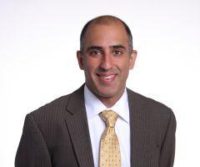 Dr. Ateev Mehrotra[/caption]
Dr. Ateev Mehrotra MD
Associate professor, Department of Health Care Policy
Harvard Medical School and a
hospitalist at Beth Israel Deaconess Medical Center
Boston, Massachusetts
MedicalResearch.com: What is the background for this study? What are the main findings?
Response: More people in the US are using price transparency websites to shop for care. Some have wondered whether using the information on these websites to choose a doctor will help them actually save money. A relatively small difference in price for visits on the website translated into hundreds of dollars.
Dr. Ateev Mehrotra[/caption]
Dr. Ateev Mehrotra MD
Associate professor, Department of Health Care Policy
Harvard Medical School and a
hospitalist at Beth Israel Deaconess Medical Center
Boston, Massachusetts
MedicalResearch.com: What is the background for this study? What are the main findings?
Response: More people in the US are using price transparency websites to shop for care. Some have wondered whether using the information on these websites to choose a doctor will help them actually save money. A relatively small difference in price for visits on the website translated into hundreds of dollars.
08 Dec More Medical Students May Have Non-Apparent Disabilities
MedicalResearch.com Interview with:
Lisa Meeks , PhD Director, Medical Student Disability UCSF Medical Center
[caption id="attachment_30304" align="alignnone" width="171"] Dr. Lisa Meeks[/caption]
MedicalResearch.com: What is the background for this study? What are the main findings? Response: This was the first study to include students with AD/HD, learning, psychological, and chronic health conditions. This study found that the prevalence of students with disabilities is up to four times higher than previous studies indicated.
AD/HD, learning, and psychological disabilities were the most prevalent, suggesting that most students with disabilities in medicine have non-apparent disabilities. Within MD granting programs, the number of students self-reporting disability varied between 0% and 12%. Explanations for the high variability between programs are unknown, however, anecdotal reports suggest the degree to which programs have dedicated resources and inclusive practices for students with disabilities influence student disclosure.05 Dec Teledermatology Can Triage Many Post-Operative Skin Surgery Concerns
Posted at 20:50h
in Author Interviews, Dermatology, Surgical Research, Telemedicine, UT Southwestern
MedicalResearch.com Interview with:
[caption id="attachment_30246" align="alignleft" width="120"] Dr. Rajiv Nijhawan[/caption]
Rajiv Nijhawan MD
Department of Dermatology
The University of Texas Southwestern Medical Center
Dallas
MedicalResearch.com: What is the background for this study? What are the main findings?
Response: From a healthcare perspective, we are constantly working to improve access to patients, and telemedicine has proved to be an excellent platform for this goal especially in the field of dermatology. In regards to surgical dermatology, the role of telemedicine has been limited. The ubiquity of smartphones with photograph capability has provided an opportunity for patients to take self-acquired photographs (selfies) easily. Our experience has been that few patients who call with post-operative concerns have major issues (e.g. infection, bleeding, etc.) while the majority of concerns are minor in nature, and patients are often seeking reassurance.
Our study shows that the majority of concerns can easily be triaged and managed through patient-directed photography without burdening the patient to take time off work for another appointment, find transportation/travel (many of our patients travel hours for their visits), wait to see the provider, etc. This option of triaging a post-operative concern essentially immediately through the use of patient-directed photographs provides the opportunity for immediate feedback on the patient’s concerns and likely reduces anxiety while making the process as patient-centered as possible. In addition, it allows the physician to be as efficient as possible by not having to overbook his/her schedule to accommodate these often non-urgent concerns.
Dr. Rajiv Nijhawan[/caption]
Rajiv Nijhawan MD
Department of Dermatology
The University of Texas Southwestern Medical Center
Dallas
MedicalResearch.com: What is the background for this study? What are the main findings?
Response: From a healthcare perspective, we are constantly working to improve access to patients, and telemedicine has proved to be an excellent platform for this goal especially in the field of dermatology. In regards to surgical dermatology, the role of telemedicine has been limited. The ubiquity of smartphones with photograph capability has provided an opportunity for patients to take self-acquired photographs (selfies) easily. Our experience has been that few patients who call with post-operative concerns have major issues (e.g. infection, bleeding, etc.) while the majority of concerns are minor in nature, and patients are often seeking reassurance.
Our study shows that the majority of concerns can easily be triaged and managed through patient-directed photography without burdening the patient to take time off work for another appointment, find transportation/travel (many of our patients travel hours for their visits), wait to see the provider, etc. This option of triaging a post-operative concern essentially immediately through the use of patient-directed photographs provides the opportunity for immediate feedback on the patient’s concerns and likely reduces anxiety while making the process as patient-centered as possible. In addition, it allows the physician to be as efficient as possible by not having to overbook his/her schedule to accommodate these often non-urgent concerns.
05 Dec Tocilizumab High Active For Refractory Graft vs Host Disease
Posted at 16:02h
in Author Interviews, Immunotherapy, Leukemia, Transplantation, University of Pennsylvania
MedicalResearch.com Interview with:
[caption id="attachment_30208" align="alignleft" width="132"] Dr. Alex Ganetsky[/caption]
Alex Ganetsky, PharmD, BCOP
Clinical Pharmacy Specialist – Hematology/BMT
Hospital of the University of Pennsylvania
MedicalResearch.com: What is the background for this study? What are the main findings?
• Allogeneic hematopoietic cell transplant (HCT) recipients with steroid-refractory gastrointestinal acute graft-versus-host disease (GI-GVHD) have poor outcomes.
• There is no consensus for optimal treatment of these patients.
• We retrospectively evaluated the efficacy of tocilizumab, an interleukin-6 receptor monoclonal antibody, for the treatment of steroid-refractory GI-GVHD.
• 10/11 (91%) patients achieved a complete response after a median time of 11 days (range, 2 – 18) from tocilizumab initiation.
• The median time to response onset, defined as improvement in GVHD stage by at least 1, was 1 day (range, 1 – 6).
• At a median follow-up of 3 months (range, 1.1 – 12.8) from tocilizumab initiation, 8 of 11 patients are alive and free of the their underlying hematologic malignancy.
• No associations between serum levels of IL-6 and tocilizumab response could be identified.
Dr. Alex Ganetsky[/caption]
Alex Ganetsky, PharmD, BCOP
Clinical Pharmacy Specialist – Hematology/BMT
Hospital of the University of Pennsylvania
MedicalResearch.com: What is the background for this study? What are the main findings?
• Allogeneic hematopoietic cell transplant (HCT) recipients with steroid-refractory gastrointestinal acute graft-versus-host disease (GI-GVHD) have poor outcomes.
• There is no consensus for optimal treatment of these patients.
• We retrospectively evaluated the efficacy of tocilizumab, an interleukin-6 receptor monoclonal antibody, for the treatment of steroid-refractory GI-GVHD.
• 10/11 (91%) patients achieved a complete response after a median time of 11 days (range, 2 – 18) from tocilizumab initiation.
• The median time to response onset, defined as improvement in GVHD stage by at least 1, was 1 day (range, 1 – 6).
• At a median follow-up of 3 months (range, 1.1 – 12.8) from tocilizumab initiation, 8 of 11 patients are alive and free of the their underlying hematologic malignancy.
• No associations between serum levels of IL-6 and tocilizumab response could be identified.
04 Dec Delayed Epinephrine Linked To Worse Survival From In-Patient Cardiac Arrest
Posted at 23:04h
in AHA Journals, Author Interviews, Heart Disease, Outcomes & Safety, UT Southwestern
MedicalResearch.com Interview with:
Rohan Khera, MD
Cardiology Fellow, T32 Clinical-Investigator Pathway
UT Southwestern Medical Center
Dallas, TX
MedicalResearch.com: What is the background for this study? What are the main findings?
Response: Nearly 200 thousand people have an in-hospital cardiac arrest in the US each year. Of these, the vast majority have a non-shockable initial rhythm – either pulseless electric activity (PEA) or asystole. The survival of this type of arrest remains poor at around 12-14%. Moreover, even after accounting for differences in case mix, there is a wide variation in survival across hospitals – and this serves as a potential avenue for targeting quality improvement strategies at poor performing hospitals.
Recent data suggest that a shorter time from the onset of cardiac arrest to the first dose of epinephrine is independently associated with higher survival. Against this background of wide hospital variation in cardiac arrest survival, and patient-level data suggesting an association between time to epinephrine and patient survival, we wanted to assess (A) if there were differences in time to epinephrine administration across hospitals, and (B) if a hospital’s rate of timely epinephrine use was associated with its cardiac arrest survival rate. Within Get With The Guidelines-Resuscitation, we identified nearly 104-thousand adult patients at 548 hospitals with an in-hospital cardiac arrest attributable to a non-shockable rhythms. delays to epinephrine,
We found that (a) proportion of cardiac arrests with delayed epinephrine markedly across hospitals, ranging from no arrests with delay (or 0%) to more than half of arrests at a hospital (54%).
There was an inverse correlation between a hospital’s rate of delayed epinephrine administration and its risk-standardized rate of survival to discharge and survival with functional recovery - compared to a low-performing hospitals, survival and recovery was 20% higher at hospitals that performed best on timely epinephrine use.
04 Dec High Intensity Statins Increase For High Risk Atherosclerotic Patients, But Lagging in Women and Minorities
MedicalResearch.com Interview with: [caption id="attachment_30181" align="alignleft" width="166"]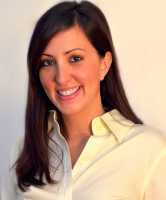 Dr. Fatima Rodriguez[/caption]
Fatima Rodriguez, MD, MPH
Division of Cardiovascular Medicine and Cardiovascular Institute
Stanford University
Stanford, CA
MedicalResearch.com: What is the background for this study? What are the main findings?
Response: The 2013 ACC/AHA cholesterol management guidelines emphasized that high-risk patients with atherosclerotic disease should be on high-intensity statins. We sought to determine how these guidelines are being adopted at the Veterans Affairs (VA) Health System and to identify treatment gaps.
Our main findings were that the use of high-intensity statins increased from 23 to 35% following the guideline release for these high-risk patients. However, high-intensity statin use was lowest in Hispanics and Native Americans. Women, older adults, and patients with peripheral arterial and cerebrovascular disease were also less likely to undergo statin intensification after the release of the guideline. We also noted geographic and institutional differences across VA hospitals in rates of high-intensity statin use for secondary prevention.
Dr. Fatima Rodriguez[/caption]
Fatima Rodriguez, MD, MPH
Division of Cardiovascular Medicine and Cardiovascular Institute
Stanford University
Stanford, CA
MedicalResearch.com: What is the background for this study? What are the main findings?
Response: The 2013 ACC/AHA cholesterol management guidelines emphasized that high-risk patients with atherosclerotic disease should be on high-intensity statins. We sought to determine how these guidelines are being adopted at the Veterans Affairs (VA) Health System and to identify treatment gaps.
Our main findings were that the use of high-intensity statins increased from 23 to 35% following the guideline release for these high-risk patients. However, high-intensity statin use was lowest in Hispanics and Native Americans. Women, older adults, and patients with peripheral arterial and cerebrovascular disease were also less likely to undergo statin intensification after the release of the guideline. We also noted geographic and institutional differences across VA hospitals in rates of high-intensity statin use for secondary prevention.
02 Dec FDA Reports on Patient Satisfaction With LASIX Procedure
MedicalResearch.com Interview with: [caption id="attachment_30144" align="alignleft" width="200"]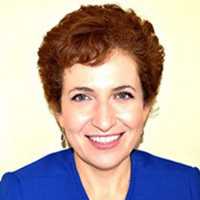 Dr. Malvina Eydelman[/caption]
Malvina Eydelman, M.D.
Division Director; Division of Ophthalmic and Ear, Nose and Throat Devices
Office of Device Evaluation
Center for Devices and Radiological Health
FDA.
MedicalResearch.com: What is the background for this study?
Response: In October 2009, the FDA, the National Eye Institute (NEI), and the Department of Defense (DoD) launched the LASIK Quality of Life Collaboration Project (LQOLCP) to help better understand the potential risk of severe problems that can result from LASIK. The project aimed to develop a tool to determine the percent of patients who develop difficulties performing their usual activities following LASIK, and to identify predictors for those patients.
At the time we developed our project, there was a limited amount of valid scientific data on certain patient-reported outcomes (PROs) related to LASIK. A PRO is a report of a condition experienced and reported by the patient, not the health care provider.
Most LASIK studies used tools, such as questionnaires, to assess visual symptoms, but only after the surgery. The Patient-Reported Outcomes with LASIK (PROWL) studies in the LQOLCP assessed visual symptoms both before and after their LASIK surgery to identify changes over time. The studies also measured the impact symptoms directly had on performing usual activities, which had not previously been done.
Dr. Malvina Eydelman[/caption]
Malvina Eydelman, M.D.
Division Director; Division of Ophthalmic and Ear, Nose and Throat Devices
Office of Device Evaluation
Center for Devices and Radiological Health
FDA.
MedicalResearch.com: What is the background for this study?
Response: In October 2009, the FDA, the National Eye Institute (NEI), and the Department of Defense (DoD) launched the LASIK Quality of Life Collaboration Project (LQOLCP) to help better understand the potential risk of severe problems that can result from LASIK. The project aimed to develop a tool to determine the percent of patients who develop difficulties performing their usual activities following LASIK, and to identify predictors for those patients.
At the time we developed our project, there was a limited amount of valid scientific data on certain patient-reported outcomes (PROs) related to LASIK. A PRO is a report of a condition experienced and reported by the patient, not the health care provider.
Most LASIK studies used tools, such as questionnaires, to assess visual symptoms, but only after the surgery. The Patient-Reported Outcomes with LASIK (PROWL) studies in the LQOLCP assessed visual symptoms both before and after their LASIK surgery to identify changes over time. The studies also measured the impact symptoms directly had on performing usual activities, which had not previously been done.
02 Dec Cancer Can Mean High Out-of-Pocket Expenses For Seniors With Only Medicare
MedicalResearch.com Interview with: [caption id="attachment_29945" align="alignleft" width="80"] Dr. Amol Narang[/caption]
Dr. Amol K. Narang, MD
Instructor of Radiation Oncology and Molecular Radiation Sciences
Johns Hopkins Sidney Kimmel Comprehensive Cancer Center
MedicalResearch.com: What is the background for this study?
Response: We know that cancer care is becoming increasingly expensive in the U.S., but the financial impact on patients in the form of out-of-pocket expenses is not well understood, in part because of the lack of data sources that track this information. As such, we used the Health and Retirement study, a national panel study that closely tracks the out-of-pocket medical expenditures of older Americans, to understand the level of financial strain that Medicare patients experience after a new diagnosis of cancer. We further investigated what factors were associated with high financial strain and what type of health services were driving high costs in this population.
Dr. Amol Narang[/caption]
Dr. Amol K. Narang, MD
Instructor of Radiation Oncology and Molecular Radiation Sciences
Johns Hopkins Sidney Kimmel Comprehensive Cancer Center
MedicalResearch.com: What is the background for this study?
Response: We know that cancer care is becoming increasingly expensive in the U.S., but the financial impact on patients in the form of out-of-pocket expenses is not well understood, in part because of the lack of data sources that track this information. As such, we used the Health and Retirement study, a national panel study that closely tracks the out-of-pocket medical expenditures of older Americans, to understand the level of financial strain that Medicare patients experience after a new diagnosis of cancer. We further investigated what factors were associated with high financial strain and what type of health services were driving high costs in this population.
01 Dec Protein Found To Enhance Ability To Kill MRSA
MedicalResearch.com Interview with: [caption id="attachment_30077" align="alignleft" width="106"] Dr. Warren Leonard[/caption]
Warren Leonard, M.D.
NIH Distinguished Investigator
Laboratory of Molecular Immunology
NHLBI, NIH
MedicalResearch.com: What is the background for this study?
Response: TSLP is a cytokine that has been well studied in the context of T cell helper type 2 (TH2) responses and the promotion of atopic diseases. TSLP is naturally expressed at barrier surfaces, such as the skin; however, its role in skin infections was not previously explored.
In our study, we investigated whether TSLP plays a role in host defense to Staphylococcus aureus skin infections, using the most common strain of methicillin-resistant S. aureus (MRSA) present in the United States.
Dr. Warren Leonard[/caption]
Warren Leonard, M.D.
NIH Distinguished Investigator
Laboratory of Molecular Immunology
NHLBI, NIH
MedicalResearch.com: What is the background for this study?
Response: TSLP is a cytokine that has been well studied in the context of T cell helper type 2 (TH2) responses and the promotion of atopic diseases. TSLP is naturally expressed at barrier surfaces, such as the skin; however, its role in skin infections was not previously explored.
In our study, we investigated whether TSLP plays a role in host defense to Staphylococcus aureus skin infections, using the most common strain of methicillin-resistant S. aureus (MRSA) present in the United States.
01 Dec National Trends and Outcomes of Embryo Donation
[caption id="attachment_30068" align="alignleft" width="200"] Dr. Jennifer F. Kawwass[/caption]
MedicalResearch.com Interview with:
Jennifer F. Kawwass, MD, FACOG
Assistant Professor, Emory Reproductive Center
Director of Third Party Reproduction, Emory Reproductive Center
MedicalResearch.com: What is the background for this study?
Response: With the increasing use of assisted reproductive technology (ART), the number of cryopreserved embryos in storage has increased, as residual viable embryos from an in vitro fertilization (IVF) cycle may be frozen for future use. Each embryo maintains attributes reflective of the age of the female at time of the original oocyte retrieval. Embryo donation, a form of third-party reproduction, involves donation without compensation of previously formed embryos to another couple for implantation.
Limited published data exist detailing outcomes of donor embryo cycles. Patients and clinicians would benefit from information specific to donor embryo cycles to inform fertility treatment options, counselling, and clinical decision-making. We sought to quantify trends in donor embryo cycles in the United States, to characterize donor embryo recipients, and to report transfer, pregnancy, and birth outcomes of donor embryo transfers.
Dr. Jennifer F. Kawwass[/caption]
MedicalResearch.com Interview with:
Jennifer F. Kawwass, MD, FACOG
Assistant Professor, Emory Reproductive Center
Director of Third Party Reproduction, Emory Reproductive Center
MedicalResearch.com: What is the background for this study?
Response: With the increasing use of assisted reproductive technology (ART), the number of cryopreserved embryos in storage has increased, as residual viable embryos from an in vitro fertilization (IVF) cycle may be frozen for future use. Each embryo maintains attributes reflective of the age of the female at time of the original oocyte retrieval. Embryo donation, a form of third-party reproduction, involves donation without compensation of previously formed embryos to another couple for implantation.
Limited published data exist detailing outcomes of donor embryo cycles. Patients and clinicians would benefit from information specific to donor embryo cycles to inform fertility treatment options, counselling, and clinical decision-making. We sought to quantify trends in donor embryo cycles in the United States, to characterize donor embryo recipients, and to report transfer, pregnancy, and birth outcomes of donor embryo transfers.
01 Dec No Clear Cut-Off Age To Stop Screening Mammograms
MedicalResearch.com Interview with: Cindy Lee, MD Assistant Professor Department of Radiology and Biomedical Imaging University of California San Francisco San Francisco, CA MedicalResearch.com: What’s new about the research? How is it different than what’s come before? • The largest study on the topic, including national data from 31 states in the United States. Including 5.7 million screening mammograms with follow up. • All exams using digital techniques, up to date data, more representative of community practices in the U.S.01 Dec Frailty Screening Can Predict Postoperative Survival
MedicalResearch.com Interview with: [caption id="attachment_30060" align="alignleft" width="200"] Dr. Daniel E. Hall[/caption]
Daniel E. Hall, MD, MDiv, MHSc, FACS
Associate Professor of Surgery
University of Pittsburgh Staff Surgeon
VA Pittsburgh Healthcare System Core Investigator
VA Center for Health Equity Research and Promotion.
PIttsburgh, PA
MedicalResearch.com: What is the background for this study? What are the main findings?
Response: A growing body of research demonstrates that frailty is a more powerful predictor of postoperative outcomes than risk-prediction models based on age or comorbidity alone. However, it has not been clear if surgeons could intervene on frailty to improve outcomes.
This study reports what we believe to be the first ever demonstration that it is not only feasible to screen an entire health system for frailty, but that it is possible to act on that information to improve outcomes. Every patient evaluated for elective surgery was screened for frailty with a brief tool that takes 1-2 minutes to complete. Those identified as potentially frail and thus at greater risk for poor surgical outcomes received an ad-hoc administrative review aimed at optimizing perioperative care. After implementing the frailty screening initiative, we observed a 3-fold increase in long-term survival at 6 and 12 months—even after controlling for age, frailty, and predicted mortality.
Dr. Daniel E. Hall[/caption]
Daniel E. Hall, MD, MDiv, MHSc, FACS
Associate Professor of Surgery
University of Pittsburgh Staff Surgeon
VA Pittsburgh Healthcare System Core Investigator
VA Center for Health Equity Research and Promotion.
PIttsburgh, PA
MedicalResearch.com: What is the background for this study? What are the main findings?
Response: A growing body of research demonstrates that frailty is a more powerful predictor of postoperative outcomes than risk-prediction models based on age or comorbidity alone. However, it has not been clear if surgeons could intervene on frailty to improve outcomes.
This study reports what we believe to be the first ever demonstration that it is not only feasible to screen an entire health system for frailty, but that it is possible to act on that information to improve outcomes. Every patient evaluated for elective surgery was screened for frailty with a brief tool that takes 1-2 minutes to complete. Those identified as potentially frail and thus at greater risk for poor surgical outcomes received an ad-hoc administrative review aimed at optimizing perioperative care. After implementing the frailty screening initiative, we observed a 3-fold increase in long-term survival at 6 and 12 months—even after controlling for age, frailty, and predicted mortality.
30 Nov Vestibular or Inner Ear System Weakens After Age 40
MedicalResearch.com Interview with: [caption id="attachment_30046" align="alignleft" width="150"] Dr. Daniel M. Merfeld[/caption]
Daniel M. Merfeld, Ph.D.
Professor of Otolaryngology
Harvard Medical School
Massachusetts Eye and Ear
Director, Jenks Vestibular Physiology Laboratory
Senior Scientist
MedicalResearch.com: What is the background for this study?
Response: Nearly half of the population will see a clinician at some point in their lives with symptoms related to the vestibular system (e.g., dizziness, vertigo, imbalance and blurred vision). The vestibular system, made up of tiny fluid-filled membranes in the inner ear, is responsible for receiving information about motion, balance and spatial orientation. With the goal of determining whether age affected the function of the vestibular system, our research team administered balance and motion tests to 105 healthy people ranging from 18 to 80 years old and measured their vestibular thresholds (“threshold” refers to the smallest possible motion administered that the subject is able to perceive correctly).
Dr. Daniel M. Merfeld[/caption]
Daniel M. Merfeld, Ph.D.
Professor of Otolaryngology
Harvard Medical School
Massachusetts Eye and Ear
Director, Jenks Vestibular Physiology Laboratory
Senior Scientist
MedicalResearch.com: What is the background for this study?
Response: Nearly half of the population will see a clinician at some point in their lives with symptoms related to the vestibular system (e.g., dizziness, vertigo, imbalance and blurred vision). The vestibular system, made up of tiny fluid-filled membranes in the inner ear, is responsible for receiving information about motion, balance and spatial orientation. With the goal of determining whether age affected the function of the vestibular system, our research team administered balance and motion tests to 105 healthy people ranging from 18 to 80 years old and measured their vestibular thresholds (“threshold” refers to the smallest possible motion administered that the subject is able to perceive correctly).
30 Nov Palliative Care Linked To Fewer Symptoms and Better Quality of Life
MedicalResearch.com Interview with: [caption id="attachment_29804" align="alignleft" width="120"] Dr. Dio Kavalieratos[/caption]
Dr. Dio Kavalieratos, PhD
Assistant Professor of Medicine
Section of Palliative Care and Medical Ethics
Division of General Medicine
Institute of Clinical Research
University of Pittsburgh
MedicalResearch.com: What is the background for this study? What are the main findings?
Response: The field of palliative care has seen a dramatic surge in research and clinical implementation over the past decade. The last systematic review of palliative care trials was published in 2008. In that review, the authors reported very weak evidence for palliative care, as well as major methodological limitations in the trials that had been done to date. Since then, several landmark trials have been published, some with very compelling findings such increased survival. Therefore, an up-to-date review was in order.
There also had not previously been enough trials to perform a meta-analysis. A meta-analysis is the statistical process of combining the results of multiple trials, which gives you an overall effect for an intervention, in this case, palliative care. We were able to conduct the first meta-analysis of the effect of palliative care with three important outcomes: patient quality of life, patient symptom burden, and patient survival.
Dr. Dio Kavalieratos[/caption]
Dr. Dio Kavalieratos, PhD
Assistant Professor of Medicine
Section of Palliative Care and Medical Ethics
Division of General Medicine
Institute of Clinical Research
University of Pittsburgh
MedicalResearch.com: What is the background for this study? What are the main findings?
Response: The field of palliative care has seen a dramatic surge in research and clinical implementation over the past decade. The last systematic review of palliative care trials was published in 2008. In that review, the authors reported very weak evidence for palliative care, as well as major methodological limitations in the trials that had been done to date. Since then, several landmark trials have been published, some with very compelling findings such increased survival. Therefore, an up-to-date review was in order.
There also had not previously been enough trials to perform a meta-analysis. A meta-analysis is the statistical process of combining the results of multiple trials, which gives you an overall effect for an intervention, in this case, palliative care. We were able to conduct the first meta-analysis of the effect of palliative care with three important outcomes: patient quality of life, patient symptom burden, and patient survival.
28 Nov First Childhood Exposure Determines How Sick You Get From Flu As Adult
MedicalResearch.com Interview with: Katelyn M. Gostic and Monique Ambrose Department of Ecology and Evolutionary Biology University of California Los Angeles MedicalResearch.com: What is the background for this study? What are the main findings? Monique Ambrose: Influenza pandemics pose a serious, recurrent threat to human public health. One of the most probable sources of future pandemic influenza viruses is the pool of influenza A virus (IAV) subtypes that currently circulate in non-human animals. It has traditionally been thought that the human population is immunologically naïve and unprotected against these unfamiliar subtypes. However, our work suggests that an individual ‘imprints’ to the influenza A virus (IAV) encountered in early childhood in such a way that they retain protection against severe disease if they later encounter a novel IAV subtype that belongs to the same genetic group as their first exposure. Our research looked at human cases of H5N1 and H7N9, two avian IAV subtypes of global concern, to investigate what factors most strongly predicted risk of severe disease. The most striking explanatory factor was childhood IAV imprinting: our results suggest that individuals who had childhood imprinting on an IAV in the same genetic group as the avian IAV they encountered later in life experienced 75% protection against severe disease and 80% protection against death.28 Nov Aspartame May Promote Obesity By Changing Gut Enzyme
Posted at 17:26h
in Artificial Sweeteners, Author Interviews, Brigham & Women's - Harvard, Metabolic Syndrome, Weight Research
MedicalResearch.com Interview with:
[caption id="attachment_29998" align="alignleft" width="135"] Dr. Richard Hodin[/caption]
Richard Hodin, MD
Gastrointestinal and Endocrine Surgery
Professor of Surgery, Harvard Medical School
Chief of Academic Affairs, Department of Surgery,
Massachusetts General Hospital
Boston, Mass 02114
MedicalResearch.com: What is the background for this study? What are the main findings?
Response: Sugar substitutes like Aspartame are widely used and supposed to make people lose weight and have less diabetes, heart disease, etc. However, a number of studies indicate that theses substitutes don’t work very well. The reasons for them not working have not been clear. Our study found that the most common sugar substitute (aspartame) blocks an enzyme in our gut called Intestinal Alkaline Phosphatase (IAP). By blocking IAP, Aspartame prevents the beneficial effects of IAP which normally works to prevent obesity, diabetes, and other aspects of the metabolic syndrome.
So, we now have an explanation for why Aspartame may make obesity and the metabolic syndrome worse, rather than better.
Dr. Richard Hodin[/caption]
Richard Hodin, MD
Gastrointestinal and Endocrine Surgery
Professor of Surgery, Harvard Medical School
Chief of Academic Affairs, Department of Surgery,
Massachusetts General Hospital
Boston, Mass 02114
MedicalResearch.com: What is the background for this study? What are the main findings?
Response: Sugar substitutes like Aspartame are widely used and supposed to make people lose weight and have less diabetes, heart disease, etc. However, a number of studies indicate that theses substitutes don’t work very well. The reasons for them not working have not been clear. Our study found that the most common sugar substitute (aspartame) blocks an enzyme in our gut called Intestinal Alkaline Phosphatase (IAP). By blocking IAP, Aspartame prevents the beneficial effects of IAP which normally works to prevent obesity, diabetes, and other aspects of the metabolic syndrome.
So, we now have an explanation for why Aspartame may make obesity and the metabolic syndrome worse, rather than better.
28 Nov Neuroimaging Detects Chemical Disturbances in Stuttering
MedicalResearch.com Interview with: Joseph O’Neill, PhD Division of Child and Adolescent Psychiatry University of California–Los Angeles Semel Institute for Neuroscience Los Angeles MedicalResearch.com: What is the background for this study? What are the main findings? Response: Stuttering seriously diminishes quality of life. While many children who stutter eventually grow out of it, stuttering does persist into adulthood in many others, despite treatment. Like earlier investigators, we are using neuroimaging to explore possible brain bases of stuttering, aiming, eventually, to improve prognosis. What's novel is that our study deploy neuroimaging modalities-- arterial spin labelling and, in this paper, magnetic resonance spectroscopy (MRS)-- not previously employed in stuttering. MRS offers prospects of detecting possible neurochemical disturbances in stuttering. The MRS results showed differences in neurometabolite-- brain chemicals-- levels between people who stutter (adults and children) and those who don't in many brain regions where other neuroimaging has also observed effects of stuttering. In particular, MRS effects were apparent in brain circuits where our recent fMRI work detected signs of stuttering, circuits subserving self-regulation of speech production, attention and emotion. This reinforces the idea that stuttering has to do with how the brain manages its own activity along multiple dimensions: motivation, allocation of resources, and behavioral output.25 Nov Some Saturated Fatty Acids Linked To Risk of Coronary Artery Disease
MedicalResearch.com Interview with: [caption id="attachment_29966" align="alignleft" width="190"] Dr. Qi Sun[/caption]
Dr. Qi Sun Sc.D, M.D., M.M.S.
Assistant Professor in the Department of Nutrition
Harvard T.H. Chan School of Public Heath
Boston
MedicalResearch.com: What is the background for this study? What are the main findings?
Response: Interpretation of existing human study data regarding saturated fat intake in relation to heart disease risk is quite confusing and distorted in certain publications. It is a fact that, depending on data analysis strategies, the effects of saturated fats may depend on which macronutrients they replace. For example, substituting saturated fats for refined carbohydrates will not lead to an elevated risk of heart disease because both nutrients are harmful whereas replacing saturated fats with good polyunsaturated fats results in risk reduction. In our current analysis, we clearly demonstrated that when total saturated fatty acids were replaced by polyunsaturated fatty acids, monounsaturated fatty acids, whole grain carbohydrates, and plant-based proteins, the diabetes risk would decrease.
Furthermore, we showed that major individual saturated fatty acids were all associated with an elevated heart disease risk.
Dr. Qi Sun[/caption]
Dr. Qi Sun Sc.D, M.D., M.M.S.
Assistant Professor in the Department of Nutrition
Harvard T.H. Chan School of Public Heath
Boston
MedicalResearch.com: What is the background for this study? What are the main findings?
Response: Interpretation of existing human study data regarding saturated fat intake in relation to heart disease risk is quite confusing and distorted in certain publications. It is a fact that, depending on data analysis strategies, the effects of saturated fats may depend on which macronutrients they replace. For example, substituting saturated fats for refined carbohydrates will not lead to an elevated risk of heart disease because both nutrients are harmful whereas replacing saturated fats with good polyunsaturated fats results in risk reduction. In our current analysis, we clearly demonstrated that when total saturated fatty acids were replaced by polyunsaturated fatty acids, monounsaturated fatty acids, whole grain carbohydrates, and plant-based proteins, the diabetes risk would decrease.
Furthermore, we showed that major individual saturated fatty acids were all associated with an elevated heart disease risk.
25 Nov Children With Autism Miss Social Cues of Eye Contact
MedicalResearch.com Interview with: [caption id="attachment_29960" align="alignleft" width="126"] Dr. Warren Jones[/caption]
Warren Jones, PhD
Director of Research, Marcus Autism Center
Children's Healthcare of Atlanta
CHOA Distinguished Chair in Autism
Asst. Professor, Dept. of Pediatrics
Emory University School of Medicine
Atlanta, Georgia 30329
MedicalResearch.com: What is the background for this study? What are the main findings?
Response: These results help clarify an important and longstanding question in autism: why do children with autism look less at other people’s eyes?
Two ideas for reduced eye contact in autism have been proposed:
- One idea is that children with autism avoid eye contact because they find it stressful and negative.
- The other idea is that children with autism look less at other people’s eyes because the social cues from the eyes are not perceived as particularly meaningful or important.
This study is important because each idea reflects a very different understanding of what autism is. And maybe even more importantly, each idea reflects a very different view about the right treatment approach to autism and to reduced eye contact in autism.
To answer this question, we used eye-tracking technology to study how 86 children with and without autism paid attention to other people’s eyes.
Children were tested when they were just two years old, at their time of initial diagnosis.
Dr. Warren Jones[/caption]
Warren Jones, PhD
Director of Research, Marcus Autism Center
Children's Healthcare of Atlanta
CHOA Distinguished Chair in Autism
Asst. Professor, Dept. of Pediatrics
Emory University School of Medicine
Atlanta, Georgia 30329
MedicalResearch.com: What is the background for this study? What are the main findings?
Response: These results help clarify an important and longstanding question in autism: why do children with autism look less at other people’s eyes?
Two ideas for reduced eye contact in autism have been proposed:
- One idea is that children with autism avoid eye contact because they find it stressful and negative.
- The other idea is that children with autism look less at other people’s eyes because the social cues from the eyes are not perceived as particularly meaningful or important.
This study is important because each idea reflects a very different understanding of what autism is. And maybe even more importantly, each idea reflects a very different view about the right treatment approach to autism and to reduced eye contact in autism.
To answer this question, we used eye-tracking technology to study how 86 children with and without autism paid attention to other people’s eyes.
Children were tested when they were just two years old, at their time of initial diagnosis.
24 Nov Penn Takes First Step in Development of Antibodies to HIV and Cure
MedicalResearch.com Interview with: [caption id="attachment_29950" align="alignleft" width="148"] Dr. Katharine J Bar[/caption]
Katharine J Bar, MD
Assistant Professor of Medicine
Attending Physician, Infectious Diseases, Hospital of the University of Pennsylvania
Physician, International Travel Medicine, Perelman Center for Advanced Medicine
Director, Penn CFAR Viral and Molecular Core
MedicalResearch.com: What is the background for this study? What are the main findings?
Response: The passive administration of monoclonal antibodies has revolutionized many fields of medicine. Anti-HIV monoclonal antibodies are being explored as components of novel therapeutic and curative strategies, as they can both neutralize free virus and kill virus-infected cells. We sought to determine whether passive administration of an anti-HIV monoclonal antibody, VRC01, to chronically HIV-infected individuals on antiretroviral medications (ART) would be safe and well tolerated and could delay virus rebound after discontinuation of their ART.
Dr. Katharine J Bar[/caption]
Katharine J Bar, MD
Assistant Professor of Medicine
Attending Physician, Infectious Diseases, Hospital of the University of Pennsylvania
Physician, International Travel Medicine, Perelman Center for Advanced Medicine
Director, Penn CFAR Viral and Molecular Core
MedicalResearch.com: What is the background for this study? What are the main findings?
Response: The passive administration of monoclonal antibodies has revolutionized many fields of medicine. Anti-HIV monoclonal antibodies are being explored as components of novel therapeutic and curative strategies, as they can both neutralize free virus and kill virus-infected cells. We sought to determine whether passive administration of an anti-HIV monoclonal antibody, VRC01, to chronically HIV-infected individuals on antiretroviral medications (ART) would be safe and well tolerated and could delay virus rebound after discontinuation of their ART.
22 Nov Squamous Cell Carcinoma of Lip Predominantly Affects White Men in Their Mid-60s
MedicalResearch.com Interview with: [caption id="attachment_29923" align="alignleft" width="200"] Dr. Albert Han[/caption]
Albert Yoon-Kyu Han, PhD
Class of 2017
Medical Scientist Training Program
David Geffen School of Medicine at UCLA
MedicalResearch.com: What is the background for this study? What are the main findings?
Response: Squamous cell carcinoma (SCC) of the lip makes up a large portion of oral cancers (25%). Most of the demographic and prognostic indicators for lip SCC are only available through retrospective case series. Thus, we used the national cancer database (Surveillance, Epidemiology, and End Results, or SEER) to examine the incidence, treatment, and survival of patients with lip SCC.
The main findings of this study were that lip Squamous cell carcinoma predominantly affects white men in their mid-60s. We also found that the determinants of survival for lip SCC include age at diagnosis, primary site, T stage, and N stage. More specifically, on the primary site, SCC of the upper and lower lip had similar survival, whereas SCC of the oral commissure was associated with decreased survival.
Dr. Albert Han[/caption]
Albert Yoon-Kyu Han, PhD
Class of 2017
Medical Scientist Training Program
David Geffen School of Medicine at UCLA
MedicalResearch.com: What is the background for this study? What are the main findings?
Response: Squamous cell carcinoma (SCC) of the lip makes up a large portion of oral cancers (25%). Most of the demographic and prognostic indicators for lip SCC are only available through retrospective case series. Thus, we used the national cancer database (Surveillance, Epidemiology, and End Results, or SEER) to examine the incidence, treatment, and survival of patients with lip SCC.
The main findings of this study were that lip Squamous cell carcinoma predominantly affects white men in their mid-60s. We also found that the determinants of survival for lip SCC include age at diagnosis, primary site, T stage, and N stage. More specifically, on the primary site, SCC of the upper and lower lip had similar survival, whereas SCC of the oral commissure was associated with decreased survival.
22 Nov ADHD: Heritability of Structural and Functional Brain Connectivity in Families
MedicalResearch.com Interview with: [caption id="attachment_29904" align="alignleft" width="200"] Dr. Gustavo Sudre[/caption]
Gustavo Sudre, PhD
Section on Neurobehavioral Clinical Research, Social and Behavioral Research Branch
National Human Genome Research Institute
Bethesda, Maryland
MedicalResearch.com: What is the background for this study? What are the main findings?
Response: ADHD is the most common childhood neuropsychiatric disorder, affecting 7-9% of school age children. It is highly heritable (h2=0.7), but few risk genes have been identified. In this study, we aimed to provide quantitative brain-based phenotypes to accelerate gene discovery and understanding.
ADHD is increasingly viewed as resulting from anomalies of the brain’s connectome. The connectome is comprised of the structural connectome (white matter tracts joining different brain regions) and the functional connectome (networks of synchronized functional activity supporting cognition). Here, we identified features of the connectome that are both heritable and associated with ADHD symptoms.
Dr. Gustavo Sudre[/caption]
Gustavo Sudre, PhD
Section on Neurobehavioral Clinical Research, Social and Behavioral Research Branch
National Human Genome Research Institute
Bethesda, Maryland
MedicalResearch.com: What is the background for this study? What are the main findings?
Response: ADHD is the most common childhood neuropsychiatric disorder, affecting 7-9% of school age children. It is highly heritable (h2=0.7), but few risk genes have been identified. In this study, we aimed to provide quantitative brain-based phenotypes to accelerate gene discovery and understanding.
ADHD is increasingly viewed as resulting from anomalies of the brain’s connectome. The connectome is comprised of the structural connectome (white matter tracts joining different brain regions) and the functional connectome (networks of synchronized functional activity supporting cognition). Here, we identified features of the connectome that are both heritable and associated with ADHD symptoms.
22 Nov Compared To Other Blood Pressure Medications Diuretics Have Bone Protective Effect
Posted at 12:00h
in Author Interviews, Blood Pressure - Hypertension, Bone Density, JAMA, Kaiser Permanente, Osteoporosis, Pharmacology
MedicalResearch.com Interview with:
[caption id="attachment_29895" align="alignleft" width="200"] Dr. Joshua I. Barzilay[/caption]
Joshua I. Barzilay, MD
Kaiser Permanente of Georgia
Duluth, GA 30096
MedicalResearch.com: What is the background for this study?
Response: Hypertension (HTN) and osteoporosis (OP) are age-related disorders. Both increase rapidly in prevalence after age 65 years. Prior retrospective, post hoc studies have suggested that thiazide diuretics may decrease the risk of osteoporosis. These studies, by their nature, are open to bias. Moreover, these studies have not examined the effects of other anti HTN medications on osteoporosis.
Here we used a prospective blood pressure study of ~5 years duration to examine the effects of a thiazide diuretic, a calcium channel blocker and an ACE inhibitor on hip and pelvic fractures. We chose these fractures since they are almost always associated with hospitalization and thus their occurrence can be verified.
After the conclusion of the study we added another several years of follow up by querying medicare data sets for hip and pelvic fractures in those participants with medicare coverage after the study conclusion.
Dr. Joshua I. Barzilay[/caption]
Joshua I. Barzilay, MD
Kaiser Permanente of Georgia
Duluth, GA 30096
MedicalResearch.com: What is the background for this study?
Response: Hypertension (HTN) and osteoporosis (OP) are age-related disorders. Both increase rapidly in prevalence after age 65 years. Prior retrospective, post hoc studies have suggested that thiazide diuretics may decrease the risk of osteoporosis. These studies, by their nature, are open to bias. Moreover, these studies have not examined the effects of other anti HTN medications on osteoporosis.
Here we used a prospective blood pressure study of ~5 years duration to examine the effects of a thiazide diuretic, a calcium channel blocker and an ACE inhibitor on hip and pelvic fractures. We chose these fractures since they are almost always associated with hospitalization and thus their occurrence can be verified.
After the conclusion of the study we added another several years of follow up by querying medicare data sets for hip and pelvic fractures in those participants with medicare coverage after the study conclusion.
21 Nov Barriers to Healthful Eating Linked to More Rapid Kidney Function Decline
Posted at 18:15h
in Author Interviews, Johns Hopkins, Kidney Disease, Nutrition, Race/Ethnic Diversity
MedicalResearch.com Interview with:
[caption id="attachment_29753" align="alignleft" width="80"] Dr. Deidra Crews[/caption]
Deidra C. Crews, MD, ScM, FASN, FACP
Associate Professor of Medicine, Division of Nephrology
Associate Vice Chair for Diversity and Inclusion, Department of Medicine
Director, Doctoral Diversity Program
Johns Hopkins University School of Medicine
Baltimore MD 21224
MedicalResearch.com: What is the background for this study? What are the main findings?
Response: Studies suggest that dietary patterns influence risk of kidney function decline. Barriers may hinder urban African Americans' following healthful diets that could mitigate their increased risk of kidney function decline.
In this study, we characterized contextual barriers to healthful eating among urban African Africans with hypertension and examined the association of these barriers to kidney function decline over 1 year. We examined the presence of healthy foods in neighborhood stores of study participants.
We also assessed them for food insecurity (the inability to afford nutritionally adequate and safe foods), directly observed and documented the presence of fruits and vegetables in their homes, and examined their fruit and vegetable intake via questionnaire.
Dr. Deidra Crews[/caption]
Deidra C. Crews, MD, ScM, FASN, FACP
Associate Professor of Medicine, Division of Nephrology
Associate Vice Chair for Diversity and Inclusion, Department of Medicine
Director, Doctoral Diversity Program
Johns Hopkins University School of Medicine
Baltimore MD 21224
MedicalResearch.com: What is the background for this study? What are the main findings?
Response: Studies suggest that dietary patterns influence risk of kidney function decline. Barriers may hinder urban African Americans' following healthful diets that could mitigate their increased risk of kidney function decline.
In this study, we characterized contextual barriers to healthful eating among urban African Africans with hypertension and examined the association of these barriers to kidney function decline over 1 year. We examined the presence of healthy foods in neighborhood stores of study participants.
We also assessed them for food insecurity (the inability to afford nutritionally adequate and safe foods), directly observed and documented the presence of fruits and vegetables in their homes, and examined their fruit and vegetable intake via questionnaire.
21 Nov Anion Gap Associated with Risk of ESRD in Adults with Moderate Chronic Kidney Disease
 MedicalResearch.com Interview with:
Tanushree Banerjee, PhD
Research Specialist in the Department of Medicine
Division of General Internal Medicine
UCSF
MedicalResearch.com: What is the background for this study?
Response: Acidosis is usually noted in advanced chronic kidney disease (CKD) while it is relatively unexplored whether changes in the undetermined anions, as measured by anion gap occur earlier in the course of CKD.
Consumption of animal-sourced protein is acid-inducing and therefore such diet presumably increases undetermined anions. Since higher dietary acid load is associated with progression of CKD, we wanted to explore whether the increase in undetermined anions in moderate CKD is associated with CKD progression.
MedicalResearch.com Interview with:
Tanushree Banerjee, PhD
Research Specialist in the Department of Medicine
Division of General Internal Medicine
UCSF
MedicalResearch.com: What is the background for this study?
Response: Acidosis is usually noted in advanced chronic kidney disease (CKD) while it is relatively unexplored whether changes in the undetermined anions, as measured by anion gap occur earlier in the course of CKD.
Consumption of animal-sourced protein is acid-inducing and therefore such diet presumably increases undetermined anions. Since higher dietary acid load is associated with progression of CKD, we wanted to explore whether the increase in undetermined anions in moderate CKD is associated with CKD progression.