
19 Aug Peptides an Effective Way to Treat Arthritis
In addition to receiving peptide treatment, patients may inquire about the relevance of a peptide diet to treat rheumatoid arthritis...

In addition to receiving peptide treatment, patients may inquire about the relevance of a peptide diet to treat rheumatoid arthritis...

 Dr. Stall[/caption]
Dr. Nathan Stall, MD
Geriatrician and Research fellow
Women’s College Research Institute
[caption id="attachment_50852" align="alignleft" width="133"] Dr. Rochon[/caption]
Dr. Paula Rochon, MD, MPH, FRCPC
Periatrician and Vice-President of Research
Women’s College Hospital
MedicalResearch.com: What is the background for this study?
Response: The advanced stages of the dementia are characterized by profound memory impairment, an inability to recognize family, minimal verbal communication, loss of ambulatory abilities, and an inability to perform basic activities of daily living. Nursing homes become a common site of care for people living with advanced dementia, who have a median survival of 1.3 years. In the advanced stages of the disease, the focus of care should generally be on maximizing quality of life.
Our study examined the frequency and sex-based differences in burdensome interventions received by nursing home residents with advanced dementia at the very end of life. Burdensome interventions include a variety of treatment and procedures that are often avoidable, may not improve comfort, and are frequently distressing to residents and their families. We found that in the last 30 days of life, nearly one in 10 nursing home residents visited an emergency department, more than one in five were hospitalized, and one in seven died in an acute care setting. In addition, almost one in 10 residents received life-threatening critical care; more than one in four were physically restrained; and more than one in three received antibiotics.
Dr. Stall[/caption]
Dr. Nathan Stall, MD
Geriatrician and Research fellow
Women’s College Research Institute
[caption id="attachment_50852" align="alignleft" width="133"] Dr. Rochon[/caption]
Dr. Paula Rochon, MD, MPH, FRCPC
Periatrician and Vice-President of Research
Women’s College Hospital
MedicalResearch.com: What is the background for this study?
Response: The advanced stages of the dementia are characterized by profound memory impairment, an inability to recognize family, minimal verbal communication, loss of ambulatory abilities, and an inability to perform basic activities of daily living. Nursing homes become a common site of care for people living with advanced dementia, who have a median survival of 1.3 years. In the advanced stages of the disease, the focus of care should generally be on maximizing quality of life.
Our study examined the frequency and sex-based differences in burdensome interventions received by nursing home residents with advanced dementia at the very end of life. Burdensome interventions include a variety of treatment and procedures that are often avoidable, may not improve comfort, and are frequently distressing to residents and their families. We found that in the last 30 days of life, nearly one in 10 nursing home residents visited an emergency department, more than one in five were hospitalized, and one in seven died in an acute care setting. In addition, almost one in 10 residents received life-threatening critical care; more than one in four were physically restrained; and more than one in three received antibiotics.
 Dr. Turban[/caption]
Jack Turban MD MHS
Resident Physician in Psychiatry
The Massachusetts General Hospital and McLean Hospital
Harvard Medical School
MedicalResearch.com: What is the background for this study?
Response: Gender identity conversion efforts are attempts by a professional (for example a therapist, counselor, or religious advisor) to make a transgender person cisgender. The practice has been labelled unethical and ineffective by major medical organizations, including the American Medical Association.
Accordingly, many U.S. states have made this practice illegal. Other states, however, have deferred passing bans on gender identity conversion efforts. Some state legislators have argued that such bans are unnecessary because this practice doesn’t occur in their state.
Dr. Turban[/caption]
Jack Turban MD MHS
Resident Physician in Psychiatry
The Massachusetts General Hospital and McLean Hospital
Harvard Medical School
MedicalResearch.com: What is the background for this study?
Response: Gender identity conversion efforts are attempts by a professional (for example a therapist, counselor, or religious advisor) to make a transgender person cisgender. The practice has been labelled unethical and ineffective by major medical organizations, including the American Medical Association.
Accordingly, many U.S. states have made this practice illegal. Other states, however, have deferred passing bans on gender identity conversion efforts. Some state legislators have argued that such bans are unnecessary because this practice doesn’t occur in their state.
 Dr. Shore[/caption]
Neal D. Shore, MD, FACS
Director, CPI, Carolina Urologic Research Center
Atlantic Urology Clinics
Myrtle Beach, South Carolina
Neal D. Shore, MD, FACS is the Medical Director for the Carolina Urologic Research Center. He practices with Atlantic Urology Clinics in Myrtle Beach, South Carolina.
Dr. Shore discusses the recent announcement that the FDA has approved Nubeqa®(darolutamide), for the treatment of patients with non-metastatic castration-resistant prostate cancer..
MedicalResearch.com: What is the background for this study? How does NUBEQA®(darolutamide) differ from other treatments for nmCRPC?
Response: In 2017, patients did not have an approved therapy for non-metastatic castration-resistant prostate cancer, or nmCRPC. If untreated, patients with this diagnosis will go on to develop metastases, or progression of the cancer throughout the body. NUBEQA® (darolutamide) became the third and most recently approved treatment for nmCRPC, demonstrating a benefit of metastasis-free survival, or MFS.
NUBEQA is different due to its adverse event and safety profile reported in the Phase III ARAMIS trial. In that study, there were no significant findings of falls and fractures as well as other adverse events reported from the earlier Phase III trials.
Dr. Shore[/caption]
Neal D. Shore, MD, FACS
Director, CPI, Carolina Urologic Research Center
Atlantic Urology Clinics
Myrtle Beach, South Carolina
Neal D. Shore, MD, FACS is the Medical Director for the Carolina Urologic Research Center. He practices with Atlantic Urology Clinics in Myrtle Beach, South Carolina.
Dr. Shore discusses the recent announcement that the FDA has approved Nubeqa®(darolutamide), for the treatment of patients with non-metastatic castration-resistant prostate cancer..
MedicalResearch.com: What is the background for this study? How does NUBEQA®(darolutamide) differ from other treatments for nmCRPC?
Response: In 2017, patients did not have an approved therapy for non-metastatic castration-resistant prostate cancer, or nmCRPC. If untreated, patients with this diagnosis will go on to develop metastases, or progression of the cancer throughout the body. NUBEQA® (darolutamide) became the third and most recently approved treatment for nmCRPC, demonstrating a benefit of metastasis-free survival, or MFS.
NUBEQA is different due to its adverse event and safety profile reported in the Phase III ARAMIS trial. In that study, there were no significant findings of falls and fractures as well as other adverse events reported from the earlier Phase III trials.

We also find that there appears to be a strong, positive, relationship between social spending and health care spending. That is that countries what spend more on social programs also spend more on health care. ...
 Dr. Eloit[/caption]
Marc Eloit, D.V.M, Ph.D.
Pathogen Discovery Laboratory, Biology of Infection Unit,
Institut Pasteur
Paris, France
MedicalResearch.com: What is the background for this study?
Response: Human papillomaviruses (HPV) are responsible for >99% of cervical cancers. Currently, cervical cancer screening either focuses on testing for the presence of HPV or identifying abnormal cervical cells with cytology (Pap test). However, molecular diagnostic tests based on the detection of viral DNA or RNA have low positive predictive values for the identification of cancer or precancerous lesions, and analysis of cervical cells with the Pap test, even when combined with molecular detection of high-risk HPV, results in a significant number of unnecessary colposcopies.
We have developed HPV RNA-Seq, a new “two-for-one” molecular diagnostic test that not only detects the type of HPV, but also identifies precancerous markers. This test is therefore designed to diagnose the riskiest forms of HPV infection, provide rapid results at moderate cost, and helps avoiding unnecessary diagnostic procedures.
HPV RNA-Seq is based on the dual combination of multiplexed reverse transcription PCR (RT-PCR) and next-generation sequencing (NGS). RT-PCR is a sensitive way to detect small amounts of RNA, the genetic material that reflects the activity of the HPV genes, and NGS finely characterizes the amplified viral sequences. This enables detection of up to 16 high-risk or putative high-risk HPV in a sample as well as the presence of precancerous markers.
Dr. Eloit[/caption]
Marc Eloit, D.V.M, Ph.D.
Pathogen Discovery Laboratory, Biology of Infection Unit,
Institut Pasteur
Paris, France
MedicalResearch.com: What is the background for this study?
Response: Human papillomaviruses (HPV) are responsible for >99% of cervical cancers. Currently, cervical cancer screening either focuses on testing for the presence of HPV or identifying abnormal cervical cells with cytology (Pap test). However, molecular diagnostic tests based on the detection of viral DNA or RNA have low positive predictive values for the identification of cancer or precancerous lesions, and analysis of cervical cells with the Pap test, even when combined with molecular detection of high-risk HPV, results in a significant number of unnecessary colposcopies.
We have developed HPV RNA-Seq, a new “two-for-one” molecular diagnostic test that not only detects the type of HPV, but also identifies precancerous markers. This test is therefore designed to diagnose the riskiest forms of HPV infection, provide rapid results at moderate cost, and helps avoiding unnecessary diagnostic procedures.
HPV RNA-Seq is based on the dual combination of multiplexed reverse transcription PCR (RT-PCR) and next-generation sequencing (NGS). RT-PCR is a sensitive way to detect small amounts of RNA, the genetic material that reflects the activity of the HPV genes, and NGS finely characterizes the amplified viral sequences. This enables detection of up to 16 high-risk or putative high-risk HPV in a sample as well as the presence of precancerous markers.
 Dr. Sheetz[/caption]
Kyle Sheetz, MD, MSc
Research Fellow
Center for Healthcare Outcomes and Policy
University of Michigan
MedicalResearch.com: What is the background for this study? What are the main findings?
Response: Various patient safety organizations and clinical societies continue to advocate for volume thresholds as a means to improve the short-term safety and overall effectiveness of high risk cancer surgeries in the United States.
We asked two questions with this study:
1) What proportion of U.S. hospitals meet discretionary volume standards?
2) Do these standards differentiate hospitals based on short-term safety outcomes (mortality and complications)?
We found that a relatively low proportion of hospitals meet even modest volume standards put forth by the Leapfrog Group. These standards did not differentiate hospitals based on outcomes for 3 of 4 high risk cancer operations reported by the Leapfrog Group. However, using higher thresholds, we were able to demonstrate a significant relationship between higher hospital volume and better outcomes, which has been reported numerous times.
Dr. Sheetz[/caption]
Kyle Sheetz, MD, MSc
Research Fellow
Center for Healthcare Outcomes and Policy
University of Michigan
MedicalResearch.com: What is the background for this study? What are the main findings?
Response: Various patient safety organizations and clinical societies continue to advocate for volume thresholds as a means to improve the short-term safety and overall effectiveness of high risk cancer surgeries in the United States.
We asked two questions with this study:
1) What proportion of U.S. hospitals meet discretionary volume standards?
2) Do these standards differentiate hospitals based on short-term safety outcomes (mortality and complications)?
We found that a relatively low proportion of hospitals meet even modest volume standards put forth by the Leapfrog Group. These standards did not differentiate hospitals based on outcomes for 3 of 4 high risk cancer operations reported by the Leapfrog Group. However, using higher thresholds, we were able to demonstrate a significant relationship between higher hospital volume and better outcomes, which has been reported numerous times.
 Dr. Koroukian[/caption]
Siran M. Koroukian, PhD
Director, Population Cancer Analytics Shared Resource
Case Comprehensive Cancer Center
Director, Population Health and Outcomes Research Core
Associate Professor
Department of Population and Quantitative Health Sciences
School of Medicine
Case Western Reserve University
Cleveland, OH
MedicalResearch.com: What is the background for this study? What are the main findings?
Response: Previous studies have shown that obesity-associated cancers (OACs) have been increasing in younger people. Using data from over 6 million cancer cases from 2000-2016, we identified the specific age/sex/race-ethnicity groups that were most affected by increases in OACs.
We found a substantial shift of obesity-associated cancers to younger age groups, with the most notable increases occurring to the 50-64 age group. In addition, we observed the greatest percentage increase in the number of OAC cases during the study period in Hispanic men and women, as well as for cancers of the thyroid, gallbladder, liver and intrabiliary duct.
Dr. Koroukian[/caption]
Siran M. Koroukian, PhD
Director, Population Cancer Analytics Shared Resource
Case Comprehensive Cancer Center
Director, Population Health and Outcomes Research Core
Associate Professor
Department of Population and Quantitative Health Sciences
School of Medicine
Case Western Reserve University
Cleveland, OH
MedicalResearch.com: What is the background for this study? What are the main findings?
Response: Previous studies have shown that obesity-associated cancers (OACs) have been increasing in younger people. Using data from over 6 million cancer cases from 2000-2016, we identified the specific age/sex/race-ethnicity groups that were most affected by increases in OACs.
We found a substantial shift of obesity-associated cancers to younger age groups, with the most notable increases occurring to the 50-64 age group. In addition, we observed the greatest percentage increase in the number of OAC cases during the study period in Hispanic men and women, as well as for cancers of the thyroid, gallbladder, liver and intrabiliary duct.
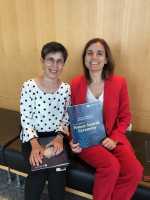 Dr. Graca Dores (left) and Dr. Perez-Vilar (senior author)[/caption]
Dr. Graca Dores MD MPH
US Food and Drug Administration
Center for Biologics Evaluation and Research
Office of Biostatistics and Epidemiology
Division of Epidemiology
Silver Spring, Maryland
Oklahoma City, OK
MedicalResearch.com: What is the background for this study? Would you briefly explain what Sipuleucel-T is used for?
Response: Sipuleucel-T was the first therapeutic vaccine approved by the U.S. Food and Drug Administration (FDA) in 2010. It is indicated for the treatment of asymptomatic or minimally symptomatic, metastatic, castration-resistant prostate cancer (CRPC; prostate cancer that spreads while an individual is on hormone-blocking therapy). During the preparation of this product, the patient’s cells are collected (leukapheresis), sent for processing to generate a dose of patient-specific vaccine, and then administered intravenously back to the patient. This process is repeated approximately every two weeks for a total of three doses.
Except for the pre-marketing clinical trials that were reviewed during the sipuleucel-T approval process, post-marketing studies that have evaluated the safety profile of sipuleucel-T are scarce. Therefore, we used the FDA’s Adverse Event Reporting System (FAERS) database to summarize the adverse events reported to FDA by industry, medical professionals, and consumers. We also assessed whether sipuleucel-T and specific adverse events (product-event pairs) were reported more than expected compared to all other drug/biologic-adverse event pairs in the FAERS database.
Dr. Graca Dores (left) and Dr. Perez-Vilar (senior author)[/caption]
Dr. Graca Dores MD MPH
US Food and Drug Administration
Center for Biologics Evaluation and Research
Office of Biostatistics and Epidemiology
Division of Epidemiology
Silver Spring, Maryland
Oklahoma City, OK
MedicalResearch.com: What is the background for this study? Would you briefly explain what Sipuleucel-T is used for?
Response: Sipuleucel-T was the first therapeutic vaccine approved by the U.S. Food and Drug Administration (FDA) in 2010. It is indicated for the treatment of asymptomatic or minimally symptomatic, metastatic, castration-resistant prostate cancer (CRPC; prostate cancer that spreads while an individual is on hormone-blocking therapy). During the preparation of this product, the patient’s cells are collected (leukapheresis), sent for processing to generate a dose of patient-specific vaccine, and then administered intravenously back to the patient. This process is repeated approximately every two weeks for a total of three doses.
Except for the pre-marketing clinical trials that were reviewed during the sipuleucel-T approval process, post-marketing studies that have evaluated the safety profile of sipuleucel-T are scarce. Therefore, we used the FDA’s Adverse Event Reporting System (FAERS) database to summarize the adverse events reported to FDA by industry, medical professionals, and consumers. We also assessed whether sipuleucel-T and specific adverse events (product-event pairs) were reported more than expected compared to all other drug/biologic-adverse event pairs in the FAERS database.
 Dr. Zhe-Xue Quan[/caption]
Zhe-Xue Quan, PhD
Ministry of Education Key Laboratory for Biodiversity Science and Ecological Engineering
Institute of Biodiversity Science
School of Life Sciences, Fudan University
Shanghai, China
MedicalResearch.com: What is the background for this study? What are the main findings?
Response: The maturation of skin microbial communities during childhood is important for the skin health of children and development of the immune system into adulthood. This necessitates a better characterization of the environmental and genetic factors influencing these microbiome dynamics.
We investigated the skin microbiota of children (158 subjects between 1 and 10 years old) and their mothers using 16S rRNA gene amplicon sequencing. Sample location and age were the primary factors determining a child’s skin bacterial composition. Relative abundances of Streptococcus and Granulicatella were negatively correlated with age, and the alpha diversity at all body sites examined increased during the first 10 years of life, especially on the face. The facial bacterial composition of 10-year-old children was strongly associated with delivery mode at birth.
Dr. Zhe-Xue Quan[/caption]
Zhe-Xue Quan, PhD
Ministry of Education Key Laboratory for Biodiversity Science and Ecological Engineering
Institute of Biodiversity Science
School of Life Sciences, Fudan University
Shanghai, China
MedicalResearch.com: What is the background for this study? What are the main findings?
Response: The maturation of skin microbial communities during childhood is important for the skin health of children and development of the immune system into adulthood. This necessitates a better characterization of the environmental and genetic factors influencing these microbiome dynamics.
We investigated the skin microbiota of children (158 subjects between 1 and 10 years old) and their mothers using 16S rRNA gene amplicon sequencing. Sample location and age were the primary factors determining a child’s skin bacterial composition. Relative abundances of Streptococcus and Granulicatella were negatively correlated with age, and the alpha diversity at all body sites examined increased during the first 10 years of life, especially on the face. The facial bacterial composition of 10-year-old children was strongly associated with delivery mode at birth.
 Dr. Visconti[/caption]
Dr Alessia Visconti, PhD
Department of Twin Research
King's College London,
London
MedicalResearch.com: What is the background for this study?
Response: We know from previous studies that the body site where melanoma skin
cancer develops varies according to sex, with men having melanoma more
often on the head, neck, and trunk, and women on the legs.
The body site where moles, a major risk factor for melanoma development,
are more abundant also varies according to sex, at least in childhood,
with boys having more moles on the head, neck, and trunk, and girls on
the legs.
Dr. Visconti[/caption]
Dr Alessia Visconti, PhD
Department of Twin Research
King's College London,
London
MedicalResearch.com: What is the background for this study?
Response: We know from previous studies that the body site where melanoma skin
cancer develops varies according to sex, with men having melanoma more
often on the head, neck, and trunk, and women on the legs.
The body site where moles, a major risk factor for melanoma development,
are more abundant also varies according to sex, at least in childhood,
with boys having more moles on the head, neck, and trunk, and girls on
the legs.
 Dr. Doubeni[/caption]
Dr. Chyke A. Doubeni, M.D., M.P.H.
Dr. Doubeni is a family physician and
The inaugural director of the Mayo Clinic Center for Health Equity and Community Engagement Research
MedicalResearch.com: What is the background for this study?
Response: The U.S. Preventive Services Task Force uses systematic review of existing research to make recommendations on clinical preventive services that are delivered in primary care, with the goal to promote and improve health for all Americans. Although pancreatic cancer is an uncommon condition in the general population, it is often deadly.
Pancreatic cancer is now the third most common cause of cancer death in the United States, and could become the second leading cause if current trends continue. The vast majority of people with pancreatic cancer are diagnosed at a late stage and, unfortunately, even when caught early enough when surgery could be most effective, only a little over one-third of patients survive beyond five years.
Dr. Doubeni[/caption]
Dr. Chyke A. Doubeni, M.D., M.P.H.
Dr. Doubeni is a family physician and
The inaugural director of the Mayo Clinic Center for Health Equity and Community Engagement Research
MedicalResearch.com: What is the background for this study?
Response: The U.S. Preventive Services Task Force uses systematic review of existing research to make recommendations on clinical preventive services that are delivered in primary care, with the goal to promote and improve health for all Americans. Although pancreatic cancer is an uncommon condition in the general population, it is often deadly.
Pancreatic cancer is now the third most common cause of cancer death in the United States, and could become the second leading cause if current trends continue. The vast majority of people with pancreatic cancer are diagnosed at a late stage and, unfortunately, even when caught early enough when surgery could be most effective, only a little over one-third of patients survive beyond five years.
 Dr. Yano[/caption]
Yuichiro Yano MD
Assistant Professor in Family Medicine and Community Health
Duke University
MedicalResearch.com: What is the background for this study? What are the main findings?
Response: African Americans are disproportionally affected by hypertension-related cardiovascular disease compared with other racial/ethnic groups in the United States and have higher blood pressure levels inside and outside the clinic than whites and Asians. However, little is known, among African Americans, regarding whether higher mean blood pressure measured outside of the clinic setting on 24-hour ambulatory blood pressure monitoring is associated with an increased risk for cardiovascular disease events, independent of blood pressure measured in the clinic setting.
Dr. Yano[/caption]
Yuichiro Yano MD
Assistant Professor in Family Medicine and Community Health
Duke University
MedicalResearch.com: What is the background for this study? What are the main findings?
Response: African Americans are disproportionally affected by hypertension-related cardiovascular disease compared with other racial/ethnic groups in the United States and have higher blood pressure levels inside and outside the clinic than whites and Asians. However, little is known, among African Americans, regarding whether higher mean blood pressure measured outside of the clinic setting on 24-hour ambulatory blood pressure monitoring is associated with an increased risk for cardiovascular disease events, independent of blood pressure measured in the clinic setting.
 Dr. Kaski[/caption]
Dr Juan Pablo Kaski MD(Res) FRCP FESC
Director of the GOSH Centre for Inherited Cardiovascular Diseases
Great Ormond Street Hospital,
University College London Institute of Cardiovascular Science,
London, UK
MedicalResearch.com: What is the background for this study? Would you briefly explain what is meant by Hypertrophic Cardiomyopathy?
Response: Hypertrophic cardiomyopathy (HCM) is a genetic condition characterised by abnormal thickening of the muscle of the heart and can affect people of all ages. It is associated with an increased risk of sudden cardiac death (SCD) and, in the last few years, a clinical risk tool that estimates the 5-year risk of SCD in adults with HCM has been developed.
However, there are no similar risk models in children, where risk stratification has traditionally been based on clinical risk factors extrapolated from the adult population. We have recently shown that this approach does not discriminate risk well in children, and so the aim of this study was to develop a new risk tool to provide an individualised risk of SCD in children with HCM.
Dr. Kaski[/caption]
Dr Juan Pablo Kaski MD(Res) FRCP FESC
Director of the GOSH Centre for Inherited Cardiovascular Diseases
Great Ormond Street Hospital,
University College London Institute of Cardiovascular Science,
London, UK
MedicalResearch.com: What is the background for this study? Would you briefly explain what is meant by Hypertrophic Cardiomyopathy?
Response: Hypertrophic cardiomyopathy (HCM) is a genetic condition characterised by abnormal thickening of the muscle of the heart and can affect people of all ages. It is associated with an increased risk of sudden cardiac death (SCD) and, in the last few years, a clinical risk tool that estimates the 5-year risk of SCD in adults with HCM has been developed.
However, there are no similar risk models in children, where risk stratification has traditionally been based on clinical risk factors extrapolated from the adult population. We have recently shown that this approach does not discriminate risk well in children, and so the aim of this study was to develop a new risk tool to provide an individualised risk of SCD in children with HCM.
 Matthew Trombley, Ph.D.
Associate/Scientist
Abt Associates
MedicalResearch.com: What is the background for this study?
Response: CMS developed the Accountable Care Organization
(ACO) Investment Model (AIM) as part of the Medicare Shared Savings Program (MSSP) to encourage the growth of ACOs in rural and underserved areas. The goal of our study was to see if AIM ACOs could successfully decrease Medicare spending in these areas.
Matthew Trombley, Ph.D.
Associate/Scientist
Abt Associates
MedicalResearch.com: What is the background for this study?
Response: CMS developed the Accountable Care Organization
(ACO) Investment Model (AIM) as part of the Medicare Shared Savings Program (MSSP) to encourage the growth of ACOs in rural and underserved areas. The goal of our study was to see if AIM ACOs could successfully decrease Medicare spending in these areas.
 XinQi Dong MD, MPH
Henry Rutgers Distinguished Professor of Population Health Sciences
Director of the Director of Institute for Health, Health Care Policy and Aging Research
Rutgers University
New Brunswick, NJ 08901
MedicalResearch.com: What is the background for this study? What are the main findings?
Response: This study was done among community-dwelling US Chinese older adults aged 60 and above living in the greater Chicago area. The baseline cohort consisted of 3,157 participants, and we followed up with them from 2011 to 2017. There were heterogeneities in the associations between the strictness of definitions and subtypes of elder mistreatment (EM) and yearly mortality.
XinQi Dong MD, MPH
Henry Rutgers Distinguished Professor of Population Health Sciences
Director of the Director of Institute for Health, Health Care Policy and Aging Research
Rutgers University
New Brunswick, NJ 08901
MedicalResearch.com: What is the background for this study? What are the main findings?
Response: This study was done among community-dwelling US Chinese older adults aged 60 and above living in the greater Chicago area. The baseline cohort consisted of 3,157 participants, and we followed up with them from 2011 to 2017. There were heterogeneities in the associations between the strictness of definitions and subtypes of elder mistreatment (EM) and yearly mortality.

This study adds another piece to the celiac puzzle, i.e. what main risk factors are involved in the devolpment of celiac disease...
 Prof. Kaufman[/caption]
Joel Kaufman, MD, MPH, Professor
Environmental & Occupational Health Sciences, Medicine, and Epidemiology
University of Washington
MedicalResearch.com: What is the background for this study? What are the main findings?
Response: Increasingly, it is recognized that chronic lung diseases like emphysema occur in nonsmokers and rates of these diseases are continuing to increase. We really need to understand what’s causing chronic lung disease. Air pollutants are known to make disease worse in people with prior lung disease, but little is known about whether long-term exposure to air pollutants can cause chronic lung disease.
We found that higher residential concentrations of air pollutants—especially ozone and traffic-related air pollutants—are associated with changes in the lung—emphysema-like changes in the lung. The associations were strong and suggest that air pollution may be an important contributor to chronic lung disease.
Prof. Kaufman[/caption]
Joel Kaufman, MD, MPH, Professor
Environmental & Occupational Health Sciences, Medicine, and Epidemiology
University of Washington
MedicalResearch.com: What is the background for this study? What are the main findings?
Response: Increasingly, it is recognized that chronic lung diseases like emphysema occur in nonsmokers and rates of these diseases are continuing to increase. We really need to understand what’s causing chronic lung disease. Air pollutants are known to make disease worse in people with prior lung disease, but little is known about whether long-term exposure to air pollutants can cause chronic lung disease.
We found that higher residential concentrations of air pollutants—especially ozone and traffic-related air pollutants—are associated with changes in the lung—emphysema-like changes in the lung. The associations were strong and suggest that air pollution may be an important contributor to chronic lung disease.

 Nicola Bondonno PhD
National Health and Medical Research Council Early Career Research Fellow
School of Medical and Health Sciences
Edith Cowan University
Joondalup Perth WA
MedicalResearch.com: What is the background for this study?
Response: In an aging society, there could be a huge importance in appropriate evidence-based diets to reduce mortality risk. Therefore, our main question was ‘do diets high in flavonoids reduce the risk of all-cause and cause-specific mortality and is this relationship affected by lifestyle risk factors for early mortality’?
In brief, this is the largest study of flavonoid intake and mortality outcomes to date. This population based cohort study was conducted in 56,048 men and women of the Danish Diet, Cancer, and Health Cohort, followed for 23 years, with estimated intakes of 219 individual flavonoid compounds. The results provide a clarity not seen in previous smaller, often underpowered studies.
Nicola Bondonno PhD
National Health and Medical Research Council Early Career Research Fellow
School of Medical and Health Sciences
Edith Cowan University
Joondalup Perth WA
MedicalResearch.com: What is the background for this study?
Response: In an aging society, there could be a huge importance in appropriate evidence-based diets to reduce mortality risk. Therefore, our main question was ‘do diets high in flavonoids reduce the risk of all-cause and cause-specific mortality and is this relationship affected by lifestyle risk factors for early mortality’?
In brief, this is the largest study of flavonoid intake and mortality outcomes to date. This population based cohort study was conducted in 56,048 men and women of the Danish Diet, Cancer, and Health Cohort, followed for 23 years, with estimated intakes of 219 individual flavonoid compounds. The results provide a clarity not seen in previous smaller, often underpowered studies.

 Dr. Emberson[/caption]
Jonathan Emberson, PhD
Associate Professor
(Medical Statistics and Epidemiology)
Deputy Director of Graduate Studies
Medical Research Council Population Health Research Unit
Clinical Trial Service Unit & Epidemiological Studies Unit
Nuffield Department Population Health
University of Oxford
MedicalResearch.com: What is the background for this study?
Response: Some previous studies had claimed that being overweight is not strongly associated with mortality in Hispanic populations (the ‘Hispanic paradox’). However, these studies had not accounted for the fact that while obesity makes diabetes and several other chronic diseases more common, these diseases may then result in substantial weight loss, thereby hiding the reason why those diseases arose in the first place.
Dr. Emberson[/caption]
Jonathan Emberson, PhD
Associate Professor
(Medical Statistics and Epidemiology)
Deputy Director of Graduate Studies
Medical Research Council Population Health Research Unit
Clinical Trial Service Unit & Epidemiological Studies Unit
Nuffield Department Population Health
University of Oxford
MedicalResearch.com: What is the background for this study?
Response: Some previous studies had claimed that being overweight is not strongly associated with mortality in Hispanic populations (the ‘Hispanic paradox’). However, these studies had not accounted for the fact that while obesity makes diabetes and several other chronic diseases more common, these diseases may then result in substantial weight loss, thereby hiding the reason why those diseases arose in the first place.
 Dr. Elmore[/caption]
Joann G. Elmore, MD, MPH
Professor of Medicine,
Director of the UCLA National Clinician Scholars Program
David Geffen School of Medicine at UCLA
MedicalResearch.com: What is the background for this study? What are the main findings?
Dr. Elmore[/caption]
Joann G. Elmore, MD, MPH
Professor of Medicine,
Director of the UCLA National Clinician Scholars Program
David Geffen School of Medicine at UCLA
MedicalResearch.com: What is the background for this study? What are the main findings?
 Dr. Duffy[/caption]
Erin L. Duffy, PhD, MPH
Adjunct Policy Researcher
RAND
MedicalResearch.com: What is the background for this study?
Response: A patient treated at a hospital in his or her insurer’s network may be involuntarily treated by out-of-network (OON) physicians. In these cases, the OON physician can seek to collect full billed charges from the patient’s insurer and, if the insurer does not pay the full amount, the physician can bill the patient for the remaining balance. These unexpected bills from out-of-network physicians are known as “surprise medical bills” and most result from anesthesiology, radiology, and pathology services.
California implemented a comprehensive policy (AB-72) addressing surprise medical billing for out-of-network nonemergency physician services at in-network hospitals in 2017 for patients in fully-insured health plans. AB-72 limits patients’ cost sharing to in-network levels, unless patients provide written consent to billing 24 hours in advance of services. Insurers and health plans pay out-of-network physicians at in-network hospitals the greater of the payer’s local average contracted rate or 125% of Medicare’s fee-for-service reimbursement rate.
Dr. Duffy[/caption]
Erin L. Duffy, PhD, MPH
Adjunct Policy Researcher
RAND
MedicalResearch.com: What is the background for this study?
Response: A patient treated at a hospital in his or her insurer’s network may be involuntarily treated by out-of-network (OON) physicians. In these cases, the OON physician can seek to collect full billed charges from the patient’s insurer and, if the insurer does not pay the full amount, the physician can bill the patient for the remaining balance. These unexpected bills from out-of-network physicians are known as “surprise medical bills” and most result from anesthesiology, radiology, and pathology services.
California implemented a comprehensive policy (AB-72) addressing surprise medical billing for out-of-network nonemergency physician services at in-network hospitals in 2017 for patients in fully-insured health plans. AB-72 limits patients’ cost sharing to in-network levels, unless patients provide written consent to billing 24 hours in advance of services. Insurers and health plans pay out-of-network physicians at in-network hospitals the greater of the payer’s local average contracted rate or 125% of Medicare’s fee-for-service reimbursement rate.
 Dr. Spadola[/caption]
Christine Spadola, M.S., LMHC, Ph.D.
Assistant Professor
Florida Atlantic University
Phyllis and Harvey Sandler School of Social Work
Boca Raton, FL 33431-0991
MedicalResearch.com: What is the background for this study? What are the main findings?
Response: Short sleep duration and sleep fragmentation are associated with adverse health outcomes including cardiovascular disease, diabetes, hypertension, certain cancers, and mental health challenges such as depression and anxiety. Avoiding the use of alcohol, caffeine, and nicotine close to bedtime represent modifiable behaviors that can improve sleep. Nonetheless, among community dwelling adults (e.g., adults in their natural bedroom environment as opposed to research laboratories) and specifically African Americans, there is a lack of longitudinal research investigating the use of these substances and the associations with objective measures of sleep..
Dr. Spadola[/caption]
Christine Spadola, M.S., LMHC, Ph.D.
Assistant Professor
Florida Atlantic University
Phyllis and Harvey Sandler School of Social Work
Boca Raton, FL 33431-0991
MedicalResearch.com: What is the background for this study? What are the main findings?
Response: Short sleep duration and sleep fragmentation are associated with adverse health outcomes including cardiovascular disease, diabetes, hypertension, certain cancers, and mental health challenges such as depression and anxiety. Avoiding the use of alcohol, caffeine, and nicotine close to bedtime represent modifiable behaviors that can improve sleep. Nonetheless, among community dwelling adults (e.g., adults in their natural bedroom environment as opposed to research laboratories) and specifically African Americans, there is a lack of longitudinal research investigating the use of these substances and the associations with objective measures of sleep..
 Dr. Kazemian[/caption]
Pooyan Kazemian, Ph.D.
Instructor in Medicine
Massachusetts General Hospital
MedicalResearch.com: What is the background for this study?
Response: Advances in diabetes care can meaningfully improve outcomes only if they effectively reach the populations at risk. However, it is not known if recent innovations in diabetes treatment and care models have reached the United States population at risk.
Dr. Kazemian[/caption]
Pooyan Kazemian, Ph.D.
Instructor in Medicine
Massachusetts General Hospital
MedicalResearch.com: What is the background for this study?
Response: Advances in diabetes care can meaningfully improve outcomes only if they effectively reach the populations at risk. However, it is not known if recent innovations in diabetes treatment and care models have reached the United States population at risk.

 Dr. Ushio[/caption]
Misti Ushio, Ph.D.
Chief Executive Officer
[caption id="attachment_50688" align="alignleft" width="125"]
Dr. Ushio[/caption]
Misti Ushio, Ph.D.
Chief Executive Officer
[caption id="attachment_50688" align="alignleft" width="125"] Dr. Graziano[/caption]
Michael Graziano, PhD
Chief Scientific Officer
TARA Biosystem
MedicalResearch.com: What is the background for this study?
Response: Almost half of all drug recalls are due to cardiac toxicity that was not picked up during early screens. These human cardiac liabilities can go undetected because historically it has been challenging to predict how human hearts will respond to potentially cardiotoxic drugs despite rigorous testing in both animals and in vitro systems throughout drug development. Traditional in vitro systems and animal models do not translate well to humans, and human donor tissue availability is limited for in vitro testing.
There is great potential for human-induced pluripotent stem cell cardiomyocytes (iPSC-CMs) to bridge this human translation gap, but it’s been a challenge to train these cells to recapitulate pharmacology seen in mature human heart cells.
This stems from the fact that existing experimental models utilize immature human iPSC-CMs which lack relevant physiological hallmarks of adult human cardiac muscle and therefore fail to predict drug responses seen in the clinic.
Dr. Graziano[/caption]
Michael Graziano, PhD
Chief Scientific Officer
TARA Biosystem
MedicalResearch.com: What is the background for this study?
Response: Almost half of all drug recalls are due to cardiac toxicity that was not picked up during early screens. These human cardiac liabilities can go undetected because historically it has been challenging to predict how human hearts will respond to potentially cardiotoxic drugs despite rigorous testing in both animals and in vitro systems throughout drug development. Traditional in vitro systems and animal models do not translate well to humans, and human donor tissue availability is limited for in vitro testing.
There is great potential for human-induced pluripotent stem cell cardiomyocytes (iPSC-CMs) to bridge this human translation gap, but it’s been a challenge to train these cells to recapitulate pharmacology seen in mature human heart cells.
This stems from the fact that existing experimental models utilize immature human iPSC-CMs which lack relevant physiological hallmarks of adult human cardiac muscle and therefore fail to predict drug responses seen in the clinic.
 Prof. Mechlenburg[/caption]
Prof. Inger Mechlenburg, PhD, DMSc
Orthopaedic Department, Aarhus University Hospital
Department of Clinical Medicine
Aarhus University
MedicalResearch.com: What is the background for this study? What are the main findings?
Response: Traditionally, displaced 2-part humerus fractures have been operatively treated using a metal plate and screws. However, there are no studies showing a benefit of operation of those fractures. Therefore, we were interested in investigating, in a direct comparison between operation and non-operative treatment, whether there was a difference in patient-reported function, pain and health-related quality of life two years after the fracture.
In this Nordic research collaboration http://nitep.eu/en/ between Finland, Sweden, Estonia and Denmark we showed that there is no difference in functional results between operative and non-operative treatment in persons aged 60 or more with displaced proximal humerus fractures.
In the study, only fractures with a significant displacement between bone fragments were included. In the non-operative treatment group, patients used a collar and cuff sling for three weeks and underwent instructed physiotherapy.
Prof. Mechlenburg[/caption]
Prof. Inger Mechlenburg, PhD, DMSc
Orthopaedic Department, Aarhus University Hospital
Department of Clinical Medicine
Aarhus University
MedicalResearch.com: What is the background for this study? What are the main findings?
Response: Traditionally, displaced 2-part humerus fractures have been operatively treated using a metal plate and screws. However, there are no studies showing a benefit of operation of those fractures. Therefore, we were interested in investigating, in a direct comparison between operation and non-operative treatment, whether there was a difference in patient-reported function, pain and health-related quality of life two years after the fracture.
In this Nordic research collaboration http://nitep.eu/en/ between Finland, Sweden, Estonia and Denmark we showed that there is no difference in functional results between operative and non-operative treatment in persons aged 60 or more with displaced proximal humerus fractures.
In the study, only fractures with a significant displacement between bone fragments were included. In the non-operative treatment group, patients used a collar and cuff sling for three weeks and underwent instructed physiotherapy.
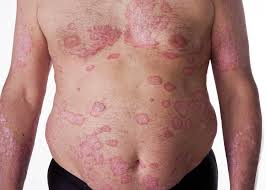
 Prof Ching-Chi Chi,[/caption]
Prof Ching-Chi Chi, MD, MMS, DPhil (Oxford)
Department of Dermatology
Chang Gung Memorial Hospital, Linkou
Taiwan
MedicalResearch.com: What is the background for this study?
Response: Psoriasis has been associated various inflammatory comorbidities including diabetes mellitus, coronary artery disease, etc. Moreover, obesity is prevalent among psoriasis patients and has been considered as an independent risk factor for occurrence and worsening of psoriasis by promoting systemic inflammation.
Notably, body weight (BW) gain of psoriasis patients after biologics use has been observed. However, there are inconsistent reports on whether biological therapy relates to BW gain.
Prof Ching-Chi Chi,[/caption]
Prof Ching-Chi Chi, MD, MMS, DPhil (Oxford)
Department of Dermatology
Chang Gung Memorial Hospital, Linkou
Taiwan
MedicalResearch.com: What is the background for this study?
Response: Psoriasis has been associated various inflammatory comorbidities including diabetes mellitus, coronary artery disease, etc. Moreover, obesity is prevalent among psoriasis patients and has been considered as an independent risk factor for occurrence and worsening of psoriasis by promoting systemic inflammation.
Notably, body weight (BW) gain of psoriasis patients after biologics use has been observed. However, there are inconsistent reports on whether biological therapy relates to BW gain.
 Nancy Niguidula, MS, DPH
Doctorate in Public Health in Toxicology
Ambry Genetics
MedicalResearch.com: What is the background for this study?
Response: The clinical presentations of many inherited cardiovascular conditions overlap; thus, genetic testing may clarify diagnoses, help with risk stratification, facilitate appropriate clinical management decisions, and aid in identifying asymptomatic, at-risk relatives. A large number of professional societies have developed practice guidelines and recommendations for genetic testing of cardiovascular diseases. These include international and collaborative expert panels that establish genetic screening and treatment recommendations by drawing on evidence-based medicine. To further strengthen the clinical utility of cardiovascular genetic testing, the American College of Medical Genetics and Genomics (ACMG) published a guideline for 59 genes with clinical actionability that should be reported if found on whole exome sequencing, even when unrelated to the testing indication.
Nancy Niguidula, MS, DPH
Doctorate in Public Health in Toxicology
Ambry Genetics
MedicalResearch.com: What is the background for this study?
Response: The clinical presentations of many inherited cardiovascular conditions overlap; thus, genetic testing may clarify diagnoses, help with risk stratification, facilitate appropriate clinical management decisions, and aid in identifying asymptomatic, at-risk relatives. A large number of professional societies have developed practice guidelines and recommendations for genetic testing of cardiovascular diseases. These include international and collaborative expert panels that establish genetic screening and treatment recommendations by drawing on evidence-based medicine. To further strengthen the clinical utility of cardiovascular genetic testing, the American College of Medical Genetics and Genomics (ACMG) published a guideline for 59 genes with clinical actionability that should be reported if found on whole exome sequencing, even when unrelated to the testing indication.
 Prof. Satchi-Fainaro[/caption]
Prof. Ronit Satchi-Fainaro, PhD
Head, Cancer Research and Nanomedicine Laboratory
Department of Physiology and Pharmacology,
Sackler Faculty of Medicine,
Tel Aviv University,
Tel-Aviv 69978, Israel
[caption id="attachment_50670" align="alignleft" width="116"]
Prof. Satchi-Fainaro[/caption]
Prof. Ronit Satchi-Fainaro, PhD
Head, Cancer Research and Nanomedicine Laboratory
Department of Physiology and Pharmacology,
Sackler Faculty of Medicine,
Tel Aviv University,
Tel-Aviv 69978, Israel
[caption id="attachment_50670" align="alignleft" width="116"] Prof. Florindo[/caption]
Prof. Helena Florindo, PhD
Head, BioNanoSciences – iMed.ULisboa
Faculty of Pharmacy,
University of Lisbon
Lisbon, Portugal
MedicalResearch.com: What are the main findings?
Response: The war against cancer in general, and melanoma in particular, has advanced over the years through a variety of treatment modalities, such as surgery, chemotherapy, radiation therapy and immunotherapy. The immune checkpoint inhibitors brought a breakthrough solution for advanced melanoma patients, but only a low percentage of those respond to this therapy, developing resistance and being affected by severe side effects. Despite the success of several vaccines against viral diseases, this success has not been materialized yet against cancer.
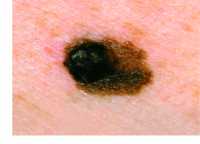
This study led by my lab at Tel Aviv University, and Helena Florindo’s lab at the University of Lisbon, describes the development of an effective nano-vaccine against melanoma, that also sensitizes the immune system to immunotherapies.
This nano-vaccine prevented melanoma, and also led to remarkable tumor inhibition and prolonged survival in mice already affected by this disease.
Prof. Florindo[/caption]
Prof. Helena Florindo, PhD
Head, BioNanoSciences – iMed.ULisboa
Faculty of Pharmacy,
University of Lisbon
Lisbon, Portugal
MedicalResearch.com: What are the main findings?
Response: The war against cancer in general, and melanoma in particular, has advanced over the years through a variety of treatment modalities, such as surgery, chemotherapy, radiation therapy and immunotherapy. The immune checkpoint inhibitors brought a breakthrough solution for advanced melanoma patients, but only a low percentage of those respond to this therapy, developing resistance and being affected by severe side effects. Despite the success of several vaccines against viral diseases, this success has not been materialized yet against cancer.
This study led by my lab at Tel Aviv University, and Helena Florindo’s lab at the University of Lisbon, describes the development of an effective nano-vaccine against melanoma, that also sensitizes the immune system to immunotherapies.
This nano-vaccine prevented melanoma, and also led to remarkable tumor inhibition and prolonged survival in mice already affected by this disease.