

 Dr. Guiahi[/caption]
Maryam Guiahi, MD
Associate Professor, Ob/Gyn
School of Medicine
University of Colorado
MedicalResearch.com: What is the background for this study?
Response: The United States Conference of Catholic Bishops expects providers in Catholic Health Care Facilities to follow the Ethical and Religious Directives for Catholic Health Care Services, which places limits on reproductive and end-of-life care.
Prior research has demonstrated that many patients do not anticipate religious health care restrictions, yet often face conflicts in care. We were interested in whether Catholic hospitals disclose their religious affiliation and explain to patients how this affiliation may impact the care they are offered.
Dr. Guiahi[/caption]
Maryam Guiahi, MD
Associate Professor, Ob/Gyn
School of Medicine
University of Colorado
MedicalResearch.com: What is the background for this study?
Response: The United States Conference of Catholic Bishops expects providers in Catholic Health Care Facilities to follow the Ethical and Religious Directives for Catholic Health Care Services, which places limits on reproductive and end-of-life care.
Prior research has demonstrated that many patients do not anticipate religious health care restrictions, yet often face conflicts in care. We were interested in whether Catholic hospitals disclose their religious affiliation and explain to patients how this affiliation may impact the care they are offered.

That said, we found no evidence that high calcium intake increased the risk of age-related macular degeneration...

 Dr. DIxon[/caption]
Peter R. Dixon, MD
Department of Otolaryngology-Head & Neck Surgery
Institute of Health Policy, Management and Evaluation
University of Toronto
Toronto, Ontario, Canada
MedicalResearch.com: What is the background for this study?
Response: The word ‘cancer’ is often associated with an aggressive and lethal disease. Innovations in screening and diagnostic tests detect some ‘cancers’ that -- even if left untreated -- pose very low-risk of any symptoms, progression, or mortality. Still, many of these low-risk cancers are treated aggressively and those treatments can have harmful consequences and side-effects.
We were interested in determining how influential the word ‘cancer’ is in decisions made by patients about low-risk malignant neoplasms relative to other labels for the same disease.
Dr. DIxon[/caption]
Peter R. Dixon, MD
Department of Otolaryngology-Head & Neck Surgery
Institute of Health Policy, Management and Evaluation
University of Toronto
Toronto, Ontario, Canada
MedicalResearch.com: What is the background for this study?
Response: The word ‘cancer’ is often associated with an aggressive and lethal disease. Innovations in screening and diagnostic tests detect some ‘cancers’ that -- even if left untreated -- pose very low-risk of any symptoms, progression, or mortality. Still, many of these low-risk cancers are treated aggressively and those treatments can have harmful consequences and side-effects.
We were interested in determining how influential the word ‘cancer’ is in decisions made by patients about low-risk malignant neoplasms relative to other labels for the same disease.
 Dr. Blomström-Lundqvist[/caption]
Dr. Carina Blomström-Lundqvist, MD
Professor of Cardiology
Department of Cardioloy
Institution of Medical Science
Uppsala, Sweden
MedicalResearch.com: What is the background for this study?
Response: While all previous trials comparing atrial fibrillation (AF) ablation and antiarrhythmic drugs to our best knowledge have evaluated the efficacy of these treatments in terms of atrial fibrillation (AF) recurrences (with an AF episode of 30 seconds duration as standard primary endpoint) we wanted to use quality of Life (QoL) - general health - as primary endpoint, since the indication for treatment is improving QoL.
This was important since, despite the fact that the indication for treatment is to improve (QoL) and reduce symptom, all prior trials have used 30 seconds AF episodes as standard primary endpoint, which if occurred it would be defined as a failed treatment.
We also wanted to assess effects on various clinical outcome events.
We know from registries such as ORBIT AF registry that around 60 % of AF patients have symptoms resulting in repeated hospitalisation visits in at least 30-40% of patients annually, and that only around 5 % of the AF population are being referred for AF ablation.
Previous trials have used intermittent 24 hours Holter recordings whioch does not give the true AF burden (% of time in AF). We therefore also wanted to assess and compare treatments effects on true AF burden by implanting an implantable cardiac monitor (ICM) which continuosly records the heart rhythm. We would then be able to prove that improvement in QoL was directly related to a reduction in AF burden and that treatment differences in QoL was related to a difference in reduction in AF burden.
We also wanted to study an AF population in their early AF disease state so that we could offer atrial fibrillation ablation to a broader AF population before their atria have become remodelled and too damaged for a pulmonary vein isolation to be effective.
Dr. Blomström-Lundqvist[/caption]
Dr. Carina Blomström-Lundqvist, MD
Professor of Cardiology
Department of Cardioloy
Institution of Medical Science
Uppsala, Sweden
MedicalResearch.com: What is the background for this study?
Response: While all previous trials comparing atrial fibrillation (AF) ablation and antiarrhythmic drugs to our best knowledge have evaluated the efficacy of these treatments in terms of atrial fibrillation (AF) recurrences (with an AF episode of 30 seconds duration as standard primary endpoint) we wanted to use quality of Life (QoL) - general health - as primary endpoint, since the indication for treatment is improving QoL.
This was important since, despite the fact that the indication for treatment is to improve (QoL) and reduce symptom, all prior trials have used 30 seconds AF episodes as standard primary endpoint, which if occurred it would be defined as a failed treatment.
We also wanted to assess effects on various clinical outcome events.
We know from registries such as ORBIT AF registry that around 60 % of AF patients have symptoms resulting in repeated hospitalisation visits in at least 30-40% of patients annually, and that only around 5 % of the AF population are being referred for AF ablation.
Previous trials have used intermittent 24 hours Holter recordings whioch does not give the true AF burden (% of time in AF). We therefore also wanted to assess and compare treatments effects on true AF burden by implanting an implantable cardiac monitor (ICM) which continuosly records the heart rhythm. We would then be able to prove that improvement in QoL was directly related to a reduction in AF burden and that treatment differences in QoL was related to a difference in reduction in AF burden.
We also wanted to study an AF population in their early AF disease state so that we could offer atrial fibrillation ablation to a broader AF population before their atria have become remodelled and too damaged for a pulmonary vein isolation to be effective.
 Dr. Geronemus[/caption]
Roy G. Geronemus, M.D.
Director, Laser & Skin Surgery Center of New York
Clinical Professor of Dermatology
New York University Medical Center
New York, NY 10016
MedicalResearch.com: What is the background for this study? What are the main findings?
Response: We made the observation in clinical practice that port wine stain birthmarks can be safely and effectively treated in early infancy without the need for general anesthesia. This observation is particularly important because of the FDA warnings regarding multiple exposures to general anesthesia under the age of 3 and the potential impact on neurocognitive development as these patients require multiple treatments.
Dr. Geronemus[/caption]
Roy G. Geronemus, M.D.
Director, Laser & Skin Surgery Center of New York
Clinical Professor of Dermatology
New York University Medical Center
New York, NY 10016
MedicalResearch.com: What is the background for this study? What are the main findings?
Response: We made the observation in clinical practice that port wine stain birthmarks can be safely and effectively treated in early infancy without the need for general anesthesia. This observation is particularly important because of the FDA warnings regarding multiple exposures to general anesthesia under the age of 3 and the potential impact on neurocognitive development as these patients require multiple treatments.

 Dr. Leung[/caption]
Alexander A. Leung, MD, MPH
Department of Community Health Sciences
Department of Medicine
University of Calgary
Calgary, Alberta, Canada
MedicalResearch.com: What is the background for this study?
Response: The 2017 American College of Cardiology and American Heart Association (ACC/AHA) blood pressure guidelines redefined hypertension according to a blood pressure cutoff of ≥130/80 mm Hg, compared to the traditional cutoff of ≥140/90 mm Hg.
Dr. Leung[/caption]
Alexander A. Leung, MD, MPH
Department of Community Health Sciences
Department of Medicine
University of Calgary
Calgary, Alberta, Canada
MedicalResearch.com: What is the background for this study?
Response: The 2017 American College of Cardiology and American Heart Association (ACC/AHA) blood pressure guidelines redefined hypertension according to a blood pressure cutoff of ≥130/80 mm Hg, compared to the traditional cutoff of ≥140/90 mm Hg.
 Dr. Chawes[/caption]
Bo Chawes, MD, PhD, DMSc
Associate Professor
Copenhagen Prospective Studies on Asthma in Childhood
Herlev and Gentofte Hospital
University of Copenhagen
MedicalResearch.com: What is the background for this study? What are the main findings?
Response: There has been a global surge in vitamin D deficiency happening in parallel with an increase in prevalence of childhood asthma, which suggests that low maternal vitamin D levels during pregnancy may increase asthma risk in the child.
Due to that we conducted a randomized double-blinded controlled trial within the Danish COPSAC2010 cohort (www.copsac.com) of 7-fold (2,800 IU/d) vs. standard dose (400 IU/d) of vitamin D supplementation from pregnancy week 24 aiming to reduce offspring asthma risk. At age 3, we observed a non-significant 24% reduced risk of recurrent asthma-like symptoms, ie. recurrent wheeze, in the high-dose vitamin D group. In the current study, we followed 545 of the 581 children in the study till age 6, where an asthma diagnosis can be established and observed no effect of the high-dose vitamin D supplement on the child's risk of asthma.
Dr. Chawes[/caption]
Bo Chawes, MD, PhD, DMSc
Associate Professor
Copenhagen Prospective Studies on Asthma in Childhood
Herlev and Gentofte Hospital
University of Copenhagen
MedicalResearch.com: What is the background for this study? What are the main findings?
Response: There has been a global surge in vitamin D deficiency happening in parallel with an increase in prevalence of childhood asthma, which suggests that low maternal vitamin D levels during pregnancy may increase asthma risk in the child.
Due to that we conducted a randomized double-blinded controlled trial within the Danish COPSAC2010 cohort (www.copsac.com) of 7-fold (2,800 IU/d) vs. standard dose (400 IU/d) of vitamin D supplementation from pregnancy week 24 aiming to reduce offspring asthma risk. At age 3, we observed a non-significant 24% reduced risk of recurrent asthma-like symptoms, ie. recurrent wheeze, in the high-dose vitamin D group. In the current study, we followed 545 of the 581 children in the study till age 6, where an asthma diagnosis can be established and observed no effect of the high-dose vitamin D supplement on the child's risk of asthma.

 Dr. Rhee[/caption]
Chanu Rhee, MD,MPH
Assistant Professor of Population Medicine
Harvard Medical School / Harvard Pilgrim Health Care Institute
Assistant Hospital Epidemiologist
Brigham and Women’s Hospital
MedicalResearch.com: What is the background for this study?
Response: Sepsis is the body’s reaction to a serious infection that results a cascade of inflammation in the body and organ dysfunction, such as low blood pressure, confusion, or failure of the lungs, kidneys, or liver. Sepsis is a major cause of death, disability, and cost in the U.S. and around the world. Growing recognition of this problem has led to numerous sepsis performance improvement initiatives in hospitals around the country. Some of these efforts have also been catalyzed by high-profile tragic cases of missed sepsis leading to death, which may have contributed to a perception that most sepsis deaths are preventable if doctors and hospitals were only better at recognizing it.
However, the extent to which sepsis-related deaths might be preventable with better hospital-based care is unknown. In my own experience as a critical care physician, a lot of sepsis patients we treat are extremely sick and even when they receive timely and optimal medical care, many do not survive. This led myself and my colleagues to conduct this study to better understand what types of patients are dying from sepsis and how preventable these deaths might be.
Dr. Rhee[/caption]
Chanu Rhee, MD,MPH
Assistant Professor of Population Medicine
Harvard Medical School / Harvard Pilgrim Health Care Institute
Assistant Hospital Epidemiologist
Brigham and Women’s Hospital
MedicalResearch.com: What is the background for this study?
Response: Sepsis is the body’s reaction to a serious infection that results a cascade of inflammation in the body and organ dysfunction, such as low blood pressure, confusion, or failure of the lungs, kidneys, or liver. Sepsis is a major cause of death, disability, and cost in the U.S. and around the world. Growing recognition of this problem has led to numerous sepsis performance improvement initiatives in hospitals around the country. Some of these efforts have also been catalyzed by high-profile tragic cases of missed sepsis leading to death, which may have contributed to a perception that most sepsis deaths are preventable if doctors and hospitals were only better at recognizing it.
However, the extent to which sepsis-related deaths might be preventable with better hospital-based care is unknown. In my own experience as a critical care physician, a lot of sepsis patients we treat are extremely sick and even when they receive timely and optimal medical care, many do not survive. This led myself and my colleagues to conduct this study to better understand what types of patients are dying from sepsis and how preventable these deaths might be.
 Dr. Garmendia[/caption]
Craig Alexander Garmendia, PhD
Office of Bioresearch Monitoring Operations
Office of Regulatory Affairs
US Food and Drug Administration
Miami, Florida
MedicalResearch.com: What is the background for this study? What are the main findings?
Response: Clinical trials under the U.S. Food and Drug Administration’s (FDA) purview have been shown to suffer from falsified data. While the FDA warns researchers when falsified data are discovered, these data still make their way into medical literature.
In this novel study, Dr. Garmendia and colleagues conducted a systematic review to examine the effects of publications containing falsified data on meta-analyses using sensitivity analyses. Almost half of all meta-analyses had conclusions altered by publications containing falsified data, while nearly one-third of all analyses had considerable changes in outcomes.
Dr. Garmendia[/caption]
Craig Alexander Garmendia, PhD
Office of Bioresearch Monitoring Operations
Office of Regulatory Affairs
US Food and Drug Administration
Miami, Florida
MedicalResearch.com: What is the background for this study? What are the main findings?
Response: Clinical trials under the U.S. Food and Drug Administration’s (FDA) purview have been shown to suffer from falsified data. While the FDA warns researchers when falsified data are discovered, these data still make their way into medical literature.
In this novel study, Dr. Garmendia and colleagues conducted a systematic review to examine the effects of publications containing falsified data on meta-analyses using sensitivity analyses. Almost half of all meta-analyses had conclusions altered by publications containing falsified data, while nearly one-third of all analyses had considerable changes in outcomes.
 Dr. Barnes[/caption]
Geoffrey Barnes, MD, MSc
Assistant Professor
Vascular and Cardiovascular Medicine
University of Michigan
MedicalResearch.com: What is the background for this study? What are the main findings?
Response: Both aspirin and warfarin are commonly used medications meant to prevent thrombotic complications, but might increase rates of bleeding complications.
We used a multi-center anticoagulation collaborative to explore how often patients being treated with warfarin were also taking aspirin but without a clear indication. We found that more than one-third (37.5%) of warfarin-treated patients without a clear reason for aspirin therapy were receiving aspirin. And these patients on both warfarin and aspirin experienced higher rates of bleeding and emergency department visits for bleeding than the patients taking warfarin alone. There were no differences in the rate of thrombotic events between the patients taking warfarin alone or those taking warfarin plus aspirin.
Dr. Barnes[/caption]
Geoffrey Barnes, MD, MSc
Assistant Professor
Vascular and Cardiovascular Medicine
University of Michigan
MedicalResearch.com: What is the background for this study? What are the main findings?
Response: Both aspirin and warfarin are commonly used medications meant to prevent thrombotic complications, but might increase rates of bleeding complications.
We used a multi-center anticoagulation collaborative to explore how often patients being treated with warfarin were also taking aspirin but without a clear indication. We found that more than one-third (37.5%) of warfarin-treated patients without a clear reason for aspirin therapy were receiving aspirin. And these patients on both warfarin and aspirin experienced higher rates of bleeding and emergency department visits for bleeding than the patients taking warfarin alone. There were no differences in the rate of thrombotic events between the patients taking warfarin alone or those taking warfarin plus aspirin.
 Dr. Alenghat[/caption]
Francis Alenghat, MD, PhD
Assistant Professor of Medicine
Section of Cardiology
University of Chicago
MedicalResearch.com: What is the background for this study? What are the main findings?
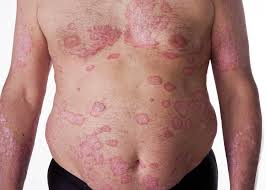
Response: Psoriasis has been associated with higher rates of atherosclerotic cardiovascular disease (ASCVD), potentially due to higher-than-normal levels of systemic inflammation. Whether this association varies by race was unknown. Also, it was unclear whether patients with psoriasis have more frequent ASCVD because of higher rates of traditional cardiovascular risk factors (smoking, diabetes, hypertension, hyperlipidemia) or because of components intrinsic to psoriasis itself.
We found that, amongst a large population of patients with psoriasis, patients of both sexes and most ages had elevated ASCVD rates compared to those without psoriasis. Overall, African American patients with psoriasis had a 15% ASCVD prevalence, whereas it was 10% in white patients with psoriasis. Increased ASCVD associated with psoriasis occurred at earlier ages in African American patients compared to white patients.
Traditional cardiovascular risk factors were common in patients with psoriasis and appeared to play a large role in the driving the higher rates of ASCVD in these patients, but even in patients with psoriasis but without any documented traditional risk factors, ASCVD rates were elevated compared to patients without psoriasis.
Dr. Alenghat[/caption]
Francis Alenghat, MD, PhD
Assistant Professor of Medicine
Section of Cardiology
University of Chicago
MedicalResearch.com: What is the background for this study? What are the main findings?
Response: Psoriasis has been associated with higher rates of atherosclerotic cardiovascular disease (ASCVD), potentially due to higher-than-normal levels of systemic inflammation. Whether this association varies by race was unknown. Also, it was unclear whether patients with psoriasis have more frequent ASCVD because of higher rates of traditional cardiovascular risk factors (smoking, diabetes, hypertension, hyperlipidemia) or because of components intrinsic to psoriasis itself.
We found that, amongst a large population of patients with psoriasis, patients of both sexes and most ages had elevated ASCVD rates compared to those without psoriasis. Overall, African American patients with psoriasis had a 15% ASCVD prevalence, whereas it was 10% in white patients with psoriasis. Increased ASCVD associated with psoriasis occurred at earlier ages in African American patients compared to white patients.
Traditional cardiovascular risk factors were common in patients with psoriasis and appeared to play a large role in the driving the higher rates of ASCVD in these patients, but even in patients with psoriasis but without any documented traditional risk factors, ASCVD rates were elevated compared to patients without psoriasis.

 Dr. Bauer[/caption]
Mark S. Bauer, M.D.
Professor of Psychiatry, Emeritus
Harvard Medical School
Center for Healthcare Organization and Implementation Research
VA Boston Healthcare System-152M
Boston, MA 02130
MedicalResearch.com: What is the background for this study? What are the main findings?
Response: Collaborative Chronic Care Models (CCMs) have extensive evidence for their effectiveness in a wide variety of mental health conditions. CCMs are frameworks of care that include several or all of the following six elements: work role redesign for anticipatory, continuous care; self-management support for individuals in treatment; provider decision support; information system support for population-based and measurement-guided care; linkage to community resources; and organization and leadership support.
However, evidence for Collaborative Chronic Care Model effectiveness comes almost exclusively from highly structured clinical trials. Little is known about whether CCMs can be implemented in general clinical practice settings, and the implementation evidence that does exist derives primarily from studies of the CCM used in primary care settings to treat depression.
We conducted a randomized, stepped wedge implementation trial using implementation facilitation to establish CCMs in general mental health teams in nine US Department of Veterans Affairs medical centers.
We found that establishing Collaborative Chronic Care Models was associated with reduced mental health hospitalization rates and, for individuals with complex clinical presentations, improvements in mental health status. Additionally, standardized assessment of team clinicians indicated that facilitation improved clinician role clarity and increased focus on team goals.
Dr. Bauer[/caption]
Mark S. Bauer, M.D.
Professor of Psychiatry, Emeritus
Harvard Medical School
Center for Healthcare Organization and Implementation Research
VA Boston Healthcare System-152M
Boston, MA 02130
MedicalResearch.com: What is the background for this study? What are the main findings?
Response: Collaborative Chronic Care Models (CCMs) have extensive evidence for their effectiveness in a wide variety of mental health conditions. CCMs are frameworks of care that include several or all of the following six elements: work role redesign for anticipatory, continuous care; self-management support for individuals in treatment; provider decision support; information system support for population-based and measurement-guided care; linkage to community resources; and organization and leadership support.
However, evidence for Collaborative Chronic Care Model effectiveness comes almost exclusively from highly structured clinical trials. Little is known about whether CCMs can be implemented in general clinical practice settings, and the implementation evidence that does exist derives primarily from studies of the CCM used in primary care settings to treat depression.
We conducted a randomized, stepped wedge implementation trial using implementation facilitation to establish CCMs in general mental health teams in nine US Department of Veterans Affairs medical centers.
We found that establishing Collaborative Chronic Care Models was associated with reduced mental health hospitalization rates and, for individuals with complex clinical presentations, improvements in mental health status. Additionally, standardized assessment of team clinicians indicated that facilitation improved clinician role clarity and increased focus on team goals.
 Dr. Parish[/caption]
Sarah Parish, MSc, DPhil
Professor of Medical Statistics and Epidemiology
MRC Population Health Research Unit
Nuffield Department of Population Health
University of Oxford
MedicalResearch.com: What is the background for this study?
Response: Acquiring reliable randomized evidence of the effects of cardiovascular interventions on cognitive decline is a priority. In this secondary analysis of 3 randomized intervention trials of cardiovascular event prevention, including 45 029 participants undergoing cognitive testing, we estimated the association of the avoidance of vascular events with differences in cognitive function in order to understand whether reports of non-significant results exclude worthwhile benefit.
Dr. Parish[/caption]
Sarah Parish, MSc, DPhil
Professor of Medical Statistics and Epidemiology
MRC Population Health Research Unit
Nuffield Department of Population Health
University of Oxford
MedicalResearch.com: What is the background for this study?
Response: Acquiring reliable randomized evidence of the effects of cardiovascular interventions on cognitive decline is a priority. In this secondary analysis of 3 randomized intervention trials of cardiovascular event prevention, including 45 029 participants undergoing cognitive testing, we estimated the association of the avoidance of vascular events with differences in cognitive function in order to understand whether reports of non-significant results exclude worthwhile benefit.
 Alvaro San-Juan-Rodriguez[/caption]
Alvaro San-Juan-Rodriguez, PharmD
Pharmacoeconomics, Outcomes and Pharmacoanalytics Research Fellow
Pharmacy and Therapeutics
School of Pharmacy
University of Pittsburgh
MedicalResearch.com: What are the main findings?
Response: Currently, there are 4 antidementia drugs approved by the FDA for the treatment of Alzheimer’s disease, including 3 acetylcholinesterase inhibitors (AChEIs)—donepezil, rivastigmine, and galantamine—and the N-methyl-D-aspartic receptor antagonist memantine. On the one hand, evidence about the effect of these drugs at delaying nursing home admission is still sparse and conflicting. On the other, all these antidementia medications have been associated with several cardiovascular side effects, such as bradycardia, ventricular tachycardia, syncope, QT interval prolongation, atrioventricular block or even myocardial infarction.
In this study, we aimed to compare time to nursing home admission and time to cardiovascular side effects across all drug therapies available for the treatment of Alzheimer’s disease. In doing so, we used 2006-2014 medical and pharmacy claims data from Medicare Part D beneficiaries with a new diagnosis Alzheimer’s disease who initiated antidementia drug therapy.
Alvaro San-Juan-Rodriguez[/caption]
Alvaro San-Juan-Rodriguez, PharmD
Pharmacoeconomics, Outcomes and Pharmacoanalytics Research Fellow
Pharmacy and Therapeutics
School of Pharmacy
University of Pittsburgh
MedicalResearch.com: What are the main findings?
Response: Currently, there are 4 antidementia drugs approved by the FDA for the treatment of Alzheimer’s disease, including 3 acetylcholinesterase inhibitors (AChEIs)—donepezil, rivastigmine, and galantamine—and the N-methyl-D-aspartic receptor antagonist memantine. On the one hand, evidence about the effect of these drugs at delaying nursing home admission is still sparse and conflicting. On the other, all these antidementia medications have been associated with several cardiovascular side effects, such as bradycardia, ventricular tachycardia, syncope, QT interval prolongation, atrioventricular block or even myocardial infarction.
In this study, we aimed to compare time to nursing home admission and time to cardiovascular side effects across all drug therapies available for the treatment of Alzheimer’s disease. In doing so, we used 2006-2014 medical and pharmacy claims data from Medicare Part D beneficiaries with a new diagnosis Alzheimer’s disease who initiated antidementia drug therapy.
 Dr. Tammemägi[/caption]
Martin C. Tammemägi PhD
Senior Scientist
Cancer Care Ontario | Prevention & Cancer Control
Scientific Lead
Lung Cancer Screening Pilot for People at High Risk
Professor (Epidemiology) | Brock University Department of Health Sciences
Ontario, Canada
MedicalResearch.com: What is the background for this study?
Response: Some prediction models can accurately predict lung cancer risk (probability of developing lung cancer during a specified time). Good model predictors include sociodemographic, medical and exposure variables. In recent years, low dose computed tomography (LDCT) lung cancer screening has become widespread in trials, pilots, demonstration studies, and public health practice.
It appears that screening results provides added valuable, independent predictive information regarding future lung cancer risk, aside from the lung cancers directly detected from the diagnostic investigations resulting from positive screens.
Dr. Tammemägi[/caption]
Martin C. Tammemägi PhD
Senior Scientist
Cancer Care Ontario | Prevention & Cancer Control
Scientific Lead
Lung Cancer Screening Pilot for People at High Risk
Professor (Epidemiology) | Brock University Department of Health Sciences
Ontario, Canada
MedicalResearch.com: What is the background for this study?
Response: Some prediction models can accurately predict lung cancer risk (probability of developing lung cancer during a specified time). Good model predictors include sociodemographic, medical and exposure variables. In recent years, low dose computed tomography (LDCT) lung cancer screening has become widespread in trials, pilots, demonstration studies, and public health practice.
It appears that screening results provides added valuable, independent predictive information regarding future lung cancer risk, aside from the lung cancers directly detected from the diagnostic investigations resulting from positive screens.
 Mr. Badgery-Parker[/caption]
Mr. Tim Badgery-Parker ELS, BSc(Hons), MBiostat
Research Fellow,Value in Health Care Division
Menzies Centre for Health Policy
MedicalResearch.com: What is the background for this study?
Response: This is part of a large program of work at the Menzies Centre for Health Policy on low-value care in the Australian health system. We have previously published rates of low-value care in public hospitals in Australia’s most populous state, New South Wales, and a report on rates in the Australian private health insurance population is due for publication shortly. We have also done similar analyses for other Australian state health systems.
This particular paper extends the basic measurement work to focus on what we call the ‘cascade’ effects. That is, looking beyond how much low-value care occurs to examine the consequence for patients and the health system of providing these low-value procedures.
Mr. Badgery-Parker[/caption]
Mr. Tim Badgery-Parker ELS, BSc(Hons), MBiostat
Research Fellow,Value in Health Care Division
Menzies Centre for Health Policy
MedicalResearch.com: What is the background for this study?
Response: This is part of a large program of work at the Menzies Centre for Health Policy on low-value care in the Australian health system. We have previously published rates of low-value care in public hospitals in Australia’s most populous state, New South Wales, and a report on rates in the Australian private health insurance population is due for publication shortly. We have also done similar analyses for other Australian state health systems.
This particular paper extends the basic measurement work to focus on what we call the ‘cascade’ effects. That is, looking beyond how much low-value care occurs to examine the consequence for patients and the health system of providing these low-value procedures.
 Dr. Greenhawt[/caption]
Dr. Matthew Greenhawt
Director, Food Challenge and Research Unit
Children’s Hospital Colorado
MedicalResearch.com: What is the background for this study?
Response: In the US, nearly one million children suffer from a peanut allergy and severe reactions to food allergens are not uncommon – yet there is significant unmet need in the food allergy immunotherapy space, as there are no currently approved treatment options. That being said, we are encouraged by the efficacy and safety data, which support Viaskin Peanut as a convenient and well-tolerated potential treatment option for the peanut allergy.
In the pivotal Phase III clinical trial (PEPITES) just published in The Journal of the American Medical Association (JAMA), Viaskin Peanut – the first epicutaneous immunotherapy (EPIT) in development that leverages the skin to activate the immune system – provided statistically significant desensitization in peanut-allergic children ages 4-11 years old. Patients who were treated with active therapy were more likely to have increased their eliciting dose to peanut (the amount of peanut protein ingested before an objective allergic reaction was seen during a double-blind, placebo-controlled food challenge) by a required amount as compared to patients treated with a placebo patch. The improvement suggests a reduced risk of allergic reaction to accidental peanut ingestion in the group treated with Viaskin Peanut, with no change seen in the placebo group.
Dr. Greenhawt[/caption]
Dr. Matthew Greenhawt
Director, Food Challenge and Research Unit
Children’s Hospital Colorado
MedicalResearch.com: What is the background for this study?
Response: In the US, nearly one million children suffer from a peanut allergy and severe reactions to food allergens are not uncommon – yet there is significant unmet need in the food allergy immunotherapy space, as there are no currently approved treatment options. That being said, we are encouraged by the efficacy and safety data, which support Viaskin Peanut as a convenient and well-tolerated potential treatment option for the peanut allergy.
In the pivotal Phase III clinical trial (PEPITES) just published in The Journal of the American Medical Association (JAMA), Viaskin Peanut – the first epicutaneous immunotherapy (EPIT) in development that leverages the skin to activate the immune system – provided statistically significant desensitization in peanut-allergic children ages 4-11 years old. Patients who were treated with active therapy were more likely to have increased their eliciting dose to peanut (the amount of peanut protein ingested before an objective allergic reaction was seen during a double-blind, placebo-controlled food challenge) by a required amount as compared to patients treated with a placebo patch. The improvement suggests a reduced risk of allergic reaction to accidental peanut ingestion in the group treated with Viaskin Peanut, with no change seen in the placebo group.

 Dr. Kuan-Pin Su[/caption]
Kuan-Pin Su, MD, PhD
China Medical University
Taichung, Taiwan
MedicalResearch.com: What is the background for this study? What are the main findings?
Response: Delirium, also known as acute confusional state, is a serious disturbance in mental abilities that results in confused thinking and reduced awareness of the environment. Delirium can often be traced to one or more contributing factors, such as a severe or chronic illness, changes in metabolic balance (such as low sodium), medication, infection, surgery, or alcohol or drug intoxication or withdrawal. It’s critically important to identify and treat delirium because some of the contributing factors could be life-threatening. However, there is no sufficient evidence for choice of medication to treat or prevent the symptoms of delirium.
A recent paper, Association of Delirium Response and Safety of Pharmacological Interventions for the Management and Prevention of Delirium A Network Meta-analysis, published in JAMA Psychiatry provides important findings of this missing piece in that important clinical uncertainty. The leading author, Professor Kuan-Pin Su, at the China Medical University in Taichung, Taiwan, concludes the main finding about treatment/prevention of delirium: “In this report, we found that the combination of haloperidol and lorazepam demonstrated the best option for treatment of delirium, while ramelteon for prevention against delirium.
Dr. Kuan-Pin Su[/caption]
Kuan-Pin Su, MD, PhD
China Medical University
Taichung, Taiwan
MedicalResearch.com: What is the background for this study? What are the main findings?
Response: Delirium, also known as acute confusional state, is a serious disturbance in mental abilities that results in confused thinking and reduced awareness of the environment. Delirium can often be traced to one or more contributing factors, such as a severe or chronic illness, changes in metabolic balance (such as low sodium), medication, infection, surgery, or alcohol or drug intoxication or withdrawal. It’s critically important to identify and treat delirium because some of the contributing factors could be life-threatening. However, there is no sufficient evidence for choice of medication to treat or prevent the symptoms of delirium.
A recent paper, Association of Delirium Response and Safety of Pharmacological Interventions for the Management and Prevention of Delirium A Network Meta-analysis, published in JAMA Psychiatry provides important findings of this missing piece in that important clinical uncertainty. The leading author, Professor Kuan-Pin Su, at the China Medical University in Taichung, Taiwan, concludes the main finding about treatment/prevention of delirium: “In this report, we found that the combination of haloperidol and lorazepam demonstrated the best option for treatment of delirium, while ramelteon for prevention against delirium.
 Dr. Harbaugh[/caption]
Calista Harbaugh, MD
House Officer, General Surgery
Clinician Scholar, National Clinician Scholars Program
Research Fellow
Michigan Opioid Prescribing Engagement Network
University of Michigan
MedicalResearch.com: What is the background for this study? What are the main findings?
Response: Nonmedical prescription opioid use and prescription opioid-related overdose remain significant concerns among adolescents and young adults. Among adolescents and young adults prescribed an opioid after surgery, prior work found that 4.8% of opioid-naïve patients develop new persistent use, filling additional opioid prescriptions at 3-6 months after surgery. This work found associations of persistent use with diagnoses such as chronic pain disorders, depression, anxiety, and prior substance use disorder. It is likely that for young patients, family members may also play an important role in development of new persistent use, but this has not previously been explored. We performed this study to evaluate whether long-term opioid use among family members was associated with prescription opioid fills among adolescents and young adults perioperatively – and we found that opioid-naïve adolescents and young adults who have 1 or more family members with long-term opioid use are more likely to fill at the time of surgery, during recovery, and in the long-term with a near-doubling of rates of new persistent use.
Dr. Harbaugh[/caption]
Calista Harbaugh, MD
House Officer, General Surgery
Clinician Scholar, National Clinician Scholars Program
Research Fellow
Michigan Opioid Prescribing Engagement Network
University of Michigan
MedicalResearch.com: What is the background for this study? What are the main findings?
Response: Nonmedical prescription opioid use and prescription opioid-related overdose remain significant concerns among adolescents and young adults. Among adolescents and young adults prescribed an opioid after surgery, prior work found that 4.8% of opioid-naïve patients develop new persistent use, filling additional opioid prescriptions at 3-6 months after surgery. This work found associations of persistent use with diagnoses such as chronic pain disorders, depression, anxiety, and prior substance use disorder. It is likely that for young patients, family members may also play an important role in development of new persistent use, but this has not previously been explored. We performed this study to evaluate whether long-term opioid use among family members was associated with prescription opioid fills among adolescents and young adults perioperatively – and we found that opioid-naïve adolescents and young adults who have 1 or more family members with long-term opioid use are more likely to fill at the time of surgery, during recovery, and in the long-term with a near-doubling of rates of new persistent use.
 Dr. Ravi[/caption]
Bheeshma Ravi, MD, PhD, FRCSC
Scientist
Sunnybrook Health Sciences Centre
Holland Centre
Toronto, ON
MedicalResearch.com: What is the background for this study? What are the main findings?
Response: Delirium is an acute change in mental status characterized by fluctuating disturbances of consciousness and attention. Elderly patients are prone to delirium after surgery; this contributes significantly to post-operative morbidity and can also lead to long-term disability.
Our study found that among older adults undergoing hip fracture surgery, both an increased duration of surgery and a general anesthetic are associated with an increased risk for post-operative delirium.
Dr. Ravi[/caption]
Bheeshma Ravi, MD, PhD, FRCSC
Scientist
Sunnybrook Health Sciences Centre
Holland Centre
Toronto, ON
MedicalResearch.com: What is the background for this study? What are the main findings?
Response: Delirium is an acute change in mental status characterized by fluctuating disturbances of consciousness and attention. Elderly patients are prone to delirium after surgery; this contributes significantly to post-operative morbidity and can also lead to long-term disability.
Our study found that among older adults undergoing hip fracture surgery, both an increased duration of surgery and a general anesthetic are associated with an increased risk for post-operative delirium.

 Dr. Li[/caption]
Fuzhong Li, Ph.D.
Senior Scientist
Oregon Research Institute
MedicalResearch.com: What is the background for this study? What are the main findings?
Response: Injurious falls among community-dwelling older adults are a serious public health and cost-bearing problem worldwide.Exercise has been shown to reduce falls and injurious falls among older adults. However, evidence is limited with regard to the type of exercise interventions that are most effective, without exacerbating the risk in some individuals, in reducing injurious falls.
This study addresses this knowledge gap in the field of falls prevention. Findings from this study showed that a six-month Tai Ji Quan program reduced the incidence of injurious falls among frail elderly by 53% compared to a regular (multimodal) exercise intervention. The effect of the Tai Ji Quan intervention was shown to be robust, and still evident at follow-up examinations six months after the study.
Dr. Li[/caption]
Fuzhong Li, Ph.D.
Senior Scientist
Oregon Research Institute
MedicalResearch.com: What is the background for this study? What are the main findings?
Response: Injurious falls among community-dwelling older adults are a serious public health and cost-bearing problem worldwide.Exercise has been shown to reduce falls and injurious falls among older adults. However, evidence is limited with regard to the type of exercise interventions that are most effective, without exacerbating the risk in some individuals, in reducing injurious falls.
This study addresses this knowledge gap in the field of falls prevention. Findings from this study showed that a six-month Tai Ji Quan program reduced the incidence of injurious falls among frail elderly by 53% compared to a regular (multimodal) exercise intervention. The effect of the Tai Ji Quan intervention was shown to be robust, and still evident at follow-up examinations six months after the study.
 Hannah Decker[/caption]
Hannah Decker
MD Candidate, Class of 2019
Emory School of Medicine
[caption id="attachment_47661" align="alignleft" width="142"]
Hannah Decker[/caption]
Hannah Decker
MD Candidate, Class of 2019
Emory School of Medicine
[caption id="attachment_47661" align="alignleft" width="142"] Dr. Jeremiah Schuur[/caption]
Jeremiah Schuur, MD, MHS FACEP
Physician-in-chief for emergency medicine at Lifespan and Chair of the department of Emergency Medicine
Brown
MedicalResearch.com: What is the background for this study? What are the main findings?
Response: Firearm injury is a leading cause of injury and death in the United States. Many physician groups advocate for evidence-based policies, such as universal background checks, to reduce this morbidity and mortality.
We studied contributions of the 25 largest political action committees (PACs) affiliated with physician professional groups during the 2016 election cycle and found that almost all gave more money to political candidates who voted against universal background checks and were endorsed by the NRA.
These PACs contributed to more than twice as many incumbent US Senate candidates who voted against an amendment to expand firearm background checks than those who voted for the amendment. In the US House of Representatives, the pattern of giving was similar. These PACs gave $2.8 million more to candidates who did not sponsor a bill to expand background checks than to those who did. Finally, these physician PACs were more than twice as likely to contribute to and gave almost $1.5 million dollars more to candidates rated A by the NRA.
Dr. Jeremiah Schuur[/caption]
Jeremiah Schuur, MD, MHS FACEP
Physician-in-chief for emergency medicine at Lifespan and Chair of the department of Emergency Medicine
Brown
MedicalResearch.com: What is the background for this study? What are the main findings?
Response: Firearm injury is a leading cause of injury and death in the United States. Many physician groups advocate for evidence-based policies, such as universal background checks, to reduce this morbidity and mortality.
We studied contributions of the 25 largest political action committees (PACs) affiliated with physician professional groups during the 2016 election cycle and found that almost all gave more money to political candidates who voted against universal background checks and were endorsed by the NRA.
These PACs contributed to more than twice as many incumbent US Senate candidates who voted against an amendment to expand firearm background checks than those who voted for the amendment. In the US House of Representatives, the pattern of giving was similar. These PACs gave $2.8 million more to candidates who did not sponsor a bill to expand background checks than to those who did. Finally, these physician PACs were more than twice as likely to contribute to and gave almost $1.5 million dollars more to candidates rated A by the NRA.
 Dr. Tiihonen[/caption]
Jari Tiihonen, MD, PhD
Professor, Department of Clinical Neuroscience
Karolinska Institutet
Stockholm, Sweden
MedicalResearch.com: What is the background for this study?
Response: The effectiveness of antipsychotic combination therapy in schizophrenia relapse prevention is controversial, and use of multiple agents is generally believed to impair physical well-being. But the evidence for this are weak and antipsychotic polypharmacy is widely used.
Dr. Tiihonen[/caption]
Jari Tiihonen, MD, PhD
Professor, Department of Clinical Neuroscience
Karolinska Institutet
Stockholm, Sweden
MedicalResearch.com: What is the background for this study?
Response: The effectiveness of antipsychotic combination therapy in schizophrenia relapse prevention is controversial, and use of multiple agents is generally believed to impair physical well-being. But the evidence for this are weak and antipsychotic polypharmacy is widely used.
 Dr. Shiota[/caption]
Masaki Shiota MD, PhD
Department of Urology
Graduate School of Medical Sciences
Kyushu University
Fukuoka , Japan
MedicalResearch.com: What is the background for this study? What are the main findings?
Response: 3β-hydroxysteroid dehydrogenase-1 encoded by HSD3B1 is a rate-limiting enzyme required for all pathways of dihydrotestosterone synthesis, as well as converts abiraterone into Δ4-abiraterone (D4A), which blocks multiple steroidogenic enzymes and antagonizes the androgen receptor.
A mutation (1245A>C) in HSD3B1 is shown to be resistant to proteasomal degradation, causing substantial accumulation of this enzyme and gain-of-function. Although the HSD3B1 (1245C) allele can be acquired by mutation, germ-line single nucleotide polymorphism (SNP; rs1047303) is also known to exist. Then, in this study, we investigated the significance of missense polymorphism in HSD3B1 gene among men treated with primary ADT or abiraterone.
The results showed men carrying variant allele showed higher risk of progression in primary androgen-deprivation therapy, but vulnerable to abiraterone treatment.
Dr. Shiota[/caption]
Masaki Shiota MD, PhD
Department of Urology
Graduate School of Medical Sciences
Kyushu University
Fukuoka , Japan
MedicalResearch.com: What is the background for this study? What are the main findings?
Response: 3β-hydroxysteroid dehydrogenase-1 encoded by HSD3B1 is a rate-limiting enzyme required for all pathways of dihydrotestosterone synthesis, as well as converts abiraterone into Δ4-abiraterone (D4A), which blocks multiple steroidogenic enzymes and antagonizes the androgen receptor.
A mutation (1245A>C) in HSD3B1 is shown to be resistant to proteasomal degradation, causing substantial accumulation of this enzyme and gain-of-function. Although the HSD3B1 (1245C) allele can be acquired by mutation, germ-line single nucleotide polymorphism (SNP; rs1047303) is also known to exist. Then, in this study, we investigated the significance of missense polymorphism in HSD3B1 gene among men treated with primary ADT or abiraterone.
The results showed men carrying variant allele showed higher risk of progression in primary androgen-deprivation therapy, but vulnerable to abiraterone treatment.

 Dr. Jagpreet Chhatwal[/caption]
Jagpreet Chhatwal PhD
Assistant Professor, Harvard Medical School
Senior Scientist, Institute for Technology Assessment
Massachusetts General Hospital
[caption id="attachment_47636" align="alignleft" width="125"]
Dr. Jagpreet Chhatwal[/caption]
Jagpreet Chhatwal PhD
Assistant Professor, Harvard Medical School
Senior Scientist, Institute for Technology Assessment
Massachusetts General Hospital
[caption id="attachment_47636" align="alignleft" width="125"] Dr. Chin Hur[/caption]
Chin Hur, MD
Associate Professor of Medicine
Harvard Medical School
MedicalResearch.com: What is the background for this study?
Response: Nonalcoholic steatohepatitis (NASH), a severe form of nonalcoholic fatty liver disease, is one of the leading causes of liver transplantation. Because of increasing prevalence of obesity in the United States, NASH-related cirrhosis cases are expected to increase in the near future. Unfortunately, there are few pharmacological treatments for NASH, and none with proven long-term benefit. Weight loss can be effective in managing NASH but not many patients can lose the sufficient weight necessary to impact NASH and/or maintain long-term weight loss. In contrast, bariatric surgery can provide long-term weight loss and thus potentially reverse liver damage in cirrhosis. However, bariatric surgery is associated with mortality and morbidity associated with the procedure.
Dr. Chin Hur[/caption]
Chin Hur, MD
Associate Professor of Medicine
Harvard Medical School
MedicalResearch.com: What is the background for this study?
Response: Nonalcoholic steatohepatitis (NASH), a severe form of nonalcoholic fatty liver disease, is one of the leading causes of liver transplantation. Because of increasing prevalence of obesity in the United States, NASH-related cirrhosis cases are expected to increase in the near future. Unfortunately, there are few pharmacological treatments for NASH, and none with proven long-term benefit. Weight loss can be effective in managing NASH but not many patients can lose the sufficient weight necessary to impact NASH and/or maintain long-term weight loss. In contrast, bariatric surgery can provide long-term weight loss and thus potentially reverse liver damage in cirrhosis. However, bariatric surgery is associated with mortality and morbidity associated with the procedure.