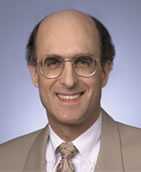
MedicalResearch.com Interview with:
[caption id="attachment_52797" align="alignleft" width="123"]

Dr. Diaz[/caption]
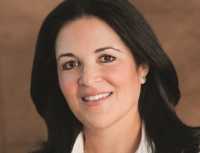
Lucia Diaz, M.D., is chief of pediatric dermatology, dermatology residency associate program director and assistant professor of medicine and pediatrics at Dell Medical School. She is also co-director of the dermatology-rheumatology combined clinic at Dell Children’s Medical Center.
[caption id="attachment_52796" align="alignleft" width="150"]

Dr. Jaquez[/caption]
Sasha Jaquez, Ph.D. is a pediatric psychologist at Dell Children's Medical School/Dell Children's Medical Center and specializes in seeing children with chronic medical illness, including skin disorders.
[caption id="attachment_52791" align="alignleft" width="294"]

DermNet-NZ Image Trichotillomania[/caption]
MedicalResearch.com: What is the background for this study?
Response: Trichotillomania (TTM) can be an extremely disabling chronic condition that impacts the psychosocial development of children.
It is classified by the Diagnostic and Statistical Manual of Mental Disorders (DSM-5) as an obsessive-compulsive disorder, where a person recurrently pulls out hair from any region of their body resulting in hair loss. Recognizing this disorder and being informed of treatment options allows medical providers to correctly diagnose and intervene early in the disease course. We reviewed the psychosocial impacts of pediatric trichotillomania and the current evidence-based interventions used in the population.










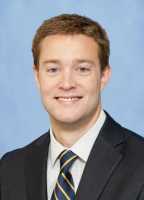












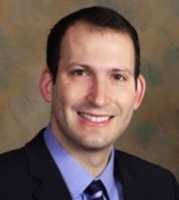 Dr. Breyer[/caption]
Benjamin N. Breyer MD, MAS, FACS
Associate Professor
Departments of Urology and Epidemiology and Biostatistics
University of California, San Francisco
Vice-Chair of Urology
Chief of Urology, Zuckerberg San Francisco General Hospital and Trauma Center
Director, UCSF Male Genitourinary Reconstruction and Trauma Surgery Fellowship
MedicalResearch.com: What is the background for this study?
Response: There has been a large increase in upright scooter usage among adults as a mode of transportation. It's convenient for commuters and may encourage greater use of public transit leading to less car traffic in cities.
Dr. Breyer[/caption]
Benjamin N. Breyer MD, MAS, FACS
Associate Professor
Departments of Urology and Epidemiology and Biostatistics
University of California, San Francisco
Vice-Chair of Urology
Chief of Urology, Zuckerberg San Francisco General Hospital and Trauma Center
Director, UCSF Male Genitourinary Reconstruction and Trauma Surgery Fellowship
MedicalResearch.com: What is the background for this study?
Response: There has been a large increase in upright scooter usage among adults as a mode of transportation. It's convenient for commuters and may encourage greater use of public transit leading to less car traffic in cities.

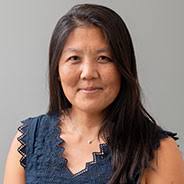
 Dr. Marra[/caption]
Alexandre R. Marra, MD PhD
Iowa Infection Prevention Research Group
University of Iowa Carver College of Medicine
Division of Medical Practice, Hospital Israelita Albert Einstein
São Paulo, Brazil
MedicalResearch.com: What is the background for this study?
Response: This is a comprehensive systematic literature review evaluating the burden of C. difficile infections in the U.S healthcare system. The literature has diverse studies with variable outcomes. Thus, we only included incidence estimates derived from multicenter studies. In our meta-analysis to calculate incidence, data were pooled only with denominators using the same unit (patient-days) to avoid comparisons with different denominators. For length of stay (LOS), we only included studies that used advanced statistical methods (e.g., propensity score matching).
Dr. Marra[/caption]
Alexandre R. Marra, MD PhD
Iowa Infection Prevention Research Group
University of Iowa Carver College of Medicine
Division of Medical Practice, Hospital Israelita Albert Einstein
São Paulo, Brazil
MedicalResearch.com: What is the background for this study?
Response: This is a comprehensive systematic literature review evaluating the burden of C. difficile infections in the U.S healthcare system. The literature has diverse studies with variable outcomes. Thus, we only included incidence estimates derived from multicenter studies. In our meta-analysis to calculate incidence, data were pooled only with denominators using the same unit (patient-days) to avoid comparisons with different denominators. For length of stay (LOS), we only included studies that used advanced statistical methods (e.g., propensity score matching).