
 Dr. Egemen[/caption]
Dr. Didem Egemen PhD
Statistician, Division of Cancer Epidemiology & Genetics
National Cancer Institute
MedicalResearch.com: What is the background for this study?
Response: Persistent infection with human papillomavirus (HPV), a sexually transmitted disease, is the cause of virtually all cervical cancers. Various studies have reported high effectiveness of HPV vaccination in preventing HPV infection and cervical cancer, particularly when administered at early ages.
In this study, we looked at the proportion of females eligible for vaccination (<26 years of age in 2006 when the vaccine was FDA approved) who were unvaccinated, vaccinated against HPV before sexual debut, and vaccinated after debut. Then we estimated the prevalence of HPV 16 and 18, the two HPV genotypes that cause most cervical cancers, in each subset.
Dr. Egemen[/caption]
Dr. Didem Egemen PhD
Statistician, Division of Cancer Epidemiology & Genetics
National Cancer Institute
MedicalResearch.com: What is the background for this study?
Response: Persistent infection with human papillomavirus (HPV), a sexually transmitted disease, is the cause of virtually all cervical cancers. Various studies have reported high effectiveness of HPV vaccination in preventing HPV infection and cervical cancer, particularly when administered at early ages.
In this study, we looked at the proportion of females eligible for vaccination (<26 years of age in 2006 when the vaccine was FDA approved) who were unvaccinated, vaccinated against HPV before sexual debut, and vaccinated after debut. Then we estimated the prevalence of HPV 16 and 18, the two HPV genotypes that cause most cervical cancers, in each subset.

 Dr. van der Velde[/caption]
Jeroen van der Velde, PhD
Leiden University Medical Center
Dept. Clinical Epidemiology, C7-102
Leiden, The Netherlands
MedicalResearch.com: What is the background for this study?
Response: We hypothesized that, in addition to the amount of physical activity, the pattern in which physical activity is accumulated over the day is relevant for metabolic health.
Several studies previously showed beneficial effects of interrupting sedentary periods with short periods of activity (breaks in sedentary time) on glucose control. In addition, very recently it has been argued that the timing of physical activity during the day may be relevant for metabolic health. This was mainly shown in animal studies and intervention studies with supervised high intensity exercise training in men with impaired glucose control or type 2 diabetes. If timing of physical activity matters in a ‘free-living’ setting in the general population is largely unknown.
Therefore, our aim was to investigate associations of timing of physical activity and breaks in sedentary time with liver fat content and insulin resistance in a middle-aged population.
Dr. van der Velde[/caption]
Jeroen van der Velde, PhD
Leiden University Medical Center
Dept. Clinical Epidemiology, C7-102
Leiden, The Netherlands
MedicalResearch.com: What is the background for this study?
Response: We hypothesized that, in addition to the amount of physical activity, the pattern in which physical activity is accumulated over the day is relevant for metabolic health.
Several studies previously showed beneficial effects of interrupting sedentary periods with short periods of activity (breaks in sedentary time) on glucose control. In addition, very recently it has been argued that the timing of physical activity during the day may be relevant for metabolic health. This was mainly shown in animal studies and intervention studies with supervised high intensity exercise training in men with impaired glucose control or type 2 diabetes. If timing of physical activity matters in a ‘free-living’ setting in the general population is largely unknown.
Therefore, our aim was to investigate associations of timing of physical activity and breaks in sedentary time with liver fat content and insulin resistance in a middle-aged population.
 Dr. Kubik[/caption]
Martha Kubik, Ph.D., R.N.
Professor, School of Nursing
College of Health and Human Services
George Mason University
Member, U.S. Preventive Services Task Force
MedicalResearch.com: What is the background for this study?
Response: Too many children and teens in the United States experience mental health conditions including anxiety, depression, and suicidal thoughts or behaviors. There is a critical need to address the mental health of children and adolescents in primary care so that they can get the support they need to thrive.
Dr. Kubik[/caption]
Martha Kubik, Ph.D., R.N.
Professor, School of Nursing
College of Health and Human Services
George Mason University
Member, U.S. Preventive Services Task Force
MedicalResearch.com: What is the background for this study?
Response: Too many children and teens in the United States experience mental health conditions including anxiety, depression, and suicidal thoughts or behaviors. There is a critical need to address the mental health of children and adolescents in primary care so that they can get the support they need to thrive.
 Dr. Prerau[/caption]
Michael J. Prerau, Ph.D.
Assistant Professor of Medicine,
Faculty, Division of Sleep Medicine
Harvard Medical School
Associate Neuroscientist and
Director of the Neurophysiological Signal Processing Core
Division of Sleep and Circadian Disorders
Department of Medicine Brigham and Women's Hospital
MedicalResearch.com: What is the background for this study?
Response: The brain is highly active during sleep, which makes it an important, natural way to study neurological health and disease. Scientists typically study brain activity during sleep using the electroencephalogram, or EEG, which measures brainwaves at the scalp. Starting in the mid 1930s, the sleep EEG was first studied by looking at the traces of brainwaves drawn on a paper tape by a machine. Many important features of sleep are still based on what people almost a century ago could most easily observe in the complex waveform traces. Even the latest machine learning and signal processing algorithms for detecting sleep waveforms are judged against their ability to recreate human observation.
In this study, the researchers asked: What can we learn if we expand our notion of sleep brainwaves beyond what was historically easy to identify by eye?
Dr. Prerau[/caption]
Michael J. Prerau, Ph.D.
Assistant Professor of Medicine,
Faculty, Division of Sleep Medicine
Harvard Medical School
Associate Neuroscientist and
Director of the Neurophysiological Signal Processing Core
Division of Sleep and Circadian Disorders
Department of Medicine Brigham and Women's Hospital
MedicalResearch.com: What is the background for this study?
Response: The brain is highly active during sleep, which makes it an important, natural way to study neurological health and disease. Scientists typically study brain activity during sleep using the electroencephalogram, or EEG, which measures brainwaves at the scalp. Starting in the mid 1930s, the sleep EEG was first studied by looking at the traces of brainwaves drawn on a paper tape by a machine. Many important features of sleep are still based on what people almost a century ago could most easily observe in the complex waveform traces. Even the latest machine learning and signal processing algorithms for detecting sleep waveforms are judged against their ability to recreate human observation.
In this study, the researchers asked: What can we learn if we expand our notion of sleep brainwaves beyond what was historically easy to identify by eye?
 Royce Zhou[/caption]
Royce Zhou, MD/PhD Candidate
Icahn School of Medicine at Mount Sinai
MedicalResearch.com: What is the background for this study?
Response: The background of this story is to see whether things outside of the cancer cell, such as the tumor microenvironment, can lead to epigenetic changes within the cancer cell. These changes are largely believed to be due to factors inside the cell, not outside.
Super-enhancers are the top 1-2% of enhancers in the genome. They control cell identity genes and oncogenes in cancer.
Royce Zhou[/caption]
Royce Zhou, MD/PhD Candidate
Icahn School of Medicine at Mount Sinai
MedicalResearch.com: What is the background for this study?
Response: The background of this story is to see whether things outside of the cancer cell, such as the tumor microenvironment, can lead to epigenetic changes within the cancer cell. These changes are largely believed to be due to factors inside the cell, not outside.
Super-enhancers are the top 1-2% of enhancers in the genome. They control cell identity genes and oncogenes in cancer.

 Dr. White[/caption]
Alexandra J. White, PhD, MSPH
Stadtman Investigator
Epidemiology Branch
National Institute of Environmental Health Sciences
National Institutes of Health
Research Triangle Park, NC
MedicalResearch.com: What is the background for this study? What is the chemical primarily used in hair straighteners?
Response: Hair products such as dye and chemical straighteners contain several different chemicals that may act as carcinogens or endocrine disruptors and thus may be important for cancer risk. Straighteners in particular have been found to include chemicals such as phthalates, parabens, cyclosiloxanes and metals and may release formaldehyde when heated. Previous research has suggested that hair dye and chemical straighteners are related to other hormone-sensitive cancers such as breast and ovarian cancer, but no previous study has considered how they are related to uterine cancer risk.
Dr. White[/caption]
Alexandra J. White, PhD, MSPH
Stadtman Investigator
Epidemiology Branch
National Institute of Environmental Health Sciences
National Institutes of Health
Research Triangle Park, NC
MedicalResearch.com: What is the background for this study? What is the chemical primarily used in hair straighteners?
Response: Hair products such as dye and chemical straighteners contain several different chemicals that may act as carcinogens or endocrine disruptors and thus may be important for cancer risk. Straighteners in particular have been found to include chemicals such as phthalates, parabens, cyclosiloxanes and metals and may release formaldehyde when heated. Previous research has suggested that hair dye and chemical straighteners are related to other hormone-sensitive cancers such as breast and ovarian cancer, but no previous study has considered how they are related to uterine cancer risk.

 Dr. Wong[/caption]
Mitchell Wong, MD PhD
Professor of Medicine
Executive Vice Chair for Research Training
Department of Medicine
Executive Co-Director, Specialty Training and Advanced Research (STAR) Program
Director, UCLA CTSI KL2 Program
UCLA Division of General Internal Medicine and Health Services Research Los Angeles, CA 90024
MedicalResearch.com: What is the background for this study?
Response: It is estimated that social factors like poverty, education, and housing have a large impact on health. Yet, there are few interventions that exist to directly address those issues. Schools are a promising solution since society already invests heavily in education and schools are an everyday part of most children’s lives.
Dr. Wong[/caption]
Mitchell Wong, MD PhD
Professor of Medicine
Executive Vice Chair for Research Training
Department of Medicine
Executive Co-Director, Specialty Training and Advanced Research (STAR) Program
Director, UCLA CTSI KL2 Program
UCLA Division of General Internal Medicine and Health Services Research Los Angeles, CA 90024
MedicalResearch.com: What is the background for this study?
Response: It is estimated that social factors like poverty, education, and housing have a large impact on health. Yet, there are few interventions that exist to directly address those issues. Schools are a promising solution since society already invests heavily in education and schools are an everyday part of most children’s lives.
 Dr. Carrero[/caption]
Juan Jesus Carrero Pharm PhD
Professor of Epidemiology
Cardio-renal Department of Medical Epidemiology and Biostatistics
Karolinska Institutet, Stockholm
MedicalResearch.com: What is the background for this study? What are the main findings?
Response: Concerns on the possibility of (direct oral anticoagulants) DOAC-related nephropathy may limit its use.
In this cohort study of non-valvular AF patients from routine clinical practice, initiation of DOAC vs (vitamin K antagonists) VKA was associated with more favorable kidney outcomes, i.e., a lower risk of the composite of kidney failure and sustained 30% eGFR decline, as well as a lower risk of AKI occurrence.
In agreement with trial evidence, we also showed that DOAC vs VKA treatment was associated with a lower risk of major bleeding, but a similar risk of the composite of stroke, systemic embolism or death.
Dr. Carrero[/caption]
Juan Jesus Carrero Pharm PhD
Professor of Epidemiology
Cardio-renal Department of Medical Epidemiology and Biostatistics
Karolinska Institutet, Stockholm
MedicalResearch.com: What is the background for this study? What are the main findings?
Response: Concerns on the possibility of (direct oral anticoagulants) DOAC-related nephropathy may limit its use.
In this cohort study of non-valvular AF patients from routine clinical practice, initiation of DOAC vs (vitamin K antagonists) VKA was associated with more favorable kidney outcomes, i.e., a lower risk of the composite of kidney failure and sustained 30% eGFR decline, as well as a lower risk of AKI occurrence.
In agreement with trial evidence, we also showed that DOAC vs VKA treatment was associated with a lower risk of major bleeding, but a similar risk of the composite of stroke, systemic embolism or death.
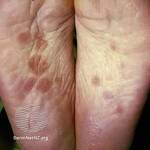
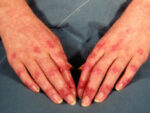 One example of Dermatomyositis: DermNet image[/caption]
Response: Dermatomyositis is a rare autoimmune inflammatory disease that affects muscles and skin, although muscular forms without skin symptoms and vice versa are also seen. The exact etiology of the disease is not known but is thought to be immune-mediated with many patients having highly specific autoantibodies. There is no cure for dermatomyositis, but several types of treatment have been successfully used in the last years including different kinds of immunosuppressants (e.g. steroids) and intravenous immune globulins (IVIG) to improve the patient’s condition. So far, none of these treatments was approved for use in dermatomyositis based on large, randomized, placebo-controlled trials. Their effectiveness was mainly deduced from clinical experience and from small clinical trials. The ProDERM study was the first large, pivotal, randomized placebo-controlled trial to evaluate the efficacy and safety of intravenous immune globulin (IVIG) in dermatomyositis patients.
One example of Dermatomyositis: DermNet image[/caption]
Response: Dermatomyositis is a rare autoimmune inflammatory disease that affects muscles and skin, although muscular forms without skin symptoms and vice versa are also seen. The exact etiology of the disease is not known but is thought to be immune-mediated with many patients having highly specific autoantibodies. There is no cure for dermatomyositis, but several types of treatment have been successfully used in the last years including different kinds of immunosuppressants (e.g. steroids) and intravenous immune globulins (IVIG) to improve the patient’s condition. So far, none of these treatments was approved for use in dermatomyositis based on large, randomized, placebo-controlled trials. Their effectiveness was mainly deduced from clinical experience and from small clinical trials. The ProDERM study was the first large, pivotal, randomized placebo-controlled trial to evaluate the efficacy and safety of intravenous immune globulin (IVIG) in dermatomyositis patients.
 Dr. Ogedegbe[/caption]
Gbenga Ogedegbe, MD, MPH
Dr. Adolph & Margaret Berger Professor of Population Health
Director, Division of Health & Behavior
Director Center for Healthful Behavior Change
Department of Population Health
NYU Langone Health
NYU School of Medicine
Member of the U.S. Preventive Services Task Force
MedicalResearch.com: What is the background for this study?
Response: Syphilis has become more common over the past 20 years, after reaching a record low in 2000. The Task Force found that screening people who are at increased risk for syphilis can identify the infection early so it can be treated before problems develop. For that reason, the Task Force recommends screening people who are at increased risk for syphilis infection.
Dr. Ogedegbe[/caption]
Gbenga Ogedegbe, MD, MPH
Dr. Adolph & Margaret Berger Professor of Population Health
Director, Division of Health & Behavior
Director Center for Healthful Behavior Change
Department of Population Health
NYU Langone Health
NYU School of Medicine
Member of the U.S. Preventive Services Task Force
MedicalResearch.com: What is the background for this study?
Response: Syphilis has become more common over the past 20 years, after reaching a record low in 2000. The Task Force found that screening people who are at increased risk for syphilis can identify the infection early so it can be treated before problems develop. For that reason, the Task Force recommends screening people who are at increased risk for syphilis infection.

 Dr. Robbins[/caption]
Rebecca Robbins, Ph.D.
Instructor in Medicine
Associate Scientist, Division of Sleep and Circadian Disorders
Investigator, Division of Sleep and Circadian Disorders
Departments of Medicine and Neurology
Brigham and Women's Hospital
MedicalResearch.com: What is the background for this study?
Response: Teens face myriad challenges to sleep, ranging from biological factors, including a preference for later bedtimes and increased need for sleep, to social factors, including social pressures and increased academic workloads, all limiting teenagers in their ability to keep a healthy sleep schedule.
In a nationally representative sample, we explored the prevalence of another potential barrier to sleep among teens, which are a set of beliefs that are held in the population, yet are actual counter to scientific principles regarding sleep and circadian rhythms.
Dr. Robbins[/caption]
Rebecca Robbins, Ph.D.
Instructor in Medicine
Associate Scientist, Division of Sleep and Circadian Disorders
Investigator, Division of Sleep and Circadian Disorders
Departments of Medicine and Neurology
Brigham and Women's Hospital
MedicalResearch.com: What is the background for this study?
Response: Teens face myriad challenges to sleep, ranging from biological factors, including a preference for later bedtimes and increased need for sleep, to social factors, including social pressures and increased academic workloads, all limiting teenagers in their ability to keep a healthy sleep schedule.
In a nationally representative sample, we explored the prevalence of another potential barrier to sleep among teens, which are a set of beliefs that are held in the population, yet are actual counter to scientific principles regarding sleep and circadian rhythms.

Allison Witman PhD Assistant Professor of Economics Economics & Finance Cameron School of Business University of North Carolina, Wilmington
Yu Wang PhD Assistant Professor Congdon School of Supply Chain, Business Analytics, & Information Systems Cameron School of Business University of North Carolina Wilmington David Cho PhD Assistant Professor of Management California State University, Fullerton
MedicalResearch.com: What is the background for this study? Response: The COVID-19 pandemic placed tremendous financial pressure on hospitals. Beginning in March of 2020, hospitals cancelled outpatient and elective procedures to accommodate surges in demand from COVID-19 patients. As these procedures account for more than 60% of an average hospital’s revenue, cancellation posed serious challenges to the financial health of hospitals. Revenue from COVID-19 patients may have partially offset these effects, but the American Hospital Association estimated a total loss of $202.6 billion by American hospitals between March and June 2020. In response, the U.S. government created large federal assistance programs aimed to stabilize hospitals’ financial situation as their ability to maintain operations was critical to the health of the nation. Due to differences in hospital characteristics, certain hospitals such as rural hospitals and those serving a higher share of Medicaid and uninsured patients (e.g., safety net hospitals) may have been more financially susceptible to the effects of the pandemic. These hospitals that serve vulnerable patient populations historically have had lower profit margins and were candidates for targeted COVID relief funding (e.g., Safety Net Hospitals Payments, a $10 billion component of the Provider Relief Fund).
 Dr. Malin[/caption]
Steven K. Malin, PhD, FACSM (he/him)
Associate Professor
Department of Kinesiology and Health | School of Arts and Sciences
Division of Endocrinology, Metabolism and Nutrition | Robert Wood Johnson Medical School
Institute of Translational Medicine and Science
New Brunswick, NJ 08901
MedicalResearch.com: What is the background for this study?
Response: Type 2 diabetes is a condition where blood glucose (sugar) is elevated in the blood. This can be problematic as it leads to blood vessel damage and the promotion of cardiovascular disease. Nearly 30 million people in the U.S. have type 2 diabetes, making it a major public health issue. The cause is not entirely clear, but many, including our team view insulin resistance as a central culprit.
Insulin resistance is when the body does not respond well to the hormone insulin. Insulin is vital because it promotes glucose uptake into tissues, like skeletal muscle. Two reasons that are often used to explain the development of insulin resistance include: poor diet (e.g. high sugar and/or high fat coupled with excess calories) and a lack of physical activity. However, more recently, a lack of sleep has been raised as another critical behavioral factor contributing to insulin resistance. Thus, targeting a healthy diet, activity and sleep pattern is thought to prevent the transition from health to insulin resistance and type 2 diabetes.
Dr. Malin[/caption]
Steven K. Malin, PhD, FACSM (he/him)
Associate Professor
Department of Kinesiology and Health | School of Arts and Sciences
Division of Endocrinology, Metabolism and Nutrition | Robert Wood Johnson Medical School
Institute of Translational Medicine and Science
New Brunswick, NJ 08901
MedicalResearch.com: What is the background for this study?
Response: Type 2 diabetes is a condition where blood glucose (sugar) is elevated in the blood. This can be problematic as it leads to blood vessel damage and the promotion of cardiovascular disease. Nearly 30 million people in the U.S. have type 2 diabetes, making it a major public health issue. The cause is not entirely clear, but many, including our team view insulin resistance as a central culprit.
Insulin resistance is when the body does not respond well to the hormone insulin. Insulin is vital because it promotes glucose uptake into tissues, like skeletal muscle. Two reasons that are often used to explain the development of insulin resistance include: poor diet (e.g. high sugar and/or high fat coupled with excess calories) and a lack of physical activity. However, more recently, a lack of sleep has been raised as another critical behavioral factor contributing to insulin resistance. Thus, targeting a healthy diet, activity and sleep pattern is thought to prevent the transition from health to insulin resistance and type 2 diabetes.


 Dr. Orkaby[/caption]
Ariela Orkaby, MD, MPH
Geriatrics & Preventive Cardiology
Associate Epidemiologist
Division of Aging, Brigham and Women's Hospital
Assistant Professor of Medicine, Harvard Medical School
MedicalResearch.com: What is the background for this study?
Response: As the population is living longer, there is increased risk of frailty and vulnerability. Frailty is defined as reduced physiological reserve and decreased ability to cope with even an acute stress. Up to half of adults over the age of 85 are living with frailty and preventative measures are greatly needed. We tested the effect of vitamin D and marine omega-3 fatty acid supplementation on the risk of developing frailty in healthy older adults in the US enrolled in the VITamin D and OmegA-3 TriaL (VITAL) trial.
Dr. Orkaby[/caption]
Ariela Orkaby, MD, MPH
Geriatrics & Preventive Cardiology
Associate Epidemiologist
Division of Aging, Brigham and Women's Hospital
Assistant Professor of Medicine, Harvard Medical School
MedicalResearch.com: What is the background for this study?
Response: As the population is living longer, there is increased risk of frailty and vulnerability. Frailty is defined as reduced physiological reserve and decreased ability to cope with even an acute stress. Up to half of adults over the age of 85 are living with frailty and preventative measures are greatly needed. We tested the effect of vitamin D and marine omega-3 fatty acid supplementation on the risk of developing frailty in healthy older adults in the US enrolled in the VITamin D and OmegA-3 TriaL (VITAL) trial.
 Dr. Sun[/caption]
Jiangwei Sun PhD
Postdoctoral researcher
in Prof. Jonas Ludvigsson's group
Department of Medical Epidemiology and Biostatistics
Karolinska Institutet
MedicalResearch.com: What is the background for this study?
Response: A potential infectious etiology has been hypothesized for neurodegenerative diseases, as findings in animal studies have demonstrated that infectious processes might impact pathogenesis, phenotype, and progression of neurodegenerative disease.
The extrapolation of such findings to a human context is however not straightforward. previous studies have mostly examined the role of specific pathogens on a specific neurodegenerative disease, e.g., herpesvirus for Alzheimer’s disease, and influenza, hepatitis C virus, and Helicobacter pylori for PD, with inconclusive results. Although several studies have also assessed associations between infectious diseases and risk of dementia and AD, influence of potential surveillance bias (greater-than-expected surveillance of disease after infections) and reverse causation (due to for example diagnostic delay of neurodegenerative diseases) on the associations was not always fully addressed.
Therefore, whether infection is indeed a risk factor rather a comorbidity or secondary event of neurodegenerative disease remains unknown. In contrast to Alzheimer’s disease, and Parkinson’s disease, the potential link between infection and ALS has been less explored.
Dr. Sun[/caption]
Jiangwei Sun PhD
Postdoctoral researcher
in Prof. Jonas Ludvigsson's group
Department of Medical Epidemiology and Biostatistics
Karolinska Institutet
MedicalResearch.com: What is the background for this study?
Response: A potential infectious etiology has been hypothesized for neurodegenerative diseases, as findings in animal studies have demonstrated that infectious processes might impact pathogenesis, phenotype, and progression of neurodegenerative disease.
The extrapolation of such findings to a human context is however not straightforward. previous studies have mostly examined the role of specific pathogens on a specific neurodegenerative disease, e.g., herpesvirus for Alzheimer’s disease, and influenza, hepatitis C virus, and Helicobacter pylori for PD, with inconclusive results. Although several studies have also assessed associations between infectious diseases and risk of dementia and AD, influence of potential surveillance bias (greater-than-expected surveillance of disease after infections) and reverse causation (due to for example diagnostic delay of neurodegenerative diseases) on the associations was not always fully addressed.
Therefore, whether infection is indeed a risk factor rather a comorbidity or secondary event of neurodegenerative disease remains unknown. In contrast to Alzheimer’s disease, and Parkinson’s disease, the potential link between infection and ALS has been less explored.
 Dr. Cabana[/caption]
Michael Cabana, M.D., M.A., M.P.H
Professor of Pediatrics
Albert Einstein College of Medicine
Physician-in-chief at the Children's Hospital at Montefiore
Chair of the Department of Pediatrics at the Albert Einstein College of Medicine.
Dr. Cabana joined the U.S. Preventive Services Task Force in January 2019
MedicalResearch.com: What is the background for this study?
Response: Prediabetes and type 2 diabetes have historically been far more common in adults, but the number of children and teens who have these conditions is rising. However, there is still very limited research on whether screening, early detection, and early treatment of diabetes will improve a child’s long-term health. Due to this lack of evidence, the Task Force was unable to assess the benefits and harms of screening, particularly in Black, Hispanic, American Indian, and Pacific Islander populations, who are at a significantly higher risk of developing type 2 diabetes. We are calling for more research on this important topic.
Dr. Cabana[/caption]
Michael Cabana, M.D., M.A., M.P.H
Professor of Pediatrics
Albert Einstein College of Medicine
Physician-in-chief at the Children's Hospital at Montefiore
Chair of the Department of Pediatrics at the Albert Einstein College of Medicine.
Dr. Cabana joined the U.S. Preventive Services Task Force in January 2019
MedicalResearch.com: What is the background for this study?
Response: Prediabetes and type 2 diabetes have historically been far more common in adults, but the number of children and teens who have these conditions is rising. However, there is still very limited research on whether screening, early detection, and early treatment of diabetes will improve a child’s long-term health. Due to this lack of evidence, the Task Force was unable to assess the benefits and harms of screening, particularly in Black, Hispanic, American Indian, and Pacific Islander populations, who are at a significantly higher risk of developing type 2 diabetes. We are calling for more research on this important topic.
 Dr. Franchimont[/caption]
Nathalie Franchimont, M.D., Ph.D.
Senior Vice President, Head of Multiple Sclerosis and Immunology
Head of the Multiple Sclerosis and Immunology Development Unit
Biogen
MedicalResearch.com: What is the background for this study? What are the main findings?
Response: Systemic lupus erythematosus (SLE) is a chronic autoimmune disease that affects multiple organ systems. Rash and arthritis are among the most frequent manifestations of the disease and severe organ damage can also occur especially when organs like the kidney are affected. Litifilimab (known as BIIB059) is a monoclonal antibody being studied for the potential treatment of SLE and cutaneous lupus erythematosus (CLE).
The Phase 2 LILAC study evaluated litifilimab versus placebo in two parts: Part A in participants who have SLE with active joint and skin manifestations; and Part B in participants with active CLE, including chronic and subacute subtypes, with or without other organ involvement. Results from the SLE portion of the study (Part A) show litifilimab met the study’s primary endpoint by significantly reducing total active joint count compared to placebo. Total active joint count was defined as the total number of tender or swollen joints. Litifilimab was generally well tolerated, with most reported adverse events (AEs) rated as mild or moderate. Note, this Phase 2 trial was not powered to assess secondary endpoints.
Based on these positive Phase 2 results, Biogen is currently enrolling participants into the Phase 3 TOPAZ-1 and TOPAZ-2 studies, which will evaluate the efficacy and safety of litifilimab in participants with active SLE worldwide.
Part B results from LILAC were published separately in NEJM on July 28, 2022 and expand the body of evidence supporting litifilimab as a potential first-in-class therapy for cutaneous lupus erythematosus in addition to SLE.
Dr. Franchimont[/caption]
Nathalie Franchimont, M.D., Ph.D.
Senior Vice President, Head of Multiple Sclerosis and Immunology
Head of the Multiple Sclerosis and Immunology Development Unit
Biogen
MedicalResearch.com: What is the background for this study? What are the main findings?
Response: Systemic lupus erythematosus (SLE) is a chronic autoimmune disease that affects multiple organ systems. Rash and arthritis are among the most frequent manifestations of the disease and severe organ damage can also occur especially when organs like the kidney are affected. Litifilimab (known as BIIB059) is a monoclonal antibody being studied for the potential treatment of SLE and cutaneous lupus erythematosus (CLE).
The Phase 2 LILAC study evaluated litifilimab versus placebo in two parts: Part A in participants who have SLE with active joint and skin manifestations; and Part B in participants with active CLE, including chronic and subacute subtypes, with or without other organ involvement. Results from the SLE portion of the study (Part A) show litifilimab met the study’s primary endpoint by significantly reducing total active joint count compared to placebo. Total active joint count was defined as the total number of tender or swollen joints. Litifilimab was generally well tolerated, with most reported adverse events (AEs) rated as mild or moderate. Note, this Phase 2 trial was not powered to assess secondary endpoints.
Based on these positive Phase 2 results, Biogen is currently enrolling participants into the Phase 3 TOPAZ-1 and TOPAZ-2 studies, which will evaluate the efficacy and safety of litifilimab in participants with active SLE worldwide.
Part B results from LILAC were published separately in NEJM on July 28, 2022 and expand the body of evidence supporting litifilimab as a potential first-in-class therapy for cutaneous lupus erythematosus in addition to SLE.
 Dr. Orkaby[/caption]
Ariela Orkaby, MD, MPH
Geriatrics & Preventive Cardiology
Associate Epidemiologist
Division of Aging, Brigham and Women's Hospital
Assistant Professor of Medicine, Harvard Medical School
MedicalResearch.com: What is the background for this study?
Response: As the population is living longer, there is increased risk of frailty and vulnerability. Frailty is defined as reduced physiological reserve and decreased ability to cope with even an acute stress. Up to half of adults over the age of 85 are living with frailty and preventative measures are greatly needed. We tested the effect of vitamin D and marine omega-3 fatty acid supplementation on the risk of developing frailty in healthy older adults in the US enrolled in the VITamin D and OmegA-3 TriaL (VITAL) trial.
Dr. Orkaby[/caption]
Ariela Orkaby, MD, MPH
Geriatrics & Preventive Cardiology
Associate Epidemiologist
Division of Aging, Brigham and Women's Hospital
Assistant Professor of Medicine, Harvard Medical School
MedicalResearch.com: What is the background for this study?
Response: As the population is living longer, there is increased risk of frailty and vulnerability. Frailty is defined as reduced physiological reserve and decreased ability to cope with even an acute stress. Up to half of adults over the age of 85 are living with frailty and preventative measures are greatly needed. We tested the effect of vitamin D and marine omega-3 fatty acid supplementation on the risk of developing frailty in healthy older adults in the US enrolled in the VITamin D and OmegA-3 TriaL (VITAL) trial.

Knowing about pollen forecasts might help you understand how much pollen will be released in your area and when....

 Dr. Jing Li[/caption]
Jing Li, PhD
Assistant Professor of Health Economics
The Comparative Health Outcomes, Policy and Economics (CHOICE) Institute
University of Washington School of Pharmacy
MedicalResearch.com: What is the background for this study?
Response: Dementia and other cognitive impairment are highly prevalent among older adults in the U.S. and globally, and have been linked to deficiencies in decision-making, especially financial decision-making. However, little is known about the extent to which older adults with cognitive impairment manage their own finances and the characteristics of the assets they manage.
Dr. Jing Li[/caption]
Jing Li, PhD
Assistant Professor of Health Economics
The Comparative Health Outcomes, Policy and Economics (CHOICE) Institute
University of Washington School of Pharmacy
MedicalResearch.com: What is the background for this study?
Response: Dementia and other cognitive impairment are highly prevalent among older adults in the U.S. and globally, and have been linked to deficiencies in decision-making, especially financial decision-making. However, little is known about the extent to which older adults with cognitive impairment manage their own finances and the characteristics of the assets they manage.


The rising incidence of early-onset cancers is likely at least partly attributable to enhanced screening and early detection. However, there seems a genuine increase in incidence of early-onset cancers in several organs such as the colorectum, pancreas, liver, etc....
 Dr. Zhu[/caption]
Jane M. Zhu, M.D., M.P.P., M.S.H.P.
Assistant Professor of Medicine
Division of General Internal Medicine and Geriatrics
School of Medicine
Oregon Health & Science University
Portland, Oregon
MedicalResearch.com: What is the background for this study?
Response: Private equity (PE) acquisitions of physician practices are accelerating across many specialties, but there is still little robust evidence on the effects of these acquisitions. Concerns about PE involvement is predicated on the fact that these firms expect high annual returns, which require either reducing costs or increasing revenue, or both. Using PE acquisition data from 2016-2020, linked to commercial claims data, we sought to understand what common mechanisms of revenue generation were being adopted after private equity acquisition of physician practices.
Dr. Zhu[/caption]
Jane M. Zhu, M.D., M.P.P., M.S.H.P.
Assistant Professor of Medicine
Division of General Internal Medicine and Geriatrics
School of Medicine
Oregon Health & Science University
Portland, Oregon
MedicalResearch.com: What is the background for this study?
Response: Private equity (PE) acquisitions of physician practices are accelerating across many specialties, but there is still little robust evidence on the effects of these acquisitions. Concerns about PE involvement is predicated on the fact that these firms expect high annual returns, which require either reducing costs or increasing revenue, or both. Using PE acquisition data from 2016-2020, linked to commercial claims data, we sought to understand what common mechanisms of revenue generation were being adopted after private equity acquisition of physician practices.

 Dr. den Hoed[/caption]
Marcel den Hoed, PhD
Researcher,Department of Immunology, Genetics and Pathology
Uppsala University
MedicalResearch.com: What is the background for this study? What are the main findings?
Response: In this paper we performed a multi-ancestry meta-analysis of 51 genome-wide association studies, in data from over 700,000 individuals. This yielded 11 DNA regions that are robustly associated with self-reported moderate-to-vigorous intensity physical activity during leisure time (MVPA), and 88 DNA regions for self-reported leisure screen time (LST).
Around half of the identified DNA regions are also associated with objectively assessed physical activity traits in data from the UK Biobank. Causal inference using a Mendelian randomization approach subsequently showed bidirectional causal effects between LST and body mass index (BMI), with the effect of LST on BMI being 2-3-fold larger than vice versa. Less LST and more MVPA protect from diabetes, attention deficit hyperactivity disorder, depression, and earlier age at death, with all causal effects of MVPA and leisure screen time being mediated or confounded by BMI. Further analyses showed that DNA regions associated with LST are more often located close to genes whose expression in skeletal muscle is altered by strength training than expected by chance, suggesting that these genes may influence the likelihood of adopting an active lifestyle by influencing the response to training.
Dr. den Hoed[/caption]
Marcel den Hoed, PhD
Researcher,Department of Immunology, Genetics and Pathology
Uppsala University
MedicalResearch.com: What is the background for this study? What are the main findings?
Response: In this paper we performed a multi-ancestry meta-analysis of 51 genome-wide association studies, in data from over 700,000 individuals. This yielded 11 DNA regions that are robustly associated with self-reported moderate-to-vigorous intensity physical activity during leisure time (MVPA), and 88 DNA regions for self-reported leisure screen time (LST).
Around half of the identified DNA regions are also associated with objectively assessed physical activity traits in data from the UK Biobank. Causal inference using a Mendelian randomization approach subsequently showed bidirectional causal effects between LST and body mass index (BMI), with the effect of LST on BMI being 2-3-fold larger than vice versa. Less LST and more MVPA protect from diabetes, attention deficit hyperactivity disorder, depression, and earlier age at death, with all causal effects of MVPA and leisure screen time being mediated or confounded by BMI. Further analyses showed that DNA regions associated with LST are more often located close to genes whose expression in skeletal muscle is altered by strength training than expected by chance, suggesting that these genes may influence the likelihood of adopting an active lifestyle by influencing the response to training.
 Dr. Mak[/caption]
Raymond H. Mak, MD
Radiation Oncology Disease Center Leader for Thoracic Oncology
Director of Patient Safety and QualityDirector of Clinical Innovation
Associate Professor, Harvard Medical School
Cancer - Radiation Oncology, Radiation Oncology
Department of Radiation Oncology
Brigham and Women's Hospital
MedicalResearch.com: What is the background for this study? What is the algorithm detecting?
Response: Lung cancer, the most common cancer worldwide is highly lethal, but can be treated and cured in some cases with radiation therapy. Nearly half of lung cancer patients will eventually require some form of radiation therapy, but the planning for a course of radiation therapy currently entails manual, time-consuming, and resource-intensive work by highly trained physicians to segment (target) the cancerous tumors in the lungs and adjacent lymph nodes on three-dimensional images (CT scans). Prior studies have shown substantial variation in how expert clinicians delineate these targets, which can negatively impact outcomes and there is a projected shortage of skilled medical staff to perform these tasks worldwide as cancer rates increase.
To address this critical gap, our team developed deep learning algorithms that can automatically target lung cancer in the lungs and adjacent lymph nodes from CT scans that are used for radiation therapy planning, and can be deployed in seconds.
We trained these artificial intelligence (AI) algorithms using expert-segmented targets from over 700 cases and validated the performance in over 1300 patients in external datasets (including publicly available data from a national trial), benchmarked its performance against expert clinicians, and then further validated the clinical usefulness of the algorithm in human-AI collaboration experiments that measured accuracy, task speed, and end-user satisfaction.
Dr. Mak[/caption]
Raymond H. Mak, MD
Radiation Oncology Disease Center Leader for Thoracic Oncology
Director of Patient Safety and QualityDirector of Clinical Innovation
Associate Professor, Harvard Medical School
Cancer - Radiation Oncology, Radiation Oncology
Department of Radiation Oncology
Brigham and Women's Hospital
MedicalResearch.com: What is the background for this study? What is the algorithm detecting?
Response: Lung cancer, the most common cancer worldwide is highly lethal, but can be treated and cured in some cases with radiation therapy. Nearly half of lung cancer patients will eventually require some form of radiation therapy, but the planning for a course of radiation therapy currently entails manual, time-consuming, and resource-intensive work by highly trained physicians to segment (target) the cancerous tumors in the lungs and adjacent lymph nodes on three-dimensional images (CT scans). Prior studies have shown substantial variation in how expert clinicians delineate these targets, which can negatively impact outcomes and there is a projected shortage of skilled medical staff to perform these tasks worldwide as cancer rates increase.
To address this critical gap, our team developed deep learning algorithms that can automatically target lung cancer in the lungs and adjacent lymph nodes from CT scans that are used for radiation therapy planning, and can be deployed in seconds.
We trained these artificial intelligence (AI) algorithms using expert-segmented targets from over 700 cases and validated the performance in over 1300 patients in external datasets (including publicly available data from a national trial), benchmarked its performance against expert clinicians, and then further validated the clinical usefulness of the algorithm in human-AI collaboration experiments that measured accuracy, task speed, and end-user satisfaction.
 Dr. Parekh[/caption]
Samir Parekh, MBBS
Hematology-Oncology, Cancer
Director of Translational Research in Myeloma and
Co-leader of the Cancer Clinical Investigation program
The Tisch Cancer Institute
Icahn School of Medicine at Mount Sinai
MedicalResearch.com: What is the background for this study? What are the main findings?
Response: Clinical outcomes for myeloma patients patients have improved significantly over the past decade with the introduction and success of newer immunomodulatory treatments such as CART cell therapy and bispecific antibodies. Strategies are needed to determine the best treatment options for patients relapsing or unresponsive to initial courses of these types of therapies.
We analyzed the outcomes of patients relapsing after bispecific antibody therapy for myeloma. Our data shows that sequencing of bispecific antibodies or CART after initial bispecific failure can effectively salvage patients and lead to excellent outcomes in myeloma. This provides the foundation for future studies combining this new class of immunotherapy with CART or additional bispecific antibodies to improve outcomes in myeloma.
Dr. Parekh[/caption]
Samir Parekh, MBBS
Hematology-Oncology, Cancer
Director of Translational Research in Myeloma and
Co-leader of the Cancer Clinical Investigation program
The Tisch Cancer Institute
Icahn School of Medicine at Mount Sinai
MedicalResearch.com: What is the background for this study? What are the main findings?
Response: Clinical outcomes for myeloma patients patients have improved significantly over the past decade with the introduction and success of newer immunomodulatory treatments such as CART cell therapy and bispecific antibodies. Strategies are needed to determine the best treatment options for patients relapsing or unresponsive to initial courses of these types of therapies.
We analyzed the outcomes of patients relapsing after bispecific antibody therapy for myeloma. Our data shows that sequencing of bispecific antibodies or CART after initial bispecific failure can effectively salvage patients and lead to excellent outcomes in myeloma. This provides the foundation for future studies combining this new class of immunotherapy with CART or additional bispecific antibodies to improve outcomes in myeloma.