

MedicalResearch.com Interview with: [caption id="attachment_44905" align="alignleft" width="200"] Dr. Morieri[/caption] Mario Luca Morieri MD Section on Genetics and Epidemiology, Research Division, Joslin Diabetes Center Department of Medicine, Harvard Medical School, Boston, MA MedicalResearch.com: What is the background for this study? What are the main findings? Response: Coronary artery disease (CAD) is one of the most important complications...
 Dr. Manon Eckhardt[/caption]
Manon Eckhardt, PhD
Gladstone Institutes
The Quantitative Biosciences Institute
University of California San Francisco
MedicalResearch.com: What is the background for this study? What are the main findings?
Response: Infection with Human Papillomavirus (HPV) causes 5% of all cancers worldwide, including cervical cancer and an increasing number of head and neck cancers. Most cancers are caused by mutations in genes, leading to the production of malfunctioning proteins that result in unconstrained cell division. However, certain viruses like HPV can cause cancer without introducing mutations.
In this study, we compared cancers of the same type (i.e. head and neck) that are caused by either mutation or virus infection to identify important processes that are dysregulated in both subsets. We hypothesized that identifying which proteins the virus binds can lead the way to prioritize which of the proteins and cellular processes (pathways) that are affected in cancer cells are most important. To do this, we identified the complete set of human proteins that interact with HPV. We next determined genes that were more frequently mutated in non-viral cancers, and combined both data sets. The proteins we find to be both binding to HPV and mutated in non-viral cancers will be potential targets for new, more specific drug development, and help better understand the development of head and neck cancer.
From the many pathways we identified in this study, we highlighted two pathways with further mechanistic studies: the oxidative stress response, which helps cancer cells survive, as well as a pathway that allows the cancer to spread to other parts of the body.
Dr. Manon Eckhardt[/caption]
Manon Eckhardt, PhD
Gladstone Institutes
The Quantitative Biosciences Institute
University of California San Francisco
MedicalResearch.com: What is the background for this study? What are the main findings?
Response: Infection with Human Papillomavirus (HPV) causes 5% of all cancers worldwide, including cervical cancer and an increasing number of head and neck cancers. Most cancers are caused by mutations in genes, leading to the production of malfunctioning proteins that result in unconstrained cell division. However, certain viruses like HPV can cause cancer without introducing mutations.
In this study, we compared cancers of the same type (i.e. head and neck) that are caused by either mutation or virus infection to identify important processes that are dysregulated in both subsets. We hypothesized that identifying which proteins the virus binds can lead the way to prioritize which of the proteins and cellular processes (pathways) that are affected in cancer cells are most important. To do this, we identified the complete set of human proteins that interact with HPV. We next determined genes that were more frequently mutated in non-viral cancers, and combined both data sets. The proteins we find to be both binding to HPV and mutated in non-viral cancers will be potential targets for new, more specific drug development, and help better understand the development of head and neck cancer.
From the many pathways we identified in this study, we highlighted two pathways with further mechanistic studies: the oxidative stress response, which helps cancer cells survive, as well as a pathway that allows the cancer to spread to other parts of the body.

 Dr. Lester[/caption]
Barry M. Lester, PhD
Center for the Study of Children at Risk
Warren Alpert Medical School, Brown University
Women and Infants Hospital of Rhode Island
Providence, Rhode Island;
MedicalResearch.com: What is the background for this study? What are the main findings?
Response: We know from rodent studies that maternal care or nurturing behavior can change the rat pups physiologic response to stress. More nurturing behavior makes it easier for rat pups to relax after stress. Not only that, these changes are permanent, they last into adulthood and there is evidence that these changes can be passed on to the next generation. With animal studies you can unlock the mechanism for this in ways that you can’t do with humans and we know from the rodent studies that the mechanism for these changes has to do with changes in gene activity.
Nurturing behavior controls a specific gene that regulates the infant’s physiological response to stress. In other words, we are looking at maternal behavioral programming of a gene that can make, in our case, a human infant less physiologically reactive to stress.
The physiological reactivity to stress that we studied was the production of the stress hormone cortisol. Cortisol is part of the body’s flight or fight reaction, the body’s major response to stress and too much or too little cortisol can be harmful and is related to a wide range of mental and physical health disorders in children and adults. The concerns about separating immigrant children from their parents that we read about every day in the paper are based on this same physiological system, where brain structures that control cortisol production are damaged by the stress of separation.
Dr. Lester[/caption]
Barry M. Lester, PhD
Center for the Study of Children at Risk
Warren Alpert Medical School, Brown University
Women and Infants Hospital of Rhode Island
Providence, Rhode Island;
MedicalResearch.com: What is the background for this study? What are the main findings?
Response: We know from rodent studies that maternal care or nurturing behavior can change the rat pups physiologic response to stress. More nurturing behavior makes it easier for rat pups to relax after stress. Not only that, these changes are permanent, they last into adulthood and there is evidence that these changes can be passed on to the next generation. With animal studies you can unlock the mechanism for this in ways that you can’t do with humans and we know from the rodent studies that the mechanism for these changes has to do with changes in gene activity.
Nurturing behavior controls a specific gene that regulates the infant’s physiological response to stress. In other words, we are looking at maternal behavioral programming of a gene that can make, in our case, a human infant less physiologically reactive to stress.
The physiological reactivity to stress that we studied was the production of the stress hormone cortisol. Cortisol is part of the body’s flight or fight reaction, the body’s major response to stress and too much or too little cortisol can be harmful and is related to a wide range of mental and physical health disorders in children and adults. The concerns about separating immigrant children from their parents that we read about every day in the paper are based on this same physiological system, where brain structures that control cortisol production are damaged by the stress of separation.

MedicalResearch.com Interview with: [caption id="attachment_44776" align="alignleft" width="200"] Dr. McCoy[/caption] Thomas McCoy, M.D. Assistant Professor of Psychiatry Massachusetts General Hospital Psychiatry Massachusetts General Hospital MedicalResearch.com: What is the background for this study? Response: Big data has the potential to transform how we care for patients but comes with risks of big breaches. My co-author and I use health records...

 Prof. Sanders[/caption]
Professor Prash Sanders
Director, Centre for Heart Rhythm Disorders
NHMRC Practitioner Fellow,
Knapman-NHF Chair of Cardiology Research,
University of Adelaide | SAHMRI
Director, Cardiac Electrophysiology & Pacing,
Royal Adelaide Hospital
MedicalResearch.com: What is the background for this study?
Response: CLINICALLY WE HAVE HAD SOME PATIENTS WHO HAVE SURVIVED SUDDEN DEATH EPISODES AND HAVE NOTED THAT THEY HAD MITRAL VALVE PROLAPSE. THIS STIMULATED US TO UNDERTAKE A REVIEW OF THE LITERATURE.
Prof. Sanders[/caption]
Professor Prash Sanders
Director, Centre for Heart Rhythm Disorders
NHMRC Practitioner Fellow,
Knapman-NHF Chair of Cardiology Research,
University of Adelaide | SAHMRI
Director, Cardiac Electrophysiology & Pacing,
Royal Adelaide Hospital
MedicalResearch.com: What is the background for this study?
Response: CLINICALLY WE HAVE HAD SOME PATIENTS WHO HAVE SURVIVED SUDDEN DEATH EPISODES AND HAVE NOTED THAT THEY HAD MITRAL VALVE PROLAPSE. THIS STIMULATED US TO UNDERTAKE A REVIEW OF THE LITERATURE.

 Dr. Joao Xavier[/caption]
Joao Xavier PhD
Associate Faculty Member | Computational & Systems Biology
Memorial Sloan Kettering Cancer Center
New York, NY 10065
MedicalResearch.com: What is the background for this study? What are the main findings?
Response: Our team at Memorial Sloan Kettering has been investigating the intestinal microbiota of patients receiving bone marrow transplantations for more than eight years now. We have found through several studies that these patients lose important healthy bacteria from their microbiota, and that these losses are mostly caused by the antibiotics given as prophylaxis or to treat infections.
We also found that the drastic changes in the microbiota composition, especially the intestinal dominations by bacteria such as Enterococcus, increase the risk of transplant-related complications and lowered patient survival.
We aimed to determine the feasibility of autologous microbiota transplant (auto-FMT) as a way to reconstitute lost bacteria. This randomized study found that indeed auto-FMT could reconstitute important microbial groups to patients.
Dr. Joao Xavier[/caption]
Joao Xavier PhD
Associate Faculty Member | Computational & Systems Biology
Memorial Sloan Kettering Cancer Center
New York, NY 10065
MedicalResearch.com: What is the background for this study? What are the main findings?
Response: Our team at Memorial Sloan Kettering has been investigating the intestinal microbiota of patients receiving bone marrow transplantations for more than eight years now. We have found through several studies that these patients lose important healthy bacteria from their microbiota, and that these losses are mostly caused by the antibiotics given as prophylaxis or to treat infections.
We also found that the drastic changes in the microbiota composition, especially the intestinal dominations by bacteria such as Enterococcus, increase the risk of transplant-related complications and lowered patient survival.
We aimed to determine the feasibility of autologous microbiota transplant (auto-FMT) as a way to reconstitute lost bacteria. This randomized study found that indeed auto-FMT could reconstitute important microbial groups to patients.

 Dr. Kelkar[/caption]
Dr. Amar Kelkar MD
Clinical Fellow
Division of Hematology & Oncology, Department of Medicine
University of Florida College of Medicine, UF Health Shands Hospital
MedicalResearch.com: What is the background for this study? What are synthetic cannabinoids?
Response: Starting in March 2018, patients began reporting to hospitals and clinics with unexplained and prolonged bleeding symptoms, first in Chicago, Illinois, and then spreading to Peoria, Illinois and elsewhere. This gained a lot of press because the initial identifying factor was that all the patients had reported recent use of synthetic cannabinoids. As the matter was studied further, it was determined that these patients were likely exposed to an anticoagulant poison mixed in with the synthetic cannabinoids.
Synthetic cannabinoids are lab-derived illicit drugs that target the cannabinoid receptors that are also targeted by marijuana. They go by many names including synthetic marijuana, K2, and Spice.
Dr. Kelkar[/caption]
Dr. Amar Kelkar MD
Clinical Fellow
Division of Hematology & Oncology, Department of Medicine
University of Florida College of Medicine, UF Health Shands Hospital
MedicalResearch.com: What is the background for this study? What are synthetic cannabinoids?
Response: Starting in March 2018, patients began reporting to hospitals and clinics with unexplained and prolonged bleeding symptoms, first in Chicago, Illinois, and then spreading to Peoria, Illinois and elsewhere. This gained a lot of press because the initial identifying factor was that all the patients had reported recent use of synthetic cannabinoids. As the matter was studied further, it was determined that these patients were likely exposed to an anticoagulant poison mixed in with the synthetic cannabinoids.
Synthetic cannabinoids are lab-derived illicit drugs that target the cannabinoid receptors that are also targeted by marijuana. They go by many names including synthetic marijuana, K2, and Spice.
 Raghav Tripathi[/caption]
Raghav Tripathi, MPH
Case Western Reserve University
MD Candidate, Class of 2021
MedicalResearch.com: Why did you decide to perform this study?
Response: Differences in the impact of dermatologic conditions on different groups have been of interest to our research group for a long time. Previously, our group had found differences in time to treatment for patients with different skin cancers. Beyond this, we had found differences in mortality and incidence of various skin conditions (controlling for other factors) in different racial groups/ethnicities, socioeconomic groups, demographic groups, and across the rural-urban continuum.
The goal of this study was to investigate socioeconomic and demographic differences in utilization of outpatient dermatologic care across the United States. As demographics throughout the country become more diverse, understanding differences in utilization of dermatologic care is integral to developing policy approaches to increasing access to care across the country.
Raghav Tripathi[/caption]
Raghav Tripathi, MPH
Case Western Reserve University
MD Candidate, Class of 2021
MedicalResearch.com: Why did you decide to perform this study?
Response: Differences in the impact of dermatologic conditions on different groups have been of interest to our research group for a long time. Previously, our group had found differences in time to treatment for patients with different skin cancers. Beyond this, we had found differences in mortality and incidence of various skin conditions (controlling for other factors) in different racial groups/ethnicities, socioeconomic groups, demographic groups, and across the rural-urban continuum.
The goal of this study was to investigate socioeconomic and demographic differences in utilization of outpatient dermatologic care across the United States. As demographics throughout the country become more diverse, understanding differences in utilization of dermatologic care is integral to developing policy approaches to increasing access to care across the country.

 Robert J Molinari, Ph.D.
President and CEO
Retrotope, Inc.
MedicalResearch.com: What is the background for this study?
How does RT001 differ from other treatments for neurodegenerative diseases?
Response: Lipid peroxidation in critical cell and mitochondrial membranes represents a common pathway of cell death in many neurodegenerative diseases, regardless of the initiating trigger of original damage, e.g. aberrant gene expression, misfolded proteins such as tau and amyloid, environmental insults, etc. This hypothesis was supported by work showing that stabilizing lipids (using virtually indistinguishable isotopic variants of the original dietary molecules) was able to mitigate disease-related cell dysfunction, and reverse disease in a variety of animal models, and more recently, in human patients enrolled in clinical trials.
It has been known for decades that lipid peroxidation detritus of oxidized membrane fats are present in most all diseases of degeneration and aging, including Alzheimer’s disease, Parkinson’s disease, atherosclerosis, ALS, Huntington’s, and fatal inborn genetic errors resulting in neurodegenerative diseases (among others). The hypothesis that controlling such oxidation could provide therapeutic benefit was abandoned when numerous formal trials of classical antioxidants, e.g. Co-enzyme Q, Vitamin E, and others failed to provide meaningful benefit. We believed that the antioxidant mechanism used to attempt control of the membrane oxidation was flawed, but that the target itself was correct. Indeed, by using a new class of oral drugs that are lipids fortified against damage at the key susceptible bonds, we observed reduction in lipid peroxidation damage that halted, and even reversed neurodegenerative disease progression. Dosed in amounts and forms similar to omega 3 and 6 supplements, these drugs exhibited profound disease modification across a broad range of diseases in animal models, placebo controlled- and open label- human trials.
Robert J Molinari, Ph.D.
President and CEO
Retrotope, Inc.
MedicalResearch.com: What is the background for this study?
How does RT001 differ from other treatments for neurodegenerative diseases?
Response: Lipid peroxidation in critical cell and mitochondrial membranes represents a common pathway of cell death in many neurodegenerative diseases, regardless of the initiating trigger of original damage, e.g. aberrant gene expression, misfolded proteins such as tau and amyloid, environmental insults, etc. This hypothesis was supported by work showing that stabilizing lipids (using virtually indistinguishable isotopic variants of the original dietary molecules) was able to mitigate disease-related cell dysfunction, and reverse disease in a variety of animal models, and more recently, in human patients enrolled in clinical trials.
It has been known for decades that lipid peroxidation detritus of oxidized membrane fats are present in most all diseases of degeneration and aging, including Alzheimer’s disease, Parkinson’s disease, atherosclerosis, ALS, Huntington’s, and fatal inborn genetic errors resulting in neurodegenerative diseases (among others). The hypothesis that controlling such oxidation could provide therapeutic benefit was abandoned when numerous formal trials of classical antioxidants, e.g. Co-enzyme Q, Vitamin E, and others failed to provide meaningful benefit. We believed that the antioxidant mechanism used to attempt control of the membrane oxidation was flawed, but that the target itself was correct. Indeed, by using a new class of oral drugs that are lipids fortified against damage at the key susceptible bonds, we observed reduction in lipid peroxidation damage that halted, and even reversed neurodegenerative disease progression. Dosed in amounts and forms similar to omega 3 and 6 supplements, these drugs exhibited profound disease modification across a broad range of diseases in animal models, placebo controlled- and open label- human trials.

 Mark Laughlin, DVM
Veterinary Medical Officer
CDC
MedicalResearch.com: What is the background for this study?
How common are Campylobacter infections? How does a Campylobacter infection typically present?
Response: Campylobacter is one of the most common causes of diarrheal illness in the United States, causing an estimated 1.3 million illnesses each year. Most people with Campylobacter infection usually have diarrhea (often bloody), fever, and abdominal cramps. The diarrhea may be accompanied by nausea and vomiting. These symptoms usually start within 2 to 5 days after exposure and last about a week.
Most illnesses from Campylobacter likely occur due to eating raw or undercooked poultry, or from eating something that touched raw or undercooked poultry. Some illnesses can occur from contact with contaminated water, contact with animals, or from drinking raw (unpasteurized) milk.
Since 2009, 13 outbreaks of human Campylobacter infections linked to contact with dogs have been reported to CDC. These outbreaks account for a reported 47 illnesses and 2 hospitalizations.
Mark Laughlin, DVM
Veterinary Medical Officer
CDC
MedicalResearch.com: What is the background for this study?
How common are Campylobacter infections? How does a Campylobacter infection typically present?
Response: Campylobacter is one of the most common causes of diarrheal illness in the United States, causing an estimated 1.3 million illnesses each year. Most people with Campylobacter infection usually have diarrhea (often bloody), fever, and abdominal cramps. The diarrhea may be accompanied by nausea and vomiting. These symptoms usually start within 2 to 5 days after exposure and last about a week.
Most illnesses from Campylobacter likely occur due to eating raw or undercooked poultry, or from eating something that touched raw or undercooked poultry. Some illnesses can occur from contact with contaminated water, contact with animals, or from drinking raw (unpasteurized) milk.
Since 2009, 13 outbreaks of human Campylobacter infections linked to contact with dogs have been reported to CDC. These outbreaks account for a reported 47 illnesses and 2 hospitalizations.

 Dr. Pandiyan[/caption]
Pushpa Pandiyan, PhD
Assistant Professor, Biological Sciences
School of Dental Medicine
Case Western Reserve University
MedicalResearch.com: What is the background for this study? What are the main findings?
Response: The objective was to find the role of the resident bacteria in the mouth in controlling oral immunity.
We examined this in a oral fungal infection model. How resident microbiome in the mouth maintains a healthy oral immune system was unknown before.
We found that antibiotics led to destruction of microbiome and some of the good fatty acids the bacteria produced. This created an immune imbalance in the local tissue, thus making the host more susceptible to the fungal infection.
Dr. Pandiyan[/caption]
Pushpa Pandiyan, PhD
Assistant Professor, Biological Sciences
School of Dental Medicine
Case Western Reserve University
MedicalResearch.com: What is the background for this study? What are the main findings?
Response: The objective was to find the role of the resident bacteria in the mouth in controlling oral immunity.
We examined this in a oral fungal infection model. How resident microbiome in the mouth maintains a healthy oral immune system was unknown before.
We found that antibiotics led to destruction of microbiome and some of the good fatty acids the bacteria produced. This created an immune imbalance in the local tissue, thus making the host more susceptible to the fungal infection.

 Dr. Marcus Smith PhD
Reader in Sport and Exercise Physiology
University of Chichester
Co-founder, Clem Burke Drumming Project
MedicalResearch.com: What is the background for this study?
Response: The research group first started to examine rock drumming from a scientific perspective in 1999 through collaboration with Clem Burke, drummer with the iconic band ‘Blondie’. In 2008 the Clem Burke Drumming Project (CBDP) was formed (visit clemburkedrummingproject.org for further information) where academics from different disciplines came together to not only explore the physiological demands of rock drumming but also the potential use of rock drumming as an intervention in research studies. Rock drumming is attractive to the scientist in that it is a unique activity that requires the coordination of multiple limbs to produce the required drumming pattern. Inherent demands relating to timing, tempo and volume must also be met. Therefore, the ability to manipulate these facets of drumming performance in a research setting is very appealing. In relation to potential research populations drumming has a universal fascination regardless of age, gender, culture, language competency and ethnicity. Anecdotal evidence suggests that drumming is a ‘cool’ activity that has a unique ‘language currency’ in terms of stimulating communication within and between those who can and cannot play the drums.
The impetus for our research study came from parents of autistic children contacting us to express their belief that drumming was having a positive effect on their child’s physical and psychological behaviour. A review of the literature showed a range of anecdotal evidence in support of such statements (Freidman 2000) and an increase in empirical drumming based research being undertaken (Bungay 2010). More recent studies have reported psychosocial benefits such as enhanced communication (Maschi et al. 2010; 2012), emotional processing and tension reduction (Flores et al. 2016; Maschi et al. 2010; 2012), group cohesion and connectedness (Blackett et al. 2005), concentration, psychomotor coordination and posture (Chen et al. 2017). The majority of this work was undertaken with adolescents with very little work focused on younger age groups.
Dr. Marcus Smith PhD
Reader in Sport and Exercise Physiology
University of Chichester
Co-founder, Clem Burke Drumming Project
MedicalResearch.com: What is the background for this study?
Response: The research group first started to examine rock drumming from a scientific perspective in 1999 through collaboration with Clem Burke, drummer with the iconic band ‘Blondie’. In 2008 the Clem Burke Drumming Project (CBDP) was formed (visit clemburkedrummingproject.org for further information) where academics from different disciplines came together to not only explore the physiological demands of rock drumming but also the potential use of rock drumming as an intervention in research studies. Rock drumming is attractive to the scientist in that it is a unique activity that requires the coordination of multiple limbs to produce the required drumming pattern. Inherent demands relating to timing, tempo and volume must also be met. Therefore, the ability to manipulate these facets of drumming performance in a research setting is very appealing. In relation to potential research populations drumming has a universal fascination regardless of age, gender, culture, language competency and ethnicity. Anecdotal evidence suggests that drumming is a ‘cool’ activity that has a unique ‘language currency’ in terms of stimulating communication within and between those who can and cannot play the drums.
The impetus for our research study came from parents of autistic children contacting us to express their belief that drumming was having a positive effect on their child’s physical and psychological behaviour. A review of the literature showed a range of anecdotal evidence in support of such statements (Freidman 2000) and an increase in empirical drumming based research being undertaken (Bungay 2010). More recent studies have reported psychosocial benefits such as enhanced communication (Maschi et al. 2010; 2012), emotional processing and tension reduction (Flores et al. 2016; Maschi et al. 2010; 2012), group cohesion and connectedness (Blackett et al. 2005), concentration, psychomotor coordination and posture (Chen et al. 2017). The majority of this work was undertaken with adolescents with very little work focused on younger age groups.

 Dr. Markman[/caption]
John Douglas Markman, M.D.
Director, Translational Pain Research Program
Department of Neurosurgery
Professor
University of Rochester School of Medicine and Dentistry
MedicalResearch.com: What is the background for this study?
Response: Peripheral nerve injury after trauma and surgery is a leading cause of chronic pain and disability. These pain syndromes are often considered to have an underlying neuropathic mechanism because there is altered sensory processing (e.g., numbness, allodynia) at the site of trauma or surgical incision that localizes to the anatomic distribution of a peripheral nerve. A previous eight-week randomized clinical trial demonstrated efficacy for pregabalin in patients with chronic post-traumatic or -surgical pain.(10) The longer duration of treatment of this study was designed to meet the regulatory standard for a chronic pain indication in the US, 12 weeks of treatment at maintenance or fixed dosing.
Dr. Markman[/caption]
John Douglas Markman, M.D.
Director, Translational Pain Research Program
Department of Neurosurgery
Professor
University of Rochester School of Medicine and Dentistry
MedicalResearch.com: What is the background for this study?
Response: Peripheral nerve injury after trauma and surgery is a leading cause of chronic pain and disability. These pain syndromes are often considered to have an underlying neuropathic mechanism because there is altered sensory processing (e.g., numbness, allodynia) at the site of trauma or surgical incision that localizes to the anatomic distribution of a peripheral nerve. A previous eight-week randomized clinical trial demonstrated efficacy for pregabalin in patients with chronic post-traumatic or -surgical pain.(10) The longer duration of treatment of this study was designed to meet the regulatory standard for a chronic pain indication in the US, 12 weeks of treatment at maintenance or fixed dosing.

 Dr Dorival Martins
Department of Microbiology and Immunology
Meakins-Christie Laboratories, Research Institute
McGill University Health Centre
Montreal Canada.
MedicalResearch.com: What is the background for this study?
Response: Antibiotic tolerance, together with drug resistance, makes bacteria refractory to antibiotics and can cause treatment failure in subacute and chronic bacterial infections.
Pseudomonas aeruginosa, a major health concern worldwide, can cause severe chronic infections that are refractory to antibiotic treatments due to tolerance. Since the discovery of new antibiotics has been drastically diminished over the last decades, overcoming tolerance could be a strategy to enhance the efficacy of currently available antibiotic treatments. However, very little is known about the mechanism of tolerance, even though this phenomenon has been observed over 60 years ago.
Dr Dorival Martins
Department of Microbiology and Immunology
Meakins-Christie Laboratories, Research Institute
McGill University Health Centre
Montreal Canada.
MedicalResearch.com: What is the background for this study?
Response: Antibiotic tolerance, together with drug resistance, makes bacteria refractory to antibiotics and can cause treatment failure in subacute and chronic bacterial infections.
Pseudomonas aeruginosa, a major health concern worldwide, can cause severe chronic infections that are refractory to antibiotic treatments due to tolerance. Since the discovery of new antibiotics has been drastically diminished over the last decades, overcoming tolerance could be a strategy to enhance the efficacy of currently available antibiotic treatments. However, very little is known about the mechanism of tolerance, even though this phenomenon has been observed over 60 years ago.

 Dr. Kahleova[/caption]
Hana Kahleova, MD, PhD, MBA
Director of Clinical Research
Physicians Committee for Responsible Medicine
Washington, DC 20016
MedicalResearch.com: What is the background for this study? What are the main findings?
Response: The effects of carbohydrates on body weight and insulin sensitivity are controversial.
In this 16-week randomized clinical trial, we tested the role of carbohydrate quantity and quality, as part of a plant-based diet, on body weight, body composition, and insulin resistance. We have demonstrated that carbohydrates and dietary fiber play important roles in the regulation of body weight, body composition, and insulin resistance in overweight individuals.
Increased consumption of total carbohydrate was associated with a decrease in BMI and volume of visceral fat, even after adjustment for energy intake. Increased consumption of total and particularly insoluble fiber was associated with a decrease in BMI, fat mass, and volume of visceral fat.
Dr. Kahleova[/caption]
Hana Kahleova, MD, PhD, MBA
Director of Clinical Research
Physicians Committee for Responsible Medicine
Washington, DC 20016
MedicalResearch.com: What is the background for this study? What are the main findings?
Response: The effects of carbohydrates on body weight and insulin sensitivity are controversial.
In this 16-week randomized clinical trial, we tested the role of carbohydrate quantity and quality, as part of a plant-based diet, on body weight, body composition, and insulin resistance. We have demonstrated that carbohydrates and dietary fiber play important roles in the regulation of body weight, body composition, and insulin resistance in overweight individuals.
Increased consumption of total carbohydrate was associated with a decrease in BMI and volume of visceral fat, even after adjustment for energy intake. Increased consumption of total and particularly insoluble fiber was associated with a decrease in BMI, fat mass, and volume of visceral fat.

 Dr. Howard[/caption]
Prof. David H. Howard PhD
Department of Health Policy and Management
Emory University
Atlanta, GA 30322
MedicalResearch.com: What is the background for this study? What are the main findings?
Response: There is a lot of skepticism that physicians respond to evidence, especially when trials report that widely-used, separately-reimbursed procedures are not effective.
Physicians are reluctant to abandon treatments. This study shows that in the case of knee arthroscopy, evidence has made a difference. The use of knee arthroscopy declined by 23% in Florida between 2002 and 2015. This change occurred despite increases in the prevalence of osteoarthritis.
Dr. Howard[/caption]
Prof. David H. Howard PhD
Department of Health Policy and Management
Emory University
Atlanta, GA 30322
MedicalResearch.com: What is the background for this study? What are the main findings?
Response: There is a lot of skepticism that physicians respond to evidence, especially when trials report that widely-used, separately-reimbursed procedures are not effective.
Physicians are reluctant to abandon treatments. This study shows that in the case of knee arthroscopy, evidence has made a difference. The use of knee arthroscopy declined by 23% in Florida between 2002 and 2015. This change occurred despite increases in the prevalence of osteoarthritis.

 Andrea Gruneir, PhD
Department of Family Medicine
University of Alberta
Edmonton, AB Canada
MedicalResearch.com: What is the background for this study?
Response: Hospital readmissions – when a patient is discharged from hospital but then returns to hospital in a short period of time – are known to be a problem, both for the patients and for the larger health system. Hospital readmissions have received considerable attention and there have been a number of initiatives to try to reduce them, but with mixed success. Older adults are among the most vulnerable group for hospital readmission. Older adults are also the largest users of continuing care services, such as home care and long-term care homes (also known as nursing homes). Yet, few large studies have really considered how older adults with different pathways through hospital compare on the risk of hospital readmission.
In our study, we take a population-level approach and use health administrative data to create a large cohort of older adults who were hospitalized in Ontario between 2008 and 2015. For each of the 701,527 patients in our study, we identified where they received care before the hospitalization (in the community or in long-term care) and where they received care after discharge (in the community, in the community with home care, or in long-term care).
Andrea Gruneir, PhD
Department of Family Medicine
University of Alberta
Edmonton, AB Canada
MedicalResearch.com: What is the background for this study?
Response: Hospital readmissions – when a patient is discharged from hospital but then returns to hospital in a short period of time – are known to be a problem, both for the patients and for the larger health system. Hospital readmissions have received considerable attention and there have been a number of initiatives to try to reduce them, but with mixed success. Older adults are among the most vulnerable group for hospital readmission. Older adults are also the largest users of continuing care services, such as home care and long-term care homes (also known as nursing homes). Yet, few large studies have really considered how older adults with different pathways through hospital compare on the risk of hospital readmission.
In our study, we take a population-level approach and use health administrative data to create a large cohort of older adults who were hospitalized in Ontario between 2008 and 2015. For each of the 701,527 patients in our study, we identified where they received care before the hospitalization (in the community or in long-term care) and where they received care after discharge (in the community, in the community with home care, or in long-term care).
 Site of Ovarian Cancer - Wikipedia Image[/caption]
Fabian Coscia PhD
Department of Proteomics and Signal Transduction, Max Planck Institute of Biochemistry, Martinsried, German and
Ernst Lengyel MD PhD
Department of Obstetrics and Gynecology
Section of Gynecologic Oncology
University of Chicago, Chicago, IL
MedicalResearch.com: What is the background for this study?
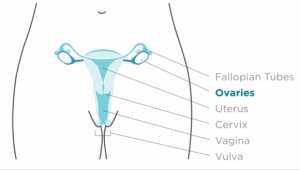
Response: Ovarian cancer is a very aggressive disease. Only one in six patients survives more than 10 years after the first diagnosis. This high mortality is primarily because the disease is usually detected late in its course, when the tumor has already spread from the ovaries to the surrounding organs in the abdomen.
In an interdisciplinary collaboration between the Max Planck Institute of Biochemistry in Martinsried, Munich, the University of Chicago and the University of Copenhagen, we performed deep tissue proteomics on archived biobank material to identify drivers of long-term patient survival.
Site of Ovarian Cancer - Wikipedia Image[/caption]
Fabian Coscia PhD
Department of Proteomics and Signal Transduction, Max Planck Institute of Biochemistry, Martinsried, German and
Ernst Lengyel MD PhD
Department of Obstetrics and Gynecology
Section of Gynecologic Oncology
University of Chicago, Chicago, IL
MedicalResearch.com: What is the background for this study?
Response: Ovarian cancer is a very aggressive disease. Only one in six patients survives more than 10 years after the first diagnosis. This high mortality is primarily because the disease is usually detected late in its course, when the tumor has already spread from the ovaries to the surrounding organs in the abdomen.
In an interdisciplinary collaboration between the Max Planck Institute of Biochemistry in Martinsried, Munich, the University of Chicago and the University of Copenhagen, we performed deep tissue proteomics on archived biobank material to identify drivers of long-term patient survival.
 Dr. Persenaire[/caption]
Maarten Persenaire, MD
Co-founder, Chief Medical Officer
TELA Bio
MedicalResearch.com: What is the background for this study? What are the main findings?
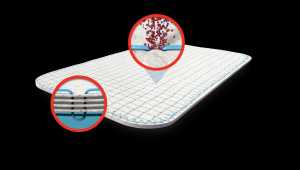
Response: OviTex Reinforced BioScaffolds (RBSs) are a novel distinct class of surgical implants that combine biologic and synthetic materials in a unique embroidered construction and design for hernia repair and soft tissue reconstruction. The two recent publications reported clinical results of OviTex RBS performance in inguinal and hiatal hernia repair.
Case series published in the International Journal of Surgery Open evaluated the role of OviTex RBSs in inguinal hernia repair to reduce the incidence of chronic postoperative pain. Thirty-one consecutive patients who had inguinal hernia repaired with OviTex RBSs were followed for an average of 12.6 months, during which time there were no reported recurrences, complications requiring surgical intervention or infections. None of the patients reported postoperative inguinal pain beyond the first days after surgery and none required a narcotic pain medication refill.
The second study published in the Journal of the Society of Laparoendoscopic Surgeons is the first reported series describing the use of OviTex RBSs in hiatal hernia repair. A retrospective chart review of 25 consecutive patients undergoing laparoscopic or open hiatal hernia repairs with mean follow-up of 14.2 months showed no recurrences. The hiatal hernia repairs with OviTex RBSs resulted in good to excellent control and resolution of symptoms, including heartburn, dysphagia, regurgitation, nausea and vomiting, dyspnea, and chest pain or discomfort.
Dr. Persenaire[/caption]
Maarten Persenaire, MD
Co-founder, Chief Medical Officer
TELA Bio
MedicalResearch.com: What is the background for this study? What are the main findings?
Response: OviTex Reinforced BioScaffolds (RBSs) are a novel distinct class of surgical implants that combine biologic and synthetic materials in a unique embroidered construction and design for hernia repair and soft tissue reconstruction. The two recent publications reported clinical results of OviTex RBS performance in inguinal and hiatal hernia repair.
Case series published in the International Journal of Surgery Open evaluated the role of OviTex RBSs in inguinal hernia repair to reduce the incidence of chronic postoperative pain. Thirty-one consecutive patients who had inguinal hernia repaired with OviTex RBSs were followed for an average of 12.6 months, during which time there were no reported recurrences, complications requiring surgical intervention or infections. None of the patients reported postoperative inguinal pain beyond the first days after surgery and none required a narcotic pain medication refill.
The second study published in the Journal of the Society of Laparoendoscopic Surgeons is the first reported series describing the use of OviTex RBSs in hiatal hernia repair. A retrospective chart review of 25 consecutive patients undergoing laparoscopic or open hiatal hernia repairs with mean follow-up of 14.2 months showed no recurrences. The hiatal hernia repairs with OviTex RBSs resulted in good to excellent control and resolution of symptoms, including heartburn, dysphagia, regurgitation, nausea and vomiting, dyspnea, and chest pain or discomfort.

 Dr. Haarbauer-Krupa[/caption]
Juliet Haarbauer-Krupa, PhD
Senior Health Scientist
Division of Unintentional Injury Prevention
CDC
MedicalResearch.com: What is the background for this study?
Dr. Haarbauer-Krupa[/caption]
Juliet Haarbauer-Krupa, PhD
Senior Health Scientist
Division of Unintentional Injury Prevention
CDC
MedicalResearch.com: What is the background for this study?
 Dr. Johns[/caption]
Michelle M Johns, MPH, PhD
Health Scientist
Division of Adolescent and School Health
CDC
MedicalResearch.com: What is the background for this study? What are the main findings?
Response: Gender nonconformity is an under-researched area of adolescent health that is often linked to negative health outcomes. To address this gap, we analyzed Youth Risk Behavior Survey data to describe the associations between gender nonconformity and risk behaviors, including mental distress, and substance use.
Gender nonconformity was associated with feeling sad and hopeless, as well as suicidal thoughts and/or behaviors among female and male students. In addition, gender nonconformity was strongly associated with substance use among male students.
Dr. Johns[/caption]
Michelle M Johns, MPH, PhD
Health Scientist
Division of Adolescent and School Health
CDC
MedicalResearch.com: What is the background for this study? What are the main findings?
Response: Gender nonconformity is an under-researched area of adolescent health that is often linked to negative health outcomes. To address this gap, we analyzed Youth Risk Behavior Survey data to describe the associations between gender nonconformity and risk behaviors, including mental distress, and substance use.
Gender nonconformity was associated with feeling sad and hopeless, as well as suicidal thoughts and/or behaviors among female and male students. In addition, gender nonconformity was strongly associated with substance use among male students.

 Fudi Wang, M.D., Ph.D.
Qiushi Chair Professor
Nutrition Discovery Innovation Center
School of Public Health/School of Medicine
Zhejiang University
Hangzhou China
MedicalResearch.com: What is the background for this study? What are the main findings?
Response: Parkinson disease (PD) is the second most common neurodegenerative disease affecting approximately 10 million people around the world. To date, the cause of PD remains poorly understood. It is reported that 90% PD cases have no identifiable genetic cause. What’s worse, few therapeutic advances for the treatment of PD have been made in the past decades. Nevertheless, growing prospective longitudinal studies shed lights on the potential beneficial effect of lifestyle factors on reducing the risk of developing Parkinson disease. In this study, we performed a a dose-response meta-analysis of more than half a million participants.
We found that physical activity, particularly moderate to vigorous physical activity, could significantly reduce PD risk.
Fudi Wang, M.D., Ph.D.
Qiushi Chair Professor
Nutrition Discovery Innovation Center
School of Public Health/School of Medicine
Zhejiang University
Hangzhou China
MedicalResearch.com: What is the background for this study? What are the main findings?
Response: Parkinson disease (PD) is the second most common neurodegenerative disease affecting approximately 10 million people around the world. To date, the cause of PD remains poorly understood. It is reported that 90% PD cases have no identifiable genetic cause. What’s worse, few therapeutic advances for the treatment of PD have been made in the past decades. Nevertheless, growing prospective longitudinal studies shed lights on the potential beneficial effect of lifestyle factors on reducing the risk of developing Parkinson disease. In this study, we performed a a dose-response meta-analysis of more than half a million participants.
We found that physical activity, particularly moderate to vigorous physical activity, could significantly reduce PD risk.

MedicalResearch.com Interview with: [caption id="attachment_44726" align="alignleft" width="200"] Prof., Hahn[/caption] Juergen Hahn PhD, Professor and Department Head Department of Biomedical Engineerin Department of Chemical & Biological Engineering Center for Biotechnology and Interdisciplinary Studies Rensselaer Polytechnic Institute MedicalResearch.com: What is the background for this study? What are the main findings? Response: Recent estimates indicate that if a mother has...

 Dr. Cohen[/caption]
Eyal Cohen, MD, MSc, FRCP(C)
Associate Scientist and Program Head (interim), Child Health Evaluative Sciences
Research Institute, The Hospital for Sick Children
Staff Physician, Division of Paediatric Medicine, The Hospital for Sick Children
Professor, Paediatrics and Health Policy
Management & Evaluation
The University of Toronto
MedicalResearch.com: What is the background for this study? What are the main findings?
Response: Having a child with a major birth defect can be a life-changing and stressful event for the child's mother. This stress may be associated with higher risk of premature cardiovascular disease.
We found that mothers of infants born with a major birth defect had a 15% higher risk of premature cardiovascular disease that a comparison group of mothers. The risk was more pronounced, rising to 37% among mothers who gave birth to a more severely affected infant (and infant born with major birth defects affecting more than one organ system). The risk was apparent even within the first 10 years after the birth of the child.
Dr. Cohen[/caption]
Eyal Cohen, MD, MSc, FRCP(C)
Associate Scientist and Program Head (interim), Child Health Evaluative Sciences
Research Institute, The Hospital for Sick Children
Staff Physician, Division of Paediatric Medicine, The Hospital for Sick Children
Professor, Paediatrics and Health Policy
Management & Evaluation
The University of Toronto
MedicalResearch.com: What is the background for this study? What are the main findings?
Response: Having a child with a major birth defect can be a life-changing and stressful event for the child's mother. This stress may be associated with higher risk of premature cardiovascular disease.
We found that mothers of infants born with a major birth defect had a 15% higher risk of premature cardiovascular disease that a comparison group of mothers. The risk was more pronounced, rising to 37% among mothers who gave birth to a more severely affected infant (and infant born with major birth defects affecting more than one organ system). The risk was apparent even within the first 10 years after the birth of the child.
 Dr. Kishan[/caption]
Amar U. Kishan, MD
Assistant Professor
Department of Radiation Oncology
University of California, Los Angeles
MedicalResearch.com: What is the background for this study? What are the main findings?
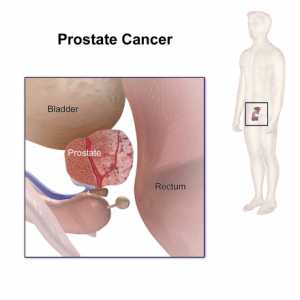
Response: Three large randomized trials demonstrated an overall survival (OS) benefit when androgen deprivation therapy (ADT) is combined with radiotherapy (RT) for high-risk prostate cancer (PCa). The duration of ADT in these seminal studies ranged from six months to lifelong. Because ADT has multiple attendant adverse effects--including bone loss, altered metabolism, diminished muscle mass, gynecomastia, hot flashes, and possibly increased cardiovascular events--shortening the duration of ADT without compromising oncologic effectiveness has been an area of active study. Five trials have compared various durations of ADT, reaching conflicting conclusions with respect to overall survival outcomes, with some suggesting an improvement with longer durations of ADT and others failing to show a uniform survival benefit.
Most of these trials have amalgamated Gleason grade group 4 (Gleason score 8) PCa with Gleason grade group (GG) 5 (Gleason score 9-10) PCa. Emerging data indicate that GS 9-10 PCa constitutes a distinct subset of high-risk PCa with inferior outcomes and earlier progression than GS 8 disease. With the knowledge that GS 9-10 PCas constitute a distinct, more aggressive form of PCa, one might hypothesize that longer durations of ADT may be more advantageous in both augmenting local control and controlling potential micrometastatic disease. Alternatively, as GS 9-10 lesions by definition contain highly de-differentiated Gleason pattern 5 disease foci and may proceed to a castrate-resistant state more rapidly, one may also hypothesize that GS 9-10 lesions are less responsive to ADT, and longer durations may be counter-productive.
In order to identify differences in the impact of ADT duration on clinical outcomes of patients with GG 4 and GG 5 PCa, we performed an individual patient-level meta-analysis of six randomized trials. Our working hypothesis was that longer durations of ADT would offer significant survival benefits in both groups.
Dr. Kishan[/caption]
Amar U. Kishan, MD
Assistant Professor
Department of Radiation Oncology
University of California, Los Angeles
MedicalResearch.com: What is the background for this study? What are the main findings?
Response: Three large randomized trials demonstrated an overall survival (OS) benefit when androgen deprivation therapy (ADT) is combined with radiotherapy (RT) for high-risk prostate cancer (PCa). The duration of ADT in these seminal studies ranged from six months to lifelong. Because ADT has multiple attendant adverse effects--including bone loss, altered metabolism, diminished muscle mass, gynecomastia, hot flashes, and possibly increased cardiovascular events--shortening the duration of ADT without compromising oncologic effectiveness has been an area of active study. Five trials have compared various durations of ADT, reaching conflicting conclusions with respect to overall survival outcomes, with some suggesting an improvement with longer durations of ADT and others failing to show a uniform survival benefit.
Most of these trials have amalgamated Gleason grade group 4 (Gleason score 8) PCa with Gleason grade group (GG) 5 (Gleason score 9-10) PCa. Emerging data indicate that GS 9-10 PCa constitutes a distinct subset of high-risk PCa with inferior outcomes and earlier progression than GS 8 disease. With the knowledge that GS 9-10 PCas constitute a distinct, more aggressive form of PCa, one might hypothesize that longer durations of ADT may be more advantageous in both augmenting local control and controlling potential micrometastatic disease. Alternatively, as GS 9-10 lesions by definition contain highly de-differentiated Gleason pattern 5 disease foci and may proceed to a castrate-resistant state more rapidly, one may also hypothesize that GS 9-10 lesions are less responsive to ADT, and longer durations may be counter-productive.
In order to identify differences in the impact of ADT duration on clinical outcomes of patients with GG 4 and GG 5 PCa, we performed an individual patient-level meta-analysis of six randomized trials. Our working hypothesis was that longer durations of ADT would offer significant survival benefits in both groups.

 Dr. Sheats[/caption]
Dr. Kameron Sheats PhD
Licensed Psychologist; Behavioral Scientist
Centers for Disease Control and Prevention
MedicalResearch.com: What is the background for this study?
Response: This study updates literature on racial disparities in violence between black and white youth using data capturing different severity levels in violent outcomes such as homicide versus assault. This study also seeks to increase the understanding of the impact of these disparities by examining associations between disparities in childhood adversity (e.g., child abuse and neglect, exposure to violence, household challenges) and adult health conditions.
Dr. Sheats[/caption]
Dr. Kameron Sheats PhD
Licensed Psychologist; Behavioral Scientist
Centers for Disease Control and Prevention
MedicalResearch.com: What is the background for this study?
Response: This study updates literature on racial disparities in violence between black and white youth using data capturing different severity levels in violent outcomes such as homicide versus assault. This study also seeks to increase the understanding of the impact of these disparities by examining associations between disparities in childhood adversity (e.g., child abuse and neglect, exposure to violence, household challenges) and adult health conditions.
 Howa Yeung, MD
Assistant Professor of Dermatology
Emory University School of Medicine
Atlanta, GA 30322
MedicalResearch.com: What is the background for this study? Would you briefly explain what is meant by actinic keratoses?
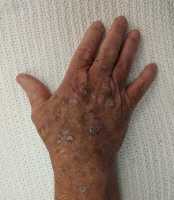
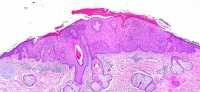
Response: Actinic keratoses are common precancerous skin lesions caused by sun exposure. Because actinic keratoses may develop into skin cancers such as squamous cell carcinoma and basal cell carcinoma, they are often treated by various destructive methods. We used Medicare Part B billing claims to estimate the number and cost of treated actinic keratoses from 2007 to 2015.
MedicalResearch.com: What are the main findings?
Response: While the number of Medicare Part B beneficiaries increased only moderately, the number of actinic keratoses treated by destruction rose from 29.7 million in 2007 to 35.6 million in 2015. Medicare paid an average annual amount of $413.1 million for actinic keratosis destruction from 2007 to 2015. Independently billing non-physician clinicians, including advanced practice registered nurses and physician assistants, are treating an increasing proportion of actinic keratosis, peaking at 13.5% in 2015.
MedicalResearch.com: What should readers take away from your report?
Response: Readers should understand that the burden of actinic keratosis treatment is increasing in the Medicare population. There is also an increasing proportion of actinic keratoses being treated by advanced practice registered nurses and physician assistants.
Howa Yeung, MD
Assistant Professor of Dermatology
Emory University School of Medicine
Atlanta, GA 30322
MedicalResearch.com: What is the background for this study? Would you briefly explain what is meant by actinic keratoses?
Response: Actinic keratoses are common precancerous skin lesions caused by sun exposure. Because actinic keratoses may develop into skin cancers such as squamous cell carcinoma and basal cell carcinoma, they are often treated by various destructive methods. We used Medicare Part B billing claims to estimate the number and cost of treated actinic keratoses from 2007 to 2015.
MedicalResearch.com: What are the main findings?
Response: While the number of Medicare Part B beneficiaries increased only moderately, the number of actinic keratoses treated by destruction rose from 29.7 million in 2007 to 35.6 million in 2015. Medicare paid an average annual amount of $413.1 million for actinic keratosis destruction from 2007 to 2015. Independently billing non-physician clinicians, including advanced practice registered nurses and physician assistants, are treating an increasing proportion of actinic keratosis, peaking at 13.5% in 2015.
MedicalResearch.com: What should readers take away from your report?
Response: Readers should understand that the burden of actinic keratosis treatment is increasing in the Medicare population. There is also an increasing proportion of actinic keratoses being treated by advanced practice registered nurses and physician assistants.

 Dr. Kozyrskyj[/caption]
Anita Kozyrskyj PhD
Professor in Pediatrics
Faculty of Medicine & Dentistry
School of Public Health
University of Alberta
MedicalResearch.com: What is the background for this study?
Response: Data for this study were collected in the Canadian Healthy Infant Longitudinal Development (CHILD) cohort of over 3,500 full-term infants born between 2009 and 2012. When infants were 3-4 months of age, parents provided a sample of their poop. At that time, parents checked-off responses to questions about their home, including type and frequency of cleaning product use. The infant poop was initially frozen, then thawed later to extract DNA from the sample and identify microbes on the basis of their DNA sequence.
Dr. Kozyrskyj[/caption]
Anita Kozyrskyj PhD
Professor in Pediatrics
Faculty of Medicine & Dentistry
School of Public Health
University of Alberta
MedicalResearch.com: What is the background for this study?
Response: Data for this study were collected in the Canadian Healthy Infant Longitudinal Development (CHILD) cohort of over 3,500 full-term infants born between 2009 and 2012. When infants were 3-4 months of age, parents provided a sample of their poop. At that time, parents checked-off responses to questions about their home, including type and frequency of cleaning product use. The infant poop was initially frozen, then thawed later to extract DNA from the sample and identify microbes on the basis of their DNA sequence.