
05 Oct Most Overweight or Obese Children Will Stay So
Obesity Sets In At Very Early Age...

Obesity Sets In At Very Early Age...


 Syed Mahmood Ali Shah, M.D.
Associate Professor of Ophthalmology
University of Pittsburgh School of Medicine
MedicalResearch.com: What is the background for this study? What are the main findings?
Response: Eye trauma is a significant cause of morbidity throughout the world. In the United States, the incidence of individuals hospitalized with eye trauma from 2001 through 2014 increased. Most of these individuals were above the age of 65 and suffered a fall. This is a worrisome trend in light of an increased awareness and continued and concentrated effort to reduce falls. This is a critical point: We need to improve our existing strategies to reduce falls.
The second at-risk group is children and adolescents. Previous studies have shown that effective widespread implementation of injury prevention efforts can lower trauma rates. While we did observe a small decrease in eye trauma as a primary admitting diagnosis, the fact that it was more common in children and adolescents (for whom eye trauma carries devastating consequences and can significantly reduce quality of life) highlights the significance of continued efforts to prevent eye trauma.
Syed Mahmood Ali Shah, M.D.
Associate Professor of Ophthalmology
University of Pittsburgh School of Medicine
MedicalResearch.com: What is the background for this study? What are the main findings?
Response: Eye trauma is a significant cause of morbidity throughout the world. In the United States, the incidence of individuals hospitalized with eye trauma from 2001 through 2014 increased. Most of these individuals were above the age of 65 and suffered a fall. This is a worrisome trend in light of an increased awareness and continued and concentrated effort to reduce falls. This is a critical point: We need to improve our existing strategies to reduce falls.
The second at-risk group is children and adolescents. Previous studies have shown that effective widespread implementation of injury prevention efforts can lower trauma rates. While we did observe a small decrease in eye trauma as a primary admitting diagnosis, the fact that it was more common in children and adolescents (for whom eye trauma carries devastating consequences and can significantly reduce quality of life) highlights the significance of continued efforts to prevent eye trauma.

 Dr. Babiuch[/caption]
Amy Babiuch, M.D.
Medical Retina Specialist | Cole Eye Institute
Assistant Professor Ophthalmology Case Western Reserve University
WPSA Regional Focus Committee Chair
Cleveland Clinic
MedicalResearch.com: What is the background for this study?
Response: In previous studies, the disorganization of retinal inner layers (DRIL) has demonstrated its ability to help determine visual acuity (VA) prognosis in diabetic macular edema that requires treatment. Given this association, the research group at Cole Eye Institute studied how DRIL may affect VA outcomes in patients with retinal vein occlusion (RVO) undergoing treatment for secondary macular edema.
DRIL is defined as the extent to which there is a failure in the recognition of any of the demarcations between the ganglion cell-inner plexiform layer complex, inner nuclear layer, and outer plexiform layer on optical coherence tomography (OCT).
Dr. Babiuch[/caption]
Amy Babiuch, M.D.
Medical Retina Specialist | Cole Eye Institute
Assistant Professor Ophthalmology Case Western Reserve University
WPSA Regional Focus Committee Chair
Cleveland Clinic
MedicalResearch.com: What is the background for this study?
Response: In previous studies, the disorganization of retinal inner layers (DRIL) has demonstrated its ability to help determine visual acuity (VA) prognosis in diabetic macular edema that requires treatment. Given this association, the research group at Cole Eye Institute studied how DRIL may affect VA outcomes in patients with retinal vein occlusion (RVO) undergoing treatment for secondary macular edema.
DRIL is defined as the extent to which there is a failure in the recognition of any of the demarcations between the ganglion cell-inner plexiform layer complex, inner nuclear layer, and outer plexiform layer on optical coherence tomography (OCT).

 Brian King, PhD
Lead author and Deputy Director for Research Translation
Office on Smoking and Health.
CDC
MedicalResearch.com: What is the background for this study?
Response: Since first entering the U.S. marketplace in 2007, e-cigarettes have been a rapidly evolving product class. Typically, national surveys provide annual, self-reported estimates of e-cigarette use among adults and youth. However, given the dynamic nature of the e-cigarettes landscape, data collected at a sub-annual level can be useful for identifying rapid changes and patterns. For example, retail sales data, which is available at more frequent intervals, such as weekly, can complement annual surveys and help keep a pulse on emerging trends. This study assessed e-cigarette retail sales data in the United States from 2013 through 2017.
Brian King, PhD
Lead author and Deputy Director for Research Translation
Office on Smoking and Health.
CDC
MedicalResearch.com: What is the background for this study?
Response: Since first entering the U.S. marketplace in 2007, e-cigarettes have been a rapidly evolving product class. Typically, national surveys provide annual, self-reported estimates of e-cigarette use among adults and youth. However, given the dynamic nature of the e-cigarettes landscape, data collected at a sub-annual level can be useful for identifying rapid changes and patterns. For example, retail sales data, which is available at more frequent intervals, such as weekly, can complement annual surveys and help keep a pulse on emerging trends. This study assessed e-cigarette retail sales data in the United States from 2013 through 2017.
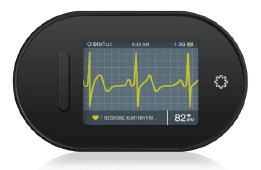
 Waqaas Al-Siddiq[/caption]
Waqaas Al-Siddiq
Founder and CEO of Biotricity Inc
MedicalResearch.com: In light of Apple's announcement that it will incorporate an EKG monitoring device into Apple watches in the near future, would you discuss your vision of the growing medical wearables market?
Response: First of all, the public is still largely confused as to what constitutes a medical wearable device. Apple’s new watch, with its EKG monitoring service, is not a medical wearable because it will not produce clinical-grade data needed for diagnosis or treatment. This is not to say that Apple’s watch isn’t helpful. Many people are not even aware that they have a heart problem, but if their Apple watch consistently tells them that they have an irregular heart rhythm, or arrhythmia, they could take that as a sign to go to a physician and get a professional diagnosis. A physician will then prescribe a medical wearable device, such as our Bioflux, to monitor the patient’s heart rhythm. Medical-grade wearable devices produce clinical-grade data that is accurate to within 90-95 percent or higher and are prescribed by physicians to make diagnoses and treatment plans.
That being said, I envision that the medical wearables market will expand considerably with the advent of consumer-based wearables that facilitate health tracking. One of the biggest problems we have today is a lack of awareness. Anywhere between 2.7 and 6.1 million people in the U.S. suffer from atrial fibrillation - a condition that makes the heart beat irregularly - and many aren’t aware that they have the condition. Consumer-based health trackers like the Fitbit and the Apple Watch can help raise awareness and alert consumers to possible health issues, which will encourage them to see a physician for a thorough and professional examination and diagnosis. This, in turn, gives the medical wearable market a boost as more people will be diagnosed with the aid of a medical wearable. Another factor that is playing into this adoption trend is that next-generation medical wearables are increasingly becoming smaller and easier to use for both patients and physicians. So, I think that the future of medical wearables will see them firmly entrenched in mainstream practice and eventually become tools within the home for individuals with chronic issues.
Waqaas Al-Siddiq[/caption]
Waqaas Al-Siddiq
Founder and CEO of Biotricity Inc
MedicalResearch.com: In light of Apple's announcement that it will incorporate an EKG monitoring device into Apple watches in the near future, would you discuss your vision of the growing medical wearables market?
Response: First of all, the public is still largely confused as to what constitutes a medical wearable device. Apple’s new watch, with its EKG monitoring service, is not a medical wearable because it will not produce clinical-grade data needed for diagnosis or treatment. This is not to say that Apple’s watch isn’t helpful. Many people are not even aware that they have a heart problem, but if their Apple watch consistently tells them that they have an irregular heart rhythm, or arrhythmia, they could take that as a sign to go to a physician and get a professional diagnosis. A physician will then prescribe a medical wearable device, such as our Bioflux, to monitor the patient’s heart rhythm. Medical-grade wearable devices produce clinical-grade data that is accurate to within 90-95 percent or higher and are prescribed by physicians to make diagnoses and treatment plans.
That being said, I envision that the medical wearables market will expand considerably with the advent of consumer-based wearables that facilitate health tracking. One of the biggest problems we have today is a lack of awareness. Anywhere between 2.7 and 6.1 million people in the U.S. suffer from atrial fibrillation - a condition that makes the heart beat irregularly - and many aren’t aware that they have the condition. Consumer-based health trackers like the Fitbit and the Apple Watch can help raise awareness and alert consumers to possible health issues, which will encourage them to see a physician for a thorough and professional examination and diagnosis. This, in turn, gives the medical wearable market a boost as more people will be diagnosed with the aid of a medical wearable. Another factor that is playing into this adoption trend is that next-generation medical wearables are increasingly becoming smaller and easier to use for both patients and physicians. So, I think that the future of medical wearables will see them firmly entrenched in mainstream practice and eventually become tools within the home for individuals with chronic issues.

 Dr. Willis[/caption]
Allison W. Willis, MD, MS
Assistant Professor of Neurology
Assistant Professor of Biostatistics and Epidemiology
Senior Fellow, Leonard Davis Institute
Senior Scholar, Center for Clinical Epidemiology and Biostatistics
University of Pennsylvania School of Medicine
MedicalResearch.com: What is the background for this study? What are the main findings?
Response: This study was motivated by my own experiences as a neurologist-neuroscientist.
I care for Parkinson disease patients, and over the year, have had numerous instances in which a person was taking a medication that could interact with their Parkinson disease medications, or could worsen their PD symptoms.
Dr. Willis[/caption]
Allison W. Willis, MD, MS
Assistant Professor of Neurology
Assistant Professor of Biostatistics and Epidemiology
Senior Fellow, Leonard Davis Institute
Senior Scholar, Center for Clinical Epidemiology and Biostatistics
University of Pennsylvania School of Medicine
MedicalResearch.com: What is the background for this study? What are the main findings?
Response: This study was motivated by my own experiences as a neurologist-neuroscientist.
I care for Parkinson disease patients, and over the year, have had numerous instances in which a person was taking a medication that could interact with their Parkinson disease medications, or could worsen their PD symptoms.
 Prof. Reid[/caption]
Prof Ian Reid
Faculty of Medical and Health Sciences
University of Auckland
Auckland New Zealand
MedicalResearch.com: What is the background for this study? What are the main findings?
Response: Bisphosphonates prevent fractures in patients with osteoporosis, but their efficacy in women with less marked bone loss (referred to as osteopenia) is unknown.
Most fractures in postmenopausal women occur in osteopenic patients, so therapies with efficacy in osteopenia are needed.
Prof. Reid[/caption]
Prof Ian Reid
Faculty of Medical and Health Sciences
University of Auckland
Auckland New Zealand
MedicalResearch.com: What is the background for this study? What are the main findings?
Response: Bisphosphonates prevent fractures in patients with osteoporosis, but their efficacy in women with less marked bone loss (referred to as osteopenia) is unknown.
Most fractures in postmenopausal women occur in osteopenic patients, so therapies with efficacy in osteopenia are needed.

 Dr. Spyropoulos[/caption]
Alex C Spyropoulos, MD, FACP, FCCP, FRCPC
Professor of Medicine – The Donald and Barbara Zucker School of Medicine at Hofstra/Northwell
Professor - The Center for Health Innovations and Outcomes Research - The Feinstein Institute for Medical Research
System Director – Anticoagulation and Clinical Thrombosis Services
Northwell Health at Lenox Hill Hospital
New York, NY 10075
MedicalResearch.com: What is the background for this study?
Response: Hospitalised medically ill patients have a significant risk of developing venous thromboembolism (VTE) within 6 weeks after discharge. The role of extended thromboprophylaxis in this population with either low molecular weight heparin or the direct oral anticoagulants remains uncertain, as it has shown either excess bleeding or beneficial effects mainly from reducing asymptomatic deep vein thrombosis (DVT).
The MARINER trial was designed to compare rivaroxaban with placebo for the prevention of the composite outcome of symptomatic VTE and VTE-related death in medically ill patients at increased risk of VTE post-hospital discharge. The principal safety objective was major bleeding.
The trial was a randomized, double-blind, placebo-controlled, event-driven study that included a total of 12,024 patients aged ≥40 years who had been hospitalised with an acute medical illness for 3-10 consecutive days and had additional VTE risk factors as defined by the modified IMPROVE VTE risk score of ≥4 or a score of 2 or 3 plus a plasma D-dimer level more than twice the upper limit of normal). The rivaroxaban regimen consisted of 10 mg once daily in patients with a creatinine clearance (CrCl) of >=50ml/min or 7.5 mg for patients with a CrCl of 30 to <50 ml/min. The first dose was given on the day of discharge and the last dose at Day 45. Patients were followed up for an additional 30 days. Baseline characteristics were well matched between groups and typical of a medically ill population.
Dr. Spyropoulos[/caption]
Alex C Spyropoulos, MD, FACP, FCCP, FRCPC
Professor of Medicine – The Donald and Barbara Zucker School of Medicine at Hofstra/Northwell
Professor - The Center for Health Innovations and Outcomes Research - The Feinstein Institute for Medical Research
System Director – Anticoagulation and Clinical Thrombosis Services
Northwell Health at Lenox Hill Hospital
New York, NY 10075
MedicalResearch.com: What is the background for this study?
Response: Hospitalised medically ill patients have a significant risk of developing venous thromboembolism (VTE) within 6 weeks after discharge. The role of extended thromboprophylaxis in this population with either low molecular weight heparin or the direct oral anticoagulants remains uncertain, as it has shown either excess bleeding or beneficial effects mainly from reducing asymptomatic deep vein thrombosis (DVT).
The MARINER trial was designed to compare rivaroxaban with placebo for the prevention of the composite outcome of symptomatic VTE and VTE-related death in medically ill patients at increased risk of VTE post-hospital discharge. The principal safety objective was major bleeding.
The trial was a randomized, double-blind, placebo-controlled, event-driven study that included a total of 12,024 patients aged ≥40 years who had been hospitalised with an acute medical illness for 3-10 consecutive days and had additional VTE risk factors as defined by the modified IMPROVE VTE risk score of ≥4 or a score of 2 or 3 plus a plasma D-dimer level more than twice the upper limit of normal). The rivaroxaban regimen consisted of 10 mg once daily in patients with a creatinine clearance (CrCl) of >=50ml/min or 7.5 mg for patients with a CrCl of 30 to <50 ml/min. The first dose was given on the day of discharge and the last dose at Day 45. Patients were followed up for an additional 30 days. Baseline characteristics were well matched between groups and typical of a medically ill population.

 Virginia Ladd, CEO[/caption]
Virginia Ladd, CEO
American Autoimmune Related Disease Association (AARDA)
MedicalResearch.com: Would you briefly explain what is meant by autoimmune disorders?
Response: Autoimmune disease is a broad category of related diseases which share both genetic and mechanistic properties. They occur when the person’s immune system attacks the body’s own cell, and tissue. The immune system goes awry and mistakenly attacks the tissues and organs it was designed to protect. Normally the immune system protects the It does this by body by responding to invading microorganisms, such as bacteria, and viruses. Producing antibodies which are special proteins that recognize and destroy the invaders. Autoimmune diseases occur when autoantibodies attack the body’s own cells, tissue and organs.
Virginia Ladd, CEO[/caption]
Virginia Ladd, CEO
American Autoimmune Related Disease Association (AARDA)
MedicalResearch.com: Would you briefly explain what is meant by autoimmune disorders?
Response: Autoimmune disease is a broad category of related diseases which share both genetic and mechanistic properties. They occur when the person’s immune system attacks the body’s own cell, and tissue. The immune system goes awry and mistakenly attacks the tissues and organs it was designed to protect. Normally the immune system protects the It does this by body by responding to invading microorganisms, such as bacteria, and viruses. Producing antibodies which are special proteins that recognize and destroy the invaders. Autoimmune diseases occur when autoantibodies attack the body’s own cells, tissue and organs.

The fact that men are also significantly affected emphasizes that this is not a women´s issue but a phenomenon that needs to be addressed to improve the working conditions for all healthcare providers....
 Prof. Dixon-Woods[/caption]
Professor Mary Dixon-Woods
Director, The Healthcare Improvement Studies Institute
(THIS Institute)
University of Cambridge
MedicalResearch.com: What is the background for this study? What are the main findings?
Response: The challenges around employee voice are well documented. For various reasons, employees in all industries are often reluctant to raise concerns when they witness disruptive or unsafe behaviour from their colleagues. But it’s crucial that they speak up – especially in healthcare. Patient safety may depend on it.
Our study focused on a large academic medical centre in the US that wanted to improve employee voice. Despite having reporting mechanisms in place, the organisation still had issues with disruptive behaviour from group of powerful senior individuals that went unchallenged and contributed to a culture of fear.
Through confidential interviews with 67 frontline staff and leaders and the organizational actions that followed, we learned it’s important for employees to feel that their concerns will be dealt with authentically. It also helps when healthcare organisations have clear definitions of acceptable and unacceptable behaviour and well-coordinated response mechanisms. Once someone does raise a concern, organizations need good, fair and transparent systems of investigations and be prepared to implement consequences for disruptive behaviour consistently.
Prof. Dixon-Woods[/caption]
Professor Mary Dixon-Woods
Director, The Healthcare Improvement Studies Institute
(THIS Institute)
University of Cambridge
MedicalResearch.com: What is the background for this study? What are the main findings?
Response: The challenges around employee voice are well documented. For various reasons, employees in all industries are often reluctant to raise concerns when they witness disruptive or unsafe behaviour from their colleagues. But it’s crucial that they speak up – especially in healthcare. Patient safety may depend on it.
Our study focused on a large academic medical centre in the US that wanted to improve employee voice. Despite having reporting mechanisms in place, the organisation still had issues with disruptive behaviour from group of powerful senior individuals that went unchallenged and contributed to a culture of fear.
Through confidential interviews with 67 frontline staff and leaders and the organizational actions that followed, we learned it’s important for employees to feel that their concerns will be dealt with authentically. It also helps when healthcare organisations have clear definitions of acceptable and unacceptable behaviour and well-coordinated response mechanisms. Once someone does raise a concern, organizations need good, fair and transparent systems of investigations and be prepared to implement consequences for disruptive behaviour consistently.
 Dr. Howard[/caption]
Dr. George Howard DPH, for the research team
Professor and Chair of Biostatistics
University of Alabama at Birmingham
MedicalResearch.com: What is the background for this study? What are the main findings?
Response: Perhaps the most important distinction to draw for the readers is that this is not a paper about risk factors for hypertension, but rather a paper that looks for contributors to the black-white difference in the presence of hypertension. This racial difference in hypertension is the single biggest contributor to the immense disparities in cardiovascular diseases (stroke, MI, etc.) that underpin the approximate 4-year difference in black-white life expectancy. As such, this work is “going back upstream” to understand the causes that lead to blacks having a higher prevalence of hypertension than whites with hopes that changing this difference will lead to reductions in the black-white disparities in cardiovascular diseases and life expectancy. This difference in the prevalence of hypertension is immense … in our national study of people over age 45, about 50% of whites have hypertension compared to about 70% of blacks … that is HUGE. We think that changing this difference is (at least one of) the “holy grail” of disparities research.
This study demonstrates that there are several “targets” where changes could be made to reduce the black-white difference in hypertension, and thereby the black-white difference in cardiovascular diseases and life expectancy; however, the most “potent” of these appears to be diet changes. Even though we know what foods promote a heart healthy lifestyle, we still have major differences in terms of how that message is being adopted by various groups of Americans. We can’t know from our data what about the Southern diet is driving these racial differences in hypertension but we can begin to design community based interventions that could possibly help to reduce these racial disparities through diet. It is interested that diet more than being overweight was the biggest contributor to the racial disparities in hypertension. This would suggest we might want to consider interventions to increase health foods in the diet while minimizing fried foods and processed meats.
While this is not a clinical trial that “proves” that changes in diet will reduce the disparity in blood pressure, we consider the “message” of the paper to be good news, as the things that we found that contribute to this black-white difference are things that can be changed. While it is always hard for individual people to change their diet, it can be done. More importantly, over time we as a society have been changing what we eat … but we need to “double down” and try to change this faster. Also, policy changes of play a role to gently make changes in these diet, where for example Great Britain has been making policy changes to slowly remove salt from the diet. These changes are possible … and as such, we may see a day when the black-white differences in hypertension (and thereby CVD and death) may be reduced.
Dr. Howard[/caption]
Dr. George Howard DPH, for the research team
Professor and Chair of Biostatistics
University of Alabama at Birmingham
MedicalResearch.com: What is the background for this study? What are the main findings?
Response: Perhaps the most important distinction to draw for the readers is that this is not a paper about risk factors for hypertension, but rather a paper that looks for contributors to the black-white difference in the presence of hypertension. This racial difference in hypertension is the single biggest contributor to the immense disparities in cardiovascular diseases (stroke, MI, etc.) that underpin the approximate 4-year difference in black-white life expectancy. As such, this work is “going back upstream” to understand the causes that lead to blacks having a higher prevalence of hypertension than whites with hopes that changing this difference will lead to reductions in the black-white disparities in cardiovascular diseases and life expectancy. This difference in the prevalence of hypertension is immense … in our national study of people over age 45, about 50% of whites have hypertension compared to about 70% of blacks … that is HUGE. We think that changing this difference is (at least one of) the “holy grail” of disparities research.
This study demonstrates that there are several “targets” where changes could be made to reduce the black-white difference in hypertension, and thereby the black-white difference in cardiovascular diseases and life expectancy; however, the most “potent” of these appears to be diet changes. Even though we know what foods promote a heart healthy lifestyle, we still have major differences in terms of how that message is being adopted by various groups of Americans. We can’t know from our data what about the Southern diet is driving these racial differences in hypertension but we can begin to design community based interventions that could possibly help to reduce these racial disparities through diet. It is interested that diet more than being overweight was the biggest contributor to the racial disparities in hypertension. This would suggest we might want to consider interventions to increase health foods in the diet while minimizing fried foods and processed meats.
While this is not a clinical trial that “proves” that changes in diet will reduce the disparity in blood pressure, we consider the “message” of the paper to be good news, as the things that we found that contribute to this black-white difference are things that can be changed. While it is always hard for individual people to change their diet, it can be done. More importantly, over time we as a society have been changing what we eat … but we need to “double down” and try to change this faster. Also, policy changes of play a role to gently make changes in these diet, where for example Great Britain has been making policy changes to slowly remove salt from the diet. These changes are possible … and as such, we may see a day when the black-white differences in hypertension (and thereby CVD and death) may be reduced.

 Dr. Trangenstein[/caption]
Pamela Trangenstein, PhD
While a predoctoral fellow at
Johns Hopkins Bloomberg School of Public Health's Center on Alcohol Marketing and Youth (CAMY)
MedicalResearch.com: What is the background for this study? What are the main findings?
Response: Research repeatedly shows that alcohol outlet density (the number of businesses that sell alcohol in an area) is associated with violent crime, but studies disagree about whether alcohol outlets that are on premise (e.g., bars, restaurants) or off premise (e.g., liquor stores, beer and wine stores) have a stronger association with violent crime.
We used advanced methods that consider both the number of alcohol outlets and their locations to better understand how the association between alcohol outlets and violent crime differs by type of outlet.
We found that alcohol outlets that allow off-premise sales like liquor stores had a stronger association with homicide, aggravated assault, and robbery than on-premise outlets like bars and restaurants. We also found that disadvantaged neighborhoods had higher access to the types of alcohol outlets associated with the most harms: off-premise outlets.
Dr. Trangenstein[/caption]
Pamela Trangenstein, PhD
While a predoctoral fellow at
Johns Hopkins Bloomberg School of Public Health's Center on Alcohol Marketing and Youth (CAMY)
MedicalResearch.com: What is the background for this study? What are the main findings?
Response: Research repeatedly shows that alcohol outlet density (the number of businesses that sell alcohol in an area) is associated with violent crime, but studies disagree about whether alcohol outlets that are on premise (e.g., bars, restaurants) or off premise (e.g., liquor stores, beer and wine stores) have a stronger association with violent crime.
We used advanced methods that consider both the number of alcohol outlets and their locations to better understand how the association between alcohol outlets and violent crime differs by type of outlet.
We found that alcohol outlets that allow off-premise sales like liquor stores had a stronger association with homicide, aggravated assault, and robbery than on-premise outlets like bars and restaurants. We also found that disadvantaged neighborhoods had higher access to the types of alcohol outlets associated with the most harms: off-premise outlets.

 Victor A. van de Graaf, MD
OLVG Ziekenhuis
Amsterdam
MedicalResearch.com: What is the background for this study? What are the main findings?
Response: Although meniscal surgeries are among the most frequently performed surgical procedures in orthopedic surgery, until just recently there were hardly any randomized trials proving its superiority over conservative treatment.
In this randomized clinical trial, including 321 patients with non-obstructive (e.g. no locking of the knee joint) meniscal tears, we found physical therapy non-inferior to arthroscopic partial meniscectomy.
Victor A. van de Graaf, MD
OLVG Ziekenhuis
Amsterdam
MedicalResearch.com: What is the background for this study? What are the main findings?
Response: Although meniscal surgeries are among the most frequently performed surgical procedures in orthopedic surgery, until just recently there were hardly any randomized trials proving its superiority over conservative treatment.
In this randomized clinical trial, including 321 patients with non-obstructive (e.g. no locking of the knee joint) meniscal tears, we found physical therapy non-inferior to arthroscopic partial meniscectomy.

 Dr. med. Martin Feller, MSc Epidemiology (LSHTM)
FMH Allgemeine Innere Medizin & Prävention und Gesundheitswesen
Scientific Research Coordinator
INSELSPITAL, Universitätsspital Bern
Universitätsklinik und Poliklinik für Allgemeine Innere Medizin (RodondiResearch)
MedicalResearch.com: What is the background for this study? What are the main findings?
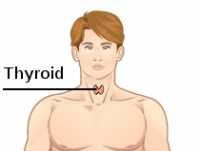
Response: SUBCLINICAL HYPOTHYROIDISM IS VERY COMMON, WITH AN ESTIMATED 13 MILLION AMERICANS AFFECTED. SUBCLINICAL HYPOTHYROIDISM IS OFTEN TREATED WITH LEVOTHYROXINE, PARTICULARLY WHEN IT CO-OCCURS WITH SYMPTOMS POTENTIALLY ATTRIBUTABLE TO HYPOTHYROIDISM SUCH AS TIREDNESS, CONSTIPATION, AND UNEXPLAINED WEIGHT GAIN. THIS PRACTICE MAY CONTRIBUTE TO LEVOTHYROXINE BEING THE MOST PRESCRIBED DRUG FROM 2014 ONWARDS IN THE US.
HOWEVER, IN OUR META-ANALYSIS OF 21 RANDOMIZED CLINICAL TRIALS, WE OBSERVED NO BENEFIT OF LEVOTHYROXINE THERAPY (COMPARED TO PLACEBO) REGARDING GENERAL QUALITY OF LIFE, THYROID-RELATED SYMPTOMS, DEPPRESSIVE SYMPTOMS, FATIGUE, COGNITIVE FUNCTION, BLOOD PRESSURE OR BODY-MASS INDEX.
Dr. med. Martin Feller, MSc Epidemiology (LSHTM)
FMH Allgemeine Innere Medizin & Prävention und Gesundheitswesen
Scientific Research Coordinator
INSELSPITAL, Universitätsspital Bern
Universitätsklinik und Poliklinik für Allgemeine Innere Medizin (RodondiResearch)
MedicalResearch.com: What is the background for this study? What are the main findings?
Response: SUBCLINICAL HYPOTHYROIDISM IS VERY COMMON, WITH AN ESTIMATED 13 MILLION AMERICANS AFFECTED. SUBCLINICAL HYPOTHYROIDISM IS OFTEN TREATED WITH LEVOTHYROXINE, PARTICULARLY WHEN IT CO-OCCURS WITH SYMPTOMS POTENTIALLY ATTRIBUTABLE TO HYPOTHYROIDISM SUCH AS TIREDNESS, CONSTIPATION, AND UNEXPLAINED WEIGHT GAIN. THIS PRACTICE MAY CONTRIBUTE TO LEVOTHYROXINE BEING THE MOST PRESCRIBED DRUG FROM 2014 ONWARDS IN THE US.
HOWEVER, IN OUR META-ANALYSIS OF 21 RANDOMIZED CLINICAL TRIALS, WE OBSERVED NO BENEFIT OF LEVOTHYROXINE THERAPY (COMPARED TO PLACEBO) REGARDING GENERAL QUALITY OF LIFE, THYROID-RELATED SYMPTOMS, DEPPRESSIVE SYMPTOMS, FATIGUE, COGNITIVE FUNCTION, BLOOD PRESSURE OR BODY-MASS INDEX.

 Dr Martinez[/caption]
Dr. Kathryn A. Martinez PhD MPH
CanSORT Cancer Surveillance and Outcomes Research Team
Cleveland Clinic
MedicalResearch.com: What is the background for this study? What are the main findings?
Response: Most upper respiratory infections are viral and therefore should not be treated with antibiotics. Despite this, physicians commonly prescribe them for these conditions. Patients often expect antibiotics for respiratory tract infections. As a result, physicians may find it easier to give patients what they want rather than explain to them why antibiotics aren’t needed.
We hypothesized it also might be more time consuming for physicians to explain to patients why they don’t need antibiotics, which creates a further incentive to prescribe them. To explore this potential phenomenon, we used data from a large direct to consumer telemedicine system to assess differences in medical encounter length by prescription outcome for patients diagnosed with respiratory tract infections.
We found that encounters resulting in antibiotics were 0.33 minutes shorter than those that resulted in no prescriptions, supporting our hypothesis that prescribing an antibiotic takes less time than prescribing nothing.
Dr Martinez[/caption]
Dr. Kathryn A. Martinez PhD MPH
CanSORT Cancer Surveillance and Outcomes Research Team
Cleveland Clinic
MedicalResearch.com: What is the background for this study? What are the main findings?
Response: Most upper respiratory infections are viral and therefore should not be treated with antibiotics. Despite this, physicians commonly prescribe them for these conditions. Patients often expect antibiotics for respiratory tract infections. As a result, physicians may find it easier to give patients what they want rather than explain to them why antibiotics aren’t needed.
We hypothesized it also might be more time consuming for physicians to explain to patients why they don’t need antibiotics, which creates a further incentive to prescribe them. To explore this potential phenomenon, we used data from a large direct to consumer telemedicine system to assess differences in medical encounter length by prescription outcome for patients diagnosed with respiratory tract infections.
We found that encounters resulting in antibiotics were 0.33 minutes shorter than those that resulted in no prescriptions, supporting our hypothesis that prescribing an antibiotic takes less time than prescribing nothing.
 Dr. Solomon[/caption]
Scott David Solomon, MD
Director, Noninvasive Cardiology
Professor, Harvard Medical School
Brigham and Women's Hospital
MedicalResearch.com: What is the background for this study? What are the main findings?
Response: The sodium glucose transport proteins are known to be important in regulating uptake of glucose. SGLT-1 is predominantly located in the gut and is responsible for uptake of glucose and galactose in the small intestine. Individuals born with severe mutations of this gene have severe malabsorption syndrome.
We looked at genetic variants that lead to reduced function of the protein, but not complete loss of function, in a large cohort of individuals in the NIH funded Atherosclerosis Risk in Communities Study. We found that those with mutations in the gene had reduced glucose uptake, as measured by an oral glucose tolerance test, as well as less obesity, diabetes, heart failure and death.
Dr. Solomon[/caption]
Scott David Solomon, MD
Director, Noninvasive Cardiology
Professor, Harvard Medical School
Brigham and Women's Hospital
MedicalResearch.com: What is the background for this study? What are the main findings?
Response: The sodium glucose transport proteins are known to be important in regulating uptake of glucose. SGLT-1 is predominantly located in the gut and is responsible for uptake of glucose and galactose in the small intestine. Individuals born with severe mutations of this gene have severe malabsorption syndrome.
We looked at genetic variants that lead to reduced function of the protein, but not complete loss of function, in a large cohort of individuals in the NIH funded Atherosclerosis Risk in Communities Study. We found that those with mutations in the gene had reduced glucose uptake, as measured by an oral glucose tolerance test, as well as less obesity, diabetes, heart failure and death.
 Dr. Padilla-Walker[/caption]
Laura M. Padilla-Walker, PhD
Professor, School of Family Life
Associate Dean, College of Family, Home, and Social Sciences
Brigham Young University
MedicalResearch.com: What is the background for this study? What are the main findings?
Response: The current study included approximately 500 teens that we followed for 8 years starting at approximately age 14.
In this particular study, we explored how parent-child sex communication regarding sexual safety changed from ages 14-18, and then how this change was associated with children’s sexual outcomes at age 21. Though we would hope and expect that parents would discuss sexual safety with their children at increasing levels as children age, findings from this study suggested low and unchanging levels of parent-child sex communication over time. In other words, parents are talking very little to their children about sexual safety, and how much they talk to children isn’t changing from age 14 to 18.
In addition, mothers reported significantly higher levels of sex communication than did children and fathers, suggesting that mothers think they talk about sexuality more than children think they do. Though this is an issue of perception, what the child perceives is generally a more important predictor of positive outcomes. Mothers also reported talking with their sons less than their daughters, though sex communication with sons increased over time and by age 18 mothers reported the same (relatively low) levels of sex communication with both daughters and sons.
That being said, initial levels and positive change in parent-child sex communication was associated with safer sex at age 21, suggesting that parents SHOULD talk with their children more and at increasing levels over time, because these factors are associated with positive child outcomes.
Dr. Padilla-Walker[/caption]
Laura M. Padilla-Walker, PhD
Professor, School of Family Life
Associate Dean, College of Family, Home, and Social Sciences
Brigham Young University
MedicalResearch.com: What is the background for this study? What are the main findings?
Response: The current study included approximately 500 teens that we followed for 8 years starting at approximately age 14.
In this particular study, we explored how parent-child sex communication regarding sexual safety changed from ages 14-18, and then how this change was associated with children’s sexual outcomes at age 21. Though we would hope and expect that parents would discuss sexual safety with their children at increasing levels as children age, findings from this study suggested low and unchanging levels of parent-child sex communication over time. In other words, parents are talking very little to their children about sexual safety, and how much they talk to children isn’t changing from age 14 to 18.
In addition, mothers reported significantly higher levels of sex communication than did children and fathers, suggesting that mothers think they talk about sexuality more than children think they do. Though this is an issue of perception, what the child perceives is generally a more important predictor of positive outcomes. Mothers also reported talking with their sons less than their daughters, though sex communication with sons increased over time and by age 18 mothers reported the same (relatively low) levels of sex communication with both daughters and sons.
That being said, initial levels and positive change in parent-child sex communication was associated with safer sex at age 21, suggesting that parents SHOULD talk with their children more and at increasing levels over time, because these factors are associated with positive child outcomes.

 Professor Yair Lotan MD
Chief of Urologic Oncology
Holder of the Helen J. and Robert S. Strauss Professorship in Urology
UT Southwestern Medical Center at Dallas
Department of Urology
Dallas, Texas 75390-9110
MedicalResearch.com: What is the background for this study? What are the main findings?
Response: Urinary tract infections are extremely common in women and many women experience recurrent episodes which impact their quality of life. There are also many women who do not drink as much water as is recommended.
This study found that in healthy women with recurrent UTIs who drink less than 1.5 liters per day, the additional intake of 1.5 liters of water daily reduced the risk of recurrent infections by nearly 50%.
Professor Yair Lotan MD
Chief of Urologic Oncology
Holder of the Helen J. and Robert S. Strauss Professorship in Urology
UT Southwestern Medical Center at Dallas
Department of Urology
Dallas, Texas 75390-9110
MedicalResearch.com: What is the background for this study? What are the main findings?
Response: Urinary tract infections are extremely common in women and many women experience recurrent episodes which impact their quality of life. There are also many women who do not drink as much water as is recommended.
This study found that in healthy women with recurrent UTIs who drink less than 1.5 liters per day, the additional intake of 1.5 liters of water daily reduced the risk of recurrent infections by nearly 50%.
 Dr. Weaver[/caption]
Matthew D. Weaver, PhD
Instructor in Medicine · Harvard Medical School
Associate Epidemiologist · Division of Sleep and Circadian Disorders
Brigham and Women's Hospital
Boston, MA 02215
MedicalResearch.com: What is the background for this study?
Response: We were interested whether high school students who tended to sleep less than 8 hours per night reported more risk-taking behaviors compared to high school students who slept at least 8 hours per night on a school night. We utilized a nationally representative dataset from the CDC of surveys that were completed by high school students between 2007 and 2015. Over that time, approximately 67,000 students were surveyed. Students were asked about the hours of sleep that they obtained on an average school night. They were also asked how often, in the month prior to the survey, they engaged in a number of risk-taking behaviors. Some behaviors were related to driving, like driving without a seatbelt or driving drunk, while others were related to using alcohol, doing drugs, or being involved in a fight. They were also asked about their mood, including whether they felt sad or hopeless, considered suicide, and whether they had attempted suicide.
Dr. Weaver[/caption]
Matthew D. Weaver, PhD
Instructor in Medicine · Harvard Medical School
Associate Epidemiologist · Division of Sleep and Circadian Disorders
Brigham and Women's Hospital
Boston, MA 02215
MedicalResearch.com: What is the background for this study?
Response: We were interested whether high school students who tended to sleep less than 8 hours per night reported more risk-taking behaviors compared to high school students who slept at least 8 hours per night on a school night. We utilized a nationally representative dataset from the CDC of surveys that were completed by high school students between 2007 and 2015. Over that time, approximately 67,000 students were surveyed. Students were asked about the hours of sleep that they obtained on an average school night. They were also asked how often, in the month prior to the survey, they engaged in a number of risk-taking behaviors. Some behaviors were related to driving, like driving without a seatbelt or driving drunk, while others were related to using alcohol, doing drugs, or being involved in a fight. They were also asked about their mood, including whether they felt sad or hopeless, considered suicide, and whether they had attempted suicide.

Our findings are reassuring to women of reproductive age, contemporary combined oral contraceptives (which generally contain lower doses of oestrogen and newer progestogens) are still associated with a reduced risk of ovarian cancer....
 Dr. Janku[/caption]
Filip Janku, MD, PhD
Associate Professor, Investigational Cancer Therapeutics
(Phase I Clinical Trials Program)
Center Medical Director, Clinical and Translational Research Center
The University of Texas MD Anderson Cancer Center
Houston, TX 77030
MedicalResearch.com: What is the background for this study? What are the main findings?
Response: Clostridium novyi-NT is an attenuated strain of bacteria Clostridium, which induced a microscopically precise, tumor-localized response in a rat brain tumor model and in companion dogs bearing spontaneous cancers. Clostridium novyi-NT can only grow in hypoxic (low-oxygen) tumor environment and destroys cancer cells by secreting lipases, proteases, and other hydrolytic enzymes; recruiting inflammatory cells to tumors eliciting anti-tumor immune responses in animals. Furthermore, intratumoral injection can plausibly induce an immune mediated abscopal effect in non-injected tumor sites.
Therefore, we designed a phase I dose-finding study to test for safety and tolerability of the single intratumoral injection of Clostridium novyi-NT in 24 patients with advanced cancers with no available standard therapies. We also designed experiments to study activation of antitumor immune response in blood and tumor samples from patients undergoing the therapy.
We demonstrated that single dose of intratumoral injection of Clostridium novyi-NT is feasible and has led to significant destruction of injected tumor masses. Adverse events, which were often related to the tumor destruction at the infected site, could have been significant but mostly manageable. Correlative studies of pre-treatment and post-treatment tumor and blood samples suggested immune response to therapy.
Dr. Janku[/caption]
Filip Janku, MD, PhD
Associate Professor, Investigational Cancer Therapeutics
(Phase I Clinical Trials Program)
Center Medical Director, Clinical and Translational Research Center
The University of Texas MD Anderson Cancer Center
Houston, TX 77030
MedicalResearch.com: What is the background for this study? What are the main findings?
Response: Clostridium novyi-NT is an attenuated strain of bacteria Clostridium, which induced a microscopically precise, tumor-localized response in a rat brain tumor model and in companion dogs bearing spontaneous cancers. Clostridium novyi-NT can only grow in hypoxic (low-oxygen) tumor environment and destroys cancer cells by secreting lipases, proteases, and other hydrolytic enzymes; recruiting inflammatory cells to tumors eliciting anti-tumor immune responses in animals. Furthermore, intratumoral injection can plausibly induce an immune mediated abscopal effect in non-injected tumor sites.
Therefore, we designed a phase I dose-finding study to test for safety and tolerability of the single intratumoral injection of Clostridium novyi-NT in 24 patients with advanced cancers with no available standard therapies. We also designed experiments to study activation of antitumor immune response in blood and tumor samples from patients undergoing the therapy.
We demonstrated that single dose of intratumoral injection of Clostridium novyi-NT is feasible and has led to significant destruction of injected tumor masses. Adverse events, which were often related to the tumor destruction at the infected site, could have been significant but mostly manageable. Correlative studies of pre-treatment and post-treatment tumor and blood samples suggested immune response to therapy.


MedicalResearch.com Interview with: [caption id="attachment_44905" align="alignleft" width="200"] Dr. Morieri[/caption] Mario Luca Morieri MD Section on Genetics and Epidemiology, Research Division, Joslin Diabetes Center Department of Medicine, Harvard Medical School, Boston, MA MedicalResearch.com: What is the background for this study? What are the main findings? Response: Coronary artery disease (CAD) is one of the most important complications...
 Dr. Manon Eckhardt[/caption]
Manon Eckhardt, PhD
Gladstone Institutes
The Quantitative Biosciences Institute
University of California San Francisco
MedicalResearch.com: What is the background for this study? What are the main findings?
Response: Infection with Human Papillomavirus (HPV) causes 5% of all cancers worldwide, including cervical cancer and an increasing number of head and neck cancers. Most cancers are caused by mutations in genes, leading to the production of malfunctioning proteins that result in unconstrained cell division. However, certain viruses like HPV can cause cancer without introducing mutations.
In this study, we compared cancers of the same type (i.e. head and neck) that are caused by either mutation or virus infection to identify important processes that are dysregulated in both subsets. We hypothesized that identifying which proteins the virus binds can lead the way to prioritize which of the proteins and cellular processes (pathways) that are affected in cancer cells are most important. To do this, we identified the complete set of human proteins that interact with HPV. We next determined genes that were more frequently mutated in non-viral cancers, and combined both data sets. The proteins we find to be both binding to HPV and mutated in non-viral cancers will be potential targets for new, more specific drug development, and help better understand the development of head and neck cancer.
From the many pathways we identified in this study, we highlighted two pathways with further mechanistic studies: the oxidative stress response, which helps cancer cells survive, as well as a pathway that allows the cancer to spread to other parts of the body.
Dr. Manon Eckhardt[/caption]
Manon Eckhardt, PhD
Gladstone Institutes
The Quantitative Biosciences Institute
University of California San Francisco
MedicalResearch.com: What is the background for this study? What are the main findings?
Response: Infection with Human Papillomavirus (HPV) causes 5% of all cancers worldwide, including cervical cancer and an increasing number of head and neck cancers. Most cancers are caused by mutations in genes, leading to the production of malfunctioning proteins that result in unconstrained cell division. However, certain viruses like HPV can cause cancer without introducing mutations.
In this study, we compared cancers of the same type (i.e. head and neck) that are caused by either mutation or virus infection to identify important processes that are dysregulated in both subsets. We hypothesized that identifying which proteins the virus binds can lead the way to prioritize which of the proteins and cellular processes (pathways) that are affected in cancer cells are most important. To do this, we identified the complete set of human proteins that interact with HPV. We next determined genes that were more frequently mutated in non-viral cancers, and combined both data sets. The proteins we find to be both binding to HPV and mutated in non-viral cancers will be potential targets for new, more specific drug development, and help better understand the development of head and neck cancer.
From the many pathways we identified in this study, we highlighted two pathways with further mechanistic studies: the oxidative stress response, which helps cancer cells survive, as well as a pathway that allows the cancer to spread to other parts of the body.

 Dr. Lester[/caption]
Barry M. Lester, PhD
Center for the Study of Children at Risk
Warren Alpert Medical School, Brown University
Women and Infants Hospital of Rhode Island
Providence, Rhode Island;
MedicalResearch.com: What is the background for this study? What are the main findings?
Response: We know from rodent studies that maternal care or nurturing behavior can change the rat pups physiologic response to stress. More nurturing behavior makes it easier for rat pups to relax after stress. Not only that, these changes are permanent, they last into adulthood and there is evidence that these changes can be passed on to the next generation. With animal studies you can unlock the mechanism for this in ways that you can’t do with humans and we know from the rodent studies that the mechanism for these changes has to do with changes in gene activity.
Nurturing behavior controls a specific gene that regulates the infant’s physiological response to stress. In other words, we are looking at maternal behavioral programming of a gene that can make, in our case, a human infant less physiologically reactive to stress.
The physiological reactivity to stress that we studied was the production of the stress hormone cortisol. Cortisol is part of the body’s flight or fight reaction, the body’s major response to stress and too much or too little cortisol can be harmful and is related to a wide range of mental and physical health disorders in children and adults. The concerns about separating immigrant children from their parents that we read about every day in the paper are based on this same physiological system, where brain structures that control cortisol production are damaged by the stress of separation.
Dr. Lester[/caption]
Barry M. Lester, PhD
Center for the Study of Children at Risk
Warren Alpert Medical School, Brown University
Women and Infants Hospital of Rhode Island
Providence, Rhode Island;
MedicalResearch.com: What is the background for this study? What are the main findings?
Response: We know from rodent studies that maternal care or nurturing behavior can change the rat pups physiologic response to stress. More nurturing behavior makes it easier for rat pups to relax after stress. Not only that, these changes are permanent, they last into adulthood and there is evidence that these changes can be passed on to the next generation. With animal studies you can unlock the mechanism for this in ways that you can’t do with humans and we know from the rodent studies that the mechanism for these changes has to do with changes in gene activity.
Nurturing behavior controls a specific gene that regulates the infant’s physiological response to stress. In other words, we are looking at maternal behavioral programming of a gene that can make, in our case, a human infant less physiologically reactive to stress.
The physiological reactivity to stress that we studied was the production of the stress hormone cortisol. Cortisol is part of the body’s flight or fight reaction, the body’s major response to stress and too much or too little cortisol can be harmful and is related to a wide range of mental and physical health disorders in children and adults. The concerns about separating immigrant children from their parents that we read about every day in the paper are based on this same physiological system, where brain structures that control cortisol production are damaged by the stress of separation.

Loss of appetite, sleep disturbances, insomnia, feelings of isolation, inability to make decisions, and confusion are all common symptoms while grieving...

MedicalResearch.com Interview with: [caption id="attachment_44776" align="alignleft" width="200"] Dr. McCoy[/caption] Thomas McCoy, M.D. Assistant Professor of Psychiatry Massachusetts General Hospital Psychiatry Massachusetts General Hospital MedicalResearch.com: What is the background for this study? Response: Big data has the potential to transform how we care for patients but comes with risks of big breaches. My co-author and I use health records...