
01 Aug Do Yellow Glasses Make Night Driving Better or Worse?
Posted at 22:06h
in Accidents & Violence, Author Interviews, Brigham & Women's - Harvard, JAMA, Ophthalmology
MedicalResearch.com Interview with:
[caption id="attachment_50514" align="alignleft" width="163"] Dr. Hwang[/caption]
Daejoon Alex Hwang, PhD
Instructor in Ophthalmology
Investigator,
Schepens Eye Research Institute of Mass. Eye and Ear
Harvard Medical School
MedicalResearch.com: What is the background for this study?
Response: Yellow night driving glasses are sold with promises to reduce headlight glare from oncoming traffic and help aging individuals see better at night. Despite a 1997 ruling by the Federal Trade Commission against one company’s claims, the products still remain popular online.
We tested three commercially available yellow lens night driving glasses and compare their effectiveness with clear lens glasses on our novel headlight glare simulator in the driving simulator.
Dr. Hwang[/caption]
Daejoon Alex Hwang, PhD
Instructor in Ophthalmology
Investigator,
Schepens Eye Research Institute of Mass. Eye and Ear
Harvard Medical School
MedicalResearch.com: What is the background for this study?
Response: Yellow night driving glasses are sold with promises to reduce headlight glare from oncoming traffic and help aging individuals see better at night. Despite a 1997 ruling by the Federal Trade Commission against one company’s claims, the products still remain popular online.
We tested three commercially available yellow lens night driving glasses and compare their effectiveness with clear lens glasses on our novel headlight glare simulator in the driving simulator.





 Dr. Hui Wang[/caption]
Prof Hui Wang PhD
Wuhan University
China
MedicalResearch.com: What is the background for this study? What are the main findings?
Response: We started our work in the adverse outcome of maternal caffeine intake during pregnancy about 15 years ago. Then, we found that prenatal caffeine intake could result in nonalcoholic fatty liver disease in the offspring. However, the underlying mechanism was unclear.
So, we start the current work, and found that hat maternal caffeine intake disrupts liver development before and after birth, which might be the trigger of the adult non-alcoholic fatty liver disease in the offspring rats. Moreover, we further found that the fetal programming of liver glucocorticoid – insulin like growth factor 1 axis, a new endocrine axis first reported by our team, might participate in such process.
Dr. Hui Wang[/caption]
Prof Hui Wang PhD
Wuhan University
China
MedicalResearch.com: What is the background for this study? What are the main findings?
Response: We started our work in the adverse outcome of maternal caffeine intake during pregnancy about 15 years ago. Then, we found that prenatal caffeine intake could result in nonalcoholic fatty liver disease in the offspring. However, the underlying mechanism was unclear.
So, we start the current work, and found that hat maternal caffeine intake disrupts liver development before and after birth, which might be the trigger of the adult non-alcoholic fatty liver disease in the offspring rats. Moreover, we further found that the fetal programming of liver glucocorticoid – insulin like growth factor 1 axis, a new endocrine axis first reported by our team, might participate in such process.

 Kazuo Kitagawa, MD PhD
Department of Neurology
Tokyo Women's Medical University
Tokyo, Japan
MedicalResearch.com: What is the background for this study? What are the main findings
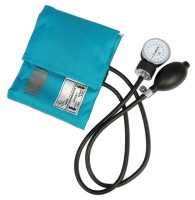
Response: Reduction in blood pressure (BP) reduces the rates of recurrent stroke, but the optimum BP target remained unclear.
The results of RESPECT Study together with up-dated meta-analysis showed the benefit of intensive blood pressure lowering (<130/80 mmHg) compared with standard BP lowering (<140/90 mmHg).
Kazuo Kitagawa, MD PhD
Department of Neurology
Tokyo Women's Medical University
Tokyo, Japan
MedicalResearch.com: What is the background for this study? What are the main findings
Response: Reduction in blood pressure (BP) reduces the rates of recurrent stroke, but the optimum BP target remained unclear.
The results of RESPECT Study together with up-dated meta-analysis showed the benefit of intensive blood pressure lowering (<130/80 mmHg) compared with standard BP lowering (<140/90 mmHg). 







 Frank Qian[/caption]
Frank Qian, MPH
Department of Nutrition
Harvard T. H. Chan School of Public Health
Boston, Massachusetts
MedicalResearch.com: What is the background for this study?
Response: Plant-based diets have really grown in popularity in the last several years, particularly among the younger generation in the United States, many of whom are adopting a plant-based or vegetarian/vegan diet. However, the quality of such a diet can vary drastically. While many prior studies have demonstrated beneficial associations for risk of type 2 diabetes with healthful plant-based foods such as fruits, vegetables, nuts/seeds, whole grains, and legumes, the opposite is true for less healthful plant-based foods such as potatoes and refined grains such as white rice. In addition, some animal-based foods, such as dairy and fish, have shown protective associations against the development of type 2 diabetes, so strict vegetarian diets which exclude these foods may miss out on the potential benefits.
Given these divergent findings, we sought to pool all the available data from prior cohort studies to analyze whether the overall association of a diet which emphasizes plant-based foods (both healthful and unhealthful) are related to risk of type 2 diabetes.
Frank Qian[/caption]
Frank Qian, MPH
Department of Nutrition
Harvard T. H. Chan School of Public Health
Boston, Massachusetts
MedicalResearch.com: What is the background for this study?
Response: Plant-based diets have really grown in popularity in the last several years, particularly among the younger generation in the United States, many of whom are adopting a plant-based or vegetarian/vegan diet. However, the quality of such a diet can vary drastically. While many prior studies have demonstrated beneficial associations for risk of type 2 diabetes with healthful plant-based foods such as fruits, vegetables, nuts/seeds, whole grains, and legumes, the opposite is true for less healthful plant-based foods such as potatoes and refined grains such as white rice. In addition, some animal-based foods, such as dairy and fish, have shown protective associations against the development of type 2 diabetes, so strict vegetarian diets which exclude these foods may miss out on the potential benefits.
Given these divergent findings, we sought to pool all the available data from prior cohort studies to analyze whether the overall association of a diet which emphasizes plant-based foods (both healthful and unhealthful) are related to risk of type 2 diabetes.





![MedicalResearch.com Interview with: Regis Goulart Rosa, MD, PhD Responsabilidade Social - PROADI Hospital Moinhos de Vento MedicalResearch.com: What is the background for this study? Response: The debate about visiting policies in adult ICUs is of broad and current interest in critical care, with strong advocacy in favour of flexible family visitation models in order to promote patient- and family-centred care. However, the proportion of adult ICUs with unrestricted visiting hours is very low. Data from the literature show that 80% of hospitals in the United Kingdom and USA adopt restrictive ICU visiting policies. Among ICUs with restrictive visiting hours, published studies show that the daily visiting time ranges from a median of 1 hour in Italy to a mean of 4.7 hours in France. In agreement with this scenario, most adult ICUs in Brazil follow a restrictive visitation model, in which family members are allowed to visit the critically ill patient from 30 minutes to 1 hour, once or twice a day. These restrictive visitation models have been justified by the theoretical risks associated with unrestricted visiting hours, mainly infectious complications, disorganization of care, and burnout. Controversially, these risks have not been consistently confirmed by the scarce literature on the subject, and flexible ICU visiting hours have been proposed as a means to prevent delirium among patients and improve family satisfaction. MedicalResearch.com: What are the main findings? Response: Disappointingly, studies evaluating the effectiveness and safety of flexible ICU visiting hours are scarce. To date, no large randomized trials have assessed the impact of a flexible visiting model on patients, family members, and ICU staff, and this evidence gap may constitute a barrier to the understanding of the best way to implement and improve ICU visiting policies. In the present pragmatic cluster-randomized crossover trial (The ICU Visits Study), we engaged 1,685 patients, 1,295 family members, and 826 ICU professionals from 36 adult ICUs in Brazil to compare a flexible visitation model (12 hours/day plus family education) vs. the standard restricted visitation model (median 90 minutes per day). We found that the flexible visitation did not significantly reduce the incidence of delirium among patients, but was associated with fewer symptoms of anxiety and depression and higher satisfaction with care among family members in comparison to the usual restricted visitation. Also, the flexible visitation did not increase the incidence of ICU-acquired infections and ICU staff burnout, which are major concerns when adopting this intervention. MedicalResearch.com: What should readers take away from your report? Response: Considering the evidence suggesting that most adult ICUs restrict the presence of family members, our results provide useful and relevant information that may influence the debate about current ICU visitation policies around the world. First, a flexible visitation policy that permits flexible family visitation in ICU (up to 12 hour per day) is feasible, given the high adherence of participant ICUs to implementation in The ICU Visits Study. Second, the flexible family supported by family education is safe regarding the occurrence of infections, disorganization of care or staff burnout. Third, family members - a commonly missing piece of the critical care puzzle - seem to benefit from the flexible visitation model through higher satisfaction with care and less symptoms of anxiety and depression. MedicalResearch.com: What recommendations do you have for future research as a result of this work? Response: Future research might focus on the following topics: 1) methods of implementation of flexible visiting models in ICUs; 2) Family support interventions in the context of flexible ICU visiting hours (e.g.: psychological and social support, support for shared decision making, peer support, and comfort); and 3) How flexible ICU visiting hours affects patient, family member and staff outcome at long-term. Disclosures: The ICU Visits study was funded by the Brazilian Ministry of Health through the Brazilian Unified Health System Institutional Development Program (PROADI-SUS). Citation: Effect of Flexible Family Visitation on Delirium Among Patients in the Intensive Care Unit [wysija_form id="3"] [last-modified] The information on MedicalResearch.com is provided for educational purposes only, and is in no way intended to diagnose, cure, or treat any medical or other condition. Always seek the advice of your physician or other qualified health and ask your doctor any questions you may have regarding a medical condition. In addition to all other limitations and disclaimers in this agreement, service provider and its third party providers disclaim any liability or loss in connection with the content provided on this website.](https://medicalresearch.com/wp-content/uploads/hospital-ICU-intensive-care.jpg)